
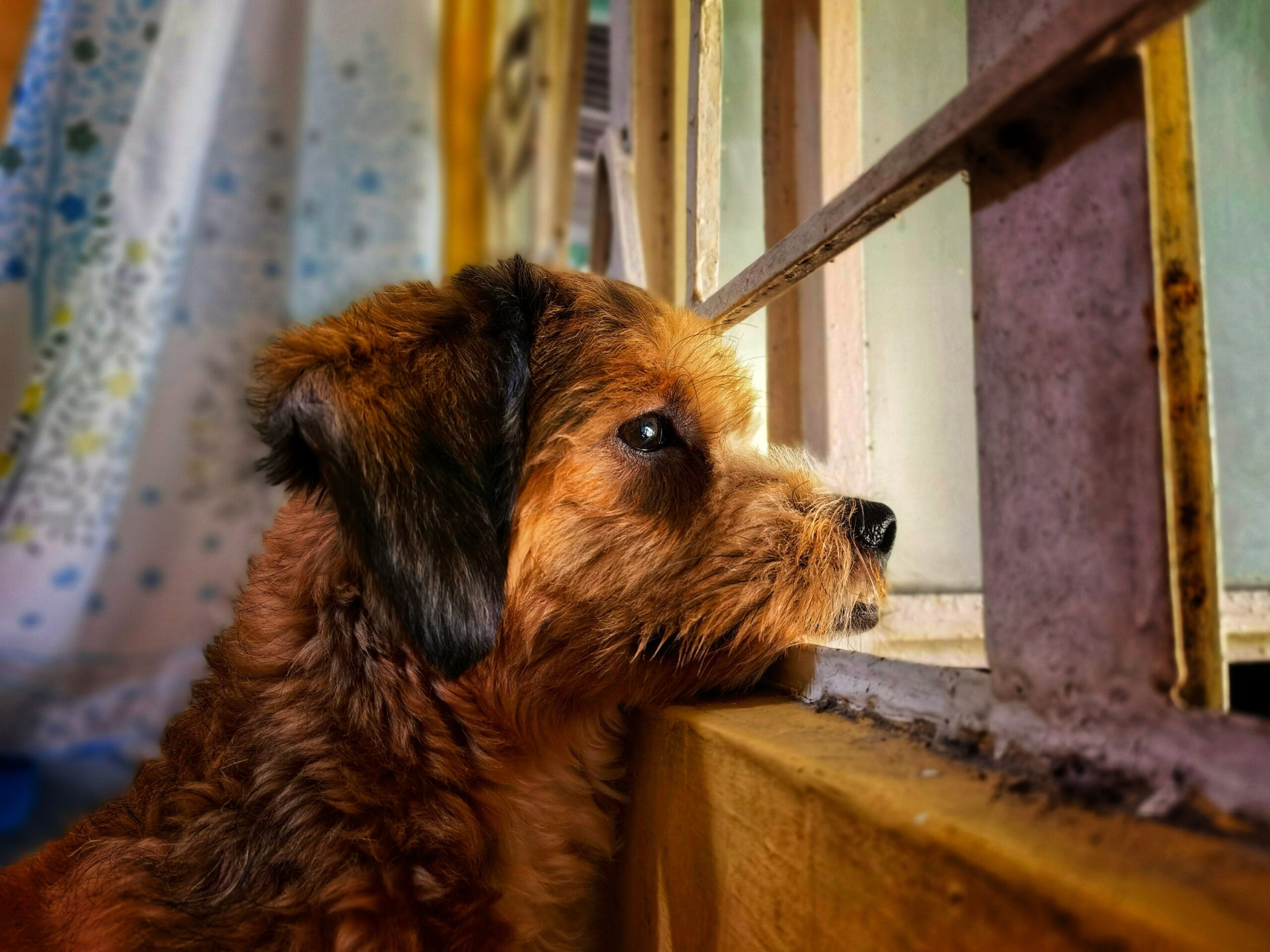
The way a dog shadows you to the front door can feel heartbreakingly sweet, like they’re terrified you’ll vanish forever if they blink. But that story we tell ourselves is not always what’s going on in their head. Dogs are emotional, yes, but they’re also clever little pattern-readers with their own agendas, expectations, and routines.
Once you start looking more closely, you realize something important: that slow walk to the door, the hopeful eyes, the little tail twitch – it’s not always about fear or separation anxiety. Very often, your dog is waiting for something specific they’ve learned to expect, whether that’s a treat, a walk, a whiff of the great outdoors, or just a chance to stay involved in the “pack business.” And when you understand what they’re actually waiting for, your relationship gets a whole lot richer and less guilt-filled.
They Might Be Hoping for a Walk, Not Panicking About Goodbye
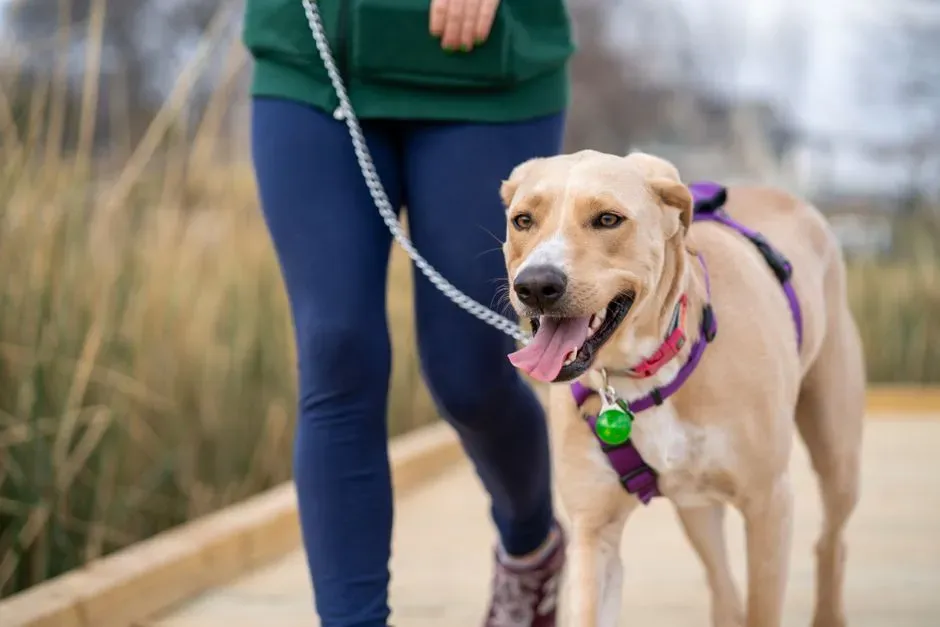
One of the simplest explanations is also one of the most overlooked: dogs are masters of routine, and many learn that you heading toward the door often means walk time. Even if you’re just grabbing a package or taking out the trash, your dog may have linked the sound of keys, shoes, or the door handle with the glorious possibility of stepping outside. That hopeful trot behind you can be pure anticipation, not dread.
If your dog’s tail is up, body loose, ears perked, and they hover eagerly by the leash spot or glance at it repeatedly, that’s a big clue. That’s not the posture of a dog spiraling into anxiety; it’s the posture of a dog waiting for an invitation. In those moments, they’re not thinking “You’re abandoning me.” They’re thinking, a bit more bluntly, “Is this our walk? Is it finally happening?”
They Could Be Expecting a Treat or Snack “Bonus”
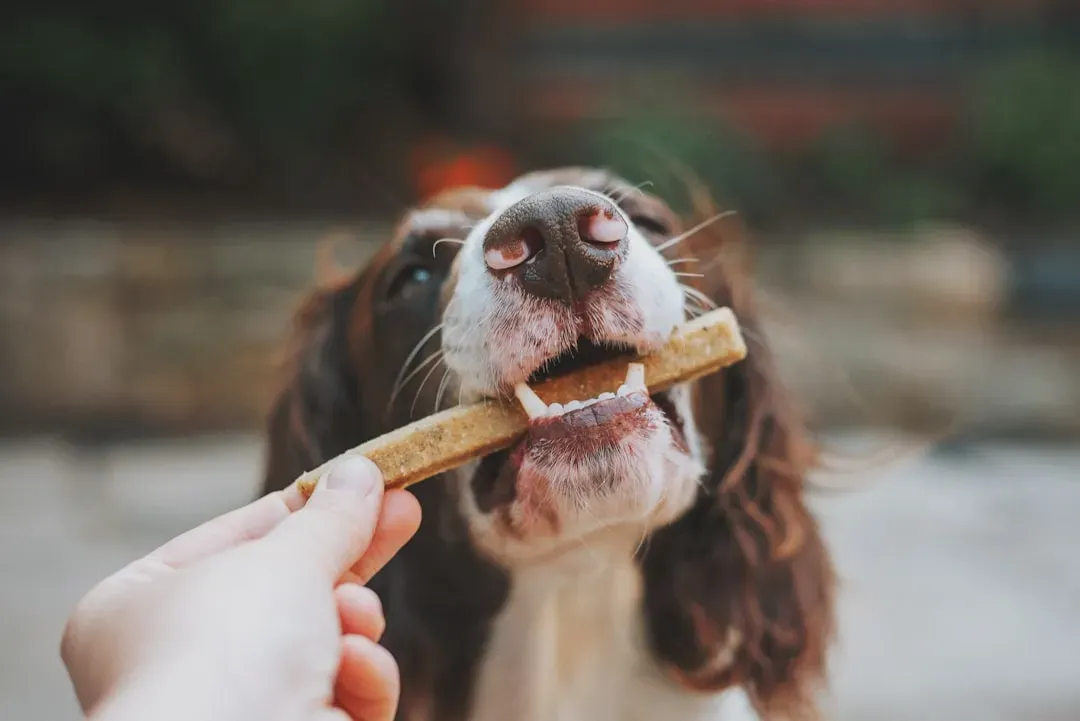
Many dogs quickly discover that human comings and goings are a jackpot opportunity. Some people offer a little goodbye treat, a chew to keep the dog busy, or even a lick mat when they walk out the door. Over time, your dog links “you moving toward the door” with “snacks are about to rain from the sky.” They follow because they’re optimistic, not terrified.
You’ll often see this if your dog plants themselves by the cupboard or treat jar, stares at your hands, or sits automatically as you reach for the knob. That’s polite dog language for “Payment is due.” From their point of view, escorting you to the door is part of a simple deal: you leave, they get something tasty. It’s less emotional drama and more like a furry little loyalty program they’ve signed up for.
They Want In on the Action and Hate Missing Out
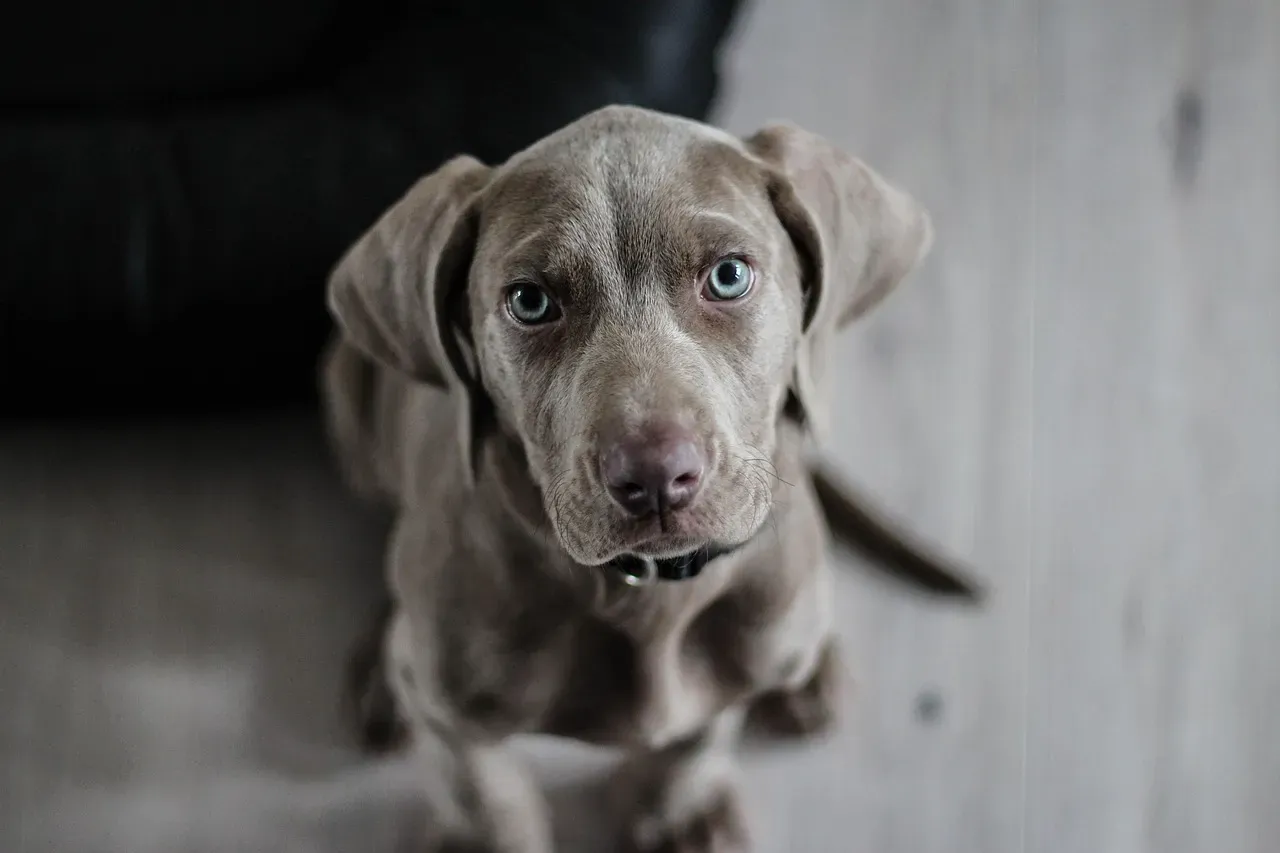
Even dogs who are pretty relaxed when left alone can absolutely loathe missing something interesting. The world beyond the door is a giant social newsfeed full of smells, sounds, and surprises. For a curious dog, the idea that you might walk out there and experience things without them is almost offensive. Following you to the door can be their way of lobbying for a front-row seat to whatever happens next.
Watch what they do when you open the door. Do they lean forward, sniff the air intensely, and try to peer around you? Do they look past you rather than at you? That behavior screams curiosity more than fear. In human terms, they’re that friend who always wants to know the group plan, not because they’re scared of being alone forever, but because they hate missing a good story.
They’re Guarding, Supervising, and “Clocking” Your Movements
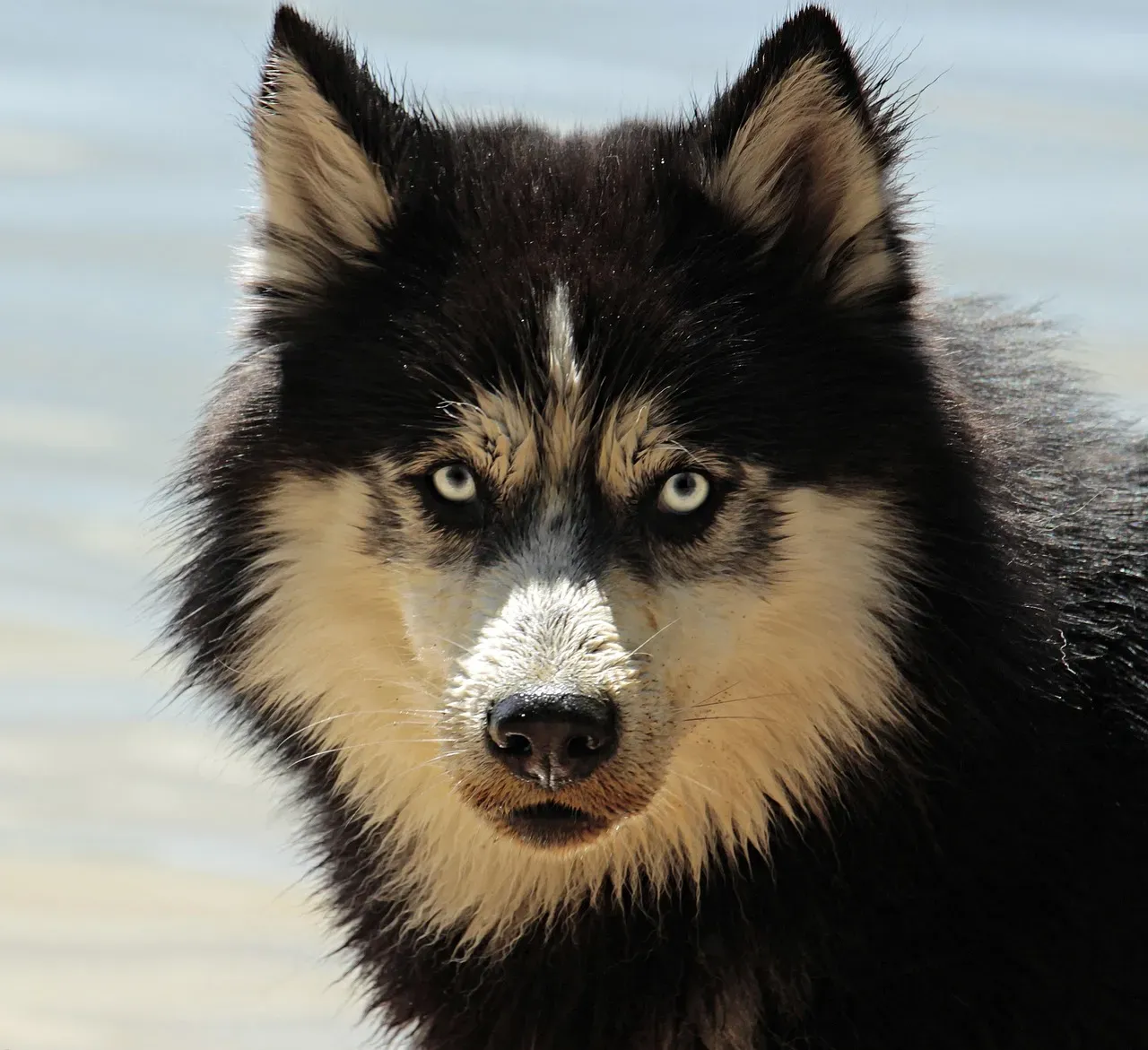
Some dogs see themselves as unofficial security staff or household managers. From that perspective, doors are high-importance zones: things enter, things leave, the pack changes configuration. When you walk toward the door, their inner supervisor wakes up. Following you is a way of saying, “I’m on duty, and I need to log whatever is happening right now.”
These dogs often stand slightly to the side, alert but not clingy, scanning the hallway, the porch, or the driveway. They might not whine or paw at you; they’re just present, watchful, and ready to react if something strange happens. They’re not necessarily anxious about you leaving, they’re invested in the perimeter. In their mind, a responsible dog never lets the door be unattended when a family member is coming or going.
They’ve Learned Your Micro-Cues Better Than You Have
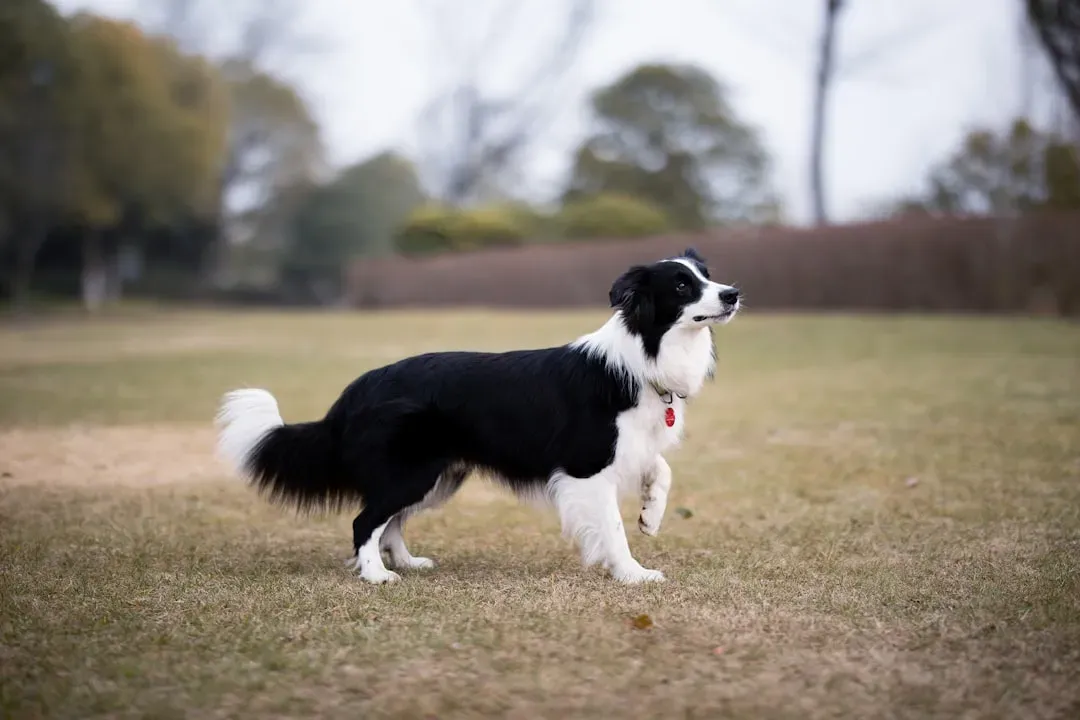
Dogs are unbelievably good at reading tiny body language shifts, sequences of sounds, and even your energy when you’re about to go somewhere significant. Maybe you stand differently when you’re heading out for work versus popping out to bring the trash can in. Maybe your breathing changes when you’re running late. They notice all of it, often more accurately than you do.
When they follow you to the door, they might be trying to clarify what kind of exit this is. Is this the long gone-all-day goodbye where the house gets boring, or the quick dash that ends with you returning holding a food bag or a fun smell? Dogs often wait right at the threshold because it’s the decision point: will they be included, or not this time? That “waiting” is sometimes less emotional meltdown and more information gathering.
Sometimes, Yes, It Really Is About Attachment and Worry
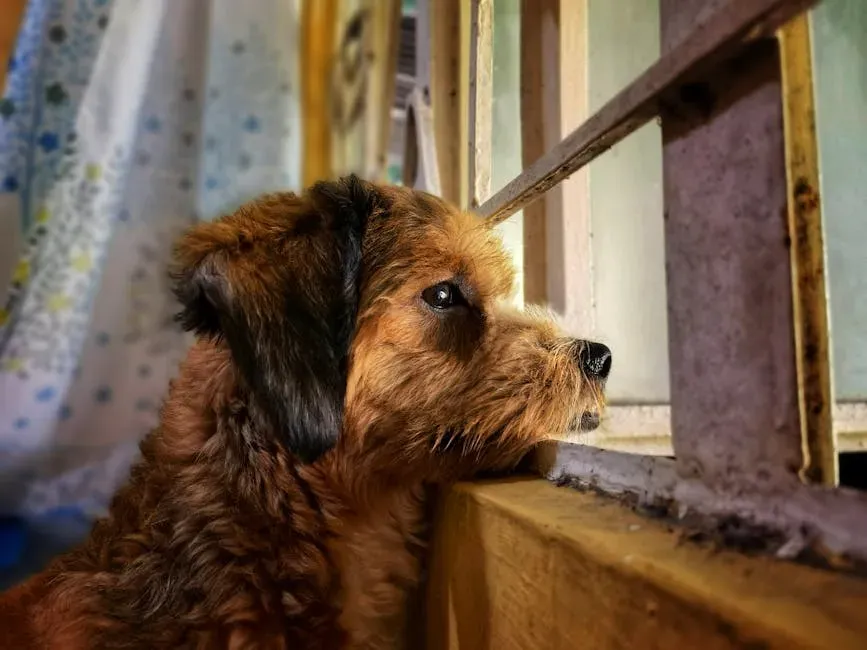
Of course, there are dogs for whom the doorway is a stress zone. If your dog whines, paces, pants, drools, scratches at the door after you leave, or shows destructive behavior, that may point toward genuine separation anxiety or at least a strong fear of being left. In that case, following you to the door is the start of a rising wave of panic rather than neutral curiosity or opportunism.
The key is to look at the whole picture, not just the walk to the door. How do they behave five or ten minutes after you’re gone? How do they greet you when you return: relieved and frantic, or happily excited but quickly calm? Attachment is real and powerful, and some dogs do struggle when their person leaves. But assuming every dog who escorts you to the door is drowning in fear does them a disservice. Sometimes, they need training and support; other times, they simply need you to understand they’re not actually in distress at all.
They Might Just Want One Last Moment With You
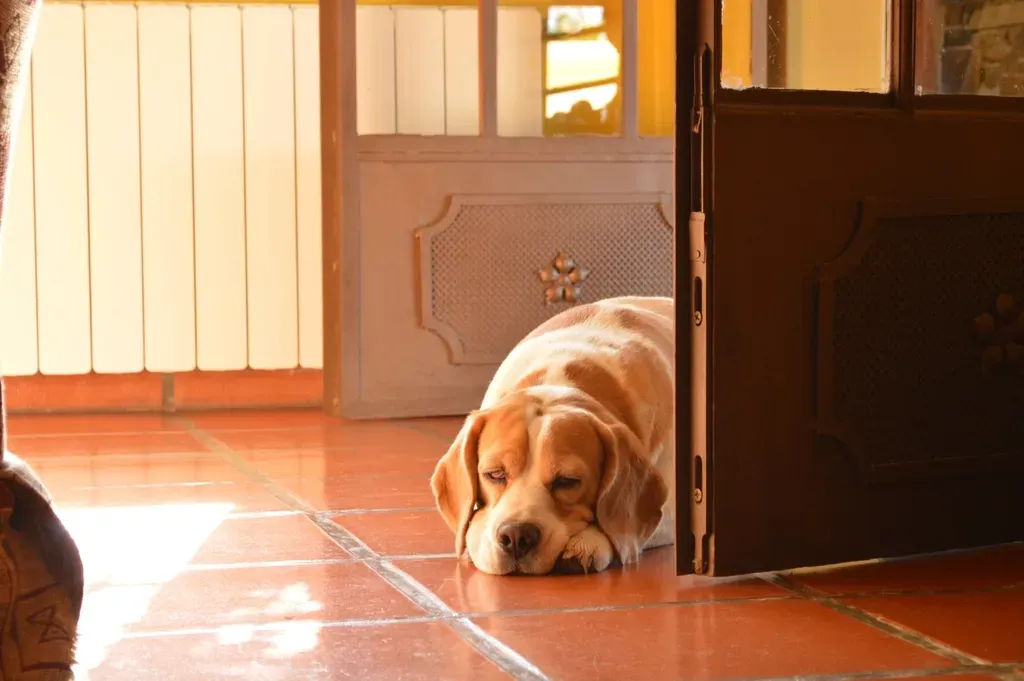
There is also a softer, quieter possibility: following you to the door can be a small ritual of connection. Dogs are social animals, and many feel better when they can be part of the beginning and end of their human’s comings and goings. Standing beside you while you put on your shoes or grab your bag may simply be their way of staying woven into your daily rhythm.
These dogs often aren’t frantic or demanding; they just lean quietly against your leg, nudge your hand once, or sit at your feet until the final second. Then, when you step outside, they sigh, turn around, and go lie down. It’s not high drama, and it’s not manipulation. It’s a tiny, everyday good-bye that says: I see you, I’m with you, and I’ll be here when you get back.
Conclusion: Less Guilt, More Curiosity About What Your Dog Is Really Saying
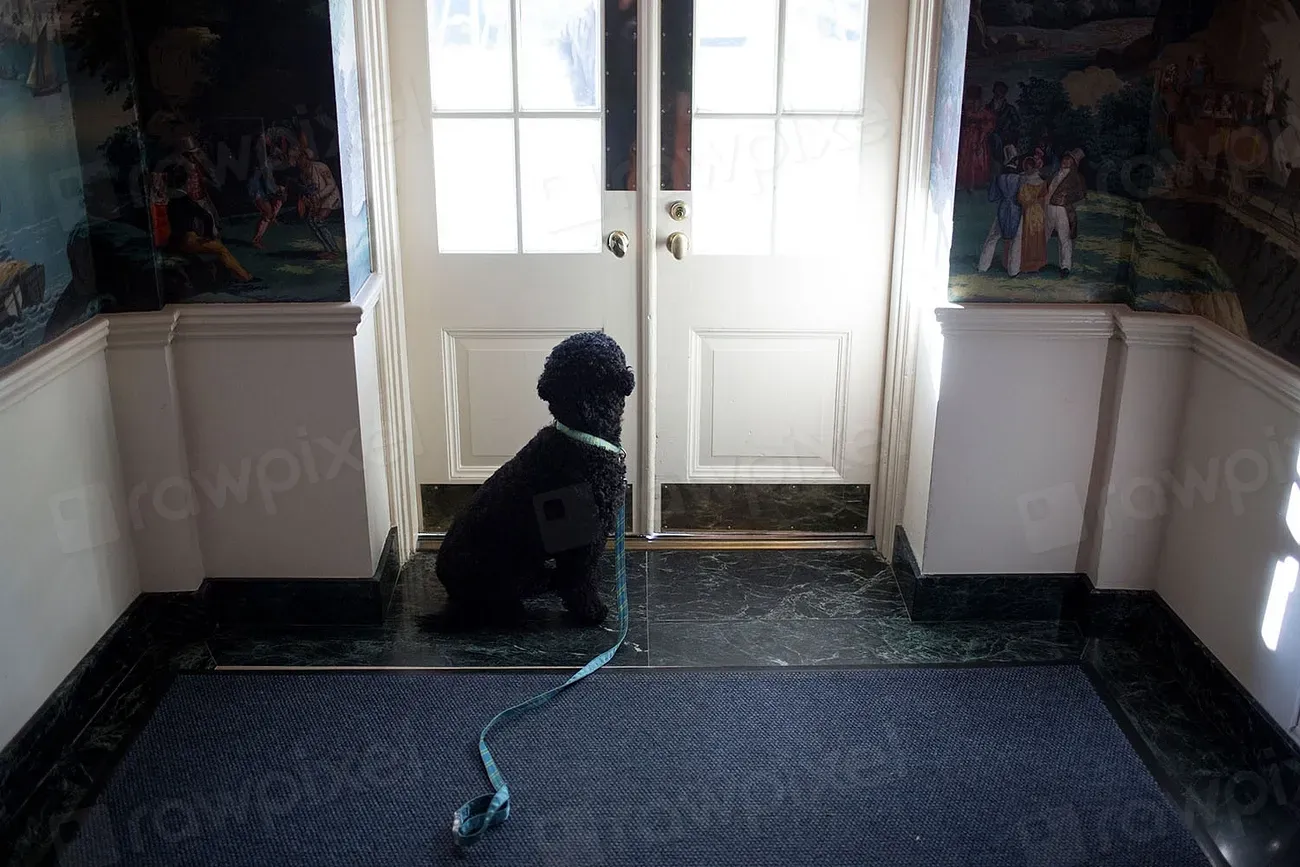
It’s tempting to interpret every trip to the door as a sad little movie of your dog begging you not to leave. But that story is often more about our own guilt than their reality. In many cases, they’re hoping for a walk, angling for a snack, gathering information, or simply supervising the movement of their pack like the responsible co-tenant they believe they are.
My own view is that we owe dogs something more honest than projecting constant heartbreak onto them. When we slow down and actually observe their body language, routines, and what happens before and after the door moment, we usually find a far more nuanced, less tragic picture. That shift from “My dog is always devastated” to “My dog is communicating something specific” is powerful. It lets you support them when they truly are anxious, and enjoy them when they’re just being hopeful, nosy, or endearingly bossy. The real question is: the next time your dog follows you to the door, will you see panic – or will you finally see the possibility they’ve been patiently waiting for you to notice?


