
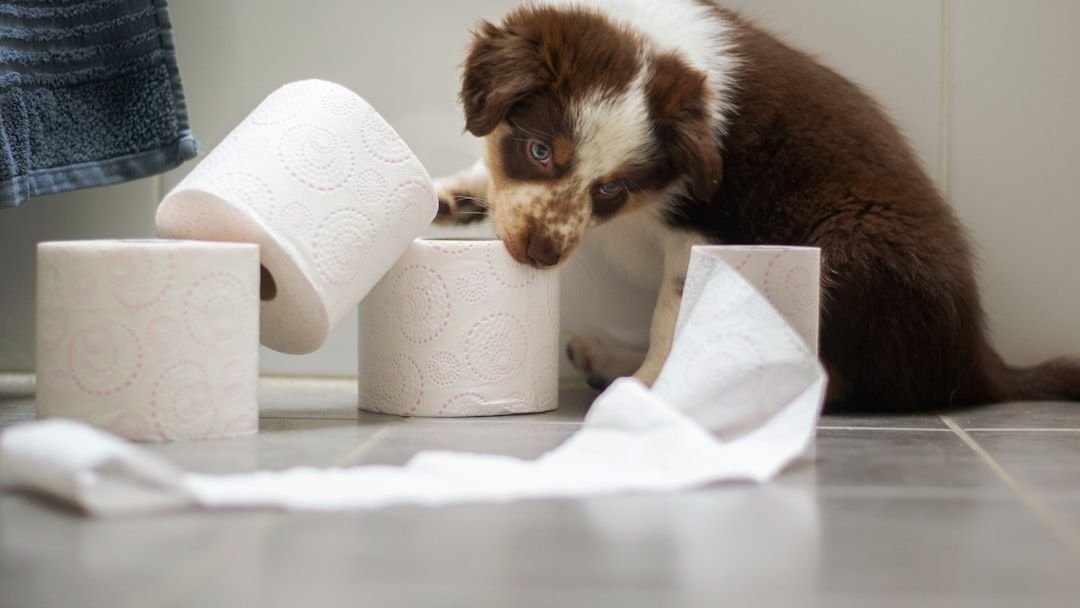
You bring home a brand-new puppy. Everything is perfect – the soft fur, the tiny paws, the way they tilt their head when you talk. Then, twenty minutes later, there’s a puddle on your kitchen floor, another one on your rug, and you’re speed-Googling whether potty training pads are a lifesaver or a trap. Sound familiar?
The truth is, there’s no clean-cut yes or no answer here. Potty training pads can be genuinely useful tools when used thoughtfully, and they can quietly sabotage your efforts when used carelessly. This is the honest, balanced breakdown every dog parent deserves before making that call.
Understanding Your Puppy’s Tiny Bladder (And Why It Matters)

Before you judge your puppy for going in the wrong place, consider what’s actually happening physiologically. Tiny puppies have tiny bladders, and before 16 weeks of age, they have yet to develop bladder control – so accidents are simply a given at this stage. They’re not being defiant; their bodies genuinely can’t wait.
Puppies can generally hold their bladder for the number of months they are old, plus one. That means a 2-month-old puppy can be expected to need to go every two to three hours. That’s a demanding schedule, especially if you work full-time or live in a high-rise building.
In the first days or weeks that a puppy is in your home, they’re not familiar with the space and don’t know where the “bathroom” is – so potty pads may be helpful in getting your puppy to eliminate in a consistent spot. Think of them as a starting point, a placeholder while your pup figures out the rules of your home.
When Potty Training Pads Actually Make Sense

There’s a real, practical case to be made for potty pads in certain situations. If you live in a high-rise apartment, are away for most of the day and can’t let your puppy out, or if your dog is older, sick, or has a mobility issue, puppy pads can really come in handy. These aren’t excuses – they’re genuine circumstances that millions of dog owners face every day.
Pee pad training can also be used for young, unvaccinated litters of puppies, or for older pets who are sick or might otherwise have trouble getting outside – such as those dealing with arthritis or neurologic problems. In those cases, pads aren’t a shortcut; they’re a compassionate necessity.
Pads can be placed anywhere, and in many cases it may be quicker and more easily accessible to reach a pee pad rather than heading outside or all the way down the elevator before an accident happens. For example, if you are mobility impaired or live on an upper floor of a tall building, it’s much easier to get your puppy to their pad area than make the long trip downstairs. That distinction matters more than people often admit.
The Hidden Downsides You Need To Know About
Here’s where things get real. Pads are genuinely convenient, but convenience can come with a cost. Allowing your puppy to eliminate indoors while also trying to train them to go outside sends mixed messages, and that confusion can delay the desired habit of holding it until they can go outside. You’re essentially teaching two conflicting lessons at once.
Dogs can get confused, especially if they start associating the soft feel of the pad with other household surfaces like rugs or carpets. The longer you rely on pads, the harder it becomes to break the habit. You may find your puppy confidently going on a bath mat or a pile of laundry and looking genuinely puzzled about why you’re not thrilled.
Puppies like to explore the world with their mouths, and placing pee pads on the floor may just be an open invitation for your pup to go into shredding – and swallowing – mode. Naughty young teething puppies may chew these pads, resulting in choking hazards, and the plastic present inside the pads could cause intestinal blockages that may even require emergency surgery. That’s not a small concern.
How To Use Potty Pads Without Creating Bad Habits
If you do decide that pads fit your situation, how you use them matters enormously. Watch for signs that your dog needs to urinate, like circling or sniffing, then take them on a leash to the pee pad and offer a cue word. When your pup pees on the pad, reward them with praise and treats. Consistency in that sequence is everything.
In general, your puppy will need to eliminate shortly after waking from sleep, eating or drinking, or playtime. Build your pad routine around those windows, and you’ll get ahead of accidents instead of always reacting to them. Keeping the pad in the same location helps your dog remember where they’re supposed to go. Moving it around constantly is one of the most common and easily avoidable mistakes.
Keep the training area limited to one or two pads to prevent confusion, and always reward correct potty behavior. A dirty puppy pad can lead to accidents elsewhere, so change it regularly and keep the spot clean. Your puppy’s nose is far more sensitive than yours, and a soiled pad can actually deter use rather than encourage it.
Making the Transition From Pads to Outdoors
While potty pads are a helpful tool to jumpstart potty training, especially for pet parents who can’t be home all day, they’re not intended to be a long-term solution. At some point, if outdoor training is your goal, you’ll need a clear plan to get there – and the sooner you start, the smoother it tends to go.
Move the pad closer to the door to help your pup associate it with eventually going outside. Whenever possible, encourage your puppy to go outside instead of using the pad. Gradual movement works better than sudden removal. Some puppies can grow dependent on pads exclusively or receive mixed signals when told to use the bathroom outside, and it may take additional training to transition them from pads to the outdoors as the primary place to go.
Instead of standard pee pads, consider potty boxes that use turf or real grass to help develop the association that grass is the appropriate place to go. Unlike synthetic materials, which lack the organic scent and feel of real grass, a grass pad offers a more seamless transition for puppy training and housebreaking, helping dogs understand where to go while promoting consistent habits. It’s a small adjustment that can dramatically shorten the transition period.
The Bottom Line: Tool, Not a Crutch

Potty training pads aren’t inherently good or bad. They’re tools, and like any tool, their value depends entirely on how and when you use them. Not all dogs are the same, and there’s no single, foolproof method to housebreaking your pup. Training can be a trial-and-error process, but accidents are bound to happen – and with consistency, patience, and plenty of positive reinforcement, you and your puppy can share a clean and happy home.
If pads suit your living situation, your schedule, or your puppy’s health needs, use them with intention and a clear transition plan. If you have easy outdoor access from day one, starting outside entirely may save you a few steps. Either way, what your puppy needs most isn’t the perfect method – it’s your patience, your consistency, and your willingness to show up for them through the mess and the learning curves. That’s what actually makes the difference.


