
Canine Behaviorists Have Documented That When a Dog Suddenly Sniffs the Ground During an Interaction They Are Often Performing a Calming Signal – Redirecting Attention Away From a Stressor
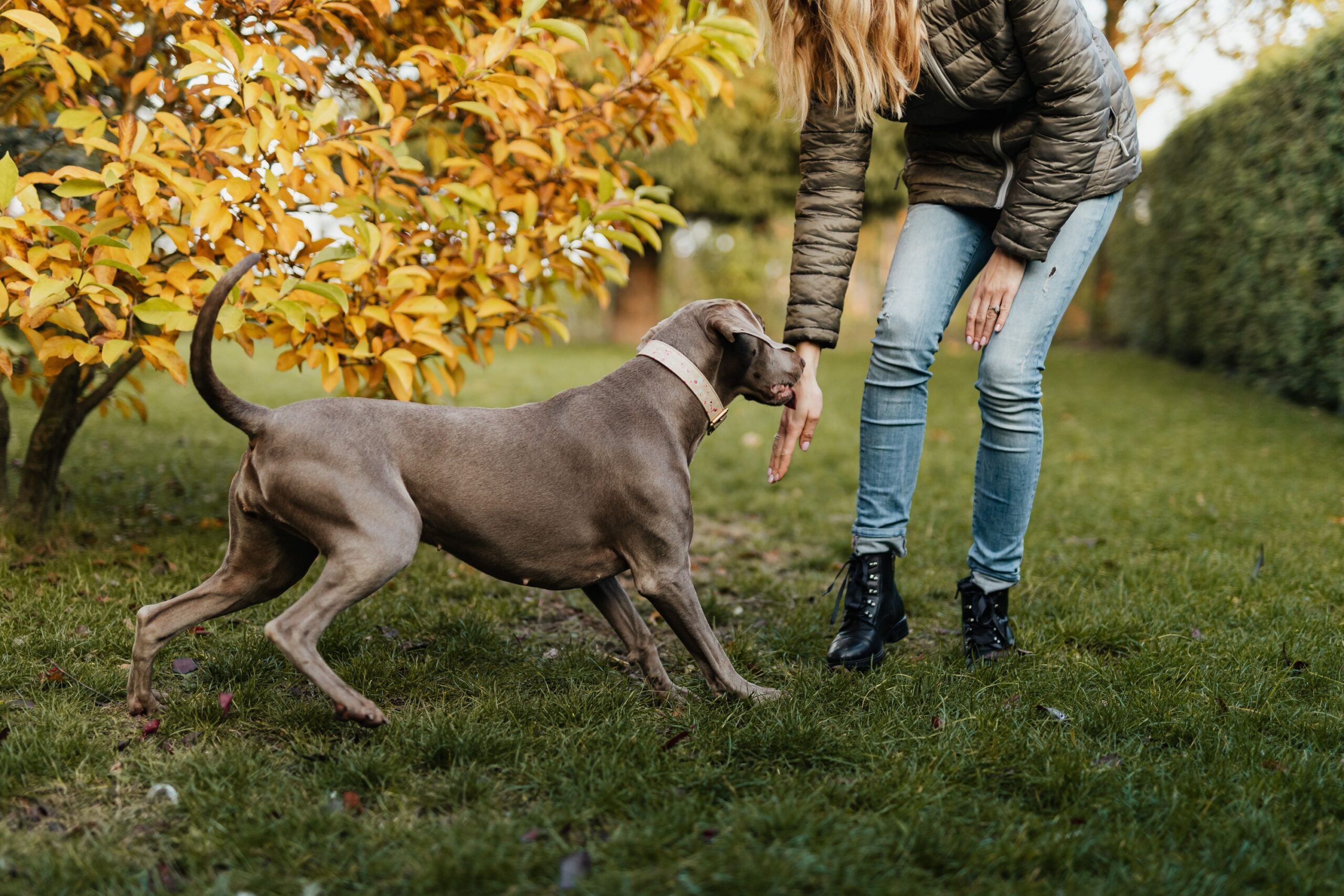
You know that slightly awkward moment when a dog looks like they’re about to engage, then suddenly drops their nose to the floor and starts sniffing absolutely nothing? It can feel a bit random, almost like they’ve forgotten what they were doing. But behaviorists have spent years watching those tiny moments, and it turns out that this “random sniff” is often anything but random. Many dogs are quietly saying “let’s all chill out” without making a sound.
Once you start seeing ground-sniffing as a subtle emotional broadcast instead of a quirky habit, your whole view of dog behavior shifts. You realize your dog is constantly trying to manage tension, redirect attention, and keep social situations from spiraling. That simple nose-to-ground move can reveal when your dog is stressed, overwhelmed, or gently trying to de‑escalate drama. And honestly, once I learned this, I never again looked at a sniffy dog in the park the same way.
What Dog Experts Really Mean by a “Calming Signal”
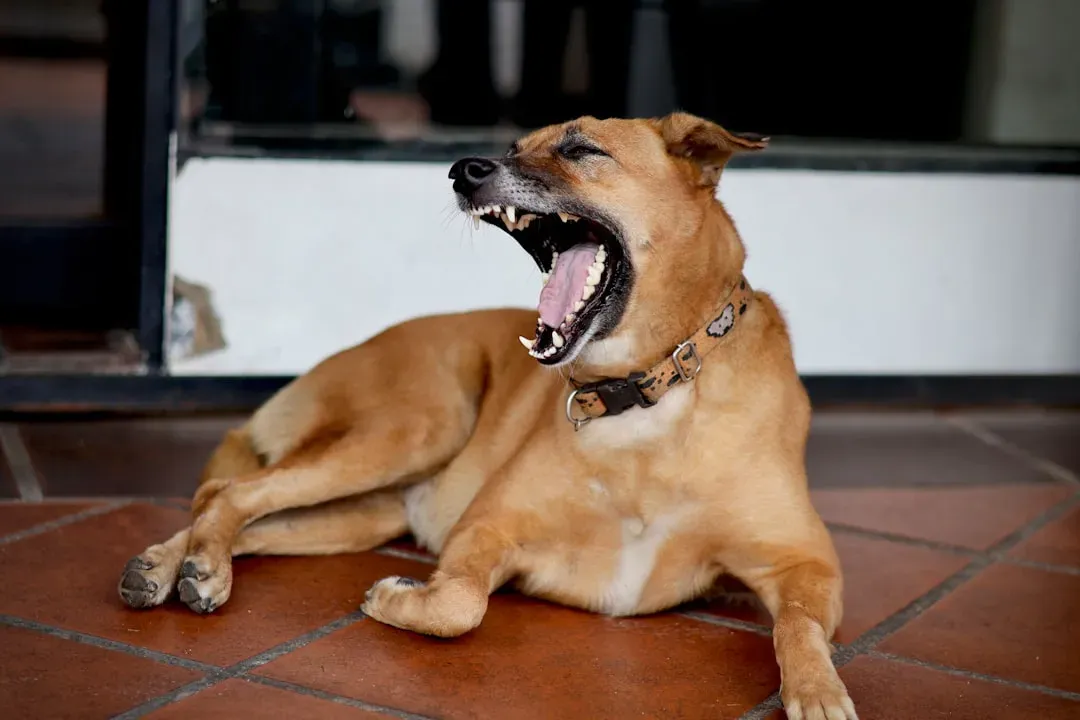
When behaviorists talk about calming signals, they’re referring to a set of subtle body language cues dogs use to ease tension in themselves or others. These signals are like emotional dimmer switches, helping to soften intense moments without needing to bark, snap, or run away. Ground-sniffing is one of many, sitting alongside things like turning the head away, blinking, licking the lips, or moving in a loose curve instead of walking straight in.
What makes calming signals so powerful is that they often show up long before anything that humans would call “problem behavior.” A dog might sniff the ground, look away, or shake off as a way to say they’re not totally comfortable but they’re trying to handle it. If we miss those signs, tension can quietly build until the only options left are big, obvious reactions like lunging, barking, or shutting down. Understanding calming signals is like finally getting subtitles for your dog’s inner world.
Why Sudden Ground-Sniffing Often Means “I’m Not Okay With This”
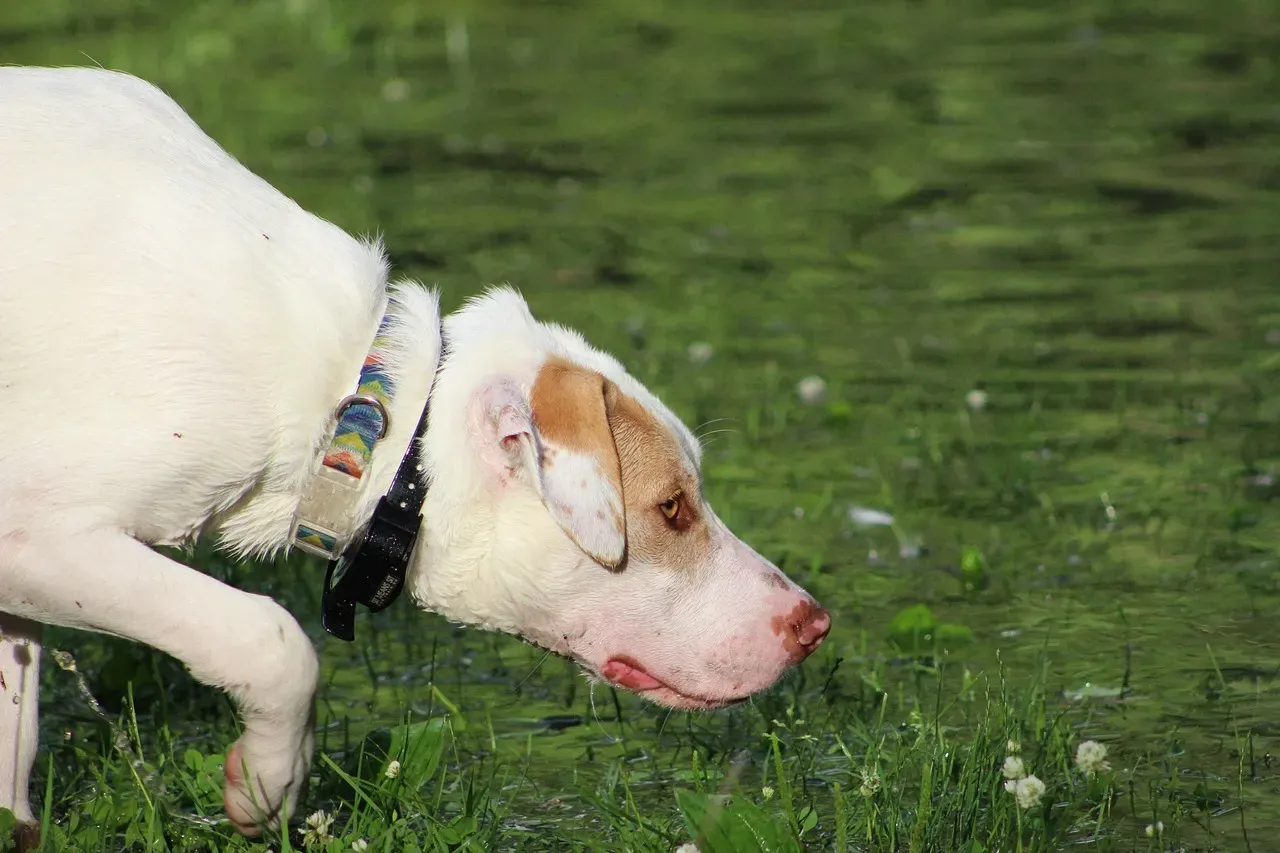
When a dog abruptly lowers their nose to sniff right in the middle of a social interaction, behaviorists often flag it as a classic stress-management move. The key is that it looks out of context: the dog wasn’t exploring, tracking a scent, or on a casual sniff-walk. Instead, something was happening – a new dog got too close, a human leaned in, a noise spiked – and your dog suddenly “checks out” to the ground. They’re not really hunting for a smell; they’re emotionally stepping sideways.
This out-of-the-blue sniffing helps the dog redirect their own focus away from the stressor, interrupting a rising wave of arousal. At the same time, it sends a visual message to anyone watching, especially other dogs: “I’m not challenging you; I’m busy over here.” It is a quiet, conflict-avoiding move, a bit like a person pulling out their phone in an uncomfortable conversation. It might look casual, but emotionally, it is doing serious work.
Redirecting Attention: How Sniffing Defuses Tense Moments
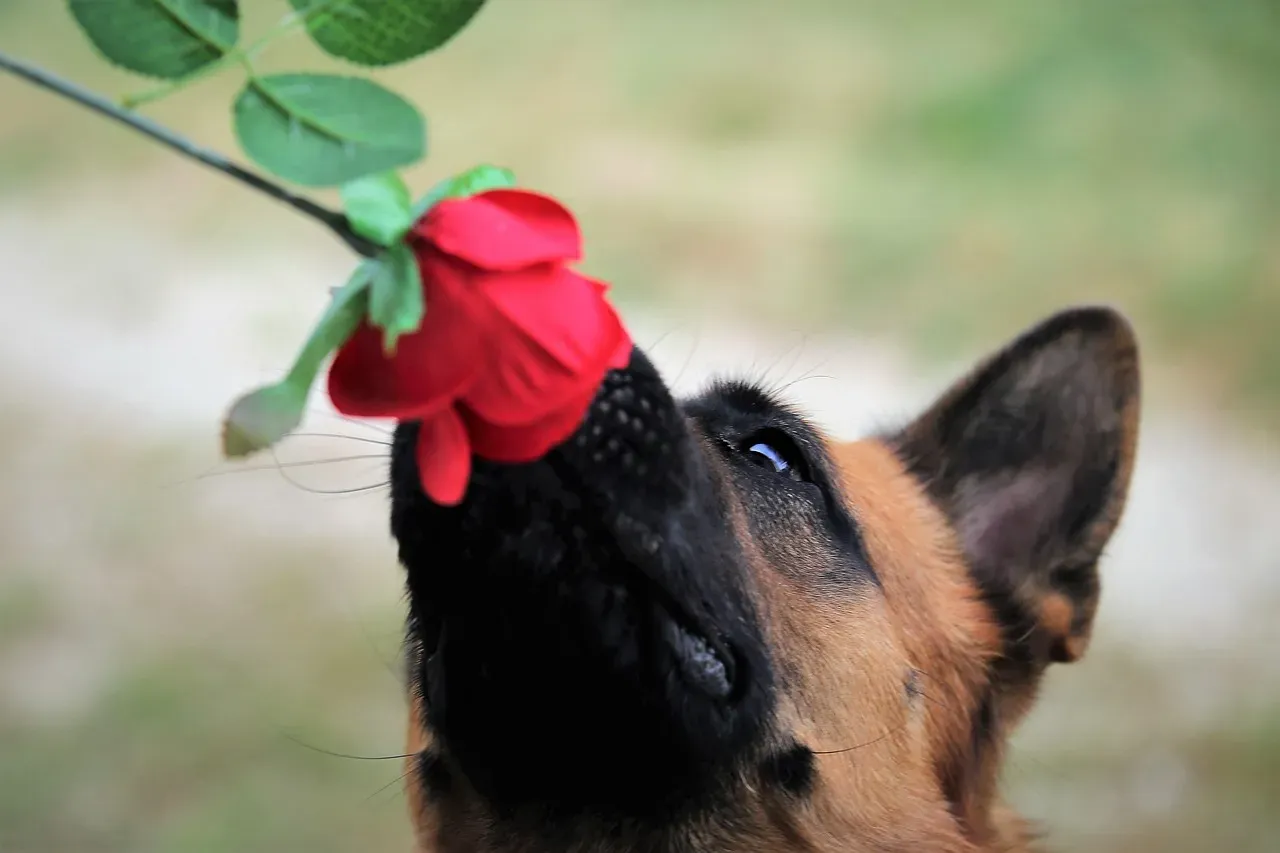
One of the most fascinating things about dogs is how often they choose de‑escalation over drama. Dropping their nose to the ground mid-interaction is a clever way to redirect not just their own attention, but sometimes everyone else’s too. Instead of staring, freezing, or charging ahead, they break eye contact, shift posture, and “pretend” to be absorbed in something harmless. That change alone can soften the whole interaction.
In dog-to-dog encounters, this redirect can be enough to stop two nervous animals from locking eyes or stiffening into a standoff. In dog-human situations, a dog may sniff to cope with being hugged, loomed over, or pressured to greet someone they’re unsure about. It is not rudeness, disobedience, or ignoring you; it is emotional self-defense wrapped in polite dog etiquette. When you recognize that, your impulse shifts from insisting on focus to quietly giving them space.
Calming Signals vs. Normal Sniffing: How to Tell the Difference
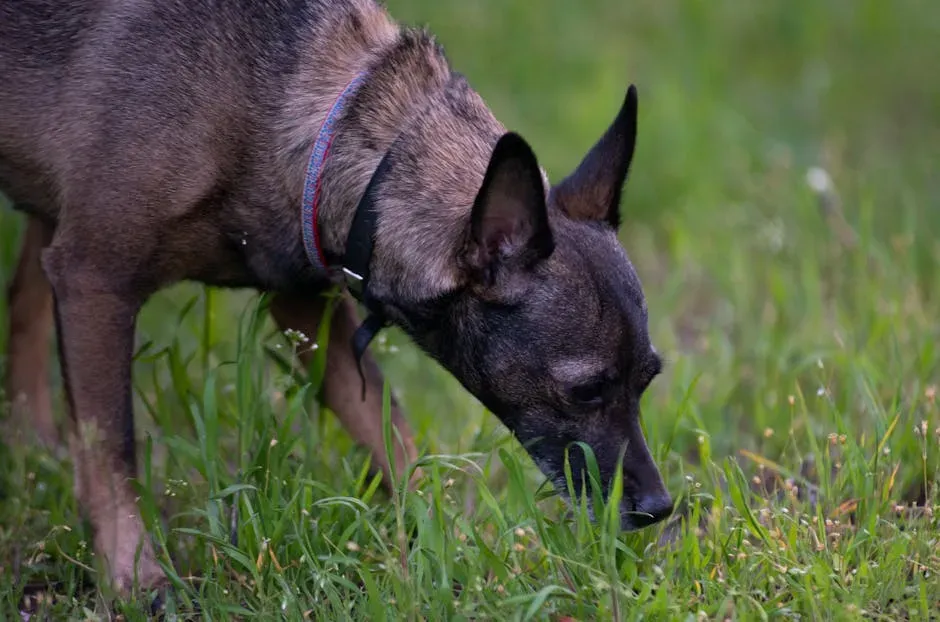
Of course, dogs love sniffing. Most of the time, a dog with their nose on the ground is simply… being a dog. The trick is learning to spot when sniffing fits the context and when it seems to pop up as an escape hatch. Normal sniffing is usually loose, exploratory, and part of a larger pattern of wandering, pausing, and checking things out. It often happens when there is no social tension, no obvious trigger, just a dog enjoying the world.
Calming-signal sniffing tends to look sudden and strangely timed. Maybe your dog was walking fine until they spotted a dog across the street, then instantly dropped to sniff, avoiding looking up. Or a stranger bent to pet them, and instead of leaning in, they dove nose-first into imaginary smells by your shoe. If sniffing shows up right as pressure increases – and stops once the situation changes – that is your clue it is emotional, not just recreational.
Other Calming Signals You’re Probably Missing Every Day
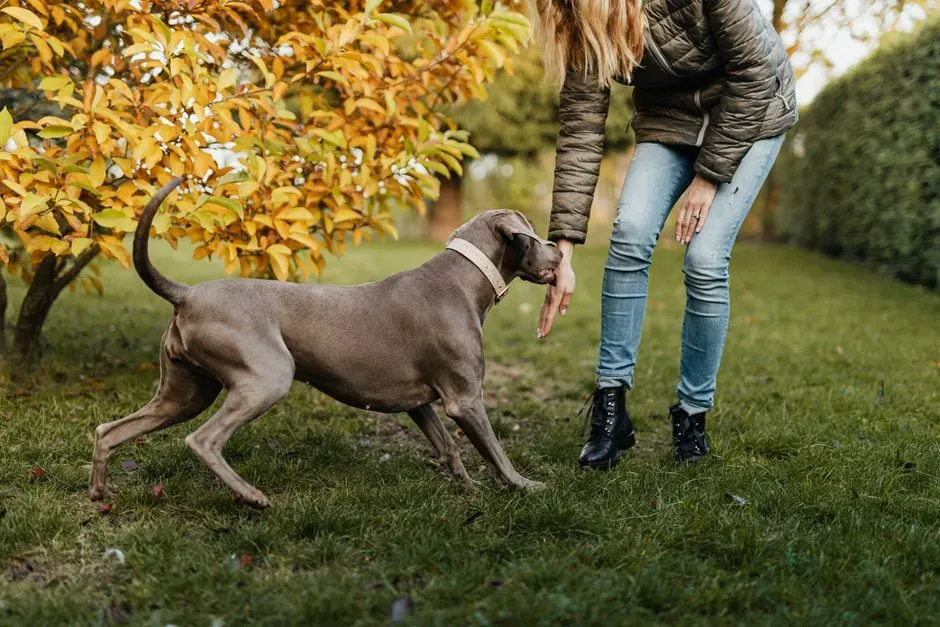
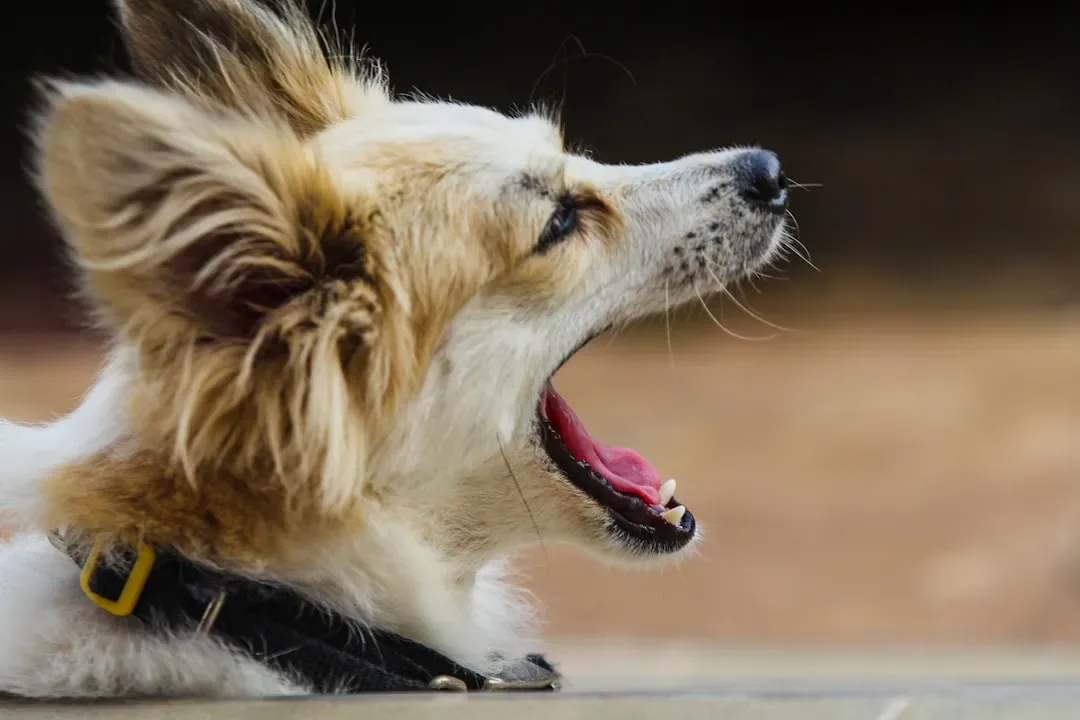
Ground-sniffing is just one piece of a bigger emotional toolkit. Once you tune in, you start noticing how often dogs use soft eye blinks, head turns, slow movements, and even yawns in situations that are clearly not about being tired. A dog might lick their lips when someone hovers over their food bowl, or sit and scratch suddenly just as another dog barrels toward them. On the surface these look like random fidgets; beneath the surface, they are tension valves.
What is wild is how consistently dogs use these signals across different contexts: at the vet, on crowded sidewalks, when kids shriek nearby, or when an owner raises their voice. Many so‑called “stubborn” or “dramatic” dogs are actually broadcasting discomfort long before anything goes wrong. Recognizing this makes it much harder to label a dog as “bad” and much easier to see them as a sensitive creature trying to manage a world that moves too fast and too loud.
How You Should Respond When Your Dog Starts Sniffing the Ground
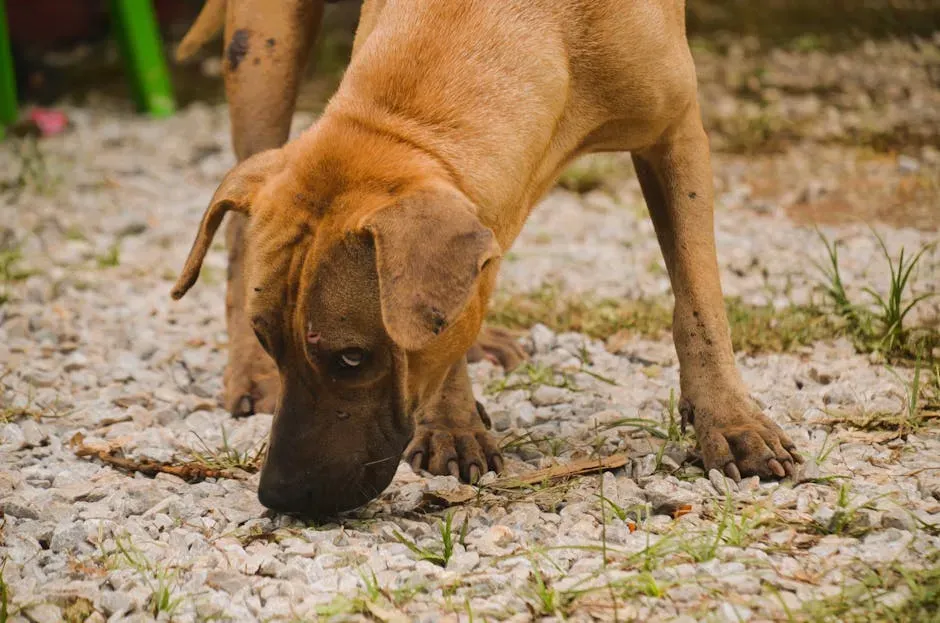
When you notice your dog suddenly sniffing the ground mid-interaction, the most helpful thing you can do is pause, breathe, and reduce the pressure. That might mean increasing distance from another dog, asking the person to step back, easing up on the leash, or just standing quietly and letting your dog “reset.” Instead of jerking the leash and insisting on eye contact, let them have a small emotional timeout. You are not rewarding fear or rudeness; you are supporting self-regulation.
If this kind of sniffing shows up a lot in the same situations – near certain dogs, in busy spots, or with specific handling – take it as valuable feedback, not defiance. You may need to adjust the environment, slow down social introductions, or get guidance from a qualified behavior professional if your dog seems chronically overwhelmed. Personally, once I started honoring those sniffing moments instead of dragging my dog through them, I saw a calmer, more confident animal emerge. It felt less like training and more like real partnership.
Why Understanding Calming Signals Changes How We See “Good” Dog Behavior
Once you know that a dog dropping their nose to the ground can be a plea for peace, the old idea of the “perfectly obedient” dog starts to feel a bit off. A dog who never averts their gaze, never uses subtle signals, and simply pushes through every stressful moment is not necessarily well-balanced; they might just be shut down or bracing themselves. Real emotional health in dogs includes the freedom to say, in their own way, that something feels like too much.
This is where the ground-sniffing calming signal becomes more than a fun fact and turns into a kind of ethical checkpoint for us. Do we want dogs who only look “well behaved” because they’ve stopped trying to communicate stress? Or do we want dogs who trust that when they quietly say “this is a bit much,” we will listen? For me, the answer is obvious: a dog who still bothers to sniff the ground in tense moments is a dog who believes their signals matter. That is not a distraction to correct; that is a relationship to protect.
Conclusion: The Quiet Power of a Nose to the Ground
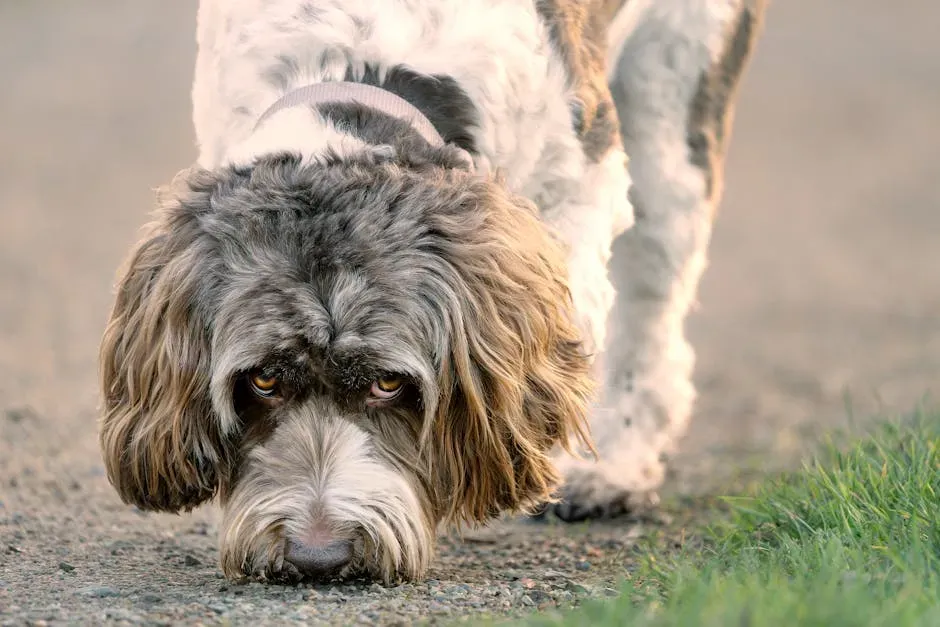
It is surprisingly humbling to realize that what looks like a casual sniff can be a carefully chosen survival strategy. When canine behaviorists point out that dogs often use sudden ground-sniffing as a calming signal, they are really handing us a key to understanding moments we used to dismiss. In my view, ignoring that key and insisting on rigid obedience is a bit like asking a friend to stop telling you when they are uncomfortable because it ruins the vibe.
Choosing to see these sniff-breaks as emotional messages forces us to grow up a little as dog guardians. It asks us to value communication over control, subtlety over showiness, and partnership over performance. The next time your dog ducks their head and sniffs in the middle of a charged moment, you can roll your eyes and yank the leash – or you can pause, step back, and let them catch their breath. Which reaction sounds more like love to you?