

Imagine this: you’re sitting on your couch, tears streaming down your face after a long, stressful day. Your loyal dog approaches, nuzzling your hand, offering silent comfort. But have you ever wondered if your furry friend understands the reason behind your tears? Recent studies suggest that dogs can indeed differentiate between tears of sadness and those of relief, thanks to their incredible ability to detect changes in human stress hormones through scent.
The Science Behind a Dog’s Nose

Dogs possess an olfactory system that is nothing short of extraordinary. Their sense of smell is estimated to be between 10,000 to 100,000 times more sensitive than that of humans. This heightened ability allows them to detect subtle chemical changes in our bodies, including fluctuations in hormones like cortisol, which is associated with stress.
When humans experience different emotions, our bodies release varying levels of hormones. For instance, cortisol levels spike during periods of stress or sadness, while they may decrease when we feel relief. Dogs, with their acute sense of smell, can pick up on these hormonal shifts, enabling them to perceive our emotional states more accurately than we might have previously thought.
Emotional Contagion: Dogs Mirror Our Feelings

Beyond their olfactory prowess, dogs are also highly attuned to human emotions through a phenomenon known as emotional contagion. This means they can “catch” our feelings, mirroring our emotional states. When we cry out of sadness, our body language, tone of voice, and scent all change, signaling distress to our canine companions.
Studies have shown that dogs respond to human crying with behaviors indicative of empathy, such as approaching the person, nuzzling, or licking. This response is not merely a learned behavior but suggests a deeper, innate ability to sense and react to human emotions.
Distinguishing Between Sadness and Relief
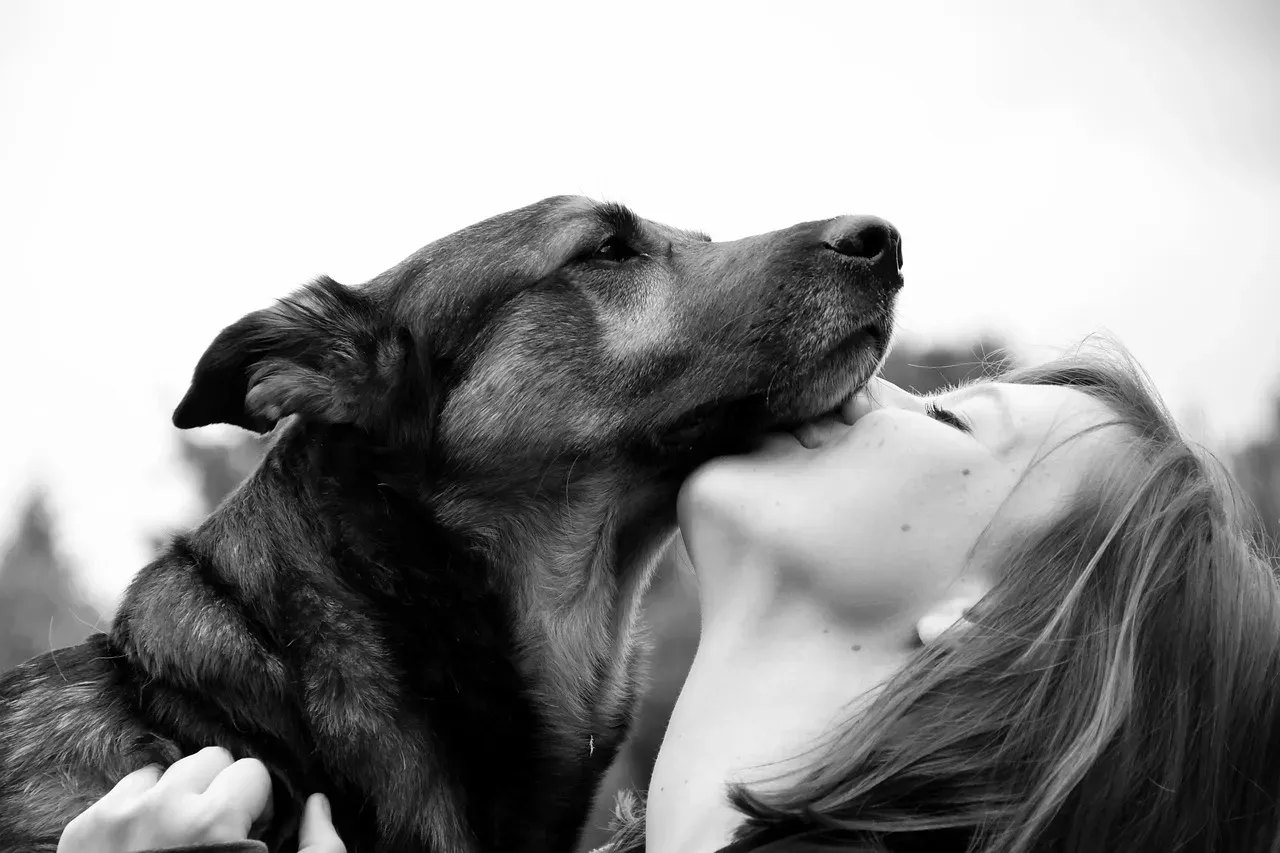
While it’s clear that dogs can detect human emotions, the question arises: can they differentiate between tears of sadness and tears of relief? Research indicates that they can. When a person cries from sadness, the associated stress hormones like cortisol are elevated, and dogs can detect this increase through scent.
Conversely, tears of relief are often accompanied by a decrease in stress hormones. Dogs can pick up on this hormonal shift, allowing them to distinguish between negative and positive emotional tears. Their reactions may vary accordingly, offering comfort during sadness or sharing in the joy of relief.
The Role of Oxytocin in Human-Dog Bonds

Oxytocin, often referred to as the “love hormone,” plays a significant role in bonding between humans and dogs. Interactions that involve eye contact, petting, or even shared emotional experiences can lead to increased oxytocin levels in both species.
This mutual hormonal boost not only strengthens the bond but also enhances a dog’s ability to read and respond to human emotions. When you cry, your dog isn’t just reacting to the sound or sight of your tears; they’re experiencing a physiological response that deepens their connection to you.
Practical Implications for Dog Owners

Understanding that dogs can sense and differentiate our emotional states has practical implications for pet owners. Being aware of how your emotions affect your dog can help you provide a more stable and comforting environment for them.
For instance, if you’re going through a stressful period, your dog may also experience increased anxiety. Conversely, sharing moments of joy and relief can positively impact your dog’s well-being. Recognizing this bidirectional emotional influence can lead to a more harmonious relationship between you and your canine companion.
Conclusion: A Deeper Connection Than We Realized

The ability of dogs to distinguish between tears of sadness and relief by detecting changes in human stress hormones underscores the profound connection between humans and their canine companions. This sensitivity not only highlights their role as empathetic companions but also challenges us to be more mindful of the emotional environments we create for them. So, the next time your dog offers comfort during a tearful moment, remember: they’re not just responding to your actions but to the very essence of your emotions.


