
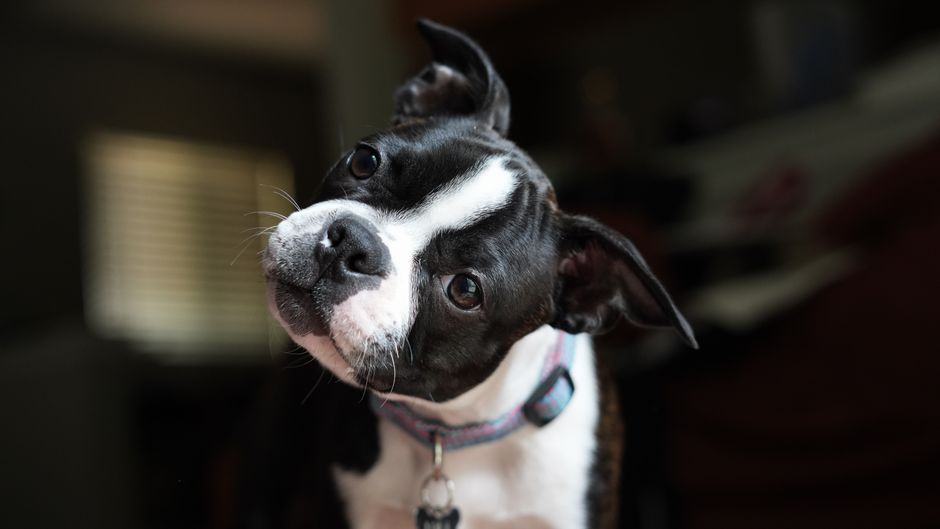
It’s one of the most endearing sights: your dog tilting their head to the side, ears perked, eyes wide, as if hanging on to your every word. But have you ever wondered why they do this? Is it mere curiosity, or is there a deeper emotional connection at play?
Enhancing Auditory Perception
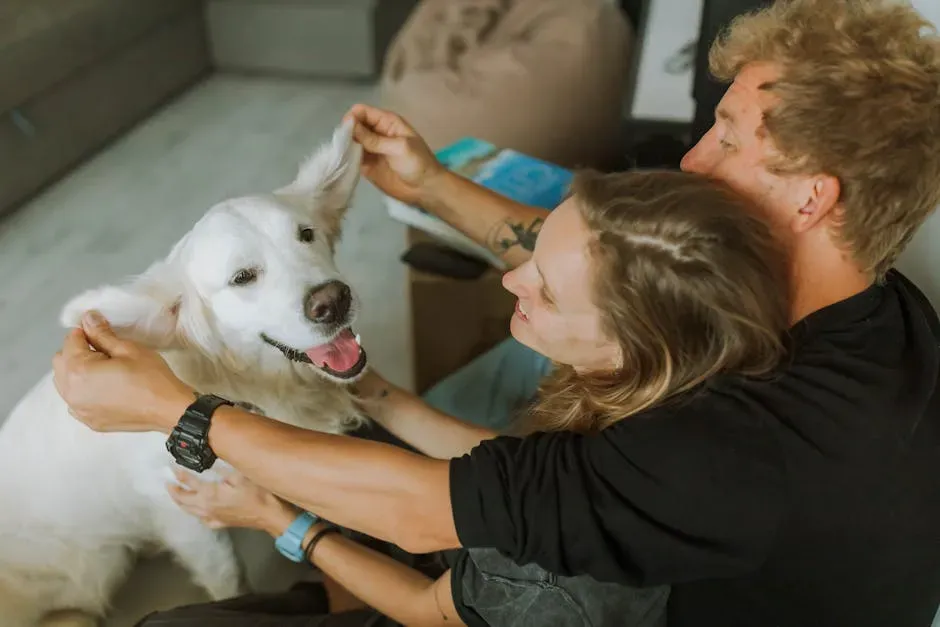
Dogs possess an acute sense of hearing, yet their ability to pinpoint the exact source of a sound isn’t as refined as ours. When they tilt their heads, they’re adjusting the position of their ears to better capture and locate unfamiliar or intriguing sounds. This behavior allows them to determine the direction and distance of the noise, ensuring they’re attuned to their environment.
For instance, when you speak to your dog, they might tilt their head to focus on your voice, especially if you’re using a tone or word they recognize. This adjustment helps them process and interpret the sounds more effectively.
Improving Visual Acuity
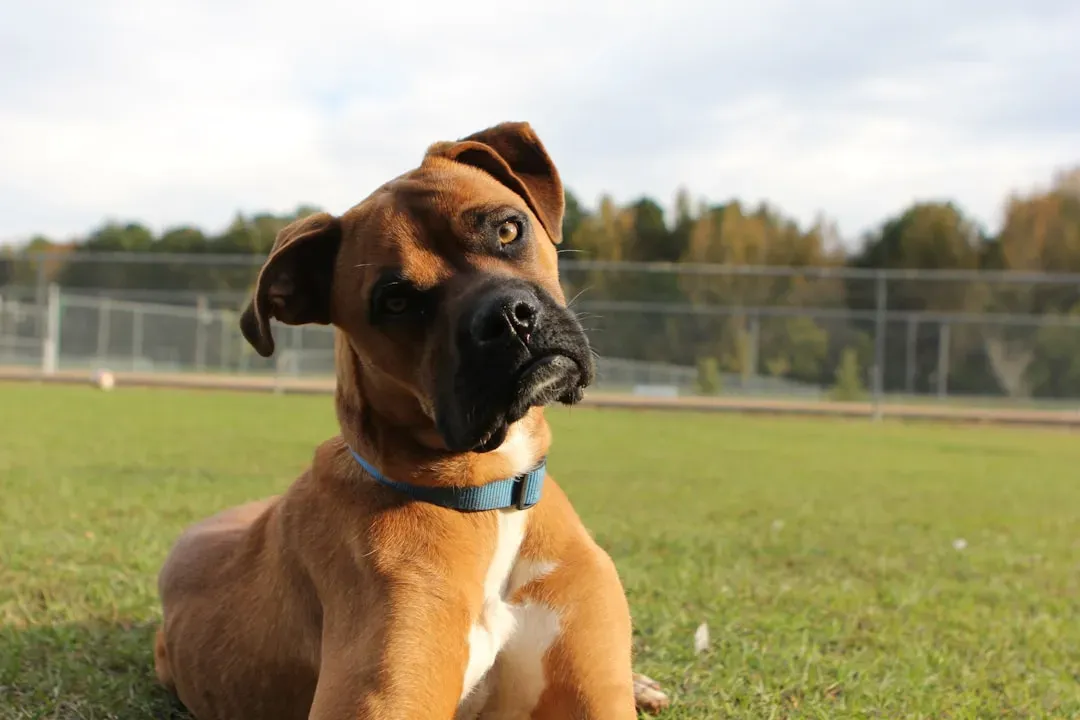
Beyond hearing, head tilting can also be linked to vision. Dogs with longer muzzles may find that their snouts obstruct their view of certain objects or faces. By tilting their heads, they can get a clearer line of sight, allowing them to better observe facial expressions and body language.
This behavior is particularly noticeable when dogs are trying to read human emotions or intentions. By adjusting their head position, they can gather more visual information, enhancing their understanding of the situation.
Processing Familiar Words and Cues
Recent studies suggest that head tilting may be associated with cognitive processing. Dogs that are adept at learning and remembering multiple toy names, often referred to as “Gifted Word Learners,” tend to tilt their heads more frequently when hearing those names. This indicates that the behavior might be linked to the mental process of associating words with specific objects or actions.
So, when you ask your dog, “Want to go for a walk?” and they tilt their head, it could be their way of processing and anticipating the activity associated with that phrase.
Seeking Positive Reinforcement
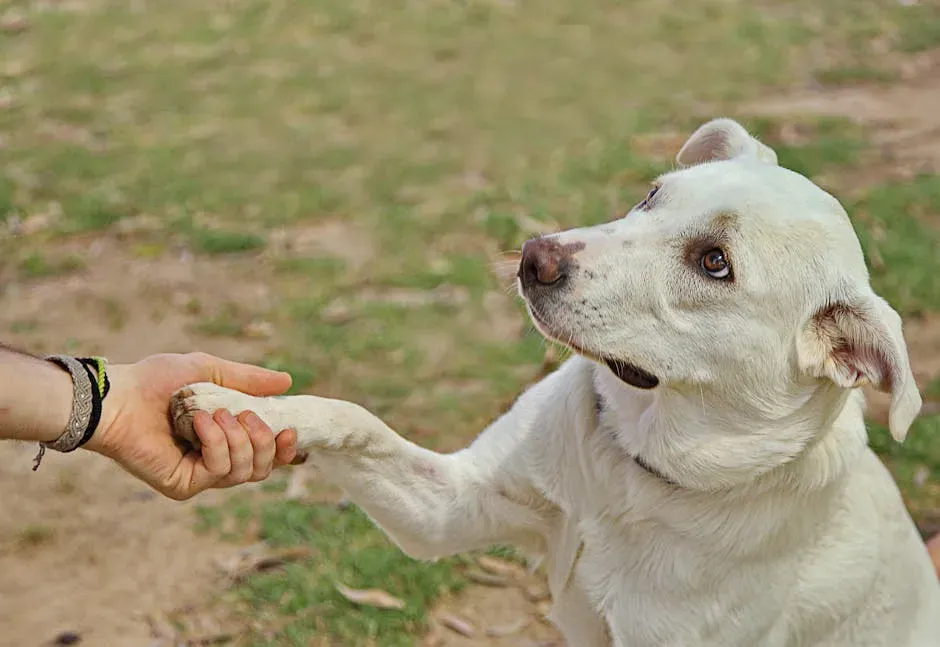
Dogs are keen observers of human behavior and reactions. If tilting their head results in positive attention – be it praise, laughter, or treats – they’re likely to repeat the behavior. Over time, this can become a learned action, where the dog tilts their head to elicit a favorable response from their owner.
It’s a testament to the bond between humans and dogs; our reactions shape their behaviors, and they, in turn, adapt to please us.
Expressing Empathy and Engagement

Beyond the practical reasons, head tilting can also be an expression of empathy. Dogs are attuned to human emotions and often mirror our feelings. By tilting their heads, they might be signaling their engagement and understanding, showing that they’re present and connected to us.
This behavior reinforces the deep emotional bond we share with our canine companions, highlighting their capacity for empathy and social connection.
When Head Tilting Signals Health Concerns
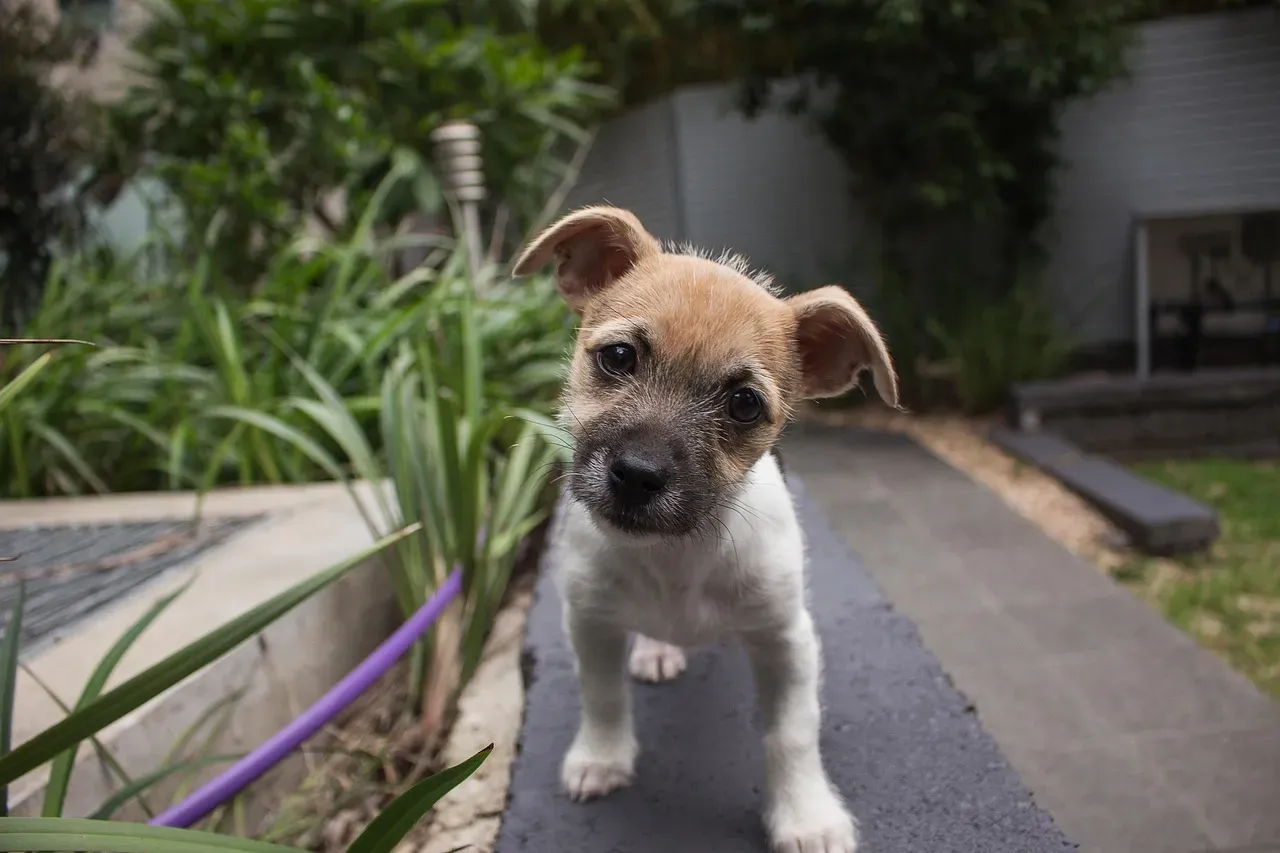
While occasional head tilting is normal and endearing, a persistent or sudden tilt without an obvious trigger can indicate underlying health issues. Conditions such as ear infections, vestibular disease, or neurological problems can manifest through continuous head tilting.
If you notice your dog tilting their head frequently, especially accompanied by other symptoms like loss of balance, disorientation, or unusual eye movements, it’s crucial to consult a veterinarian promptly.
Conclusion
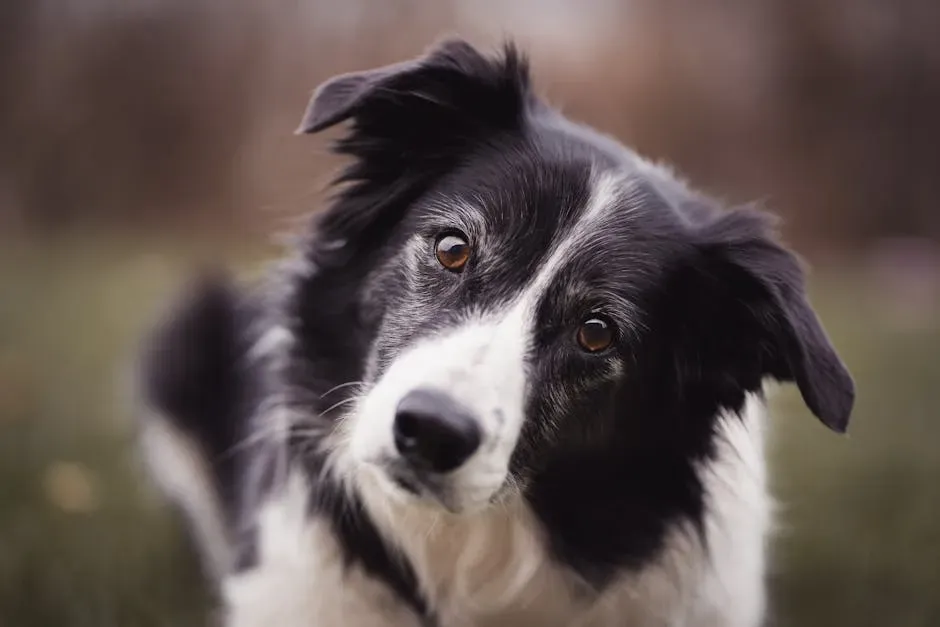
The next time your dog tilts their head at you, remember it’s more than just a cute gesture. It’s a multifaceted behavior rooted in their desire to understand, connect, and communicate with you. This simple action encapsulates the depth of the human-dog relationship, reminding us of the emotional intelligence and sensitivity our furry friends possess.
So, what do you think your dog’s head tilt is telling you?


