
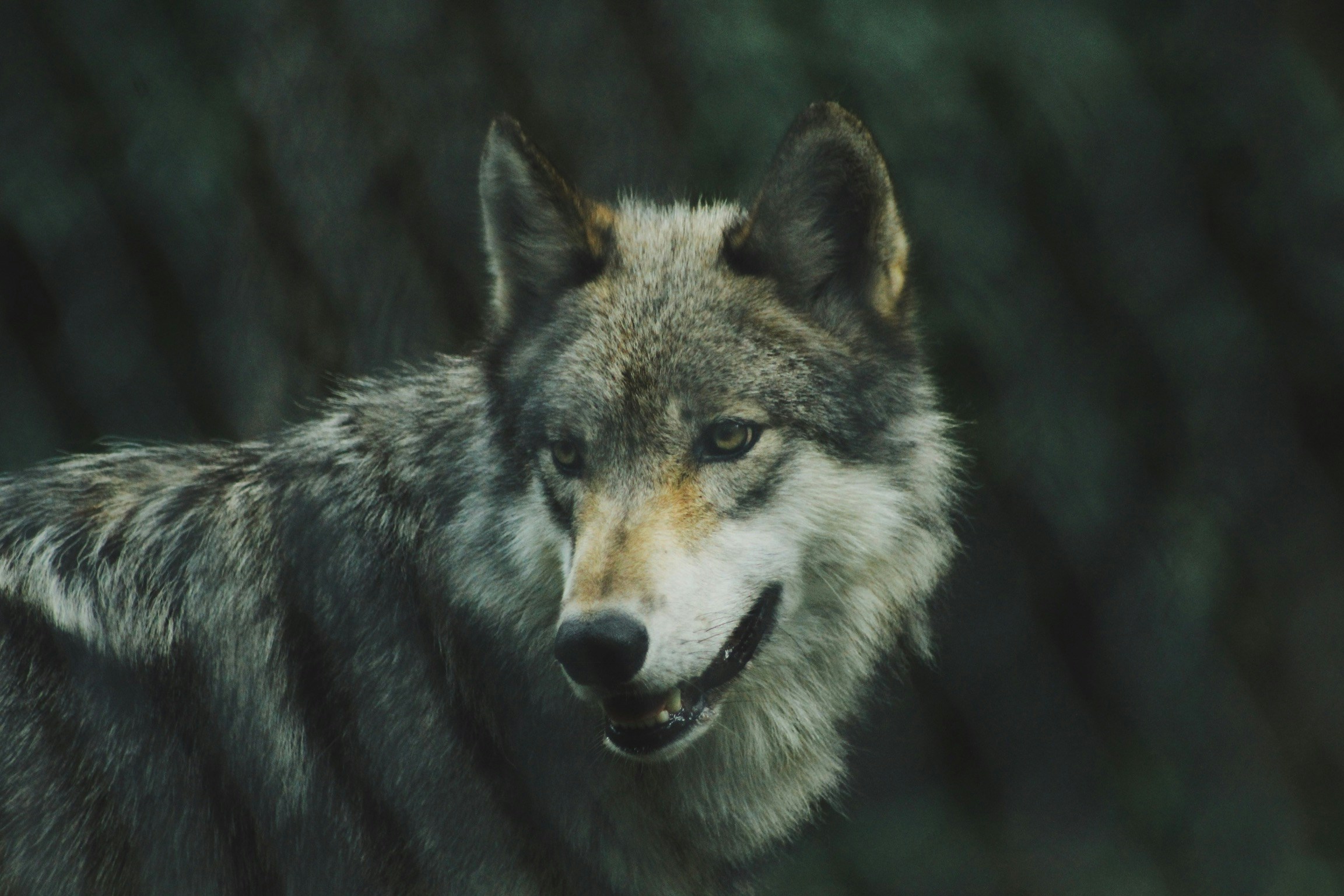
The transformation of wolves into the loyal companions we now call dogs is a tale as old as time, yet it continues to intrigue scientists and dog lovers alike. Recent studies suggest that this remarkable journey may have been initiated not by human intervention, but by the wolves themselves. This concept, known as self-domestication, challenges traditional narratives and offers a fresh perspective on our shared history with these animals.
The Self-Domestication Hypothesis: Wolves at the Doorstep
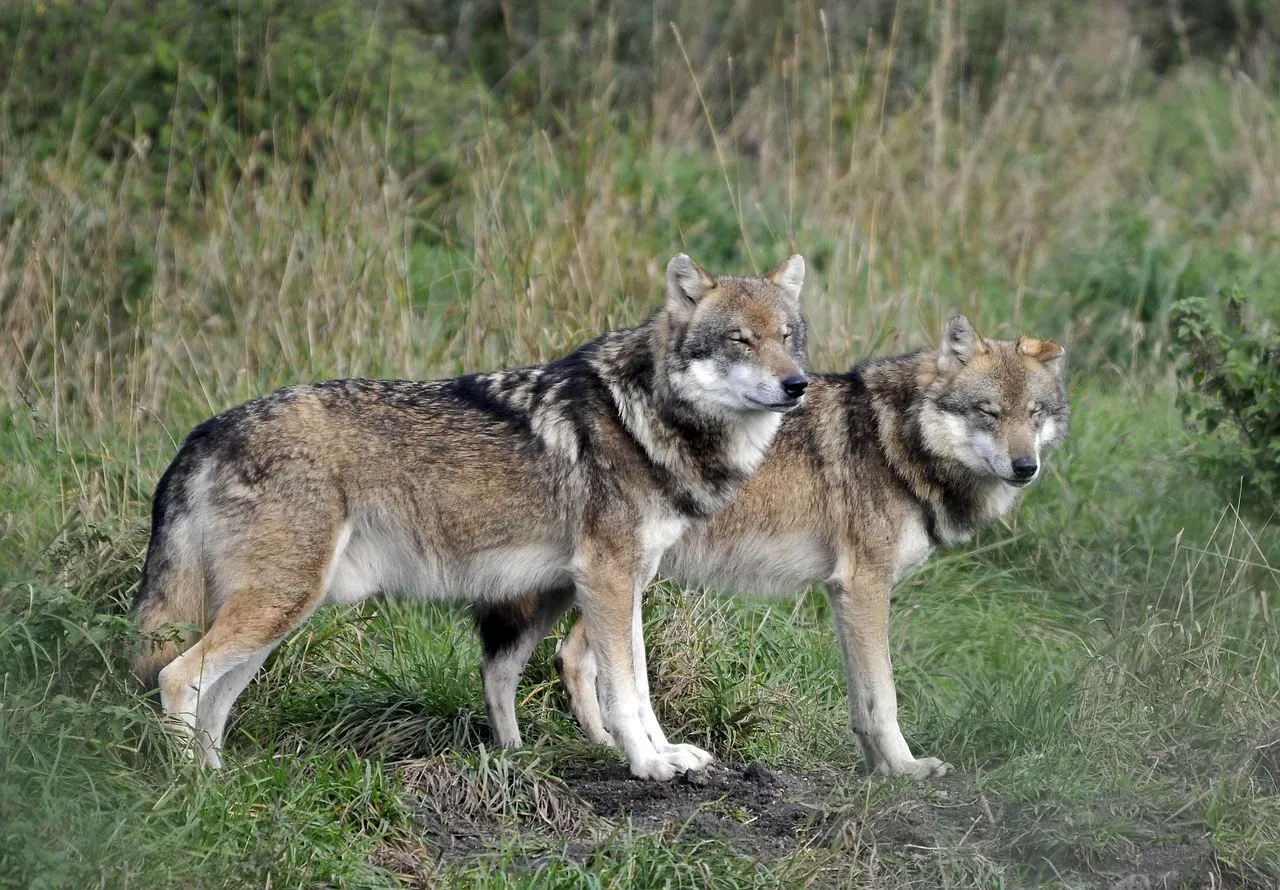
Imagine ancient human settlements, their perimeters littered with discarded food scraps and waste. It’s within this context that the self-domestication hypothesis takes root. The theory posits that certain wolves, less fearful and more opportunistic, began to scavenge near human campsites, drawn by the promise of an easy meal. Over generations, these bolder wolves adapted to the human environment, gradually evolving into the domesticated dogs we know today.
This process wasn’t instantaneous. It required countless generations for wolves to develop traits conducive to cohabitation with humans. Traits such as reduced aggression, increased sociability, and even physical changes like smaller size and varied coat colors emerged as these wolves adapted to their new niche. The self-domestication hypothesis suggests that natural selection favored wolves that could tolerate human presence, leading to a mutually beneficial relationship.
Mathematical Models: Supporting the Timeline
Skeptics of the self-domestication theory often question whether such a transformation could occur within the known timeline of human history. To address this, researchers have employed mathematical models to simulate the process. These models indicate that, under the right conditions, wolves could have evolved into domesticated dogs in as little as 8,000 years. This timeframe aligns with archaeological evidence, lending credence to the self-domestication hypothesis.
The models consider factors such as wolf behavior, human population density, and the availability of food resources. They suggest that wolves with a genetic predisposition for reduced fear and aggression had a survival advantage in proximity to human settlements. Over time, these traits became more pronounced, leading to the emergence of early dogs.
Human Intervention: The Pup Adoption Hypothesis
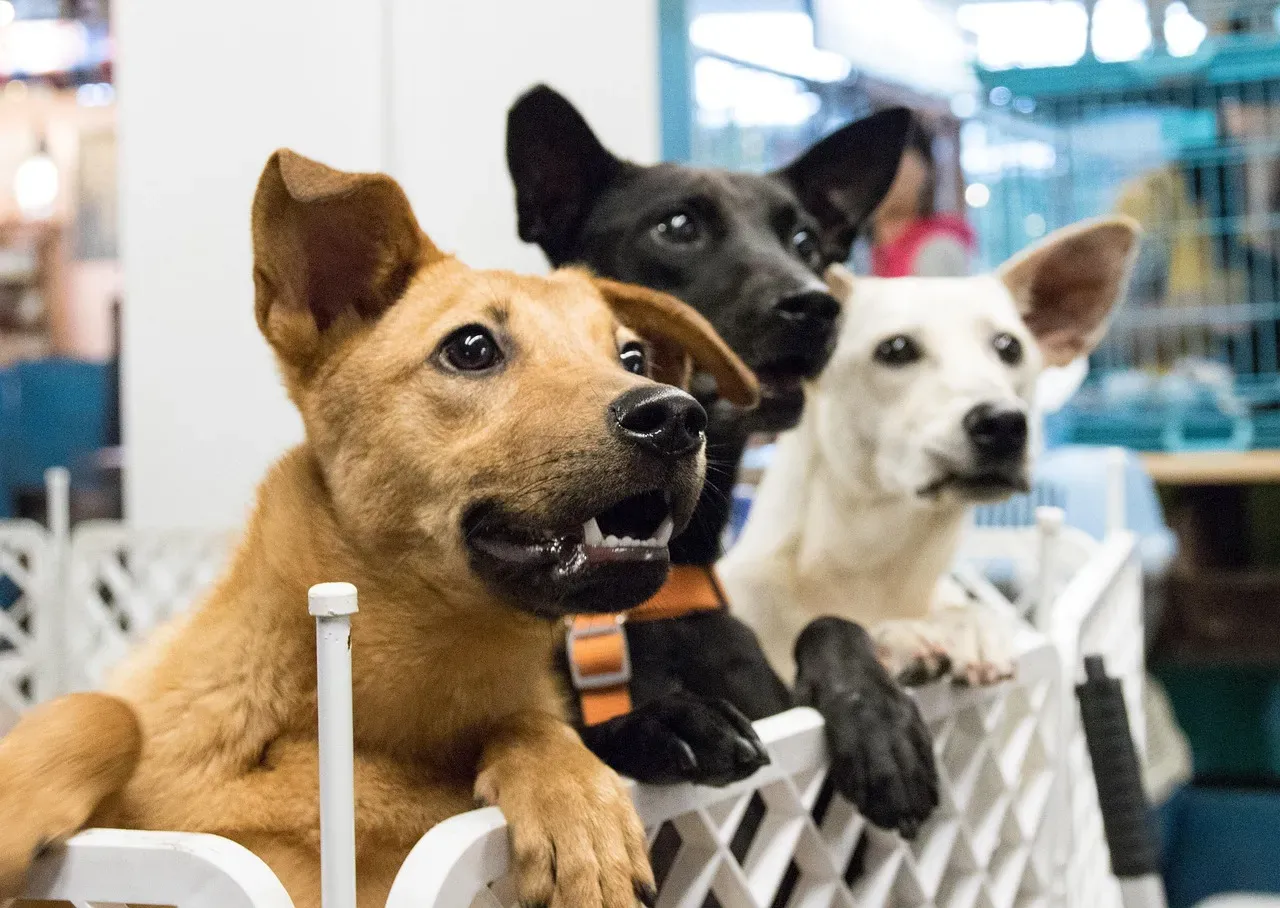
Contrasting the self-domestication theory is the pup adoption hypothesis, which emphasizes direct human involvement. This perspective suggests that ancient humans actively captured and raised wolf pups, selecting individuals that exhibited desirable traits such as docility and trainability. Through selective breeding and nurturing, humans guided the evolution of wolves into domesticated dogs.
Proponents of this theory argue that early humans recognized the potential benefits of having tame wolves as hunting partners, guards, or companions. By raising wolf pups from a young age, humans could influence their behavior and increase their dependence on human society. This deliberate intervention would have accelerated the domestication process, resulting in dogs that were well-integrated into human communities.
Ecological and Behavioral Considerations
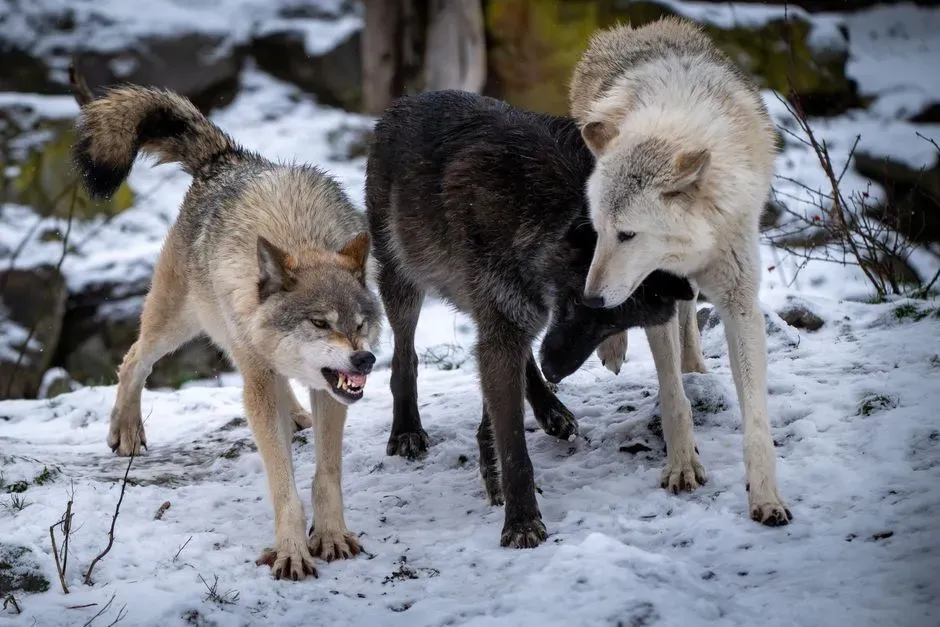
Understanding wolf ecology and behavior is crucial when evaluating these hypotheses. Wolves are inherently social animals with complex pack structures and communication methods. Their adaptability and varied personalities make them suitable candidates for domestication. However, their natural fear of humans presents a significant barrier to the self-domestication theory.
The pup adoption hypothesis addresses this challenge by suggesting that human intervention, particularly the raising of wolf pups, facilitated the development of social bonds between wolves and humans. By integrating wolves into human social structures from a young age, humans could mitigate the natural fear response and promote behaviors conducive to domestication.
Archaeological Evidence: Tracing the Timeline
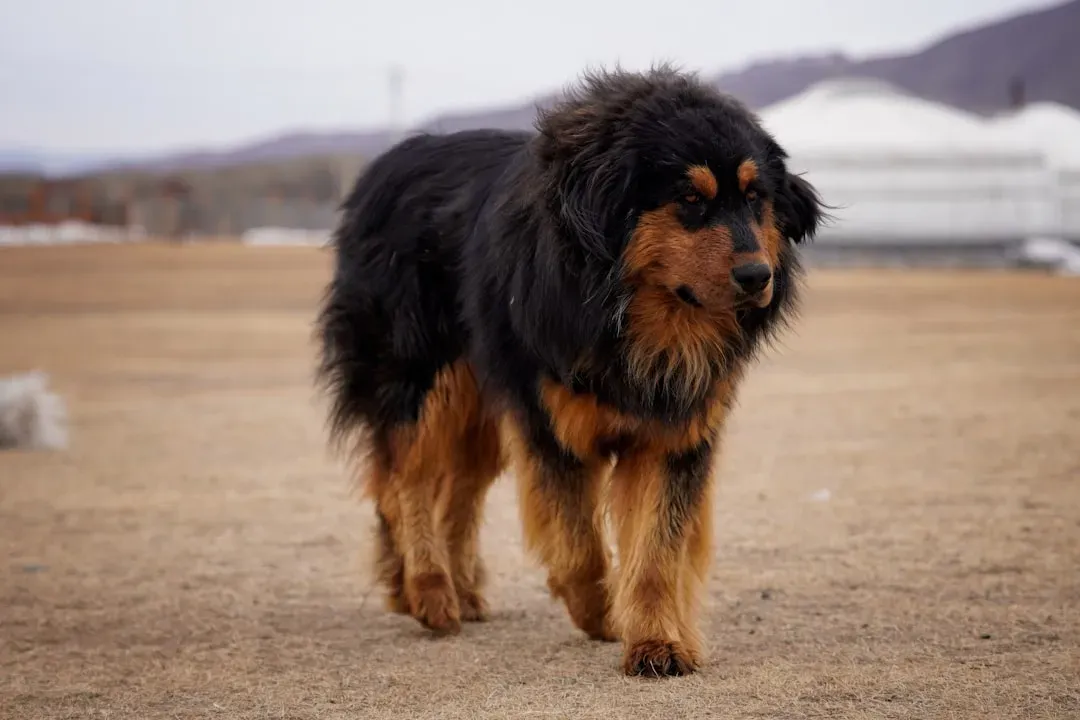
Archaeological findings provide tangible evidence of the domestication process. Fossil records indicate that dogs were present alongside humans as early as 15,000 years ago. These early dogs exhibit physical characteristics distinct from their wild counterparts, such as smaller size and varied coat patterns, suggesting a divergence from wild wolf populations.
The geographical distribution of these findings also offers insights into the domestication process. Evidence of early dogs has been discovered in various regions, indicating that domestication may have occurred independently in multiple locations. This supports the idea that both self-domestication and human intervention could have played roles in different contexts.
Genetic Insights: Unraveling the DNA
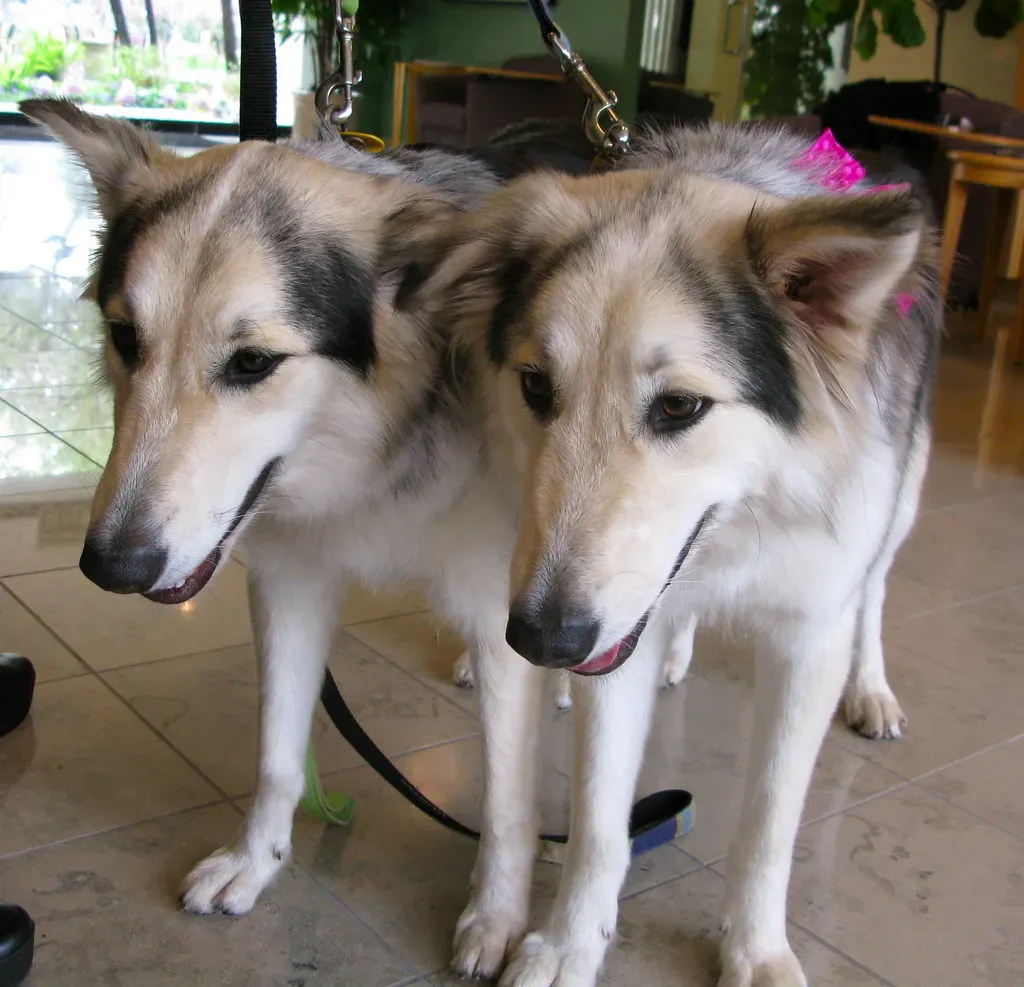
Advancements in genetic research have shed light on the domestication process. Comparative studies between modern dogs and wolves reveal significant genetic differences, particularly in genes associated with behavior and digestion. These differences suggest that domesticated dogs have evolved to be more sociable and better adapted to a diet that includes human-provided food.
Genetic evidence also indicates that domestication was a gradual process involving multiple populations of wolves. This complexity aligns with the idea that both self-domestication and human intervention contributed to the emergence of domesticated dogs. The interplay between natural selection and human influence is evident in the genetic makeup of modern dogs.
Conclusion: A Multifaceted Journey
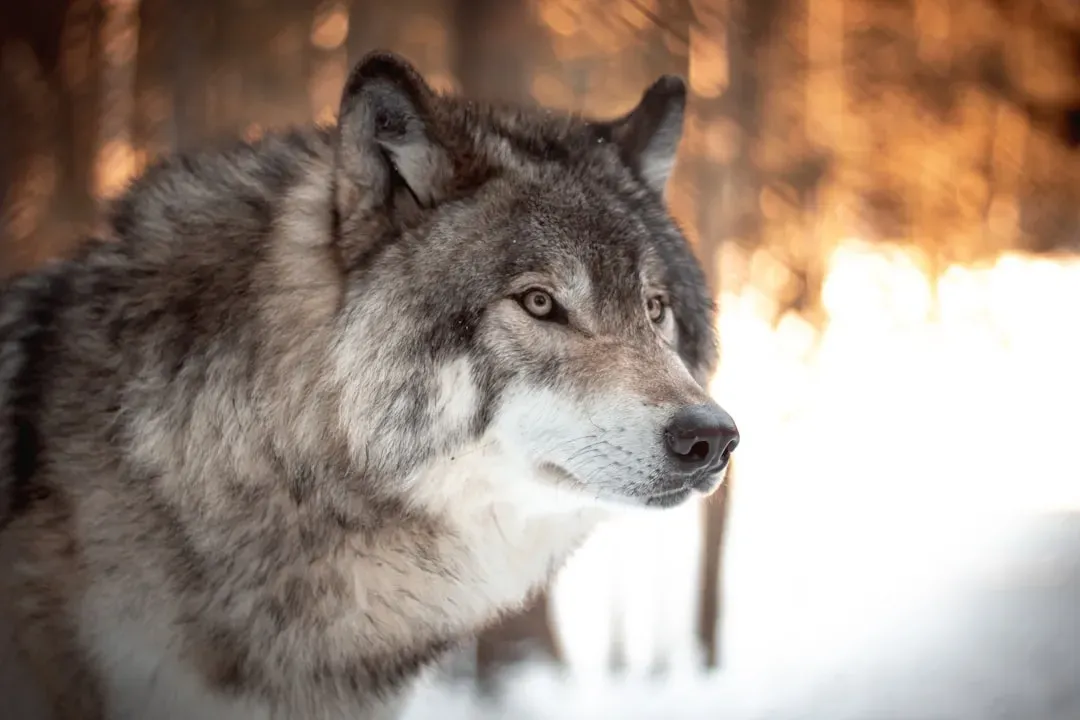
The domestication of wolves into dogs is a multifaceted process that likely involved both self-domestication and human intervention. While the self-domestication hypothesis highlights the role of natural selection in favoring wolves that could coexist with humans, the pup adoption theory underscores the impact of deliberate human actions. The interplay between these factors, influenced by ecological, behavioral, and genetic elements, paints a complex picture of our shared history with dogs.
As research continues, our understanding of this evolutionary journey will deepen, offering new insights into the bond between humans and dogs. This enduring relationship, rooted in mutual benefit and adaptation, continues to evolve, reflecting the dynamic nature of both species.


