Camping with your dog during the summer can be a delightful experience, but the sweltering heat poses significant challenges. Dogs are more susceptible to heat-related illnesses than humans, making it crucial to implement strategies to keep them cool and comfortable. Here are seven essential tips to ensure your canine companion stays safe and enjoys the adventure.
Choose a Shady Campsite
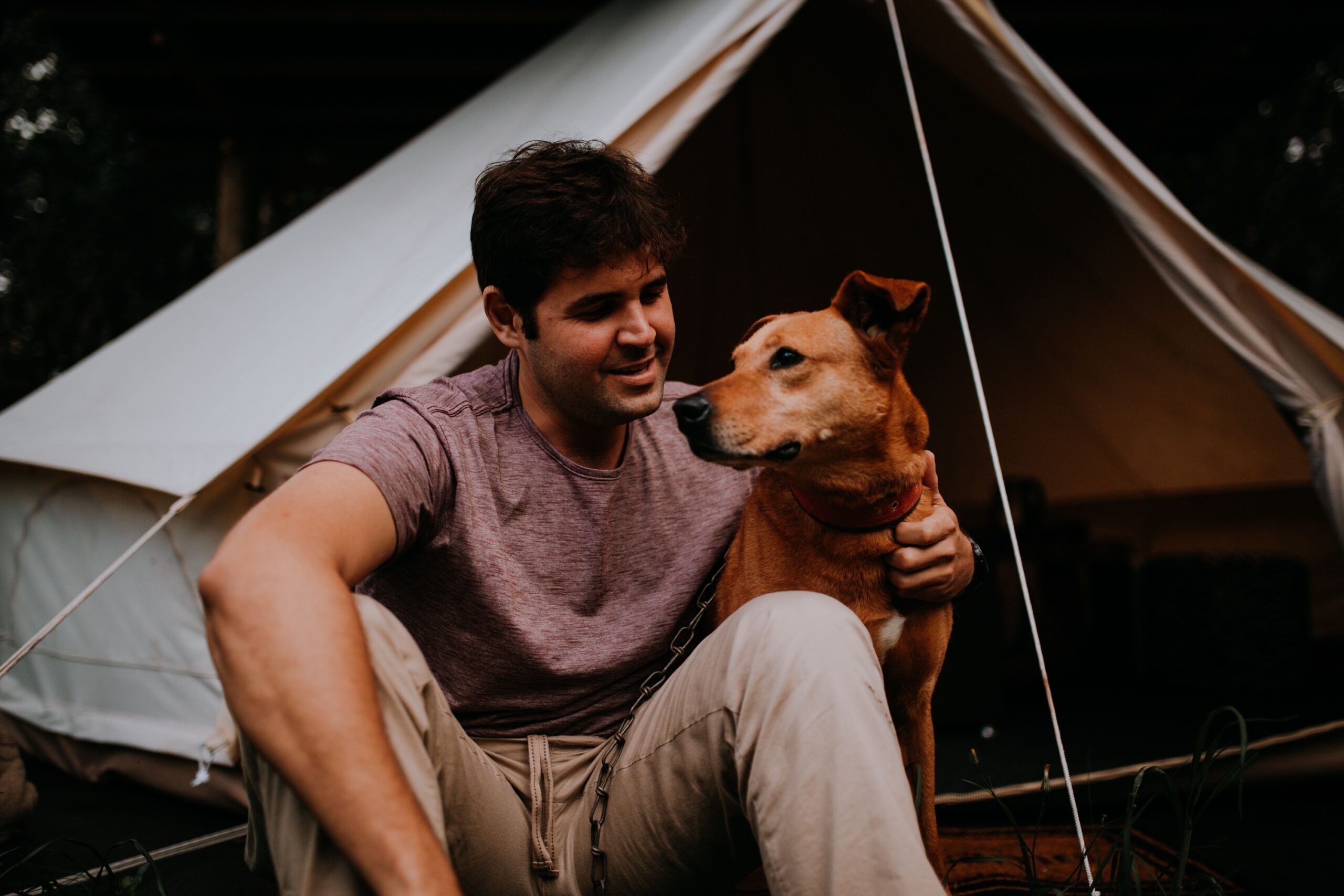
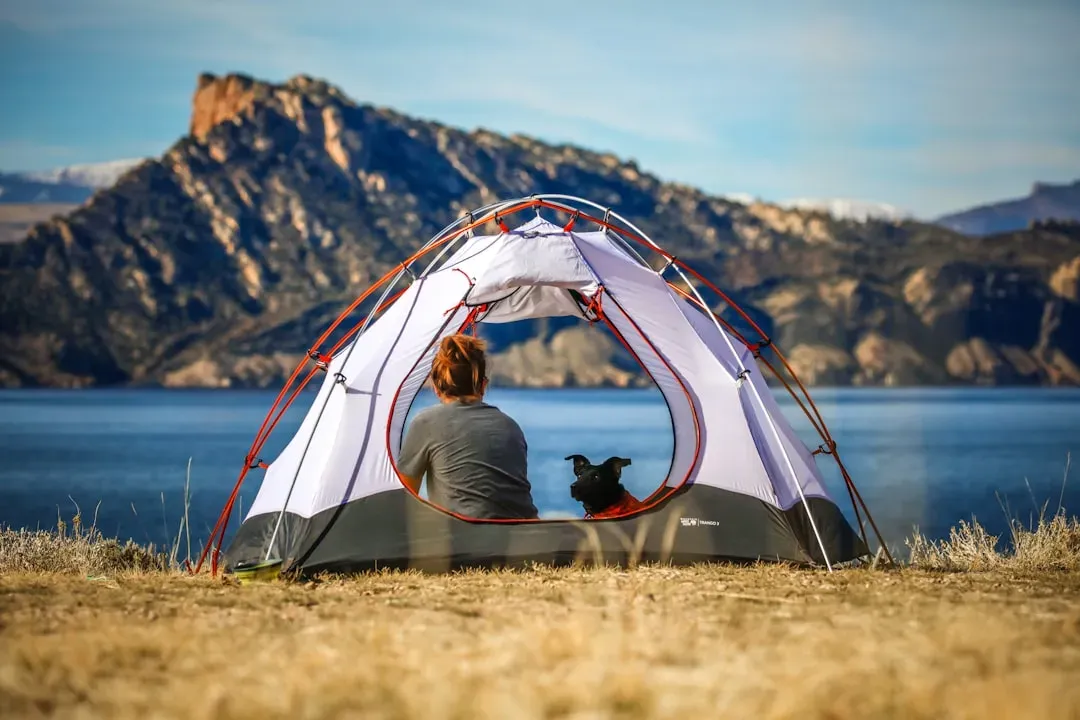
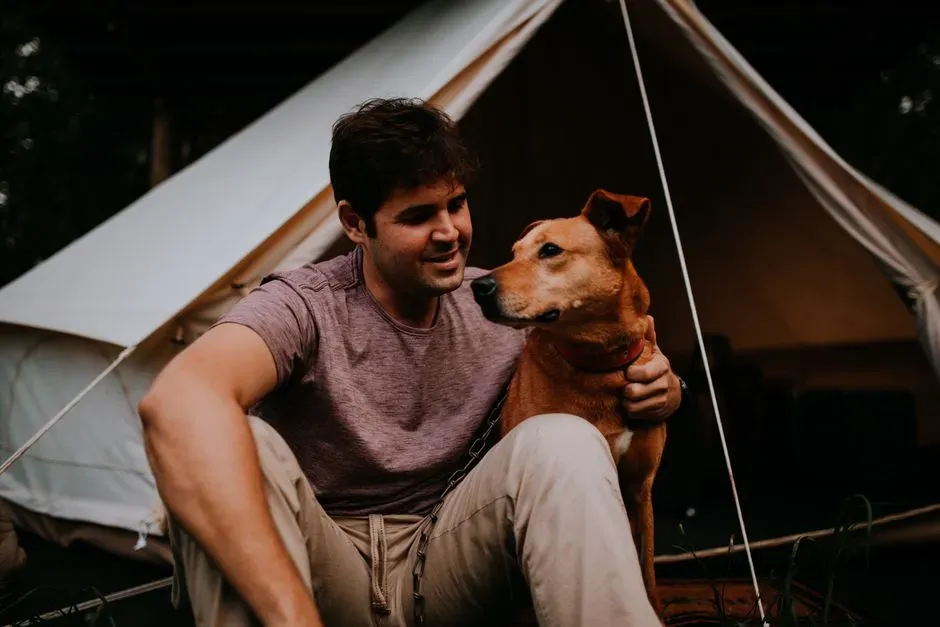
Choose a Shady Campsite (Image Credits: Unsplash)Selecting the right campsite is the first step in protecting your dog from excessive heat. Opt for areas with ample natural shade, such as those under large trees or near bodies of water. This natural cover helps reduce direct sun exposure, keeping the environment cooler.If natural shade is scarce, create your own by setting up tarps or portable canopies. Position your tent and your dog’s resting area in these shaded spots to provide a cool retreat throughout the day. Remember, tents can become heat traps, so ensure proper ventilation to promote airflow.
Hydration is Key
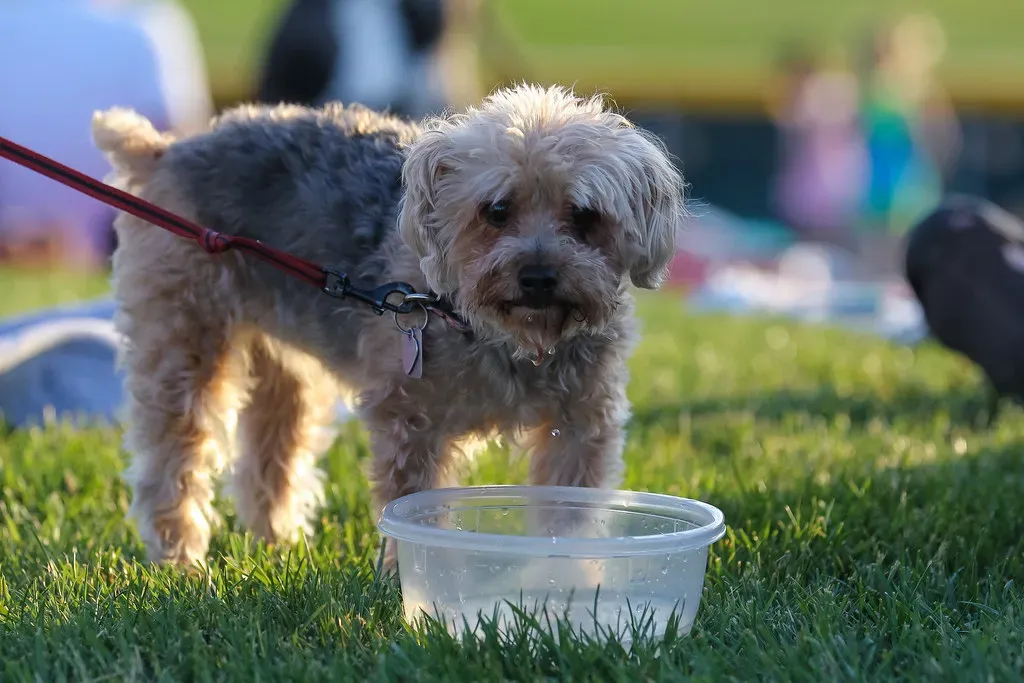
Hydration is Key (Minda Haas Kuhlmann, Flickr, CC BY 2.0)Keeping your dog hydrated is paramount during hot weather. Always have fresh, cool water available at the campsite and during hikes. Portable water bowls or dog-specific water bottles are convenient for on-the-go hydration.Encourage your dog to drink regularly, even if they don’t appear thirsty. Dehydration can set in quickly, leading to serious health issues. Adding ice cubes to their water can make it more appealing and help lower their body temperature.
Limit Physical Activity During Peak Heat
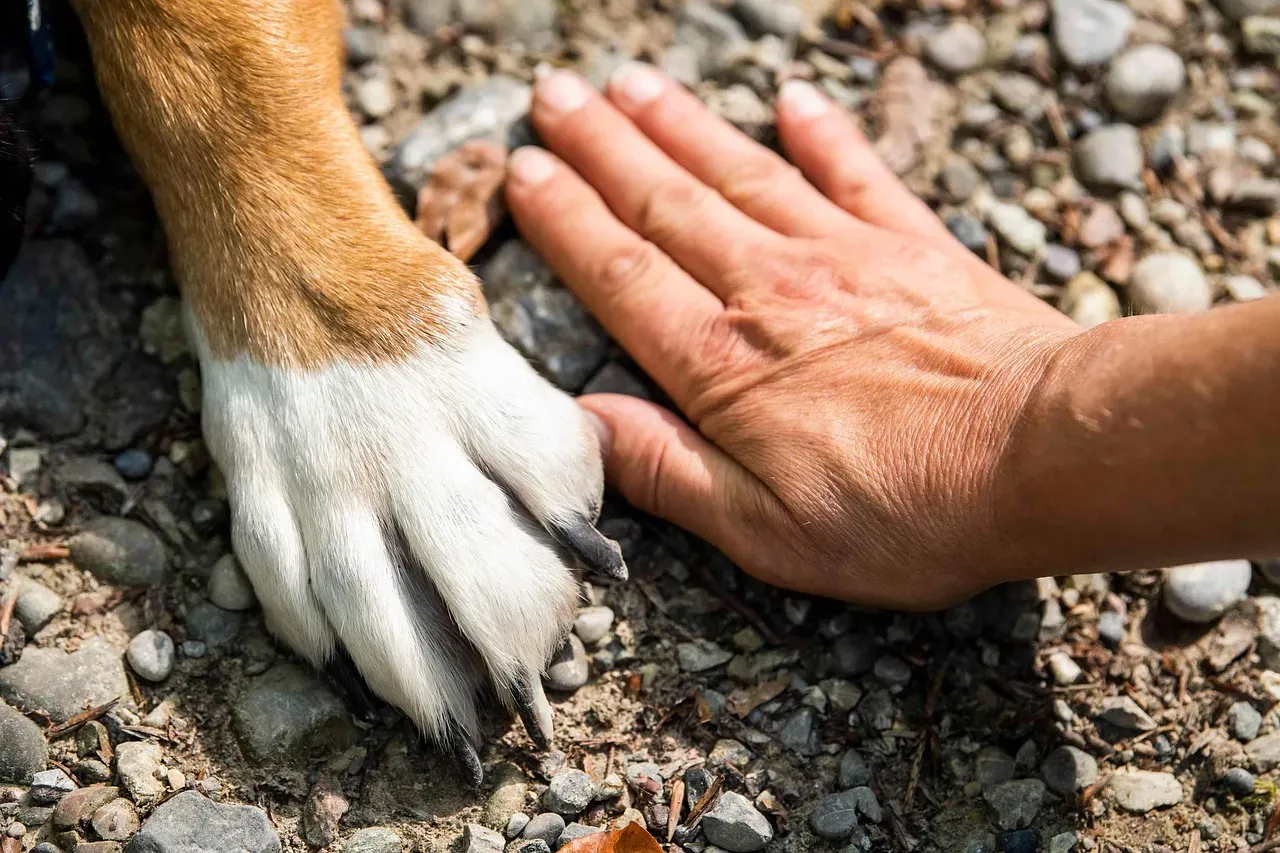
Limit Physical Activity During Peak Heat (Image Credits: Pixabay)Engaging in strenuous activities during the hottest parts of the day can be dangerous for your dog. Plan hikes and playtime for early mornings or late evenings when temperatures are cooler. This schedule not only protects your dog from heatstroke but also makes the experience more enjoyable for both of you.Be mindful of the ground temperature as well. Surfaces like asphalt and sand can become scorching hot and burn your dog’s paw pads. A simple test is to place the back of your hand on the ground; if it’s too hot for you, it’s too hot for your dog.
Provide Cooling Accessories
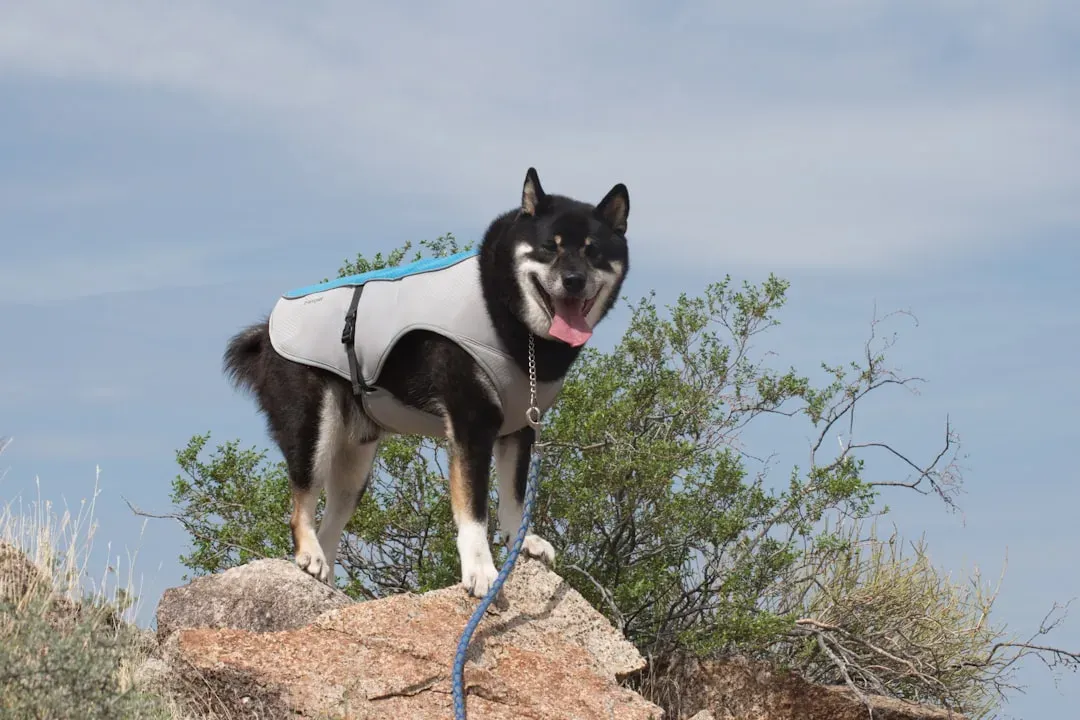
Provide Cooling Accessories (Image Credits: Unsplash)Investing in cooling accessories can significantly enhance your dog’s comfort. Cooling vests work by retaining water and slowly evaporating, which helps lower body temperature. Ensure the vest fits properly and is used according to the manufacturer’s instructions.Cooling mats are another excellent option. These mats often contain gel that stays cool and can be placed in your dog’s resting area. They provide a refreshing spot for your dog to lie on during hot days.
Set Up a Kiddie Pool
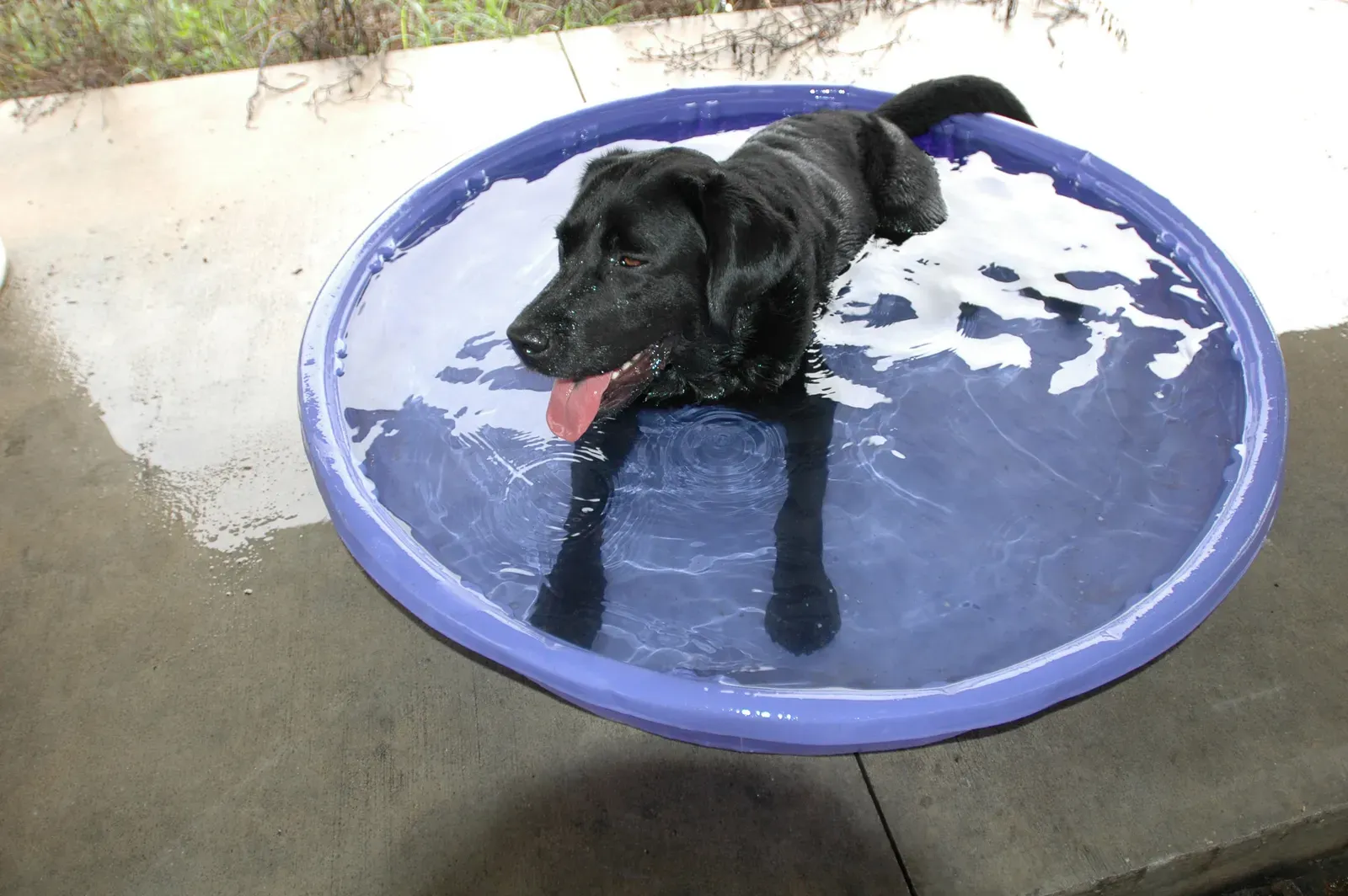
Set Up a Kiddie Pool (Image Credits: Unsplash)A shallow kiddie pool filled with cool water can be a fun and effective way for your dog to cool off. Place the pool in a shaded area and supervise your dog while they splash around. This not only helps regulate their body temperature but also provides mental stimulation.Ensure the water is clean and changed regularly to prevent any health issues. Not all dogs are natural swimmers, so always monitor their activity in the water to ensure safety.
Use Fans and Proper Ventilation
Use Fans and Proper Ventilation (Image Credits: Pexels)Good airflow is essential in preventing heat buildup. Battery-operated fans can be placed near your dog’s resting area to promote air circulation. Ensure the fan is secure and out of reach to prevent any accidents.When inside a tent, keep windows and vents open to allow heat to escape. Positioning the tent in a breezy area can also help maintain a cooler environment.
Recognize Signs of Overheating
Recognize Signs of Overheating (This image is from the FEMA Photo Library (obsolete as of 2019).An archived copy may be found at the Wayback Machine (note: link may be permanently dead, as not all photos were backed up in this way).If the FEMA link is permanently dead, the photo can be found at NARA Access to Archival Databases (only works if photo was taken between 1989 and October 2004), or at City-data.com., Public domain)Being aware of the symptoms of heat-related illnesses can save your dog’s life. Signs include excessive panting, drooling, lethargy, vomiting, and uncoordinated movements. If you notice any of these symptoms, move your dog to a cool area immediately and offer water.Apply cool (not cold) water to their body, especially the belly, armpits, and paw pads. Seek veterinary attention promptly, as heatstroke can escalate rapidly and be fatal if not treated.Camping with your dog in the heat requires careful planning and proactive measures. By choosing shaded areas, ensuring constant hydration, limiting activity during peak heat, providing cooling accessories, setting up water play areas, ensuring proper ventilation, and recognizing signs of overheating, you can create a safe and enjoyable experience for your furry friend. After all, their well-being is paramount, and with these strategies, you can both relish the great outdoors without the worry.