When the summer sun blazes down on Delaware, it’s not just humans who feel the heat – our canine companions are at risk too. Dogs are particularly vulnerable to high temperatures, and without proper precautions, they can suffer from heat-related illnesses that may be fatal. Understanding how to protect your dog during extreme heat is essential for every pet owner.
Recognizing the Signs of Heatstroke in Dogs
Recognizing the Signs of Heatstroke in Dogs (Image Credits: Unsplash)Heatstroke is a life-threatening condition that occurs when a dog’s body temperature rises to dangerous levels. Early signs include excessive panting, drooling, and restlessness. As the condition progresses, symptoms can escalate to vomiting, diarrhea, unsteady gait, and even collapse. It’s crucial to recognize these signs promptly to prevent severe health consequences.Certain breeds, especially those with short noses like Bulldogs and Pugs, are more susceptible to heatstroke due to their compromised ability to cool themselves through panting. Additionally, older dogs, puppies, and those with existing health conditions are at higher risk. Being aware of your dog’s specific vulnerabilities can guide you in taking appropriate preventive measures.
Providing Ample Hydration and Shade
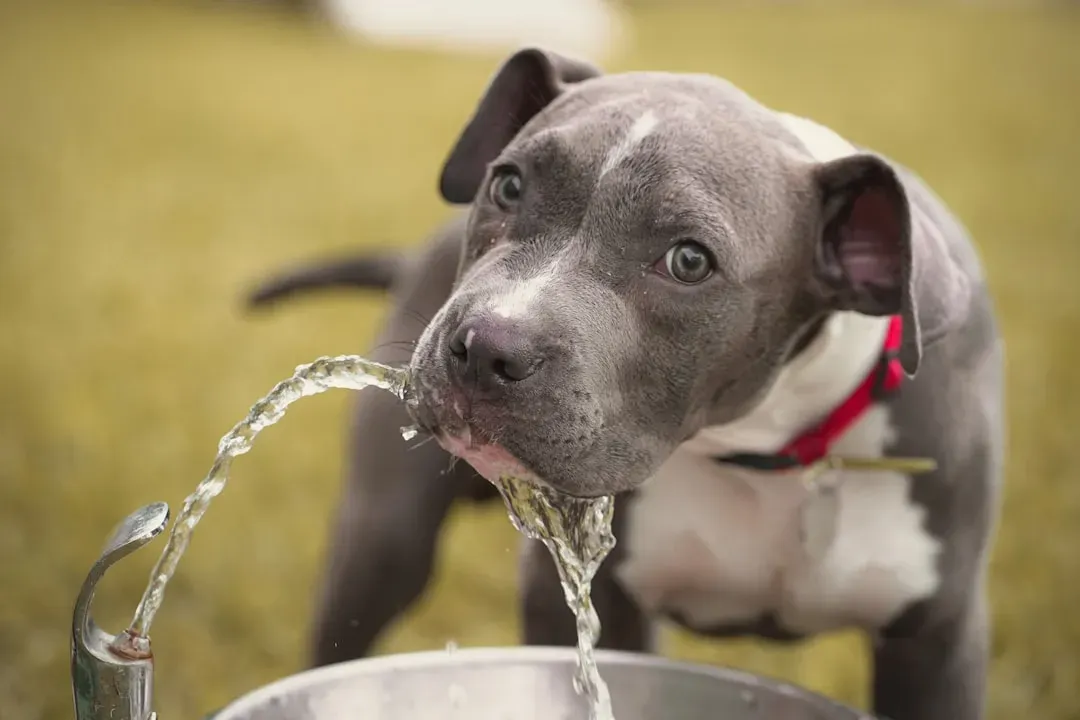
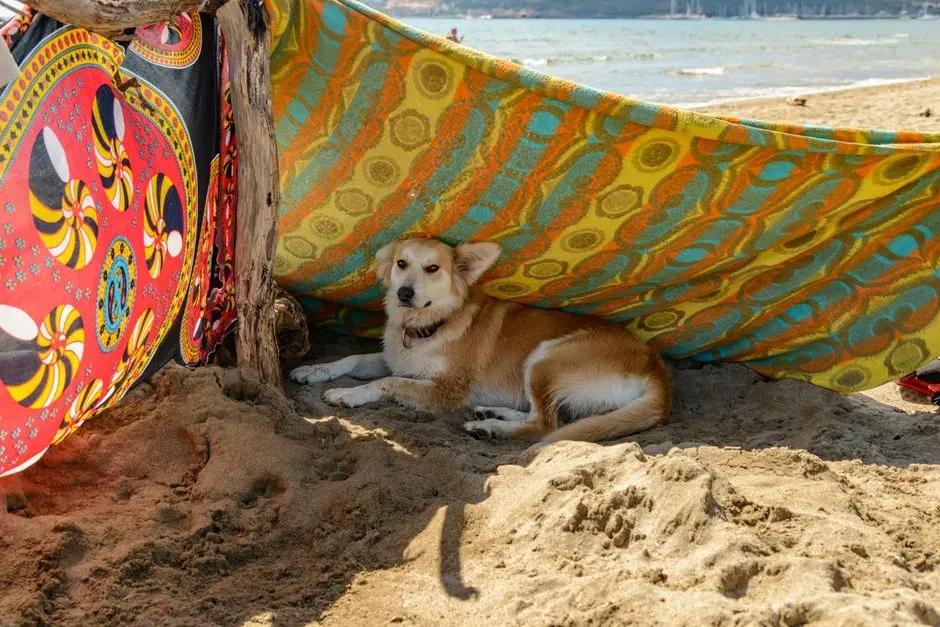
Providing Ample Hydration and Shade (Image Credits: Pexels)Ensuring your dog has constant access to fresh, cool water is fundamental during hot weather. Dehydration can set in quickly, exacerbating the effects of heat. Place multiple water bowls in shaded areas around your home and refill them regularly to encourage your dog to drink.Shade is equally important. If your dog spends time outdoors, make sure there’s a shaded area where they can retreat from the sun. Natural shade from trees is ideal, but if that’s not available, consider setting up a canopy or umbrella. Remember, doghouses can trap heat and are not suitable for cooling purposes.
Adjusting Exercise Routines
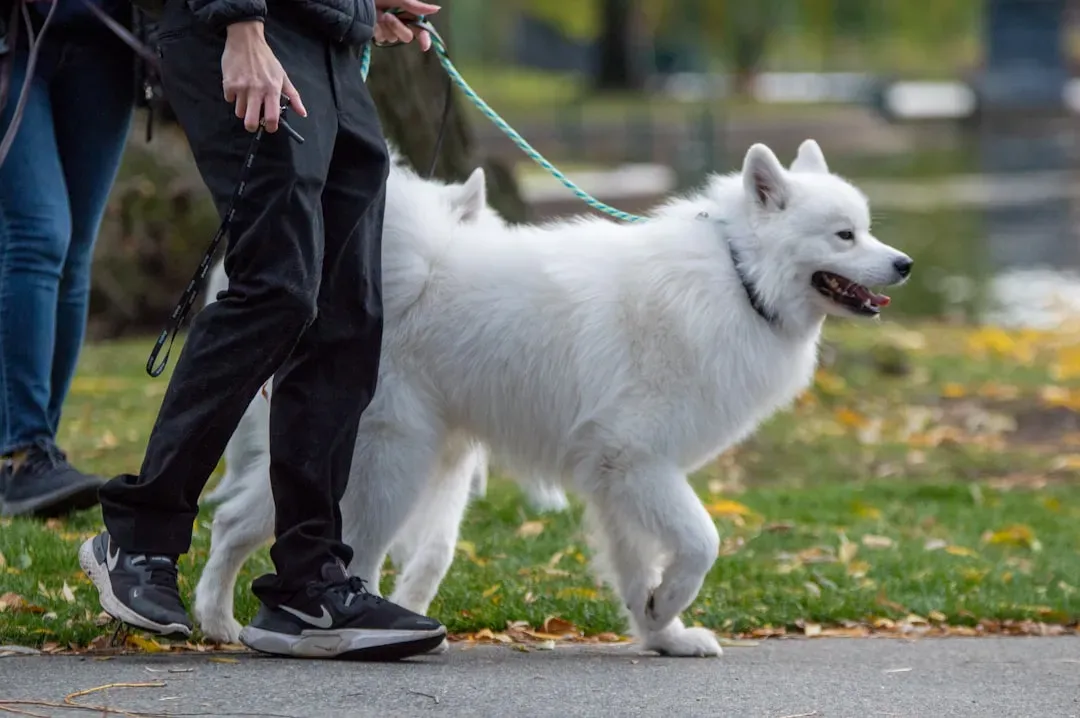
Adjusting Exercise Routines (Image Credits: Unsplash)Exercise is vital for a dog’s health, but during extreme heat, it’s essential to modify their routine. Opt for walks in the early morning or late evening when temperatures are cooler. Avoid strenuous activities during peak heat hours, typically between 10 a.m. and 4 p.m.Be mindful of the surfaces your dog walks on. Asphalt and concrete can become scorching hot and burn your dog’s paw pads. A simple test is to place the back of your hand on the pavement; if it’s too hot for you, it’s too hot for your dog. Whenever possible, walk your dog on grass or dirt paths to prevent paw injuries.
Never Leave Your Dog in a Parked Car
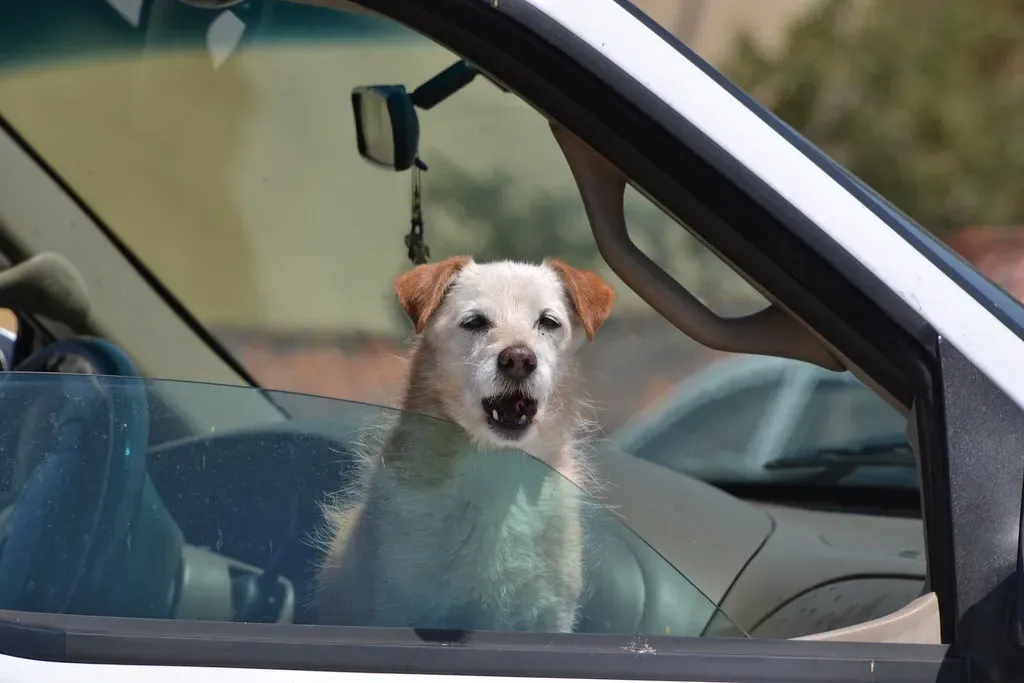
Never Leave Your Dog in a Parked Car (tracie7779, Flickr, CC BY-SA 2.0)Leaving a dog in a parked car, even for a short period, can be deadly. On a warm day, the temperature inside a vehicle can rise rapidly, reaching dangerous levels within minutes. Cracking the windows does little to alleviate the heat. It’s best to leave your dog at home if you need to run errands where pets aren’t allowed.If you see a dog left unattended in a parked car, it’s important to act. Contact local authorities or animal control immediately to report the situation. Prompt action can save a dog’s life.
Utilizing Cooling Products and Techniques
Utilizing Cooling Products and Techniques (Image Credits: Unsplash)There are various products designed to help keep dogs cool during hot weather. Cooling mats, vests, and bandanas can provide relief by dissipating heat from your dog’s body. These products often use materials that retain coolness when soaked in water, offering a refreshing sensation for your pet.Additionally, setting up a kiddie pool in a shaded area can provide a fun and effective way for your dog to cool off. Always supervise your dog around water to ensure safety. Regularly misting your dog with cool water or placing damp towels on their body can also help lower their body temperature.
Understanding Delaware’s Legal Protections for Pets
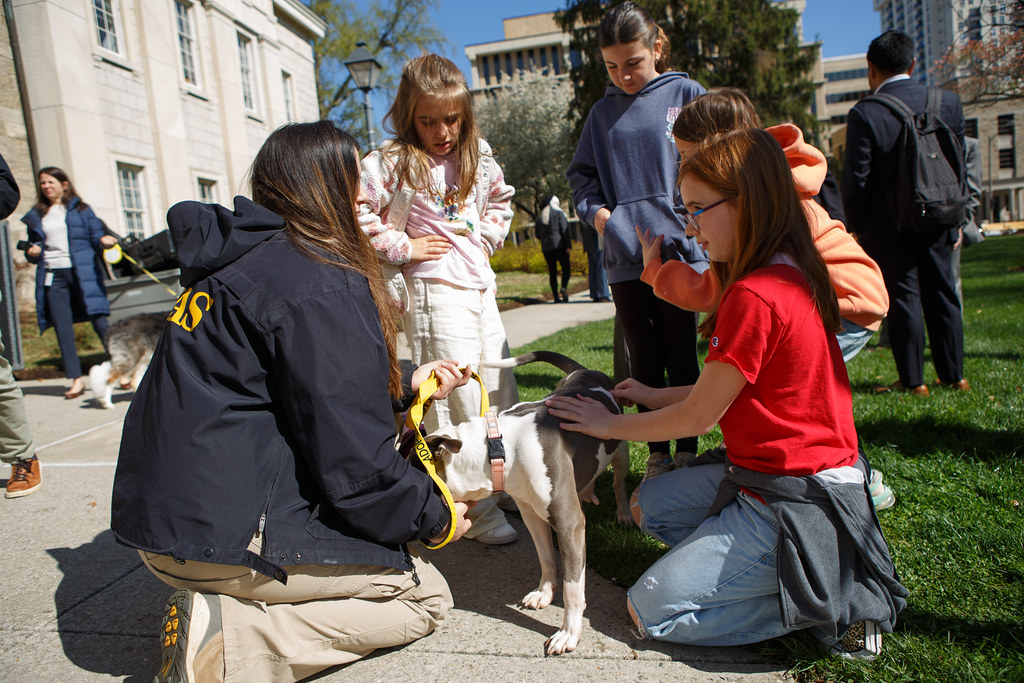
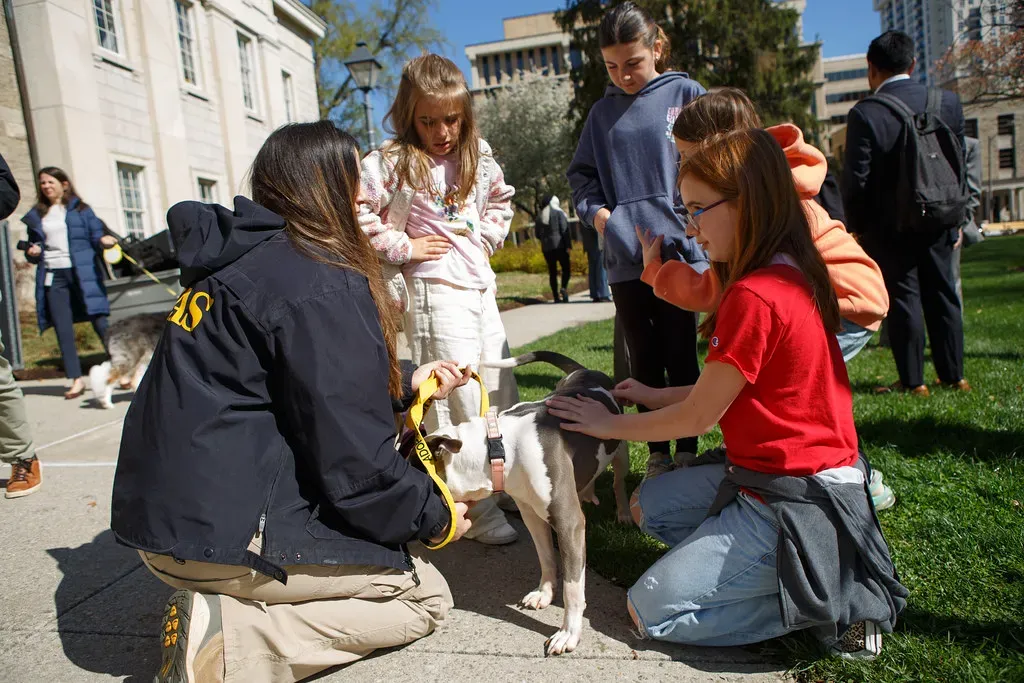
Understanding Delaware’s Legal Protections for Pets (Image Credits: Flickr)Delaware law prohibits leaving a dog outside and unattended during hazardous weather conditions, including extreme heat. Violating this law can result in animal cruelty charges. It’s essential to be aware of and comply with these regulations to protect your pet and avoid legal repercussions.If you witness a pet being left outside in dangerous conditions, report it to Delaware Animal Services at 302-255-4646. Timely reporting can prevent harm and ensure the well-being of animals in your community.
Recognizing and Responding to Heat Emergencies
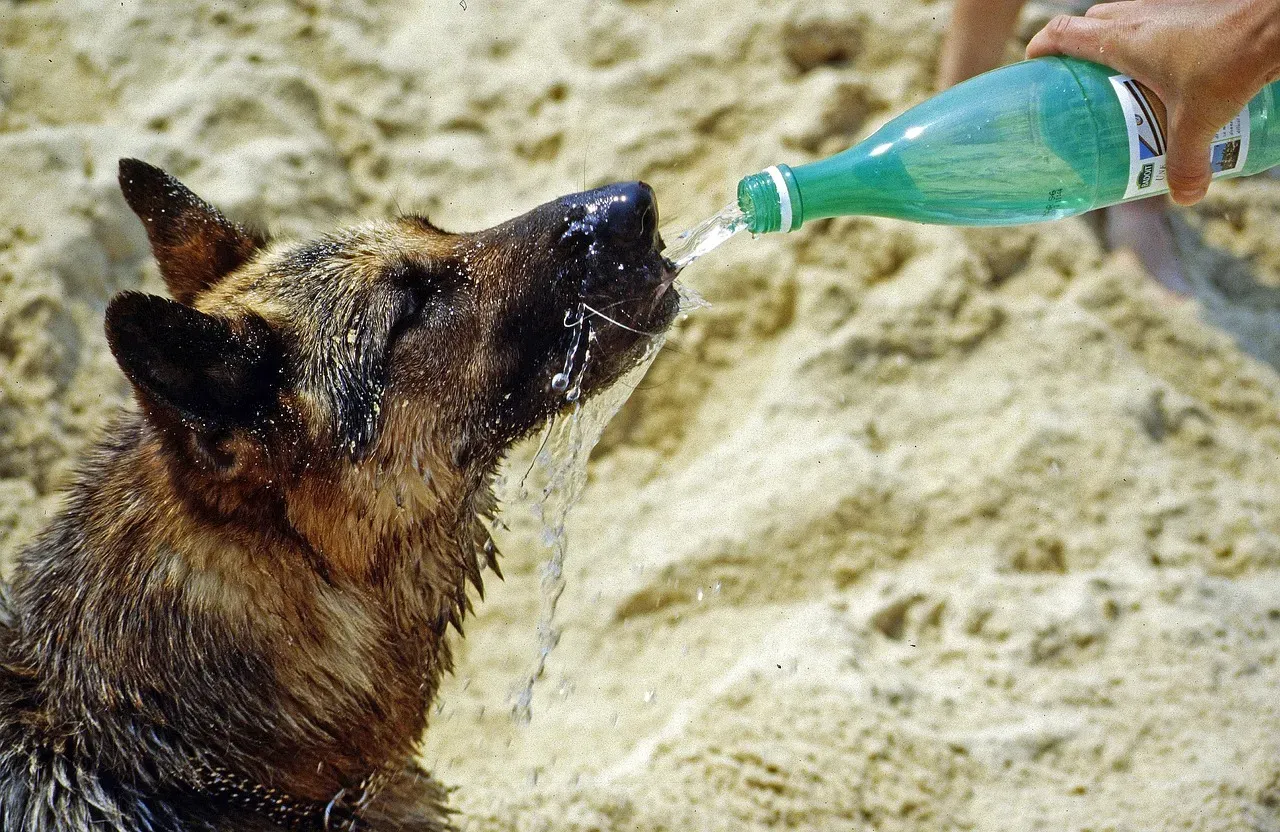
Recognizing and Responding to Heat Emergencies (Image Credits: Pixabay)If you suspect your dog is experiencing heatstroke, immediate action is crucial. Move your dog to a cool area, offer small amounts of water, and apply cool (not cold) water to their body. Avoid using ice or very cold water, as this can cause shock. Once you’ve initiated cooling measures, seek veterinary care immediately.Preventing heatstroke is always better than treating it. By taking proactive steps to keep your dog cool and hydrated, you can enjoy a safe and happy summer together.
Conclusion
Conclusion (Image Credits: Pixabay)Protecting our dogs from extreme heat isn’t just a matter of comfort – it’s a matter of life and death. As responsible pet owners, we must be vigilant and proactive in safeguarding our furry friends during Delaware’s sweltering summers. By recognizing the signs of heat distress, providing adequate hydration and shade, adjusting exercise routines, and adhering to legal protections, we can ensure our dogs remain healthy and happy. After all, our pets rely on us entirely for their well-being; let’s not let them down when they need us the most.