
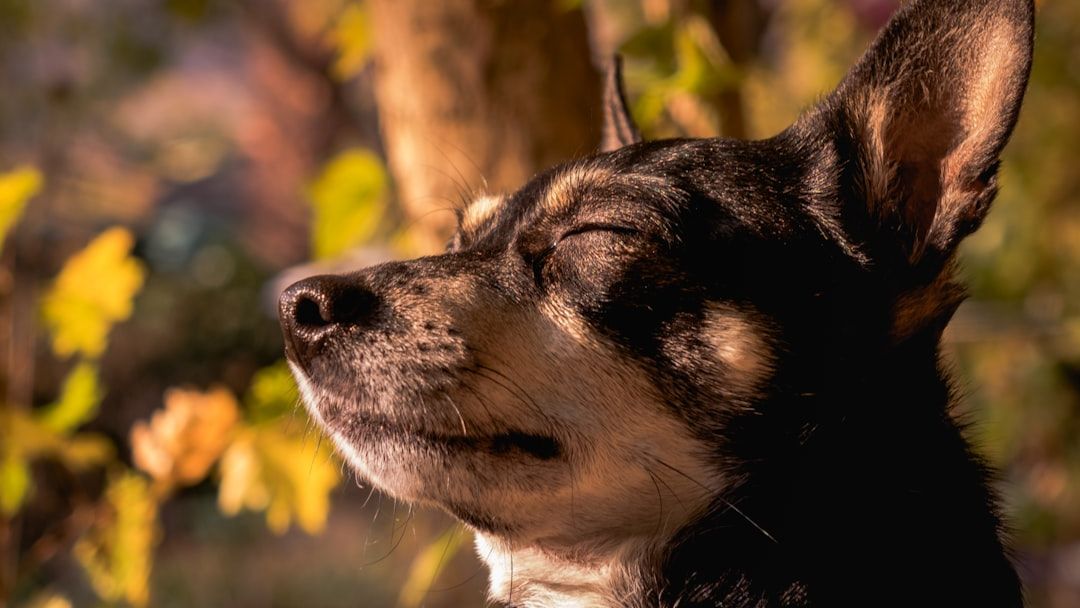
Imagine settling into your favorite chair after a long day, your loyal dog nestled beside you. As you both unwind, an invisible dance begins – your breaths aligning in a harmonious rhythm. This isn’t mere coincidence; it’s a profound testament to the deep bond shared between humans and their canine companions.
The Science Behind Synchronized Breathing
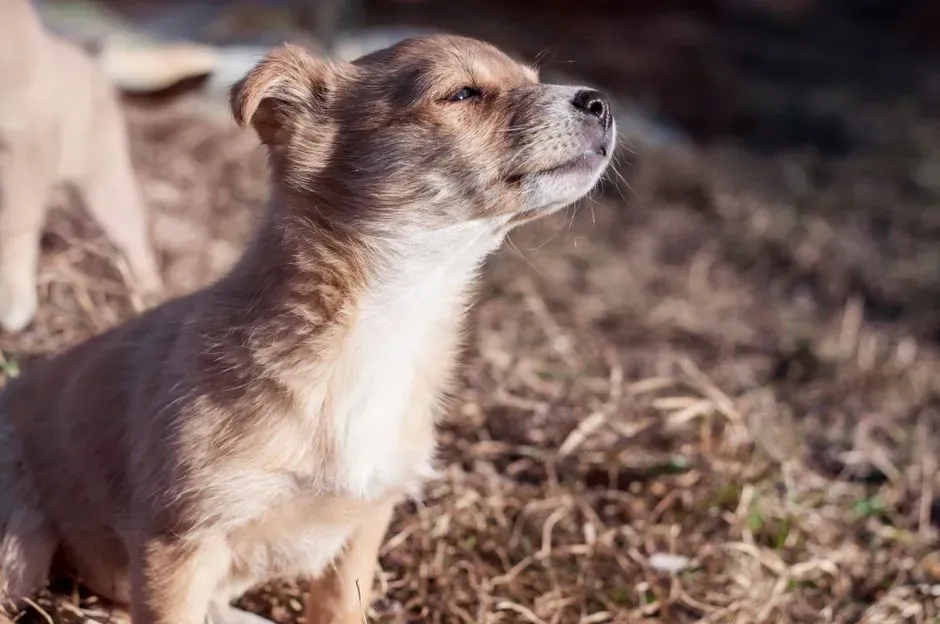
Recent studies have unveiled that during moments of deep calm, dogs unconsciously synchronize their breathing patterns with their owners. This phenomenon, known as respiratory entrainment, highlights the intricate physiological connections that underpin the human-dog relationship. Researchers have observed that when owners engage in slow, diaphragmatic breathing, their dogs’ breathing rates adjust accordingly, reflecting a shared state of relaxation.
Such synchronization isn’t limited to breathing alone. Heart rate variability (HRV), a measure of the time interval between heartbeats, also exhibits co-modulation between dogs and their owners. During relaxed interactions, both parties display aligned HRV patterns, suggesting a mutual emotional state. This alignment indicates that our furry friends are not just passive observers but active participants in our emotional landscapes.
Emotional Contagion: More Than Just Mimicry
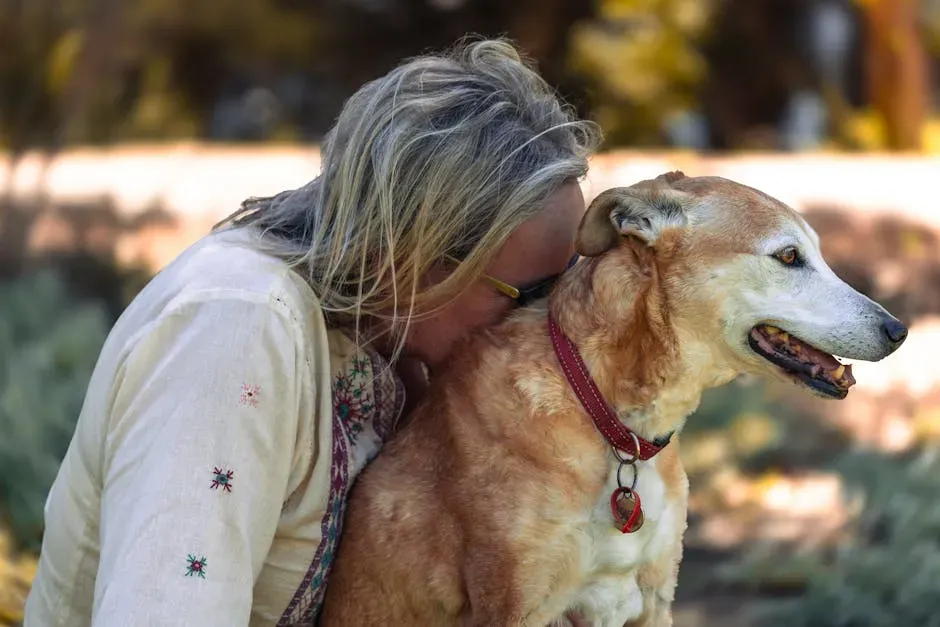
The concept of emotional contagion explains how one individual’s emotional state can influence another’s. In the context of human-dog interactions, this means that our emotions can directly impact our dogs’ feelings and behaviors. For instance, a calm and composed owner can instill a sense of tranquility in their dog, while heightened stress levels might lead to increased anxiety in the pet.
Dogs possess an exceptional ability to read human cues, from facial expressions to body language. This sensitivity allows them to mirror our emotions, fostering a shared emotional experience. It’s a silent yet profound form of communication that strengthens the bond between species.
Behavioral Synchronization: Moving in Unison
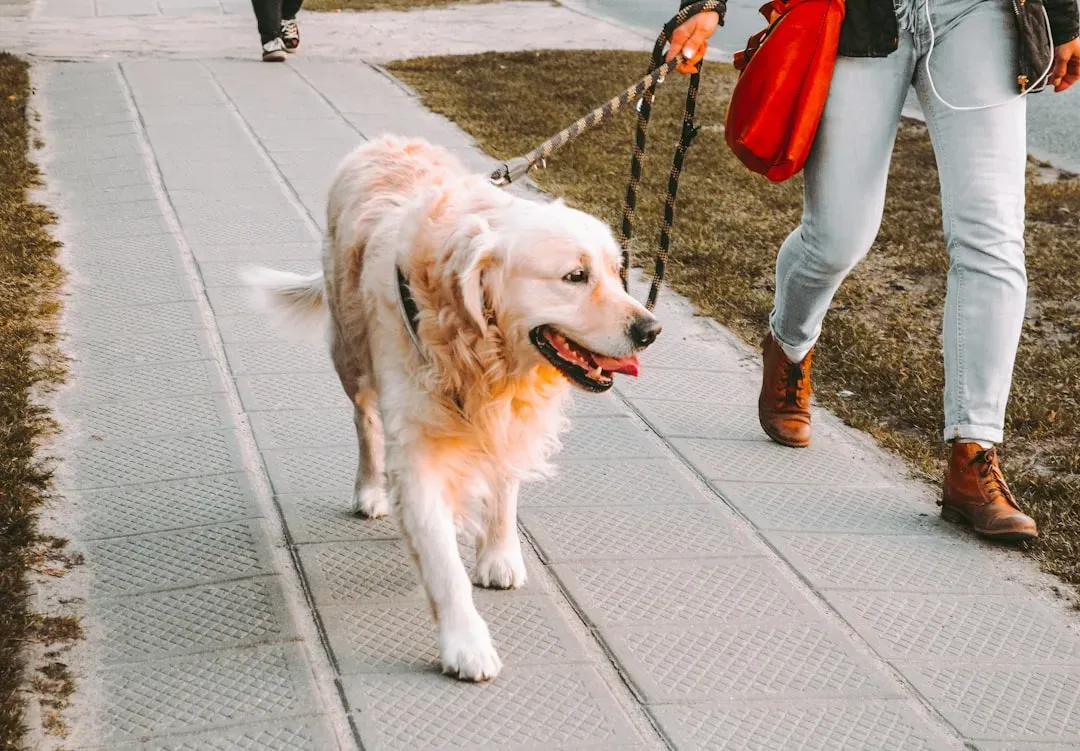
Beyond physiological responses, dogs often exhibit behavioral synchronization with their owners. Studies have shown that dogs tend to match their movements with those of their human counterparts. Whether it’s walking in step or aligning gaze direction, this behavioral mirroring underscores the depth of the human-dog connection.
Such synchronization is not merely about companionship; it reflects a deep-seated evolutionary trait. By aligning their behaviors with humans, dogs enhance social cohesion and communication, ensuring a harmonious coexistence.
The Role of Oxytocin in Bonding

Oxytocin, often dubbed the “love hormone,” plays a pivotal role in the bonding process between dogs and humans. Mutual gazing between a dog and its owner triggers the release of oxytocin in both parties, reinforcing their emotional connection. This hormonal feedback loop not only strengthens the bond but also enhances mutual attentiveness and understanding.
Engaging in activities that promote oxytocin release, such as gentle petting or shared playtime, can further deepen the bond. It’s a biochemical dance that underscores the mutual affection and trust inherent in the human-dog relationship.
Practical Implications for Dog Owners
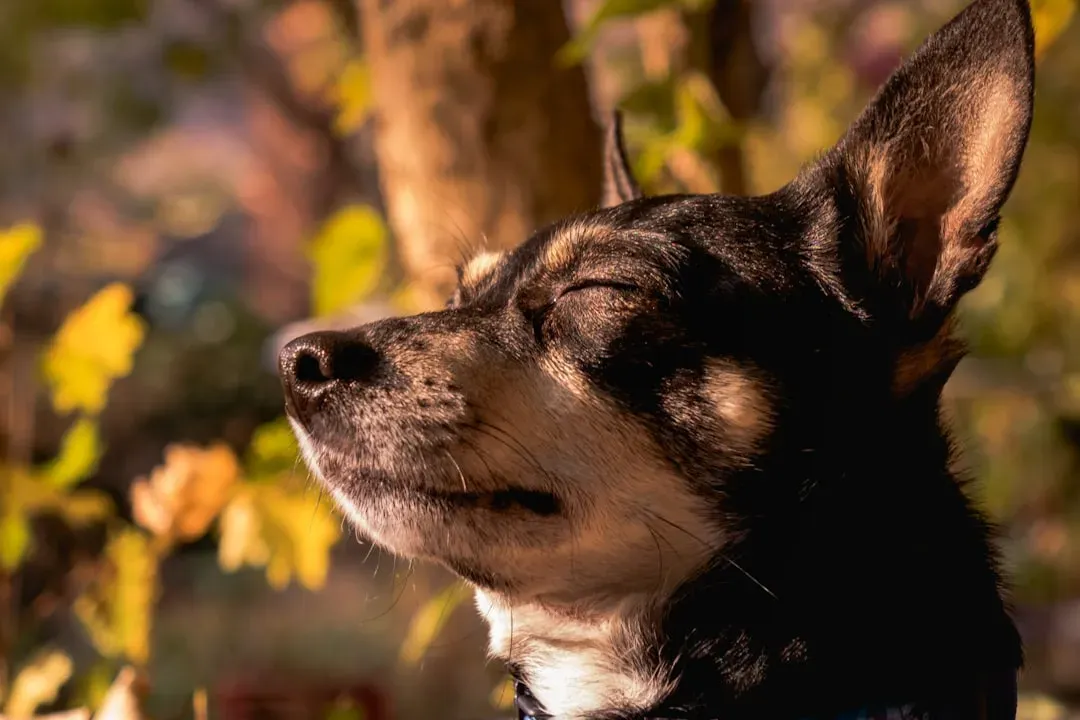
Understanding the depth of this physiological and emotional synchronization offers valuable insights for dog owners. By being mindful of their own emotional states, owners can positively influence their dogs’ well-being. Practicing calmness and engaging in soothing activities can help alleviate anxiety in dogs, promoting a serene environment.
Simple practices, like synchronized breathing exercises or mindful relaxation sessions with your dog, can enhance this bond. Such activities not only benefit the dog’s emotional health but also provide therapeutic effects for the owner, fostering a mutually beneficial relationship.
Conclusion: A Bond Beyond Words

The discovery that dogs unconsciously sync their breathing with their owners during moments of deep calm is more than a scientific curiosity; it’s a testament to the profound, wordless connection we share with our canine companions. This synchronization reflects a shared emotional and physiological state, highlighting the depth of our interspecies bond.
As we continue to uncover the intricacies of this relationship, one thing remains clear: the bond between humans and dogs transcends mere companionship. It’s a dynamic, reciprocal connection that enriches both lives in ways we’re only beginning to understand. So, the next time you find yourself relaxing with your dog by your side, take a moment to breathe together – it’s a simple act that speaks volumes about the love and trust you share.


