
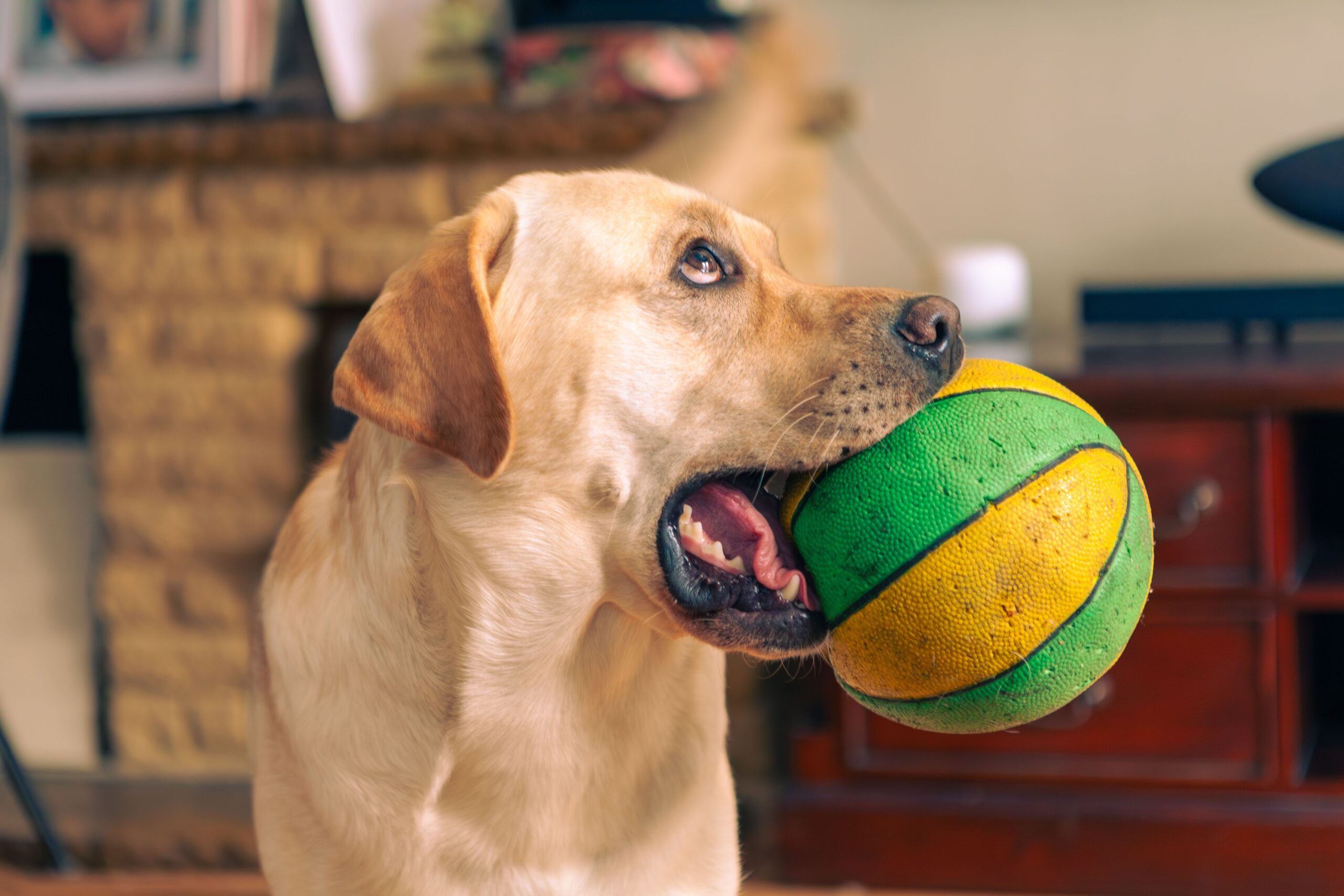
You walk through the door, your dog explodes with joy, and before you can even set down your keys, they’ve sprinted off and come back proudly carrying a toy, a slipper, or whatever was closest to their nose. It looks adorable and slightly chaotic, but under that chaos is something quietly fascinating: your dog might actually be using that random object to manage big emotions. This is not just cute; it is a tiny insight into how dogs cope with excitement, stress, and the overwhelming joy of seeing their favorite human again.
Once you start noticing it, you cannot unsee it. Some dogs always run for a specific toy, others grab whatever is nearest, and a few practically shove the item into your hands or even into your legs. It feels like they are saying, “I can’t contain myself, please take this from me!” Dog behavior experts often describe this as a form of emotional redirection, and when you understand what is really going on, you can respond in a way that makes greetings calmer, safer, and even more meaningful for both of you.
Why Dogs Turn Into Fuzzy Rockets When You Come Home
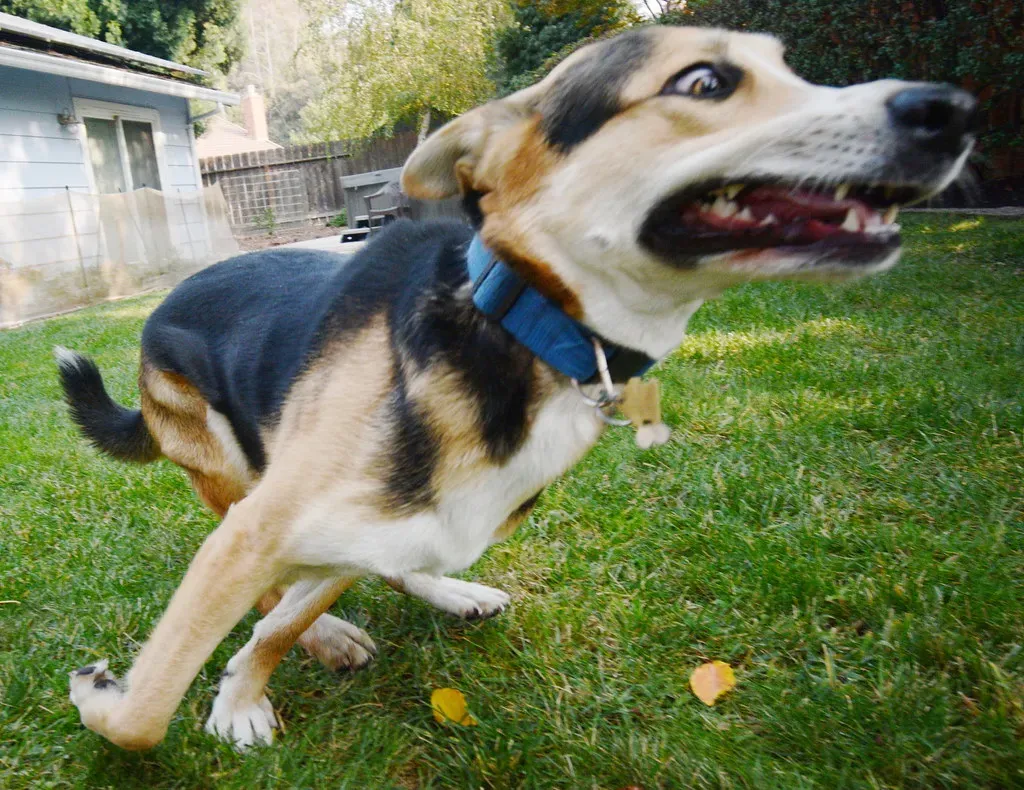
Have you ever wondered why a thirty‑second trip to the mailbox seems, in your dog’s mind, like you vanished for a week? Dogs do not have our sense of time, but they do have a powerful attachment system that lights up around their people. When you walk back in, all that anticipation, tiny bits of worry, and pure happiness hit their nervous system like a wave, and the greeting becomes the emotional release.
Many dogs express that wave with fast tails, wiggly bodies, little yips, and zoomies, while some add object‑grabbing to the mix. From a psychology perspective, it is a perfectly normal way for a social animal to say, “You are back, I made it through, and I am thrilled.” The energy has to go somewhere, and if it does not have a channel, it might spill out as jumping, mouthing, or even knocking things over. Grabbing something is one of the less disruptive ways that tension can find an exit.
Grabbing a Toy as Emotional Redirection, Not Random Quirk
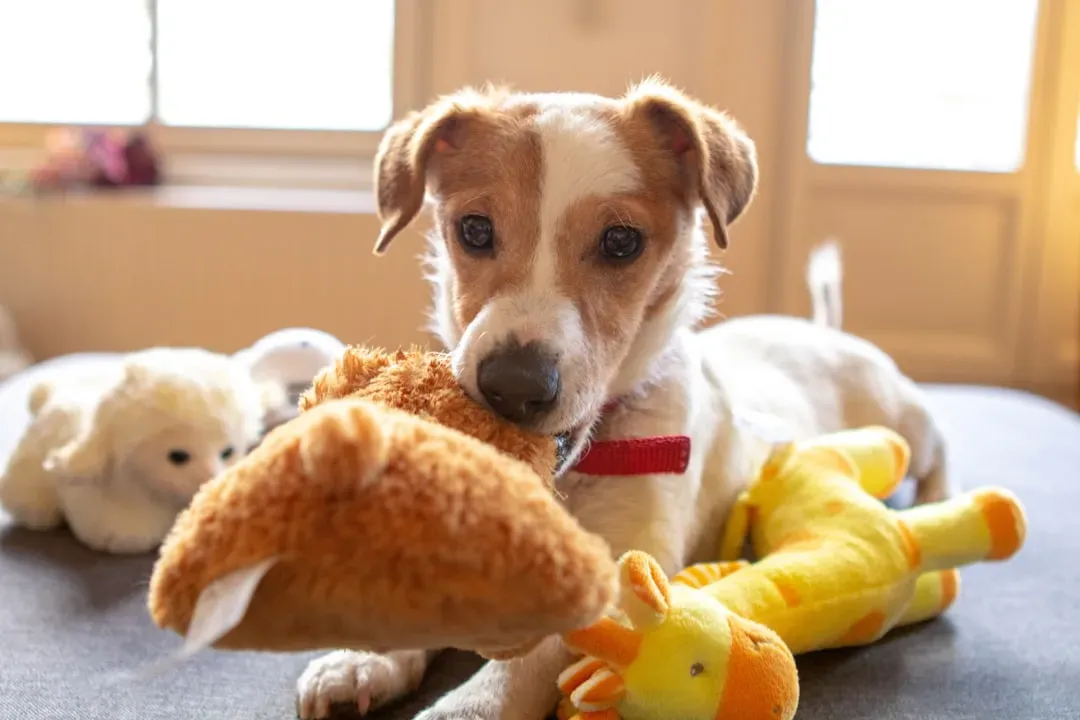
When a dog races to grab a toy the moment excitement spikes, many trainers view it as emotional redirection: the dog is shifting their intense arousal from you to an object they can safely interact with. Instead of leaping straight into your face or nipping at your hands, they use the toy as a buffer, something to bite, carry, shake, or push at you without risking real harm. It is a bit like a person squeezing a stress ball during a tense phone call.
This redirection is not usually a conscious choice in the human sense; it is more like a learned emotional habit. Over time, the dog discovers that having something in their mouth feels good and helps them cope, especially in big-feeling moments such as greetings. If you pay attention, you might notice they do the same thing in other high‑arousal situations too, like when guests arrive, when they hear the leash come out, or when someone rings the doorbell. The pattern tells you their toy is not just a toy; it is an emotional outlet.
From Mouthy Wolves to Soft Toys: The Role of the Canine Mouth
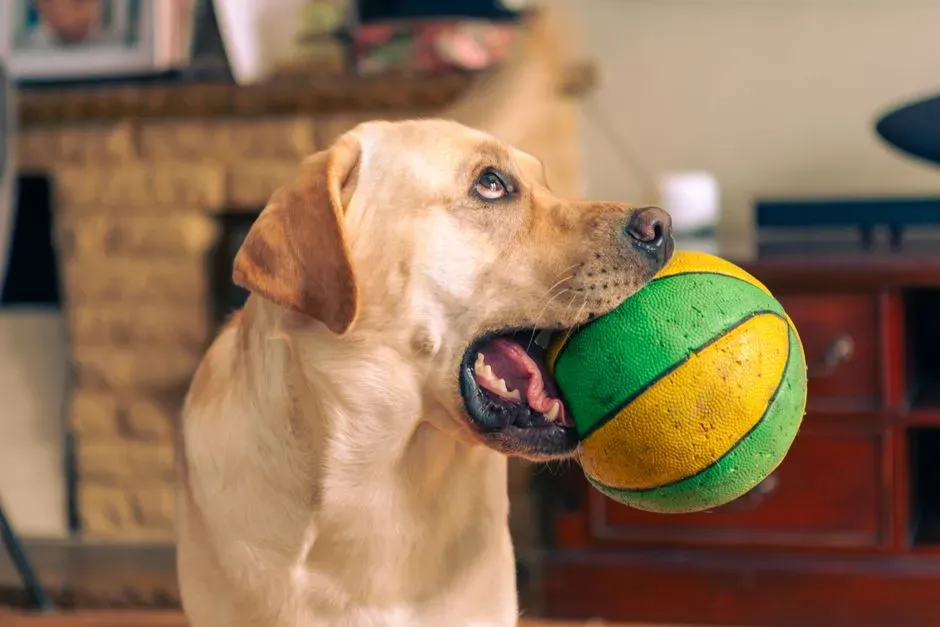
To really understand this behavior, you have to remember that a dog’s mouth is not just for eating; it is how they explore, interact, and even self‑soothe. Their wild ancestors used their mouths for hunting, carrying, and tearing, and our pet dogs still carry that instinctual wiring, even if the prey has turned into a squeaky plush or a soggy tennis ball. When excitement spikes, that mouthy instinct can switch on very quickly.
For some dogs, grabbing an object is like putting their emotional energy on a leash. Instead of mouthing your arm or your clothes, they clamp down on something that is safe and designed to be chewed. This is one reason many behavior professionals actually encourage dogs to have appropriate “greeting toys.” It takes a hardwired need – to use the mouth under stress or excitement – and gives it a healthy, low‑risk direction, rather than fighting against the behavior altogether.
Excitement, Stress, or Both? Reading the Emotions Behind the Grab
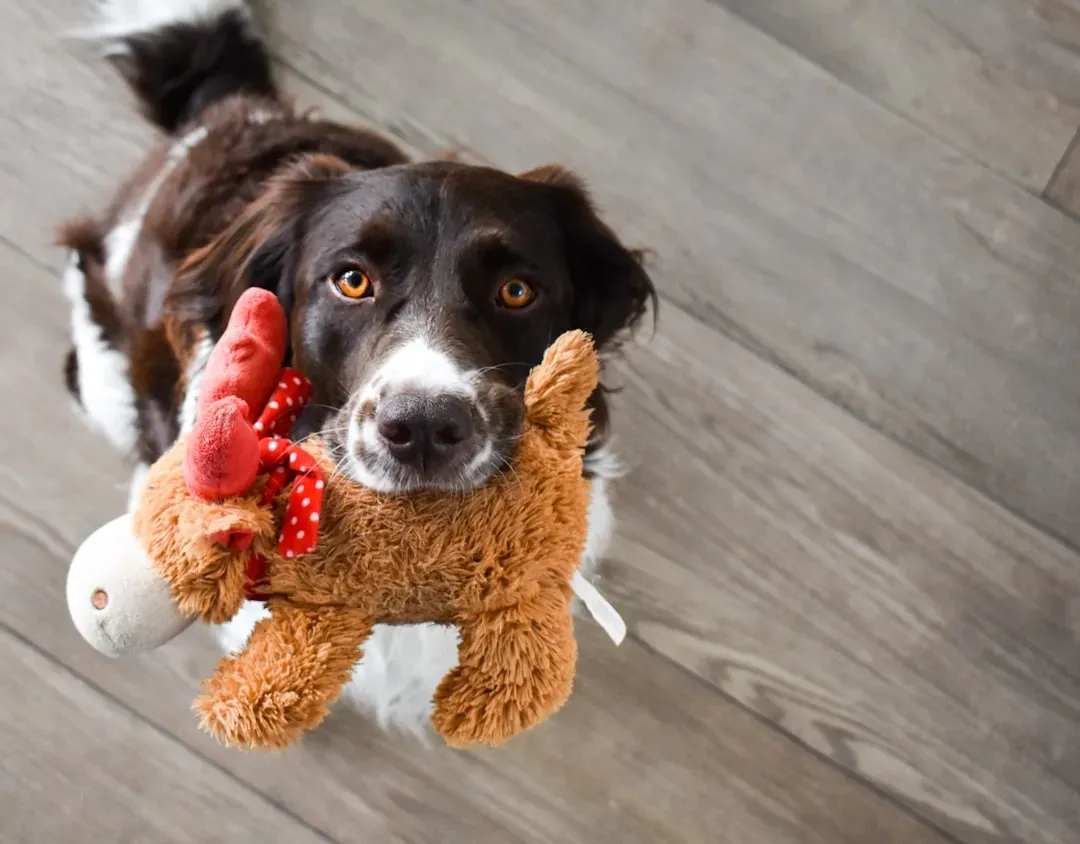
Here is where it gets interesting: dogs can grab an object when they are joyful, but also when they are overwhelmed, conflicted, or slightly stressed. A greeting can be a mix of relief, happiness, and a little uncertainty, especially for more sensitive dogs. The behavior might look identical on the surface, but the emotional cocktail underneath can differ from dog to dog. That is why context and body language matter so much.
If your dog’s body is loose, tail wagging at mid‑height, eyes soft, and they grab a toy and bounce around, you are probably seeing joyful arousal channeled into play. If their body is a bit stiff, ears pinned back, tail carried lower, and they latch onto an item more tensely, the grab might be about coping with a bit of social pressure or nervousness. Think of it like the difference between someone hugging a pillow in excitement versus clutching it for comfort during a stressful conversation.
Why Some Dogs Do It and Others Couldn’t Care Less
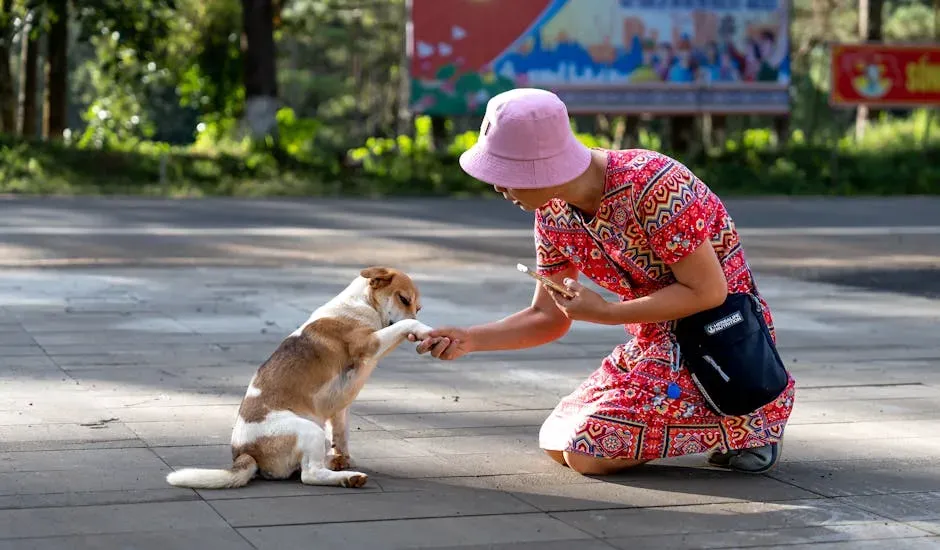
Not every dog greets you with something in their mouth, and that is important to emphasize. The absence of toy‑grabbing does not mean your dog loves you less or is less emotionally attached; it simply means they express their arousal differently. Some dogs wiggle, some melt into your legs, some bark enthusiastically, and some go straight into a sit because that is what they were heavily reinforced for as puppies. Just like people, dogs have emotional “styles.”
Personality, breed tendencies, past experiences, and training history all play a role. Certain retrieving breeds seem especially prone to greeting with objects because they have been selectively bred to enjoy carrying things. On the other hand, more reserved or independent dogs might greet more quietly, or only grab something in particularly intense moments. The key is to see your dog’s pattern as part of their individual emotional language, not as a universal rule every dog should follow.
How You Can Support (and Shape) This Greeting Habit
If your dog already loves to grab a toy when you come home, you can lean into that in a thoughtful way. Some people leave a “greeting basket” near the door, stocked with safe, sturdy toys the dog is allowed to carry and chew. Over time, the dog learns that when the door opens, that basket is the place to channel their bursting enthusiasm. It can reduce jumping, mouthing, and scattered chaos, while still letting them express genuine joy.
If your dog tends to grab less ideal items – like shoes or mail – you can gently reshape the habit by calmly trading those items for a preferred toy and consistently reinforcing when they choose the toy first. The goal is not to shut down their emotional strategy but to guide it into safer territory. From my own experience with a dog who once greeted me with an entire roll of toilet paper, giving them a “job” at the door made greetings feel more cooperative and far less like a daily disaster movie.
When Toy-Grabbing Might Signal a Bigger Problem
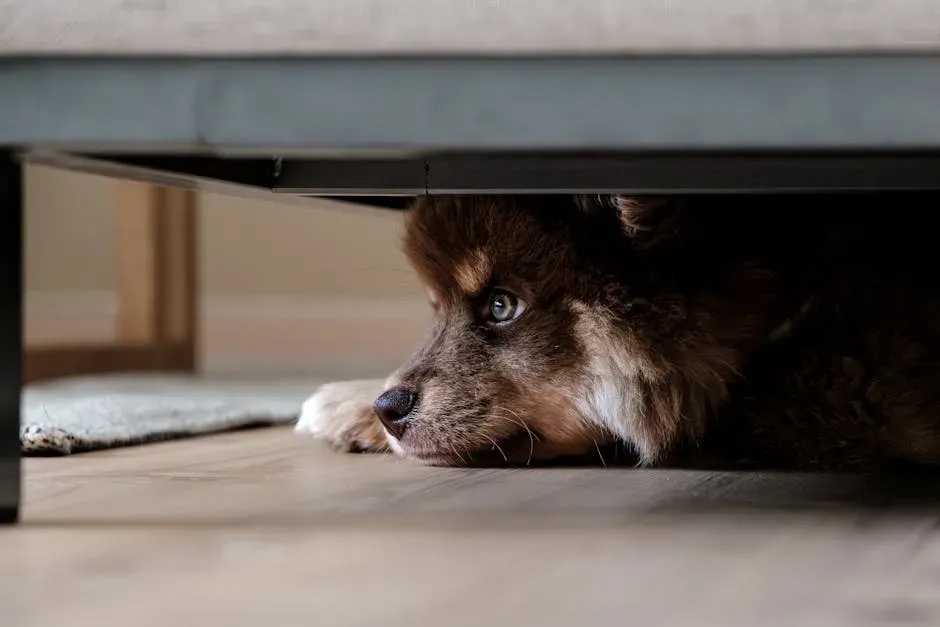
Most of the time, grabbing an object during greetings is cute, harmless, and even helpful. But in some cases, it can be part of a bigger picture of anxiety or over‑arousal. If your dog seems frantic, cannot settle for a long time after you return, or destroys whatever they grab in a highly intense way, it might be worth looking deeper. The greeting behavior might be just one clue among others that your dog struggles with being alone or managing big emotions.
In situations like that, working with a qualified, reward‑based trainer or behavior professional can make a world of difference. They can help you assess whether the object‑grabbing is simply a quirky coping tool or a sign of chronic stress that needs a broader plan, including changes to routine, enrichment, and possibly help from a veterinarian. Paying attention to this tiny detail – what your dog does in the first thirty seconds when you walk in – can be the first step toward understanding their emotional life far better than you did before.
Opinionated Conclusion: We Should Respect the Toy, Not Just Laugh at It
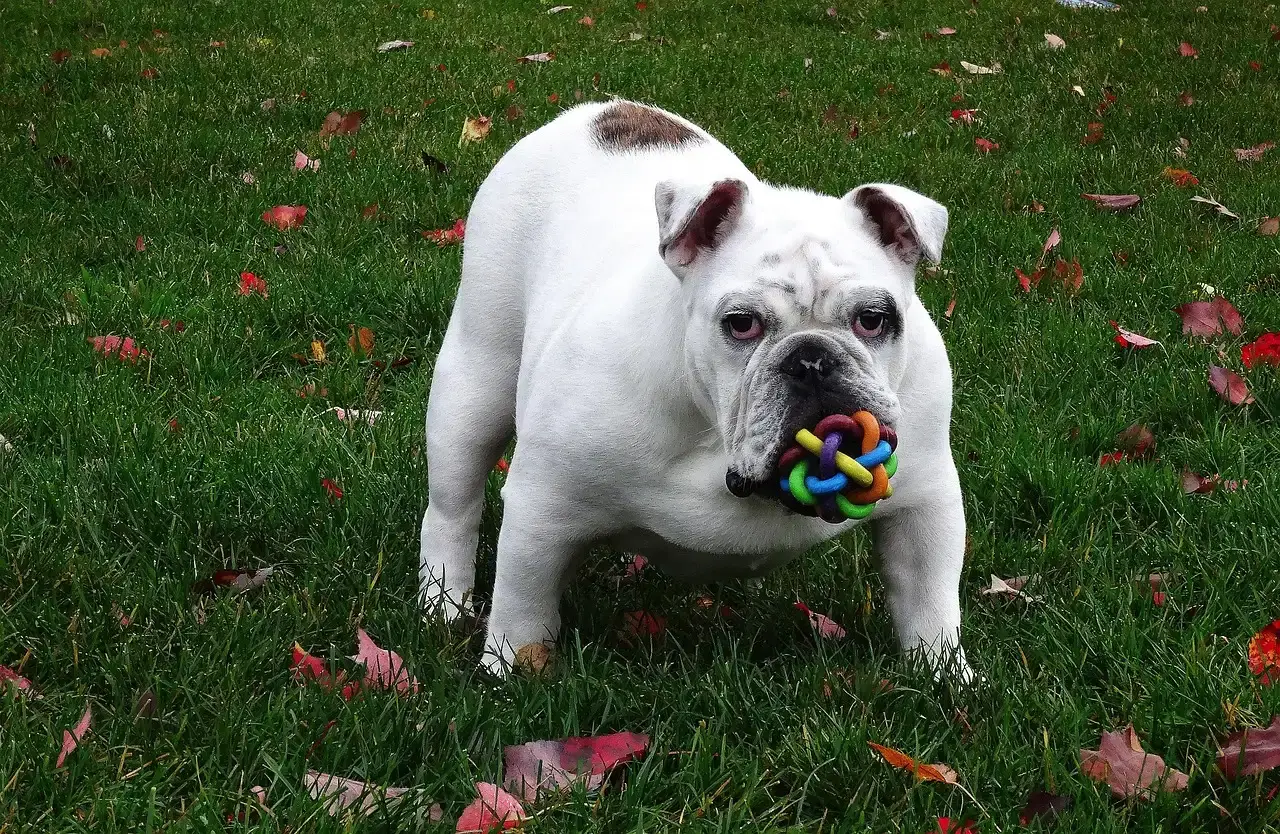
It is easy to laugh when your dog barrels down the hallway with a stuffed duck in their mouth like they are leading a parade, but I think we underestimate how intelligent that behavior really is. To me, dogs who grab something during excited greetings are doing what a lot of humans never learn to do: finding a safe, non‑harmful way to handle emotional overload. They are not just being goofy; they are self‑regulating with the tools they have, and that deserves a bit of respect, not just a selfie for social media.
If anything, the more we understand these little rituals, the more responsibility we have to meet dogs halfway. Instead of forcing them into perfectly calm, robotic greetings, we can give them structure, options, and empathy for the big feelings they carry in their small bodies. A toy in the mouth at the door can be a window into your dog’s inner world, a reminder that love for them is not just a feeling but a full‑body event. The next time your dog greets you with a slobbery plush, maybe ask yourself: am I seeing bad manners, or am I watching emotional intelligence in fur?


