
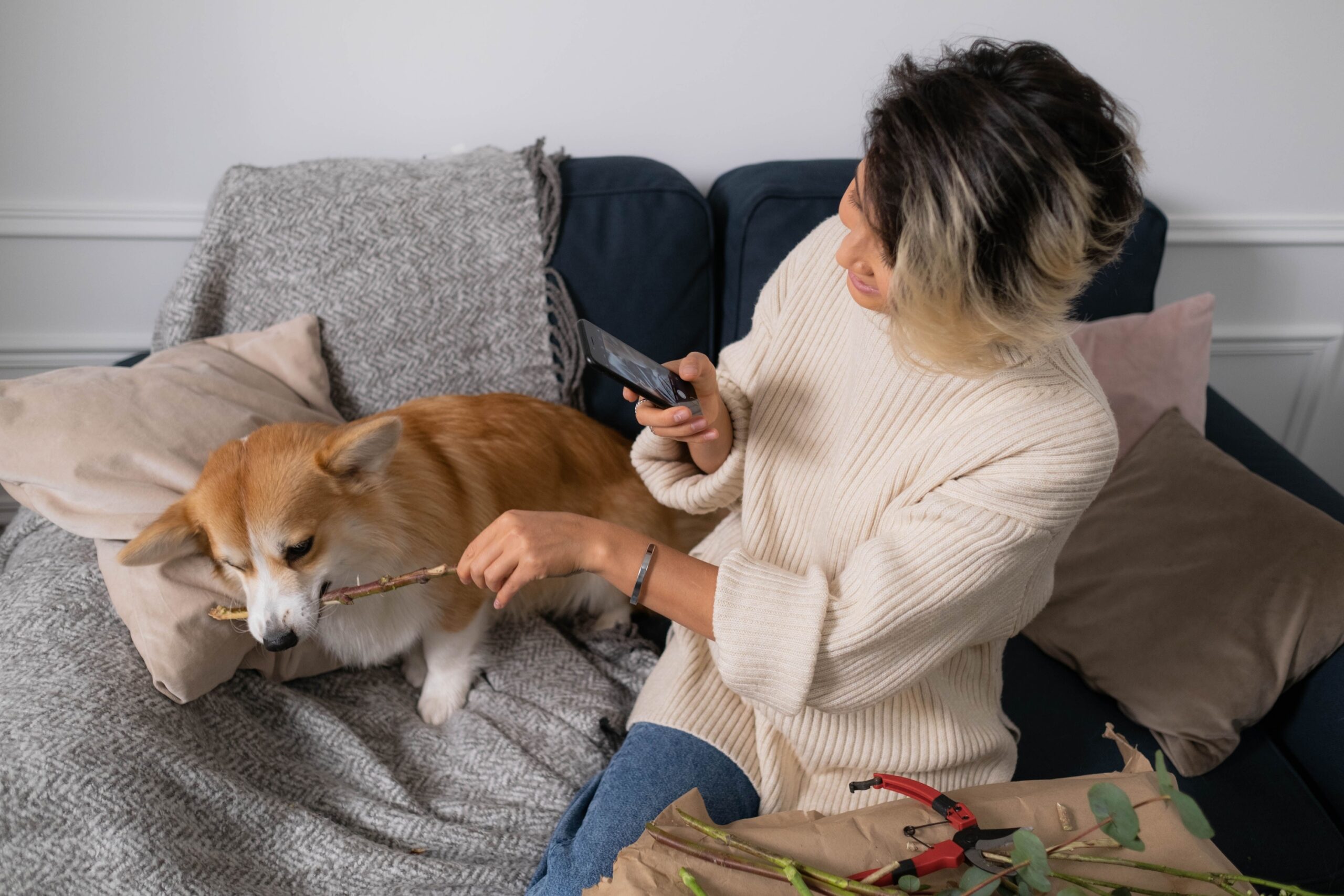
You call your dog, they glance your way, and then go right back to sniffing the grass like you never said a word. It stings a little, right? It is so easy to jump straight to annoyance or assume they are being stubborn, disrespectful, or trying to be “alpha.” But modern dog psychology paints a very different picture of what is actually going on in that furry head.
Very often, your dog is not blowing you off at all – they are simply overwhelmed, distracted, stressed, or confused by the environment around them. Once you start seeing it that way, those “ignored” commands feel less like a power struggle and more like a communication breakdown. And the good news? Communication is fixable.
Is Your Dog Really Being Stubborn – Or Just Overloaded?
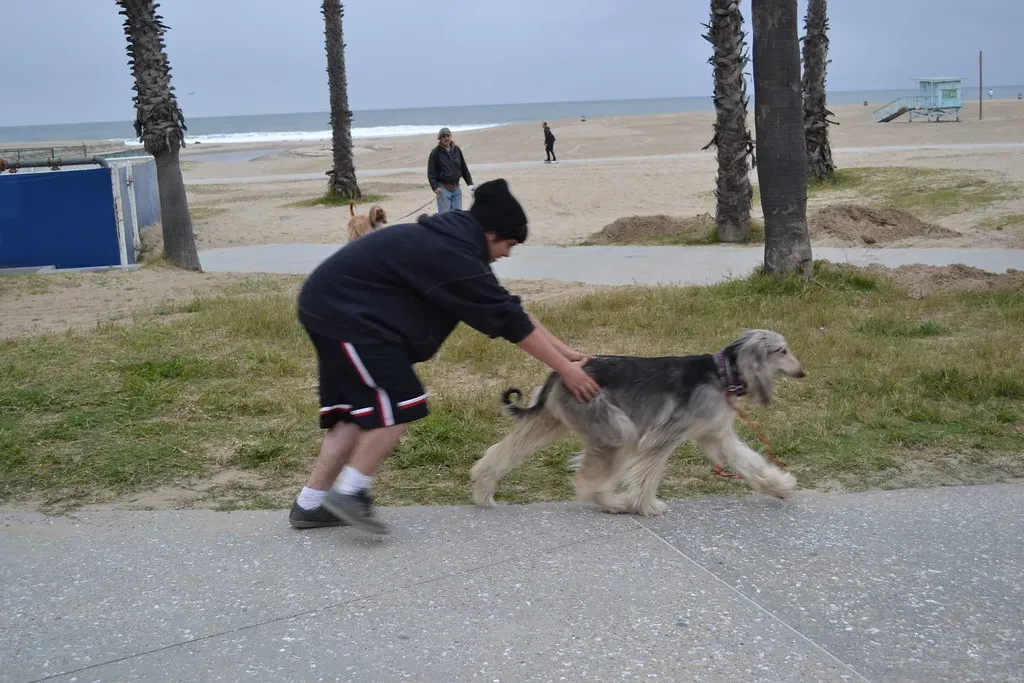
It is surprisingly common for people to label dogs as stubborn when they do not obey a cue they clearly know at home. But picture trying to do complex math in the middle of a loud concert: you technically know how, yet your brain is getting hammered by noise and movement. Dogs experience something similar when the world around them becomes more interesting, stressful, or intense than your words.
From a behavioral perspective, dogs respond to whatever is most reinforcing or salient in the moment. A whiff of another dog’s scent, a rustle in the bushes, or kids shouting nearby can all outrank your “sit” if you have not practiced that cue in similar conditions. That does not mean your dog is defiant; it often just means the environment is winning the competition for their attention.
How Dogs Actually Learn: Context Is Everything
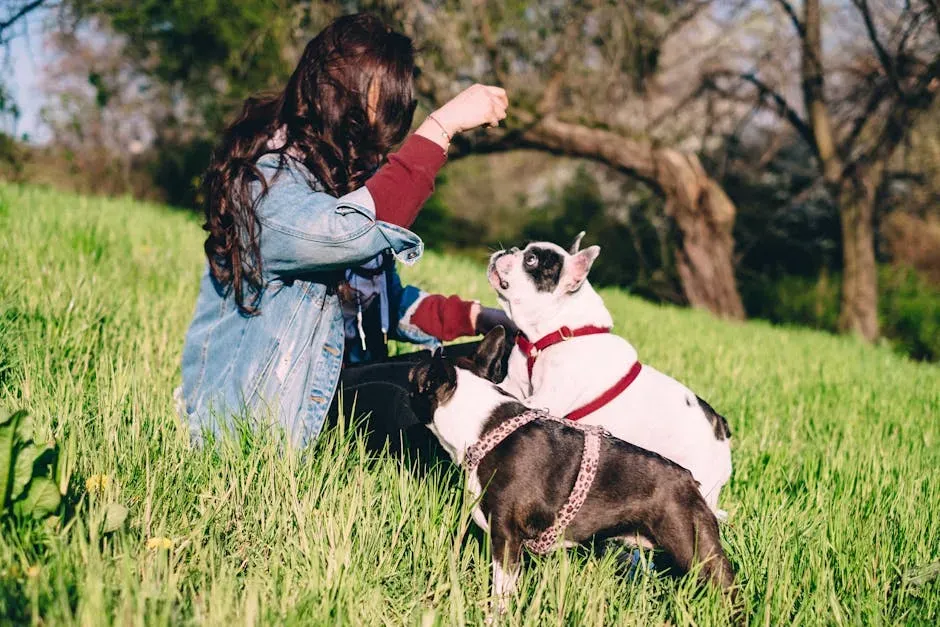
Dogs do not generalize as easily as humans. Just because your dog can lie down on cue in the living room does not mean they understand that “down” in the park, “down” on the sidewalk, and “down” at the vet all mean the exact same behavior. To a dog, those are almost like three different lessons unless we deliberately connect the dots for them.
This is why trainers talk so much about “proofing” cues. You start in the easiest possible place, then slowly layer in new locations, surfaces, distractions, and distances. When a dog seems to “forget” a cue in a new setting, it is usually a gap in training, not a bad attitude. Once I understood that, I stopped taking my own dog’s mistakes personally and started treating them like honest learning moments.
Distractions, Smells, and Squirrels: The Real Competition
We massively underestimate how intense and rich the world is for a dog. Their nose can pick up odors at concentrations we cannot even imagine, so a patch of grass is like a gossip-filled social media feed, and a breeze is basically a breaking-news alert channel. When we ask them to look away from that and focus on us, we are asking more than we realize.
If your dog hesitates or ignores you around squirrels, other dogs, or busy streets, it is not necessarily rebellion; it is often just distraction on overdrive. In dog psychology terms, whatever they are staring at is offering more immediate reward or emotional charge than responding to you. Your job is not to scold them for caring about the world, but to slowly train your cues so they can still hear you through all that noise.
The Stress Factor: When “Ignoring You” Is Actually Anxiety
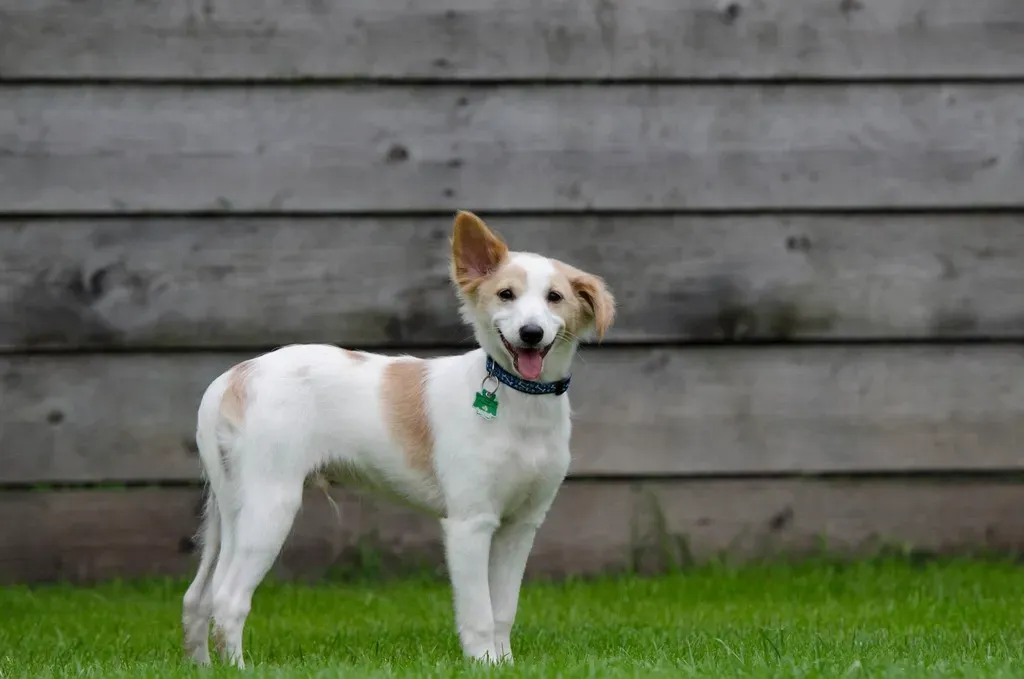
Sometimes, a dog that seems to tune you out is not distracted at all; they are stressed or even frightened. In those moments, you might see wide eyes, lip licking, yawning, shaking off, stiff posture, or frantic sniffing. It can look like they are ignoring you, but their brain is actually in survival mode, not learning mode.
In a crowded space, near loud traffic, or around something that worries them, your dog’s emotional state can override everything else, including cues they know perfectly at home. Expecting flawless obedience from an anxious dog is like asking someone having a panic attack to solve a puzzle. Instead of doubling down on pressure, the kindest and most effective move is often to increase distance, help them feel safer, and lower your expectations in that moment.
Human Habits That Accidentally Sabotage Obedience
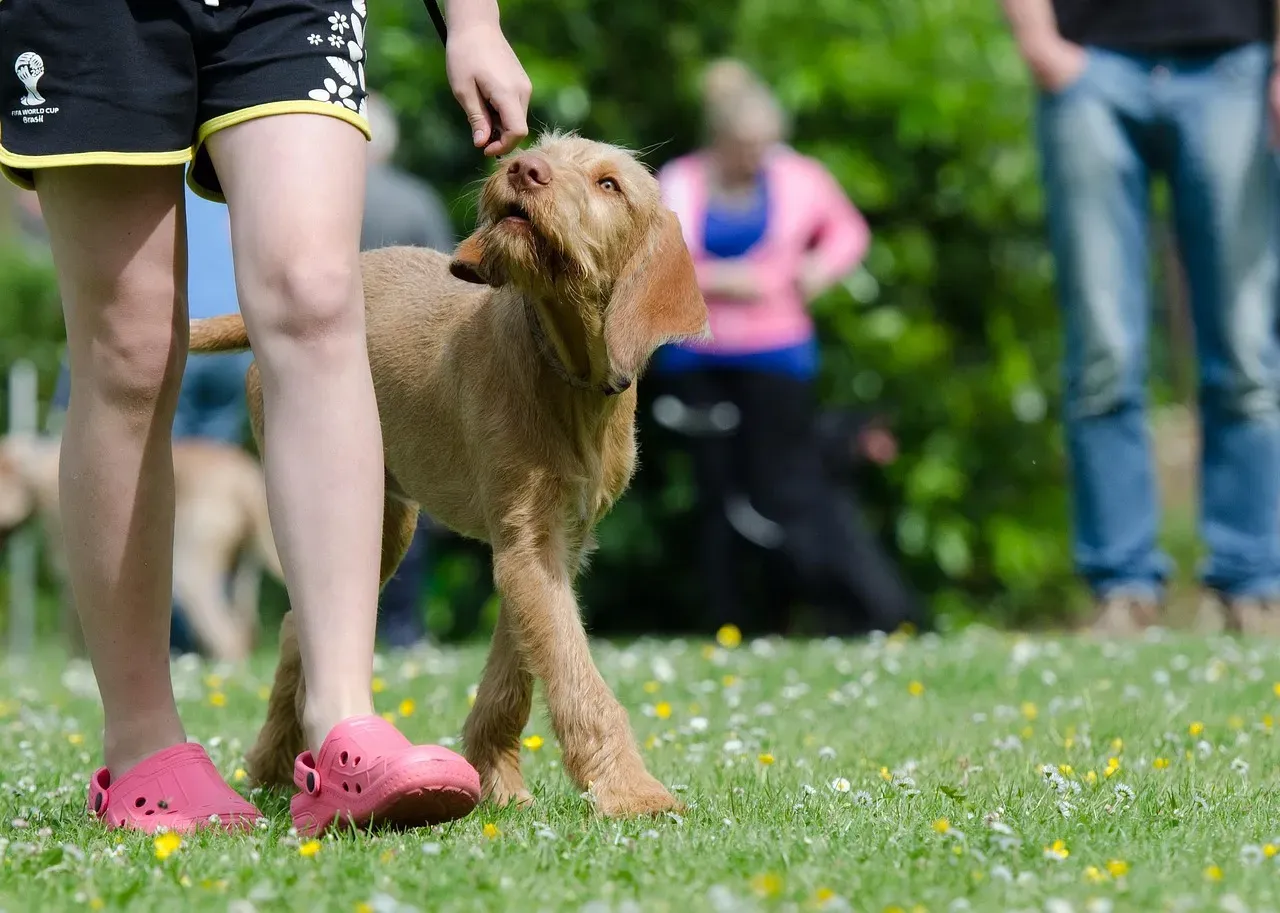
We tend to assume “they know this” and jump ahead too fast. Maybe you taught “come” in the yard a few times and now expect a rock-solid recall at the dog park. But if the rewards are inconsistent, your timing is off, you repeat the cue ten times, or you call them only to leash up and leave, you are quietly teaching your dog that listening is not always worth it. They are not plotting; they are just doing that simple animal math: what pays off most?
Another trap is using cues in an emotional way. If you shout “come” in a frustrated tone or scold them when they finally reach you, you attach your recall cue to tension and conflict. Over time, many dogs start hesitating not out of defiance but out of worry about what will happen when they get there. From their side, ignoring might feel safer than facing an angry human.
How to Help Your Dog Hear You in a Loud World
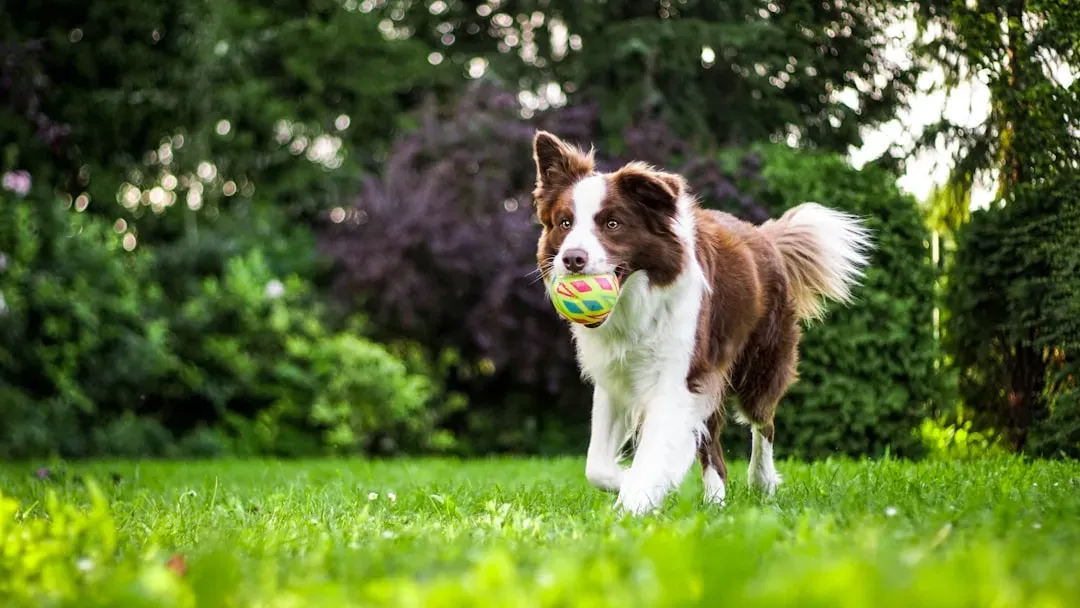
Instead of pushing harder and labeling your dog as difficult, think like a coach. Break the skill down, lower the difficulty, and help them win. Start by practicing known cues in calm spaces, then gradually add tiny bits of distraction, like having someone walk past at a distance, or practicing closer to the sidewalk instead of in the center of your living room. Every time your dog chooses you over the environment, pay them like they just hit the jackpot.
Using high-value rewards, short training sessions, and lots of praise turns you into a source of fun rather than pressure. I have found that when I treat the world as my dog’s competition and make myself more rewarding than the distractions, he stops “ignoring” me and starts checking in voluntarily. You do not need harsh corrections; you need consistency, patience, and a training plan that respects how dogs actually think and feel.
Reading the Moment: Attention, Thresholds, and Timing
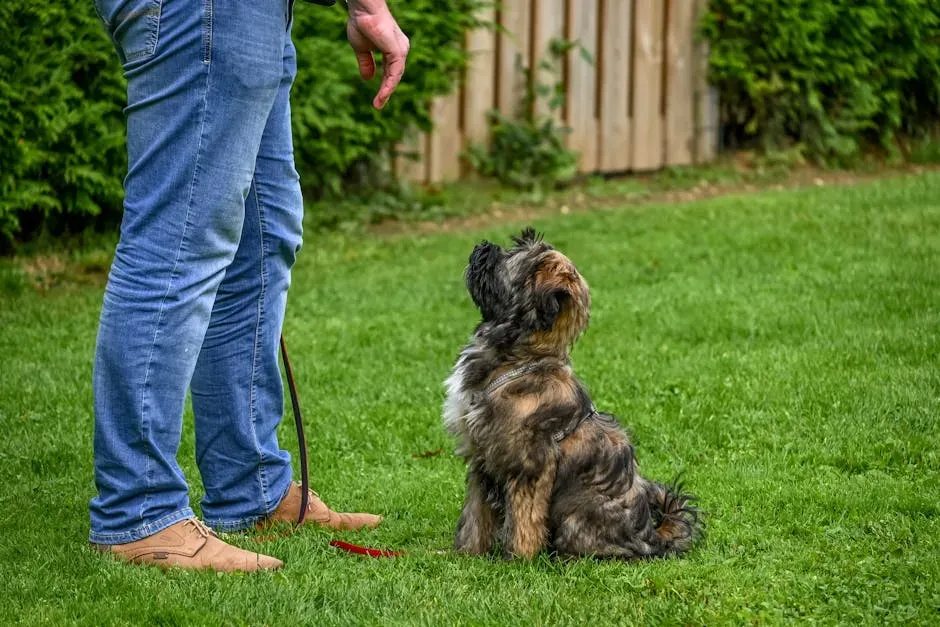
One of the most powerful skills you can develop is learning to read when your dog is still capable of listening versus when they are over their threshold. That might look like noticing when their ears perk, their body leans forward, and their gaze locks onto something. If you call them after they are fully zoned out on a squirrel, you are likely setting them up to fail. If you call them just as they notice it, you have a fighting chance.
Good timing also means sometimes choosing not to give a cue at all. If your dog is already panicking about a skateboard, that may not be the moment to demand a perfect heel; it may be the moment to move away, breathe, and let their nervous system calm down. When you respect your dog’s emotional limits, you’ll see fewer “ignored” commands and more willing cooperation because they finally feel understood instead of constantly corrected.
Conclusion: It Is Not a Battle of Wills – It Is a Conversation

When dogs ignore commands they clearly know, it is almost always less about defiance and more about the environment, emotions, and training gaps we have not fully addressed. The old idea that a dog is trying to dominate you every time they hesitate is not just outdated; it is unfair to both of you. Seeing behavior through the lens of dog psychology forces us to admit that our expectations, timing, and setups matter far more than we like to believe.
Personally, the moment I stopped taking “ignored” cues as a personal insult and started treating them as feedback about how hard the situation was, my relationship with my dog changed completely. Instead of asking, “Why is he disobeying me?” I started asking, “What is competing for his attention right now, and how can I help him succeed?” It is a humbling shift, but also a deeply freeing one. The real question is not whether your dog is loyal enough; it is whether you are willing to listen as closely to your dog as you expect them to listen to you – are you?


