
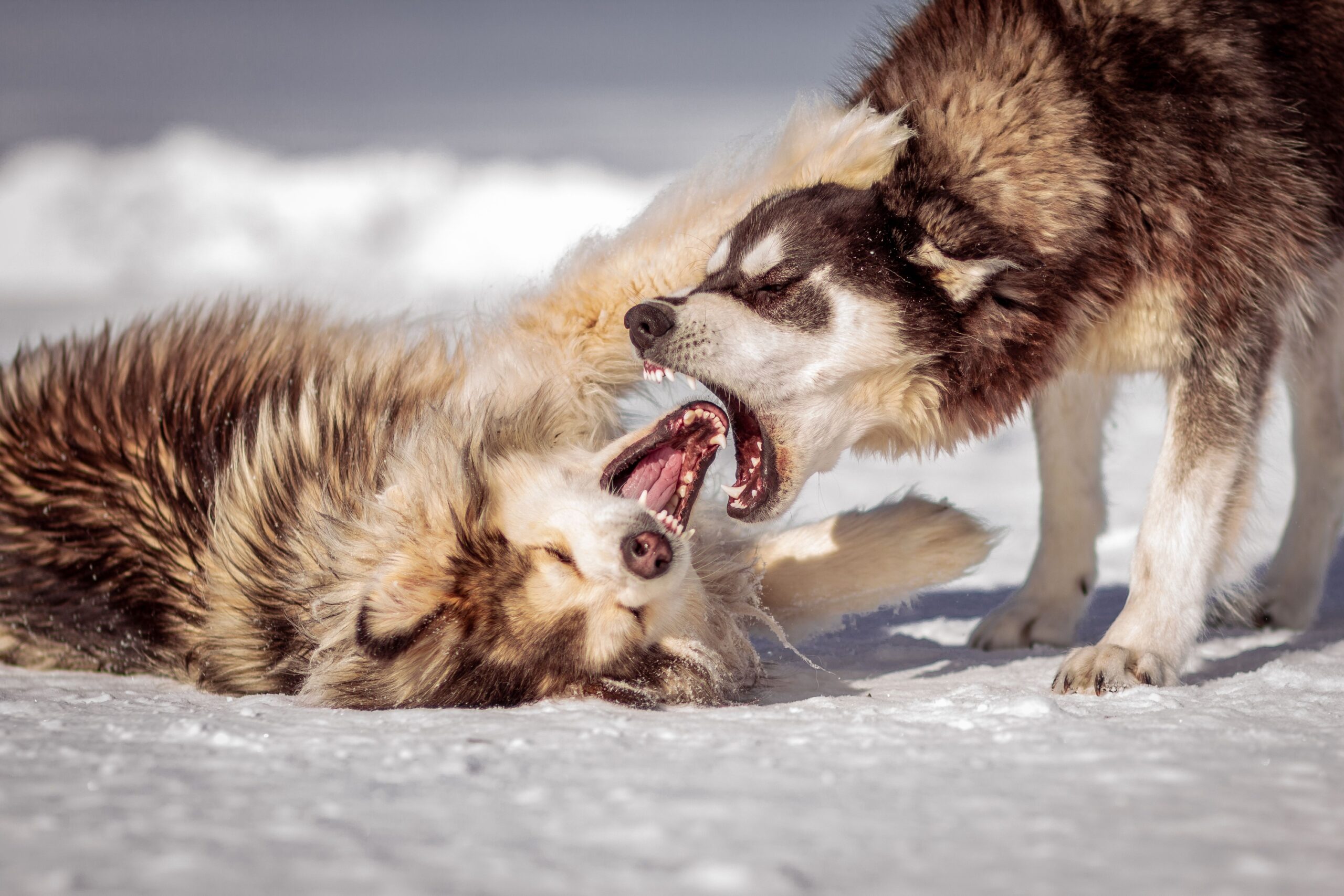
Dogs rarely explode out of nowhere. Long before the growl, snap, or bite, they’re sending out quiet little distress flares that most people never learned how to read. When we miss those early warnings, everyone loses: the dog feels unsafe, and we feel blindsided and hurt by behavior that seems to come “out of the blue.” If you’ve ever thought your dog suddenly “turned” for no reason, this article is for you. Once you know what to look for, you’ll start seeing these subtle signs everywhere: at the vet’s office, at the dog park, when kids are hugging the family dog on the couch. And the more you notice, the more you can step in early, protect your dog’s boundaries, and prevent those scary reactions from happening in the first place.
1. The Freeze: When Your Dog Goes Statue-Still
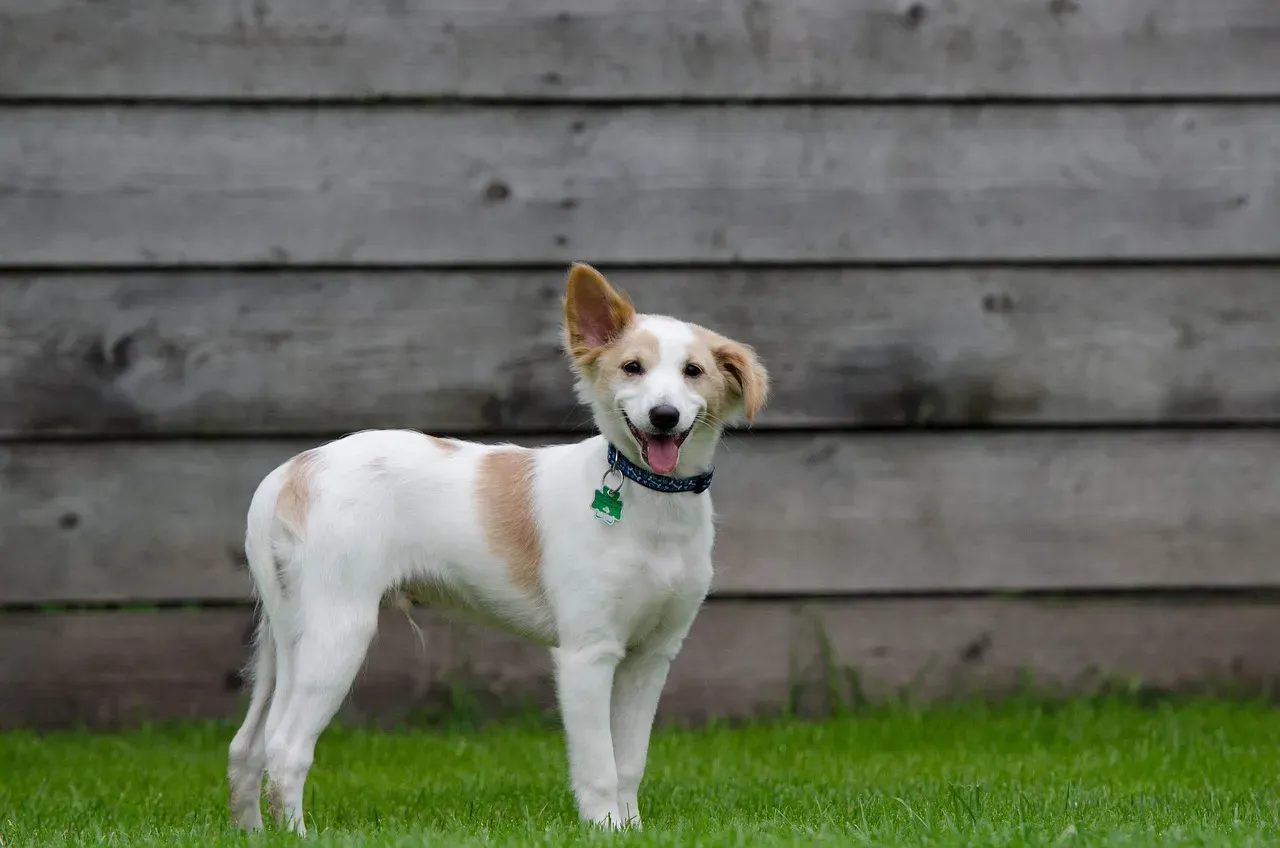
One of the most overlooked danger signs in dogs is not growling or barking, but going completely still. A dog that suddenly stiffens, stops moving, and seems to “lock up” is not calm; they’re often overwhelmed and trying very hard to hold it together. You might see their muscles tighten, their body weight shift slightly forward or back, and their eyes fix on the thing that’s stressing them. People often misread this freeze as tolerance, especially with kids. The child is hugging, climbing, or hanging on the dog, and the dog is just…still. Adults may even praise the dog for being “so good.” In reality, that dog may be at the last stop before reacting. When you see a freeze, do your dog a favor: calmly create space, redirect the situation, and give them an exit instead of more pressure.
2. Whale Eye and Averted Gaze: The Side-Eye That Says “Please Stop”
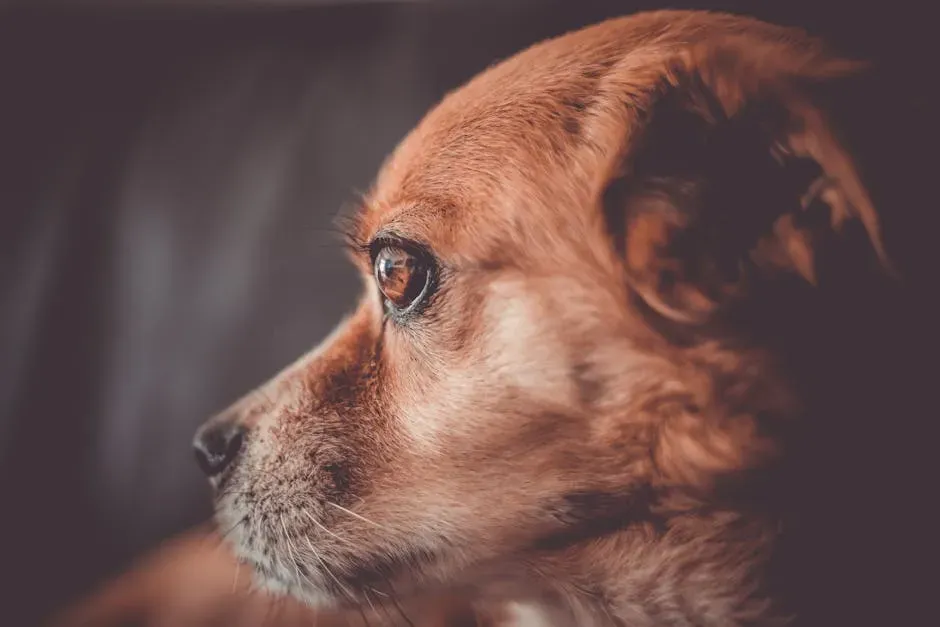
You’ve probably seen it: your dog turns their head away, but you can clearly see the whites of their eyes at the corners. That look, often called “whale eye” or side-eye, is usually a sign of discomfort or unease. It often shows up when someone leans over the dog, hugs them tightly, or crowds their space. The dog is literally trying to turn away from pressure while still keeping an eye on what’s happening. A dog that’s had enough will often stack avoidance signals: turning their head away, looking to the side instead of at you, blinking rapidly, or briefly closing their eyes as if to say, “I don’t want this.” If those signals are ignored and the pressure continues, some dogs finally feel they have no better option than to growl or snap. When you notice whale eye, soft side glances, or a head turn away, that’s your cue to ease off and let your dog move, reset, and breathe.
3. Lip Licking, Yawning, and Sudden Sniffing: Stress in Disguise
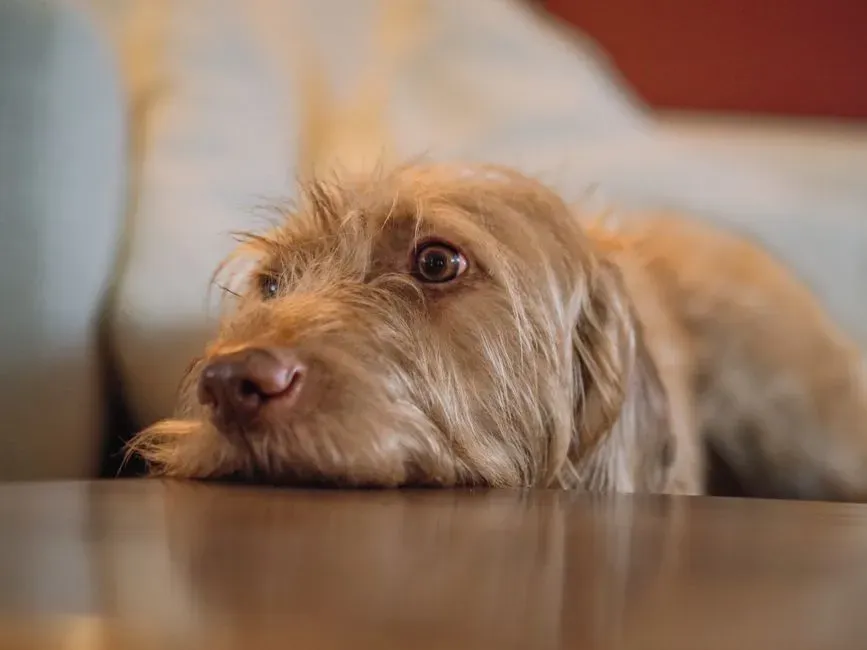
Dogs use their mouths and noses for a lot more than eating and sniffing; they’re also powerful tools for coping with stress. A dog that’s had enough may start to give little rapid tongue flicks over their nose or lips, even when there’s no food around. They might yawn repeatedly in a way that doesn’t match the situation, like in the middle of play, during petting, or while you’re trying to take a photo. These are often calm‑down signals, the canine version of nervously chewing your lip or fiddling with your hands. You might also see a dog suddenly start sniffing the ground very intently when there’s nothing obviously interesting there. This “displacement sniffing” can be their way of trying to defuse tension or avoid conflict. If your dog keeps licking, yawning, or performing these odd little “busy” behaviors when you interact with them, it may be less about tiredness and more about discomfort. That’s the moment to soften your approach, give them more choice, or simply pause what you’re doing.
4. Turning Away, Walking Off, or Hiding: The Polite “No Thanks”

Before any dramatic reaction, most dogs will try the most socially polite option first: leaving. A dog that’s had enough of being petted, chased by kids, crowded by another dog, or asked to keep playing will often just get up and move away. They may hop off the couch, go to another room, retreat behind furniture, or curl up in a corner or crate. That quiet exit is not rejection; it’s healthy self‑protection. Here’s where humans often cause trouble without meaning to: we follow. We call them back, drag them out from under the table, or shut the door so they “can’t avoid.” When a dog says, “I’m done” with their feet and we block that choice, we essentially remove their safest coping strategy. The more we respect those small departures and allow our dogs to opt out, the less likely they’ll feel driven to bigger, more dramatic ways of saying, “Enough.”
5. Changes in Tail Language: Not Every Wag Is Friendly
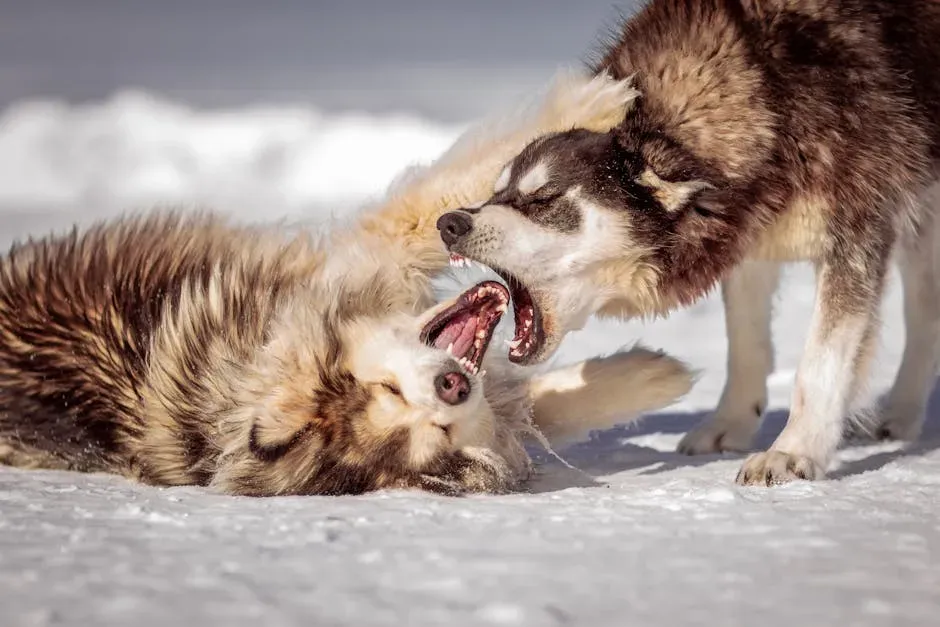
A lot of people were taught that a wagging tail means a happy dog, but that’s a half‑truth that gets folks bitten. Tail language is nuanced. A dog who’s had enough might hold their tail rigidly, with very small, tight wags instead of flowing ones. The tail may be stiff and high, signaling tension, or tucked and low, signaling fear and a wish to escape. Either way, the key word is tension, not joy. If you see your dog’s tail go from loose and relaxed to stiff, tucked, or vibrating with tiny fast movements, take that seriously. That can be their way of saying, “I’m not okay with this anymore.” Combine that with a frozen body or whale eye, and you have a dog that’s hanging on by a thread. Step in early by lowering the intensity of the situation, increasing distance, or giving them the freedom to move away before they feel trapped.
6. Shifting Body Weight, Leaning Away, and Subtle Flinches
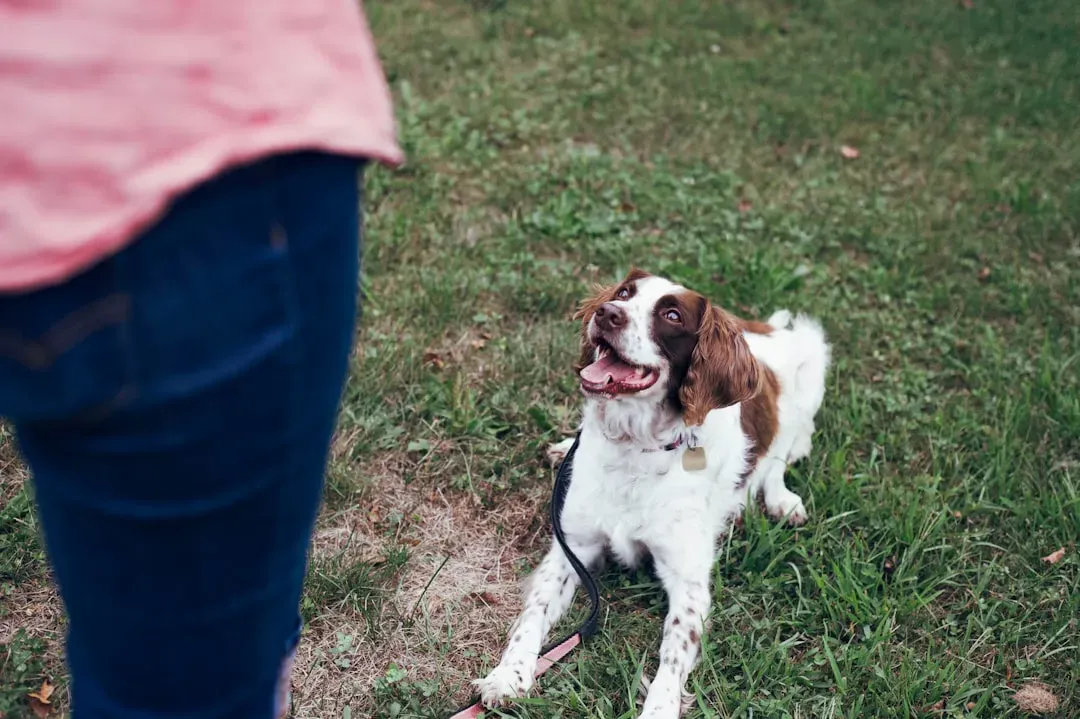
Your dog’s body position can tell you they’ve had enough long before their mouth ever does. When a dog is comfortable, their weight is usually evenly distributed, with soft curves in their body and a relaxed stance. When they’re uneasy or reaching their limit, you might see them lean back slightly, put more weight on their rear legs, or angle their body away from the thing they dislike. Sometimes they’ll hold one paw up briefly or shift side to side like they can’t settle. Little flinches are another big clue. Does your dog pull away, stiffen, or slightly jerk when you reach over their head, touch a certain spot, or hug them? That’s not them being “dramatic”; it’s their nervous system telling you that this is too much. We often ignore those tiny recoils because we’re focused on what we’re doing, not how they feel. But if we learn to read those weight shifts and micro‑flinches as, “I’m not loving this,” we can change our approach, adjust handling, and earn more trust over time.
7. Sudden Stillness in Play: From Fun to Overload in Seconds
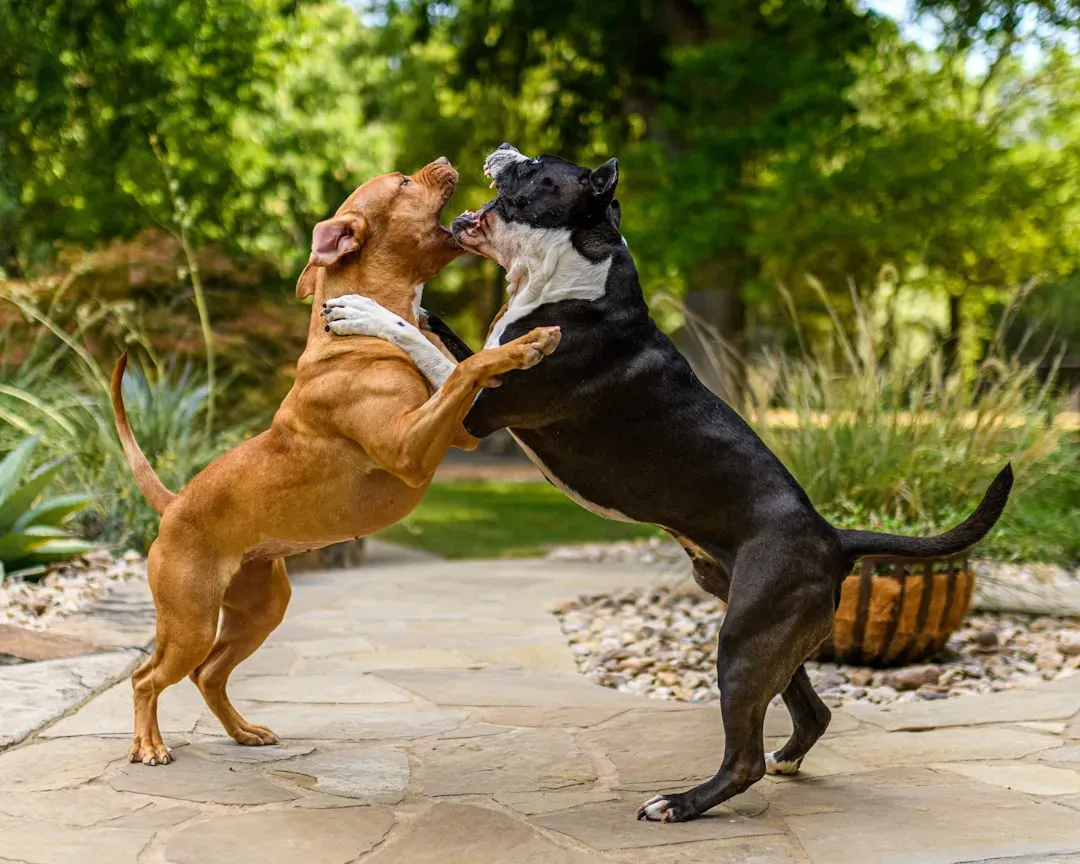
Play is one of the easiest places to miss a dog’s early warnings, because everyone assumes a playful dog is a happy dog. But play can flip into stress very quickly. If your dog is wrestling, chasing, or roughhousing and then suddenly goes still, pauses with a stiff body, or stops responding to the other dog’s invitations, something has shifted. That stillness can be the canine equivalent of hitting the mental brakes. You may also notice that your dog’s play moves become more intense and less bouncy: harder body slams, more direct stares, or rougher grabbing. That can be a sign that arousal is climbing and patience is dropping. Instead of waiting to see if someone snaps, you can call your dog out for a breather, scatter some treats, or put a bit of distance between players. Think of it like stepping in when kids’ play fighting starts getting just a little too real.
8. Change in Vocalizations: From Silence to Low Rumbles
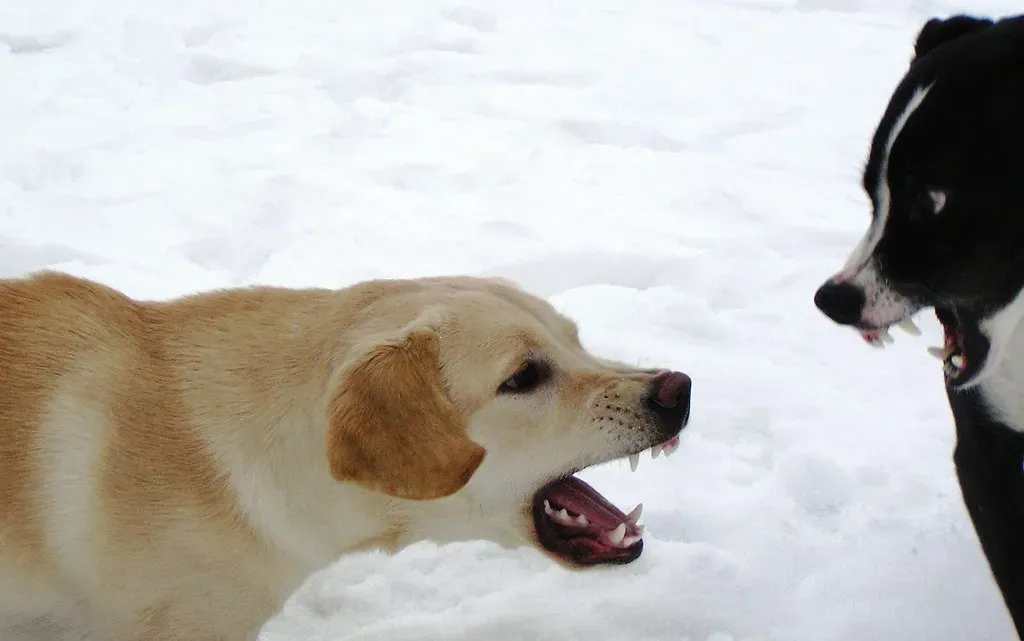
Many dogs try every quiet signal they know before they finally use their voice. A dog that was previously silent might start to let out low grumbles, deep sighs, or quiet, uncomfortable whines when pushed past their comfort zone. These sounds are easy to dismiss or even scold, but they’re valuable warnings. A growl, for example, is not a character flaw; it’s critical communication that says, “I’m reaching my limit.” The frustrating truth is that people often punish the growl instead of respecting it. When that happens, the dog learns that warning gets them in trouble, so next time they might skip straight to snapping. That’s not a “sneaky” dog; it’s a dog whose safer signals were ignored or punished. When you hear that first low rumble or see a dog’s whole face tighten as they vocalize, your best move is to back off, change the situation, and be grateful they told you how they felt.
9. Shutting Down: When Your Dog Goes Quietly Numb
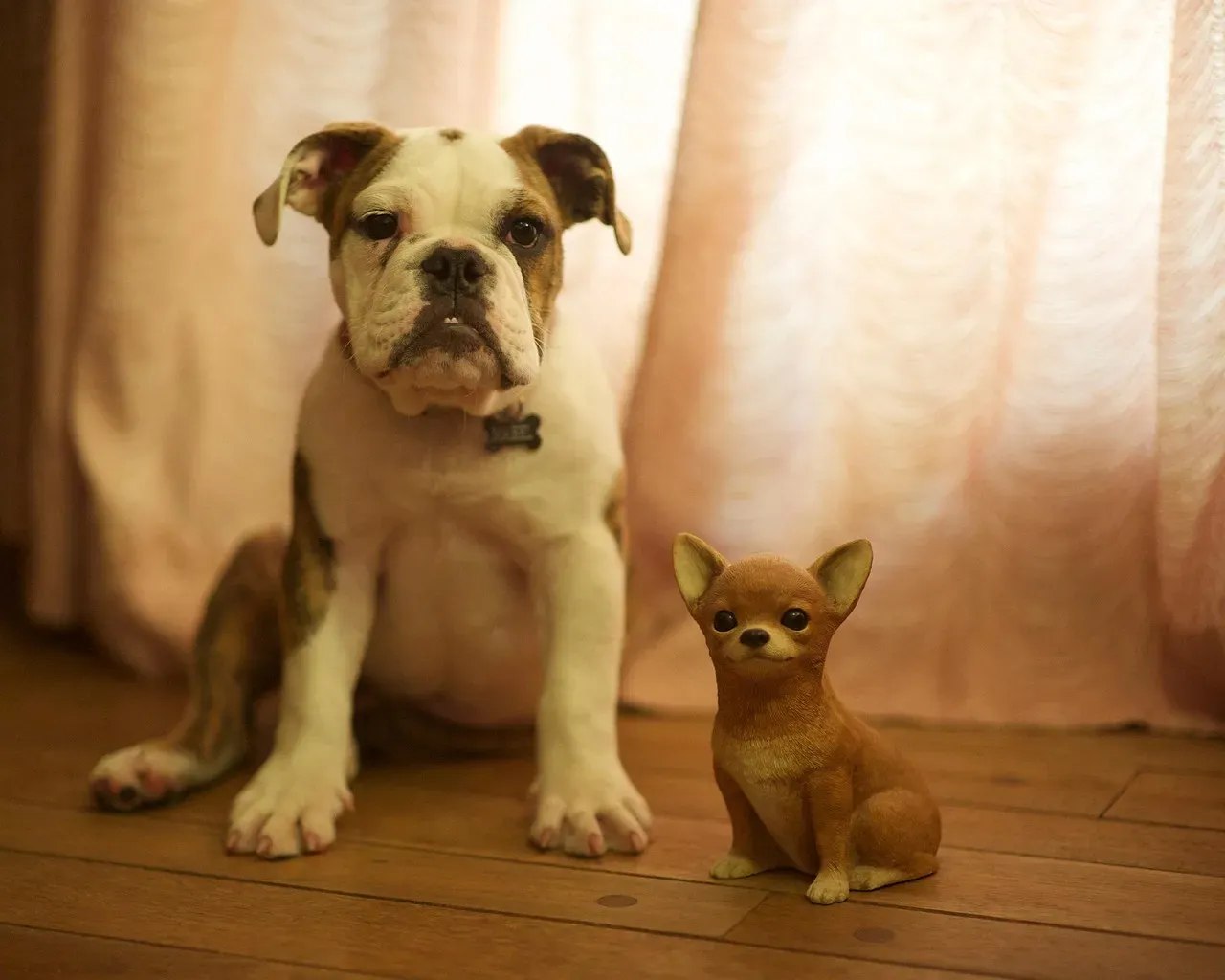
Not all dogs react by getting louder or sharper. Some go the opposite way and mentally check out. This can look like a dog who just lies there, tolerates anything, or seems oddly unresponsive while being handled, hugged, or restrained. Their eyes may look dull or distant, their body floppy but not truly relaxed. This “shut down” state can be mistaken for calm or “good behavior,” but it may actually mean the dog has given up trying to cope. I’ve seen dogs at busy events or in stressful homes who seemed “bombproof” on the surface, yet their tiny stress signals were constant: lip licks, slow blinking, frozen posture, no interest in exploring. That kind of quiet shutdown is still a sign that they’ve had more than enough and have no idea how to escape it. These dogs need gentle support, predictable routines, and more control over their environment, not more pressure or exposure. The goal is not a dog who endures anything, but a dog who feels safe enough that they never have to disappear into themselves.
Conclusion: Listening Before Your Dog Has to Shout
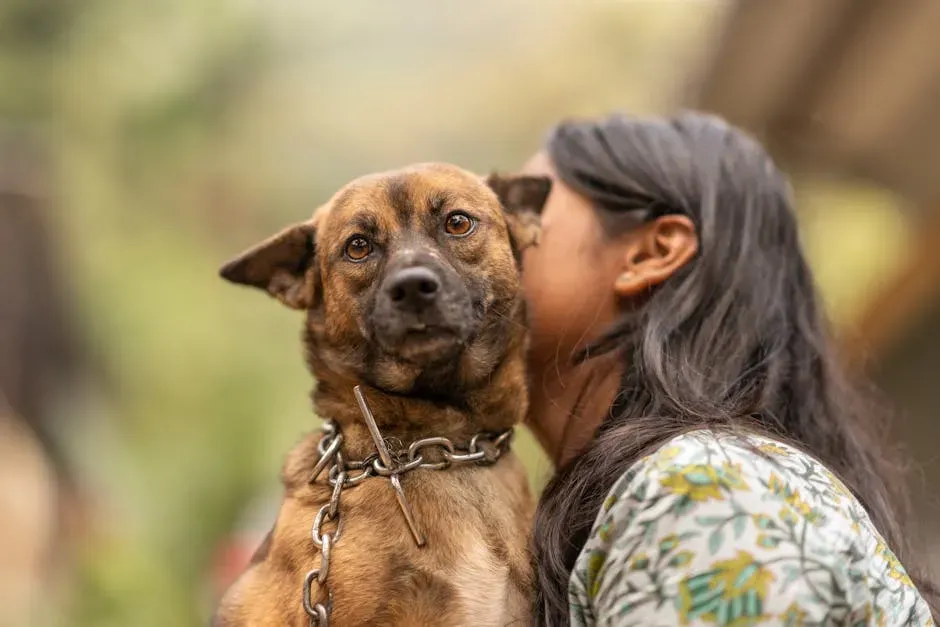
Once you start noticing these nine quiet signals, it’s honestly hard to unsee them. You realize how many dogs are whispering that they’re uncomfortable while the humans around them have no idea. In my own life, the moment I stopped expecting dogs to simply “put up with it” and started honoring their early warnings, everything shifted: fewer conflicts, more trust, and a dog who actually chose to come closer instead of bracing for what I might do next. Here’s my opinion, and I stand by it: a so‑called “sudden bite” is almost never sudden. It’s the final chapter of a long story we never learned to read. When we treat growls, freezes, and awkward side‑eyes as useful information instead of bad behavior, we give our dogs what they really need: the safety of being heard. Next time your dog quietly tells you they’ve had enough, will you listen before they finally feel forced to react?


