
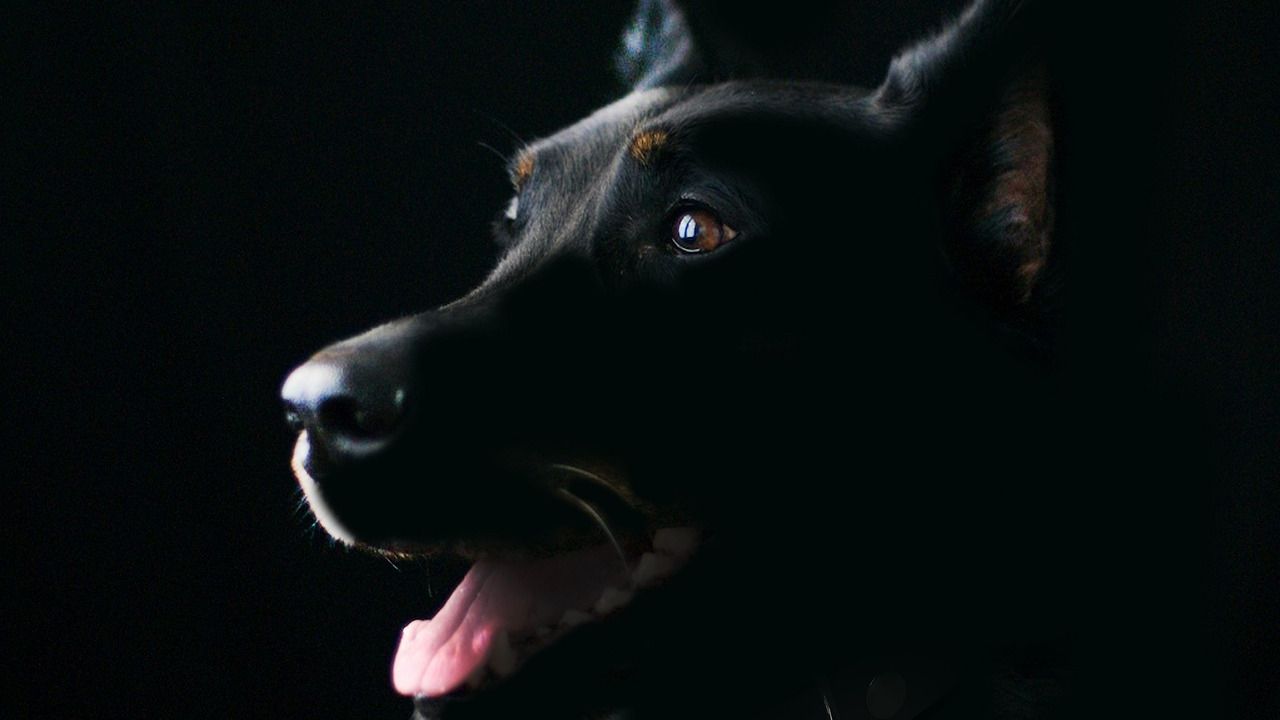
Dogs and humans share a long history that extends well beyond simple companionship. Over generations of living alongside people, dogs developed specialized skills for interpreting signals that reveal inner states. One of the most notable outcomes of this shared past is their capacity to detect and respond to emotional cues visible on human faces.
The Influence of Domestication
Domestication altered the trajectory of canine development in ways that favored closer integration with human society. Animals that showed greater sensitivity to human signals gained advantages in securing food, shelter, and protection. This selective pressure gradually refined their perceptual abilities, allowing them to pick up on subtle changes in expression that signal mood or intent.
The result is a species particularly attuned to the visual language of people. Rather than relying solely on vocal tones or body posture, dogs learned to focus on facial details that convey happiness, concern, or other states. Such adaptations emerged directly from the conditions of living in human environments over extended periods.
Recognizing and Interpreting Expressions
Dogs demonstrate a clear ability to distinguish among different human facial expressions. They can identify features associated with positive or negative emotions and adjust their behavior accordingly. This skill enables them to respond in ways that align with the emotional context of a situation.
Research into canine perception shows that this recognition extends to inference. Dogs do not merely react to isolated features; they draw conclusions about the underlying emotional state. The process supports smoother interactions during daily routines, training sessions, and moments of shared activity.
Benefits for the Human-Dog Relationship
The capacity to read human faces contributes to stronger and more responsive bonds between dogs and their owners. When a dog accurately gauges a person’s mood, it can offer comfort, maintain distance, or engage playfully at appropriate times. These responses reinforce mutual understanding and reduce friction in shared living spaces.
Owners often notice that their dogs seem to sense shifts in household atmosphere without explicit commands. This sensitivity stems from the same domestication-driven traits that allow facial recognition. Continued observation of these interactions highlights how the trait supports practical cooperation in everyday settings.


