
Study Compares How Dogs and Wolves Direct Behavior Toward Humans in Food Conflicts
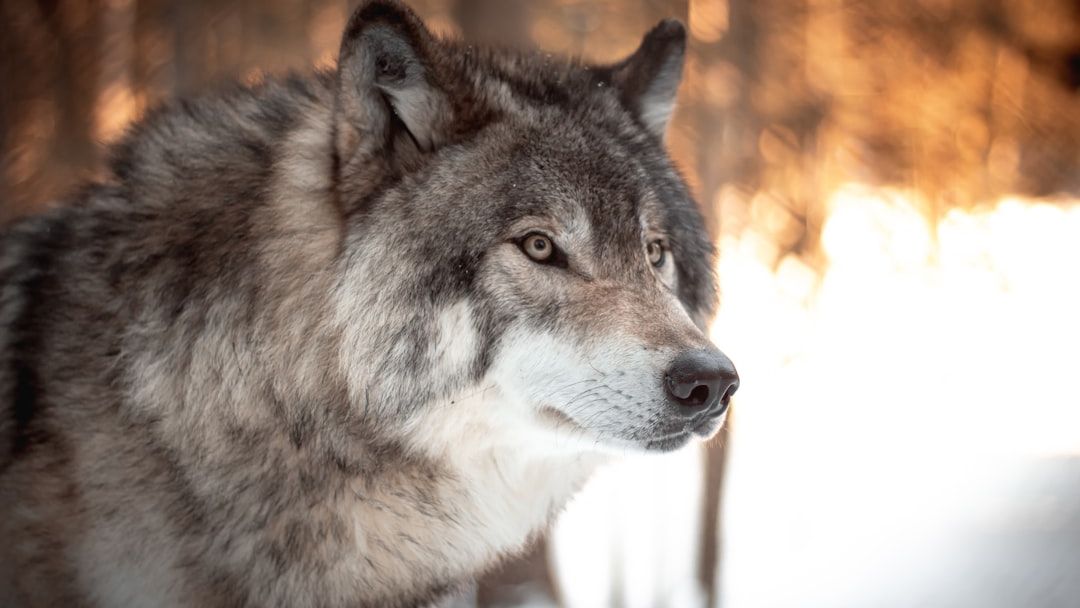
Researchers have begun examining the distinct ways dogs and wolves interact with people when food becomes a point of contention. The work focuses on a controlled resource task designed to reveal whether animals show deference, heightened sociability, or other motivations in these moments. Such comparisons matter because they touch on long-standing questions about how domestication has shaped the social tendencies of one species over its wild relative.
Why the Distinction Matters
Domestication is thought to have altered dogs’ responses to humans in subtle but meaningful ways. Wolves, as the ancestors of modern dogs, provide a natural baseline for understanding what changed during thousands of years of living alongside people. A food-conflict setting offers a clear test because it creates a situation where animals must decide how, or whether, to involve a human when resources are limited.
Observers can record specific actions such as gaze direction, approach patterns, and attempts to solicit help or avoid confrontation. These behaviors help separate simple tolerance of humans from more active social engagement. The study therefore seeks measurable differences rather than broad assumptions about loyalty or wildness.
The Task and Its Design
Participants face a setup in which food is present but access involves a human intermediary. Both dogs and wolves are observed under similar conditions to allow direct comparison. The protocol emphasizes repeatable measures so that any patterns can be attributed to species differences rather than individual variation or training history.
By keeping the environment consistent, researchers reduce the chance that external factors skew the results. The focus remains on human-directed actions, such as looking at the person or positioning the body in relation to them. This narrow lens helps isolate the motivations under investigation.
Possible Explanations Under Review
One line of thinking centers on deference, in which dogs may have learned through generations of coexistence to yield to human control over resources. Another possibility involves hypersociability, a tendency to seek human contact or assistance more readily than wolves do. The study is structured to gather evidence that could support, challenge, or refine either view.
Results are not yet available, and the design deliberately leaves room for additional interpretations. Factors such as individual temperament, prior experience with humans, and even subtle differences in testing conditions could influence outcomes. Researchers therefore treat any single explanation as provisional until more data accumulate.
Next Steps and Remaining Questions
Further trials with larger groups and varied conditions will help determine how consistent the patterns prove to be. Additional work may also explore whether similar behaviors appear in other resource-related contexts or with different human partners. These extensions would strengthen the ability to generalize beyond the initial task.
Ultimately, the project contributes to a broader effort to map the behavioral legacy of domestication. Even modest differences between dogs and wolves can illuminate how living with humans has influenced one lineage while leaving the other closer to its wild state. Continued careful observation will clarify which explanations hold and which require revision.