

Understanding the Basics of Crate Training

Crate training introduces a dog to a enclosed space that mimics a den like environment. Owners typically start with short sessions and gradually increase time as the dog adjusts. The goal centers on creating a positive association rather than forcing confinement from the start.
Most approaches rely on treats, toys, and calm praise to build comfort. Puppies often adapt faster because the crate can support house training by encouraging them to hold it until they go outside. Adult dogs may need more patience if they have never experienced this setup before.
Benefits That Many Owners Report
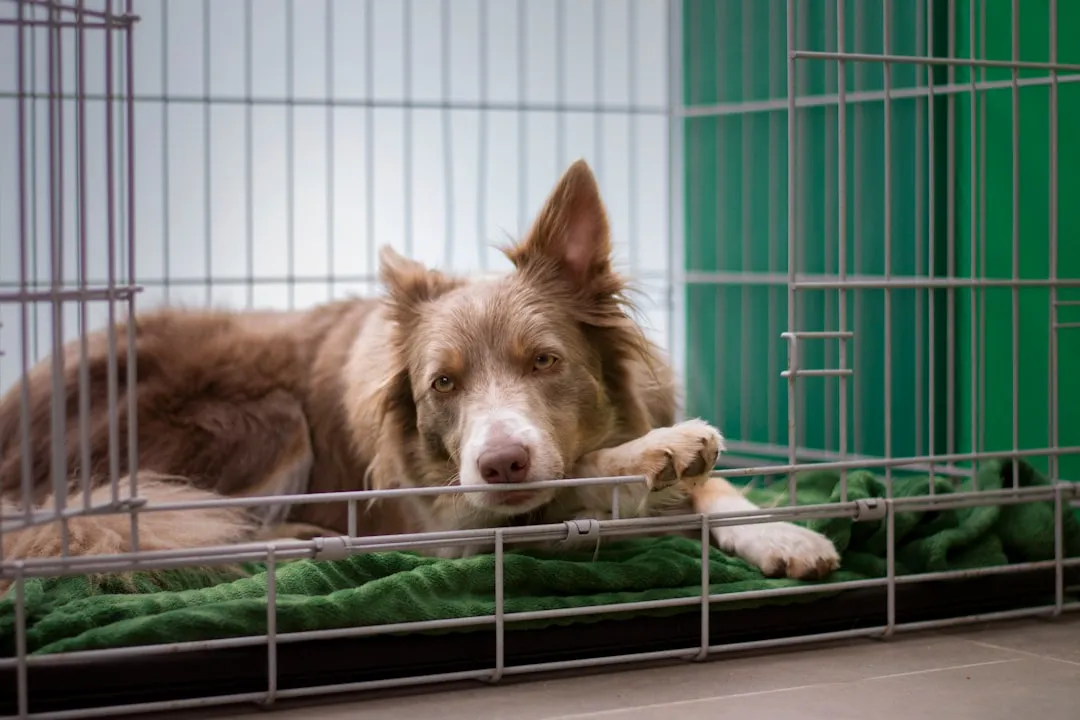
Supporters point to reduced anxiety during travel or vet visits when a dog already feels secure in its crate. The space can limit destructive chewing when no one is home to supervise. It also provides a quiet retreat for dogs that prefer a predictable spot to rest.
House training tends to move quicker because dogs naturally avoid soiling their sleeping area. Some owners notice fewer conflicts between multiple pets when each has its own defined zone. The method fits busy households where constant watching proves difficult.
Why Some View It as Inhumane
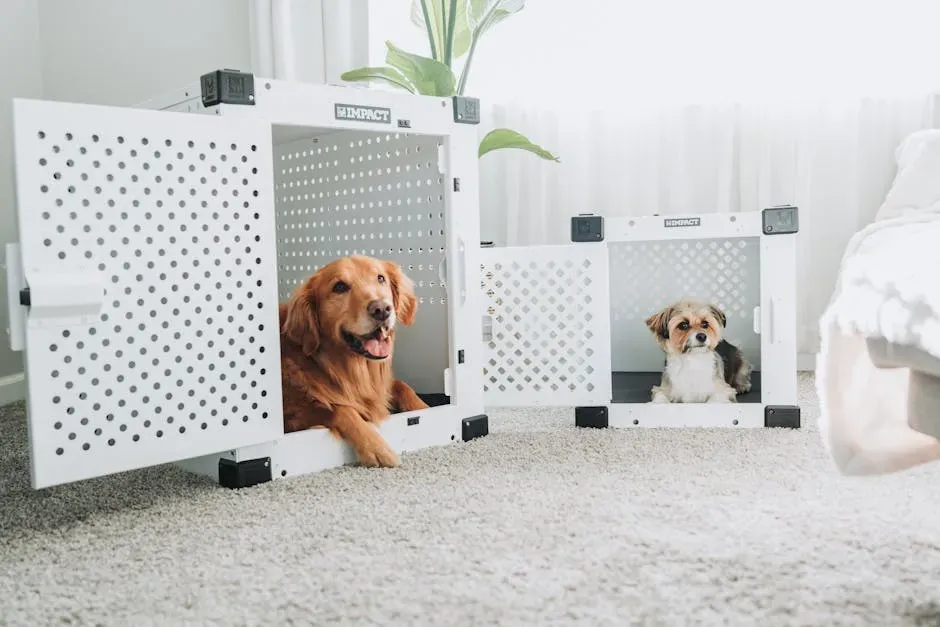
Critics argue that extended hours inside a crate can feel restrictive for an active breed that needs movement. They worry about dogs developing stress behaviors like pacing or excessive barking when left alone too long. The visual of a confined animal sometimes triggers strong emotional reactions online.
Concerns grow when crates serve as the default solution instead of a temporary tool. Opponents highlight that wild dogs choose their own dens and can leave whenever they want. This difference makes the practice seem unnatural to those who prioritize freedom of movement.
The Role of Proper Implementation

Success often depends on matching crate size to the dog so it can stand, turn, and lie down comfortably. Gradual introduction with positive reinforcement helps most dogs accept the space over time. Rushing the process or using the crate only for punishment tends to backfire.
Age and temperament matter a great deal. A young puppy might handle a few hours while an older rescue could need weeks of slow exposure. Regular exercise and mental stimulation outside the crate remain essential regardless of training style.
Cultural and Individual Differences in Dog Care

Views on confinement vary across regions and personal experiences. Some cultures emphasize close bonding and minimal separation while others focus on structured routines. What feels normal to one owner can seem excessive to another.
Individual dogs also respond differently based on past history. A dog from a shelter might welcome the security while a previously free roaming pet resists at first. Owners who observe their own animal closely usually adjust their approach accordingly.
Exploring Other Training Methods

Many households combine crate time with baby gates or playpens for more open yet contained spaces. Others rely on consistent schedules and supervision to manage behavior without any enclosure. Enrichment toys and puzzle feeders can occupy a dog during alone time in place of a crate.
Professional trainers sometimes suggest desensitization techniques or increased daily walks to reduce the need for confinement. The choice often comes down to lifestyle, home layout, and the specific challenges the dog presents. Experimenting with a few options helps families find what works best.
Weighing the Options for Your Pet
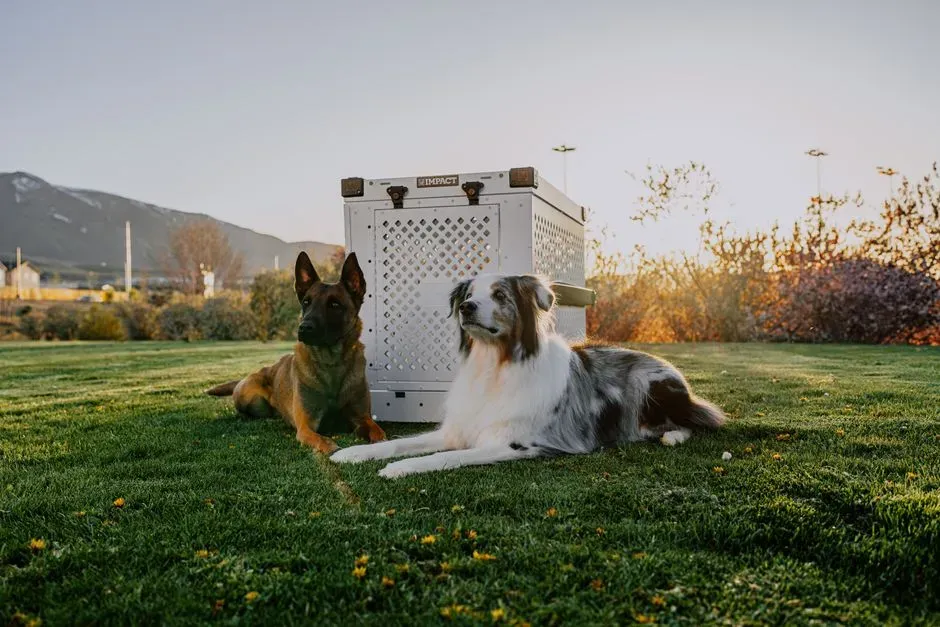
Every dog brings its own needs and history to the table. What matters most is observing how the animal reacts and adjusting before stress builds. A well used crate can support safety and training while misuse can create problems that take time to undo.
The internet amplifies strong opinions on both sides yet real life decisions happen one household at a time. Paying attention to the dog rather than trends usually leads to better outcomes. In the end the question shifts from whether crates are cruel to whether they fit this particular dog and this particular home.


