
Picture this: you’ve finally retired, your mornings are slow and peaceful, you’re sipping coffee on the porch… and your dog is bouncing off the walls like a caffeinated toddler who just discovered zoomies. For some people, that sounds fun. For many new retirees, it is exhausting, guilt-inducing, and not at all what they imagined.
High-energy breeds can be incredible companions, but they are not “easy” dogs. They are smart, intense, and often emotionally sensitive, and if their needs aren’t met, they can tip from delightful to destructive very fast. If you’re dreaming of a calmer season of life, these seven breeds can feel like taking on a second full-time job unless you are genuinely ready and excited to manage that energy every single day.
1. Border Collie: The Genius Who Never Clocks Out
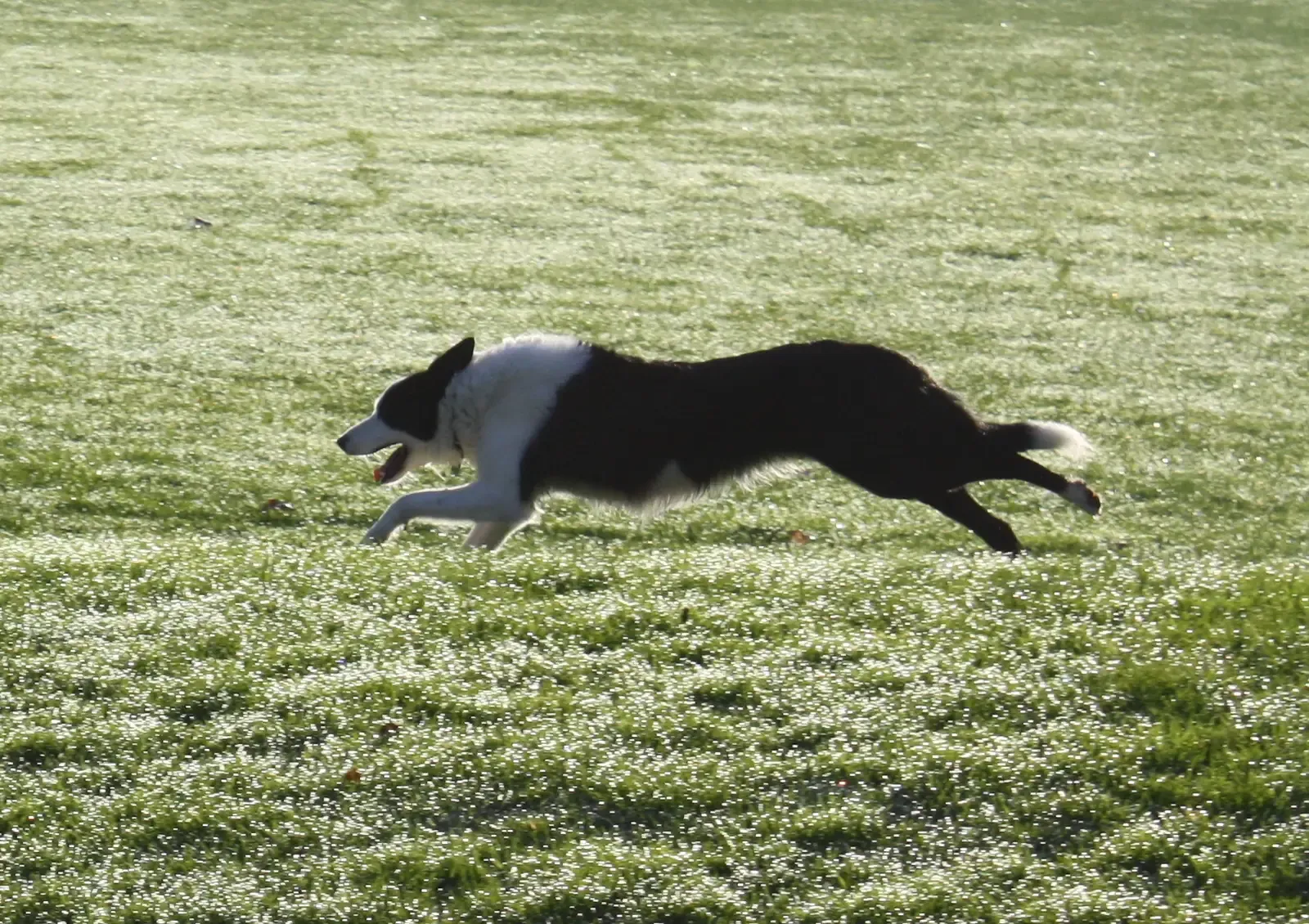
Border Collies are often called the smartest dogs in the world, and that’s not just a compliment, it’s a warning label. They were bred to work all day, reading sheep, reacting to subtle cues, and making decisions on their own, which means they don’t just need exercise, they need a serious mental workout. A bored Border Collie will invent “jobs” like herding your grandchildren, chasing shadows, or reorganizing your furniture with their teeth.
For a retired person who loves hiking, training, and dog sports, a Border Collie can be an amazing partner. But if you prefer slow mornings, relaxed afternoons, and the occasional short walk, this breed can quickly feel overwhelming. Common behavior red flags include obsessive spinning, constant pacing, fixing their stare on lights or reflections, and nipping at heels during movement. They thrive with puzzle feeders, structured obedience games, and activities like agility or herding lessons; without those, they often turn their enormous brains toward trouble.
2. Australian Shepherd: The Velcro Workaholic
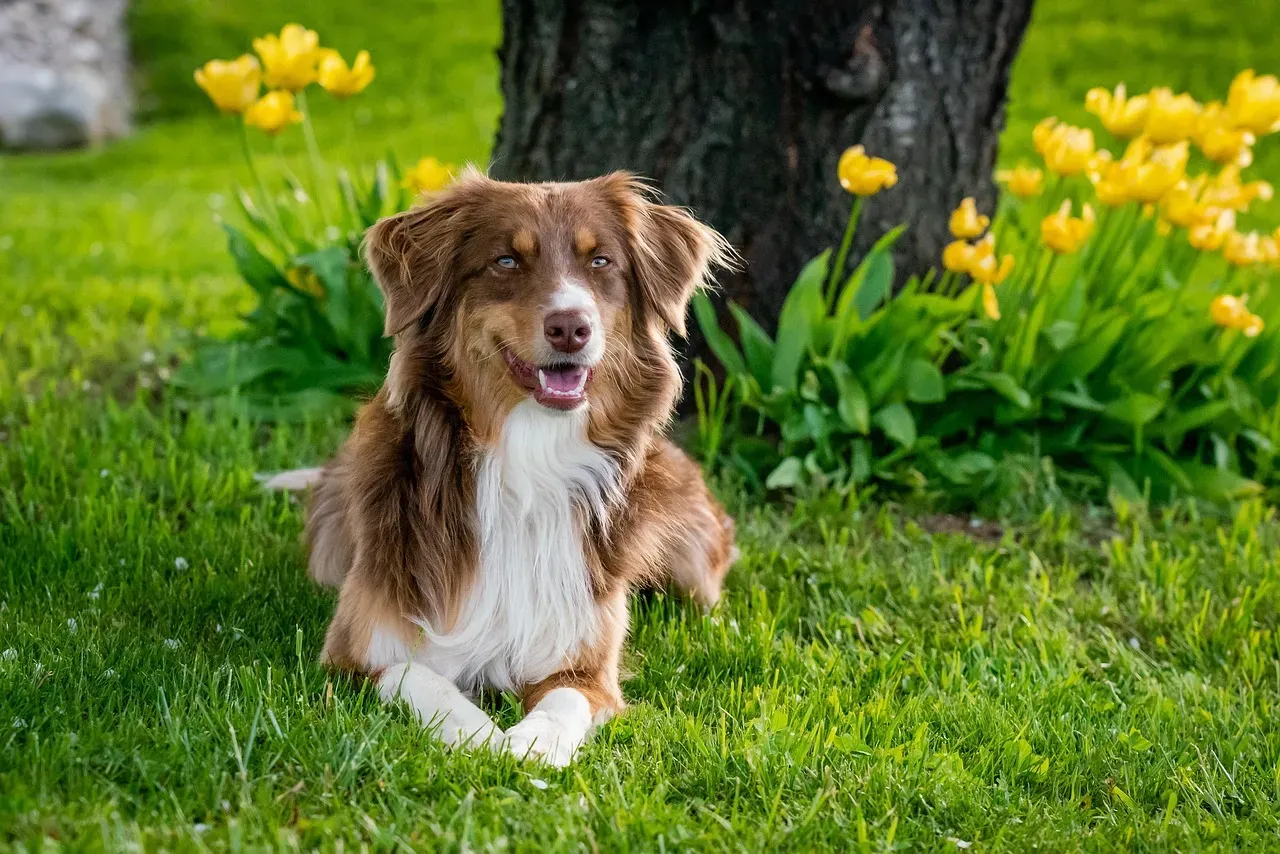
Australian Shepherds look like fluffy family dogs, but under that pretty coat is a driven, intense herding machine. Many Aussies are “velcro dogs” who want to be involved in everything you do, following you from room to room and becoming restless if left alone too long. Combine that clinginess with a working dog’s need to move, and you’ve got a companion that can feel like a very demanding shadow in retirement.
When their needs aren’t met, Aussies often show it through barking, digging, and herding-like behaviors such as circling, nudging, or even nipping. They do best with owners who enjoy ongoing training, regular off-leash exercise in safe areas, and jobs like advanced tricks or canine sports. If your ideal retired life involves long road trips, leisurely gardening, or frequent grandkid visits, know that an under-stimulated Aussie may try to “manage” all that activity. That can be stressful for everyone involved, including the dog.
3. Belgian Malinois: The Athlete Built for Serious Work
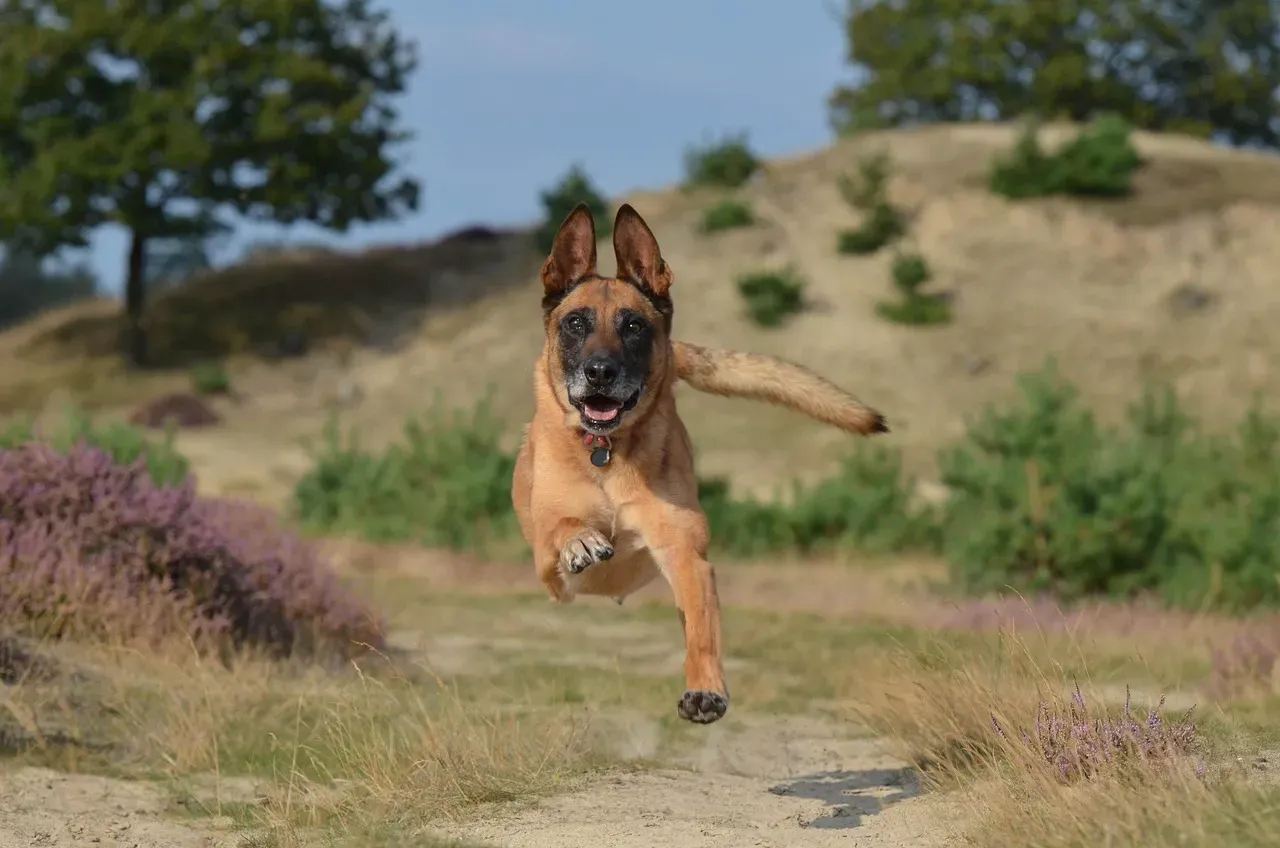
The Belgian Malinois is the dog you see in police work, military roles, and protection sports for a reason: they are fast, driven, and relentlessly intense. This breed is not just energetic, it is purpose-built for high-stress, high-focus tasks and will not be satisfied by a couple of casual walks around the block. A Malinois in a typical quiet retirement home often ends up frustrated, anxious, and reactive, even with loving owners.
Behavior warning signs in this breed can escalate quickly: frantic pacing, constant whining, destructive chewing, and a hair-trigger response to noises or movement are all common when they’re under-exercised or under-trained. They need advanced training, serious physical outlets like running, structured bite or obedience sports, and very consistent boundaries. Unless you’re an experienced working-dog handler or you truly want a retirement centered around training and activity, a Malinois is likely to feel less like a companion and more like a hyper-critical boss breathing down your neck.
4. Siberian Husky: The Escape Artist Marathoner
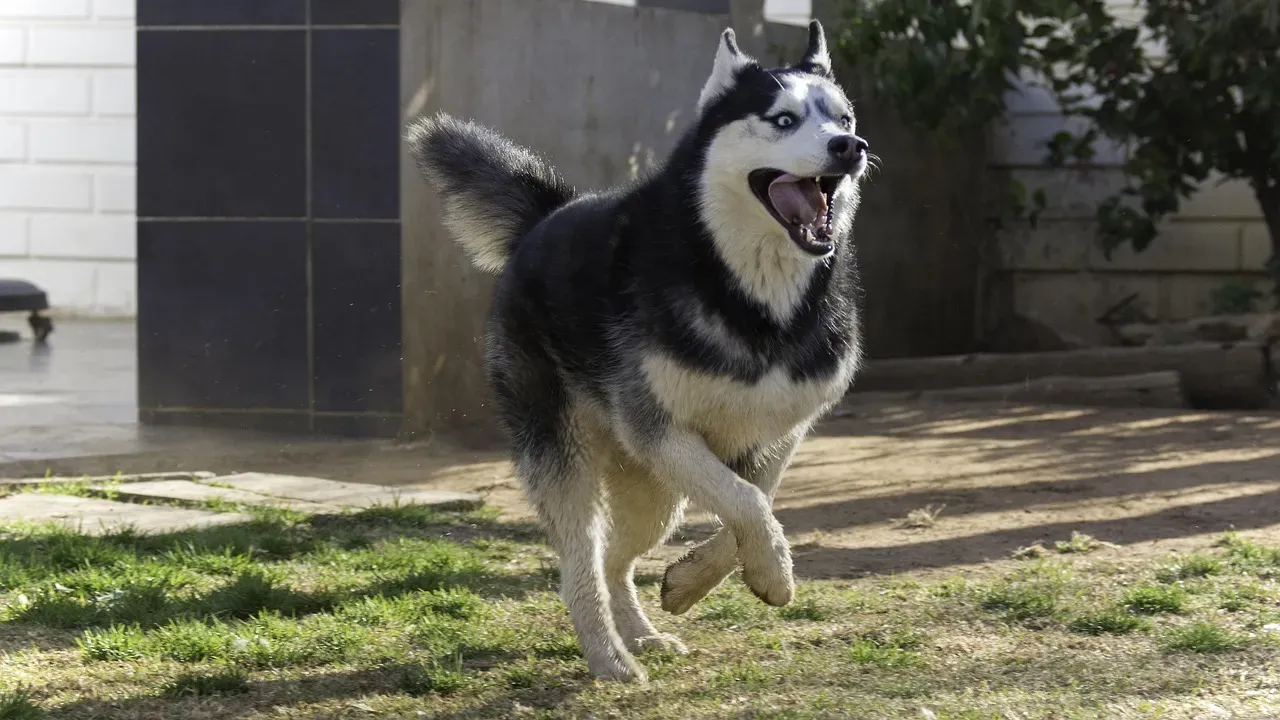
Siberian Huskies are gorgeous, social, and often very friendly, which makes them tempting for families and retirees alike. But this is a sled dog bred to run long distances in harsh conditions, and that genetic drive to move does not vanish just because you live in a quiet neighborhood. Many Huskies are masters of escape, climbing fences, digging under gates, or bolting through any open door in search of adventure.
In day-to-day life, a bored Husky can be dramatic: we’re talking howling, shredding cushions, counter-surfing, and nonstop attempts to get out and go. They tend to do best with active people who enjoy running, hiking, or even recreational mushing or skijoring. If your energy is limited or you have mobility issues, trying to meet a Husky’s needs can feel impossible and deeply discouraging. For retirees, that can create a heartbreaking mix of love, guilt, and constant worry about keeping the dog safely contained and satisfied.
5. Jack Russell Terrier (and Similar Hunting Terriers): Tiny Body, Nuclear Reactor Inside
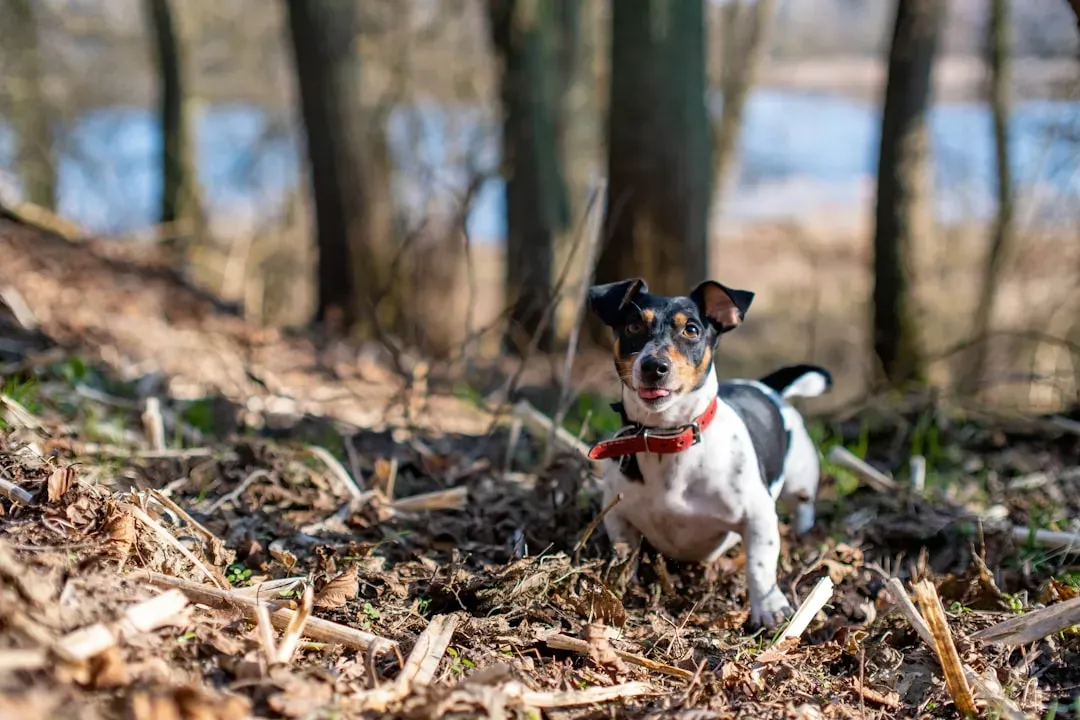
Jack Russell Terriers and similar high-drive hunting terriers look small and manageable, which is why many people think they’d make a cute, easy companion for retirement. In reality, they’re like little sports cars with rocket engines, originally bred to chase and dig after quick, clever prey. Size does not equal ease here; a determined terrier can be far more exhausting than a calm large-breed dog.
Common signs of unmet needs in these dogs include obsessive digging, nonstop barking, chasing anything that moves, and an almost frantic intensity during play. They thrive with regular training, scent games, fetch, and safe digging outlets like designated sandboxes. If bending, stooping, and constant monitoring in the yard are tough on your body, a high-drive terrier can unintentionally make your days feel harder. They’re fantastic for energetic retirees who love being outdoors and enjoy their mischievous humor, but they’re not the best match for a slower, quieter lifestyle.
6. German Shorthaired Pointer: The Tireless Field Companion
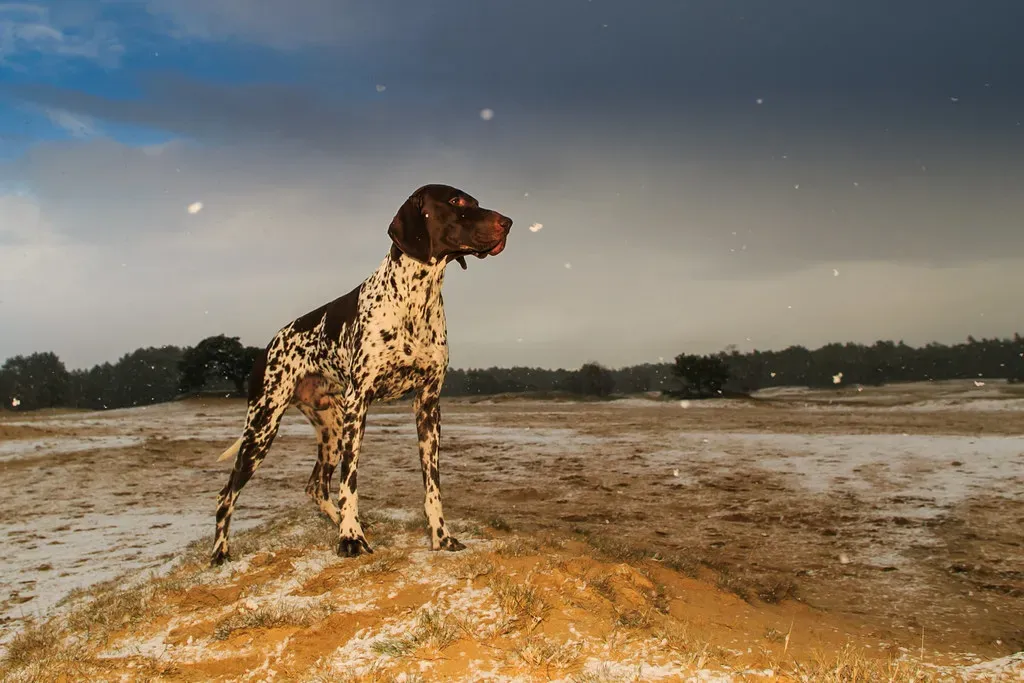
German Shorthaired Pointers are often affectionate, people-oriented dogs, which makes them easy to fall in love with at first sight. But they were bred as versatile hunting companions meant to cover a lot of ground, track scent, and stay focused in the field for long stretches of time. That means they usually need daily outlets for running, exploring, and using their noses, not just a quick stroll down the street.
In a typical retired home without enough activity, GSPs may start to show restlessness, demand barking, destructive chewing, and over-the-top greetings that can be risky if you or a loved one has balance issues. They tend to do wonderfully with active owners who enjoy hiking, running, or participating in field training or nose work. If your idea of exercise is more “gentle stroll with a bench break halfway,” this breed’s physical and mental intensity can be more draining than joyful, no matter how sweet they are at heart.
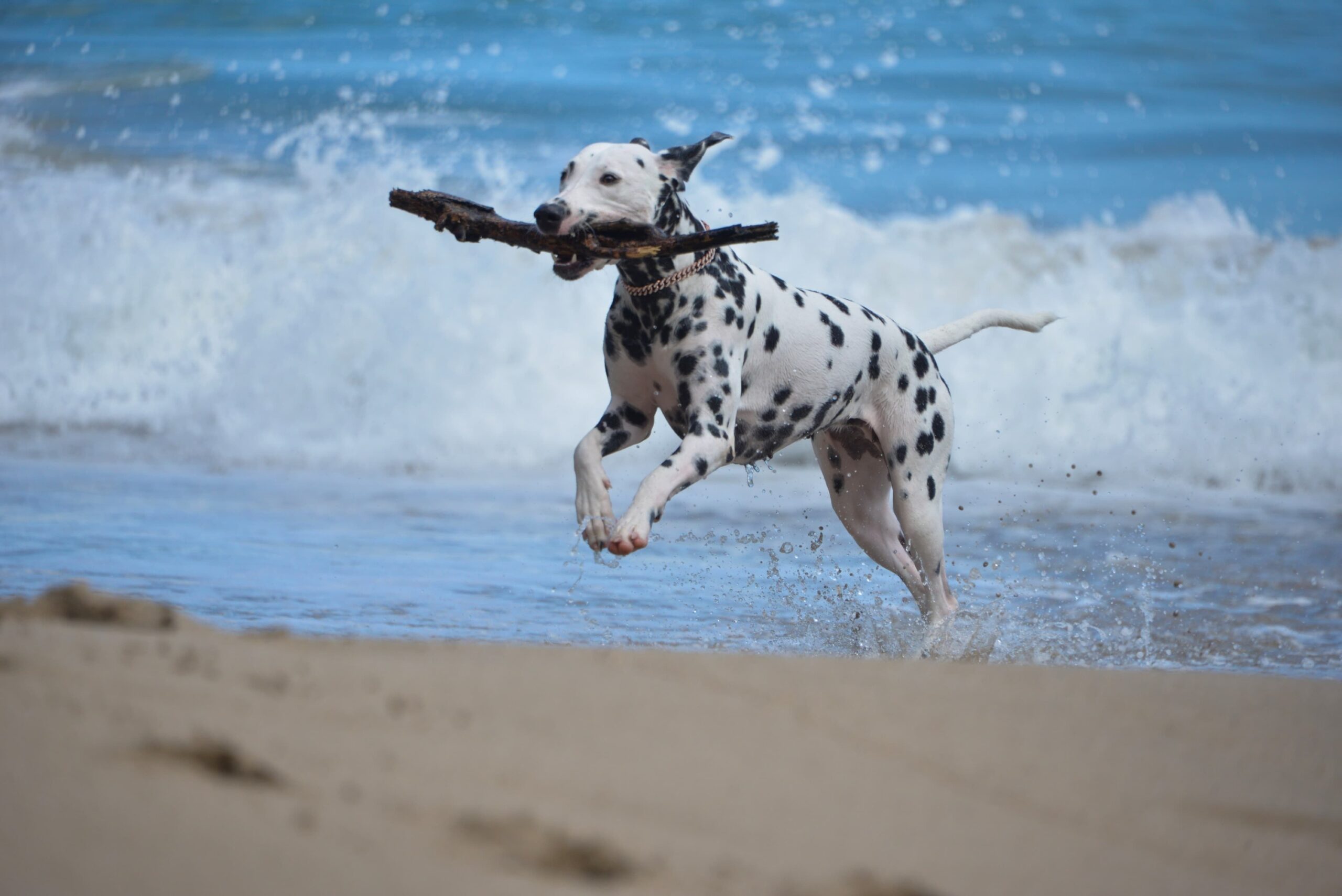
7. Dalmatian: The Spotted Stamina Champion
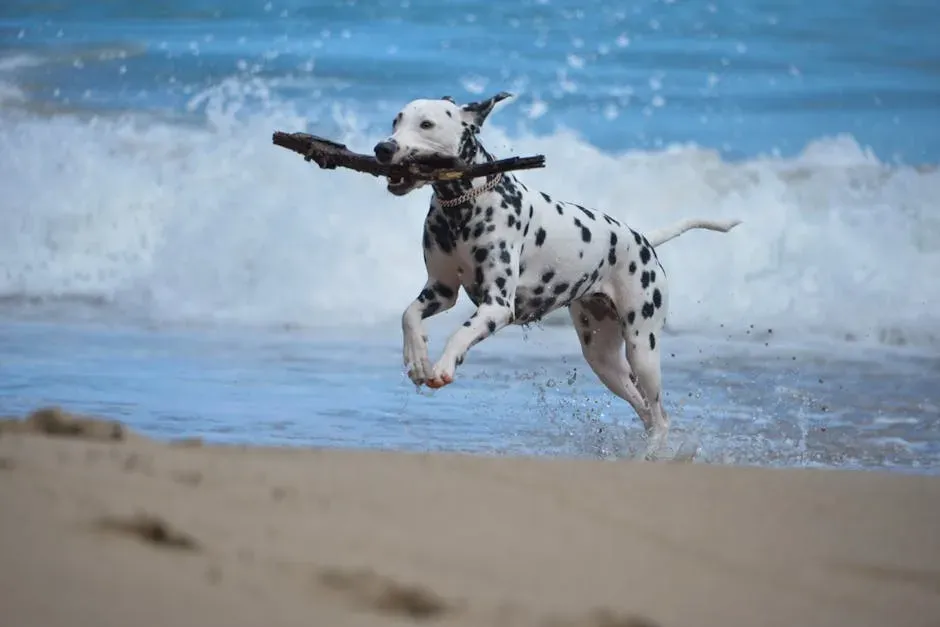
Dalmatians have a long history as carriage dogs, running alongside horses for long distances, which gives you a big clue about their energy levels. Many people are drawn to their striking looks without realizing they are built for endurance and can easily outlast a casual walker or even a moderate jogger. They are also often sensitive, clever dogs who can become stubborn or anxious if they feel under-challenged or misunderstood.
When a Dalmatian is not getting enough exercise and mental engagement, you might see restlessness, destructive behavior, and even heightened reactivity toward noises or strangers. They benefit from structured exercise, training sessions, and consistent routines that let them use both body and brain. For retirees who have the health, time, and desire to plan their days around a very active dog, they can be great companions. But if you’re hoping for a more laid-back, couch-friendly partner, a Dalmatian may leave you feeling like you accidentally signed up for an endurance sport you never trained for.
Conclusion: Matching Your Season of Life to the Right Dog
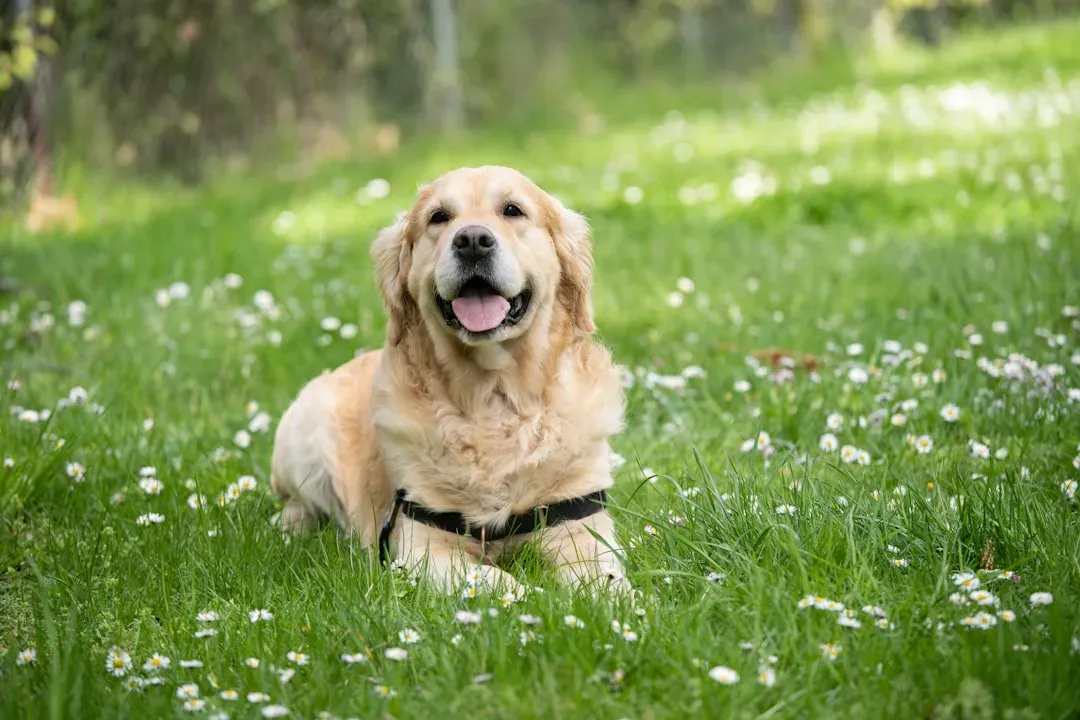
Retirement is a big life transition, and your dog should make that season richer, not more stressful. High-energy breeds like Border Collies, Australian Shepherds, Belgian Malinois, Huskies, Jack Russells, German Shorthaired Pointers, and Dalmatians can be absolutely wonderful, but they’re best for people who genuinely enjoy planning their days around training, exercise, and constant engagement. If that doesn’t fit your health, energy, or lifestyle right now, it’s not a failure; it’s wise, compassionate self-awareness.
The good news is that there are plenty of calmer breeds, older rescue dogs, and lower-energy individuals who can give you companionship without turning your golden years into a nonstop workout. Choosing a dog whose needs match what you can realistically provide is one of the kindest things you can do – for them and for yourself. When you picture your retired life with a dog, does it look like peaceful walks and quiet evenings, or like daily marathons and training sessions?


