
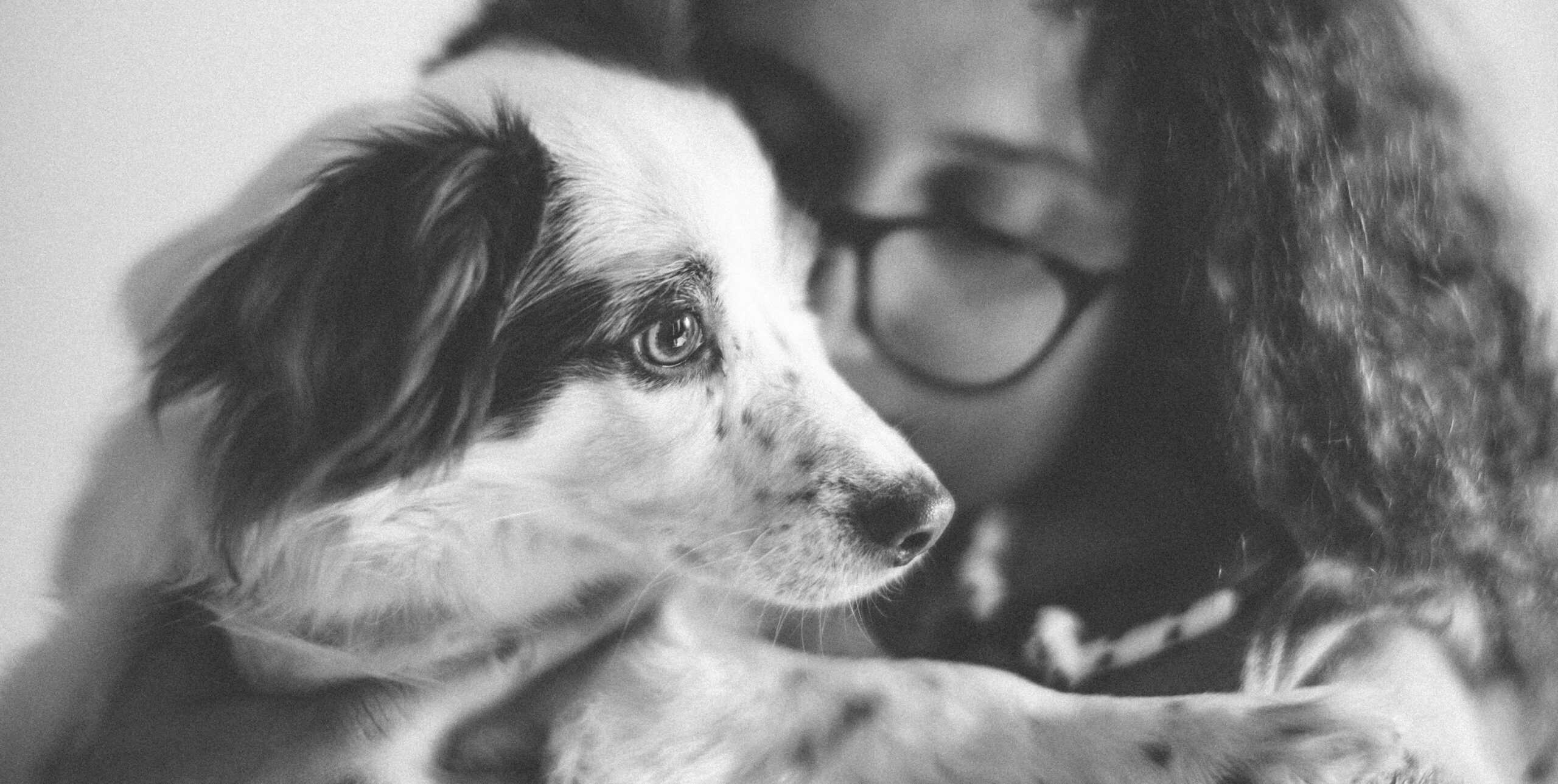
Have you ever walked through the door after a long day and watched your dog light up like you’re the best thing that has ever happened to them? That wild tail, the wiggly body, the happy little whines – it is not just “recognition,” it is memory in motion. Your dog is putting together your smell, your voice, and every shared moment into one powerful picture: you.
Scientists are learning more about how dogs remember us, but honestly, most dog guardians have felt it all along. Our dogs do not just know us; they store us. They carry our scent, our sounds, and the emotional tone of our relationship like a favorite toy. Understanding how this works can help you deepen your bond, ease anxiety, and make life gentler and safer for your dog.
The Secret Power of Your Scent in Your Dog’s Memory
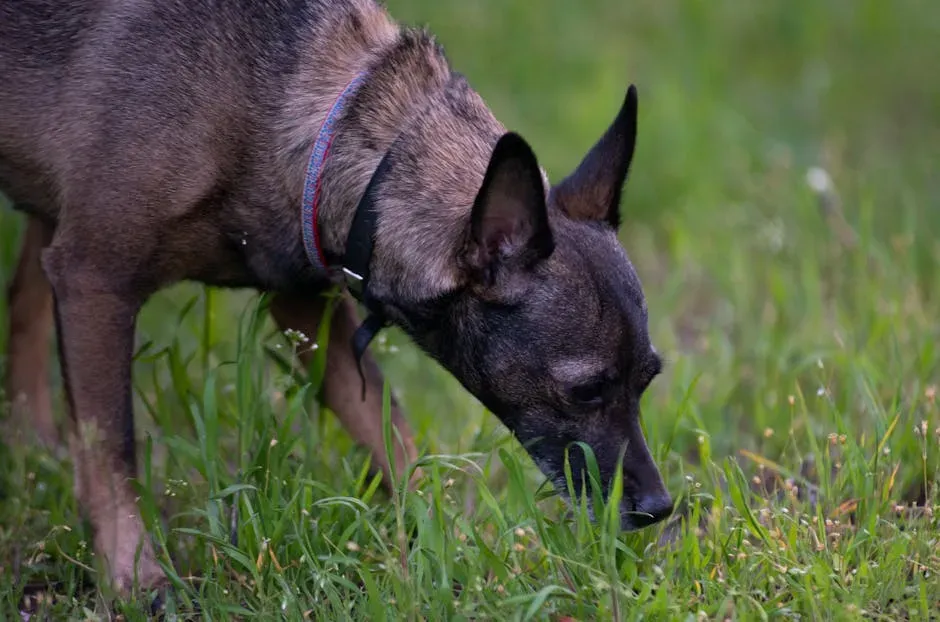
If dogs could write love letters, they’d probably be written entirely in smells. A dog’s nose is insanely powerful compared to ours – imagine reading a long, detailed novel every time you inhale. To your dog, you have your own scent “signature,” a kind of personal perfume made of skin oils, sweat, shampoo, and even the places you’ve been.
Research using brain scans has shown that familiar human smells activate reward and emotional centers in a dog’s brain. In simple terms, when your dog catches your scent, their brain goes, “Oh, it’s my person – this feels good.” That is why some dogs can pick out their guardian’s worn t-shirt in a pile, or visibly relax when they sniff a jacket that smells like home.
How Your Voice Becomes an Emotional Anchor
Your voice is not just noise to your dog; it is a kind of emotional GPS. Over time, they learn the rhythm, pitch, and patterns of how you speak, and they link that sound to how they feel when they are around you. A calm, gentle voice tends to predict safety and affection, while harsh or unpredictable tones can make some dogs tense or uncertain.
Studies have found that dogs process human voices in ways that are surprisingly similar to how we process emotional tones, which helps explain why many dogs rush to a crying person or relax when we speak softly. Even if you are out of sight, your dog may prick their ears, tilt their head, or trot toward the door if they hear your voice on a call or video. To them, your voice is not just information – it is comfort.
Experience: The Glue That Binds Scent and Sound Together
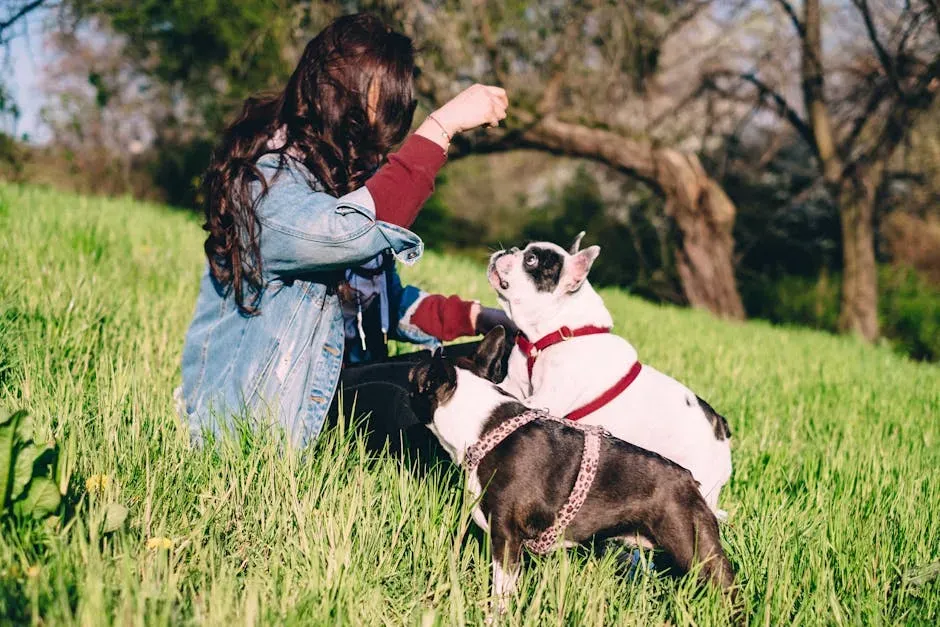
Smell and sound are powerful, but what really cements you in your dog’s memory is what those signals predict. Every walk, cuddle, training session, and even boring “just hanging out” evening is stored as emotional experience. Your dog is constantly asking, “What usually happens when this person is around me?” and then filing that answer away.
When experiences are mostly kind, predictable, and safe, your dog builds a strong, positive mental file of you. Over time, your scent plus your voice equals “good things are coming,” which is why dogs often start wagging before you have even touched the leash or picked up a treat. On the flip side, if a dog has a history of rough handling or fear with someone, they can remember that person just as clearly, but with tension instead of joy.
How Long Do Dogs Remember People They Love?
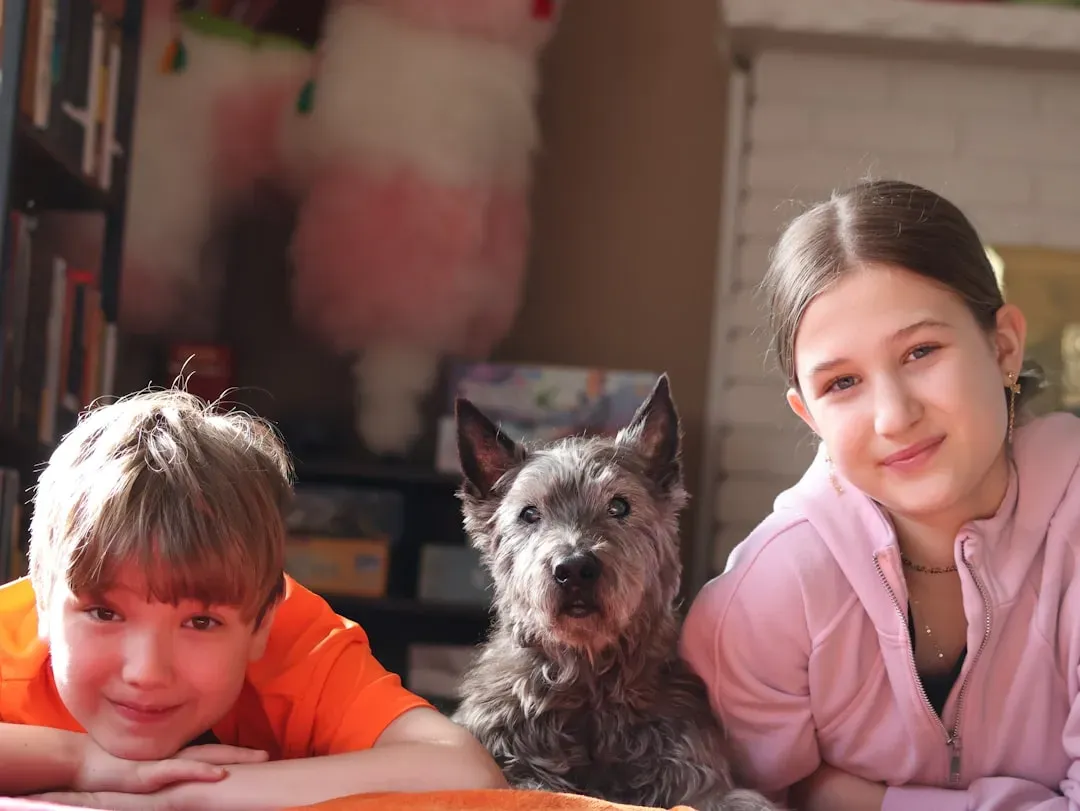
There is no exact stopwatch answer, but evidence and real-world behavior suggest that dogs can remember meaningful people for a very long time, especially when scent, voice, and strong emotion are involved. Many guardians have seen dogs recognize family members who have been gone for months or even years, reacting with sudden excitement, happy cries, or those deep body leans that feel like a hug.
Dogs also show long-term memory in working roles, like former service or therapy dogs recognizing past handlers and responding as if no time has passed. The key is not just time, it’s significance. People who shaped a dog’s daily life or emotional world – for better or worse – tend to be remembered more clearly than someone they met once in a busy park.
Reading Your Dog’s “I Remember You” Body Language
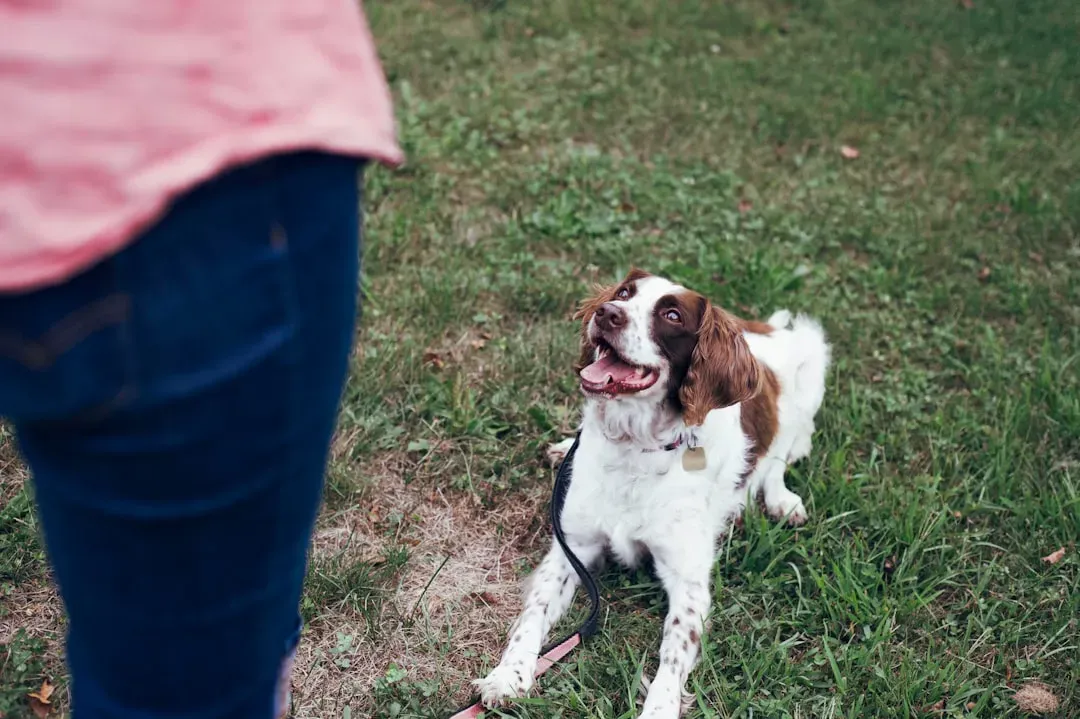
Dogs rarely hand us clear labels like “recognition in progress,” so we read their bodies instead. When a dog remembers someone in a good way, you might see a loose, wiggly body, a sweeping tail wag, soft eyes, and an eager but not frantic approach. Some dogs will bring a toy, do a little spin, or let out those joyful “I cannot contain this” grumbles.
If the memory is mixed or negative, signs can look very different: stiff posture, low or tightly tucked tail, whale eye (where you can see the whites), lip licking, or hesitant steps forward and back. Sometimes a dog will seem frozen, clearly processing scent and voice but unsure what to expect next. Those cues are your dog’s way of saying, “I do remember you – I’m just not sure if I’m safe.”
Supporting Anxious or Traumatized Dogs Through Old Memories
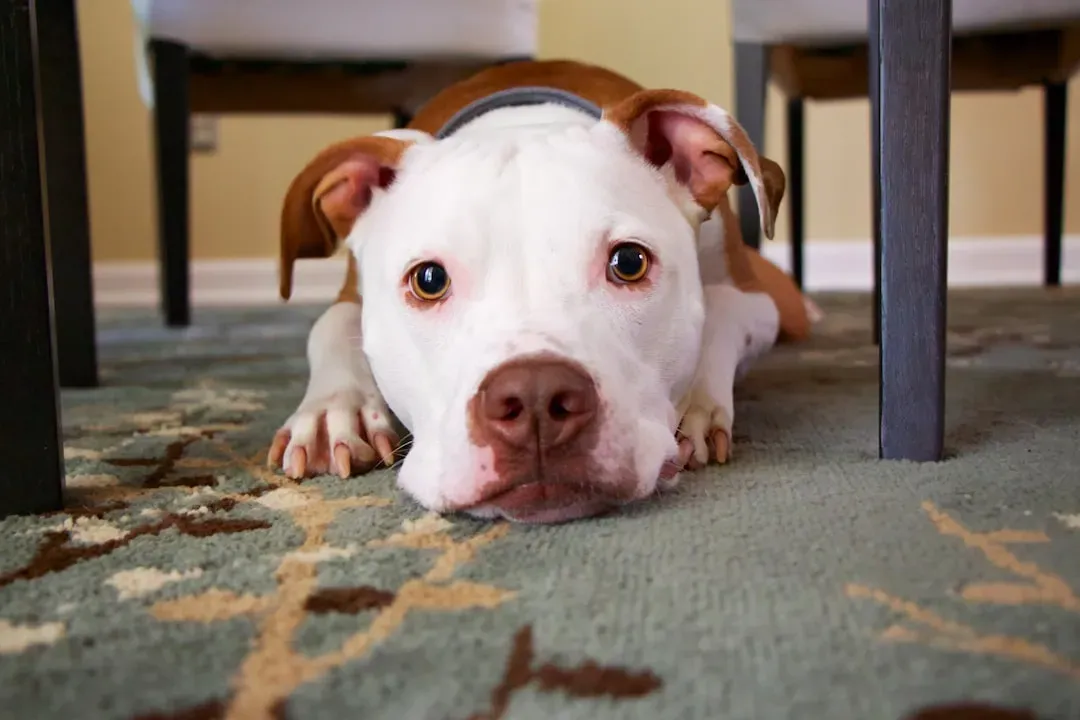
For dogs with tough histories, memory can be a double-edged sword. The same powerful mix of scent, voice, and experience that helps them remember loving people can also pull up fear tied to certain types of humans, places, or tones. That is why a dog who has never met a specific person before might still react fearfully if that person smells, moves, or talks like someone from their past.
If your dog startles or shuts down around certain individuals, do not force interaction “to get them used to it.” Instead, give them distance, let them choose if they want to approach, and pair any contact with calm voices and gentle, predictable behavior. Working with a force-free trainer or behavior professional can help you slowly rewrite those old emotional files so that new experiences gradually become stronger than the old fear.
Practical Ways to Strengthen Your Dog’s Memory of You in a Positive Way
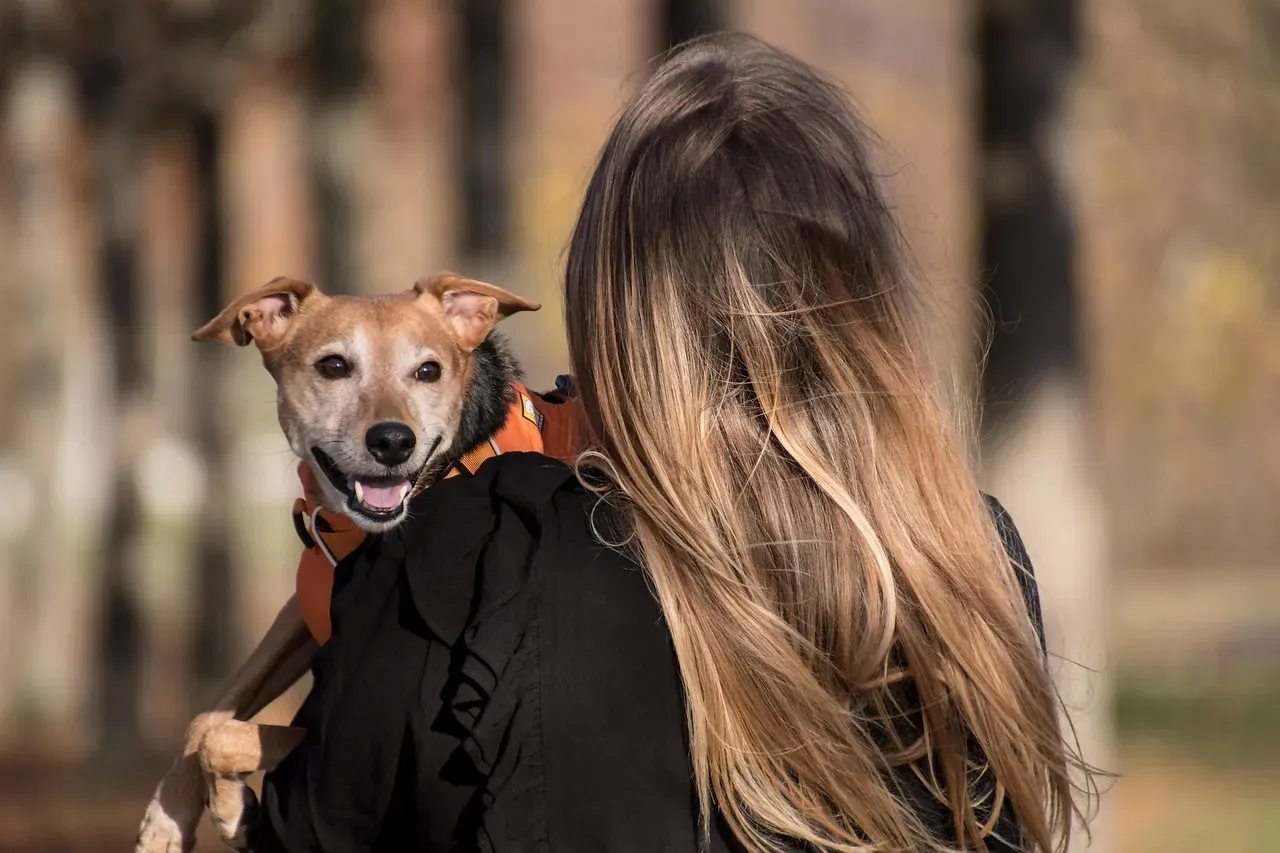
The good news is you do not need fancy techniques to become unforgettable to your dog – you already are. But you can absolutely stack the deck in favor of warm, secure memories by being consistent, kind, and engaged. Simple habits like greeting your dog calmly when you come home, using a steady tone when giving cues, and building daily routines they can count on all help.
When you are away for a while, leaving behind something that smells strongly like you – an unwashed shirt, a blanket, or a pillowcase – can provide comfort, especially for sensitive or anxious dogs. And when you reunite, try to keep your own energy steady and warm rather than chaotic. Predictable affection, gentle play, and patient training sessions are the everyday moments that tell your dog’s brain, “This person is my safe place,” and that is a memory they are unlikely to lose.
Conclusion: You Live in Your Dog’s Mind More Than You Realize
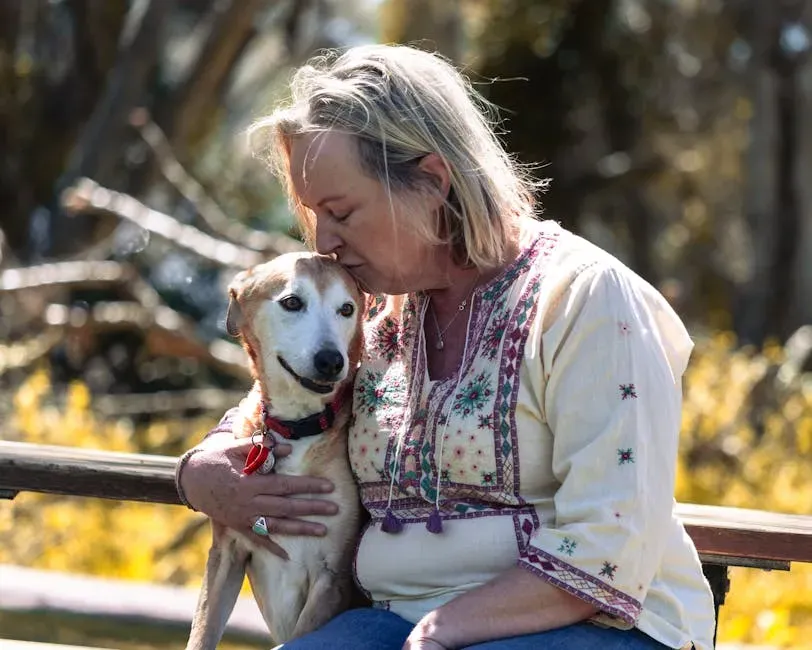
It is easy to think your dog’s joy when you walk in the door is just simple excitement, but beneath that wag is a complex and beautiful memory system. Your scent, your voice, and the way you’ve treated them over time have woven together into a living story your dog carries everywhere. You are not just a face they recognize – you are a feeling they remember.
That knowledge is both a responsibility and a gift. Every small kindness, every patient moment on a hard day, and every silly play session is shaping how your dog’s brain lights up when they sense you. Knowing that, what kind of memory do you want to become for your dog?


