
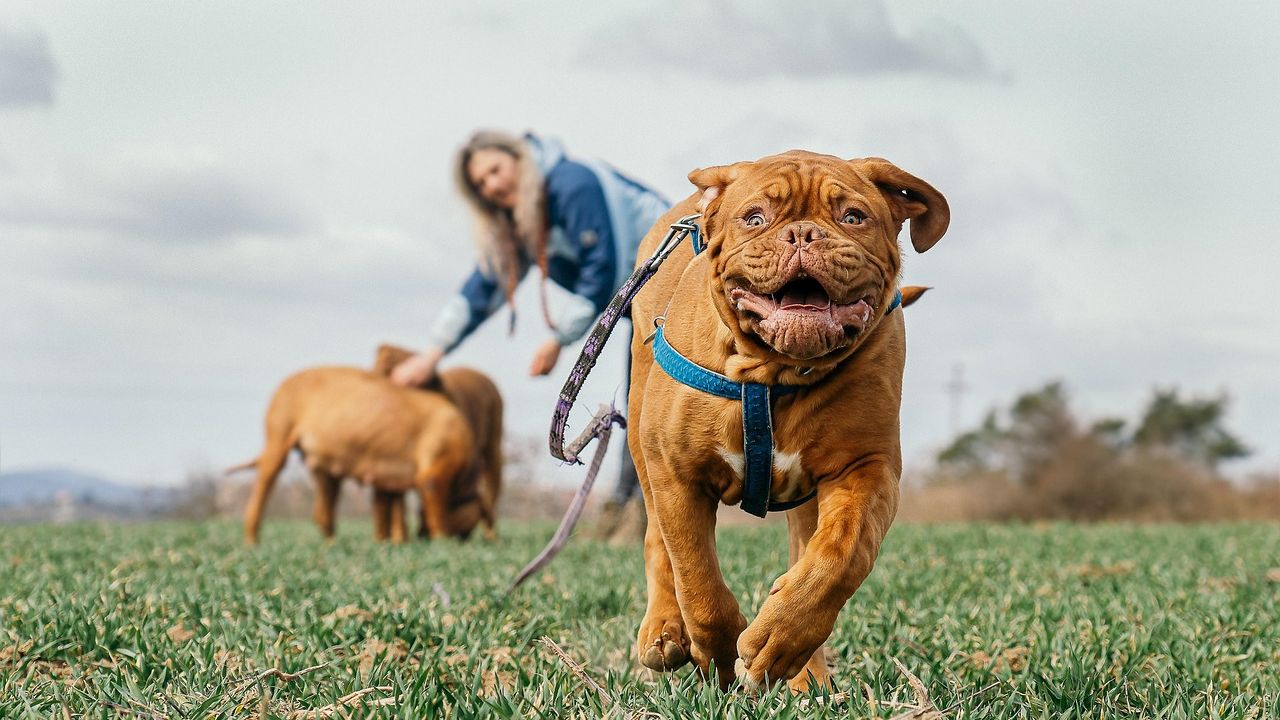
Picture two dogs side by side at a neighborhood park. One carries a reputation that makes strangers cross the street. The other draws smiles and requests for photos. The contrast feels sharp, yet both animals share the same basic needs for food, exercise, and companionship.
That everyday scene captures a larger tension among pet owners. Discussions about these two breeds often spill into heated online threads and family gatherings. The divide runs deeper than simple preference.
The Origins of Breed Stereotypes
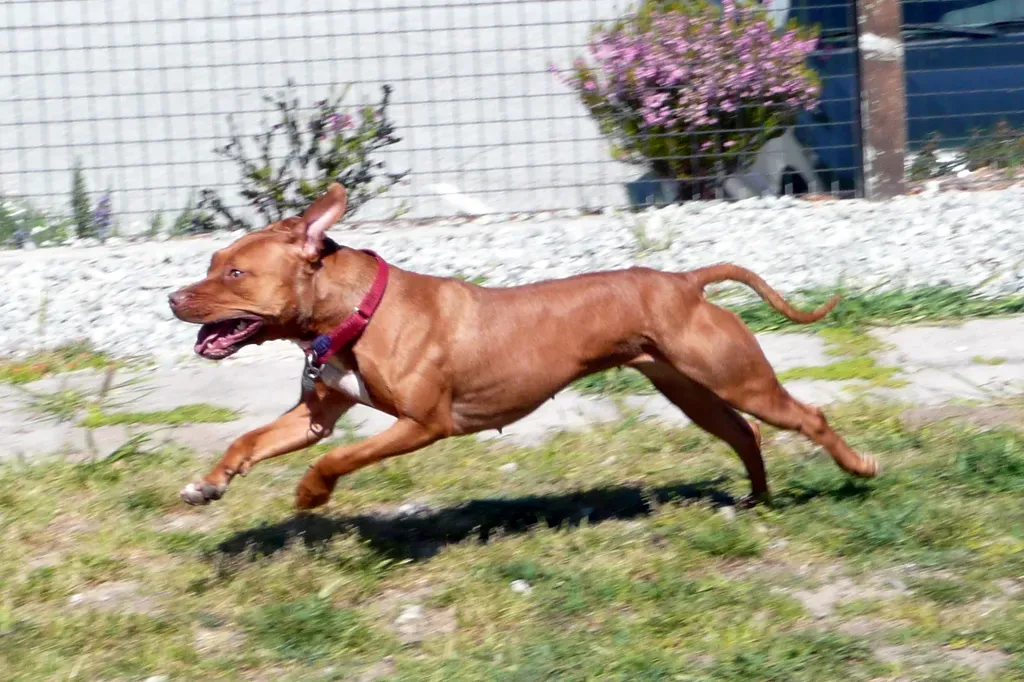
Stories about pit bulls trace back to their historical roles in working and guarding tasks. Those early associations shaped public views that linger today. Many people still link the breed to strength and intensity without considering individual variation.
Poodles, by contrast, gained favor through their origins as water retrievers and later as companions in European courts. Their curly coats and alert expressions became symbols of refinement. Over time these images hardened into assumptions that one breed suits every home while the other does not.
Common Misconceptions About Aggression

Claims that pit bulls are inherently dangerous overlook how behavior develops through training and environment. Studies from animal behavior organizations show that any dog can display reactivity when poorly socialized. The focus on breed alone misses the bigger picture of responsible ownership.
Poodles receive praise for gentle temperaments, yet they can become vocal or anxious without proper outlets. Their intelligence sometimes leads to stubborn streaks that surprise first time owners. Both breeds demonstrate that personality emerges from daily handling rather than genetics alone.
Energy Levels and Daily Exercise Needs

Pit bulls often thrive with structured activities like fetch or agility work. Their muscular build supports sustained play sessions that keep them content indoors afterward. Owners who skip this step frequently report restlessness or chewing issues.
Poodles bring similar vitality in a smaller package, especially the standard variety. They enjoy mental challenges such as puzzle toys alongside physical walks. Meeting these needs prevents boredom driven behaviors in either breed.
Grooming and Maintenance Realities
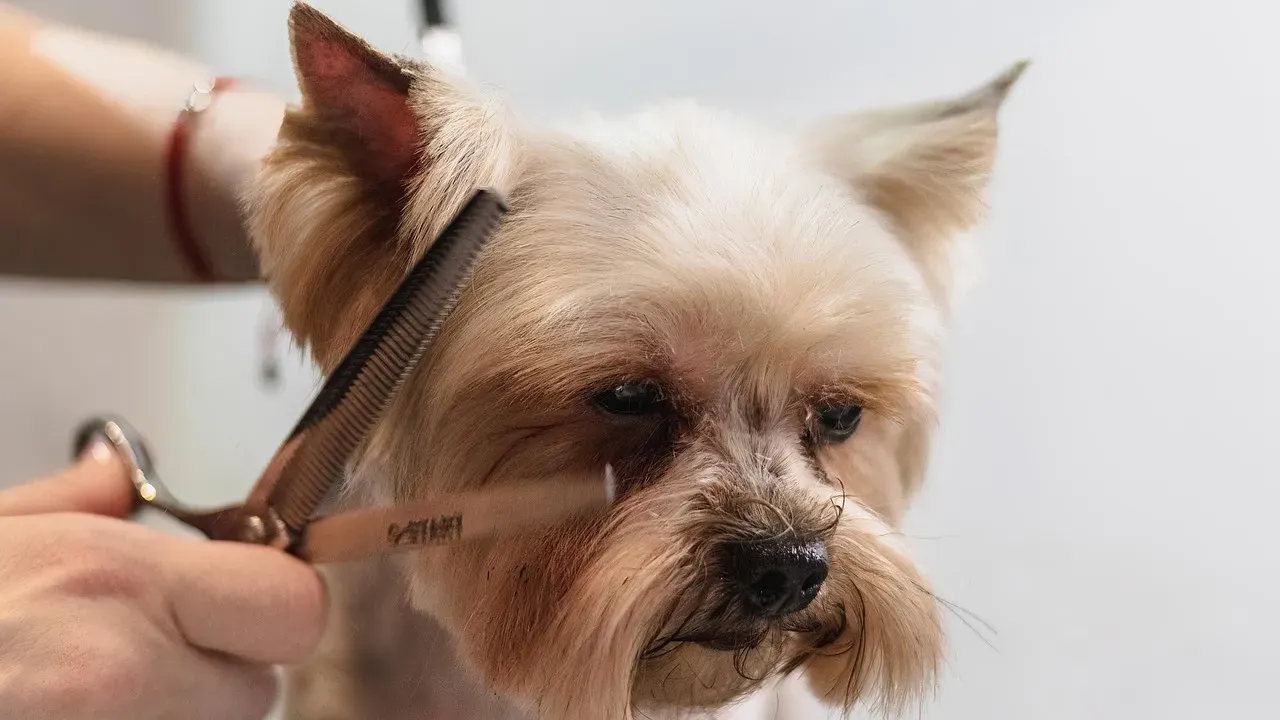
Poodles require regular clipping to avoid matting in their dense coats. Professional grooming every six to eight weeks becomes part of the routine for many families. This upkeep adds cost and time that some households underestimate at adoption.
Pit bulls shed moderately and need only occasional baths plus nail trims. Their short coats simplify care yet demand attention to skin health in certain climates. The difference in upkeep influences long term satisfaction for busy owners.
Family Compatibility and Child Interactions
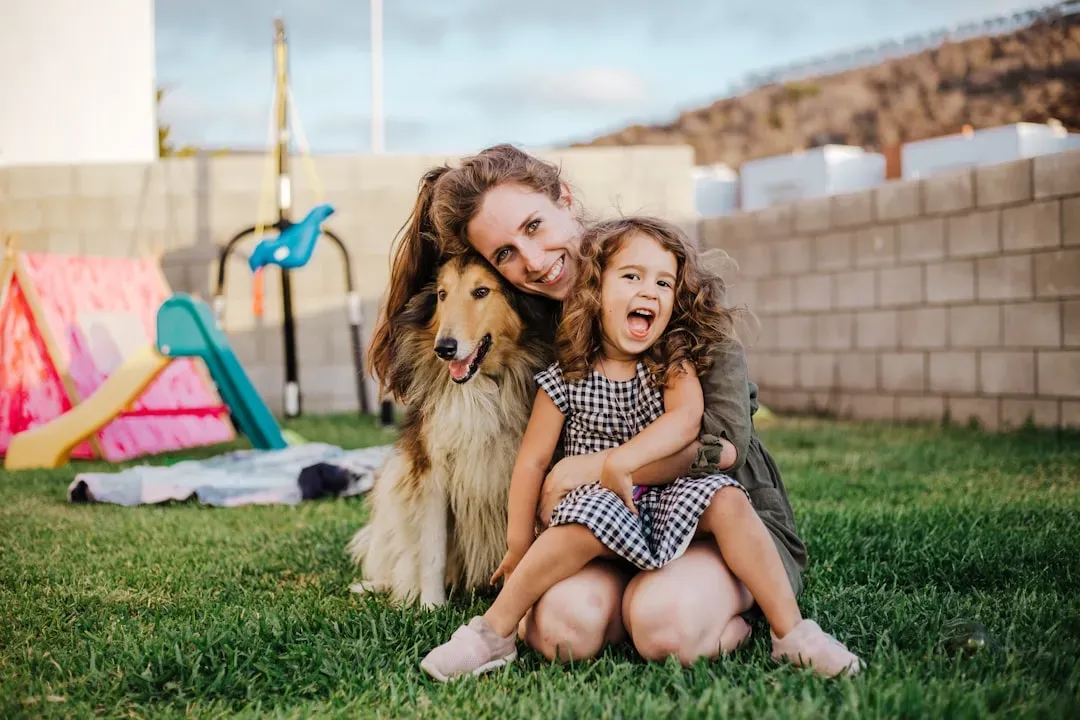
Both breeds can integrate well with children when introductions happen gradually and supervision remains consistent. Pit bulls often form strong protective bonds once trust develops. Early positive experiences shape these relationships more than breed reputation.
Poodles frequently excel in homes with young kids due to their patient nature and smaller size options. Still, their sensitivity to rough handling calls for guidance on gentle play. Success stories appear across both breeds when owners prioritize education over assumptions.
Legal Restrictions and Insurance Hurdles

Some cities maintain breed specific rules that limit pit bull ownership or require extra permits. These policies create practical barriers even for experienced handlers. Insurance companies sometimes follow similar patterns, raising premiums or denying coverage.
Poodles face fewer such obstacles in most areas. Their image as low risk companions opens doors in apartments and rentals. The uneven landscape pushes some owners toward one breed simply to avoid paperwork and extra fees.
Adoption Trends and Shelter Realities
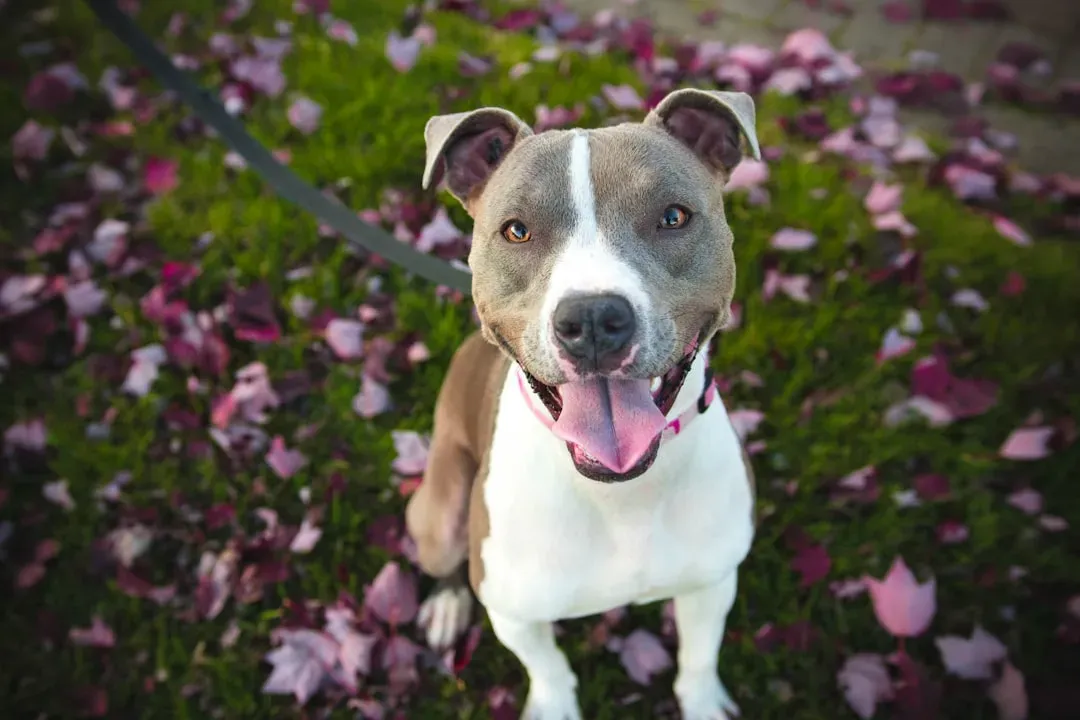
Shelters report higher numbers of pit bull type dogs available for adoption compared with poodles. This imbalance stems partly from overbreeding and surrender patterns. Potential owners who visit facilities often encounter more of one type than the other.
Poodles appear less frequently in rescue settings, partly because their grooming needs deter casual buyers. When they do arrive, demand tends to run high. The supply difference shapes which breed people ultimately bring home.
Beyond Labels Toward Better Choices
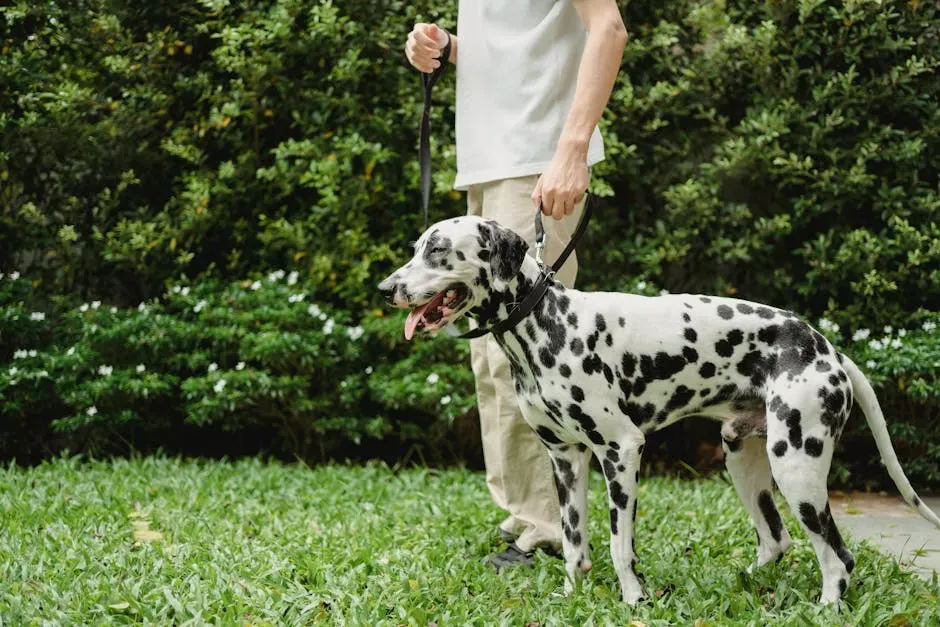
The real divide between these breeds shrinks once owners focus on individual temperament and lifestyle match. A well raised pit bull can prove as affectionate as any poodle. Likewise, an untrained poodle can create as many challenges as its counterpart.
Responsible selection starts with assessing personal experience, available time, and living space rather than headlines. Shelters and trainers offer evaluations that cut through stereotypes. In the end the healthiest path forward treats every dog as its own story instead of a category.


