
Why Dogs Bring You Dead Animals – The Psychology Behind This Misunderstood Gift
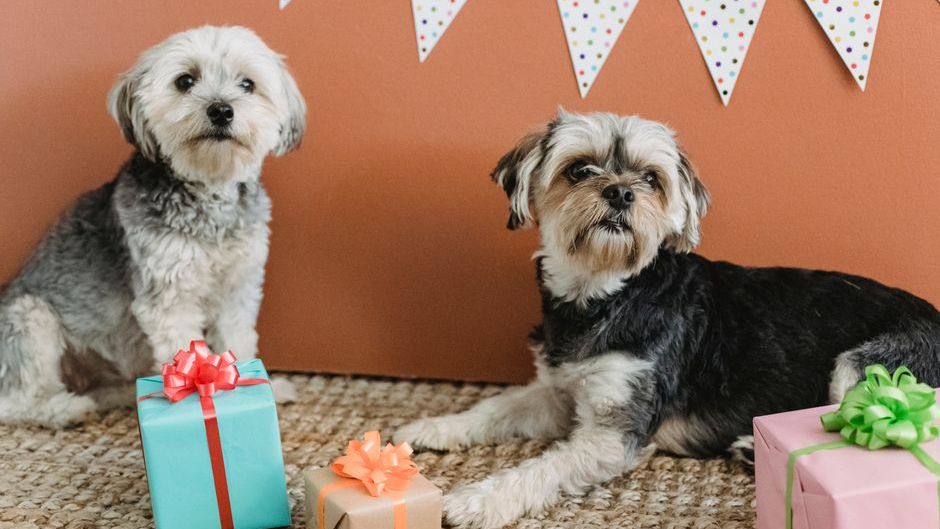
Instincts Rooted in Wild Ancestry
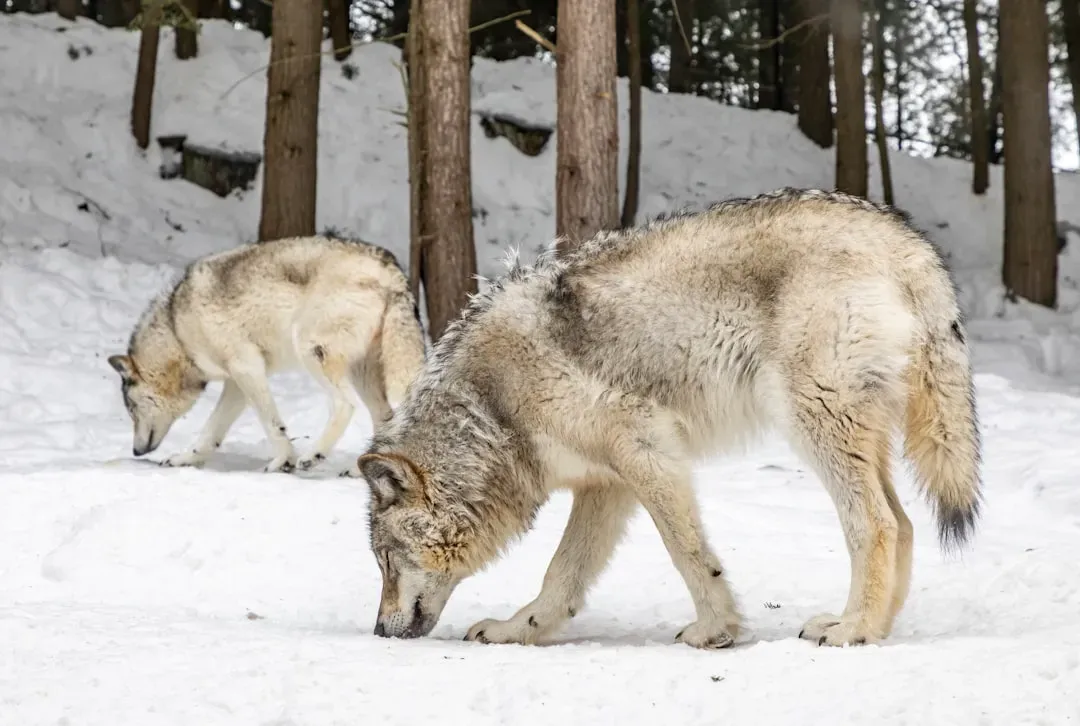
Dogs carry forward behaviors from their wolf ancestors who hunted in packs. In those groups, adults often brought food back to share with younger members or others who stayed behind. This pattern helped the whole pack survive and strengthened their bonds over time.
Modern dogs still follow similar drives even though they no longer need to hunt for survival. The action of retrieving prey and presenting it feels natural to them. It reflects an old wiring that has not faded despite thousands of years of domestication.
Seeing You as Family
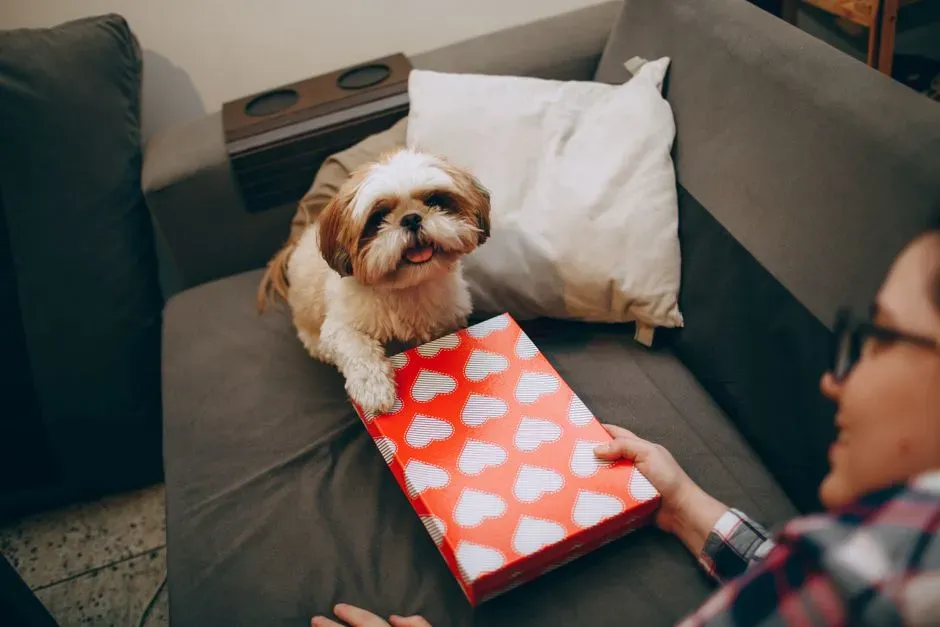
Many dogs view their human households as their pack. Bringing a catch serves as a way to include you in their daily activities. They treat the gift as something valuable to offer the group rather than keep for themselves alone.
This perspective comes from how dogs form attachments. They recognize familiar faces and routines as central to their world. The dead animal becomes a token of that connection instead of a random find.
The Urge to Share and Provide
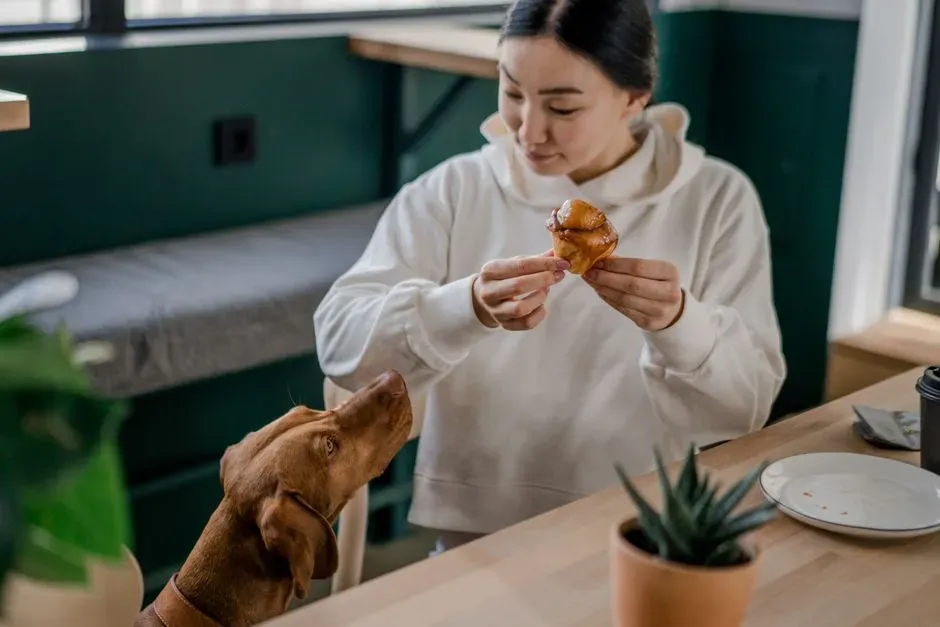
Sharing resources stands out as a core part of canine social life. A dog that drops prey at your feet may simply want to contribute something useful. The gesture echoes how wolves divide food among members who cannot hunt.
Owners sometimes notice this happens more after successful outdoor time. The dog returns excited and ready to show off the result. It feels like an attempt to care for the people who feed and shelter them every day.
Breed Specific Tendencies
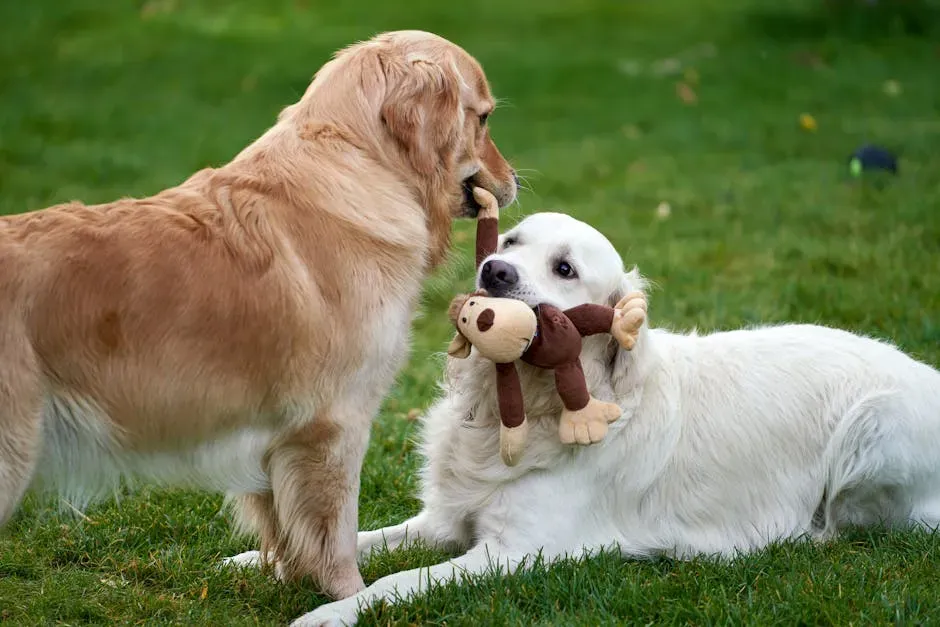
Certain breeds show stronger retrieving instincts than others. Pointers, retrievers, and spaniels often display this behavior more readily because of their working backgrounds. Selective breeding amplified the drive to bring items back to a handler.
Other dogs might do it less often yet still follow the same impulse when the opportunity arises. Mixed breeds can inherit pieces of these traits from various lines. The variation shows how genetics shape what feels rewarding to each individual dog.
Attention and Positive Reinforcement
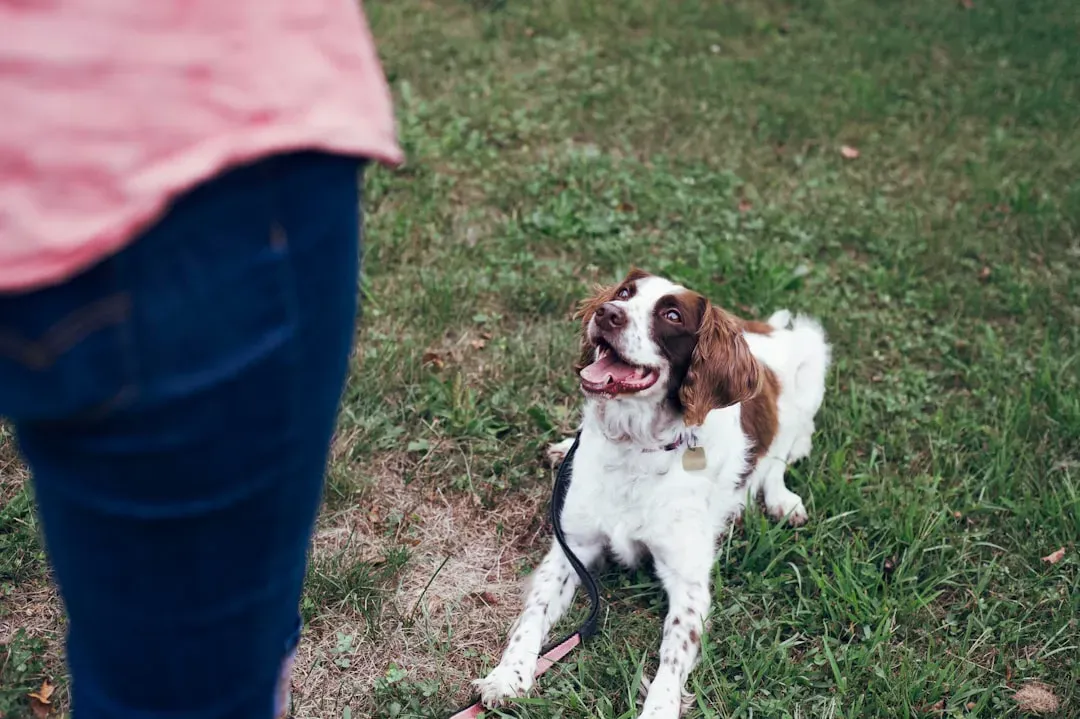
Dogs learn quickly what gets a reaction from their people. A dramatic response, even a negative one, can encourage the behavior to repeat. They associate the act with getting noticed and engaged.
Some dogs discover that presenting a find leads to praise or play afterward. The cycle reinforces the habit without any conscious plan on the dog’s part. Over time it becomes a reliable way to start an interaction.
Common Misunderstandings

Many owners assume the gift signals something wrong or aggressive. In reality it usually stems from affection rather than any desire to cause discomfort. The misunderstanding arises because humans and dogs interpret the same action differently.
Another frequent mix up involves thinking the dog wants to eat the animal later. Often the presentation serves as the main point rather than a meal. Recognizing this helps owners respond with less alarm and more clarity.
Practical Ways to Handle These Gifts
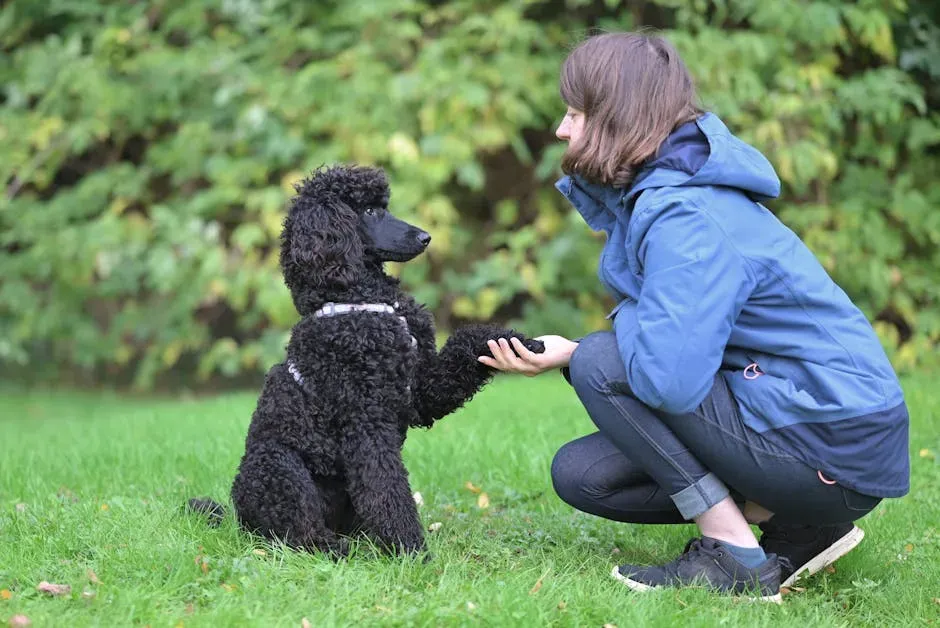
Staying calm works better than scolding when the moment arrives. A quiet redirection toward a toy or walk can shift the focus without damaging the bond. Consistent training helps channel the energy into acceptable outlets.
Preventive steps like secure fencing and supervised time outside reduce opportunities for the behavior. Regular exercise and mental stimulation also keep dogs engaged in other ways. These approaches respect the instinct while keeping everyone comfortable.
In the end, these offerings reveal a quiet loyalty that runs deeper than the surface mess. Dogs keep trying to bridge their world with ours in the only ways they know. That persistence deserves a bit of patience even when the delivery leaves something to be desired.