

Many dog owners have experienced that moment when their pet suddenly perks up, tail wagging, long before any footsteps reach the door. It feels almost magical, as if the animal senses something in the air that humans miss entirely.
This behavior points to a deeper layer of perception and emotion that science continues to explore in the bond between people and their dogs. The idea that a familiar engine note could trigger a rush of the bonding hormone oxytocin adds an intriguing dimension to everyday homecomings.
The Sharp Hearing That Sets Dogs Apart
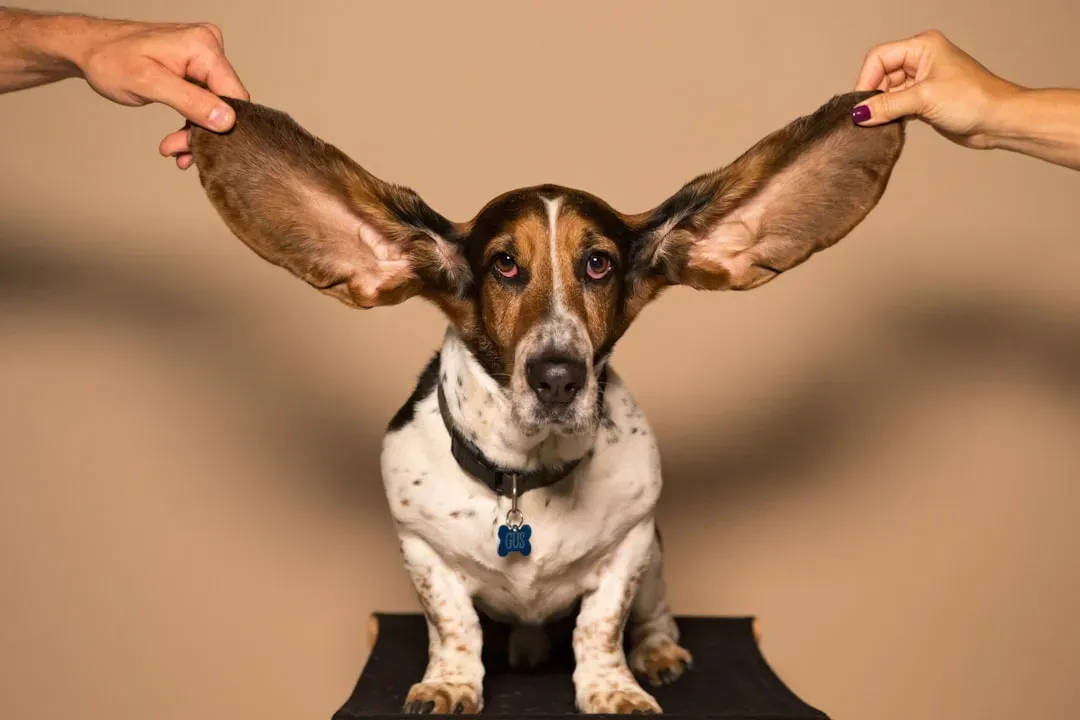
Dogs possess an auditory range far beyond what people experience, allowing them to pick up subtle differences in engine tones and tire sounds from a distance. Their ears can isolate specific frequencies that signal a particular vehicle approaching the driveway. This ability stems from evolutionary traits that helped wild ancestors detect prey or threats through sound alone.
Over time, domestic dogs have refined these skills to recognize patterns tied to their daily routines. A certain rumble might mean food, walks, or simply the return of their favorite person. Such discrimination happens quickly and often without any visual confirmation.
Oxytocin as the Glue in Human Dog Relationships

Oxytocin plays a central role in social bonding across many species, including the interactions between dogs and their owners. Research has shown that shared activities like gazing or gentle touch can elevate levels of this hormone in both parties. The result is a mutual sense of calm and attachment that builds over repeated encounters.
When dogs anticipate positive events, this chemical response may kick in early as a form of emotional preparation. It reinforces the idea that the animal views the owner as a source of security and pleasure. These physiological shifts help explain why reunions often feel so rewarding on both sides.
Anticipation That Shows Up in Body Language
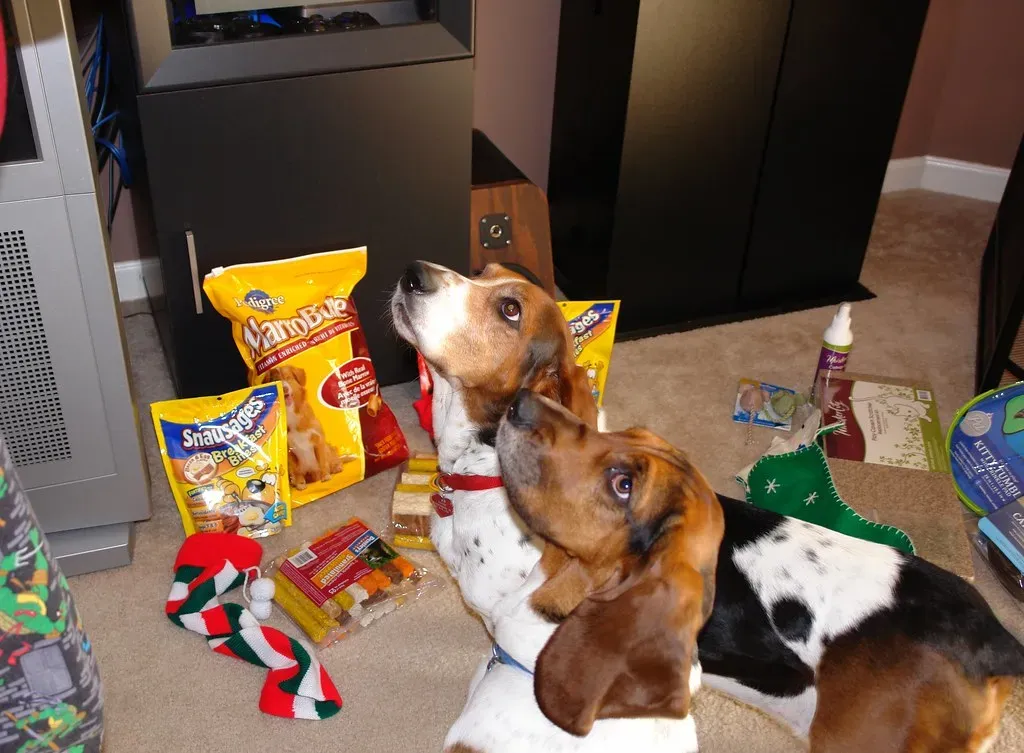
Owners frequently notice their dogs shifting from rest to alertness at the first hint of a familiar sound outside. Ears twitch forward, breathing quickens slightly, and the body orients toward the entrance well ahead of any actual arrival. These small changes reflect an internal state of readiness rather than random movement.
Such preemptive reactions suggest the dog has learned to associate certain auditory cues with upcoming rewards. The response unfolds in stages, starting with detection and moving toward visible excitement. Over months or years of consistent patterns, this anticipation becomes a reliable part of the household rhythm.
How Daily Routines Shape Canine Expectations
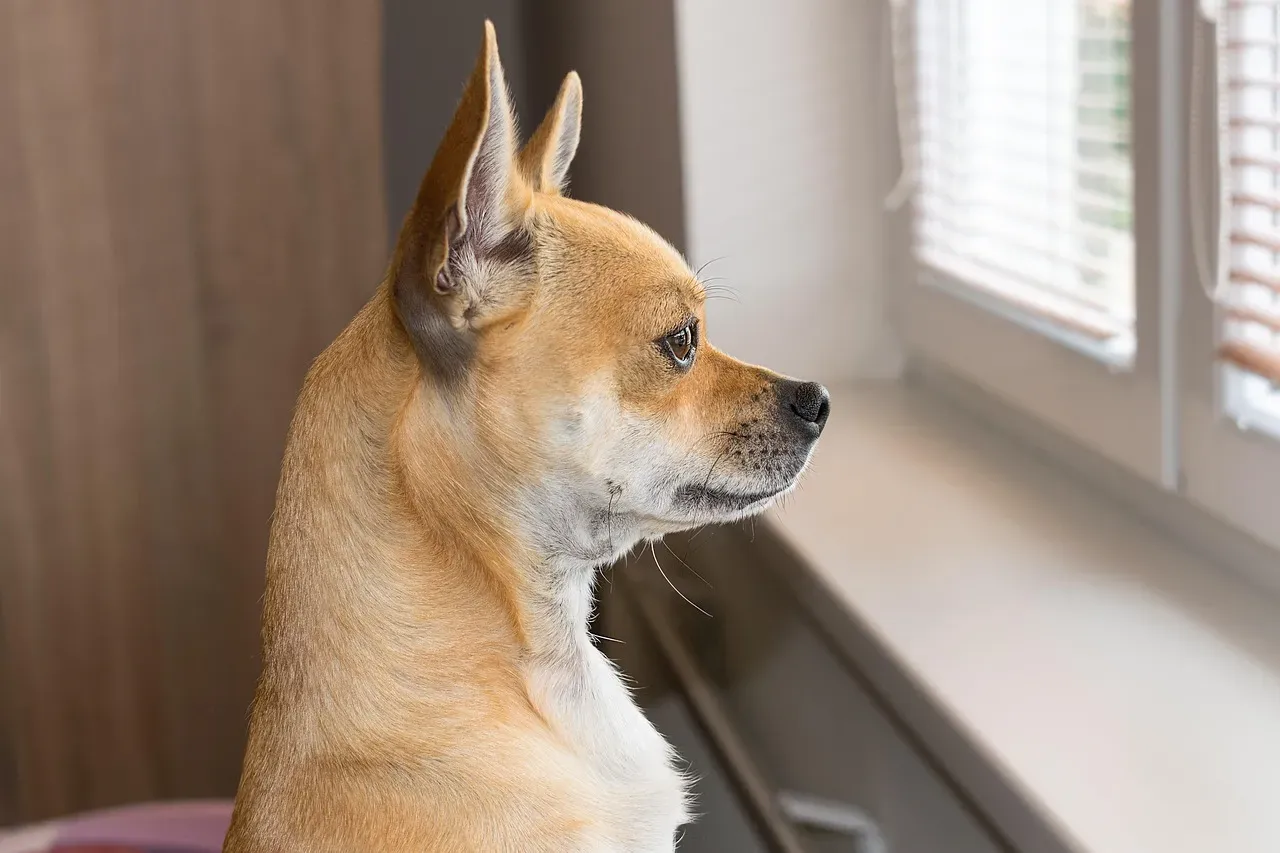
Most dogs thrive on predictable schedules that include the comings and goings of their people. When an owner leaves for work at the same time each day, the return trip creates a reliable sequence of events the animal can track. Sound becomes one reliable marker in that sequence.
Repetition strengthens the mental link between the engine noise and the positive outcome of reunion. Dogs do not need complex reasoning to form these associations. Simple exposure over time builds a strong expectation that influences their emotional state in advance.
Behavioral Clues Backed by Observation

Studies on canine hearing and social cognition reveal that dogs distinguish individual voices and other familiar sounds with impressive accuracy. They apply similar processing to environmental noises that carry personal meaning. This capacity supports the notion that engine sounds could function as a distinct signal.
While direct measurements of oxytocin during car arrivals remain limited, related findings on anticipation and bonding provide a plausible framework. Dogs often display lowered stress markers when they expect a loved one, consistent with hormonal involvement. Continued observation in home settings adds practical weight to these patterns.
Practical Ways to Support This Connection
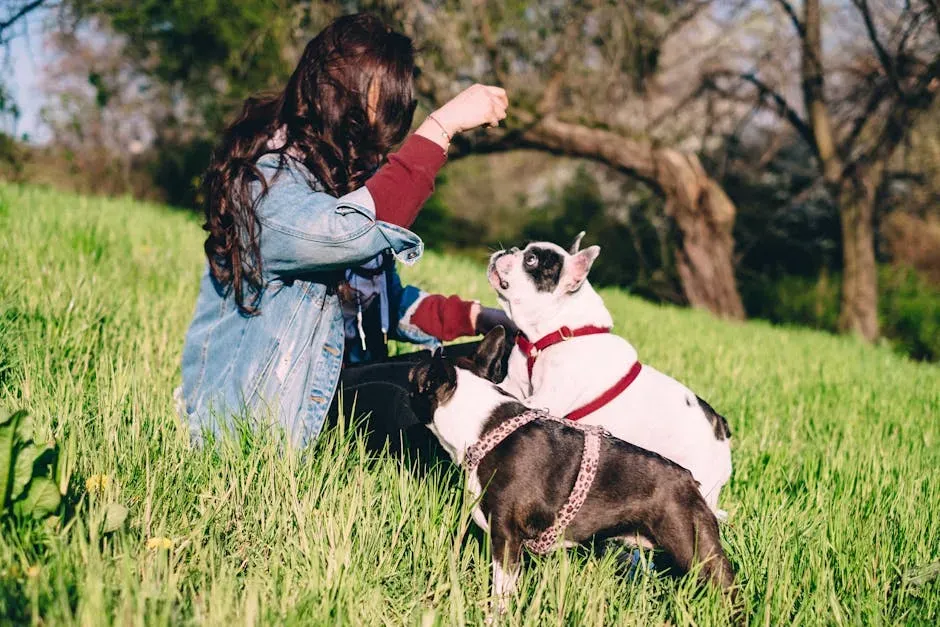
Paying attention to a dog’s early signals allows owners to respond in ways that deepen trust. A calm greeting upon entry can match the animal’s already elevated mood and extend the positive effects. Small adjustments like consistent routines help maintain the clarity of those auditory cues.
Enrichment activities that involve sound or timing can further strengthen the overall bond. These efforts turn ordinary arrivals into opportunities for mutual reassurance. The result is a household where both dog and person feel more attuned to each other.
Appreciating the Quiet Intelligence in Everyday Bonds
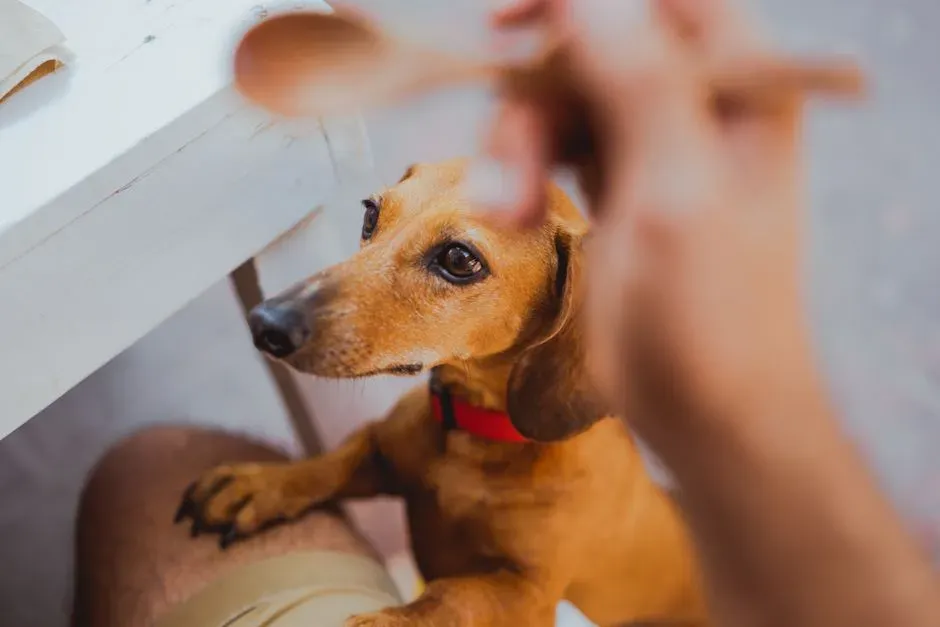
The possibility that dogs prepare emotionally before the door even opens highlights a sensitivity worth noticing in daily life. It reminds people that their companions experience the world through layers of association and feeling that often go unseen. Honoring those moments can make the relationship feel more reciprocal and alive.
In the end, these small anticipations speak to a shared language built on presence rather than words. They invite a gentler pace at homecomings, one that meets the dog where its awareness already lives. That simple alignment may be one of the most enduring gifts of living with a dog.


