
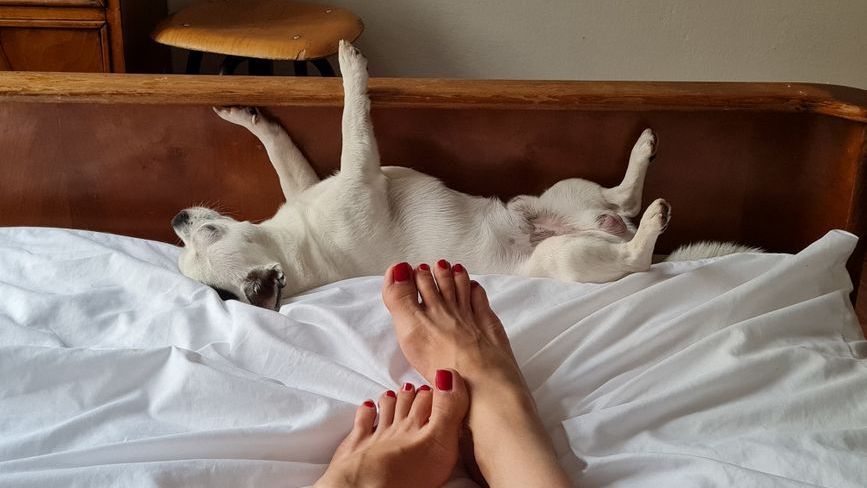
The Roots of This Sleeping Choice

Dogs carry instincts shaped by their ancestors who lived in packs. Those early dogs positioned themselves strategically to watch over the group while resting. Modern pets appear to draw on the same patterns when they pick the foot of the bed.
Behavior experts often link this spot to a desire to stay alert. The position lets the dog monitor the room and the doorway without blocking movement. It creates a natural vantage point that feels purposeful rather than random.
How Protection Fits Into Daily Life

A dog at the feet can sense shifts in the household more readily. Any unusual sound or movement reaches them first in that outer spot. This setup allows quick response if something feels off during the night.
Owners sometimes report their dogs becoming more still or tense in this position. The behavior aligns with guarding tendencies seen in many breeds. It reflects an ongoing awareness of the shared space rather than full relaxation.
Pack Roles That Shape Nighttime Habits

In a household the dog views the family as its pack. Certain members take on lookout duties even while sleeping. Choosing the feet places the animal between the person and potential entry points.
This arrangement echoes how wolves or wild dogs might arrange themselves around a resting leader. The foot position keeps the dog close enough for warmth and scent yet ready to act. It blends companionship with a quiet sense of responsibility.
Why the Feet Differ From Sleeping Right Beside You
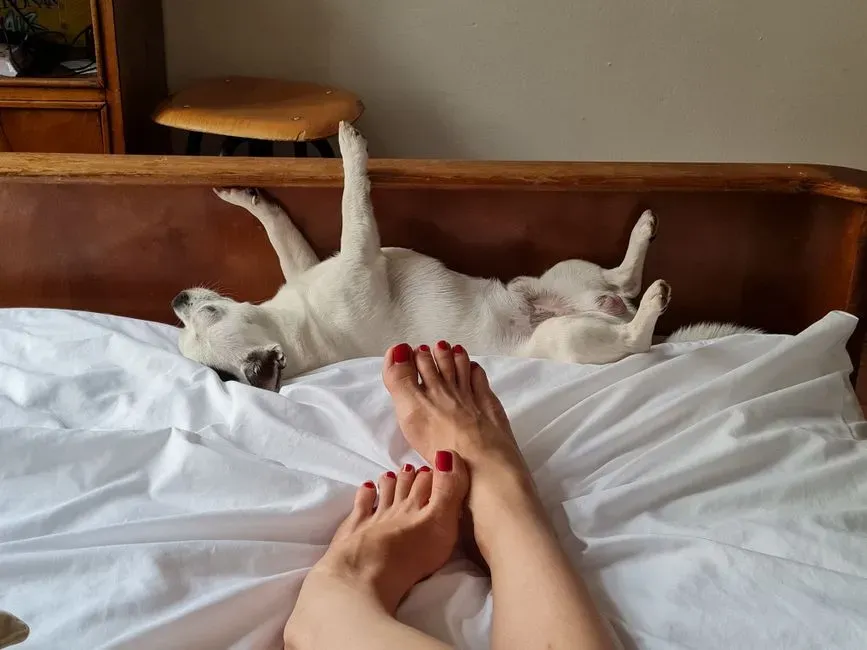
When a dog curls directly against the body it often signals deep trust and a need for closeness. That spot feels more about bonding and shared security. The foot choice leans toward a different priority.
Here the emphasis moves toward vigilance. The dog maintains contact through the bed but keeps some distance for better awareness. Both positions show affection yet highlight distinct aspects of the relationship.
What Owners Notice Over Time

People who pay attention to these patterns often see consistency across seasons. The same dog might shift spots only when the household feels unsettled. Such changes can hint at external factors the animal is picking up on.
Health or age can also influence the choice. Older dogs sometimes favor the feet for easier access or temperature reasons. Tracking these details helps owners understand their pet better without overinterpreting every move.
Strengthening the Connection Through Observation
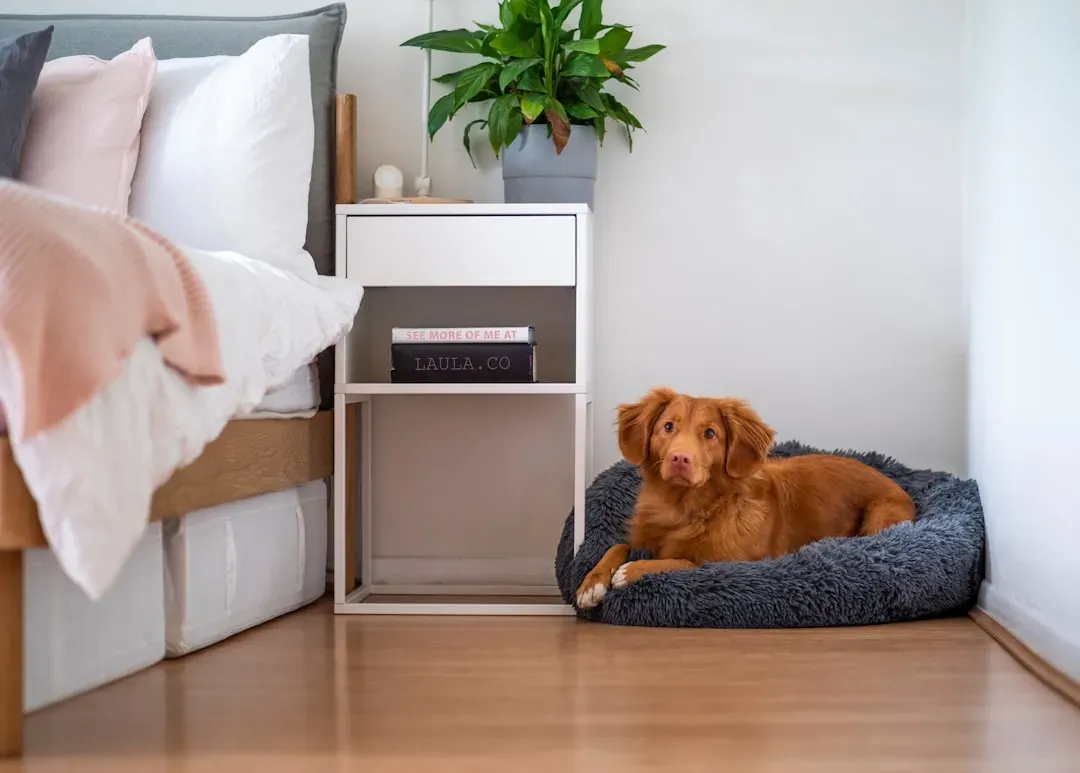
Recognizing the protective element can deepen appreciation for the dog’s presence. It turns a simple bedtime routine into a reminder of mutual care. Small adjustments like providing a comfortable blanket at the foot can support this habit.
Training and positive reinforcement further encourage calm guarding behavior. Dogs respond well when their instincts receive gentle guidance. The result is a balanced dynamic where both sides feel secure.
Valuing the Quiet Role Your Dog Plays

Ultimately this sleeping preference reveals a layer of loyalty that goes beyond cuddles. It shows a willingness to stay on watch even in rest. Many owners find comfort in knowing their pet takes the role seriously.
Embracing the behavior means accepting that dogs bring their own sense of duty to the home. The feet position becomes one more way they express care. In the end it reminds us that the bond with a dog often includes these unspoken gestures of protection.


