
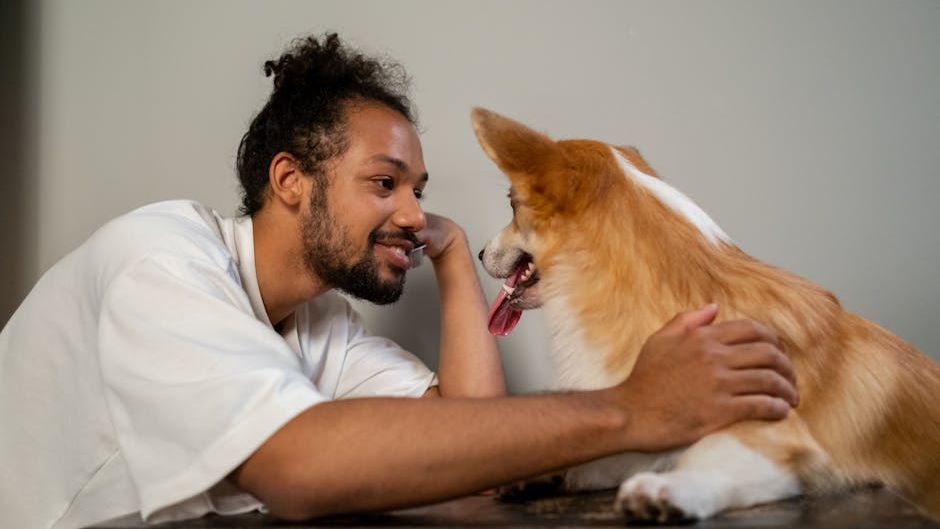
#1. The Olfactory Intelligence Behind Emotional Detection

Dogs don’t experience the world the way we do. Their primary lens is smell, and it is extraordinarily precise. They have evolved to read verbal and visual cues from their owners, and previous research has shown that with their acute sense of smell, they can even detect the odor of stress in human sweat. What that means in practice is that before your face gives anything away, before your voice changes, your body chemistry already has.
Dogs can detect hormonal shifts through sweat and breath, which is one reason your dog may react before you consciously recognize your own stress. Research has confirmed that dogs respond differently not just to stress from people they know, but even from complete strangers. There is evidence that dogs show an increase in stress-related behaviors and heart rate when exposed to odors from humans reporting fear, and show an increase in stranger-oriented behaviors and a decrease in owner-oriented behaviors when exposed to odors from happy humans. That’s a meaningful distinction. It means the detection isn’t just about knowing you. It’s about reading the chemical reality of your emotional state, whoever you are.
#2. Emotional Contagion: When Your Mood Becomes Their Mood

One of the more striking aspects of the human-dog relationship is not just that dogs sense your emotions, but that they absorb them. Dogs are known to mirror the emotions of their owners, a phenomenon known as emotional contagion. This means that a dog may become anxious if its owner is stressed or excited if its owner is happy. It’s not performance. It’s a genuine physiological response.
They mirror stress, and when owners show anxiety, dogs’ cortisol levels often rise as well. This is a remarkable parallel, and it has real implications. Cortisol patterns, reactivity thresholds, and anxiety-like behaviors in dogs frequently track in parallel with the psychological strain experienced by their owners. If you’ve been going through a difficult period and noticed your dog acting more restless, clingy, or unsettled than usual, emotional contagion is a credible explanation, backed by measurable biology. Your internal world is, in a very literal sense, becoming theirs.
#3. Reading Faces, Voices, and Body Language All at Once

What makes dogs genuinely impressive from a psychological standpoint is that their emotional detection isn’t limited to a single channel. Dogs have the ability to integrate two different sources of sensory information into a coherent perception of emotion in both humans and dogs. Smell, sound, facial expression, posture. They’re processing all of it simultaneously, which gives them a remarkably complete picture of your internal state.
Dogs can recognize emotions in humans by combining information from different senses, an ability that has never previously been observed outside of humans. Researchers have shown that dogs must form abstract mental representations of positive and negative emotional states, and are not simply displaying learned behaviors when responding to the expressions of people and other dogs. That last point matters enormously. It means dogs aren’t just reacting reflexively to a frown or a tense voice. They’re building a representation of your emotional reality, an internal model, and responding to that. Dogs show stronger responses when viewing their owner’s face compared to strangers, suggesting emotional attachment deepens recognition accuracy.
#4. The Attachment Bond and What Distance Actually Does to Dogs
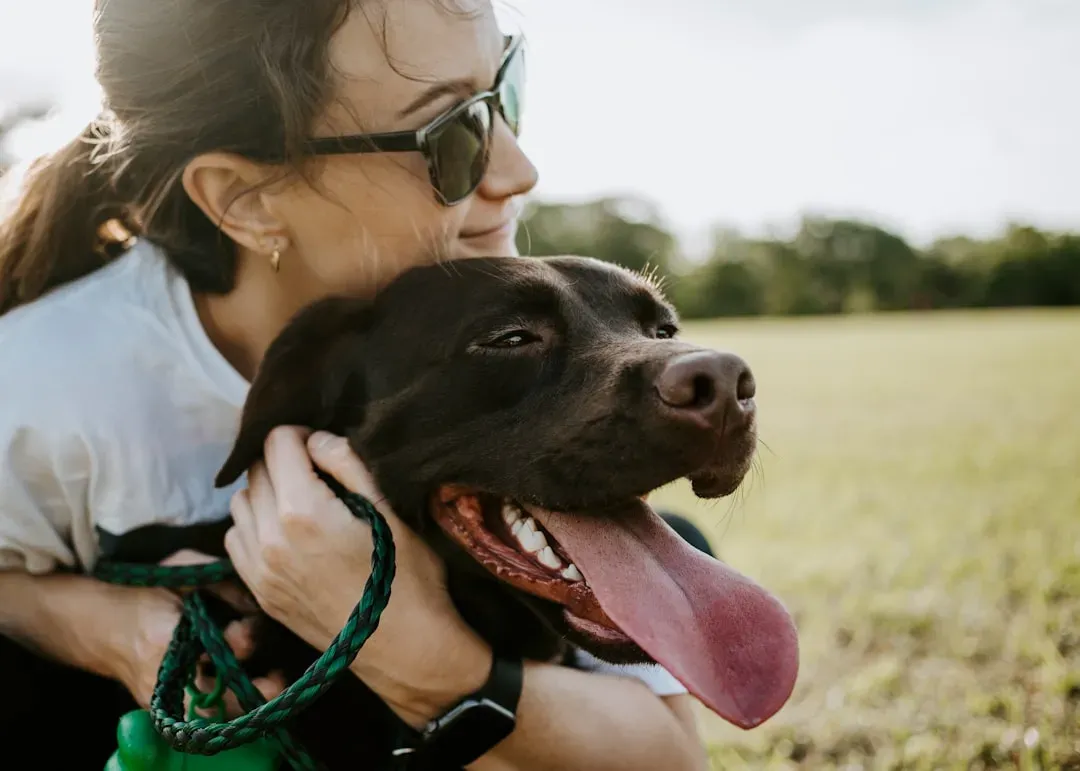
Psychology has long used attachment theory to explain how humans bond with caregivers, and researchers now apply the same framework to dogs. The theory of the human-dog bond, called attachment theory in proper psychological terms, is based on human studies in which it has been shown that infants have a strong need to be near their caregiver, also called the attachment figure. Attachment theory explains the dog’s attachment to the owner and gives some insight into how dogs become attached. Dogs show the same proximity-seeking, distress signals when separated, and comfort-seeking behaviors that define human infant attachment. They’re not just pets in the conventional sense. They’re genuinely attached beings.
When emotional distance enters a relationship, even subtle distance, it registers. The dog-owner relationship is reflected in the dog’s emotional reactions, and a close emotional bond with the owner appears to decrease the arousal of dogs. Read that in reverse and the implication is clear: when emotional closeness diminishes, a dog’s sense of security diminishes with it. Dogs gazed and jumped less at owners when they were sad, and their compliance with the ‘sit’ command was also diminished. Behavioral changes in your dog aren’t random. They’re often a direct response to what’s happening emotionally inside you, even when you haven’t acknowledged it yourself.
#5. What Your Dog’s Behavior Is Actually Trying to Tell You
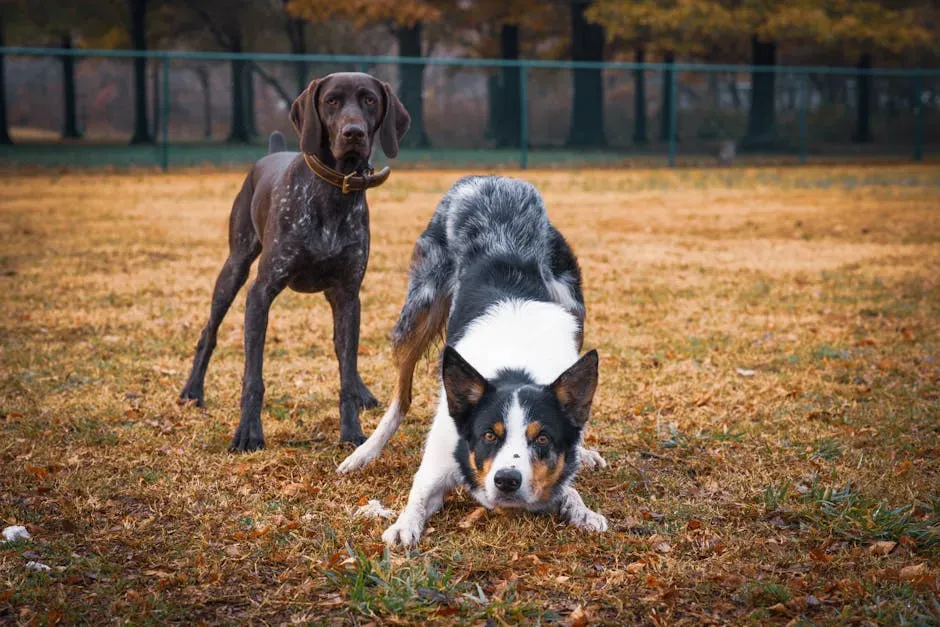
Dogs don’t have the language to say “you seem different lately” or “I’m worried about you,” so they communicate through behavior. One of the most potent tools in a dog’s communicative arsenal is body language. Dogs use their tails, ears, and facial expressions to convey empathy and understanding. A dog may wag its tail gently when sensing their owner’s happiness or excitement. In contrast, flattened ears and a lowered head may indicate a dog perceiving sadness or discomfort in their human companion.
Dogs are known for their attunement to human emotions. They can sense when their owners are sad or anxious and often respond with comforting behaviors such as physical proximity, licking, or nuzzling. These behaviors aren’t random affection. They’re targeted responses to what the dog has detected. A well-known experiment showed that dogs were more likely to approach a crying person than someone humming or speaking normally, even if the crying individual was a stranger. The instinct to move toward emotional pain, even in someone unknown to them, speaks to something deeply wired in dogs. When your dog leans on you in quiet moments, or follows you from room to room for no obvious reason, pay attention. They may be reading something in you that you haven’t yet had the honesty or the space to fully feel.
Final Thoughts

The idea that our dogs know us better than we sometimes know ourselves sounds sentimental until you look at the evidence. Decades of behavioral research now show that dogs integrate chemical, visual, auditory, and postural information into a nuanced, real-time picture of their owner’s emotional state. The ability to perceive and recognize human emotions may have developed in dogs over the long co-evolution process between dogs and humans, as it has been adaptive to perceive negative or positive emotions in humans and respond by either avoiding or approaching them.
That evolutionary history is worth sitting with. Humans and dogs have been close companions for perhaps 30,000 years, according to anthropological and DNA evidence, so it would make sense that dogs would be uniquely qualified to interpret human emotion. Thirty thousand years is a long time to learn someone. The honest conclusion is this: if you want an early warning system for your own emotional state, you may already have one. It probably sleeps at the foot of your bed, and it figured you out long before you did.


