
The Hidden Psychology Behind Why Dogs Follow You To The Bathroom
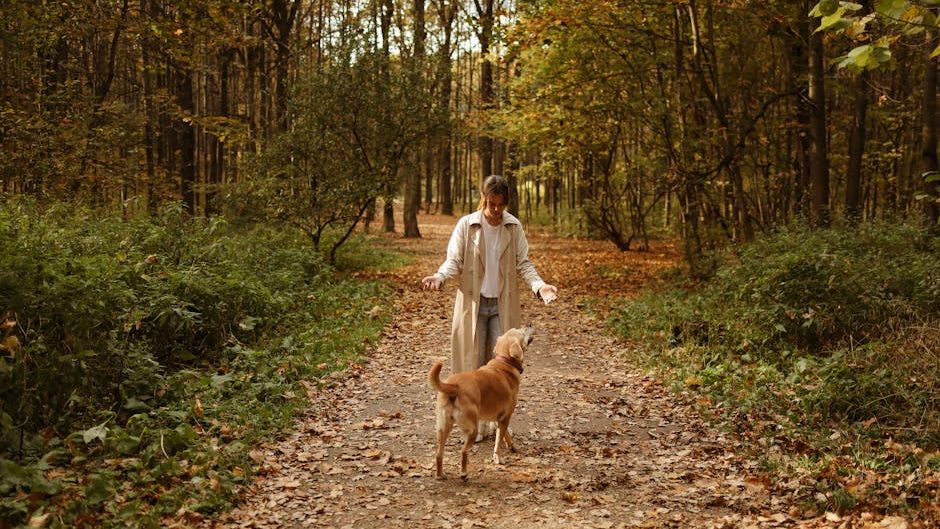
You shut the bathroom door for a moment of privacy, yet a soft whine or the sound of paws padding closer often follows right behind. Many dog owners notice this pattern day after day, and it raises quiet questions about what really motivates the behavior. The reasons run deeper than simple habit and touch on instincts, emotions, and the unique bond people share with their pets.
Instincts Rooted in Their Wild Ancestry
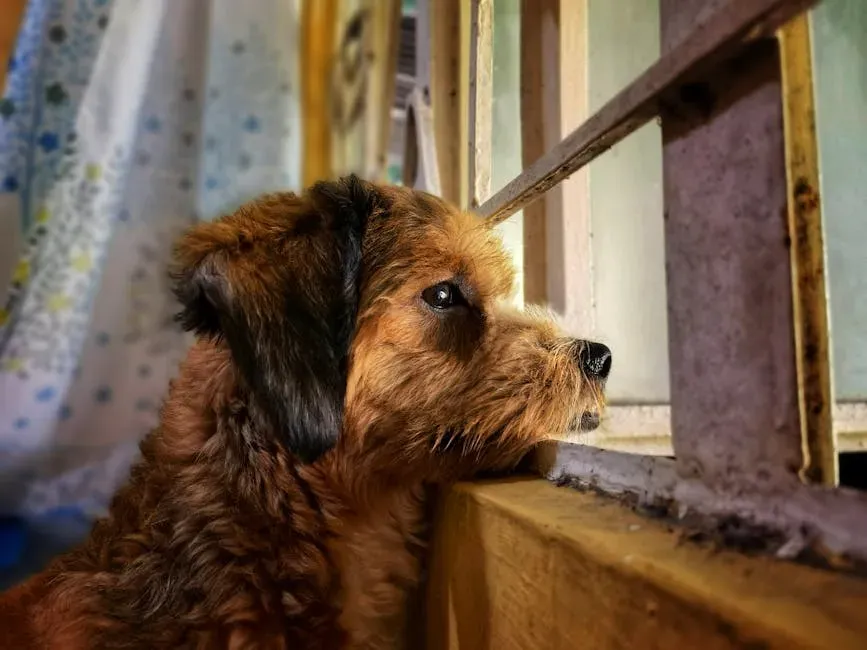
Dogs descend from wolves that lived in tight social groups where staying close to the pack meant survival. In those early days, leaving a member alone could signal danger, so the urge to follow remains strong even in modern homes. This ancient drive shows up in everyday moments like bathroom visits when your dog treats the separation as something worth monitoring.
Modern research on canine behavior links this pattern to inherited tendencies rather than random quirks. Your pet may not face real threats indoors, yet the instinct persists because it once helped the group stay safe. Over time these responses became part of what makes dogs such loyal companions in human households.
The Role of Separation Anxiety
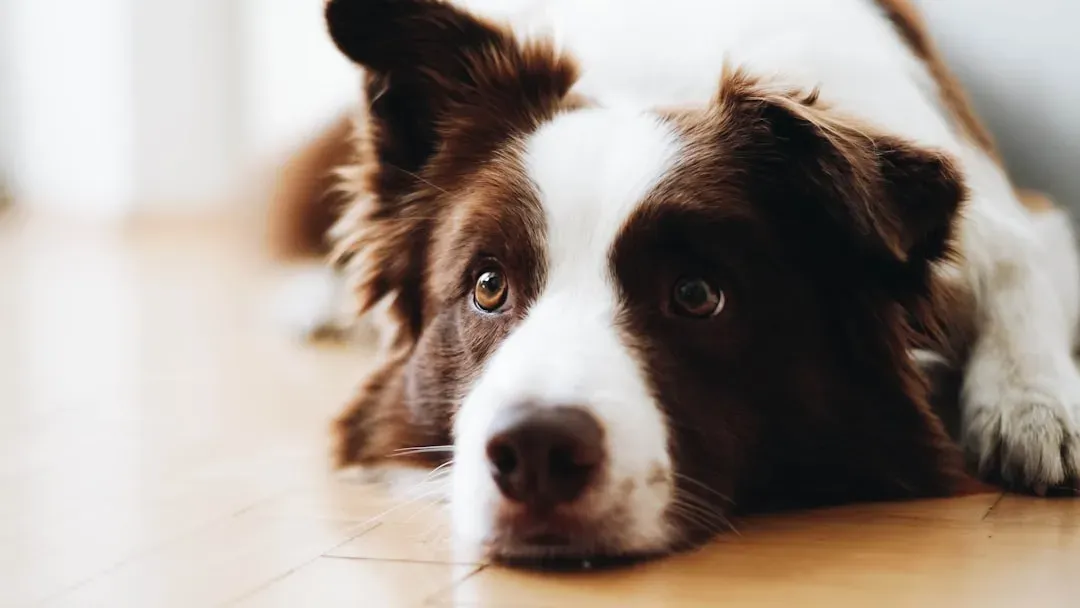
Some dogs experience mild unease when their owner steps out of sight, even for short periods. The bathroom represents another room where visual contact breaks, triggering a quick check in response. This reaction often appears more pronounced in breeds or individuals already sensitive to changes in routine.
Owners sometimes notice the behavior intensifies during stressful times for the dog, such as after a move or when new people enter the home. Addressing the underlying comfort level through gradual alone time training can ease the impulse without changing the core attachment. The anxiety remains a normal variation rather than a problem in most cases.
Simple Curiosity About Your Routines
Dogs watch their people closely and learn that certain actions happen behind closed doors. The bathroom routine becomes another interesting sequence worth observing up close. Your pet may simply want to see what happens next or confirm nothing unusual is occurring.
This curiosity stems from their natural problem solving skills and desire to stay informed about household activities. Over repeated exposures the pattern solidifies because each visit reinforces the idea that following leads to familiar outcomes. It turns an ordinary errand into a shared moment without any deeper motive required.
A Desire for Constant Companionship
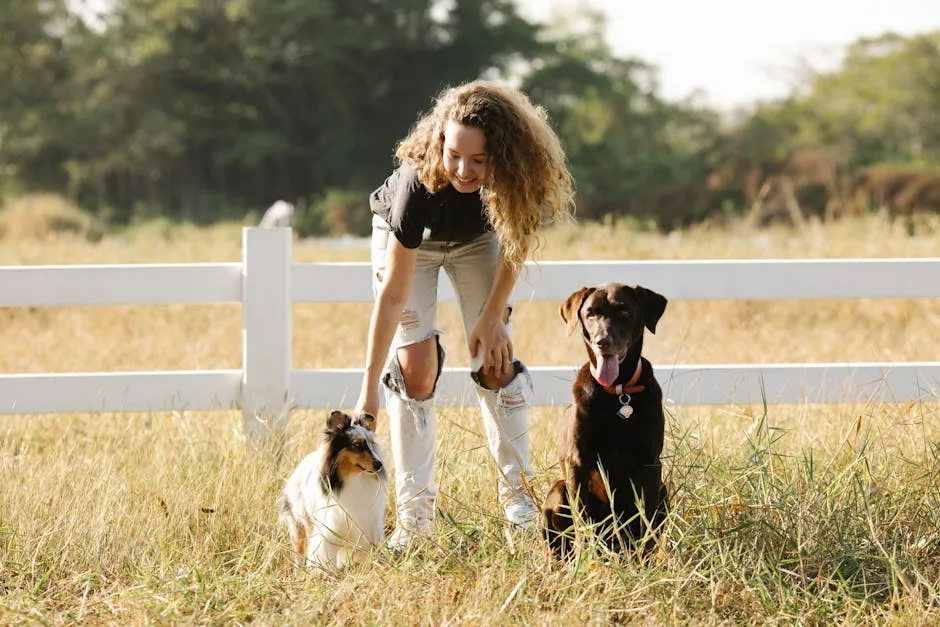
Many dogs view their owners as their primary social partner and prefer to remain nearby throughout the day. The bathroom offers a brief window where that connection might pause, so they choose to bridge the gap. This preference reflects how dogs have adapted to human schedules and living spaces over thousands of years.
Breeds selected for companionship roles often display this trait more consistently than working lines. The behavior strengthens the daily rhythm of life together and provides the dog with reassurance through proximity. It becomes one small way the relationship stays steady amid ordinary activities.
Protection and Vigilance in Action
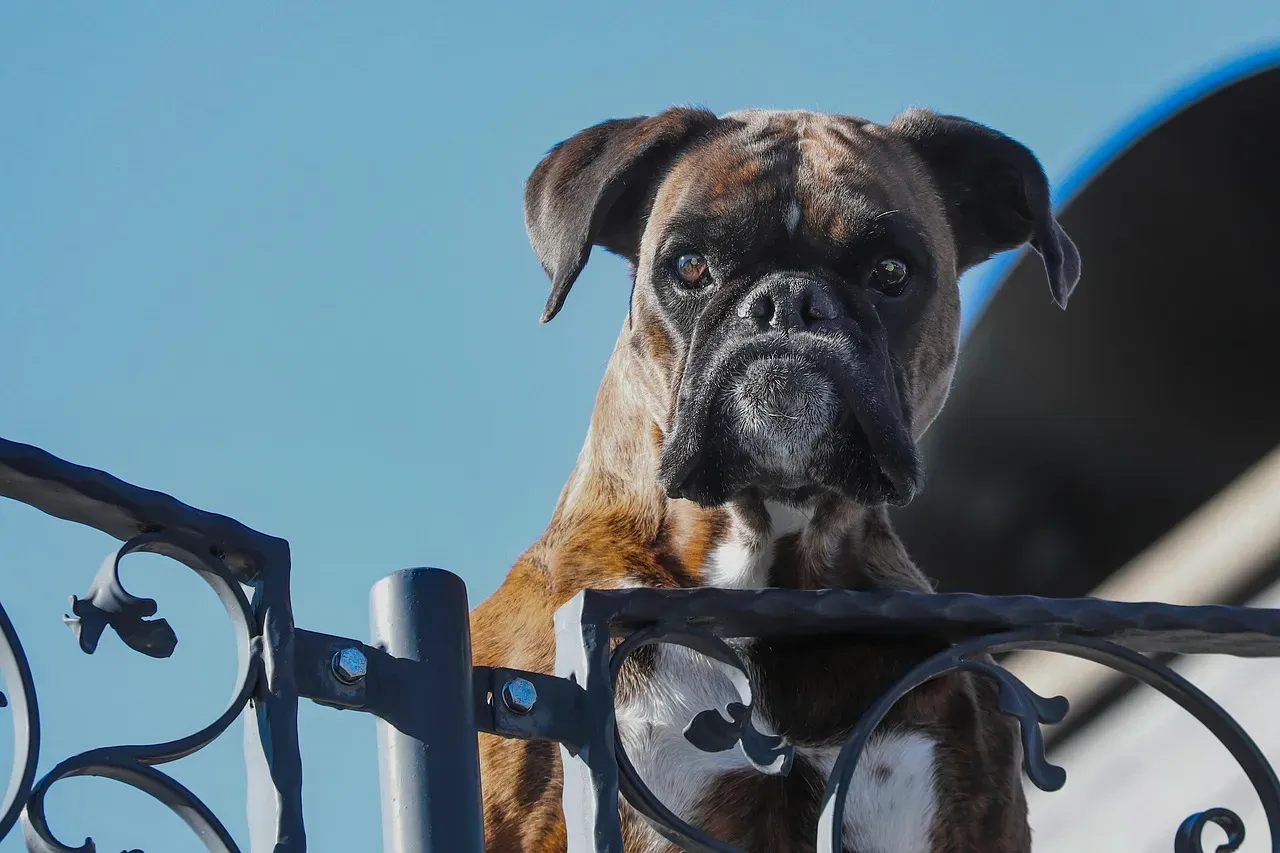
Some dogs position themselves near the bathroom as a quiet form of guarding. They monitor sounds and movements from the other side of the door, ready to alert if anything seems off. This vigilance draws from their historical role as household protectors who stayed alert to potential issues.
The action rarely involves actual threats yet satisfies an internal need to keep the family unit secure. Owners often report the dog relaxes once the door opens and normal activity resumes. It serves as a low key expression of care rather than an overreaction in most homes.
How Daily Routines Reinforce the Habit
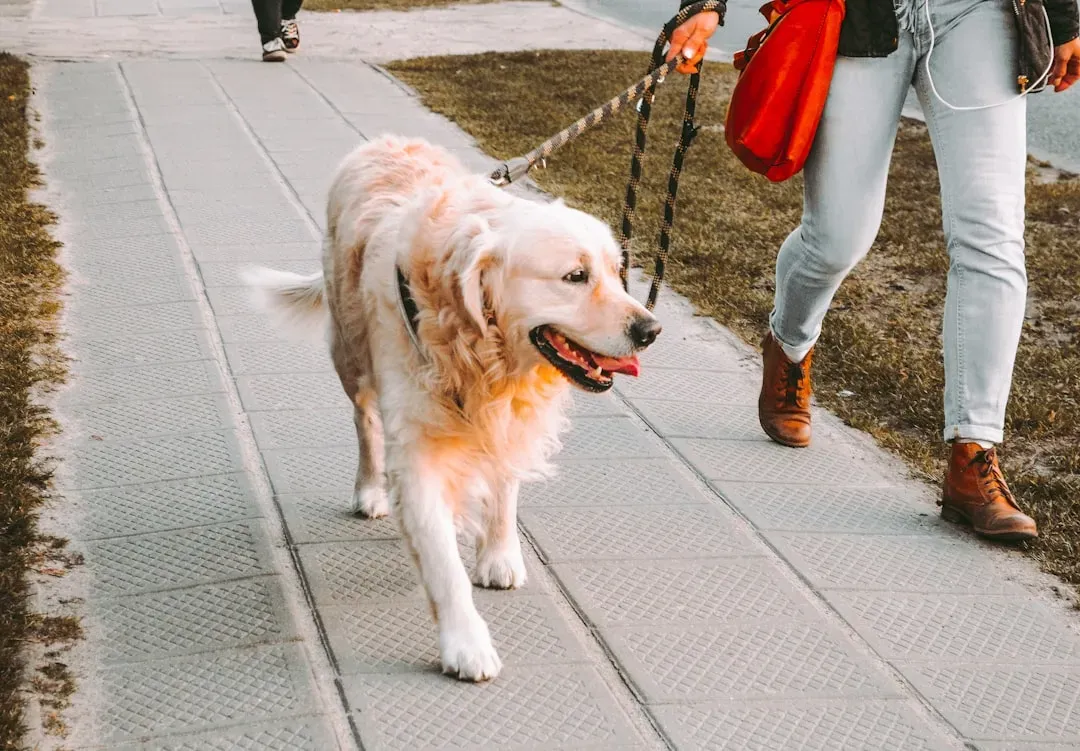
Repeated bathroom trips create a predictable cue that your dog learns to anticipate. Each time the behavior receives attention or simply goes unchallenged, it gains strength through simple repetition. The pattern fits neatly into the larger flow of meals, walks, and rest periods that structure a dog’s day.
Changes in schedule, such as working from home more often, can make the following even more noticeable. Dogs thrive on consistency, so small adjustments in how the household moves through spaces influence these habits over weeks and months. The routine itself becomes part of what feels normal and comforting.
Embracing This Everyday Bond
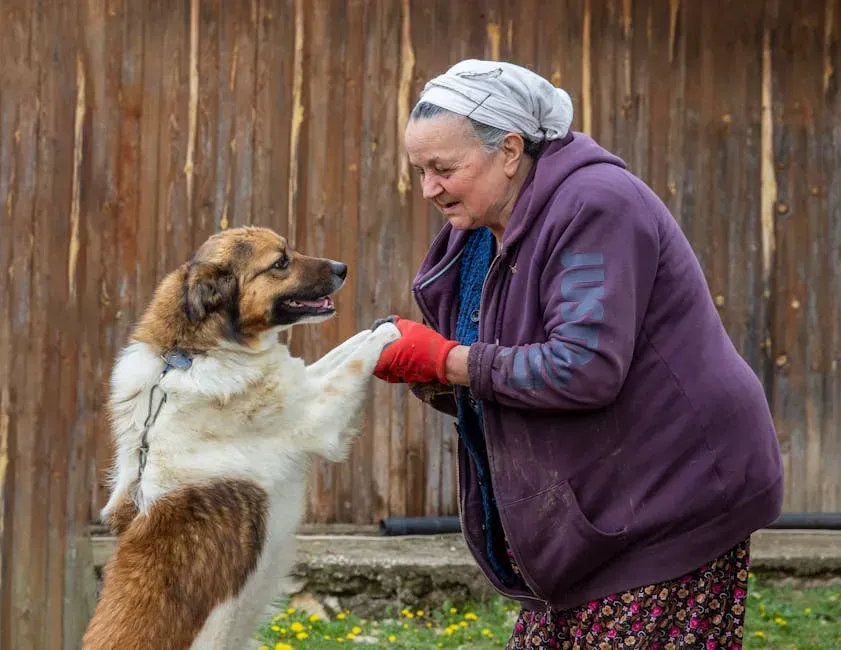
Recognizing the mix of instinct, emotion, and habit behind the behavior helps owners appreciate their dog’s perspective without overthinking it. The habit rarely signals a serious issue and instead highlights how deeply dogs integrate into human lives. Small accommodations like leaving the door slightly ajar can ease tension for both sides when needed.
Ultimately the tendency reveals a quiet loyalty that makes daily life richer. It reminds people that their pets experience the world through connection and presence rather than privacy. Accepting this quirk strengthens the relationship in ways that last far beyond any single closed door.