
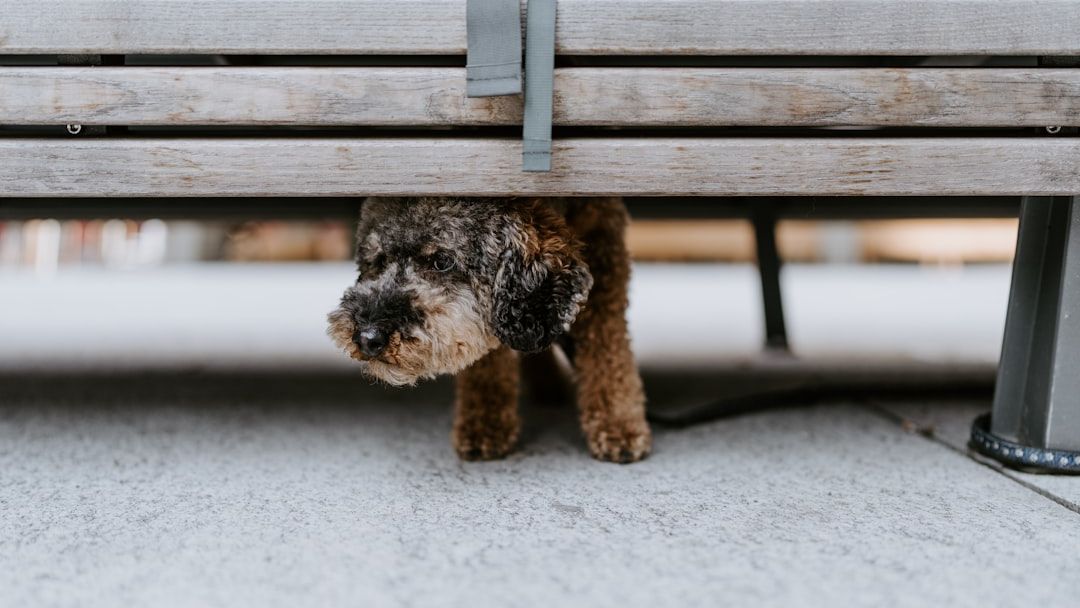
The Sudden Halt at the Parking Lot
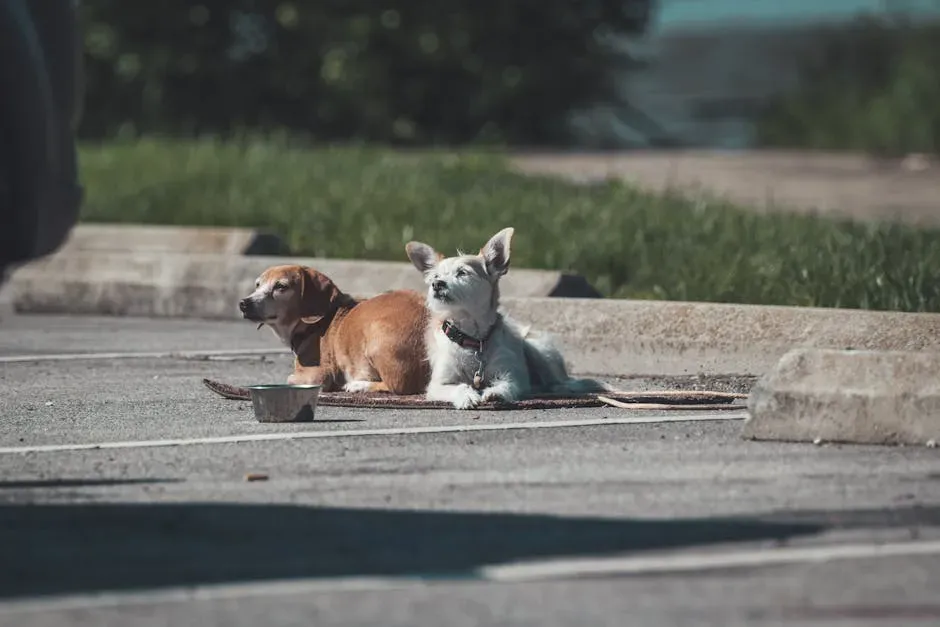
One of the most immediately recognizable signs happens before your dog ever sets foot inside the clinic. Dogs often realize they’re going to the veterinarian somewhere between the parking lot and the front door of the hospital. That confident trot you’ve grown used to on walks suddenly evaporates, replaced by four paws planted firmly on the pavement.
Your dog might shake, pull away, or try to hide as soon as you reach the clinic door. It’s a full-body protest delivered without a single word. The association is so strong in many dogs that the mere sight of the building is enough to trigger it – some owners report their dogs beginning to resist even before getting out of the car.
The Classic Hiding Attempt
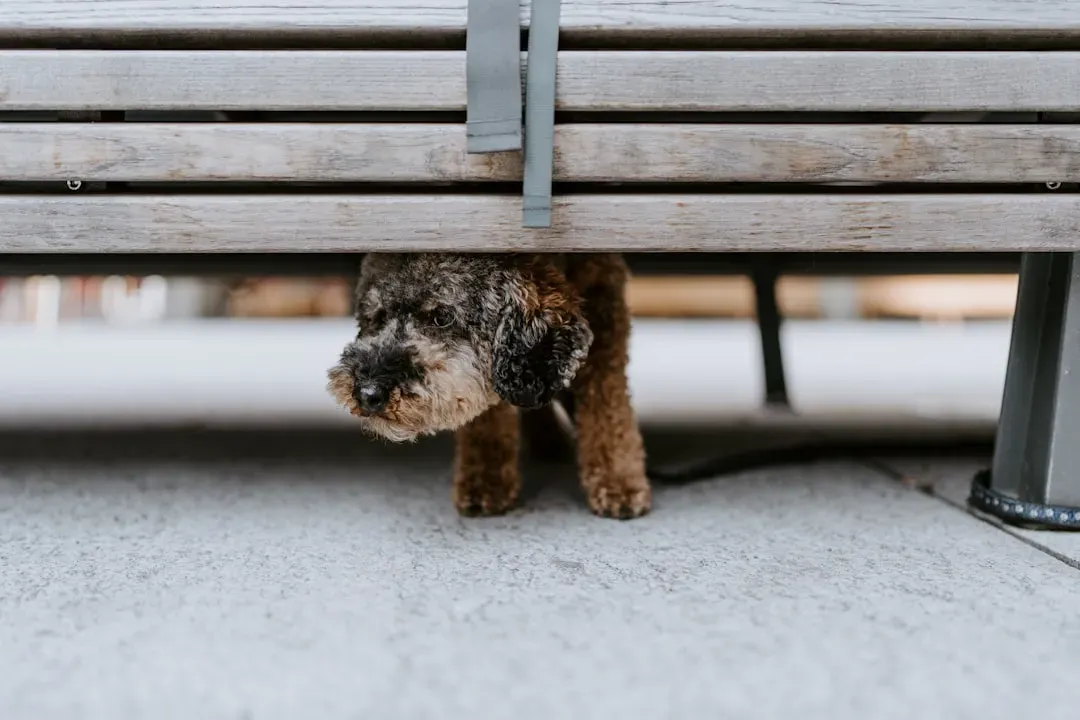
Some dogs hide when they hear car keys. Others wait until the situation becomes undeniable – the carrier comes out, the familiar route is taken – and then make a beeline for the space behind the sofa or under the bed. It’s as deliberate as it is endearing, a genuine attempt to become invisible through sheer willpower.
Shaking, whining, hiding, or even aggression are common signs of vet anxiety in dogs, and while these behaviors are natural responses to stress, they can make routine checkups and important treatments more difficult. The hiding instinct in particular reflects something deeply canine: when danger feels imminent, disappearing is a legitimate strategy. Your dog isn’t being dramatic. They’re doing exactly what their instincts tell them to do.
The Trembling That Won’t Stop
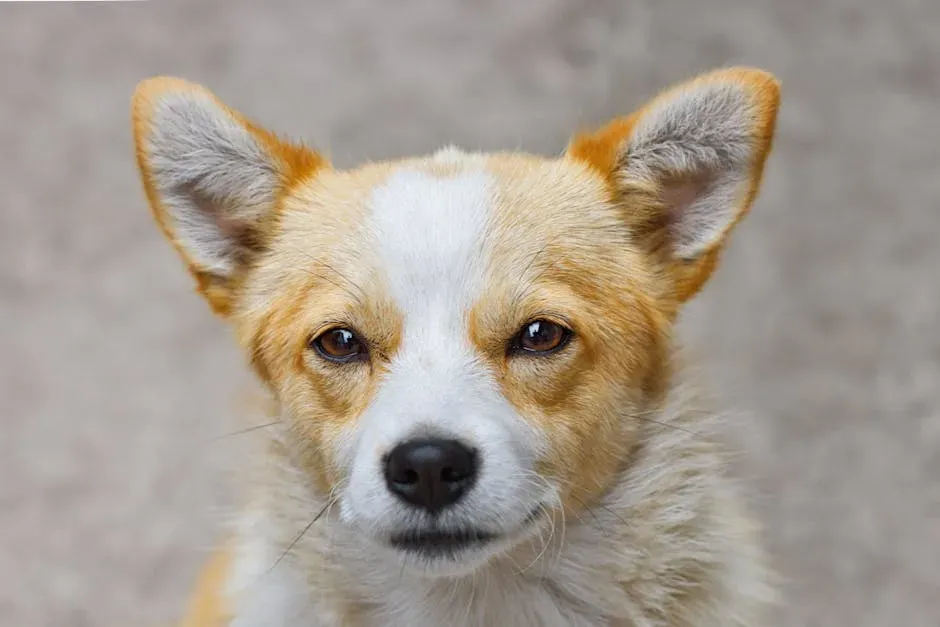
Shaking is one of the clearest signs of stress in pets. Dogs may tremble in the waiting room. What makes this reaction especially hard to watch is that it can begin long before any examination takes place – sometimes as early as the car ride, sometimes the moment the waiting room door opens.
Dogs shake after a bath or a roll in the grass, and that whole-body shake is quite normal – unless it occurs as the result of a stressful situation. The “shake off” that dogs often do after they descend from the veterinarian’s exam table is likely triggered by stress. It’s the body trying to physically discharge the emotional weight of the experience. Watching a dog tremble in your arms while waiting to be called in is genuinely one of the harder parts of being a pet owner.
Excessive Panting When There’s No Reason to Pant
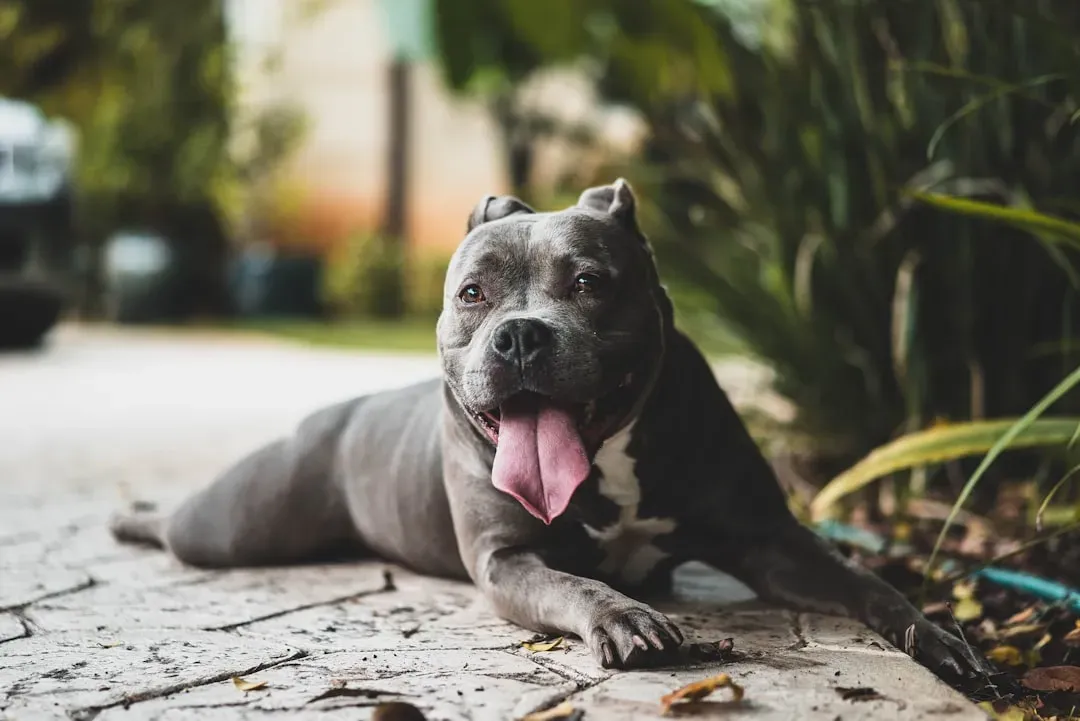
Dogs pant when hot, excited, or stressed. If your dog is panting even though they have not exercised, they may be experiencing stress. This kind of anxious panting is physiologically real. The dog’s body is responding to stress hormones the same way it would to physical exertion. The breath quickens, the tongue comes out, and suddenly your dog looks like they’ve just finished a sprint – all while sitting perfectly still on a tile floor.
Stress panting typically occurs in specific contexts – at the vet, during thunderstorms, when left alone, or in unfamiliar environments – rather than being constant. Once you know what to look for, it becomes unmistakably different from regular panting. The eyes have a slightly wide quality, the body is tense rather than relaxed, and no amount of water seems to slow it down. It’s the canine equivalent of a racing heart.
The Look of Pure Betrayal
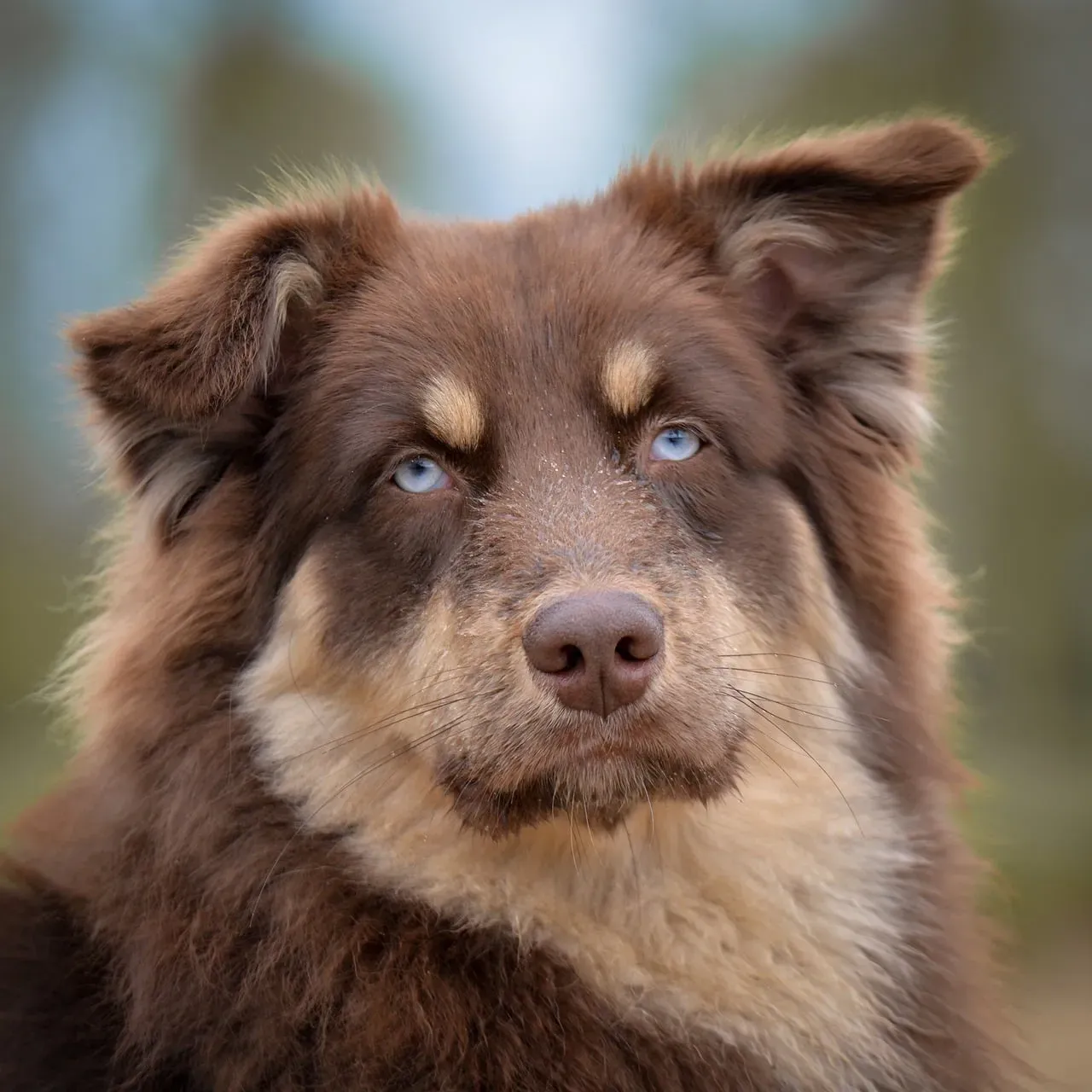
Ask any dog owner and they’ll tell you about the eyes. There’s a specific expression dogs make in vet waiting rooms that is difficult to describe but instantly recognizable – a searching, almost reproachful gaze directed at their owner. Dogs often exhibit fear toward veterinary clinics due to a combination of environmental stressors, prior negative experiences, and the influence of owner behavior and training. The betrayal look, as so many owners call it, is the moment your dog realizes you knew exactly where you were taking them.
For a dog who has had even one overwhelming experience in that environment, every return visit activates the memory of the previous bad one. That look isn’t manipulation. It’s a real emotional response tied to memory and association. Even gentle handling can stress a dog that doesn’t trust it. If pain or fear happened at the clinic, your dog may link the building, staff, or exam room with danger. The eyes simply say what they can’t speak aloud.
Whining, Barking, and Vocalization Spirals
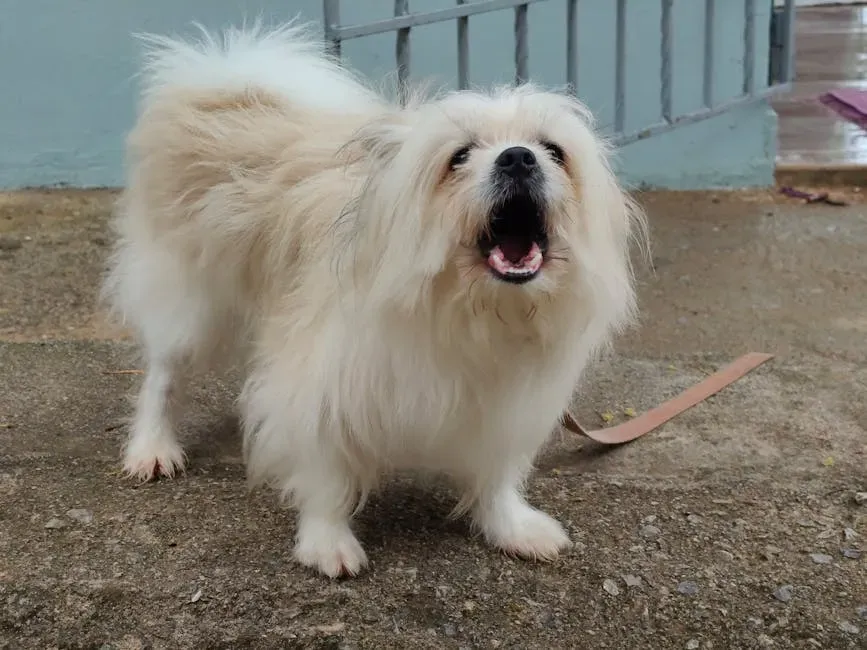
Vocalization is normal self-expression in dogs but may be intensified when they are under stress. Dogs that are afraid or tense may whine or bark to get your attention, or to self-soothe. Some dogs go very quiet – that eerie, withdrawn silence that feels worse somehow than crying. Others do the opposite and narrate the entire experience at full volume from the backseat all the way to the exam room.
Anxious pets often express distress through unusual sounds. Whining, barking, growling, or yowling may increase during travel or examinations. Some animals react differently and become unusually silent. Silence can indicate fear instead of relaxation. Both responses are genuine. The vocal dog is seeking reassurance. The quiet dog has gone inward, processing the stress privately. Neither is better or worse – they’re just different ways of saying the same thing.
Full-Body Shutdown on the Exam Table

The veterinary clinic is a perfect storm of anxiety triggers. It combines unfamiliar smells, unfamiliar sounds, loss of control through being placed on a slippery table and restrained by strangers, and pain from vaccinations, blood draws, and examinations of sore areas. When all of these things converge, some dogs simply stop. They freeze. The energy drains from their body and they go into a kind of resigned stillness that looks heartbreakingly like surrender.
Freezing behavior is a stress response where dogs become very still, often before deciding whether to flee or, in extreme cases, fight. The dog suddenly stops moving, becoming statue-like. Their muscles tense, and they may hold their breath momentarily. This is often a fear response – the dog is assessing a threat and deciding how to respond. It’s one of the most misread reactions because it can easily be mistaken for calm. It isn’t calm. It’s a dog holding everything together by a very thin thread.
Fear-Based Growling and Snapping
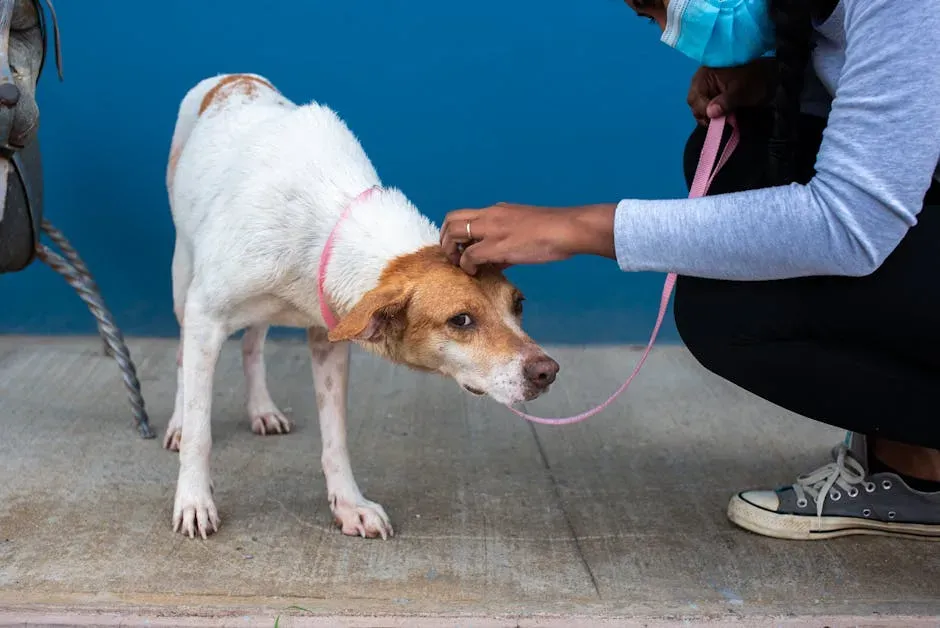
This is the reaction that tends to shock owners the most, particularly when it comes from a dog who is otherwise gentle and sweet. Aggressive behaviors toward strangers in a veterinary situation should not be mislabeled dominance or status-related aggression. Most dogs that are aggressive at the veterinary office are exhibiting fear-related aggression. There’s an important distinction here that too often gets missed in the moment.
Aggression usually comes from fear, not defiance. A scared dog might growl, snap, or bite to make space. This response gets stronger when restraint or pain enters the picture. That stress can be compounded by physical discomfort from previous procedures. Certain clinical procedures and tools, including muzzles or restraint techniques, may heighten anxiety and provoke defensive behaviors. When a dog snaps at a vet, they aren’t being bad. They’re saying, in the only language they have left, that they’ve run out of other options.
What All of This Really Tells Us
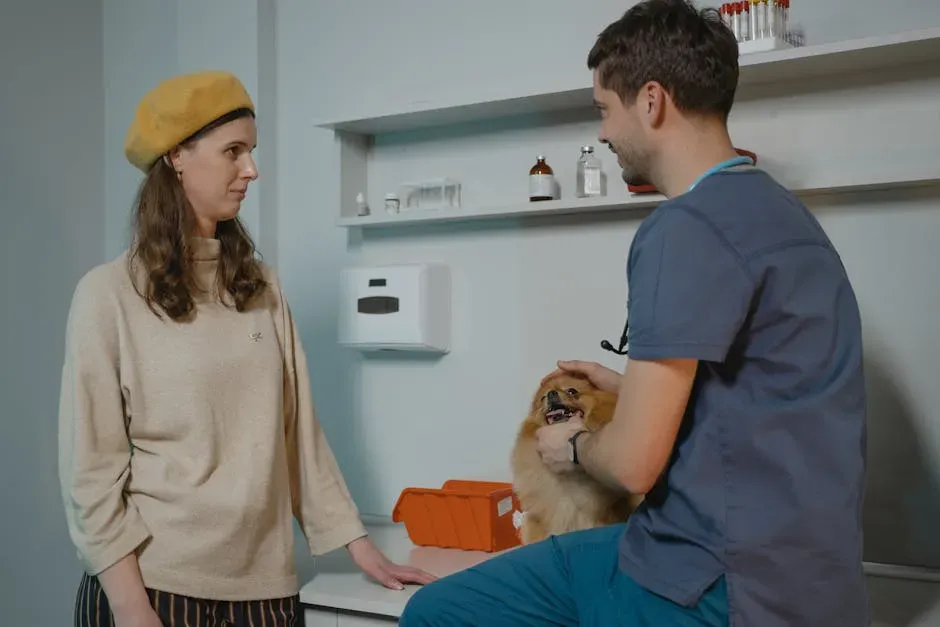
Every one of these reactions – the planted paws, the trembling, the whale eyes, the growl – is a form of communication. Your dog is not being dramatic. The trembling in the waiting room, the resistance on the exam table, and the panic when a stranger in a lab coat reaches for them are all real stress responses rooted in real experiences. Recognizing that is the first step to making things better.
Dogs may pick up on their owner’s emotional state as well. The emotional state of the owner can inadvertently influence the dog’s anxiety – owners who are nervous or stressed about their pet’s health may transmit these emotions, thereby heightening the dog’s own fear response. This means you are part of the equation in a very real way. Your calm matters.
In the end, these eight reactions aren’t just behaviors to manage or explain away. They’re proof of how deeply your dog trusts you, even in the moments they’re terrified. They get in the car. They walk through the door. They let the stranger in the coat touch them. Reluctantly, tearfully, with all four paws dragging – but they go, because you’re there. That kind of trust deserves every bit of patience and compassion you can give them in return.


