
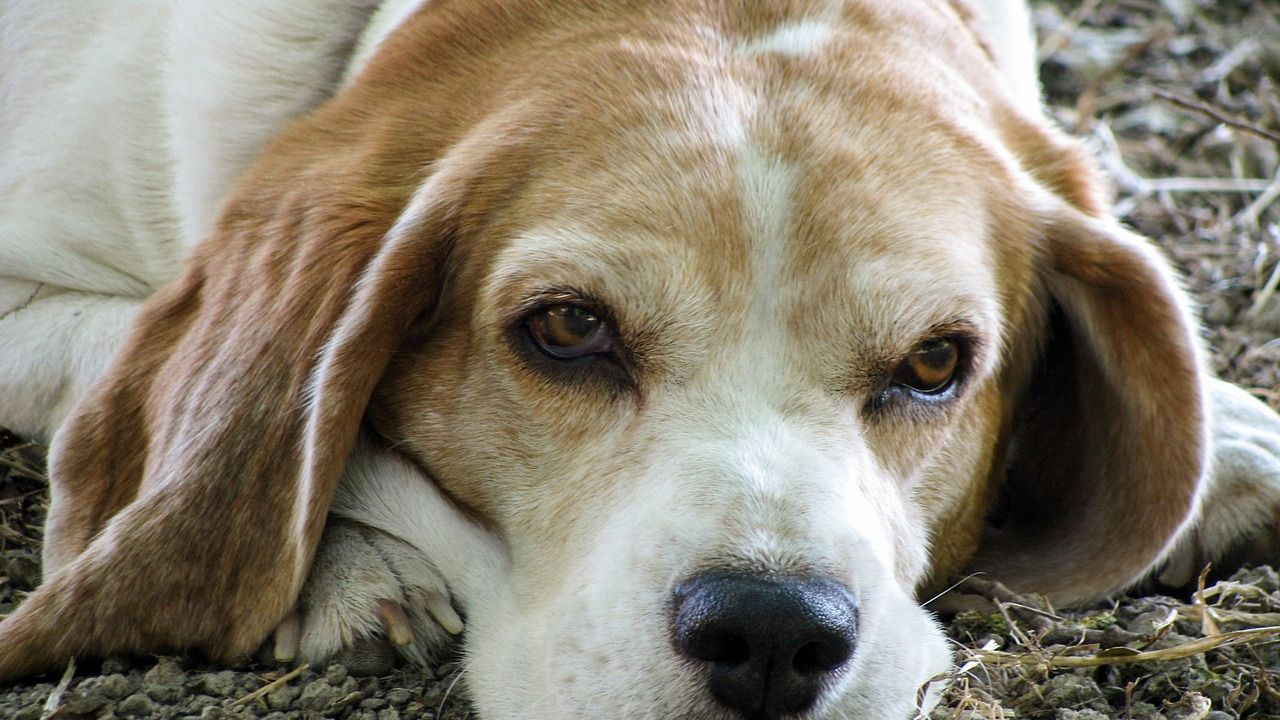
The Deep Rooted Instinct for Safety
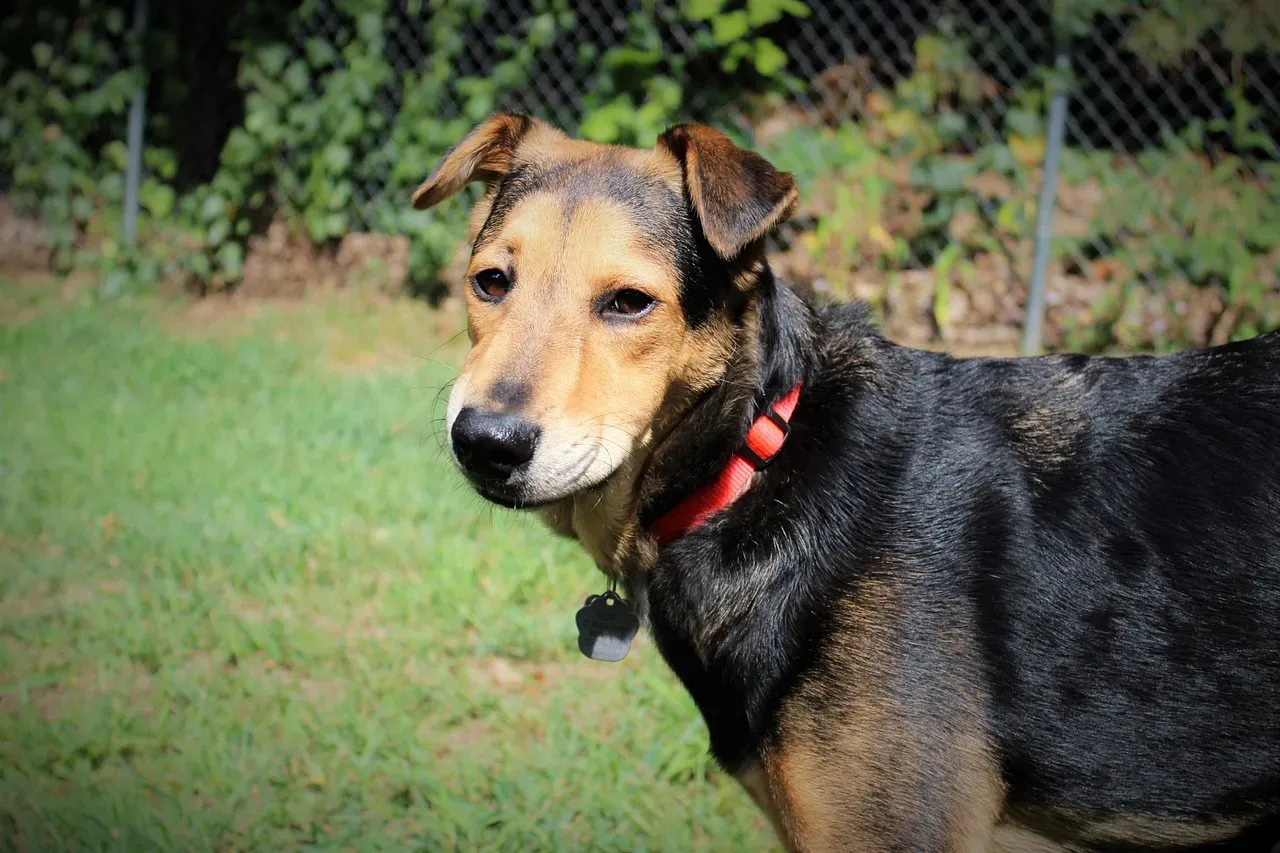
Dogs carry instincts shaped by thousands of years of living alongside humans and, before that, in wild packs. When illness strikes hard, that ancient wiring pushes them toward places where they feel less exposed. A secluded spot offers a sense of control in a body that no longer feels reliable.
This choice is not about rejecting their people. It reflects a built in preference for security when strength fades. Owners who watch closely often notice the dog testing different areas before settling on one that feels right. The pattern repeats across breeds and sizes, suggesting something fundamental rather than learned.
How Illness Changes a Dog’s Priorities

As energy drops, everyday activities like greeting visitors or chasing toys lose their appeal. The dog begins to conserve what little remains for basic comfort. Seeking solitude becomes part of that conservation effort, reducing the need to interact or defend space.
Pain or weakness can make even familiar rooms feel overwhelming. A quiet corner under a bed or behind furniture provides fewer distractions and less chance of accidental bumps. This shift happens gradually for some dogs and suddenly for others, depending on the underlying condition.
The Role of Pack Dynamics in Domestic Life
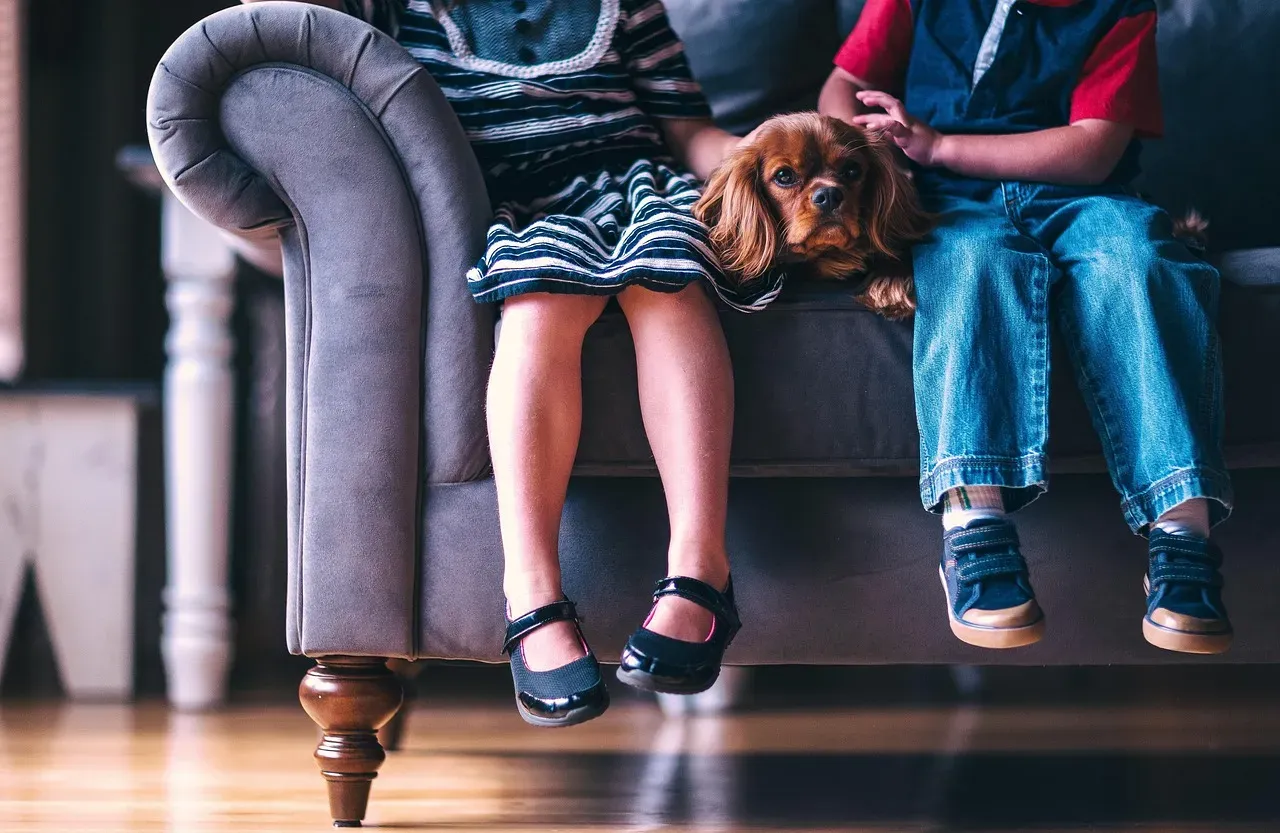
Even in a household of two or three, dogs retain a sense of group living. In the wild, a sick member could draw predators to the rest of the pack. Retreating alone reduces that risk for the group as a whole.
Modern dogs apply the same logic to their human family. They may move to another room or outside area to avoid burdening the people they care about. The behavior protects the bond rather than ending it.
Signs That Point to This Natural Withdrawal
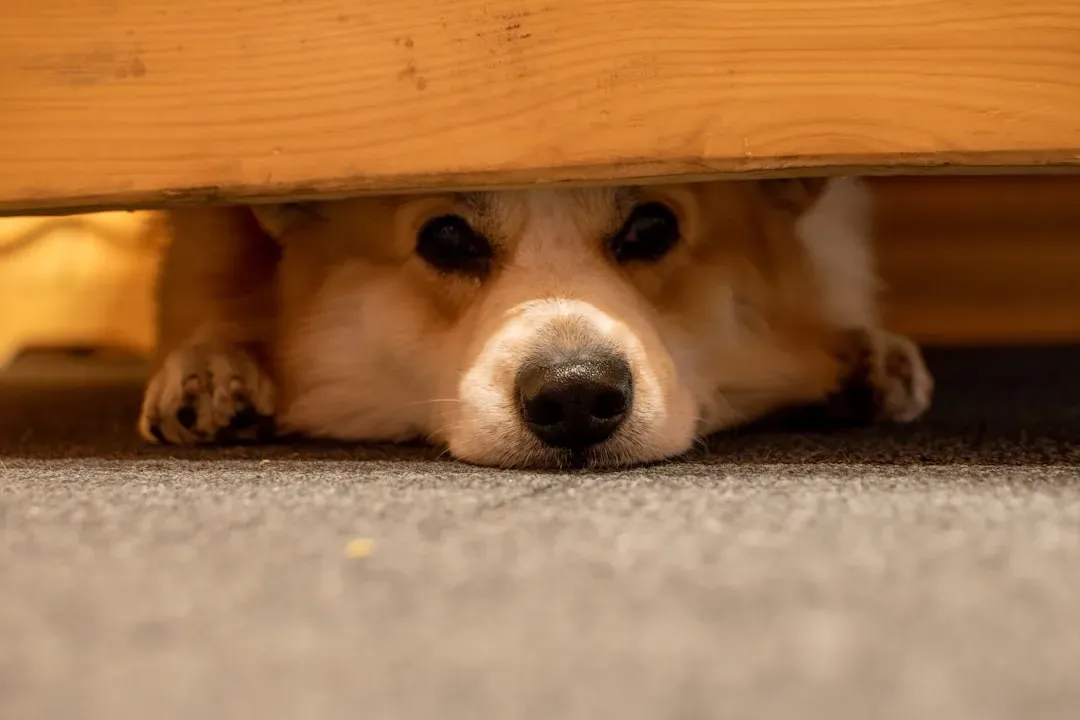
Owners notice reduced interest in food and water paired with longer periods of rest in one spot. The dog may stop following family members from room to room. Breathing changes or a general slowing down often accompany the move to seclusion.
Some dogs still accept gentle touch when approached, while others prefer minimal contact. The key is consistency in the chosen location over several hours or days. These signals help distinguish normal hiding from the deeper instinct at work.
What Science Observes About End of Life Behavior
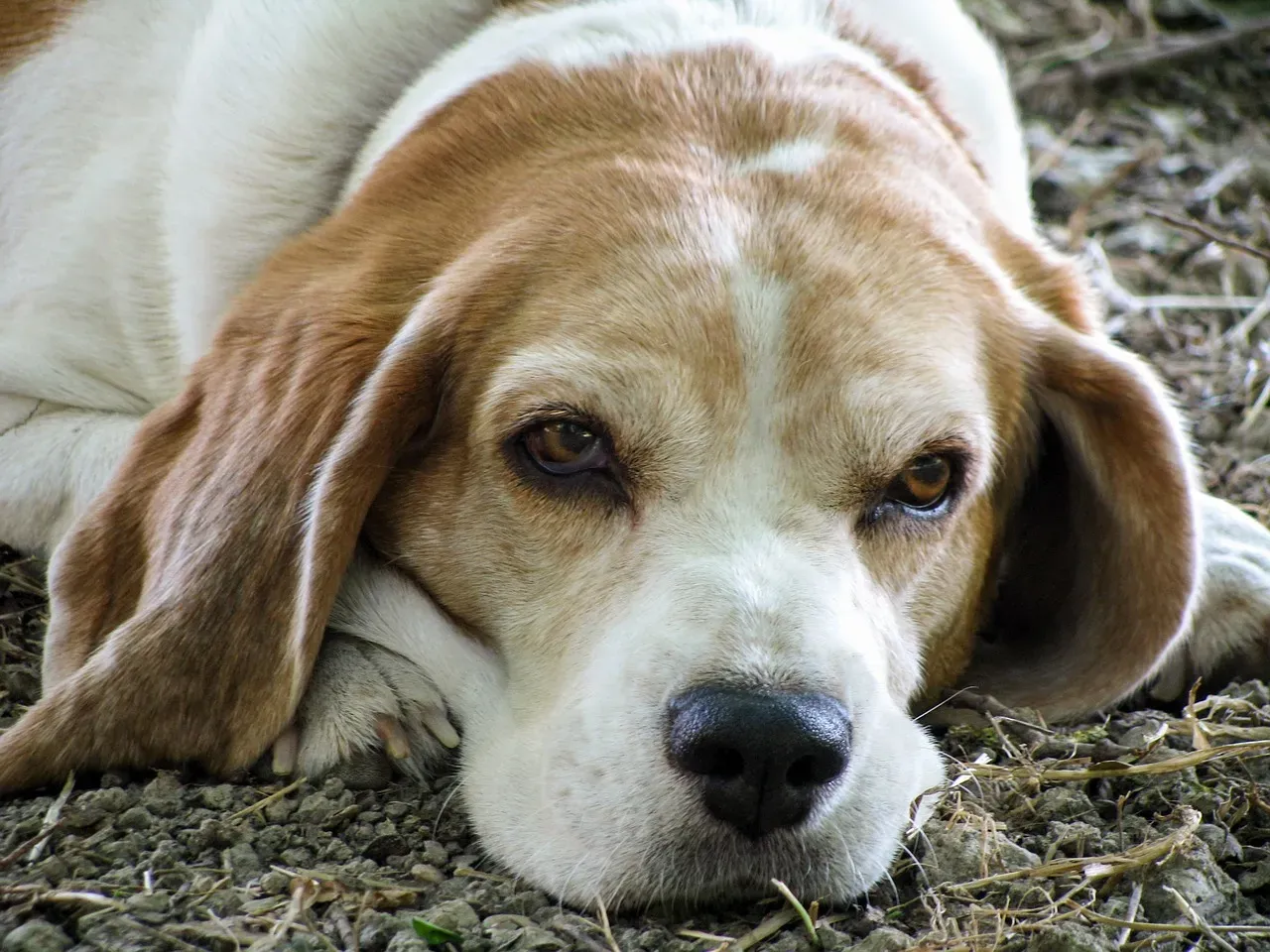
Veterinary observations show that many animals, not just dogs, seek quiet places when their systems begin to shut down. The pattern appears across species that once lived in groups. It serves as a protective measure rather than a conscious decision about mortality.
Researchers note that the drive likely stems from avoiding detection by threats. In a home setting, the same impulse leads the dog to the least trafficked area. This holds true whether the dog has a long illness or a sudden decline.
How Owners Can Offer Quiet Support
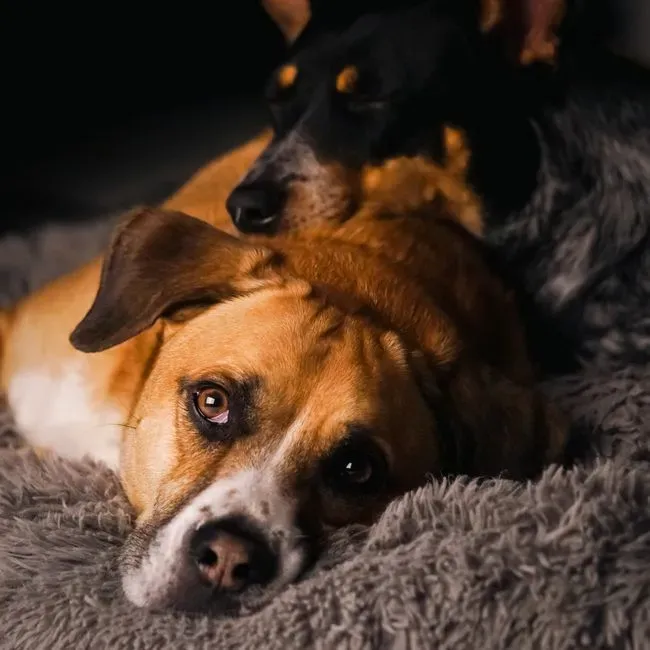
Providing soft bedding in the preferred spot lets the dog rest without interruption. Keeping the area dimly lit and free of loud noises respects the need for calm. Checking in at a distance allows the animal to stay settled while still feeling connected.
Some families place familiar items nearby, such as a worn shirt or favorite toy, to maintain a sense of presence. The goal is presence without pressure. Small adjustments like these often bring comfort to both the dog and the people watching over them.
Respecting the Final Choice With Grace
Allowing the dog to settle where it chooses honors the instinct rather than fighting it. Forcing interaction or moving the animal can add stress at a time when calm matters most. Many owners find peace in simply sitting nearby without expectation.
This approach recognizes that the dog is following an internal compass developed long before domestication. The choice reflects strength in its own way, a final act of self preservation. Watching it unfold can deepen the bond even as the end draws near.
The instinct to seek solitude at the end reminds us that dogs navigate their world through ancient cues we can only glimpse. Honoring that pull offers a quiet form of respect that lingers long after the moment passes.


