
Vizsla
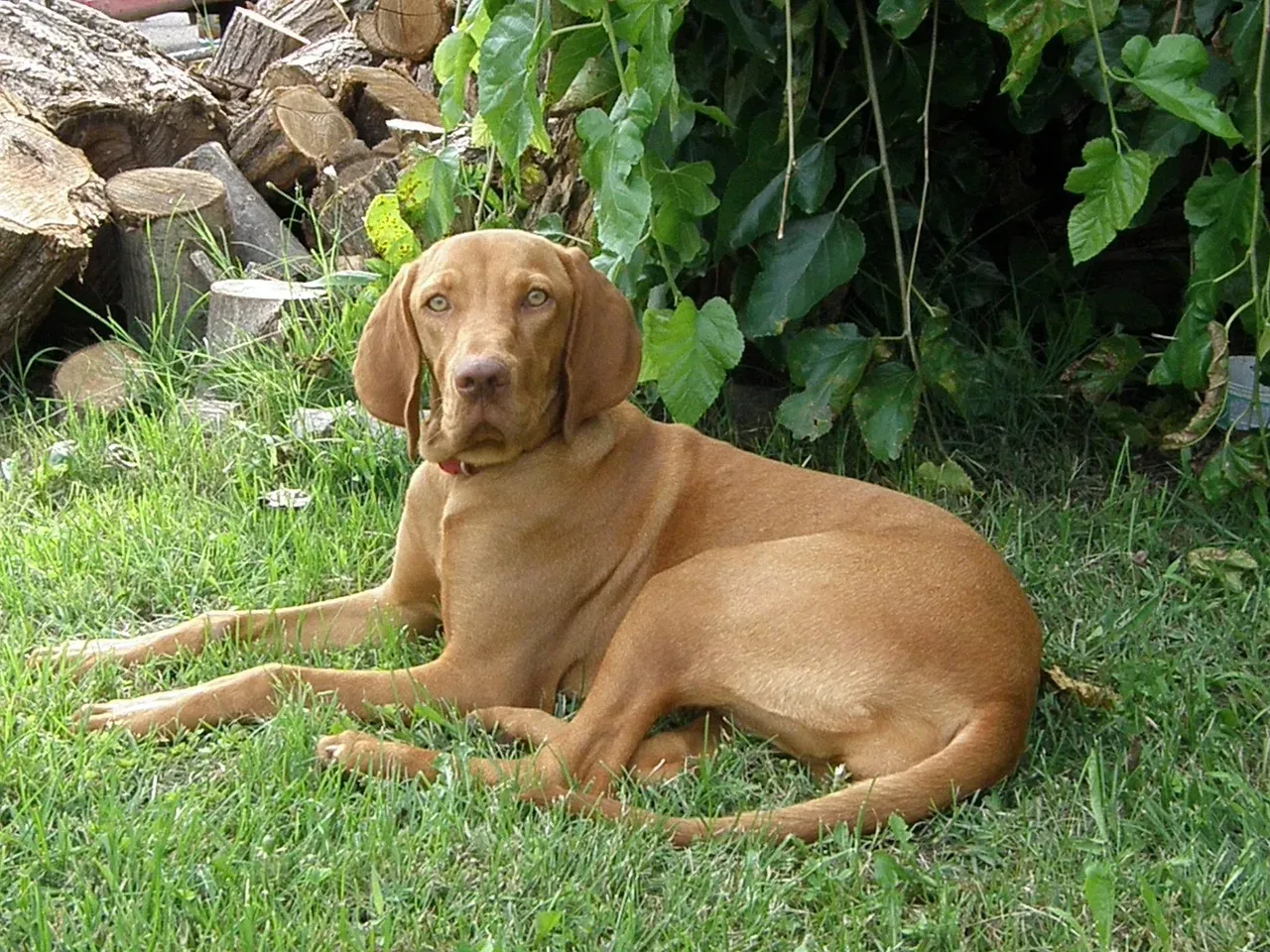
The Vizsla earned its reputation as one of the ultimate velcro dogs through generations of close work with hunters. These medium sized athletes form intense bonds and prefer to shadow their person from room to room. Their affectionate nature makes them quick to sense when someone needs extra closeness rather than space.
Owners often describe Vizslas as needing to be involved in every daily activity. This trait translates well to emotional support because the dog rarely tolerates long separations. Regular exercise keeps their energy balanced while reinforcing the connection that helps ease feelings of loneliness.
Labrador Retriever
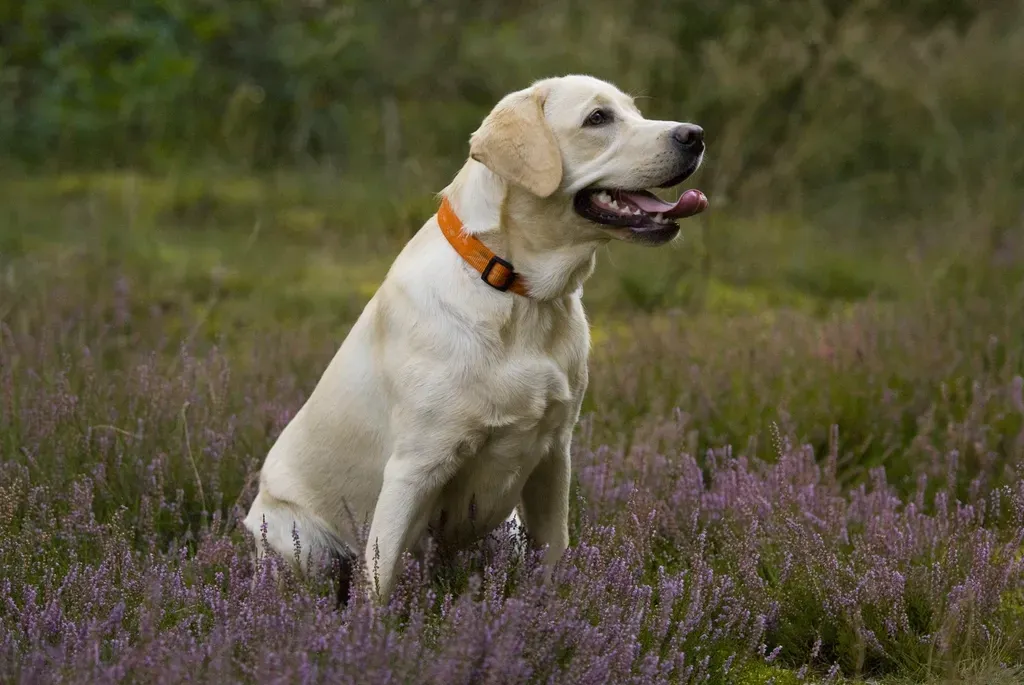
Labrador Retrievers bring a calm steadiness that many people lean on during low periods. Bred originally as working companions, they carry an eagerness to please that shows up as consistent proximity. Their gentle temperament allows them to sit quietly nearby without demanding attention.
These dogs often mirror their owner’s mood in a reassuring way. A Lab might rest its head on a lap or simply stay within reach throughout the day. Their adaptability makes them suitable for various living situations while maintaining that loyal presence.
Golden Retriever
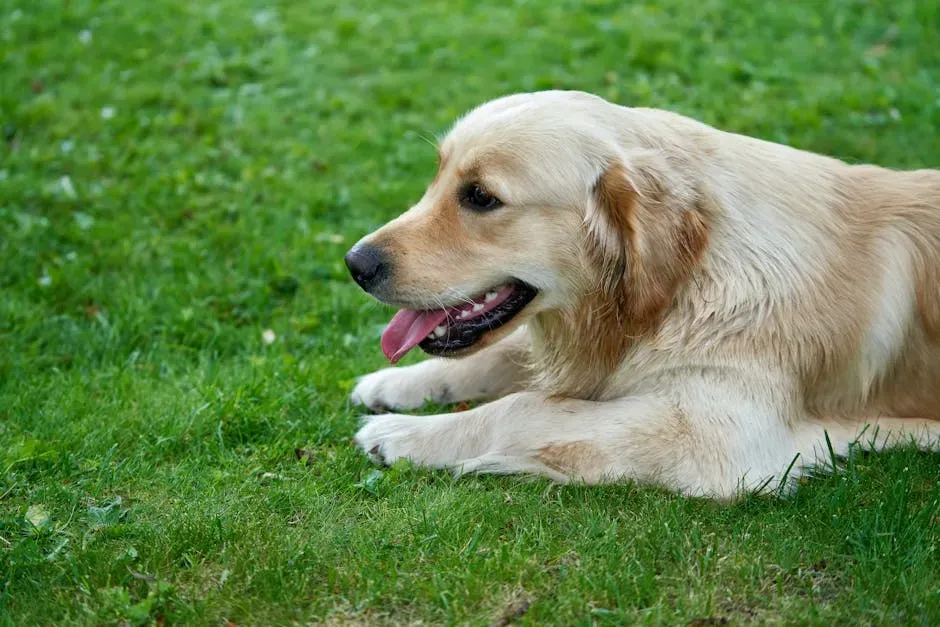
Golden Retrievers combine playfulness with deep loyalty that keeps them close even on difficult days. Their friendly disposition encourages gentle interaction without overwhelming someone who feels drained. Many families notice how these dogs position themselves nearby during quiet times at home.
The breed’s patience shows in their willingness to follow routines that include rest periods. Goldens thrive on human contact and often seek it out naturally. This consistent availability can provide a subtle sense of security over time.
Cavalier King Charles Spaniel
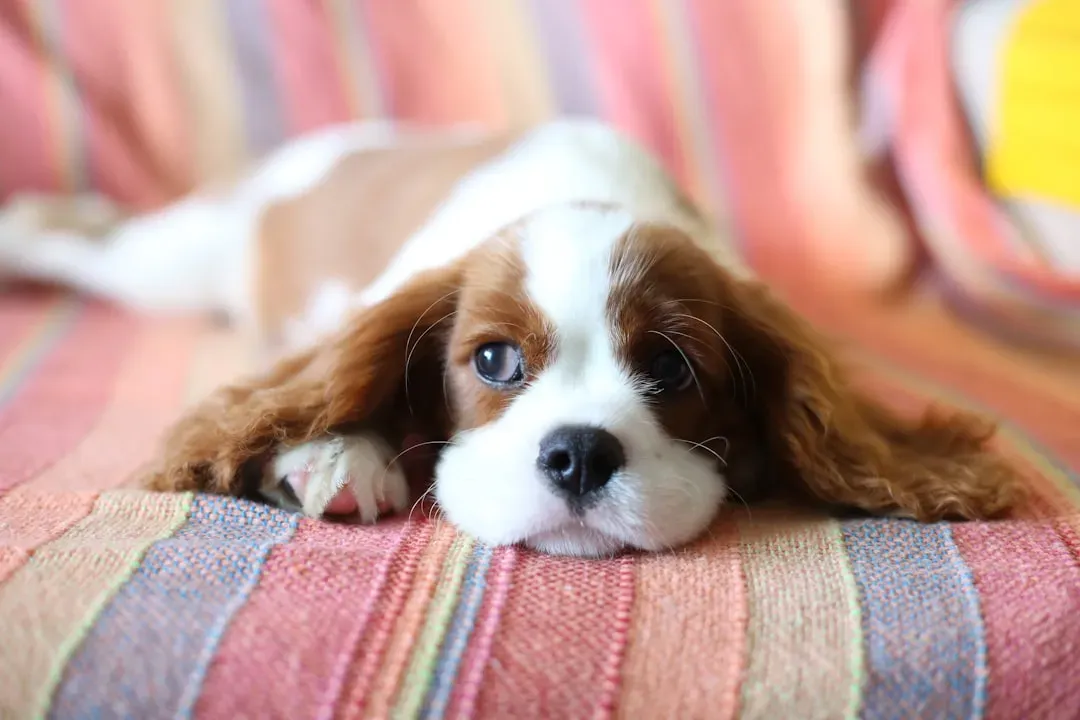
Cavalier King Charles Spaniels were developed as lap companions and retain that instinct strongly. Their small size makes them easy to keep near without taking up much space. These dogs form quick attachments and prefer to stay within sight of their favorite person.
Their expressive eyes and soft demeanor invite quiet moments of connection. Cavaliers handle indoor living well and rarely stray far from the main living areas. This breed offers affection in measured doses that feel comforting rather than intrusive.
Poodle
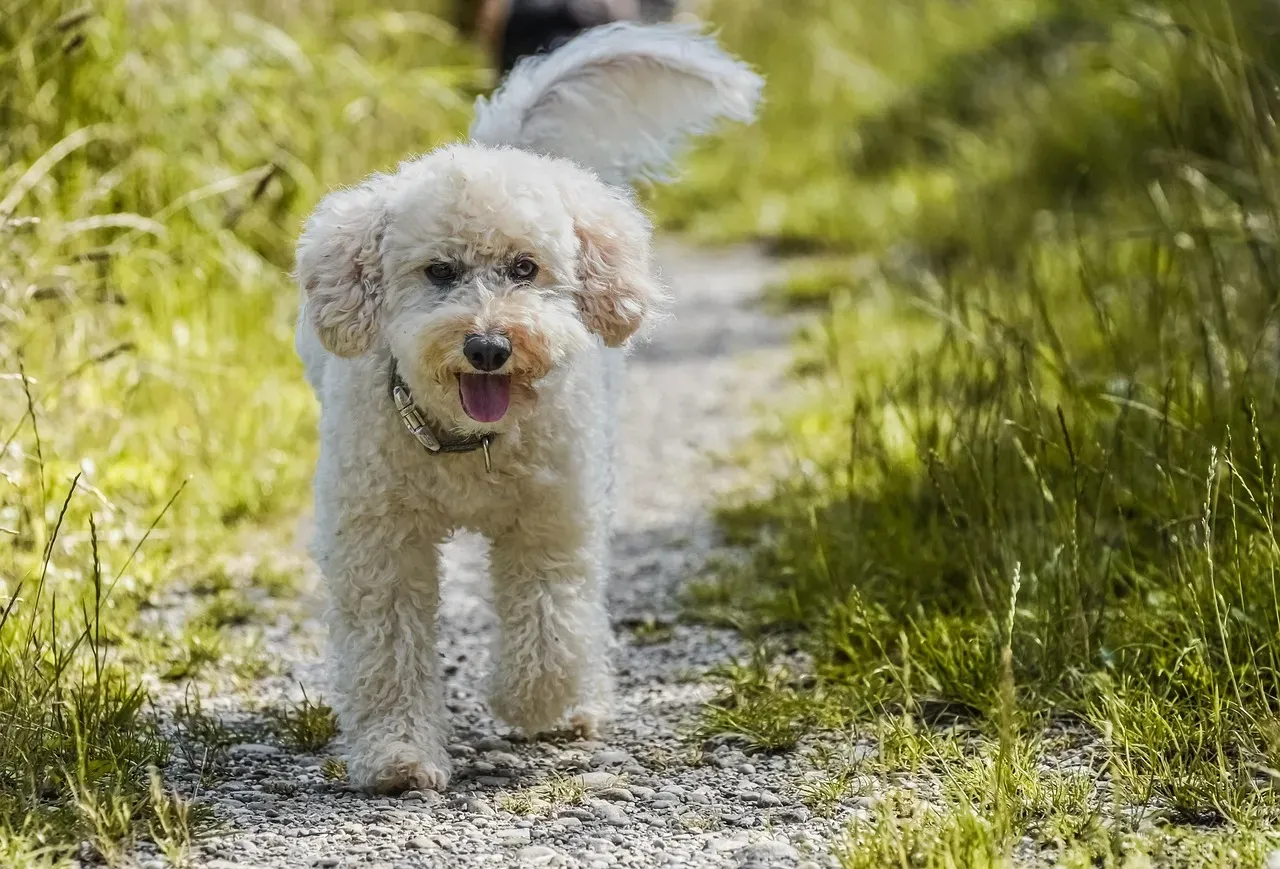
Poodles come in different sizes yet share a reputation for intelligence and attachment to their owners. Their curly coats and alert expressions often accompany a desire to stay involved in household activities. Many owners find these dogs follow them closely from one task to the next.
The breed’s trainability supports routines that include companionship during rest. Poodles tend to read emotional cues and adjust their energy accordingly. Their versatility allows them to fit into both active and quieter lifestyles while maintaining closeness.
Pug
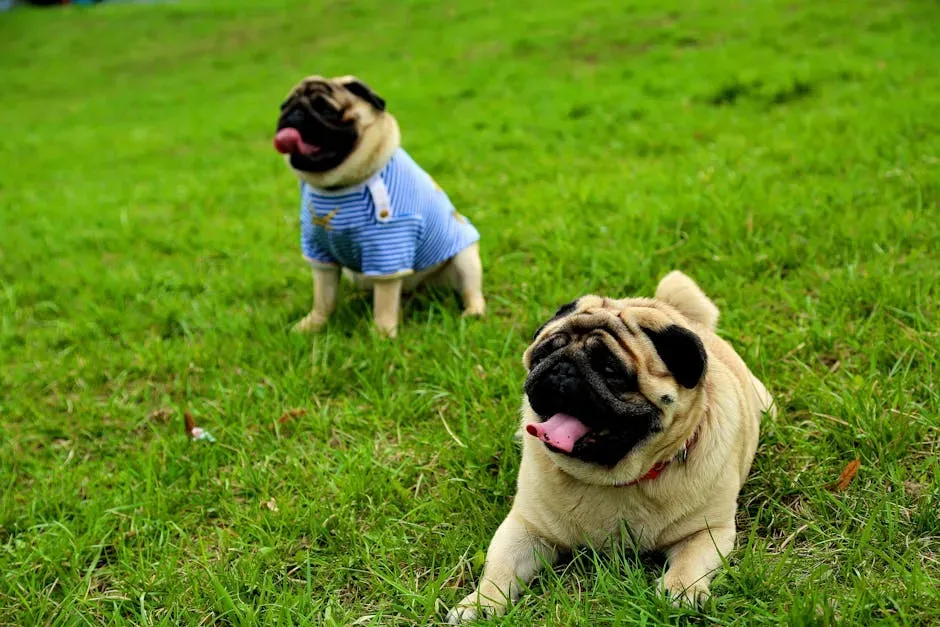
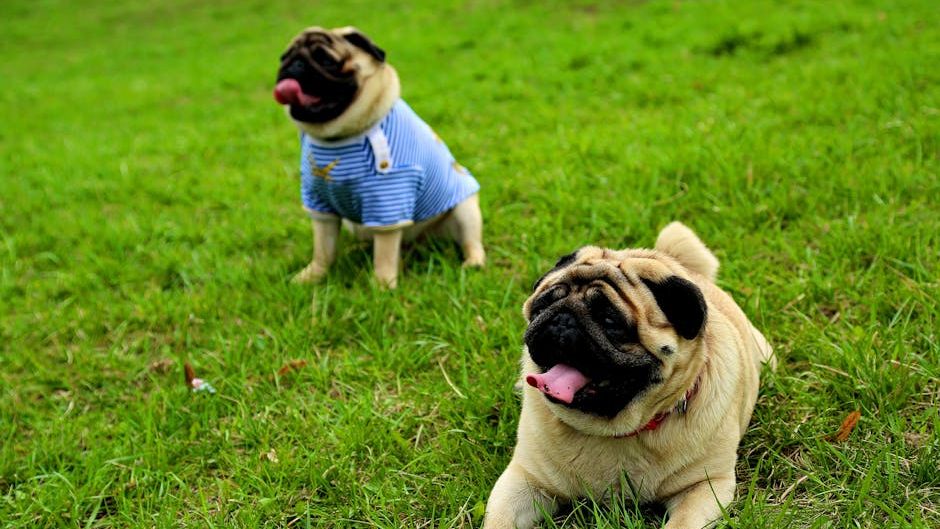
Pugs bring a compact, affectionate presence that suits people who appreciate constant but low key company. Their short faces and sturdy build make them content to lounge nearby for extended periods. This breed often seeks out laps or spots right beside their person.
Owners report that Pugs seem tuned into changes in mood and respond with simple proximity. Their moderate exercise needs align well with days when energy feels limited. The result is a steady companion that stays close without requiring much from the owner in return.
Maltese
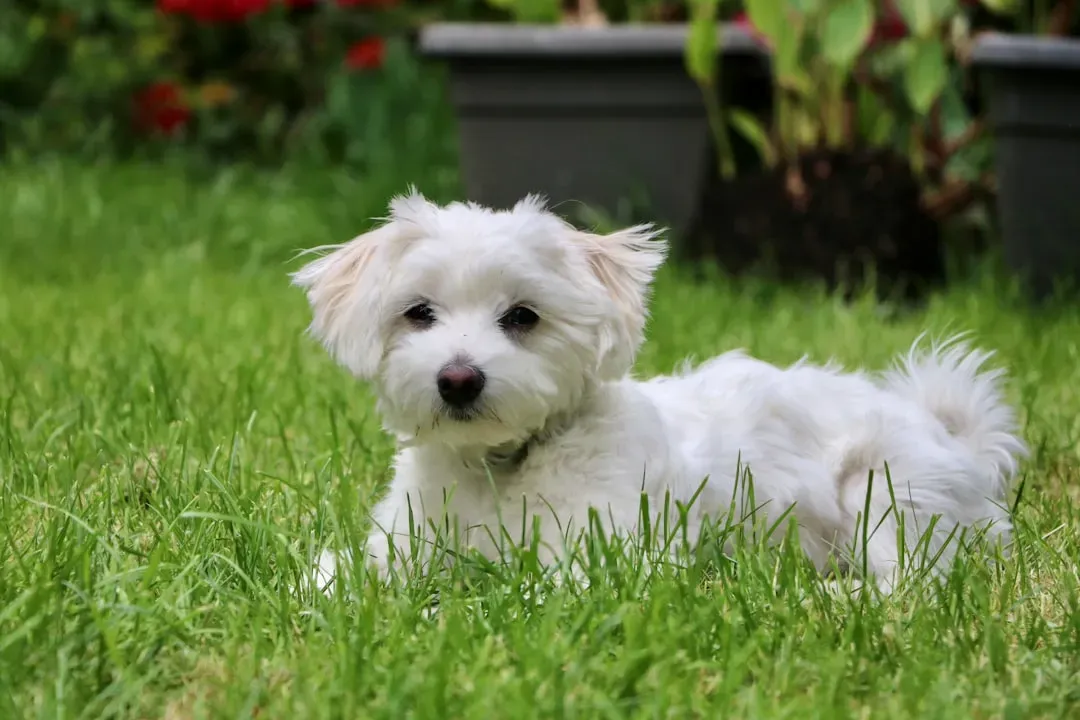
Maltese dogs were bred specifically as lap companions and carry that history into modern homes. Their small stature allows them to remain near without crowding. These white coated dogs often choose one primary person and stick close throughout daily routines.
Their gentle nature supports quiet companionship during periods of withdrawal. Maltese thrive on attention yet adapt to calmer interactions when needed. This consistent closeness can create a reassuring rhythm in an otherwise unsettled day.
Chihuahua
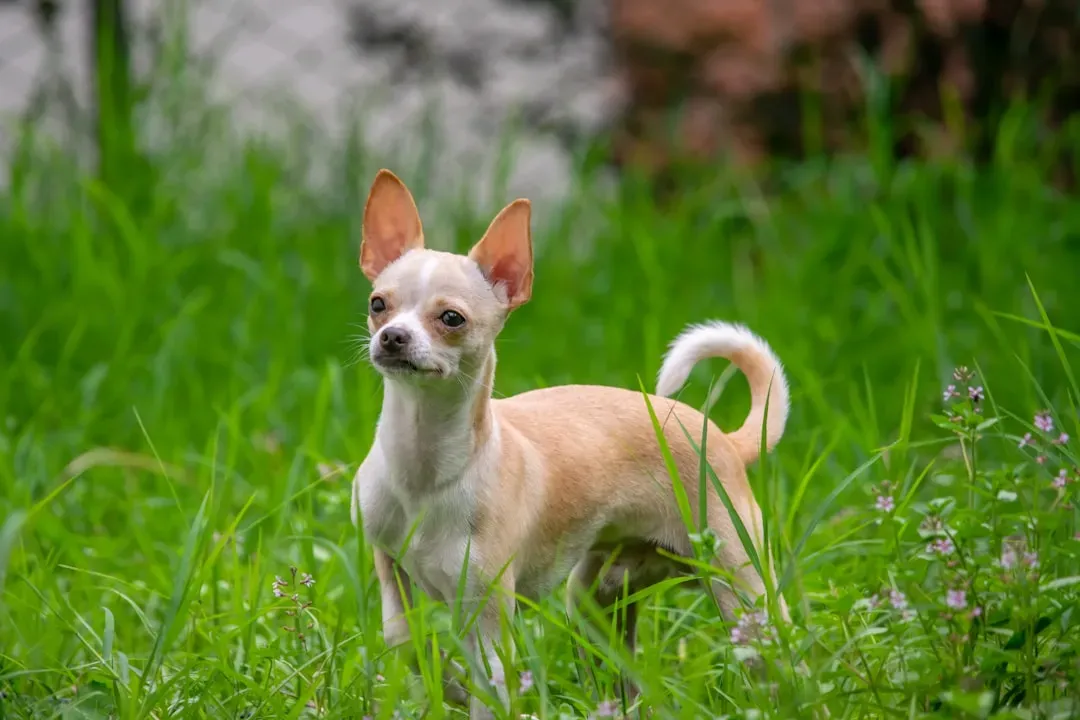
Chihuahuas may be tiny but they form outsized bonds with their chosen person. Their alert personalities keep them tuned into the owner’s location at all times. Many owners find these dogs follow them even into small spaces around the house.
The breed’s loyalty shows in a preference for staying within arm’s reach rather than exploring independently. Chihuahuas handle apartment living easily while providing that constant sense of presence. Their energy levels can match quieter days without feeling demanding.
Shih Tzu
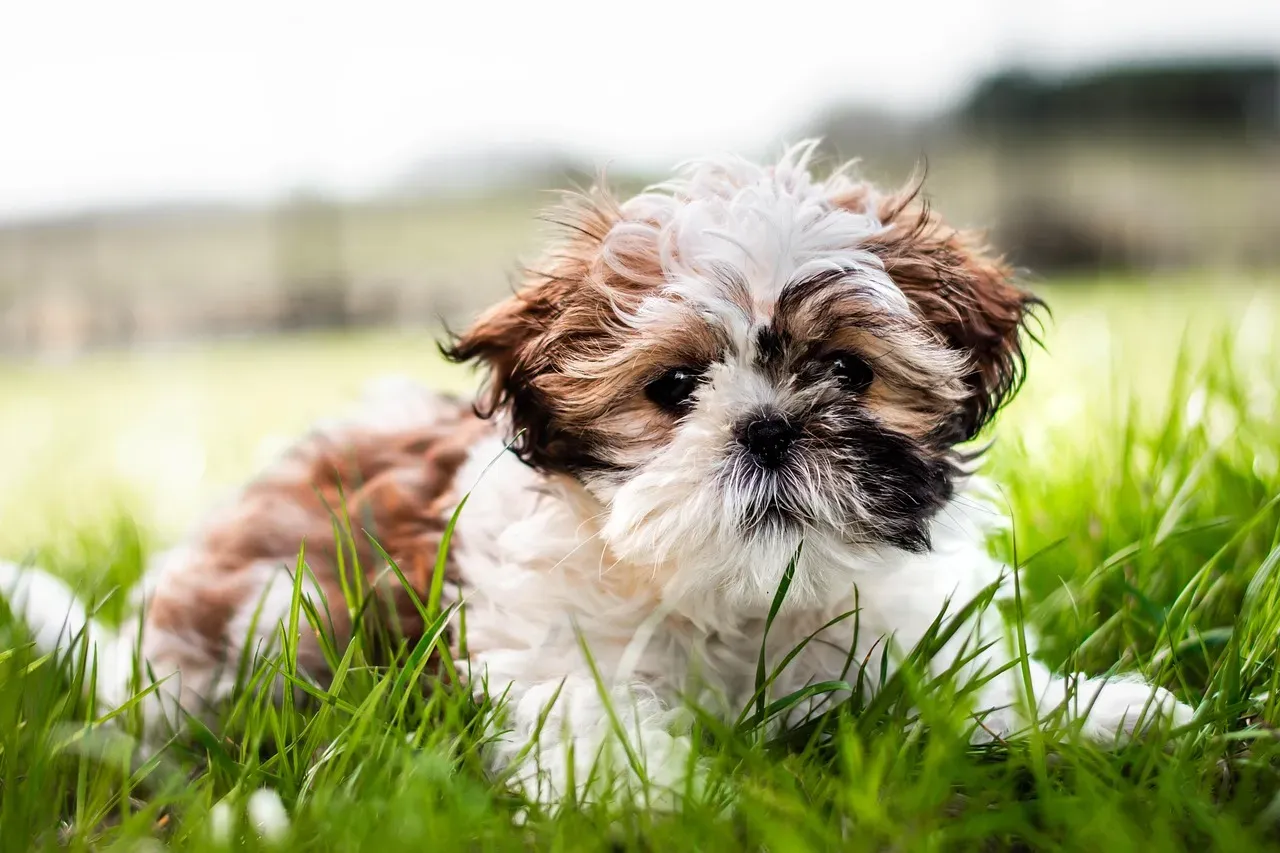
Shih Tzus originated as royal companions and retain a strong preference for staying near their people. Their flowing coats and sturdy little bodies make them ideal for indoor closeness. These dogs often position themselves in the same room even during long stretches of inactivity.
Their affectionate yet undemanding style fits well with fluctuating energy levels. Shih Tzus adapt to various schedules while keeping that loyal attachment intact. Owners frequently note how the dog’s steady presence adds a layer of comfort during challenging stretches.
Choosing one of these breeds does not replace professional support, yet the daily reality of a dog that stays close can soften the edges of isolation. Over time that reliable companionship becomes part of a broader approach to feeling steadier. The right dog simply shows up, day after day, in the way that matters most.


