
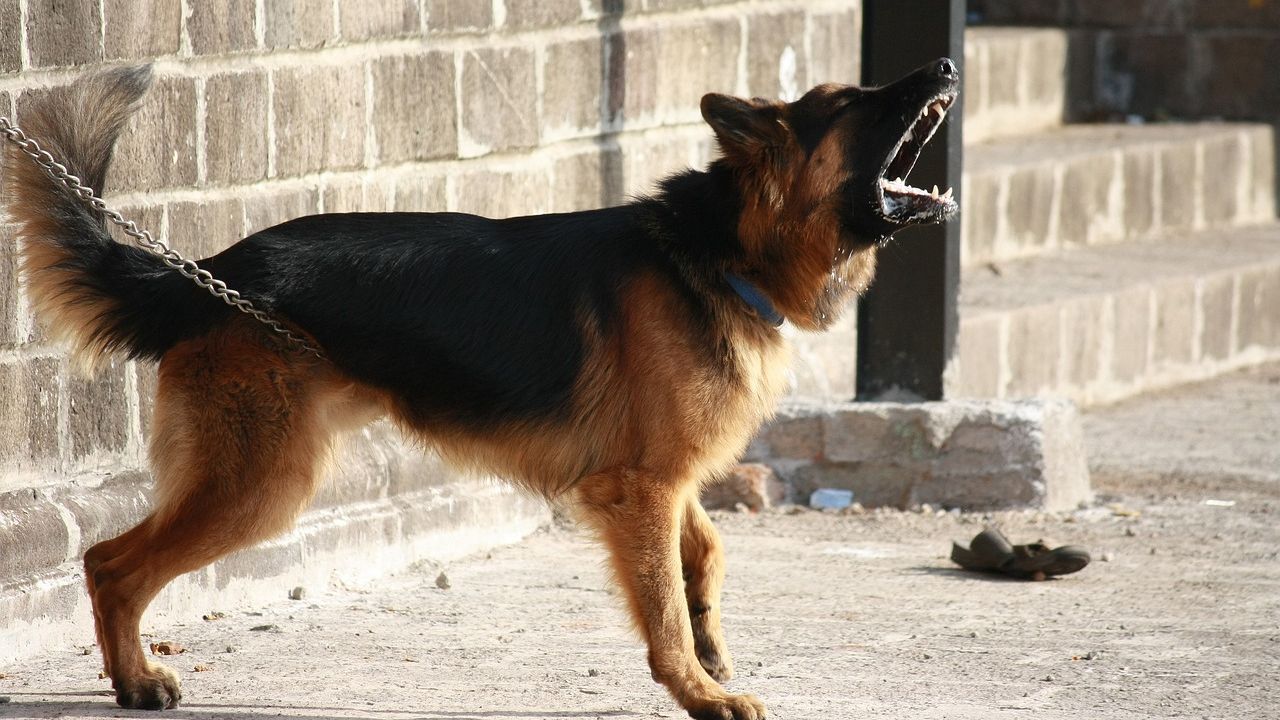
Most people assume a dog turns aggressive because of its breed, a rough past, or some hidden personality flaw. Yet the real trigger often sits right in front of owners every single day, quiet and easy to miss until the first unexpected snap.
That single error involves how owners handle the early warning signals dogs give when they feel uneasy. It changes everything about how the relationship unfolds over time.
Understanding What Growling Really Means
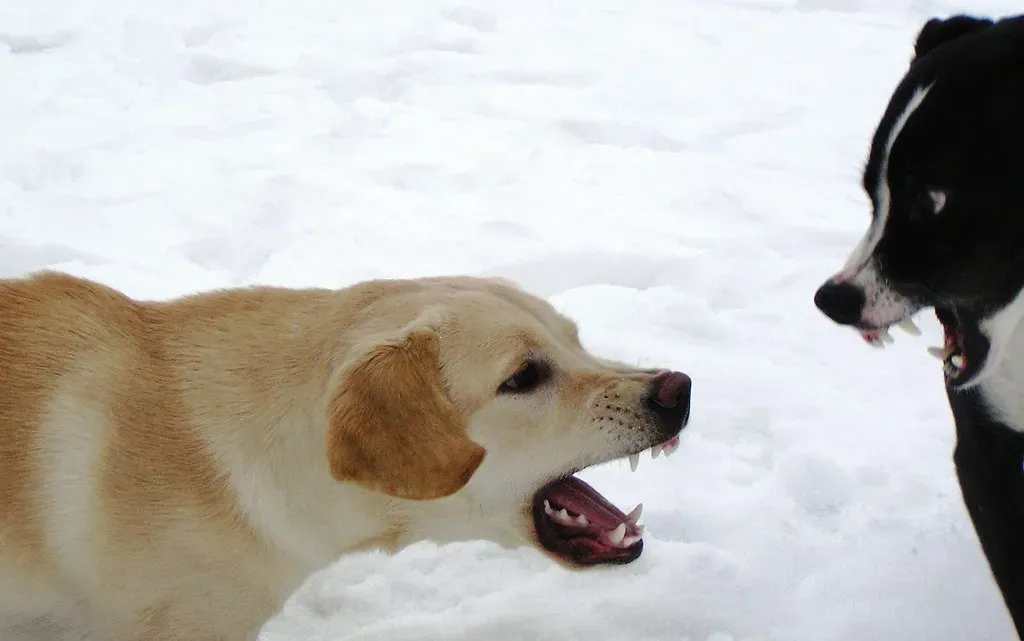
Dogs use growls the same way people use words to say they need space. The sound serves as a clear heads up rather than an immediate threat. When a dog growls during a hug or when someone reaches for its food bowl, it simply communicates discomfort in that moment.
Owners who listen to these signals can adjust their approach and keep everyone safe. Ignoring or misreading them removes the chance for calm resolution. This basic form of communication keeps interactions predictable for the dog.
Why Owners Often React the Wrong Way
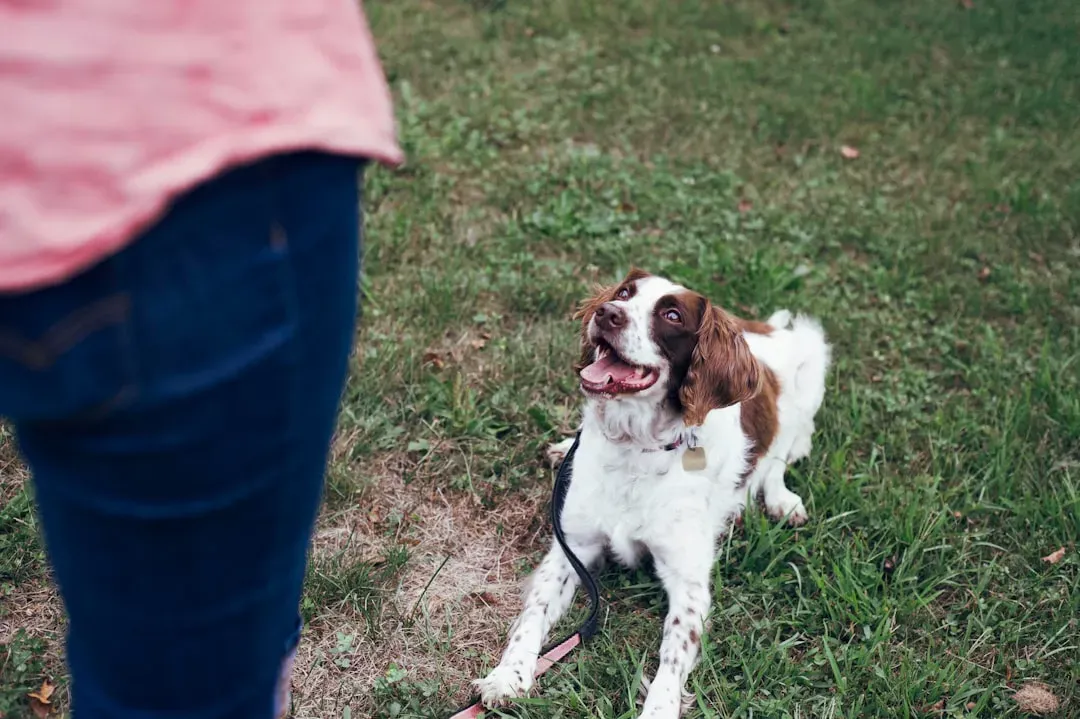
Many people grew up hearing that any growl deserves a scolding or a quick correction. They worry the behavior will get worse if left alone. That instinct feels protective at first but actually teaches the dog to skip the warning step next time.
The correction creates a new layer of stress around the original trigger. Dogs learn that showing discomfort brings trouble, so they hold back until they feel they have no choice. This pattern builds quietly over weeks or months.
The Chain Reaction That Turns Warnings Into Surprises
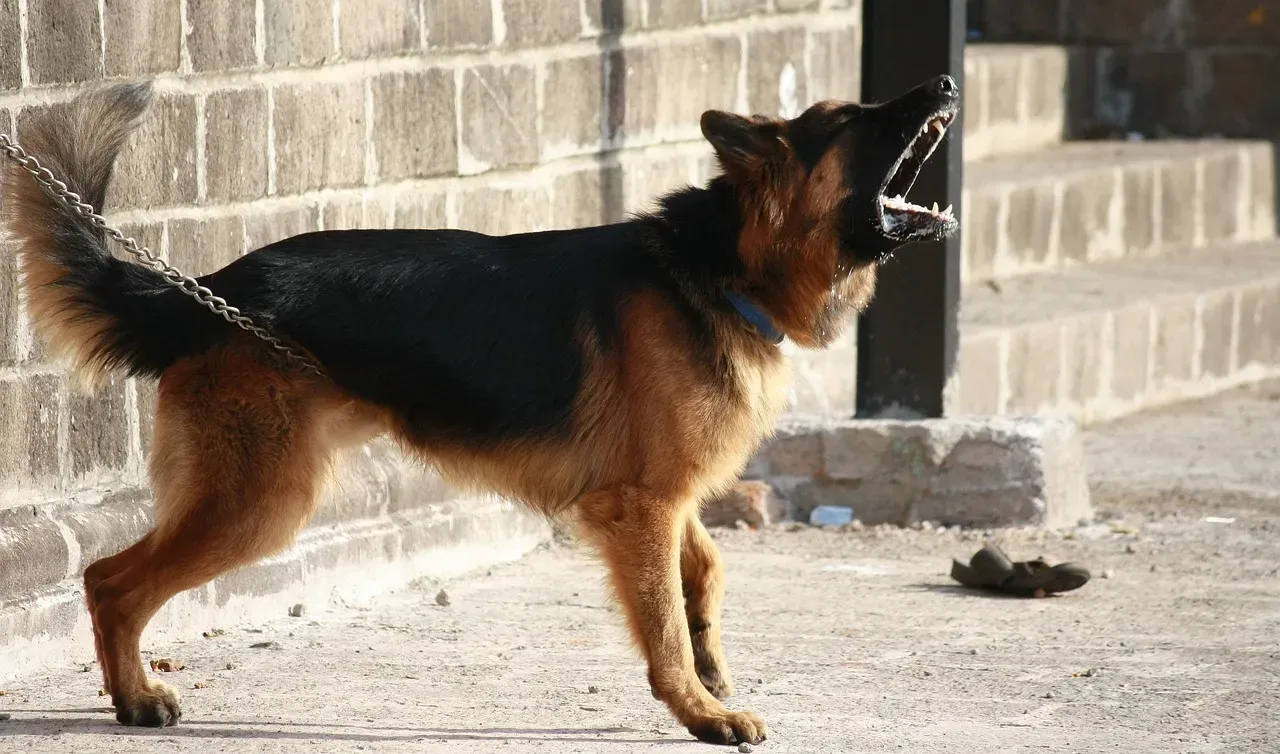
Once a dog stops growling, the next signal might be a stiff body or a direct stare. Those cues can pass unnoticed in a busy household. The bite then appears sudden even though the dog followed its own logic the whole time.
Each suppressed warning raises the overall tension the dog carries. Everyday situations start to feel riskier because the animal has no safe outlet for its feelings. The result looks like random aggression when it actually follows a clear sequence.
How This Plays Out in Common Situations
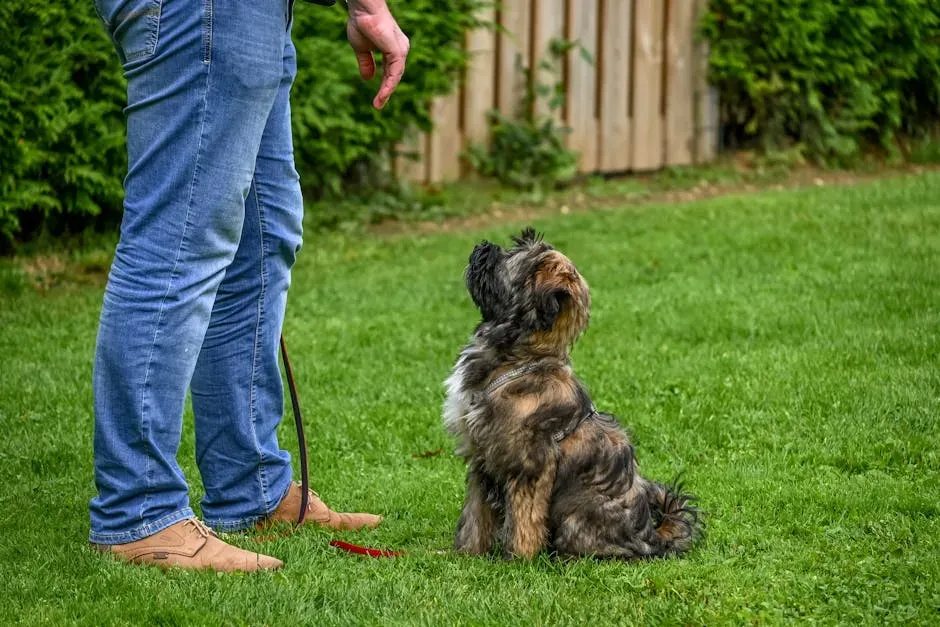
Picture a family gathering where relatives reach over the dog to pet its head. A low growl gets met with a sharp no or a tug on the collar. The dog remembers the moment and begins to associate visitors with pressure rather than choice.
At the vet clinic the same dog might freeze when the technician lifts a paw. Without the growl as an outlet, the animal may lunge instead. These everyday scenes repeat across homes and turn small discomforts into larger problems.
Building Trust Instead of Fear
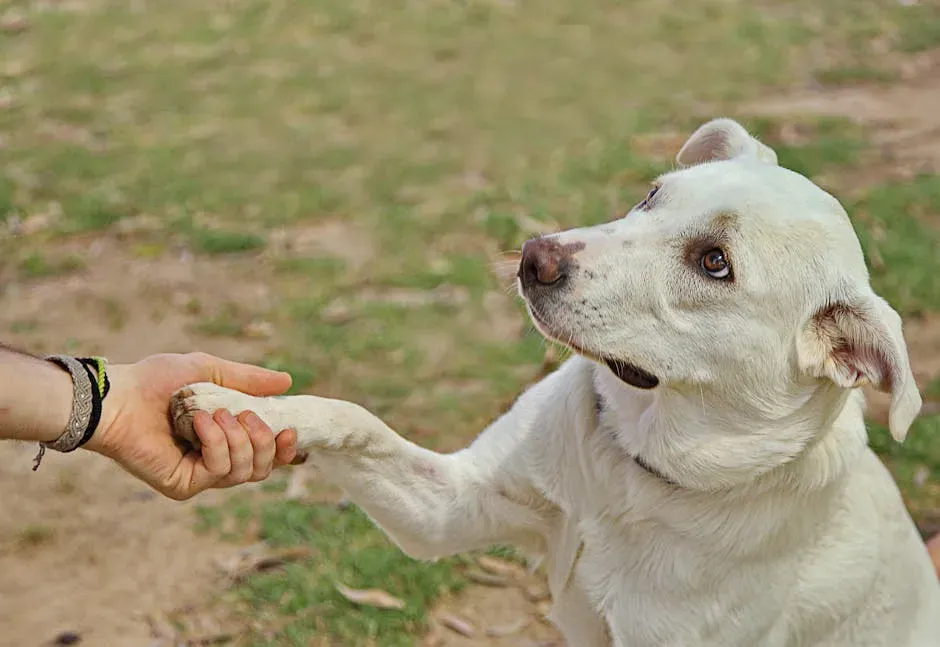
Responding calmly to a growl lets the dog know its feelings matter. Owners can pause the interaction, give space, and later work on making the situation more comfortable through gradual steps. This approach keeps communication open.
Trust grows when the dog sees that its signals lead to relief rather than punishment. Over time the animal feels safer expressing itself early. The relationship shifts from constant management to genuine partnership.
Practical Ways to Respond Differently
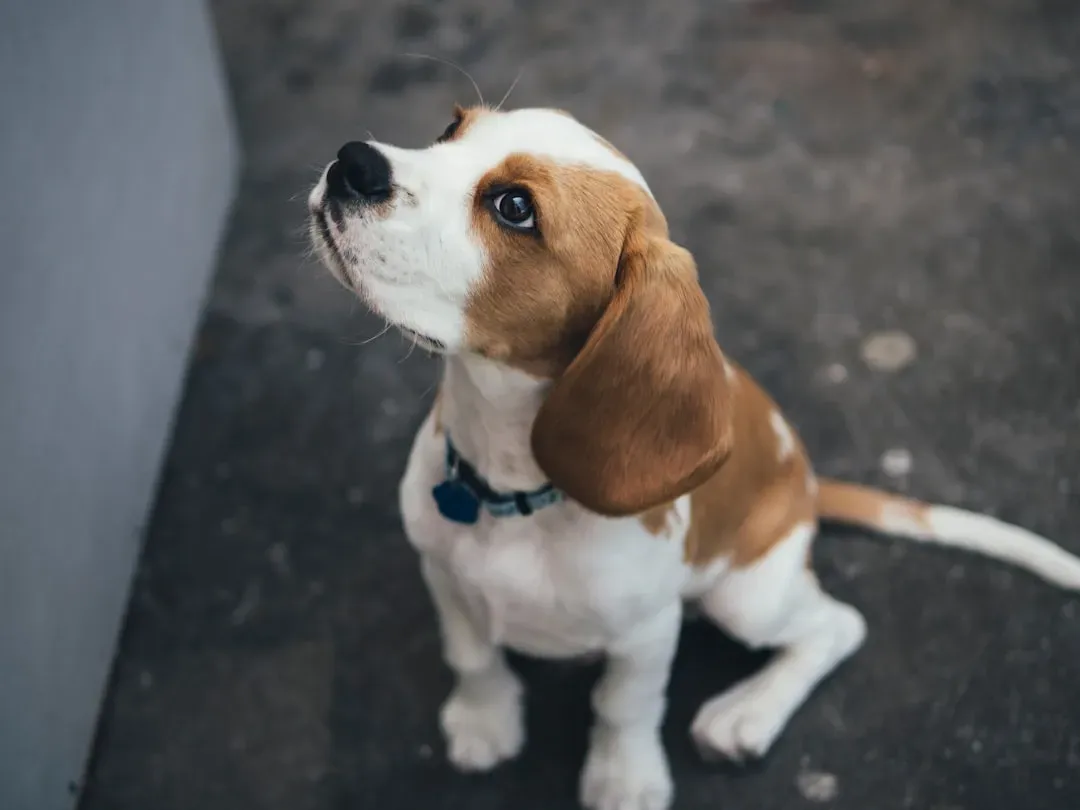
Start by noticing the body language that comes before the sound. A tucked tail or whale eye often appears first. When the growl happens, simply stop what you are doing and create distance without drama.
Later, practice short sessions where the dog chooses to approach rather than being forced. Reward calm behavior with treats or play. These small changes add up across daily routines and reduce the need for warnings altogether.
Watching Your Dog Thrive Without the Hidden Risks
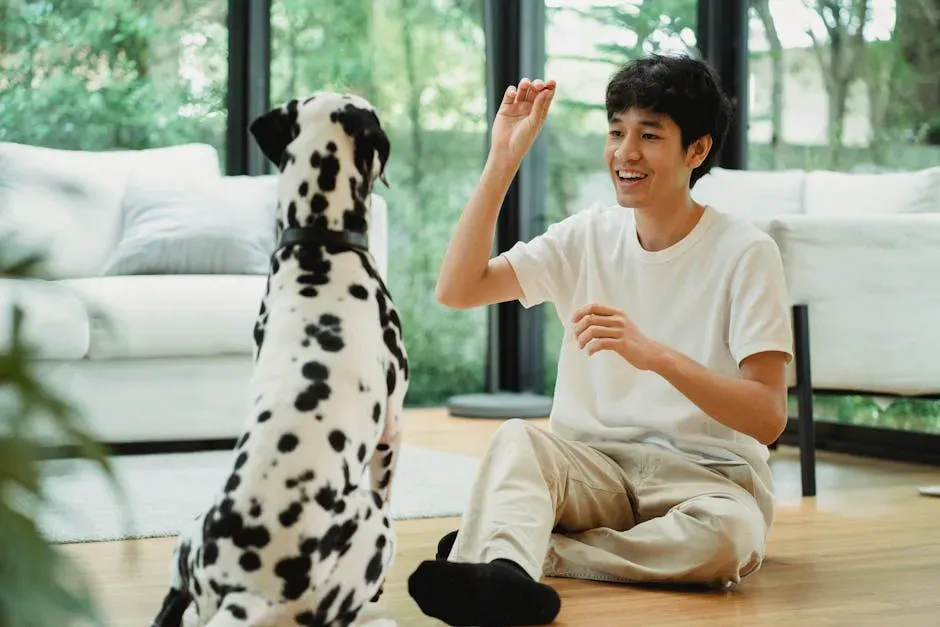
Dogs that can communicate freely tend to stay relaxed in more situations. They greet new people with curiosity instead of tension. Owners notice fewer startling moments and more relaxed evenings at home.
The shift also makes training easier because the dog trusts that its voice will be heard. Life feels lighter for both sides when the original mistake no longer shapes every interaction.
In the end, fixing this one habit protects the bond you already value and prevents problems that never needed to appear. Your dog gains confidence while you gain peace of mind that lasts for years.


