
#1. Your Emotional State Belongs to Both of You

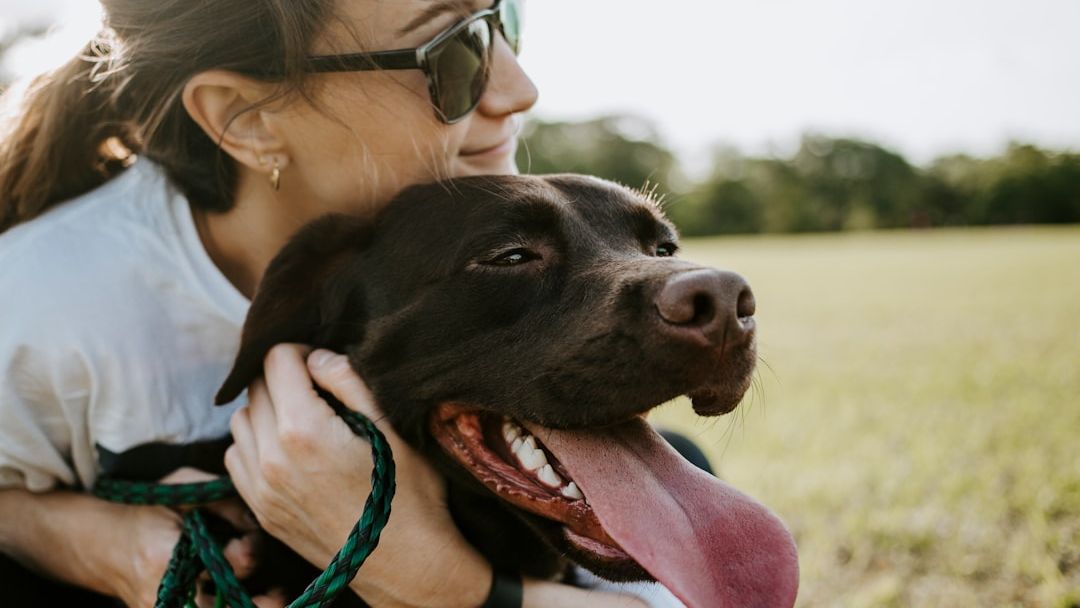
Your dog is not simply living in your home. Your dog is living in your emotional environment. That’s a very different thing. The mood of a room, the tension in a voice, the hurried energy of a stressed morning – none of it goes unnoticed.
A dog does not need to be trained to notice that their person is having a hard day. They pick it up automatically, from a combination of olfactory cues, including changes in cortisol levels that they can smell, and visual and auditory information they have learned to associate with human emotional states.
Dogs who live with anxious owners often show signs of chronic stress themselves. Dogs whose owners model calm, confident energy tend to display it too. The emotional exchange flows in both directions, whether you’re paying attention to it or not. What you carry into a room, your dog carries too.
#2. Attunement Is Not the Same as Affection
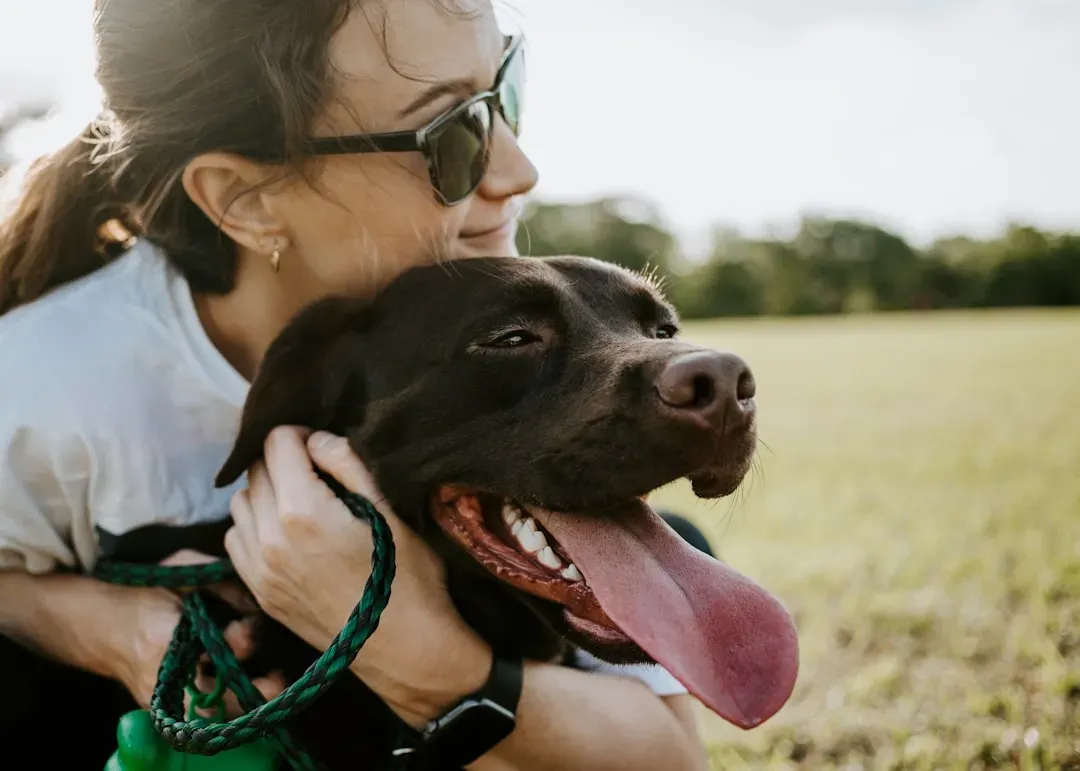
Loving your dog and being emotionally tuned in to your dog are two separate skills. Most people have plenty of the first and quietly underestimate the second. Affection is abundant. Attunement takes practice.
While we have known for years that dogs can pick up on our emotions, some studies provide scientific evidence showing how human stress can influence a dog’s emotional wellbeing and ability to learn. A household’s emotional climate isn’t invisible to a dog. They’re reading it constantly.
Pets have evolved to become acutely attuned to humans and our behavior and emotions. Dogs are able to understand many of the words we use, but they’re even better at interpreting our tone of voice, body language, and gestures. Tuning in to your dog, then, means learning to pay the same quality of attention back. It’s less about grand gestures and more about a daily willingness to really notice.
#3. Predictability Is a Form of Love
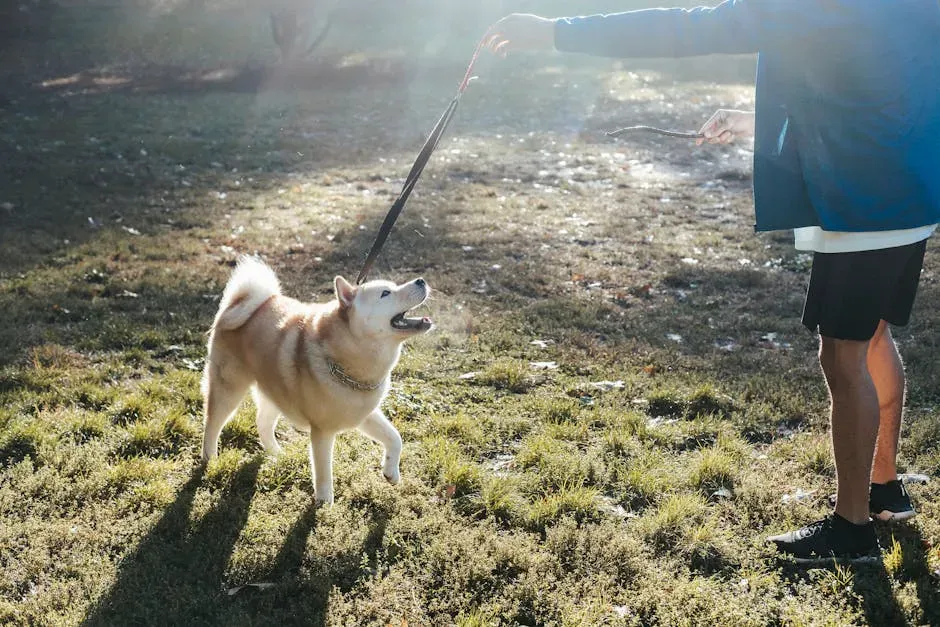
Dogs don’t experience love through declarations or intensity. They don’t experience love through words. They feel it through consistency, safety, freedom, and presence. A reliable rhythm in daily life communicates something that no amount of affection on a single Sunday afternoon can replace.
Predictability allows dogs to conserve energy instead of staying alert for potential disruptions. When they know what’s coming next, they can fully relax into their environment. That is a genuinely profound gift. A dog who isn’t constantly scanning for uncertainty is a dog who can actually rest and thrive.
Behavioral scientists demonstrate that predictable routines significantly lower anxiety levels in companion dogs. Consistent schedules for feeding, walks, and rest create security, helping pets feel calm and confident. Even small consistencies, like greeting your dog the same way each morning or maintaining a familiar bedtime ritual, reinforce emotional safety. To a dog, these repeated moments communicate reliability, which forms the foundation of trust.
#4. Secure Attachment Changes Everything

Studies have shown that dogs exhibit behaviors akin to secure attachment when their owners are present, such as reduced stress and increased exploration. This mutual attachment strengthens the bond and enhances the emotional rewards of the relationship. Think about what that means practically: a dog who feels securely attached to you actually explores more freely, not less.
Close emotional bond with the owner appeared to decrease the arousal of the dogs. In real terms, this means fewer behavioral problems, lower baseline anxiety, and a dog who can handle the normal disruptions of life without unravelling. The bond itself becomes a buffer.
Dogs that are prone to behavioral issues such as separation anxiety or aggression need owners that provide reliable warmth, sensitivity, and responsiveness. The ability to be consistently available in this way may well be a reflection of the owner’s own attachment style. Even if a dog isn’t displaying obvious problematic behaviors, an owner’s insecure attachment style may affect the dog’s confidence, sense of security, and the way they interact with the world.
#5. Agency and Choice Matter More Than You Think
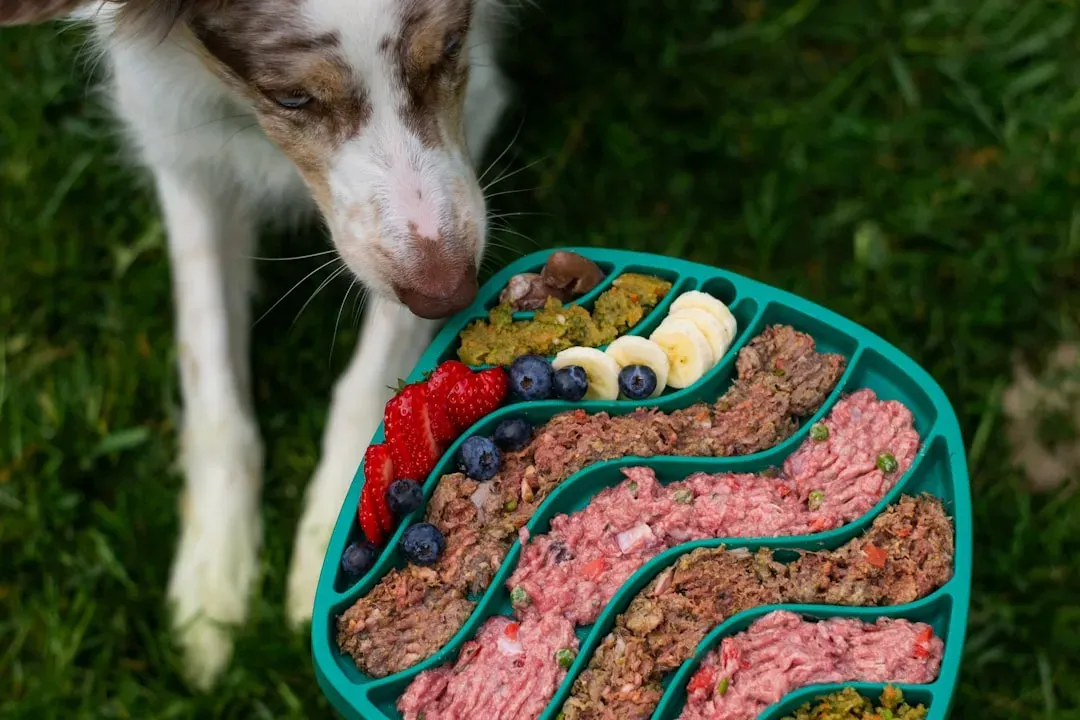
One of the least discussed aspects of canine wellbeing is the simple matter of allowing a dog some degree of control over their own experience. Freedom to explore, to make choices, and to engage with the world on their own terms is just as essential to their well-being. Meeting these needs matters more than obedience or training.
Any modification to a dog’s environment or experience that helps them to express their natural behaviour and provides opportunities to exercise control or choice is enriching. There are various types of enrichment including Social, Occupational, Physical, Sensory and Nutritional. Enrichment is an important factor for every aspect of your dog’s physical, mental and emotional wellbeing.
Understanding how dogs experience love through touch means observing their body language closely. When dogs are allowed to initiate or disengage from touch freely, they learn that their boundaries will be respected. A dog who has a voice in their daily interactions, even in small ways, is a dog who builds genuine confidence rather than compliance. There’s a meaningful difference between the two, and most dogs know which one they’re living.
Conclusion: The Overlooked Obligation

We tend to measure good dog ownership in visible, countable things: meals, miles walked, vet visits logged. Those things genuinely matter. They’re just not the whole picture. The one thing almost no one talks about is also the one thing that quietly determines everything else, and that’s your dog’s felt sense of emotional safety with you.
This isn’t about doing more or spending more. It’s about being more present, more consistent, and more willing to ask the honest question: is my dog living in a predictable, emotionally steady world, or are they constantly working to read and manage mine? The answer often says more about us than it does about them.
What your dog needs most isn’t perfection. It’s you, regulated, consistent, and genuinely paying attention. Everything else, the toys, the treats, the Instagram-worthy adventures, they’re lovely extras. The emotional foundation you provide is the thing they actually build a life on.


