
The Real Reason Your Dog Brings You a Toy When You Are Upset
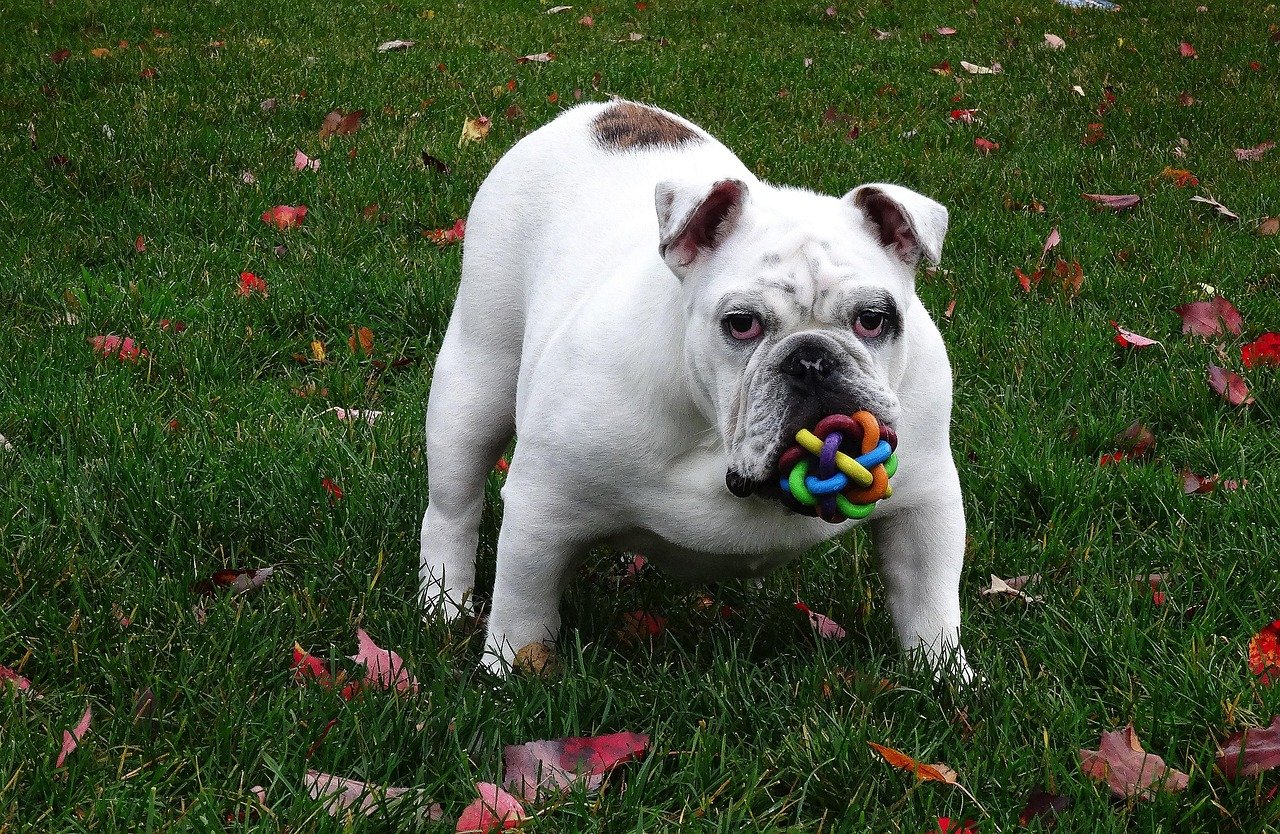
You’re mid-cry on the couch when your dog trots in, tail low, and drops a slobbery tennis ball right in your lap. It looks like terrible timing. It looks like your dog completely missed the moment. Except researchers who study canine behavior say something very different is happening – something with real evolutionary weight behind it.
That soggy toy might be less “let’s play” and more an ancient social transaction dogs have been running since long before couches existed. The science behind it touches on emotional contagion, wolf-pack resource rules, and even a hormone that quietly rewires your dog’s brain to keep doing it. Here’s what actually happens in that moment – and why a few of these findings surprised the researchers themselves.
Your Dog Isn’t Confused – It’s Reading You Better Than You Think
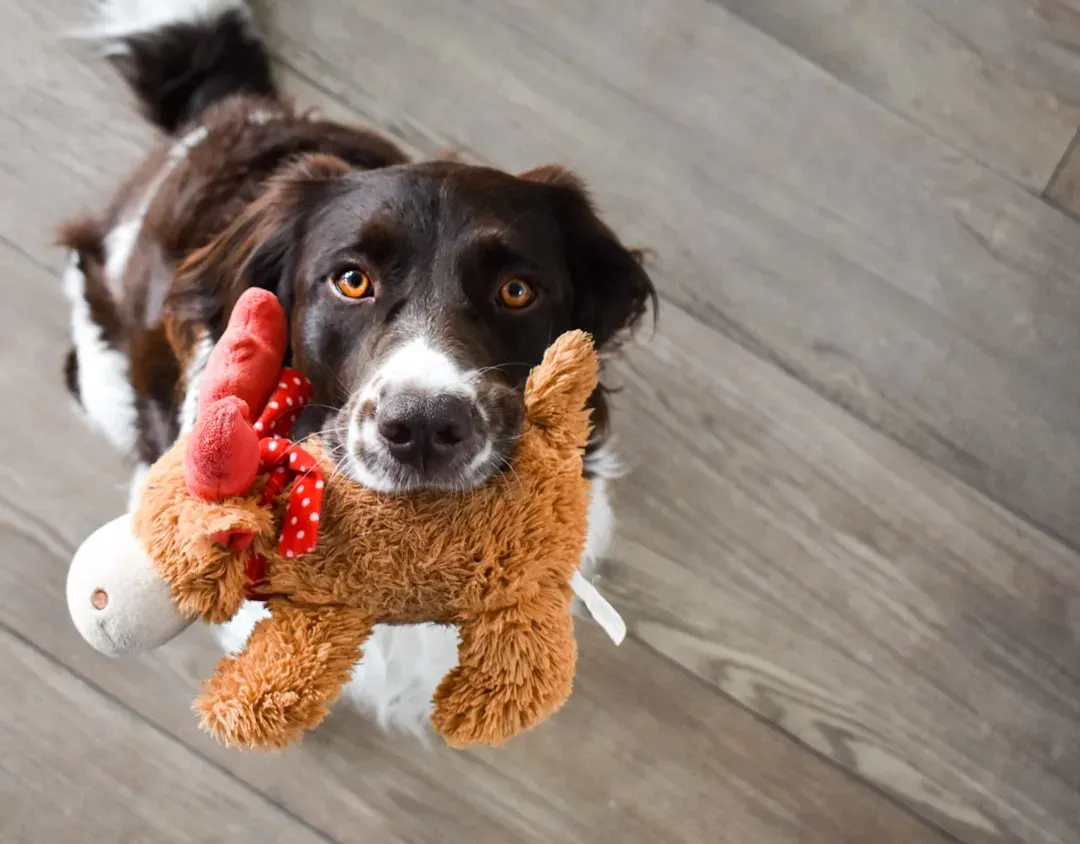
Here’s the uncomfortable truth: your dog probably clocks that you’re upset before you’ve fully admitted it to yourself. Studies on canine emotional contagion show dogs don’t just notice crying – their bodies react to it.
In controlled experiments, researchers had a person suddenly pretend to cry in front of a dog. The dogs’ cortisol spiked, mirroring a real stress response, while their behavior shifted to submissive, alert postures. When the crying person was the dog’s own owner, the response was even more urgent – dogs approached, licked, and nuzzled, actively trying to intervene.
Dogs are not our whole life, but they make our lives whole.
Roger Caras
What makes this stranger is that the reaction wasn’t just about proximity. When a stranger pretended to cry, dogs still approached and comforted them – but when it was the owner, the response was more targeted, more insistent. That’s not confusion. That’s a dog reading the room and choosing how to respond to what it reads.
That single distinction reframes toy-bringing entirely. It isn’t a poorly timed invitation to play – it’s a reaction to a detected emotional shift. And that reaction, it turns out, traces back much further than anyone expected.
The Behavior Traces Back to Pack Life, Not Obedience School
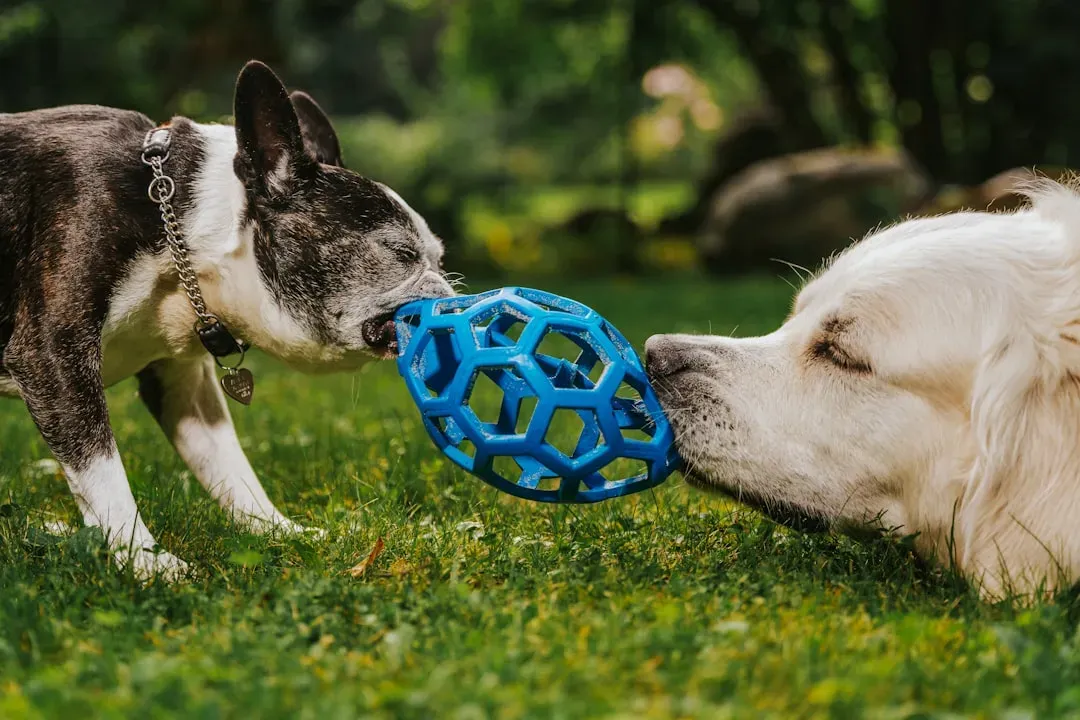
No one trained the first dog to bring a treasured object to a distressed packmate. This instinct predates leashes, clickers, and treat pouches by thousands of years. Behaviorists increasingly describe toy-delivery as a domesticated echo of a much older social structure.
In wolf packs, resources are never handed out randomly – they’re tied directly to social rank and trust. Giving something up, even temporarily, is a costly and meaningful signal precisely because resources are scarce and valuable. Your dog dropping a favorite toy in your lap is running the same math, just with a squeaky duck instead of a piece of elk.
Veterinary behaviorists see the same pattern show up constantly in modern homes: dogs often deliver “gifts” specifically to the people they consider pack leaders, as a display of affection and respect. The toy itself is almost beside the point – the transfer is the message. It’s less a discarded plaything and more a small, deliberate transaction.
Worth Knowing
- Wolf packs treat resources as a currency tied directly to social rank and trust.
- Giving up something valuable, even briefly, is a costly and meaningful signal in the wild.
- Domestic dogs held onto this “resource as message” instinct long after leaving pack life behind.
- Many dogs specifically target the one person in the household they consider the pack leader.
And once researchers actually tested how dogs share resources under controlled conditions, the pattern got even more interesting – and a little more uncomfortable.
Resource-Sharing in Dogs Is More Strategic Than It Looks
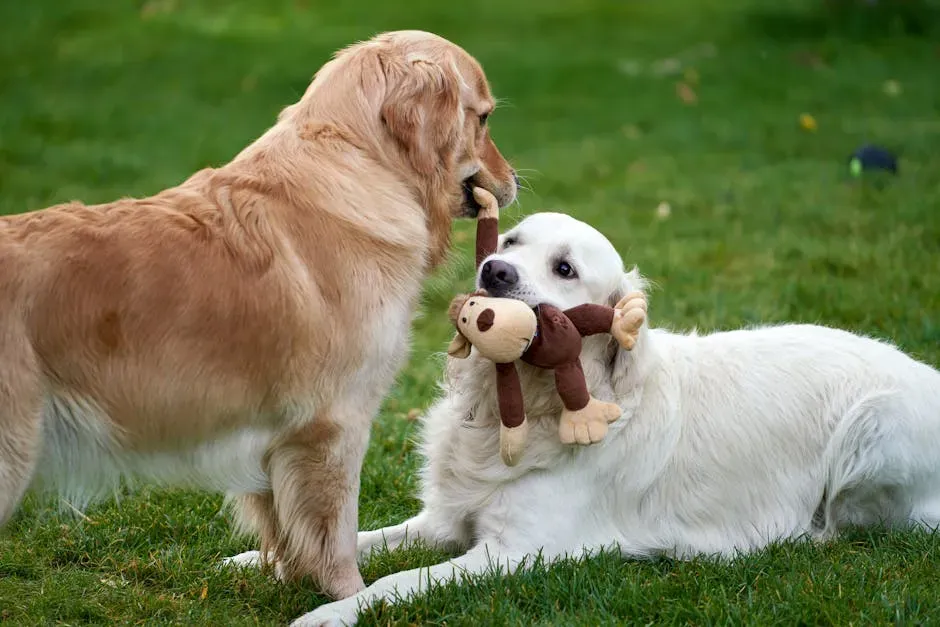
If gift-giving really is a bonding mechanism, it should follow the same rules scientists see in formal resource-sharing experiments. It does – almost eerily so.
A detailed comparative study on wolves and dogs found that food tolerance tracks directly with the social relationship between the two animals involved. In one-on-one settings, the strength of the bond was the single biggest predictor of whether sharing happened at all. Translate that to your living room: your dog isn’t handing a toy to just anyone. It’s handing it to someone it’s bonded to.
Here’s the part most casual pet content skips entirely – rank seems to matter more to dogs than it does to wolves. Dominant dogs tend to hoard resources for themselves, while wolf pack members typically get a share regardless of status. That’s a genuinely surprising finding: thousands of years of domestication may have made dogs less egalitarian about resources than their wild ancestors, not more. Which makes a voluntary toy handover a much bigger deal than it looks.
Quick Compare
- Wolves: Pack members typically get a share of food regardless of rank.
- Dogs: Dominant dogs tend to hoard resources instead of sharing by default.
- Wolves: Sharing behaves more like a built-in group norm.
- Dogs: A voluntary toy handover is the exception, not the rule – which is exactly why it matters.
That same instinct doesn’t just show up between dogs and humans – researchers have caught dogs doing it with each other, under conditions built specifically to rule out coincidence.
Dogs Share With Other Dogs Too – And It’s Not Random
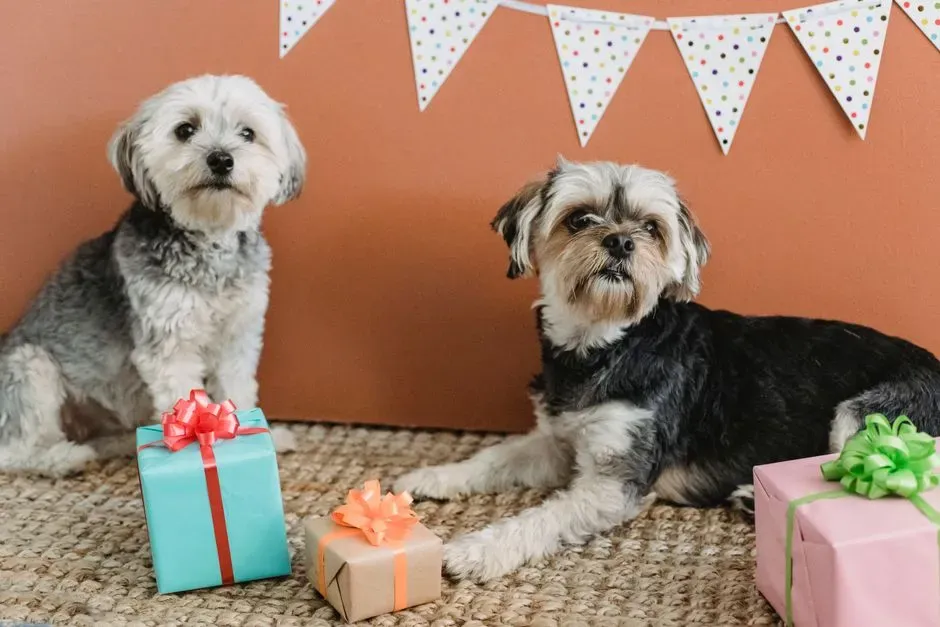
If gift-giving toward people were purely trained or accidental, you wouldn’t expect anything similar to happen between two dogs with no human cueing involved. But it does, and researchers have documented it under tightly controlled conditions.
In an experiment at the Messerli Research Institute, dogs had to actively recognize a token before choosing to deliver a food reward to a partner dog using a bar-pulling task. They favored partners they already knew, and a follow-up test showed that preference held even as the task got harder. This wasn’t accidental generosity – it required the dog to identify a specific object and then decide, on purpose, to act on another animal’s behalf.
That detail matters for the toy in your lap. Familiarity is the deciding factor, not the object itself. A dog isn’t grabbing a random item and stumbling toward you – it’s choosing a recipient based on the strength of the relationship, the same way attachment research shows bonded dogs actively track who helps their owners and who doesn’t.
But before this turns into a tidy, feel-good story, it’s worth knowing where trainers and researchers start pushing back.
Not Every Toy Delivery Means the Same Thing
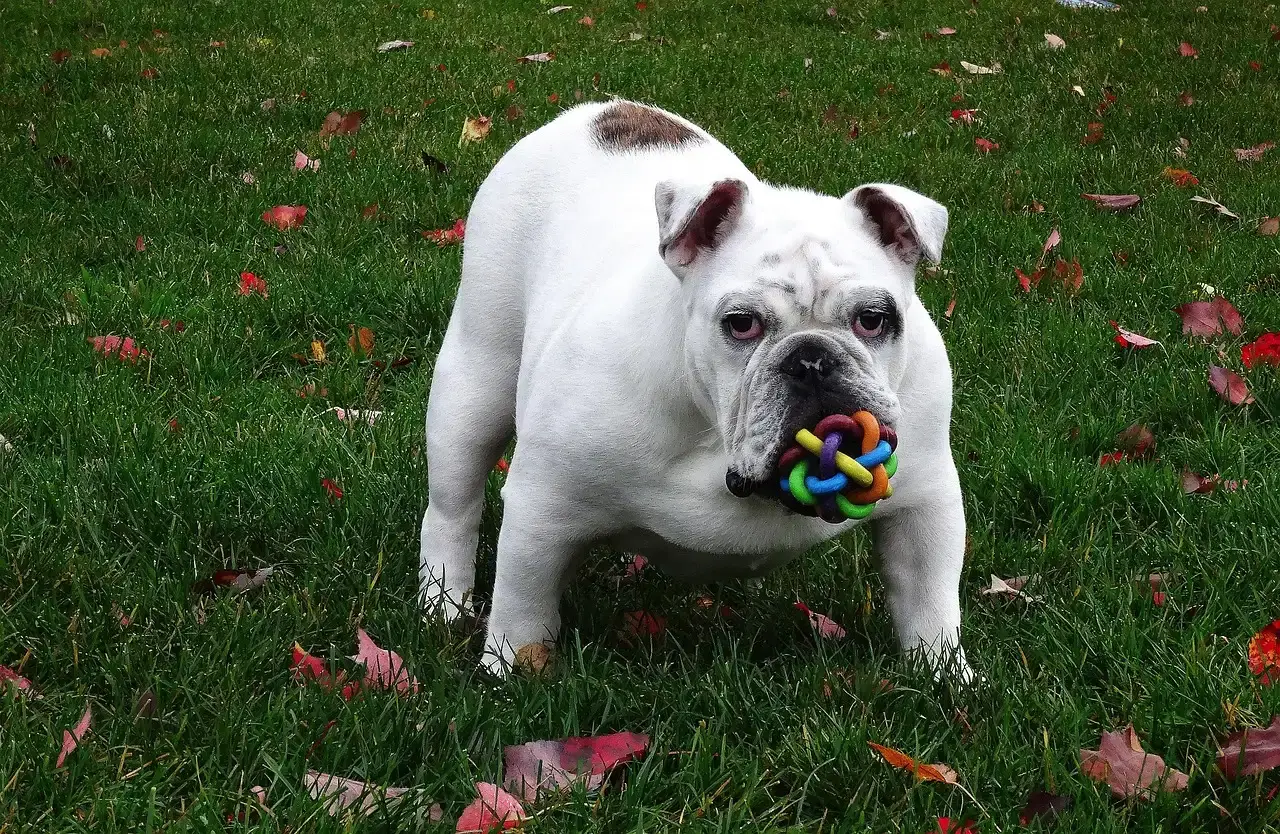
Here’s where it gets messier – and where some trainers push back hard on the “it’s always a heartfelt gift” narrative. Toy-delivery is likely a multi-purpose behavior, and treating every instance as pure empathy oversimplifies what’s actually going on.
Some researchers argue a chunk of this behavior is really about self-regulation. When dogs feel intense emotion, bringing an object can function as a displacement behavior – a way of redirecting nervous energy into something that looks sweet but isn’t entirely “for” you. Sometimes the dog is managing its own arousal, and the toy in your lap is a side effect, not a calculated gesture.
At the same time, dismissing it as purely mechanical ignores the appeasement angle behavior consultants have documented for years: dogs will bring something high-value to a person specifically because they perceive that person as high-status, as a way of demonstrating respect. Both explanations can be true at once. Most owners want one clean answer, and the research just won’t hand them one.
At a Glance
- Self-regulation theory: The toy helps the dog manage its own stress or nervous energy.
- Appeasement theory: The toy is offered specifically to a person the dog sees as high-status.
- Both theories can be true in the very same moment – this isn’t a one-size-fits-all behavior.
- Researchers agree the “always pure empathy” explanation oversimplifies what’s really going on.
Messy as that sounds, there’s a reason the behavior survives generation after generation – and it comes down to brain chemistry.
The Neuroscience Behind Why This Behavior Persists At All
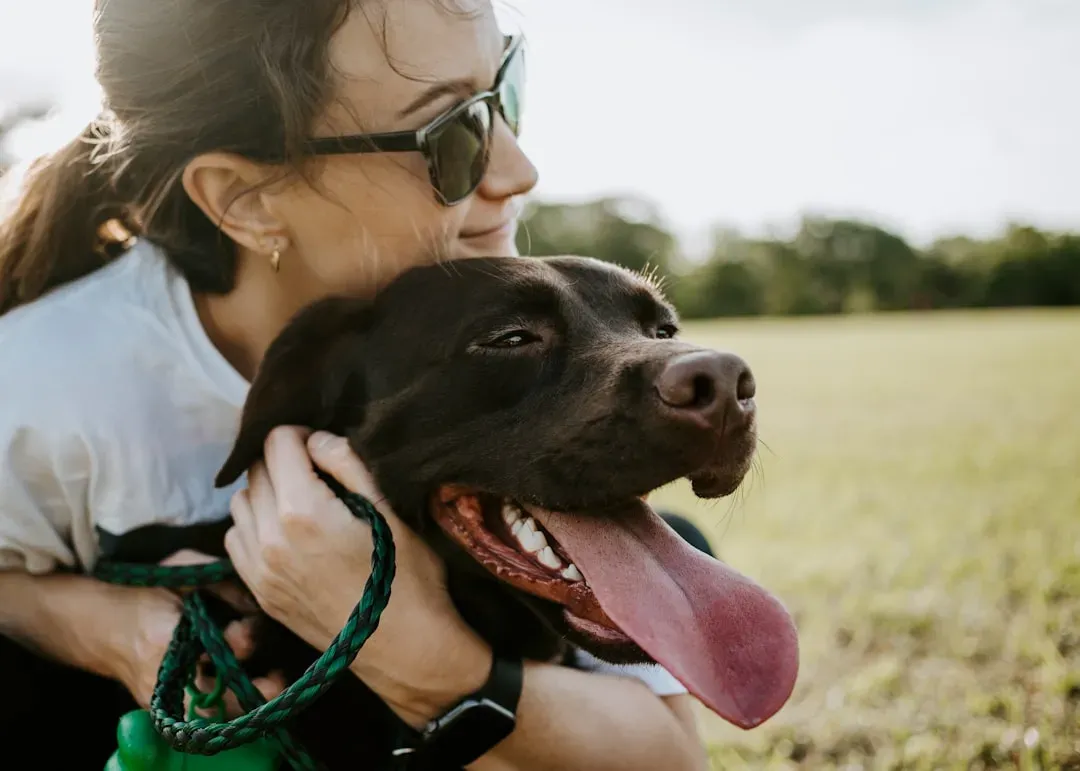
Evolution doesn’t keep a behavior around for no reason. Gift-giving toward humans has survived thousands of years of domestication because it delivers a real, measurable neurochemical payoff for both species.
Researchers studying hormonal drivers of canine bonding found that oxytocin plays a direct role here – it increases affiliation, social orientation, and the drive to approach a close social partner. That’s not a metaphor. It’s a documented biological mechanism rewarding exactly the kind of approach-and-affiliate behavior a toy delivery represents.
Even stranger, this mechanism isn’t unique to dogs bonding with each other – the same research suggests natural selection favored these neural pathways because stable social relationships had survival value, period, regardless of species. The oxytocin loop firing when your dog drops a toy at your feet is running on the same ancient hardware that held wolf packs together for millennia. Your dog’s brain is still executing a program built for pack survival. You’re just the pack now.
Fast Facts
- Oxytocin increases affiliation, social orientation, and the drive to approach a close companion.
- The hormone rewards approach-and-affiliate behavior – exactly what a toy delivery represents.
- These neural pathways appear to have been favored by natural selection because stable social bonds boosted survival.
- The same biological loop is thought to have helped hold wolf packs together for thousands of years.
So no – the soggy tennis ball in your lap isn’t bad timing, and it isn’t your dog being oblivious to your mood. It’s closer to the opposite: emotional radar, ancestral instinct, and brain chemistry all firing at once, aimed squarely at keeping the two of you bonded. Not every delivery is a grand act of empathy, and some of it is almost certainly your dog managing its own nerves. But the pattern underneath is real, it’s ancient, and it says more about how seriously your dog takes you than most owners ever stop to consider.
If you want the honest opinion here: the “just a confused dog” explanation never really held up, and the research makes it hard to keep pretending otherwise. Next time it happens, take the toy. Your dog isn’t asking you to play. It’s telling you something.