
Research Says Dogs Circle Before Lying Down as an Ancient Instinct That Persists in Domestic Dogs Despite Generations of Selective Breeding
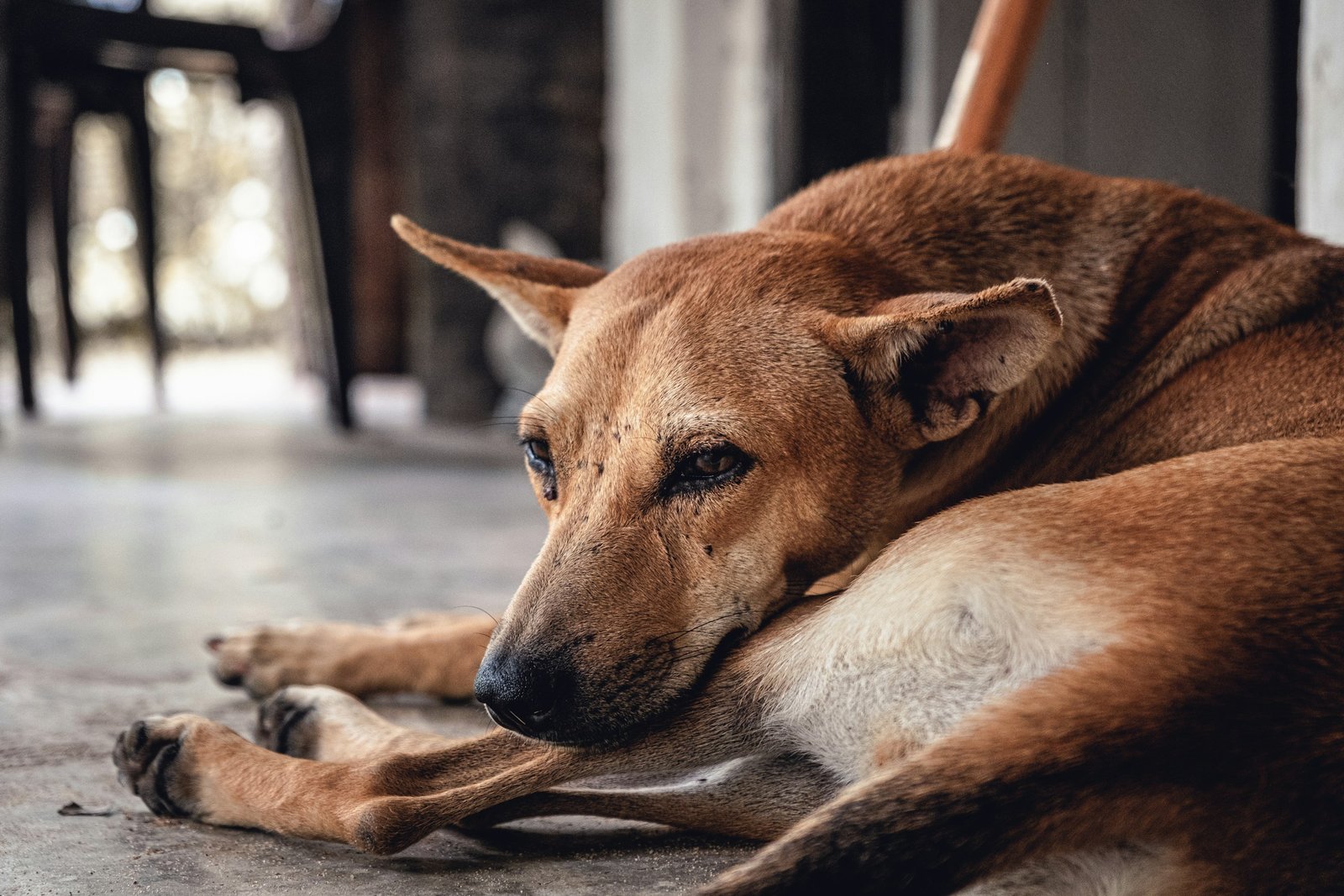
Most dog owners write it off as a quirky bedtime habit – maybe a stalling tactic before nap time. But scientists say it’s something much older than a habit. It’s a genetic fossil, a survival ritual your dog’s ancestors performed thousands of years before couches, leashes, or humans as we know them even existed.
Every time your Labrador spins three times on a memory-foam bed, it’s technically reenacting a move that once helped wild canines survive freezing nights and prowling predators. Selective breeding rewired almost everything about dogs – their size, their temperament, even the shape of their faces. Yet this one instinct refused to die. Here’s what researchers, veterinary behaviorists, and animal scientists actually found when they looked closer, including one twist that should make every owner pay closer attention at bedtime.
The Ancient “Threat Check” Theory That Won’t Die
Dog behaviorists believe the bedtime spin is inherited – a leftover from wild wolves that performed the exact same ritual long before domestication. Domestic dogs, in this view, are simply running an old survival program passed down through their genes.
The logic is simple. An animal caught lying down and unaware is an animal that’s vulnerable. Circling supposedly gave wild canines one last chance to scan for danger before committing to sleep.
There’s also a wind-direction angle that keeps popping up in behaviorist circles. Some wildlife biologists believe wolves slept with their noses pointed into the wind, so they could catch a threatening scent early. Circling, in theory, let a wolf figure out which way the wind was blowing before settling into the safest position.
Other researchers push the theory even further into pack politics. Wolves may have circled to account for every pack member, confirming that everyone curled up together belonged there. Some even argue it reinforced the pack’s hierarchy before everyone went still for the night.
Fast Facts
- Predator-scan theory: circling gave a resting wolf one last look around before dropping its guard.
- Wind-check theory: spinning may have helped a wolf position its nose into the wind to catch scents early.
- Pack-count theory: circling could have let a wolf confirm every packmate was accounted for before settling.
- None of these three ideas has ever been backed by a controlled study.
Most people don’t realize this “safety scan” theory has almost zero hard data behind it. It’s mostly educated speculation, passed between behaviorists for decades without a real experiment to back it up. But that’s nothing compared to what actual controlled research found about the comfort side of this behavior.
The Nesting Instinct Science Actually Backs
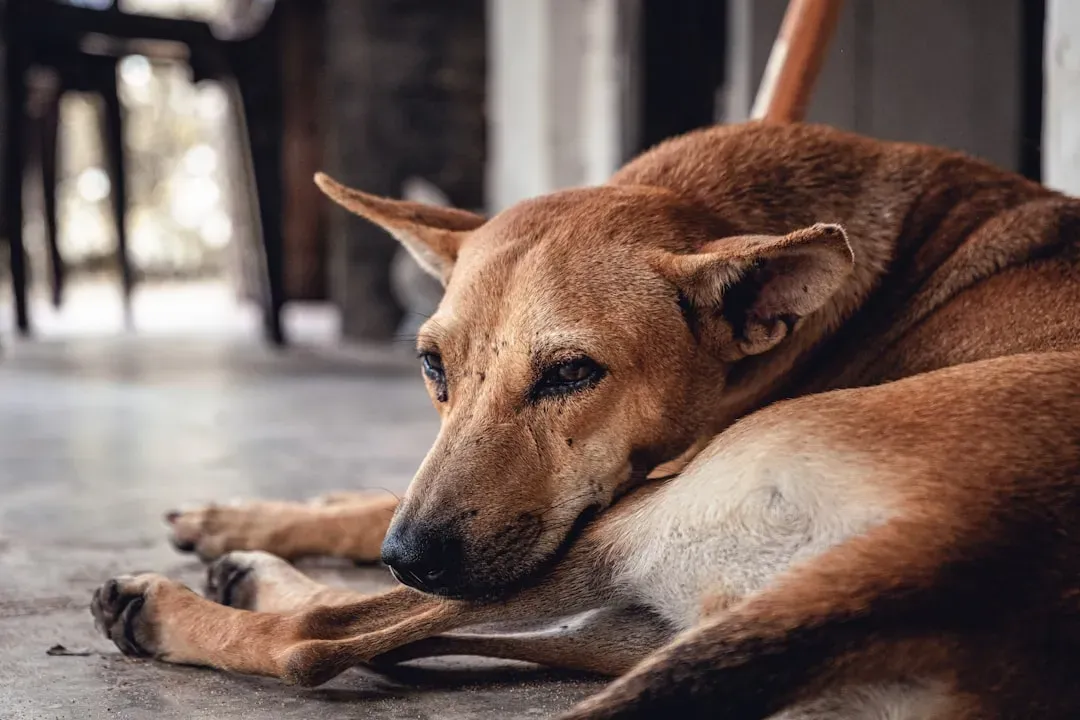
While the predator-scanning theory is popular, it’s mostly folklore dressed up as fact. The nesting explanation is different – it’s the one theory that’s actually been tested in a controlled way.
Renowned dog behaviorist Dr. Stanley Coren ran the experiment that changed the conversation. He found that dogs presented with a soft, uneven surface were far more likely to circle, scratch, and paw at the material to arrange it before lying down. Dogs given a flat, smooth surface barely bothered.
That single detail flips the popular narrative on its head. If circling were purely about scanning for predators, dogs should circle the same amount no matter what surface they’re standing on. They don’t, and that gap is the whole point.
The behavior mimics what wild canines did in tall grass, packing down leaves, dirt, or snow to build a softer, safer bed before they laid down. Turns out your dog’s “weird bedtime dance” is closer to fluffing a pillow than standing guard. But comfort isn’t the only physical need driving this ritual – temperature plays a massive role too, and it’s stranger than most owners assume.
Why Cold Weather Makes the Circling Worse
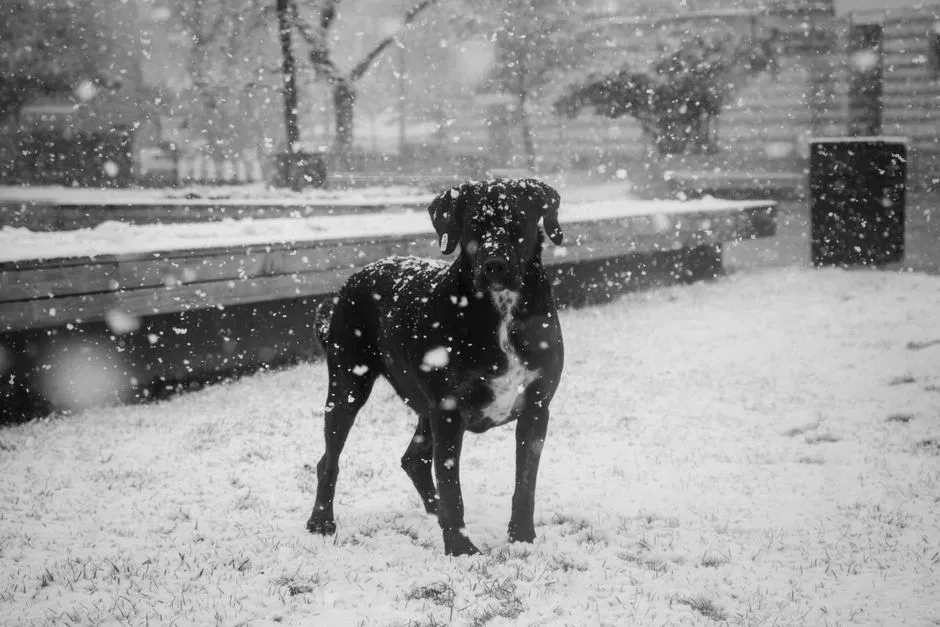
Ever notice your dog circles harder on a chilly night than during a warm afternoon nap? That’s not your imagination. It’s thermoregulation, wired straight from the wolf den.
Wild canines in cold climates circled to wind themselves into a tight ball, conserving body heat with every inch of the tuck. The tighter the curl, the warmer the animal stayed. Pack members often gathered in the same tight circle, sharing warmth through sheer proximity, giving dogs a biological reason to spin before bedding down in both freezing and blistering climates.
Even in warm environments, the same motor pattern gets repurposed, just for cooling instead of warming. In colder climates, wolves packed down snow for insulation; in warmer regions, they dug or patted down earth to reach cooler soil underneath. Dogs today rarely need to regulate temperature this way, but the motion still helps them settle into a position that traps or releases heat depending on breed and coat type.
Worth Knowing
- A tighter curl traps more body heat – the tuck itself acts like a built-in blanket.
- Wolves huddled nose-to-tail in packs, turning shared body heat into a survival advantage.
- In warm climates, the same spin can help dogs seek out cooler patches of ground instead.
- Thin-coated breeds tend to rely on this motion more heavily than thick-coated ones.
This is the part that surprises most owners: short-coated, thin-skinned breeds often circle more aggressively than thick-coated ones. They simply have less natural insulation, so they lean harder on positioning to stay warm. But even this heat-seeking explanation doesn’t cover everything your dog is doing with its paws mid-spin, because there’s a scent component almost nobody talks about.
The Scent-Marking Secret Hiding in Every Spin
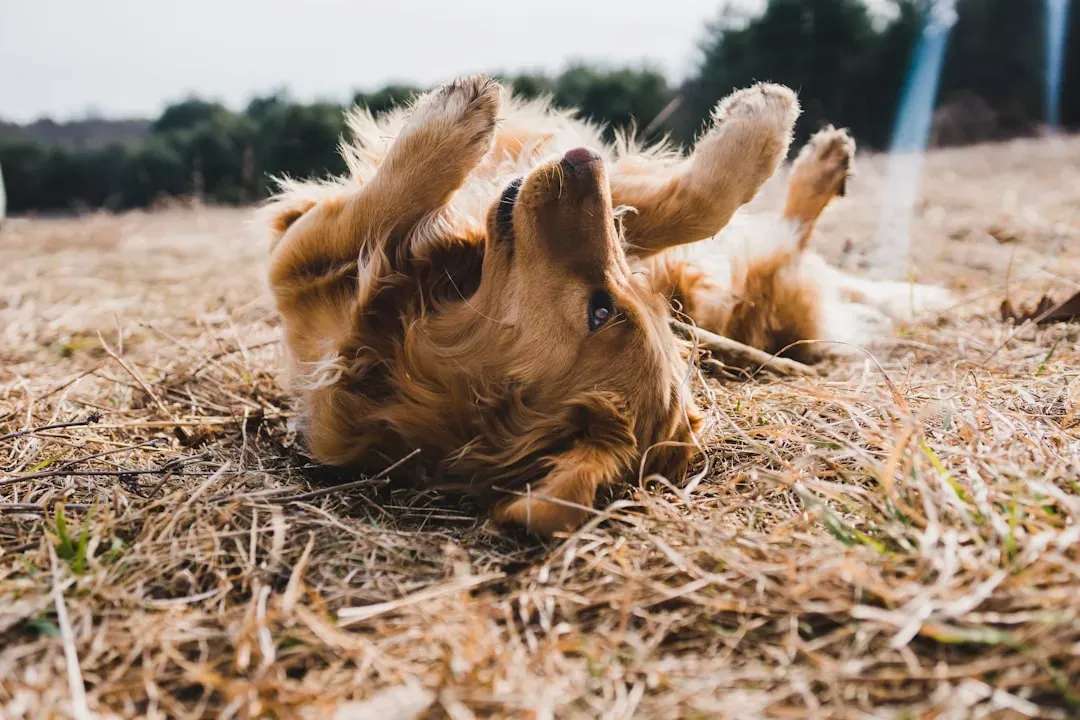
Here’s the part that rarely makes it into casual conversation: circling isn’t just physical, it’s chemical. Dogs have scent glands embedded in their paw pads, and every single step during that pre-sleep spin is doing double duty.
Each step releases pheromones that mark the immediate environment, so circling actually intensifies the marking process. It’s the equivalent of your dog quietly announcing, “this is my space,” reinforcing a sense of ownership and security before it fully lets its guard down.
Some researchers argue this scent-based territory claim started as a communication tool between animals, not just a private comfort ritual. Dr. Leslie Irvine, who researches the role of animals in society, connects it to instinctive wolf behavior, noting that circling in the wild would flatten grass or snow and drive out snakes or large insects hiding underneath. She suggests the flattened, scented patch left behind worked as a visible signal to other wolves that the territory was already claimed.
Most people assume their dog is just “getting comfy,” when it’s actually leaving an invisible chemical signpost for any animal that might wander by. It’s a survival strategy disguised as a bedtime habit. And here’s where things get genuinely strange, because this instinct survived something that erased almost everything else about the wolf.
Thousands of Generations of Breeding Couldn’t Erase This
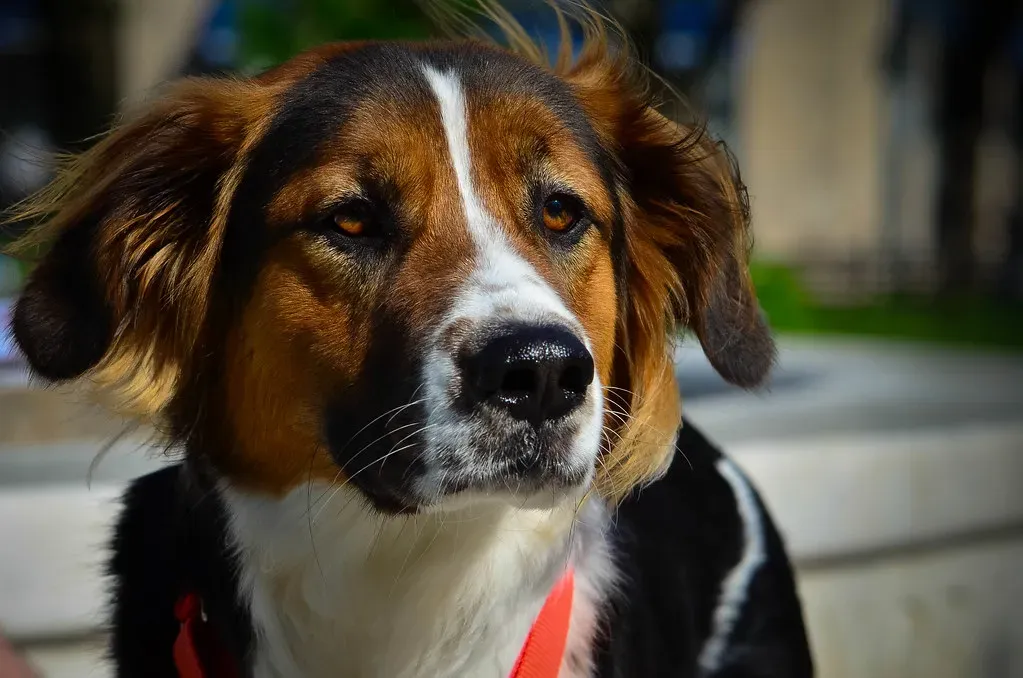
Selective breeding is powerful. It turned a wolf-like predator into a Chihuahua that fits in a purse, a Great Dane the size of a small horse, and a Pug with a face nothing like its ancestors. Yet this one behavior slipped through completely untouched.
The genetic split between the dog’s ancestors and modern wolves happened somewhere between 40,000 and 30,000 years ago, right around the Last Glacial Maximum. That’s not a handful of generations – domestication itself didn’t even begin until roughly 30,000 years ago, and it took thousands of years after that to shape the breeds we know today.
At a Glance
- Genetic split from wolves: roughly 40,000 to 30,000 years ago.
- Domestication process began: an estimated 30,000 years ago.
- Recognized dog breeds today: around 200, spanning wildly different sizes and jobs.
- Circling behavior bred out of any of them: zero.
Across all of that time, and across roughly 200 recognized breeds shaped by humans for size, coat, temperament, and job, the circling ritual never got bred out. This isn’t a habit dogs picked up overnight, it’s an instinct buried deep in their psyche for generations upon generations. Your dog might not look anything like a wolf, but genetically, he’s still carrying that old blueprint.
Here’s the controversial opinion many trainers won’t say out loud: no amount of designer breeding will ever fully “modernize” a dog’s brain. The ancient survival code is baked in far deeper than coat color or ear shape. Selective breeding changed the outside completely and left the software almost untouched, but there’s one twist to this story every owner needs to hear, because sometimes the circling isn’t ancient instinct at all. It’s a warning sign.
When “Cute” Circling Actually Means Something’s Wrong
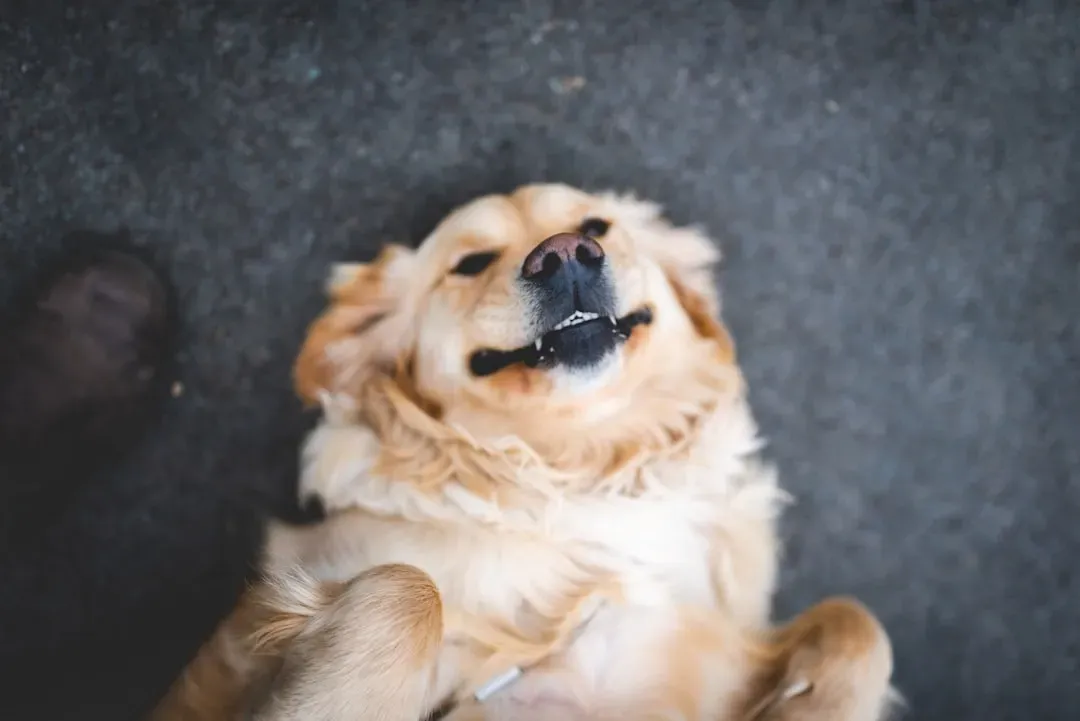
This is the part most feel-good pet articles conveniently skip: not every spin is nostalgia for the wild. Veterinary neurologists are increasingly clear that a change in circling patterns deserves real attention, not a shrug.
From a veterinary neurologist’s perspective, circling can mean very different things depending on context. Most dogs circling a few times before lying down is completely normal, widely understood as that same old nesting instinct at work.
The line gets crossed when circling becomes obsessive, strictly one-directional, or paired with obvious discomfort. Pain from spinal issues or hip dysplasia can make both lying down and standing back up genuinely difficult, and circling can be the visible sign of that struggle.
Quick Compare
- Normal: A few relaxed spins, then an easy, comfortable drop into a resting position.
- Normal: Direction varies from one nap to the next, with no visible strain.
- Concerning: Circling only in one direction, every single time, with no variation.
- Concerning: Repetitive, prolonged spinning paired with stiffness, whining, or trouble settling.
Even the wider research world backs up this split. Formal studies on ordinary pre-sleep circling are almost nonexistent, but there’s meaningful research on excessive, prolonged circling tied to canine obsessive-compulsive disorder and neurological issues. The uncomfortable truth: that “adorable quirk” your dog does every night could occasionally be the first visible clue of arthritis, spinal pain, or a neurological problem, and most owners would never think to mention it to a vet, because it looks so normal.
The Verdict: Your Dog Never Fully Left the Wild
The evidence lines up pretty clearly. Dogs circle before lying down because ancient survival code still runs quietly in their brains, even after 30,000-plus years of domestication and generations of selective breeding aimed at everything except erasing this one habit.
The strongest data, not just theory, points to comfort and nesting as the real driver, with temperature regulation and scent-marking riding shotgun. The predator-scanning story is charming, but it’s mostly folklore dressed up as fact.
What should worry owners more is the flip side. Sudden, excessive, or one-directional circling isn’t nostalgia, it’s a possible medical red flag, and it’s worth a phone call to your vet, not a shrug and a smile.
Here’s the opinion worth sitting with: dogs never stopped being wild animals underneath the fur and the leash. They just got remarkably good at hiding it, three quiet spins at a time. Did your dog’s circling habit ever change out of nowhere? Tell us what happened in the comments.