
18 Abilities Dogs Hold Onto Which No Instrument in a Clinic Has Managed to Measure
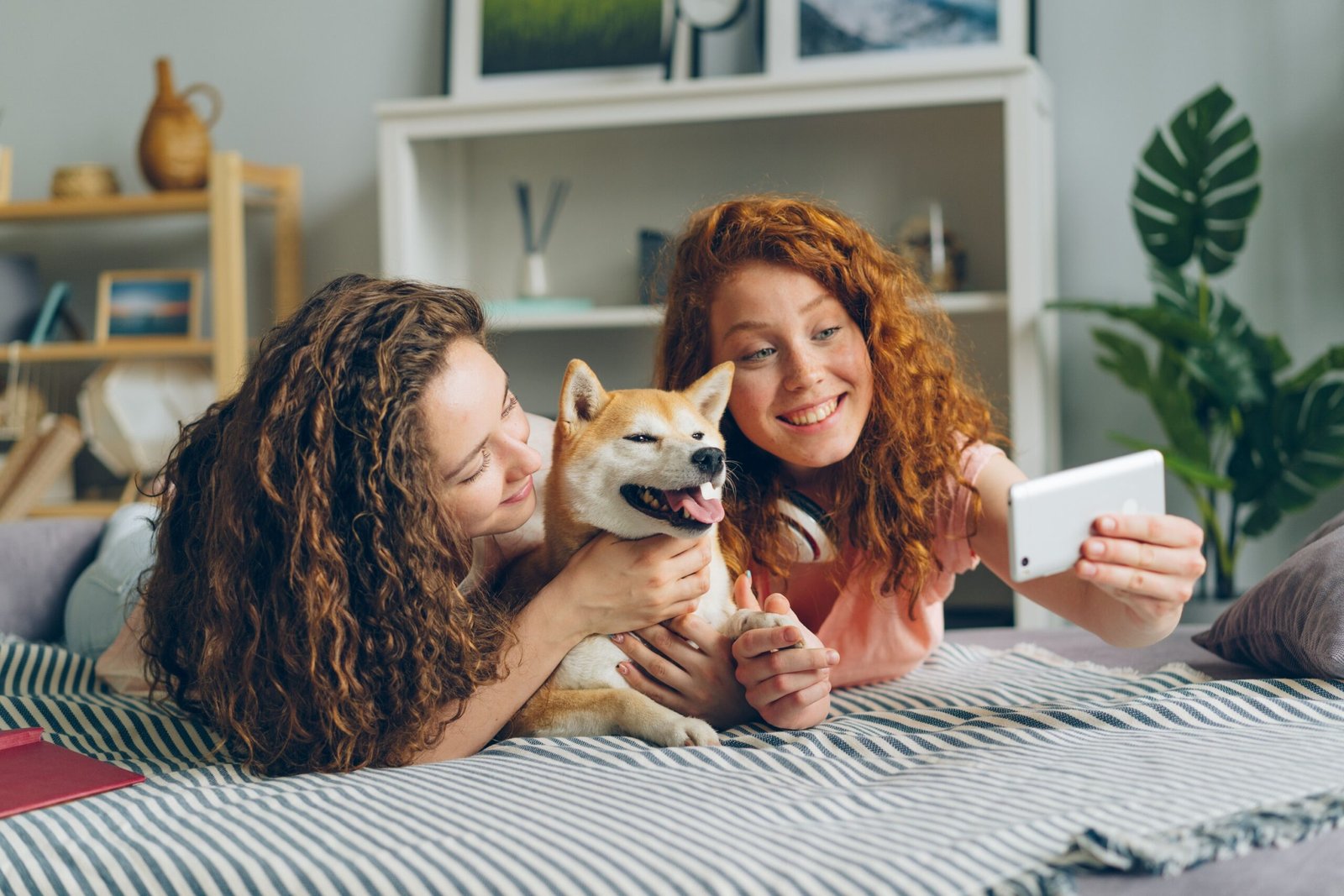
Most people assume science has already cracked the dog code – heart rate monitors, brain scans, DNA panels, cortisol readings down to the decimal point. But sit with any dog owner for five minutes and you’ll hear a different story: the moment their dog knew something was wrong before any diagnosis, or nudged them awake seconds before a panic attack hit. No machine in any clinic has ever caught that.
That gap between what a scanner can print out and what a dog actually does only gets stranger the closer you look. Eighteen of these unmeasurable talents are waiting below, and by the end, you’ll probably start mentally checking off which ones your own dog has been quietly pulling off without you ever noticing.
#1 – Their Uncanny Sense of Who You Really Are
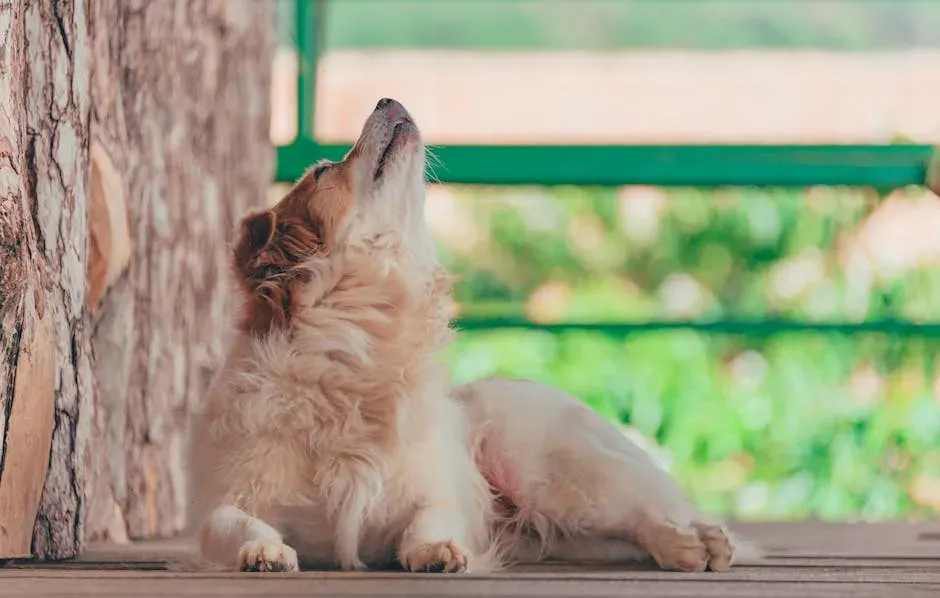
Dogs don’t just recognize you; they seem to read straight through you. One of the strangest things owners report is a dog that’s sweet with almost everyone, then instantly goes cold around one specific person – for no obvious reason at all. No standardized test in veterinary medicine can measure a dog’s “character radar,” but every dog person has watched it happen in real time.
Clinics can run temperament evaluations and behavior checklists, but those measure obedience, not intuition. Your dog doesn’t need a questionnaire – it’s clocking the way someone walks, how their voice shifts, the tension sitting in their shoulders. When the verdict comes back “not safe,” they’ll suddenly sit closer, block a doorway, or lock eyes with that person until they leave.
#2 – The Way They Predict Your Routine Before You Do
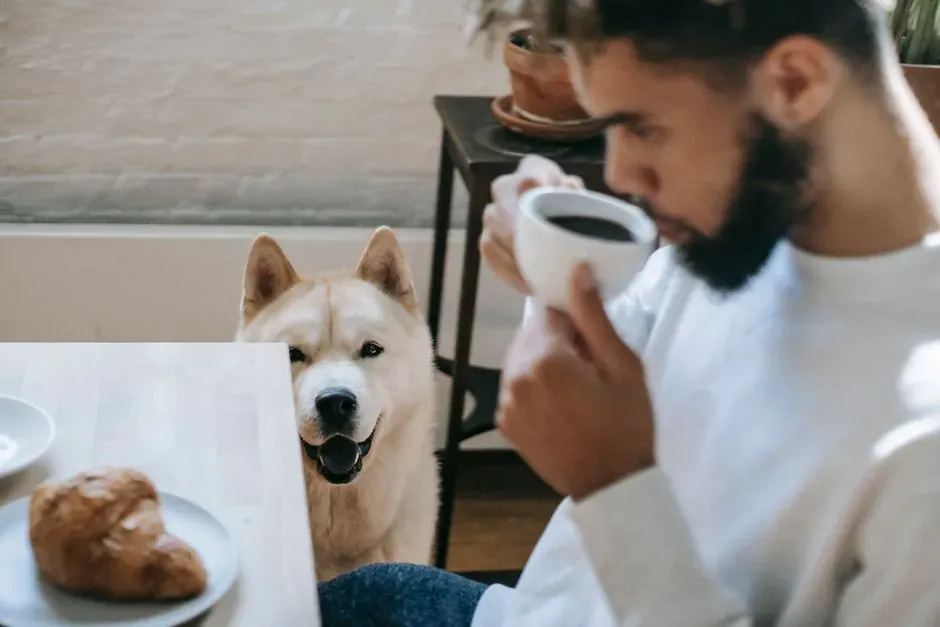
You might think you’re spontaneous, but your dog would disagree. Owners constantly catch their dog heading to the door minutes before anyone grabs the keys, or camped by the food bowl before the actual feeding time even arrives. Dogs map your micro-routines with a precision no clinic device has ever quantified.
We can strap an activity tracker to a collar, but that only shows what the dog does, not the invisible math behind it. Your dog is quietly tracking light changes, footsteps, alarm sounds, even how many times you’ve opened the fridge – a living algorithm updating in real time. Change your job or your schedule, and most dogs recalibrate within days, while human sleep trackers still can’t tell a nap from deep sleep.
Fast Facts
- Dogs use “time-place learning” to link certain hours with specific events, like a walk or feeding
- Scent fades gradually after you leave, giving dogs a rough internal clock for how long you’ve been gone
- Simple cues – a jingle of keys, a certain pair of shoes – can trigger anticipation minutes in advance
- Most dogs adjust to a new schedule within days, long before any tracking app catches up
#3 – Their Silent Emotional Thermometer
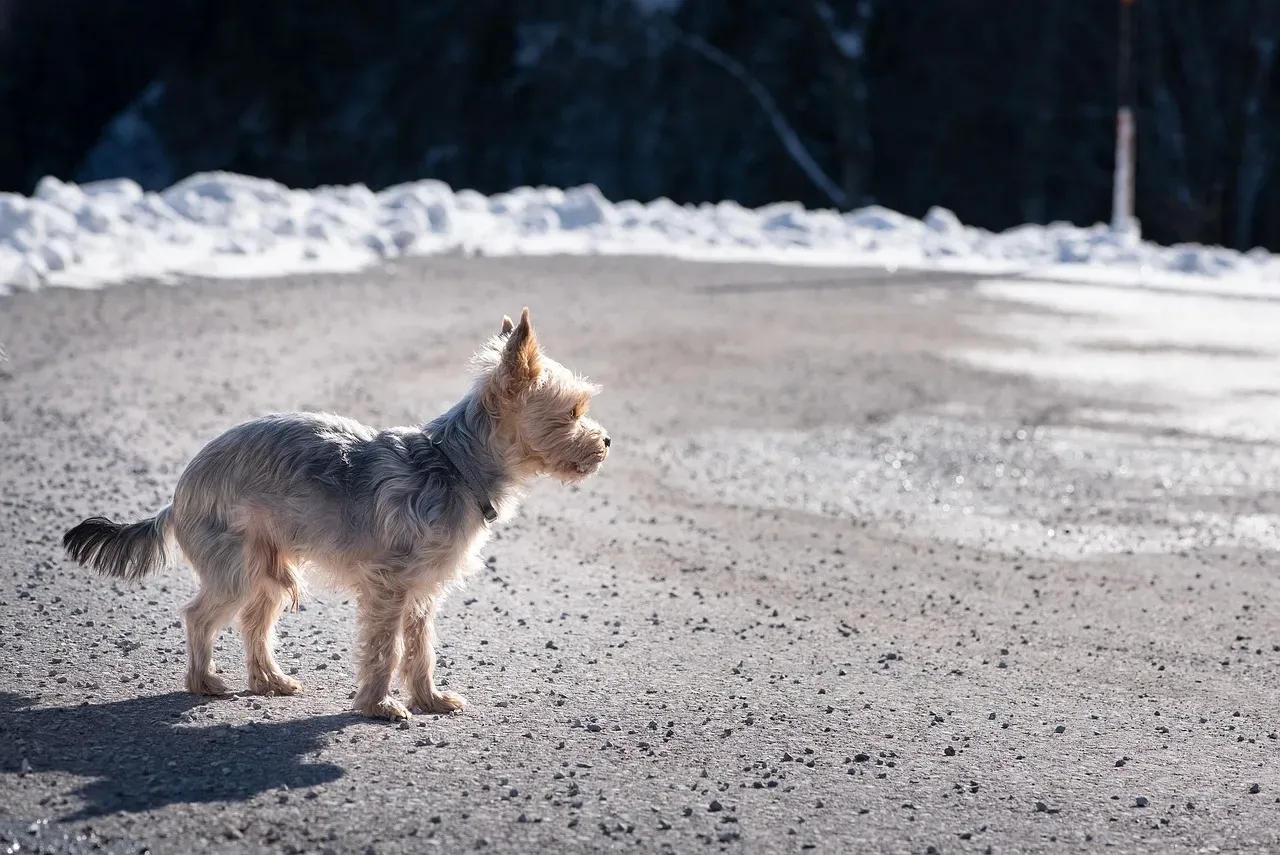
Most people don’t realize their dog is running a constant temperature check on their mood. No stethoscope picks it up, but your dog often knows you’re anxious before your own brain admits it. They register shifts in tone, breathing, posture, and even scent when your stress hormones spike – none of which shows up on a standard clinic chart.
Labs can measure cortisol in saliva, but your dog skips the paperwork. They notice the shoulders rounding a little more, the laugh with less air behind it, and they respond – nudging your hand, lying closer, refusing to leave the room. The unsettling part is how consistent it is, even on the days you’re convinced you’re hiding it well.
#4 – Their Grief That Outlives the Moment

Clinics can measure acute pain; they have no ruler for lingering heartbreak. Yet dogs clearly grieve in a way that goes far past “confusion” – when someone disappears, some dogs start checking rooms, favorite chairs, and the empty side of the bed. No diagnostic machine can quantify how long a dog waits for someone who isn’t coming back.
Vets label it “separation distress,” but that clinical phrase misses what owners actually watch happen: dogs sitting by the door at the exact hour someone used to walk through it, perking up at a familiar engine sound, then deflating when it passes. Months later, a jacket pulled from the closet can trigger frantic sniffing and a wagging tail. Science calls it attachment disruption. Most owners just call it grief – and they’re not wrong.
#5 – Their Ability to Turn Chaos Into Calm
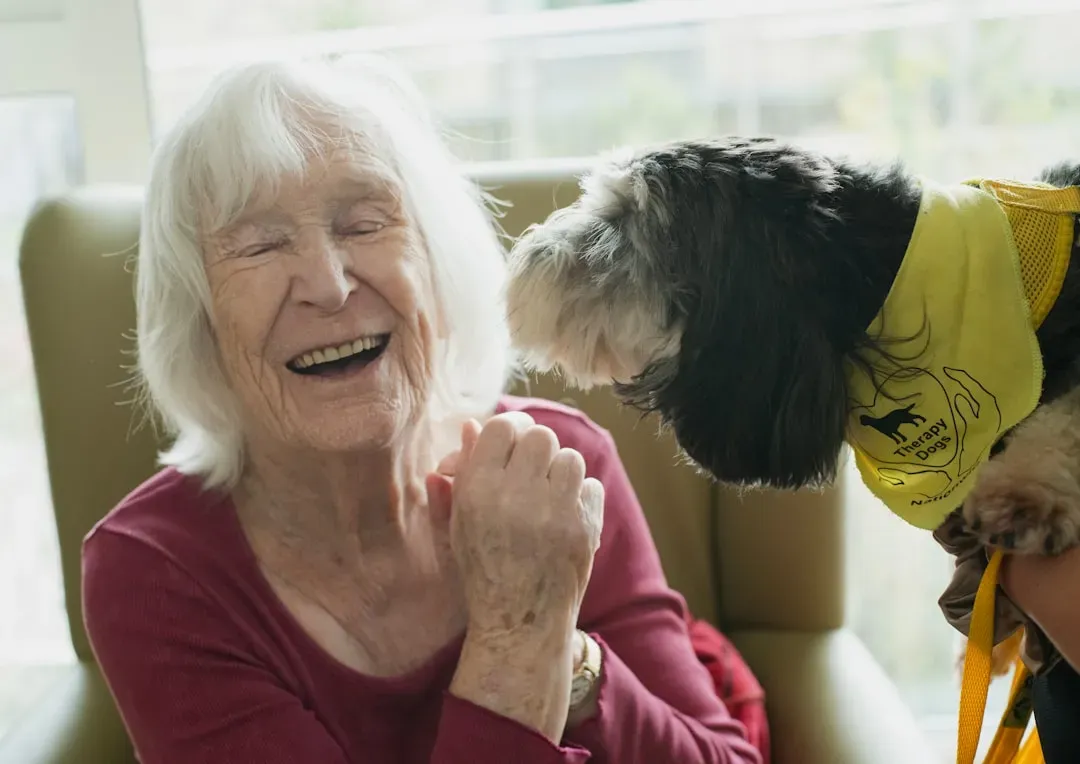
Some dogs are walking grounding tools, quietly outperforming half the self-help apps on your phone. An anxious kid suddenly settles when the dog flops across their lap; an overwhelmed adult starts breathing slower while absentmindedly stroking soft ears. No clinic device currently measures how effectively a dog can regulate a human nervous system in real time.
Studies confirm heart rate and blood pressure drop around animals, but that’s the summary, not the moment-to-moment magic. Dogs respond dynamically – pressing closer when your breathing goes shallow, pawing when you freeze, going still when you spiral. Hospitals full of expensive equipment still feel cold until a therapy dog walks through the door, and suddenly the whole waiting room exhales.
#6 – Their Moral Compass in Real Time
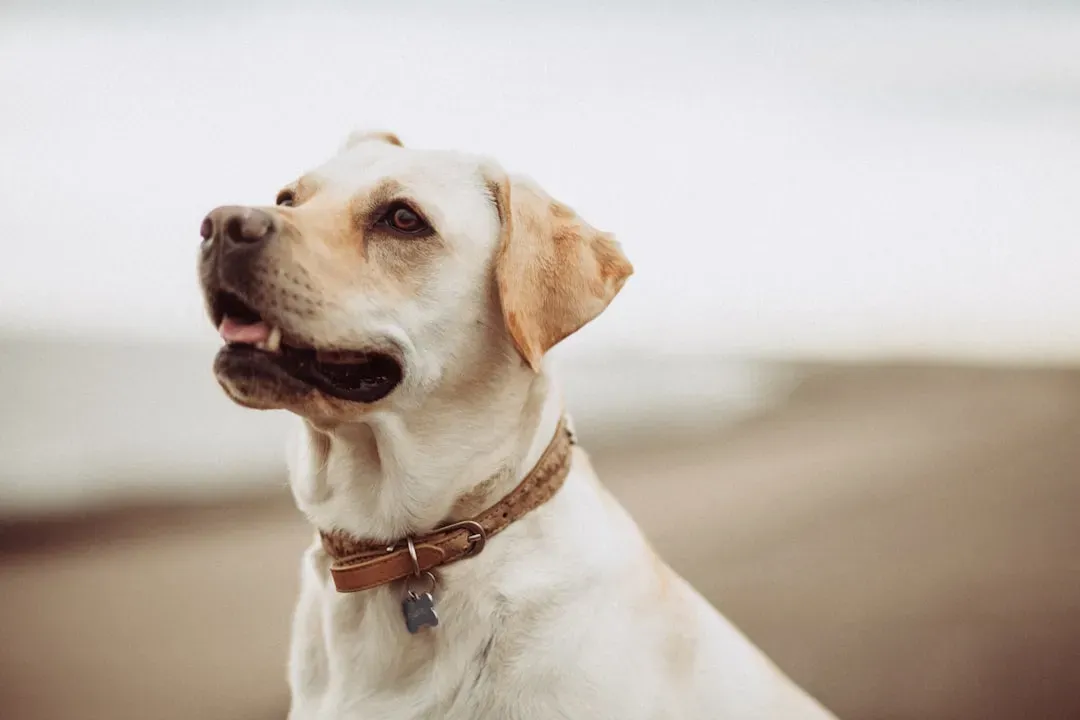
This is the one that makes scientists squirm: dogs often act like they’re making moral calls. They wedge themselves between a toddler and a rough adult, or bark at one dog bullying another while staying silent during fair play. You can test a dog’s intelligence, but you can’t plug it into a machine and print out its sense of right and wrong.
Many owners have watched their dog physically separate arguing family members or refuse to leave a crying person alone. Some behaviorists shrug this off as “avoiding conflict noise,” but that explanation feels thin next to what actually plays out in the living room. Dogs aren’t following a rulebook – they’re reacting to tension, tone, and harm, and the result looks a lot like a decision, whether our instruments can admit it or not.
#7 – The Stories They Build About You
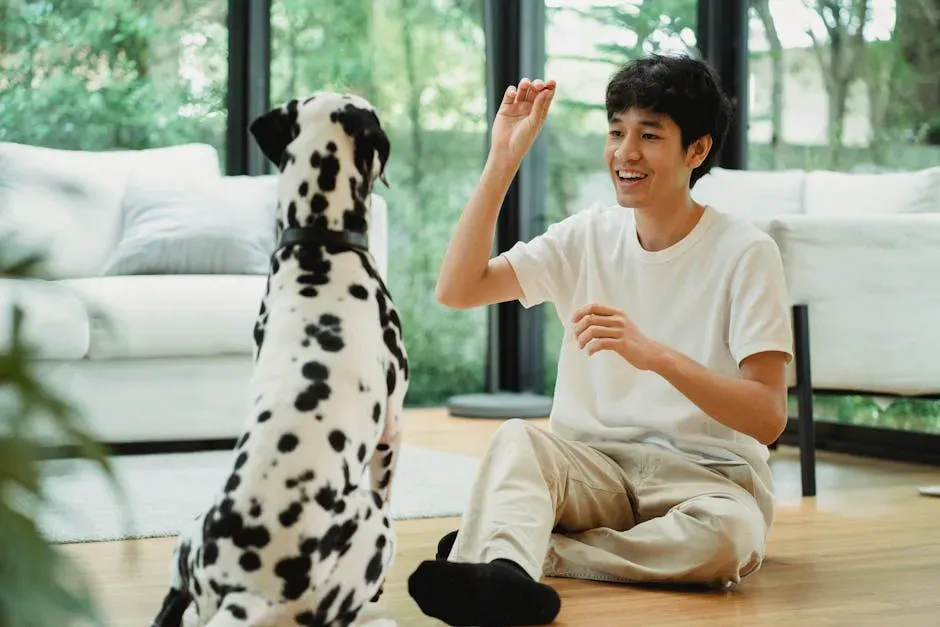
We like to think only humans build narratives, but dogs act like they’re holding a detailed file on you – how you behave, what you’re likely to do next, what breaks your patterns. Come home late and your dog greets you differently than when you’re on time; pack a certain bag and they already know if it means “walk” or “you’re leaving for days.” No lab test reveals the complexity of the mental file your dog keeps labeled with your name.
Cognitive tests show dogs remember objects and locations, but everyday behavior suggests something richer – they track your moods across years, not minutes. A dog rescued from chaos might stay hyper-alert even in a completely safe home, because its “story” about people was written early, in sharp ink. As trust rebuilds, that inner story quietly rewrites itself – you just don’t notice until the day they finally sigh and flop belly-up beside you.
#8 – Their Radar for Invisible Illness
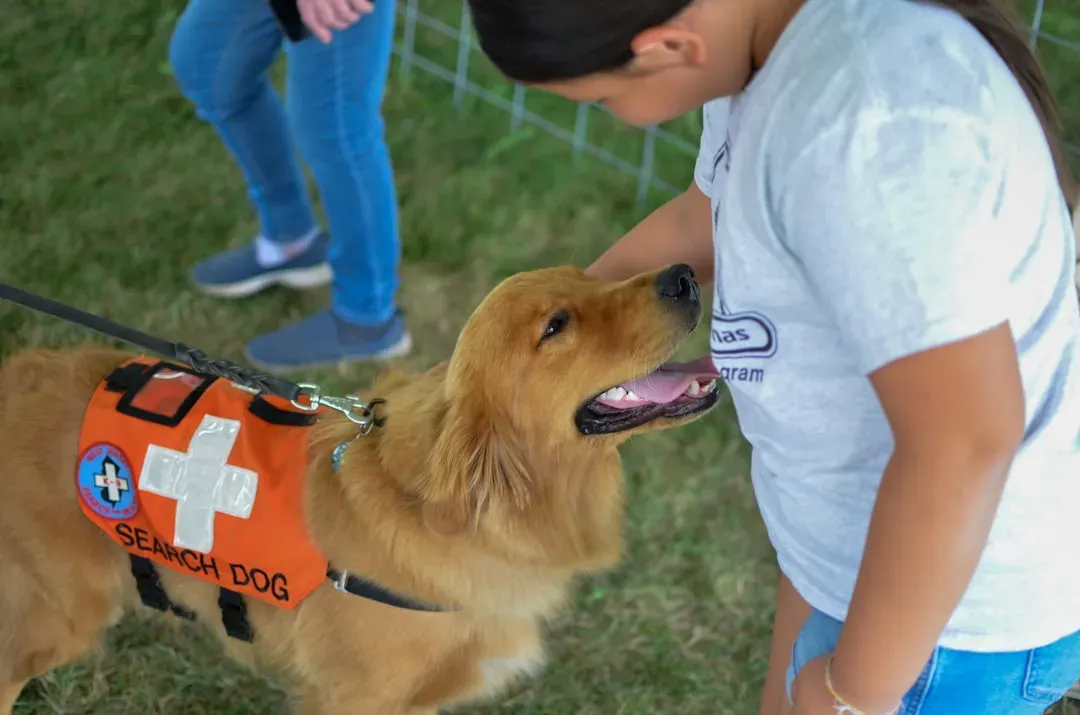
This one sounds like a myth until you’ve seen it happen: a dog that starts sniffing, pawing, or fixating on one spot on a person’s body months before any diagnosis. Some are trained medical alert dogs – plenty are just family pets acting strange around a mole, a breath, a joint. We build machines that detect tumors and arrhythmias, yet no standard veterinary instrument measures a dog’s raw, untrained “danger sniff.”
We already know trained dogs can smell shifts in blood sugar or an oncoming seizure. What clinics rarely track is how many ordinary pets start hovering over a joint before arthritis shows up on an X-ray, or refuse to leave a pregnant owner’s side long before any test comes back positive. Science cautiously files this under “anecdote.” The nose usually knows long before the chart does.
Worth Knowing
- A dog’s nose holds up to 300 million scent receptors, compared with roughly 6 million in humans
- Trained medical alert dogs can already detect drops in blood sugar, oncoming seizures, and certain cancers by scent
- Many untrained pets show the same fixation – sniffing, pawing, refusing to leave a spot – well before any diagnosis appears
- Vets still classify most of these moments as anecdotal, since no clinical test currently measures a dog’s “danger sniff”
#9 – Their Ability to Forgive Without Forgetting
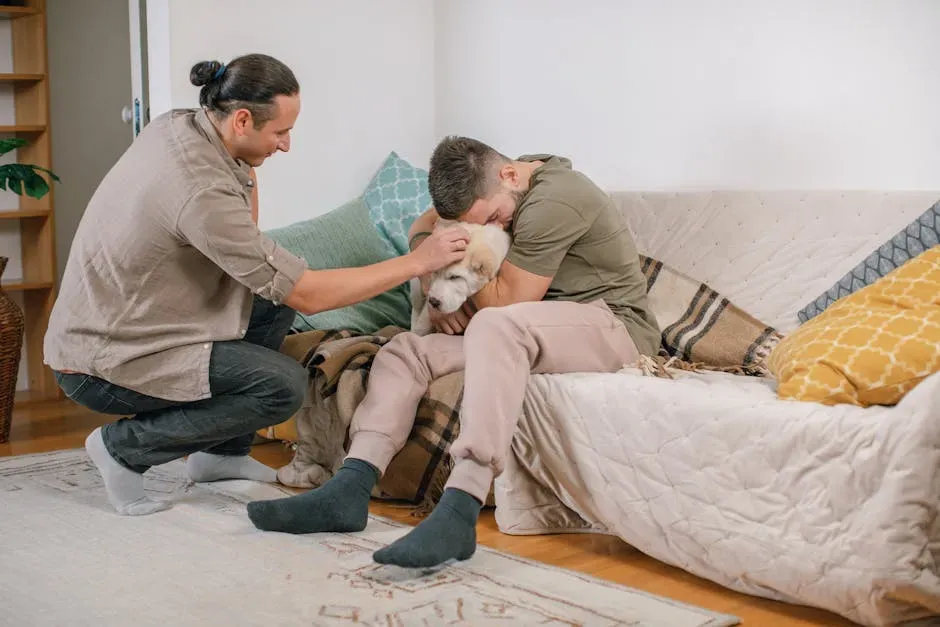
Dogs live in the moment, but not in the naive, cartoon way people assume. A dog remembers exactly who scared them, who hit them, who ignored them – and yet many still choose to reconnect, to test whether things have changed, to trust again under new rules. No clinic scan measures the weight of a past hurt against a present kindness in a dog’s mind.
Rescue workers see this constantly: a dog flinching at a raised hand, then months later relaxing when that same motion only ever leads to a gentle pat. The memory of the original harm doesn’t vanish – what changes is how the dog predicts the next outcome. We can test fear responses in a lab, but we can’t quantify that quiet, personal decision to step forward again anyway.
#10 – Their Weirdly Specific Sense of Fairness
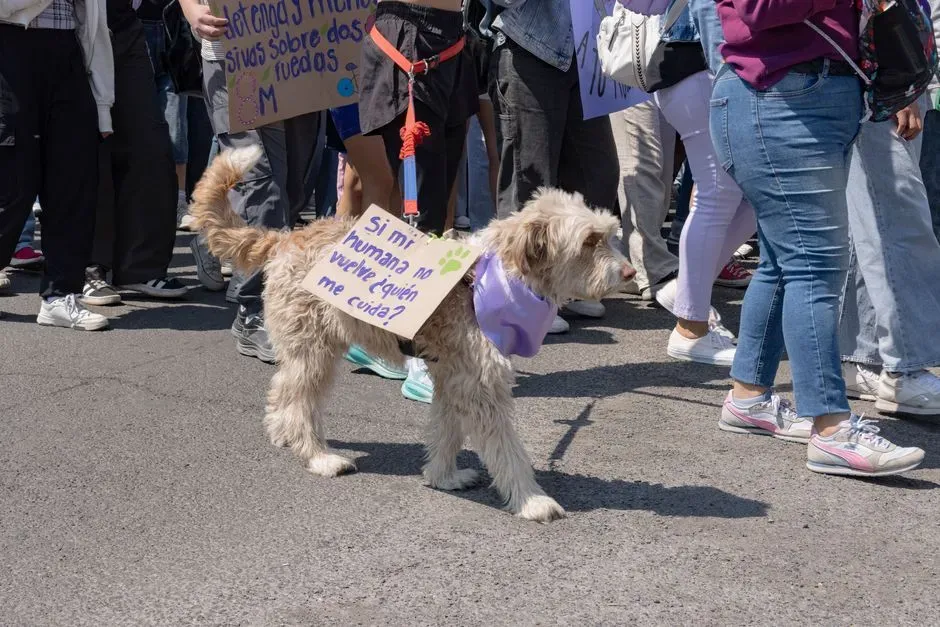
Give one dog a treat and the other nothing, and you might assume “they don’t really get it.” Watch their faces and you’ll realize how wrong that assumption is – dogs track exactly who got what, when, and why. They stiffen, pout, or protest when they sense unequal treatment, yet there’s no “fairness meter” in any exam room.
One dog tolerates a puppy stealing toys because “he’s a baby,” then bristles the instant an adult dog tries the same move. They’ll accept the sick dog getting extra attention but sulk if a healthy sibling suddenly gets all the praise for no clear reason. They’re not just counting treats – they’re reading context and justification, and anyone with multiple dogs knows they’re quietly keeping score.
#11 – The Private Language They Invent Just for You
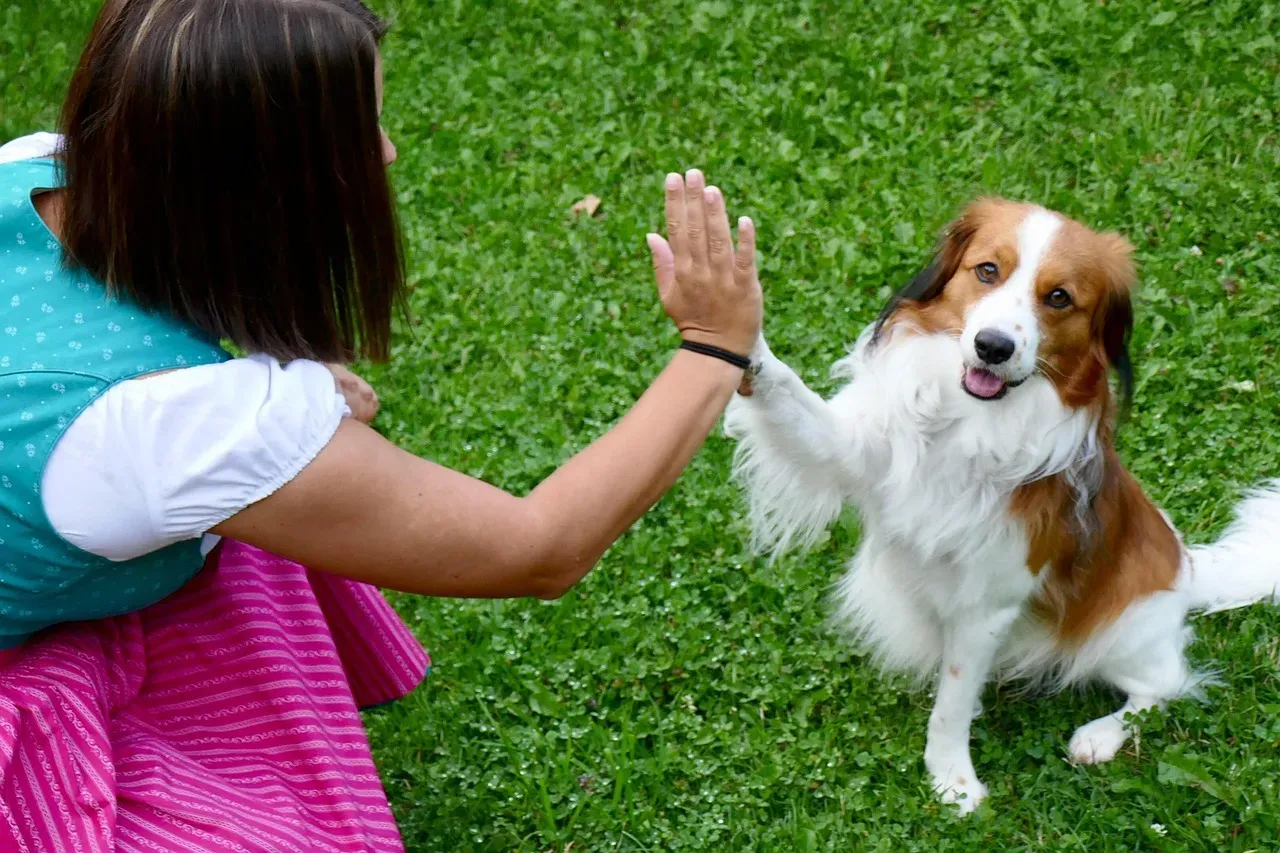
A clinic chart can note “vocalization: normal,” but that tells you nothing about the secret language you and your dog have spent years building. That crooked head tilt you understand instantly. The one short huff that means the water bowl is empty. No machine can decode the custom dictionary each dog-human pair quietly writes together.
- Dropping a toy at your feet, then at the door – a two-word sentence: “play outside?”
- Nudging your phone hand specifically, not the other one, meaning, “put that thing down and look at me.”
You learn their sighs, their micro-whines, the difference between “I heard a noise” and “the delivery guy has MY package.” To a vet, that’s just noise. To you, it’s a fluent conversation nobody else was ever taught to translate.
#12 – Their Ability to Carry Our Secrets
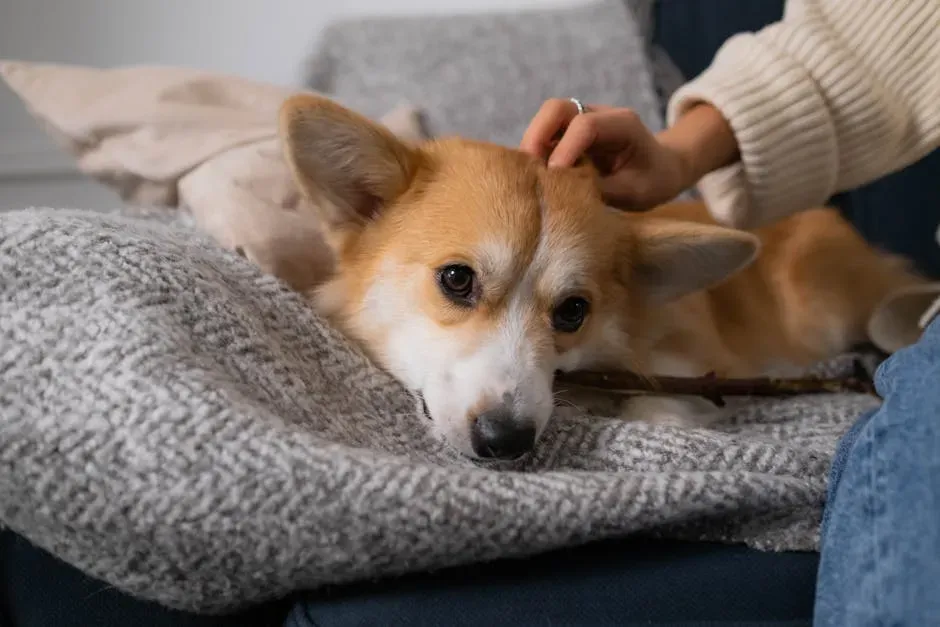
This is the ability no clinic even attempts to measure: the way dogs absorb everything we never say out loud. They’re there for whispered arguments, tearful confessions on the kitchen floor, bad news phone calls, and the 3 a.m. spirals nobody else witnesses. They hold a lifetime of your worst moments and never once weaponize a single one.
Medicine can track physical exposure; it has no unit for emotional confidentiality. Watch how dogs behave around the one person who treats them as their only safe space – following room to room, lying under the desk, curling against their knees at 3 a.m. There’s no log, no output, no betrayal. Just consistent presence, every single time.
#13 – Their Memory for Places That Changed Their Life
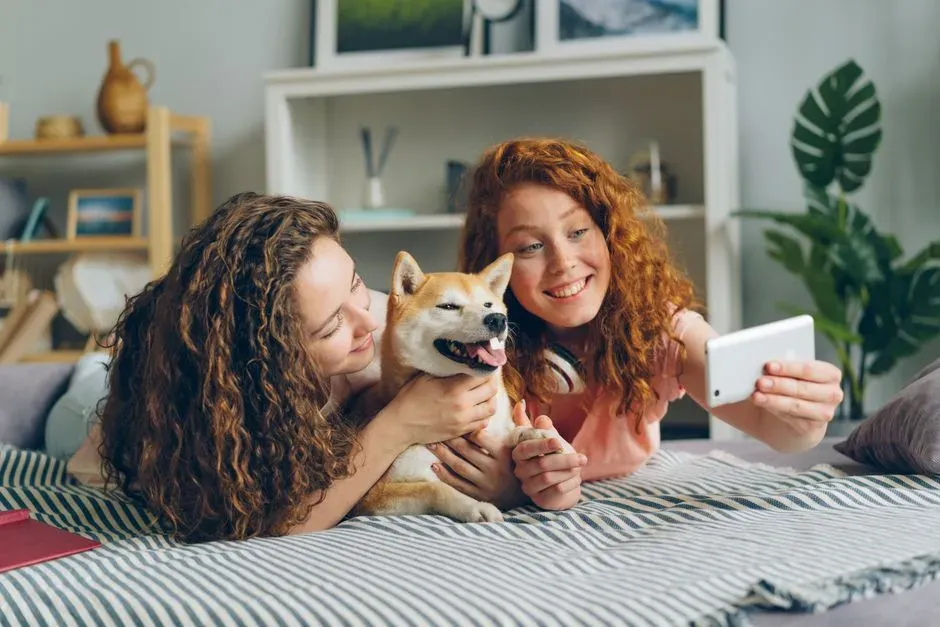
We talk about dogs having short memories, then watch one revisit its old shelter and instantly tense up, or return to a childhood house years later and run straight to its favorite old spot. No imaging tool currently maps the emotional intensity specific locations hold for a dog – yet their reactions prove those maps exist.
Places tied to big moments – being adopted, being abandoned, being hurt, being healed – seem burned into a dog’s internal GPS. Walk a rescued dog past the corner where it used to be tied up, and the leash may suddenly tighten in your hand. Bring them back to the park where they first learned to love fetch, and you’ll see the joy flicker on before you’ve even unclipped the leash.
#14 – Their Capacity to Play Like It’s a Philosophy
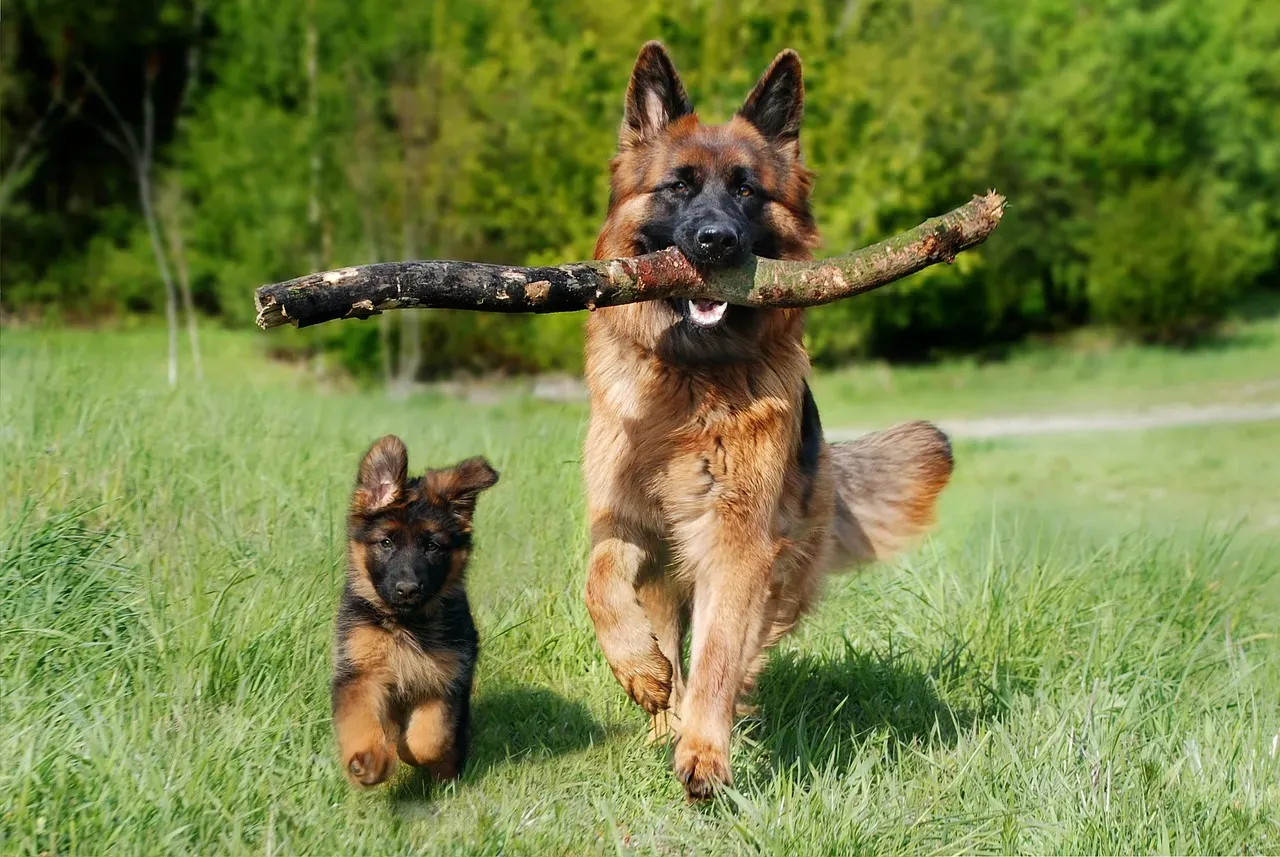
Most people write off play as “extra,” but for dogs, it’s a full-blown social science. Who gets to win the tug-of-war? How hard is too hard? Is that play-bow an apology or an invitation? No clinic exam sheet checks the quality of a dog’s play negotiations, yet those moments reveal a staggering emotional intelligence.
Watch a confident adult dog with a timid puppy – they’ll slow down, roll onto their back, deliberately let the puppy “win.” A dog that never learned healthy play often crashes into others, misses the signals for “too much,” and ends up isolated because of it. Those rough-and-tumble sessions are where dogs practice boundaries, consent, and self-control – concepts we barely measure in ourselves, let alone in them.
#15 – Their Timeless Loyalty That Ignores the Clock
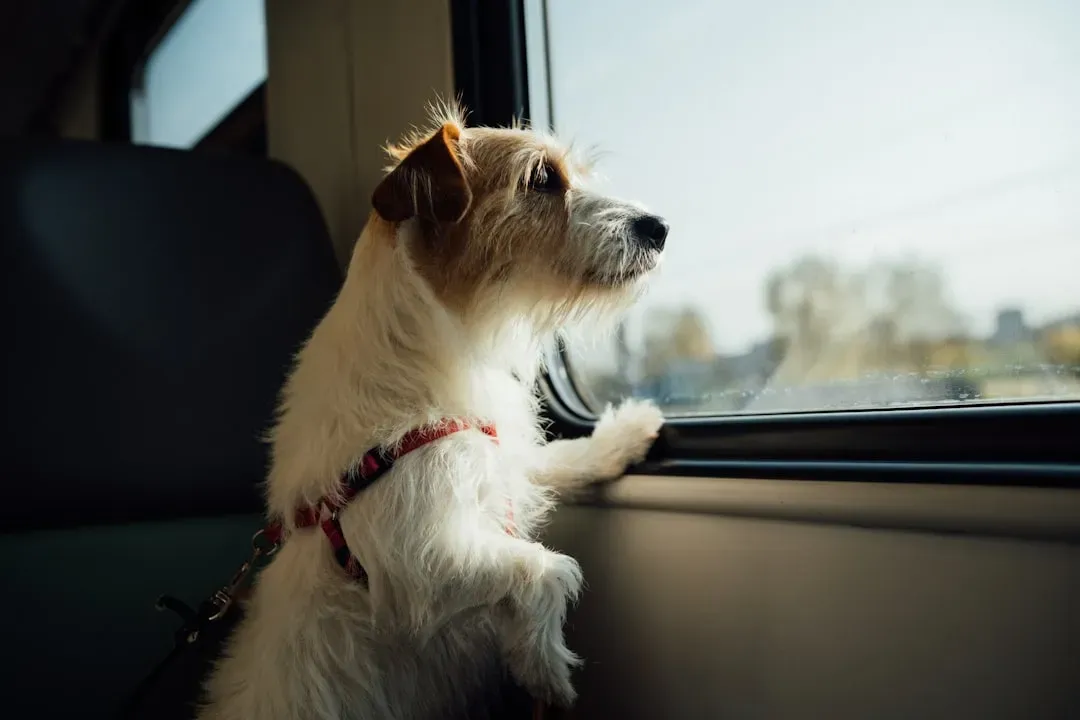
There’s no clinical tool for this: the dog that waits at the window for a deployed soldier for months on end, or the one that still pricks its ears at a dead owner’s ringtone years later. We can measure time intervals; we cannot measure how long a dog’s loyalty believes “maybe today” is still possible.
Owners move, relationships end, routines change completely – and dogs often adjust to new rules with surprising speed. But emotionally, some hold onto old roles far longer, rushing to an empty bedroom at a certain car sound, or sitting by the chair where a late grandparent always sat. Science labels it a “conditioned response.” That phrase feels almost insulting next to a mind that refuses to convert absence into “never again.”
At a Glance
- Japan’s Hachikō famously returned to the same train station for nearly a decade after his owner passed away
- Military and service dogs often bond so tightly to one handler that they refuse comfort from anyone else during deployment
- Grief-driven behavior in dogs can include appetite loss, lethargy, and searching that lasts for weeks
- Vets label this a “conditioned response” – a phrase that rarely matches what owners actually witness at home
#16 – Their Split-Second Choice to Protect or Flee
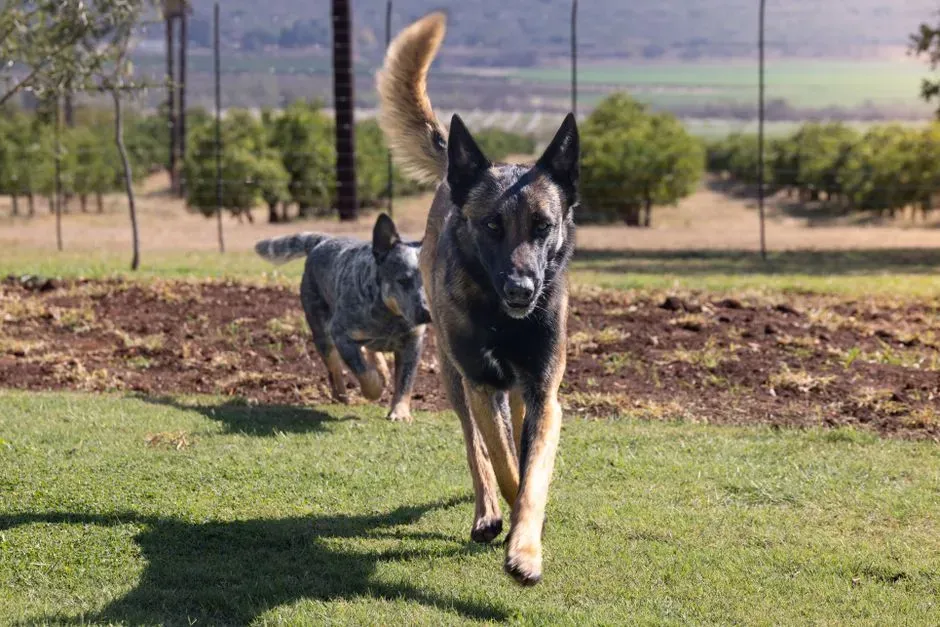
Fight-or-flight is easy to measure in a lab. What’s harder to catch is the razor-thin moment a dog overrides its own fear to stand its ground for you. No clinic machine can capture the internal wrestling match that ends with a small dog stepping in front of a threat much bigger than both of you.
A usually timid dog might suddenly bark at a stranger getting too close, or wedge its body between you and someone shouting. Another equally loved dog might bolt instead – and that doesn’t make it less loyal, it just means survival instinct won that particular round. The profound part isn’t who “wins”; it’s that a battle happens at all, weighing danger, attachment, and self-preservation in a fraction of a second we’ll never see coming.
#17 – Their Ability to Grow Into the Version of You They Need
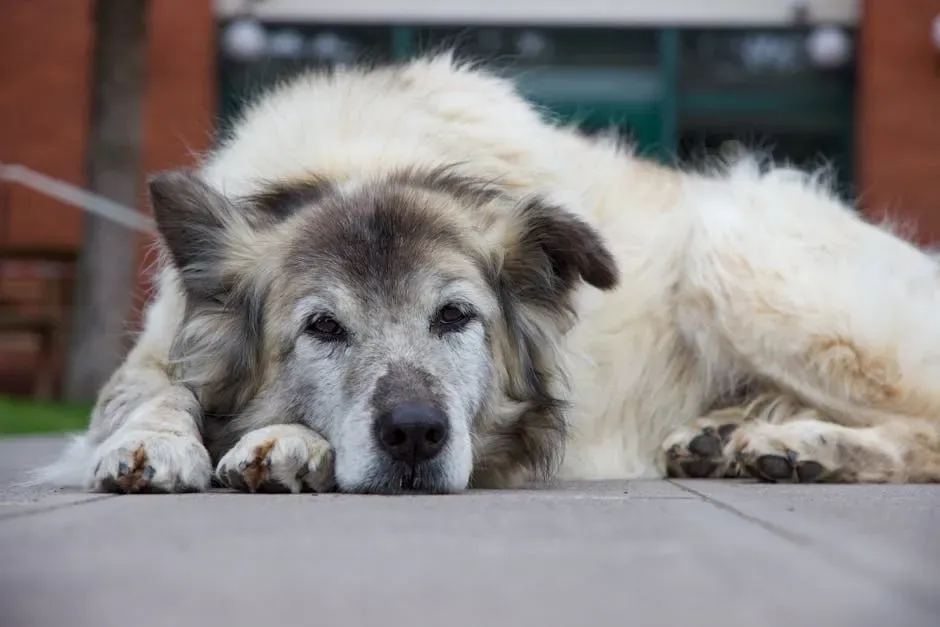
People love saying “my dog changed me,” but we rarely talk about how much we change our dogs. A high-energy dog dropped into a calm home slowly learns to settle down; a reserved dog raised in a chaotic house often becomes the steady one everyone leans on. No clinical readout shows how a dog quietly reshapes its own personality to fill the emotional gaps in your life.
It’s not simple training – over years, a formerly clingy pup becomes more independent because you needed space, or a goofy adolescent turns unexpectedly gentle the week a new baby comes home. Your dog is clocking what the household is missing – stability, joy, calm, silliness – and unconsciously leaning into that gap. We call it “maturity.” They’re quietly becoming exactly who we didn’t know we needed.
#18 – The Quiet Decision to Love Us Anyway
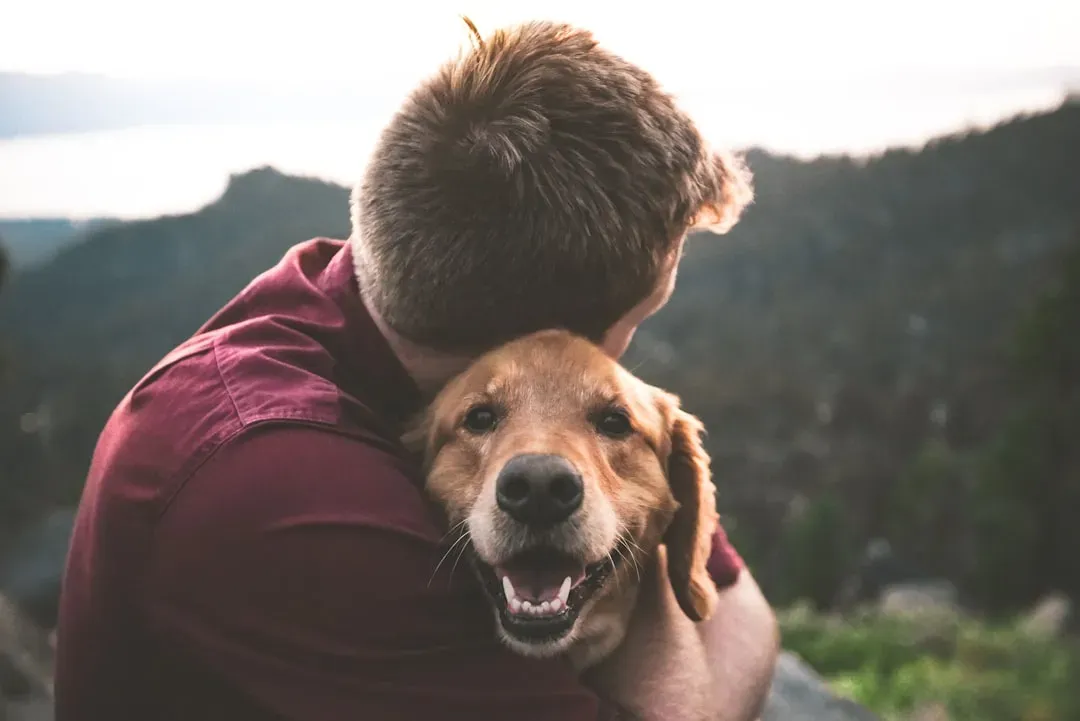
Here’s the hardest truth no clinic form has a box for: dogs see us at our absolute worst and choose to stay anyway. We snap at them when we’re stressed, skip walks, miss obvious signs of pain, disappear for hours longer than we should. Objectively, they have every reason to withdraw, yet most choose, day after day, to come back to our side as if we’re still worth betting their heart on.
This isn’t blind devotion – dogs absolutely do leave situations that are truly unbearable. But for most of us, our inconsistent, imperfect love is somehow enough for them to say, “okay, you’re my person, I’m in.” That choice shows up in the smallest patterns: the same greeting after your worst day, the same curl against your leg, the same soft blink that forgives every distracted, half-present hour you didn’t even notice you were giving them.
Dogs are not our whole life, but they make our lives whole.
Roger Caras
The Bottom Line
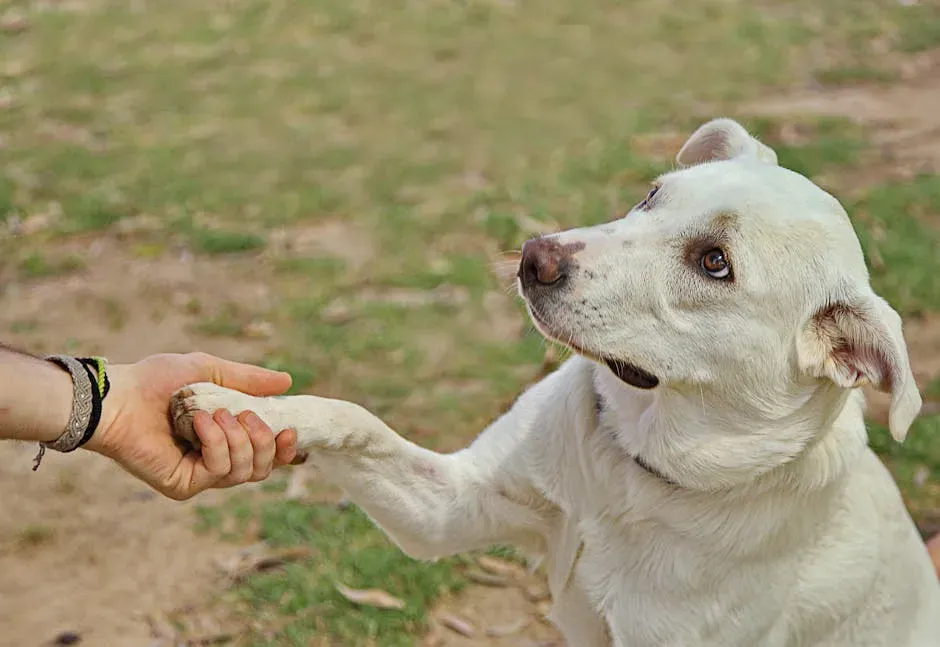
For all our technology, the most powerful things dogs do are still off the record: their emotional math, their moral hunches, their long memories of places and people, their weirdly accurate illness radar, and that stubborn choice to love deeply in a world that doesn’t always deserve it. We can track heartbeats, weigh food, and scan brains – but we still can’t measure the way one look from them can pull us back from the edge.
I don’t think that’s a failure of science. I think it’s proof that not everything important belongs on a chart. Dogs live in the space between data points, where loyalty outlasts logic and forgiveness outruns fear – and honestly, I hope no machine ever catches up. Some things are better left beautifully unmeasured. Which unmeasurable ability from your own dog did we miss?