
14 Things Trainers Pick Up in a Dog That Predict How Quickly a Household Will Actually Settle
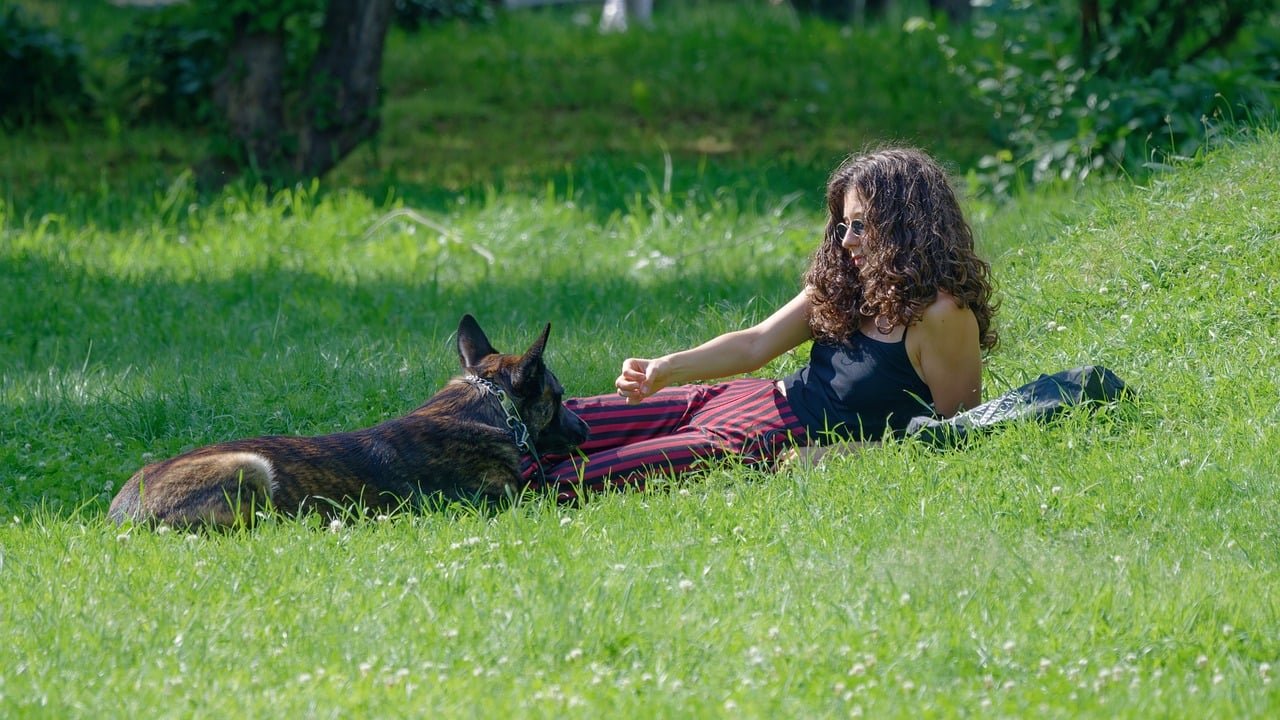
Most people assume a “difficult” dog guarantees a chaotic home and an “easy” dog guarantees peace. Ask an actual trainer, and they’ll quietly roll their eyes at that idea. The truth is stranger and a lot more specific: within the first ten minutes of meeting a dog, many trainers can already guess how fast that household is going to settle down – and it has almost nothing to do with breed, size, or how “good” the dog seems on the surface.
It’s in the tiny stuff. The way a dog glances at you after a loud noise. How they take a treat. Whether they sniff a room like they’re gathering intel or like they’re trying to escape their own skin. Here’s what experienced trainers actually clock in those first few minutes – the micro-signals that tell them whether your home is weeks away from calm, or bracing for a very long year.
#1: How Fast the Dog Bounces Back From a Scar
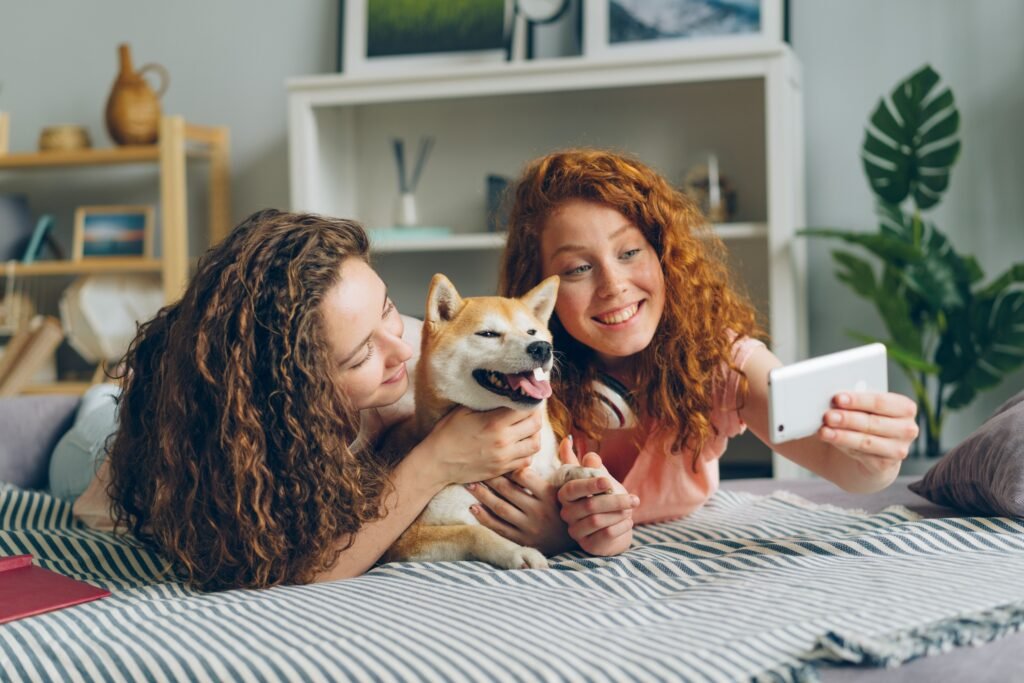
Trainers don’t panic when a dog gets startled. A dropped pan, a slammed door, a sudden laugh – every dog flinches sometimes. What they watch is the five seconds after. Does the dog freeze and stay frozen, or shake it off, sniff the “scary” object, and check back in with a person like nothing happened?
That recovery speed is one of the strongest predictors trainers have. Dogs that bounce back fast tend to bring that same resilience into everyday chaos – kids yelling, doorbells, thunderstorms. Dogs that stay stuck in fear for minutes at a time often turn into the dog barking at every sound or melting down every time a guest walks in, and that usually means the household needs real structure, not just patience, to find its footing.
#2: Whether the Dog Ever Checks In On Their Own
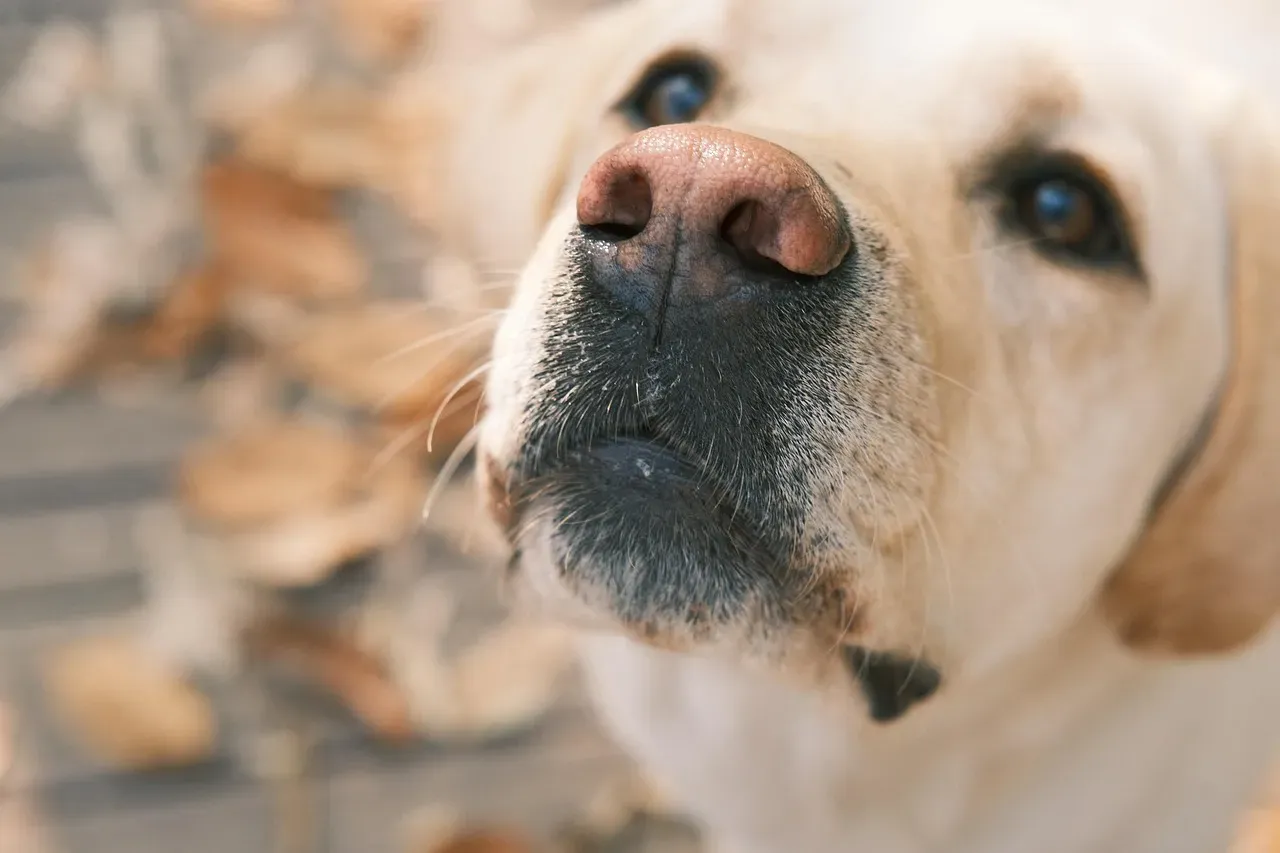
Trainers love to pretend they’re ignoring a new dog, and then they wait for one specific thing: does the dog glance back at its owner without being asked? Even half a second of “are we good?” eye contact is pure gold. It means the dog already includes humans in its decision-making, which speeds up everything from house manners to recall.
Dogs that never check in and just bounce around the room in their own world aren’t bad dogs – they’re just not tuned into people yet. That usually shows up later as bolting through open doors, brutal leash walks, and slower progress in busy homes with kids or visitors. Owners often mislabel a dog that checks in as “clingy,” when really it’s one of the biggest head starts a household can get.
#3: The Dog’s “Default Setting” When Nothing Is Happening
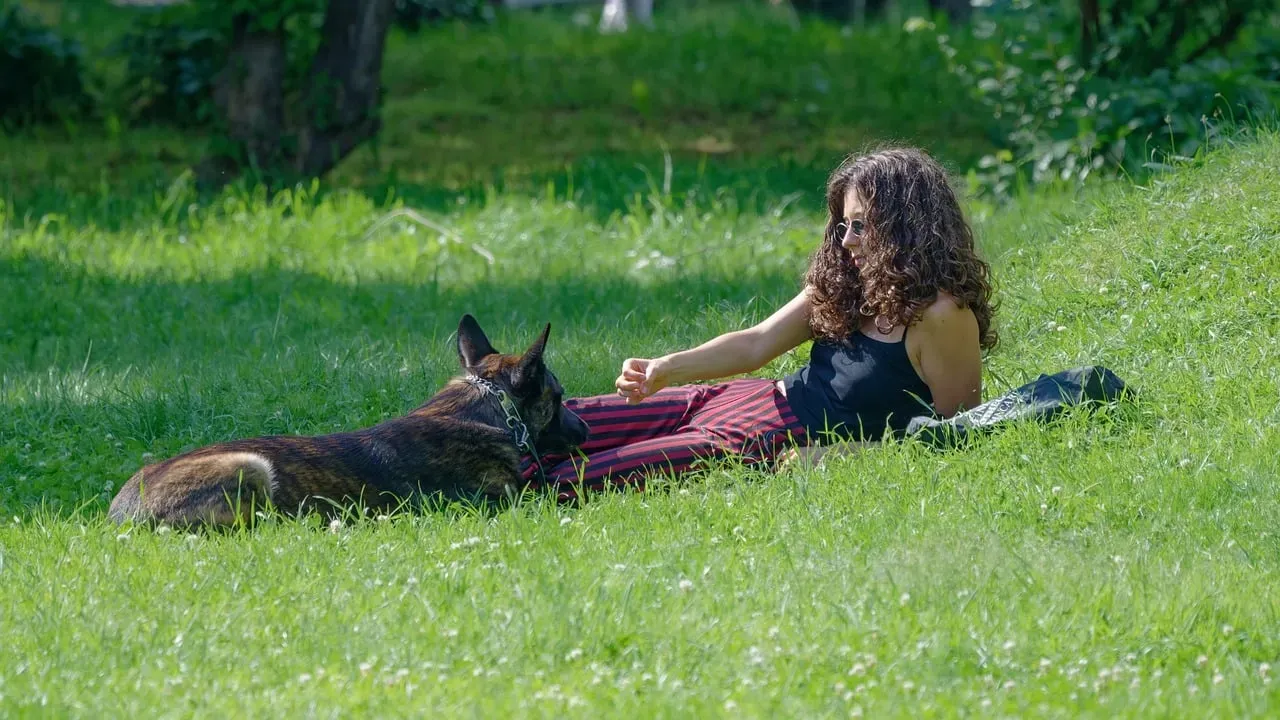
Anyone can look good performing tricks. Trainers care about what a dog does when nothing is being asked of them at all – no toys, no food, no noise, no audience. Does the dog settle near a person, or does it pace, whine, and hunt for something to do?
A dog whose idle mode is lying down and quietly watching the room usually isn’t lazy – it’s a dog that knows how to self-soothe, and trainers can typically teach that dog a reliable “settle” cue within a few weeks. A dog whose default is constant motion or noise isn’t doomed, but it’s a longer project. Most owners think the fix is more exercise; trainers know the real fix is teaching the dog how to be still.
Fast Facts
- Loose, relaxed ears and a soft, closed mouth signal a genuinely calm body
- A long, deep sigh while lying down is a classic self-soothing cue
- Dogs that flop onto a side or back are showing more trust in their surroundings than dogs that stay upright and alert
- Slow blinking or soft eyes usually beat a fixed, scanning stare
#4: How the Dog Takes Food From a Human Hand
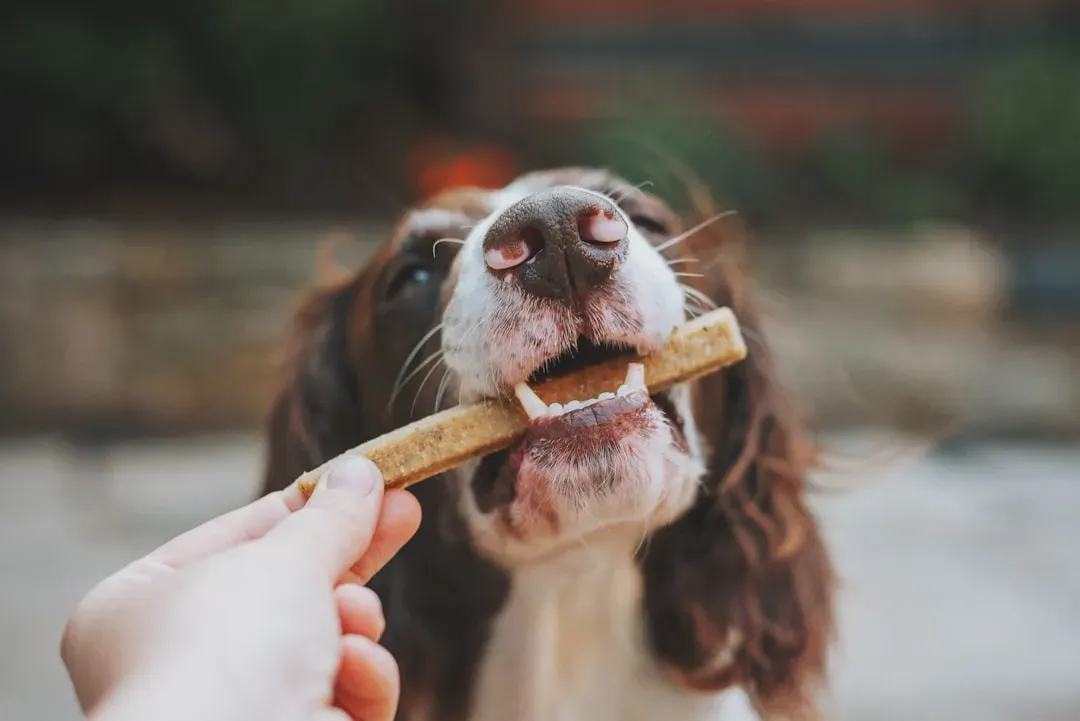
It sounds too small to matter, but the way a dog takes a treat is practically a personality scan. A dog that snatches hard, chokes it down, or grabs an entire hand is showing high arousal and low impulse control – a combo that often predicts counter-surfing, door-dashing, and rough play that scares kids or guests.
A dog that pauses, sniffs, and gently takes the treat is already practicing micro impulse-control, and that gentleness rarely happens by accident. Here’s the twist trainers watch for: some anxious dogs take food too softly, or refuse it altogether. That’s not politeness – it’s a sign the household needs to build emotional safety first, because nothing else sticks until the dog feels safe enough to eat around you.
#5: How the Dog Reacts to Sudden, Everyday Touch
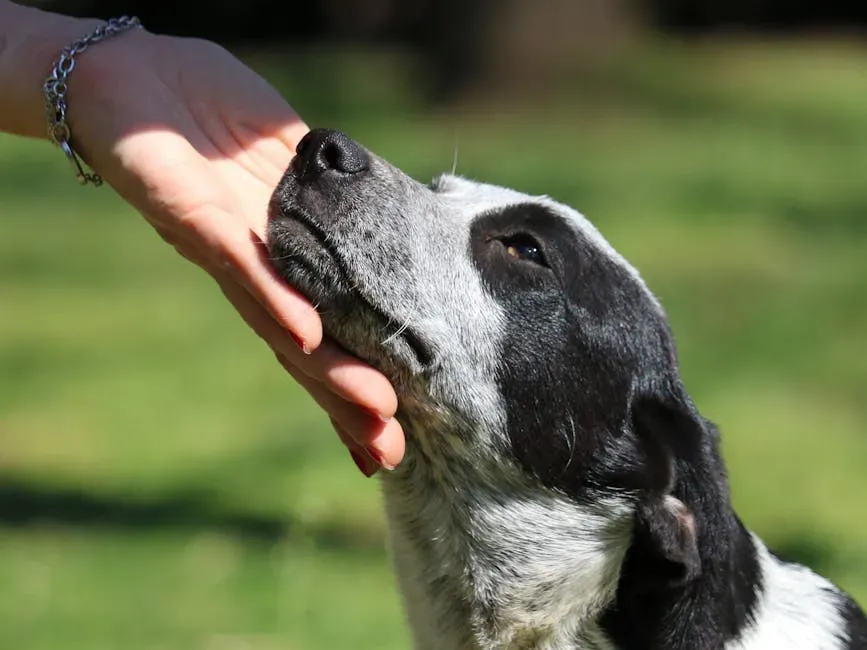
Families assume a dog that loves belly rubs will be easy. Trainers look at something more revealing: how the dog handles sudden, casual touch – a hand on the collar, a leg brushed in a hallway, a quick restraint at the vet. Dogs that stiffen, whip around, or bolt at unexpected contact tend to make a home feel unpredictable for much longer, especially around kids who move fast and clumsy.
A dog that can tolerate a hand briefly on the collar, a gentle push off the couch, or a quick hug from someone familiar is quietly saying, “I can roll with everyday bumps.” That comfort usually predicts smoother vet visits, easier grooming, and fewer daily flashpoints. Touch-sensitive dogs can absolutely learn this – it just takes slower introductions and everyone in the house agreeing on how to move around the dog.
#6: Whether the Dog Can Pause Before Getting What They Want
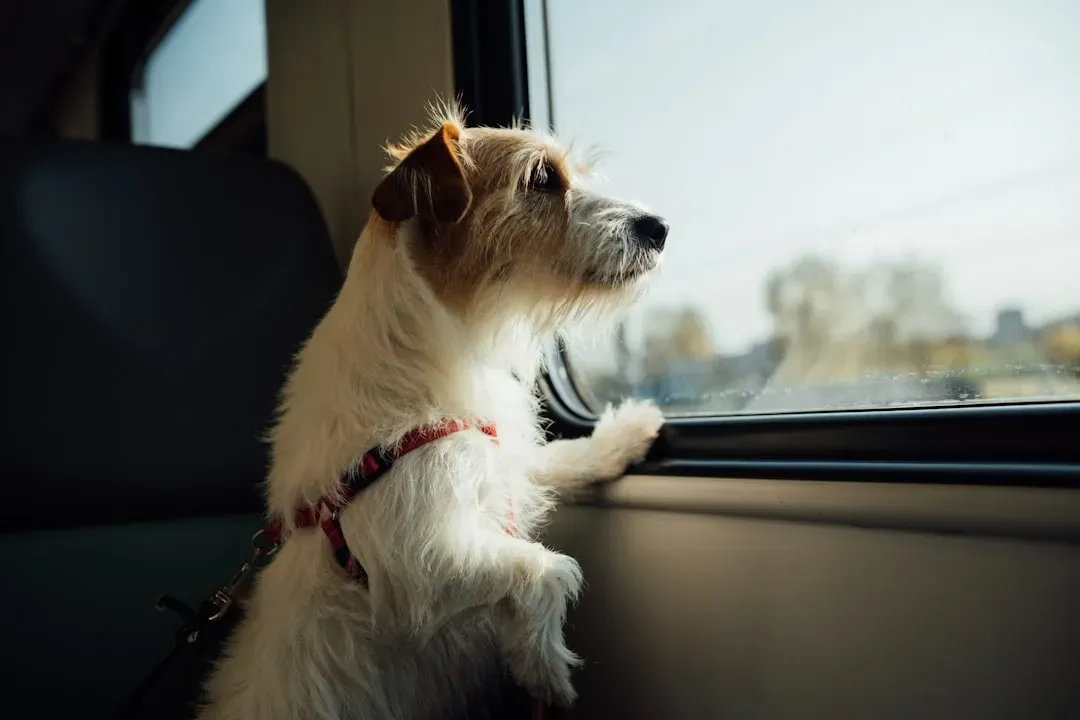
Trainers obsess over one tiny moment: the pause before the payoff. Before bolting through a doorway, grabbing a toy, or diving into a food bowl, does the dog offer even a half-second of hesitation? That flicker matters more than it sounds like it should.
A dog capable of that pause is showing a brain that can notice a cue, hold back for a beat, and then choose to act – which is the seed of nearly every “good citizen” behavior, from waiting at the door to not stealing food off the counter. Dogs with zero hesitation aren’t bad, they’re just living on impulse, and that usually means more knocked-over toddlers and a longer runway before the house feels stable. The good news is that simple impulse-control games, not military-style drills, can genuinely rewire this over time.
#7: How the Dog Handles Another Dog Walking By
Even in a one-dog household, trainers watch dog-to-dog reactions closely. On a leash or in a yard, what happens the moment another dog appears? A quick glance, maybe a wag, then back to sniffing the ground – that’s the dream response. It means the dog can register something interesting and then let it go, which usually translates into calmer walks and far fewer neighborhood scenes.
The screamers and lungers – the dogs who can’t hear or see anything but the other dog – tend to predict embarrassing walks, tension in multi-pet homes, and owners who quietly start avoiding outings altogether. Just as tricky are the dogs that go still and hide behind their owner’s legs. They can seem easy at home, right up until a visitor brings a dog along, and suddenly the whole household is scrambling.
Quick Compare
- Quick glance, then moves on: calmer walks, easier multi-pet visits, faster overall settling
- Lunges, barks, or pulls hard: tense outings, avoided walks, longer training runway
- Freezes and hides behind the owner: fine at home, but struggles the moment a visitor brings a dog along
#8: The Dog’s Sniffing Style in a New Place
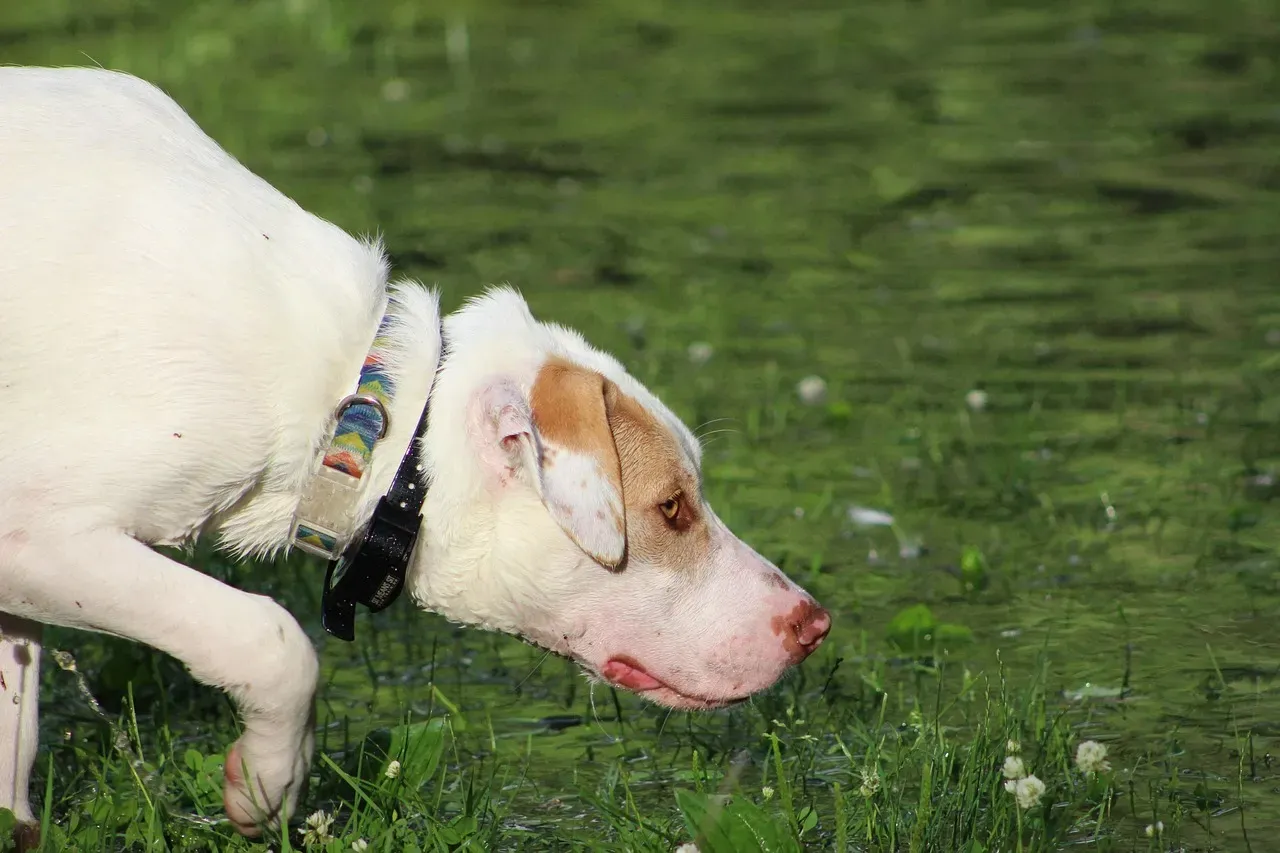
Most people think sniffing is just “being a dog.” Trainers watch how a dog sniffs. A confident, adaptable dog tends to move in a loose S-pattern, pausing at corners and furniture, gathering information without getting stuck on any one thing. That pattern usually predicts a dog who adjusts to new routines and new guests without much drama, because exploring feels safe instead of overwhelming.
Frantic, shallow sniffing with a stiff body and darting eyes worries trainers just as much as a dog that barely sniffs at all and freezes or clings instead. Healthy sniffing is emotional processing in real time – when a dog methodically works a room, it’s already regulating itself. Those dogs tend to settle into a new home, new furniture, even travel, much faster than the frozen or frantic ones.
#9: Whether the Dog Can Walk Away From Mild Frustration

Trainers will “accidentally” let a toy roll under the couch or pause a fun game mid-play, then just watch. Does the dog paw at the stuck toy once or twice and then wander off, or does it escalate into scratching, barking, or panicking?
A dog that can shrug off small frustrations is telling trainers it can handle bigger ones later – closed doors, crate time, waiting for a walk, hearing “not right now.” Dogs that spiral over tiny setbacks tend to show the exact same pattern when a kid grabs their toy or a door stays shut thirty seconds too long, and that’s often the dog demand-barking for hours or nipping to get its way. They’re not dominant – they’re just bad at disappointment, and the fix is consistent boundaries, not more toys.
#10: How the Dog Reacts to Raised Voices or Loud Energy
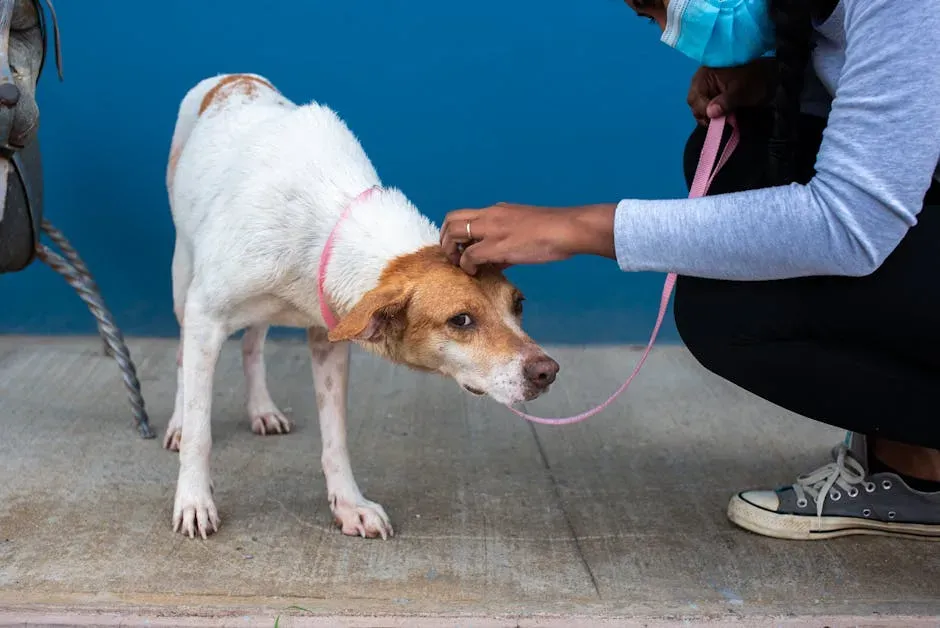
Most people ignore the dog when voices get loud. Trainers do the opposite. They watch whether the dog dives into the middle of it, tries to physically break it up, hides in another room, or simply relocates to somewhere calmer on its own. That last option is the golden one – it means the dog can self-manage around energy it doesn’t love.
A dog that melts down at every raised voice or sudden burst of laughter often keeps an entire family walking on eggshells, avoiding guests, and quietly telling the kids to keep it down. Some trainers put it bluntly: the dog is more sensitive than the lifestyle. That’s not an insult to the dog or the family – it’s a forecast. The households that accept it and build in safe zones and proactive training settle far faster than the ones hoping the dog will just get used to it.
#11: Where the Dog Chooses to Rest When Given Options

Give a dog a few resting options – a bed in the corner, a spot by the window, space near the couch – and see what it picks. Dogs that consistently choose to be near people, but not on top of them, tend to be the easiest to integrate. It shows they like connection but also have a natural sense of personal space, which matters enormously in a busy home.
Constant velcro dogs who need to be on a lap or pressed against a body at all times aren’t more affectionate – they’re often more anxious, and that frequently shows up later as separation issues or destruction when left alone. Dogs that isolate themselves completely raise different questions worth asking. Balanced rest – nearby but not clingy – tends to mirror a balanced emotional state, and that balance is exactly what helps a household settle without constant demands in either direction.
Worth Knowing
- Velcro behavior is often rooted in anxiety, not extra affection
- A dog that isolates itself completely may be avoiding stress rather than simply being independent
- Resting nearby but not touching usually points to a secure, balanced temperament
- A sudden shift in where a dog chooses to rest can be an early flag of stress in the home
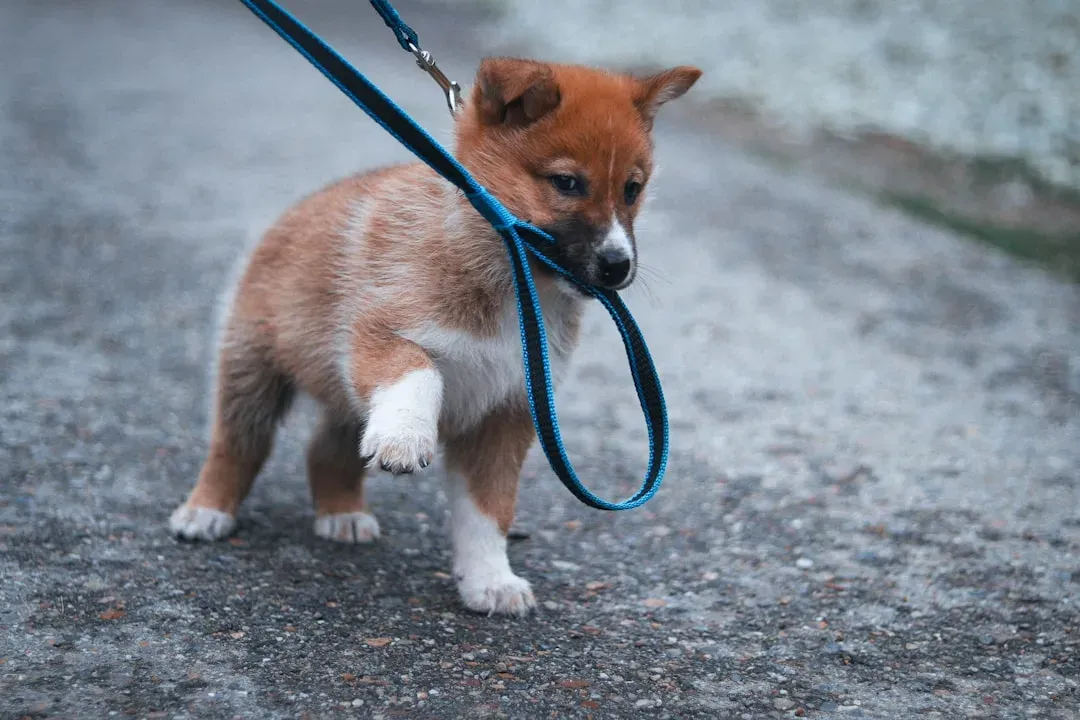
#12: The Dog’s Relationship With the Leash Before the Walk Starts
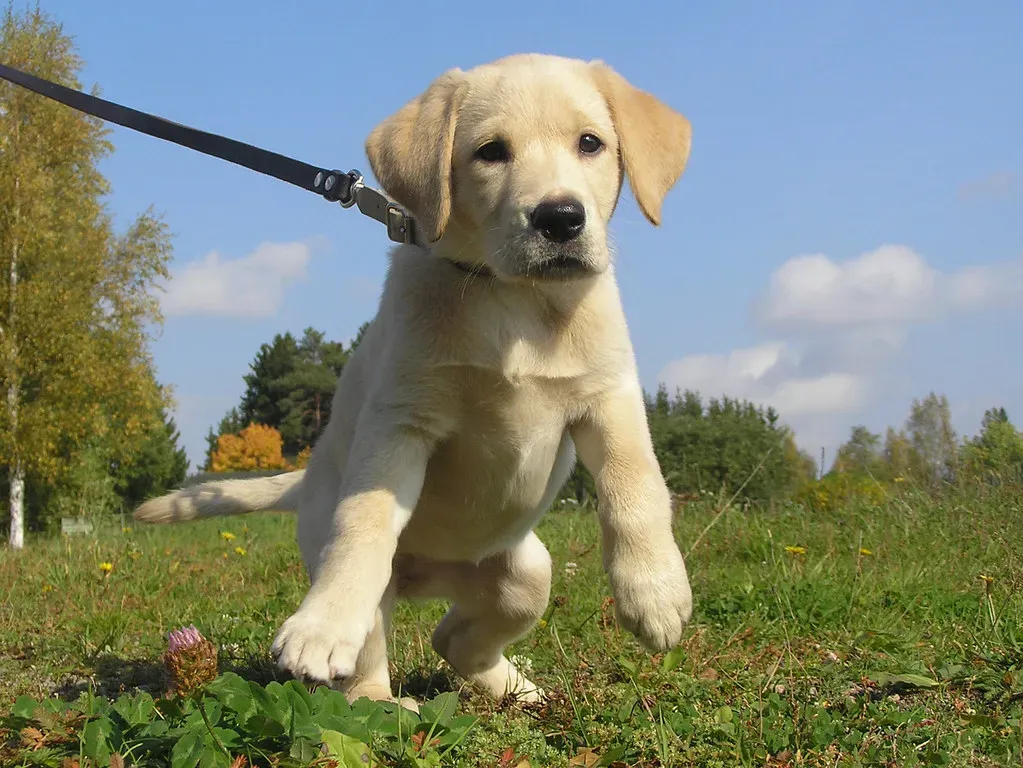
Leash behavior doesn’t begin at the front door – trainers watch the second the leash appears. Does the dog explode into spinning, barking, and jumping, or does it get excited but still manage to sit, hold eye contact, or stand still long enough to be clipped in?
That pre-walk moment predicts months of household sanity. Leash-obsessed dogs tend to drag people out the door, react harder to triggers outside, and turn every walk into a small battle, which keeps the whole family on edge and delays the “we’ve found our groove” feeling. A dog that can contain its excitement enough to be leashed calmly is already practicing self-control around one of its biggest daily rewards – and if it can think clearly in that moment, it can usually think clearly in most others too.
#13: How the Dog Responds to a Calm, Neutral “No”

Trainers don’t care if a dog understands English. They care how the dog handles information it doesn’t like. A simple, neutral “uh-uh” or a gentle body block when the dog jumps on the counter or noses the trash is really a test: does the dog explode, shut down, or pause, consider, and redirect?
The dogs that help a household settle fastest usually aren’t the ones who never push boundaries – they’re the ones who can hear “no” without falling apart. They might sigh or try once more, but they don’t spiral. Dogs that bark, nip, or crumple at the mildest correction are signaling that the household needs careful boundary work and some emotional rehab before commands will ever really stick. The dog doesn’t have to love the rule – it just has to survive hearing it without losing its mind.
#14: Who the Dog Chooses to Listen to First
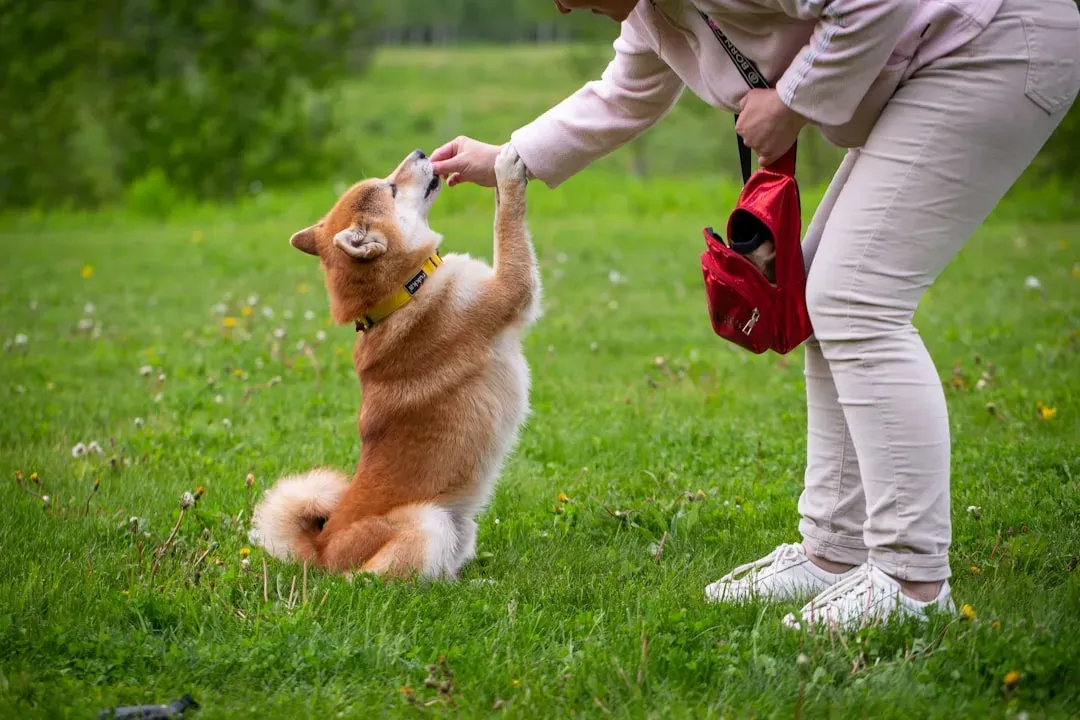
This is the one most owners completely miss, and trainers quietly weigh it more than almost anything else. In a multi-person home, who does the dog actually take cues from? Not who feeds it or plays with it the most – whose voice and body language does it consistently respond to? If everyone’s talking but the dog only truly listens to one calm, consistent person, that person is the household’s anchor, whether anyone realizes it or not.
Households settle fastest when one adult sets clear rules and everyone else backs them up, so the dog learns that humans, in general, are predictable. Chaos lingers when the couch is fine with Dad, forbidden with Mom, the kids sneak food, and grandma yells – the dog looks “stubborn,” but it’s really just responding logically to four different sets of instructions. Often the biggest predictor of how fast a home settles isn’t the dog at all. It’s whether the humans can agree on what they’re actually asking for.
The Bottom Line
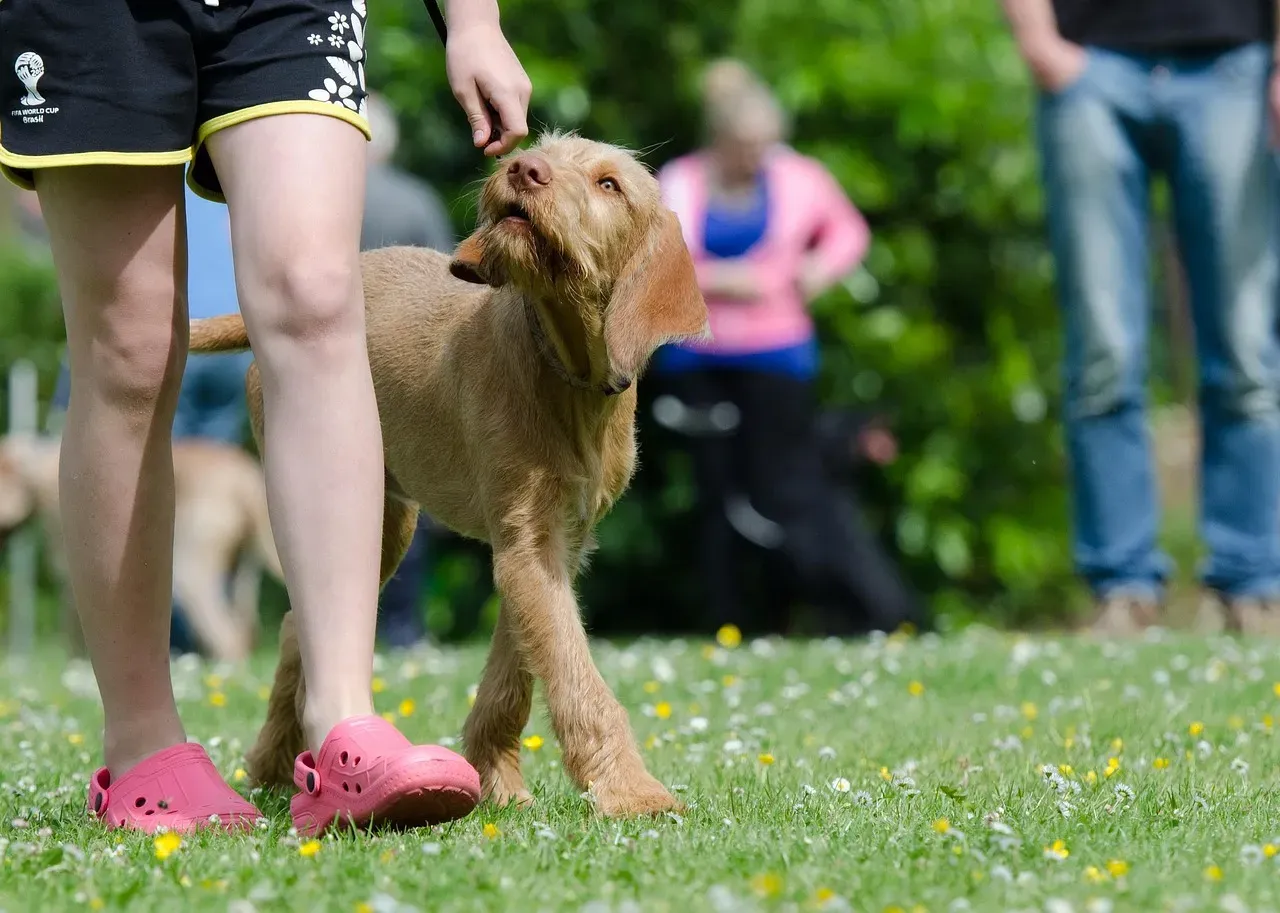
Trainers don’t have magic. They read the tiny behaviors most owners scroll right past – how a dog recovers from a scare, takes a treat, handles frustration, or responds to a calm “no.” Those micro-moments predict whether a home settles in a matter of weeks or drags through a year of low-grade tension.
Here’s the part most people don’t want to hear: almost none of these traits are permanent. A bouncy, grabby, anxious dog can absolutely become the effortless pet everyone brags about at the dog park – but only if the humans get consistent, predictable, and honest about their own habits first.
And that’s the uncomfortable opinion most trainers quietly hold: the dog is rarely the real problem. The dog is the mirror. If you’re brave enough to look, which of these fourteen things would you actually see staring back at you?