
14 Habits a Dog Builds in Its First Month That Last for Years
Most people treat the first 30 days with a new puppy like a grace period – a blurry, forgivable stretch of accidents and chewed shoes before the “real training” starts. That assumption is backwards, and it’s costing dog owners years of frustration. Behaviorists will tell you the truth nobody wants to hear: your dog isn’t waiting for training to begin. They’re already writing the rules, and they’re writing them fast.
Every reaction you give in that first month – every ignored whine, every scolded accident, every cuddle that comes a little too easily – gets filed away as a lifelong lesson. The “quirky” adult dog you’ll be apologizing for at the vet’s office in three years? That dog was built, quietly and by accident, in week two. Here are the 14 habits locking into place right now, whether you’re paying attention or not.
#1 – Whether Humans Feel Safe or Scary
Somewhere in those first chaotic weeks, your puppy makes a decision that shapes everything else: are people predictable and safe, or loud, confusing threats that show up out of nowhere? They’re not analyzing your words. They’re reading how you move, how fast you react, and what happens right after they mess up.
A puppy handled calmly through accidents, mistakes, and overstimulation tends to grow into the dog who shrugs off the vet, the groomer, and a toddler grabbing its tail. A puppy who gets yelled at, snatched up, or overwhelmed learns something very different – that people are unpredictable, and unpredictable things need to be watched, avoided, or feared. That single early verdict, safe versus stressful, is brutally hard to reverse once it’s set.
#2 – The Bathroom Map Written in Their Head
Here’s what nobody explains at the shelter: potty training isn’t really about commands. It’s about your dog drawing a mental map of your house, marking which spots count as “bathroom” and which don’t. Let them slip behind the couch a few times without correction, and congratulations – you just certified that corner as a toilet.
Every successful trip outside followed by real praise reinforces the map you want. Every quiet accident that goes unnoticed reinforces the one you don’t. And scolding after the fact does nothing useful – it doesn’t teach location, it just teaches your dog that you’re occasionally scary for reasons they can’t figure out. The dogs who turn out reliably house-trained almost always had the same formula early on: tight supervision, frequent outside trips, and instant, calm rewards.
#3 – The Bite Pressure They’ll Carry for Life
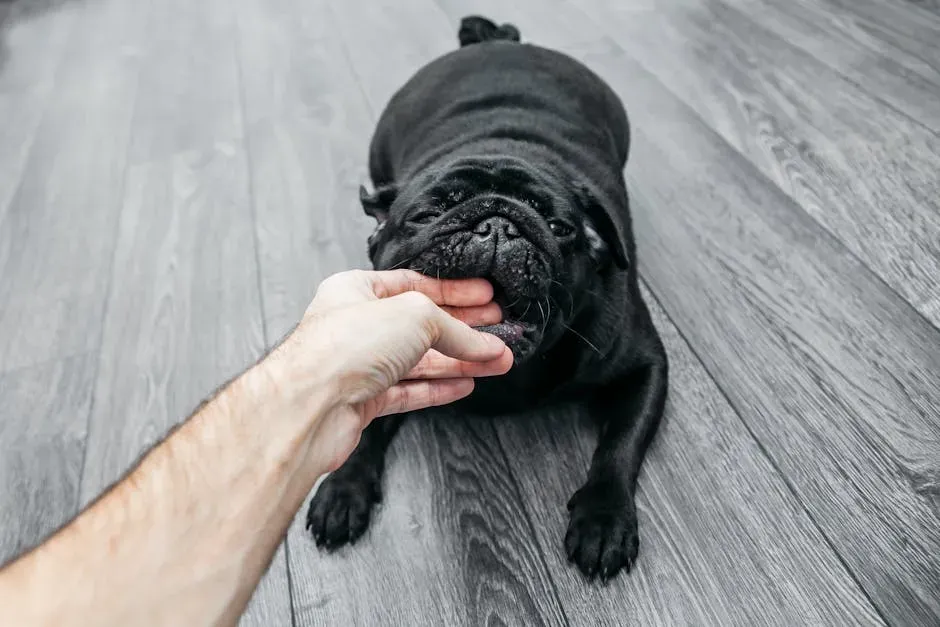
Nobody wants to hear this one, but a dog’s bite pressure as an adult – soft mouth or hard mouth – is largely decided in puppyhood, starting the moment you first let them mouth your hand. Puppies aren’t born knowing how hard is too hard. They learn it entirely from your reaction, and “aww, cute little shark” is teaching them the wrong lesson.
The dogs who grow up with real bite control usually had owners who froze the fun the second teeth touched skin, then let it resume the moment teeth found a toy instead. That simple on/off switch, repeated dozens of times in a month, builds the habit that lasts a lifetime: even when thrilled, the mouth stays gentle around people. The adult dogs who “didn’t mean to” break skin during rough play weren’t being aggressive – they simply never got that lesson in week three.
Fast Facts
- Puppies typically have a full set of 28 baby teeth by around 8 weeks old, needle-sharp and perfect for teaching bite pressure
- The easiest window to shape a soft mouth is while those baby teeth are still in, roughly the first several weeks home
- Adult dogs with poor bite inhibition can cause real injury during play even with zero aggressive intent
#4 – How They Learn to Be Alone
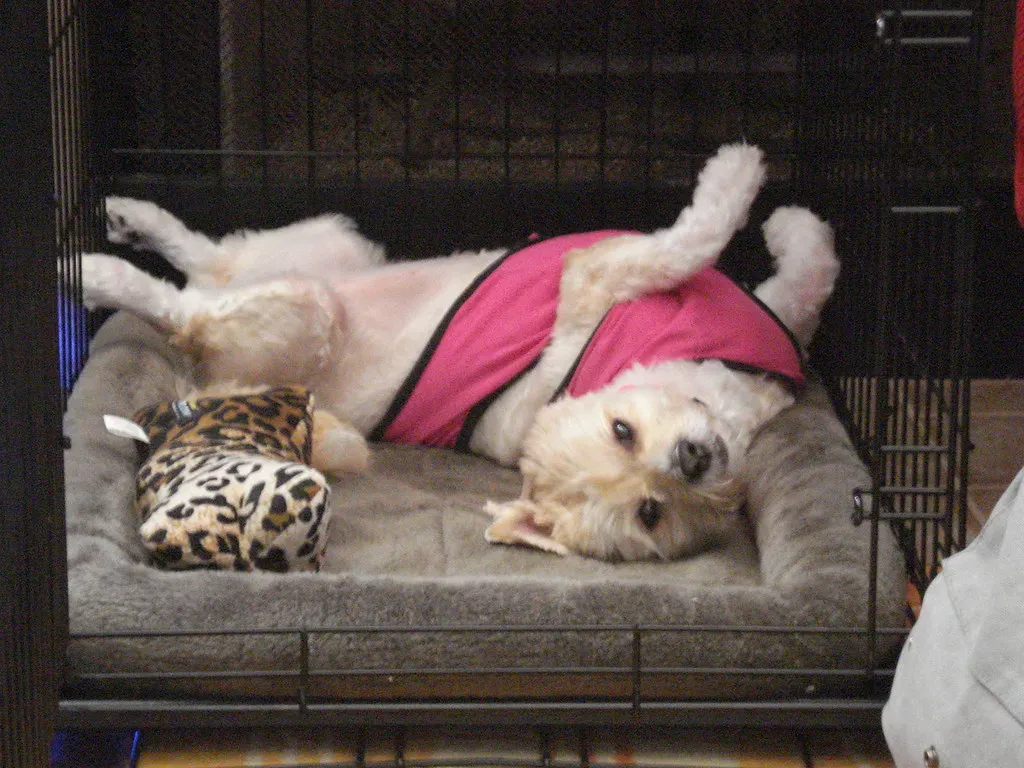
Your puppy’s future independence – or lack of it – gets built in your bedroom and living room during that first month. A puppy who only ever naps pressed against you, on your lap, or tucked into your bed is quietly absorbing one message: being alone is unnatural and frightening. Fast-forward a year, and that message turns into a dog screaming in a crate or clawing at a door the second you leave for work.
Puppies who get gentle, early practice at solo rest – short crate naps, quiet time in a playpen with a chew, a few minutes alone in another room – learn something far kinder: alone time is boring, safe, and survivable. It isn’t cruel to teach this early. It’s one of the most compassionate things you can do, because every dog eventually has to be alone. A striking number of separation anxiety cases trace back to one thing: a month of clinginess that got rewarded every single night.
#5 – Their Built-In Expectation for Movement

You’re not just adopting a dog in that first month – you’re setting their internal thermostat for how much movement counts as “normal.” A puppy whose days are walk-park-play comes to expect activity as the baseline. A puppy whose days are couch-cuddle-scroll learns that boredom and stillness are the default setting, and that expectation doesn’t just fade away later.
This is why so many owners hit a wall when they “suddenly” try adding walks months down the line – the dog isn’t being stubborn, it’s resisting a routine its brain never signed up for. Puppies who get early sniffy walks, light training games, and short bursts of play tend to be easier to satisfy mentally and physically as adults. The ones who never build that habit are far more likely to overeat, chew furniture out of boredom, and burn off nervous energy in chaotic, unpredictable bursts.
#6 – What Noise Means: Danger or Background Static
Somewhere between the doorbell, the vacuum, and the neighbor’s garbage truck, your puppy is quietly cataloging every sound in your house – and watching your face for the verdict. If you tense up, yell, or frantically shush every loud noise, you’re teaching a very clear lesson: noise equals danger, stay alert. That’s the exact recipe for the adult dog who loses his mind every time a package hits the porch.
The flip side takes almost no extra effort. Pair new sounds with treats, play, or just a relaxed shrug, and your puppy learns that most noise is simply background life, not a five-alarm event. Doorbell rings? Toss a treat and move on. Garbage truck outside? Hand over a chew and look bored. Puppies who repeatedly experience noise-plus-nothing-bad grow into dogs who glance up, sigh, and go back to sleep.
#7 – Their Go-To Move for Getting Your Attention
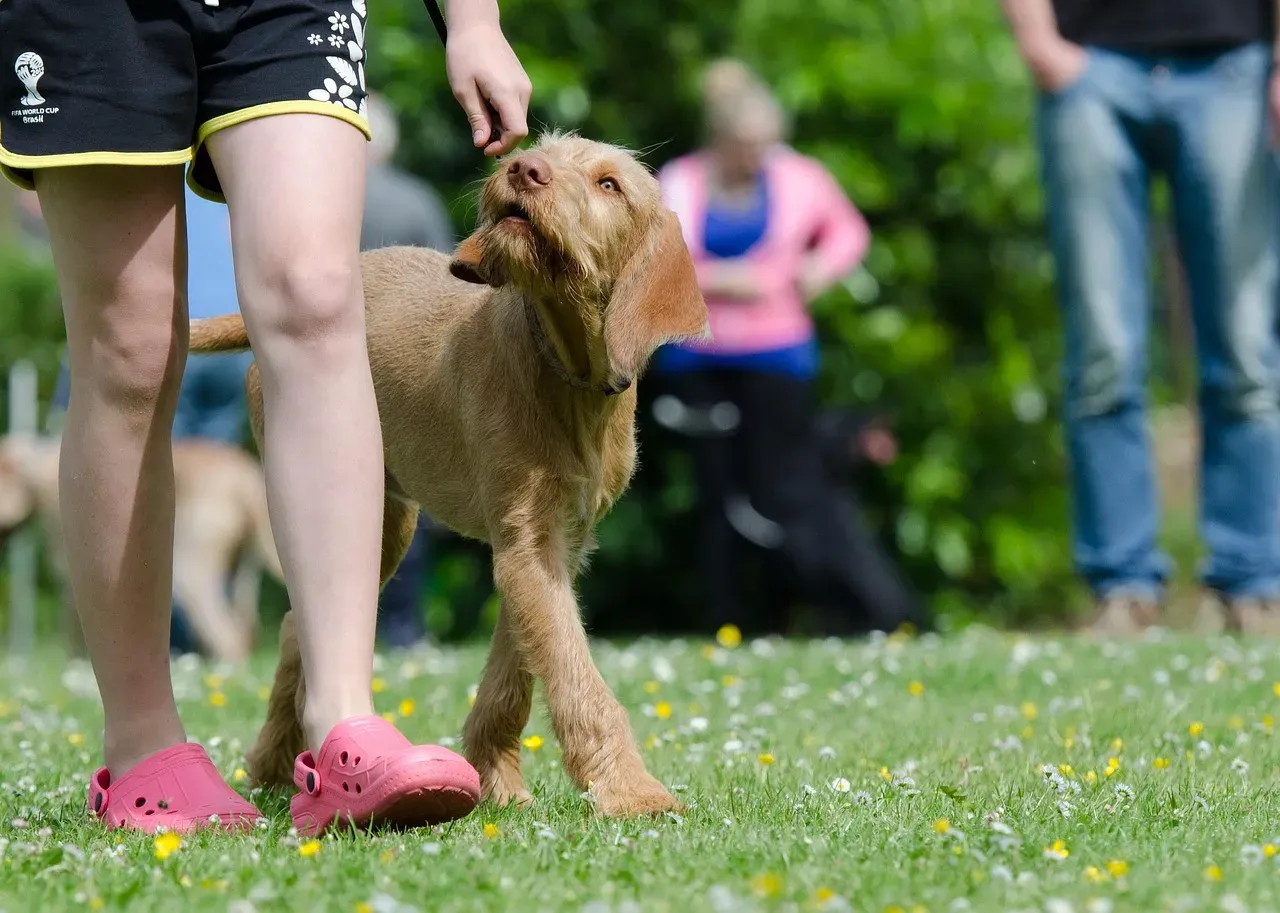
Every dog owner loves a friendly greeting – right up until “friendly” turns into 60 pounds of dog body-slamming Grandma at the front door. That pattern starts in month one, when your puppy is running a simple experiment: what actually gets a human’s attention? If jumping, pawing, and frantic licking work – especially on excited guests – you’ve just taught them that chaos is the winning strategy.
Meanwhile, the puppies who get rewarded for sitting, staying on all four paws, or grabbing a toy instead learn a completely different script: calm gets rewarded, wild does not. Most owners flip this by accident, ignoring the calm puppy and then squealing with delight the moment the jumping starts. Puppies are relentless pattern-readers – they repeat whatever worked last time, so if every guest arrival turns into a circus, you’ve built the ringmaster yourself.
Quick Compare
- Rewarded jumping: squeals and quick pets for guests turn a jump into a repeatable, escalating habit
- Rewarded calm: ignoring the jump and treating four-on-the-floor makes calm the default greeting
- Years later: one path means no frantic leash-grabbing when the doorbell rings, the other means an apology every time
#8 – What Happens When They Don’t Get Their Way
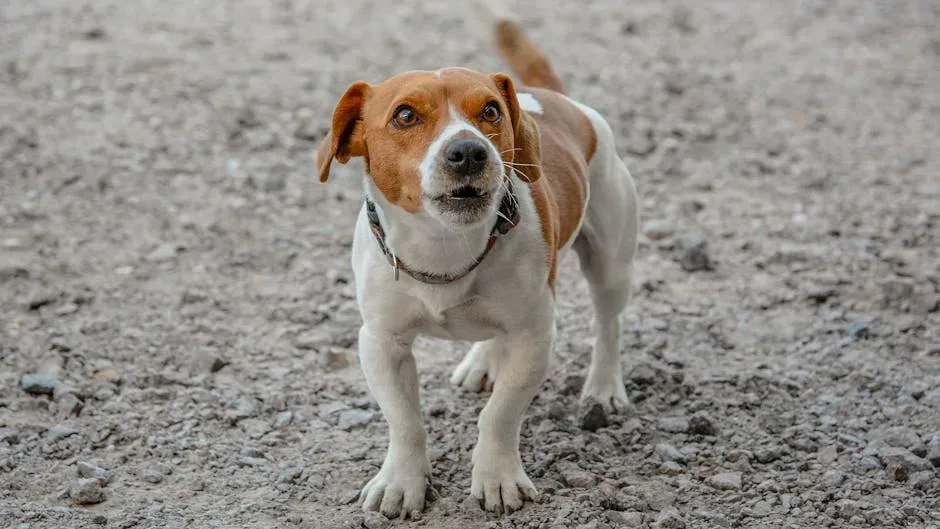
Almost nobody talks about this one, but it’s one of the strongest habits formed in the first month: how your dog handles not getting what they want. Do they tolerate a little frustration, or do they escalate instantly – barking, pawing, whining – until you cave? Every time a demand is met with a cave-in, you’re teaching a lesson that will outlast puppyhood by years: persistence and drama get results.
Think about the small, repeated moments – whining at the table until food appears, scratching at a door until it opens instantly, barking in the crate until you let them out. If the pattern is noise leads to reward, you’ve installed a habit of escalating through frustration instead of tolerating it. Dogs raised with steady boundaries – quiet earns attention, calm earns the door opening – grow into noticeably steadier adults, because “no” has always been followed by another option instead of a standoff.
#9 – Whether They Guard Their Stuff or Share It
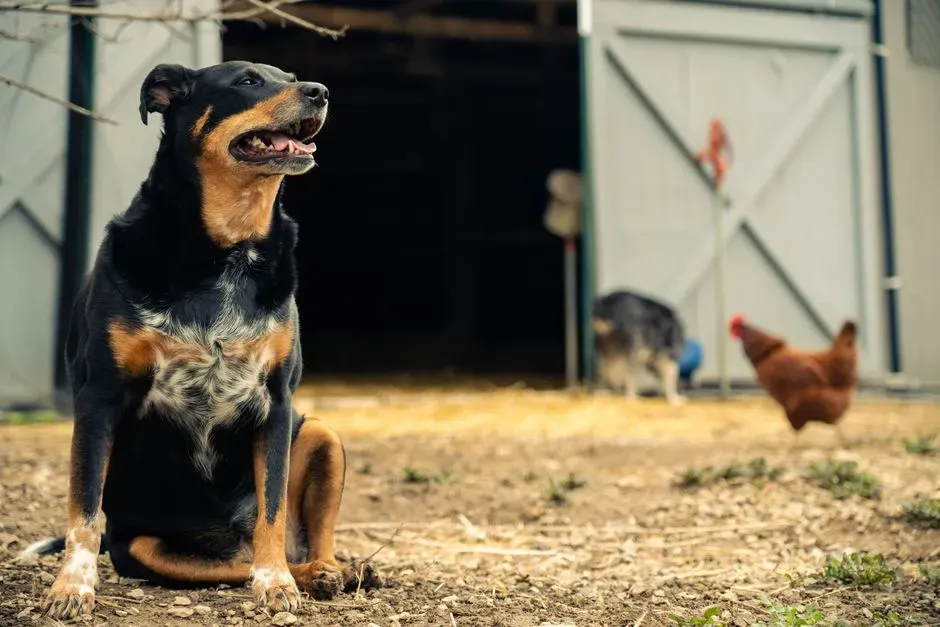
Few things rattle an owner more than a sweet two-year-old dog suddenly growling over a bone. The uncomfortable truth is that resource guarding rarely appears out of nowhere – it starts quietly in the first weeks, long before anyone notices. A puppy who learns that hands near the food bowl mean things disappear, or that toys always get yanked away, learns to protect what little it has. That’s not dominance. That’s survival math.
You can build the opposite habit just as easily. Trade-up games, dropping an extra treat into the bowl mid-meal, and teaching a calm “drop it” without chasing or yelling all send the same message: hands mean good things, not loss. Puppies raised this way tend to share space and objects far more comfortably as adults, while the ones punished harshly for grabbing something – or cornered to “teach them a lesson” – are frequently the same dogs who develop serious guarding issues down the line.
Worth Knowing
- Early warning signs of guarding include stiffening, freezing, or fast gulping the moment a hand comes near the bowl
- Trading up – offering something better in exchange – works far better long-term than simply taking an item away
- Resource guarding is rarely about dominance; it’s almost always rooted in scarcity, fear, or past loss
#10 – Whether Their Brain Gets Switched On or Left Idle
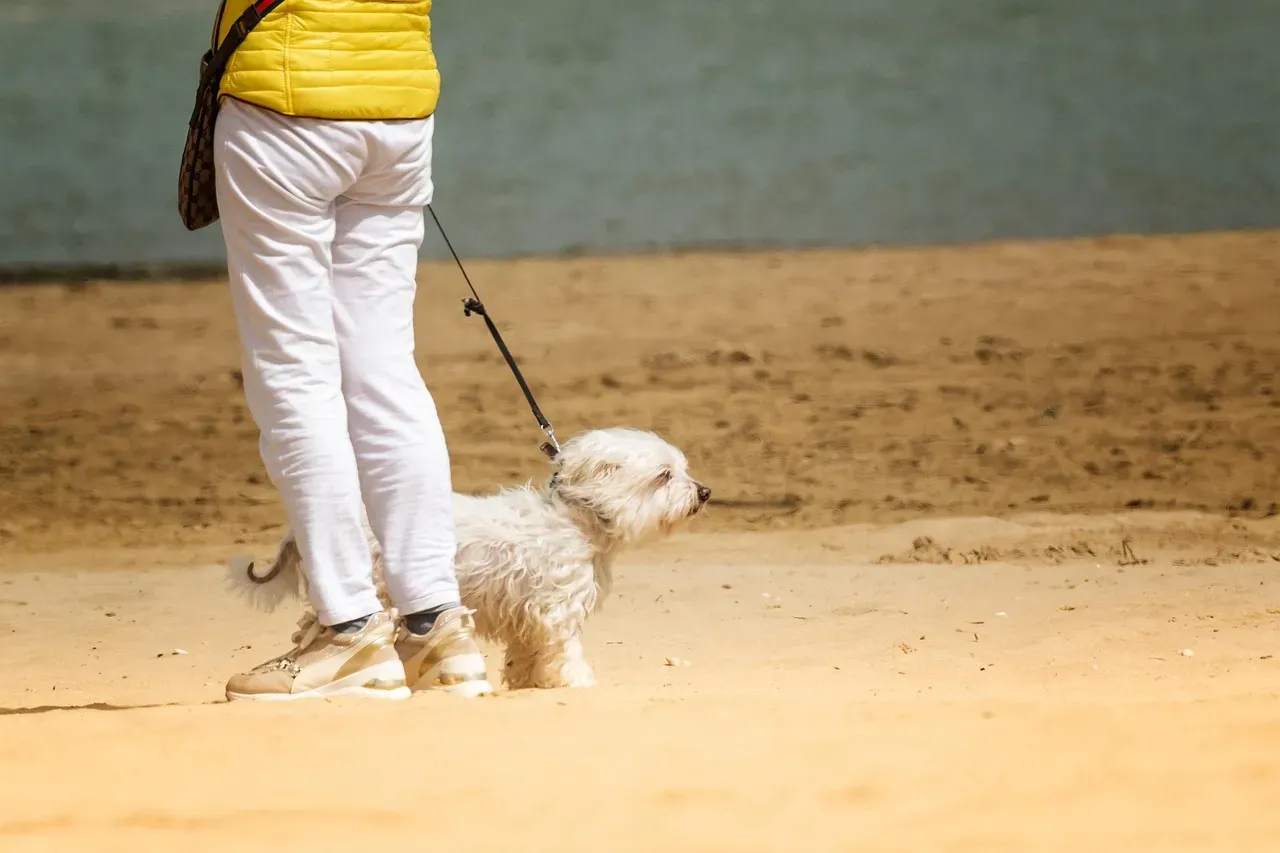
Owners obsess over tiring a puppy out physically and almost completely ignore the mental side. But in that first month, you’re training the brain itself – teaching it to either seek out problem-solving and focus, or default to permanent short-attention chaos. Simple games like “find it,” basic obedience, or a puzzle feeder build the habit of using the brain to earn rewards, and those dogs become dramatically easier to train later, because thinking has always paid off.
On the other side, a puppy whose only stimulation is chaotic zoomies and unstructured play learns that turning the brain off and the body on is the norm. That’s the dog who can sprint for an hour at the park and still bounce off the walls indoors. The dogs who grow into genuinely balanced adults are rarely the ones who simply got more exercise – they’re the ones who learned early that calm, focused behavior is what actually gets results.
#11 – Whether Your Hands Mean Comfort or Threat
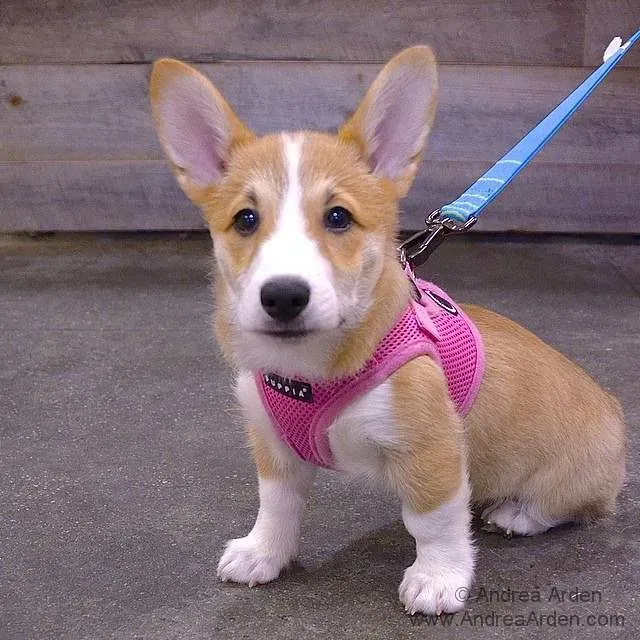
Nail trims, ear checks, brushing, vet exams – these stay mild annoyances or turn into full wrestling matches for years, and the split usually traces back to the first month. A puppy whose only experiences with touch are rough play, high-energy petting, or forced restraint while terrified learns a lasting suspicion of hands. A puppy taught that touch predicts comfort and choice learns to lean into it instead of flinching away.
The fix is almost embarrassingly simple: touch a paw, treat. Lift an ear, treat. Briefly open the mouth, treat. Short, low-stakes repetitions like these teach a dog that hands are safe long before any real grooming or vet work is required. Force a nail trim while a puppy thrashes, or pin them down for brushing, and you create exactly the fighter you were trying to avoid. The “unicorn” adult dogs who calmly let the vet do almost anything weren’t born easy – they were built that way, one gentle rep at a time.
#12 – The Unofficial Job They Give Themselves
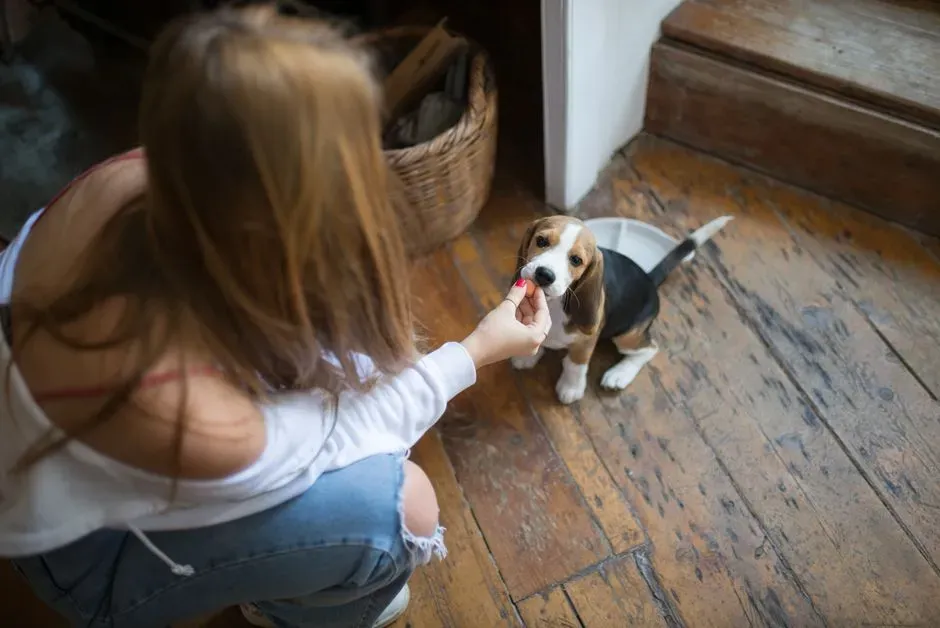
Every dog assigns itself a role in the household during that first month, whether you sanction it or not. Some decide their job is door security, barking at every sound because nobody told them otherwise. Others become full-time shadows, tracking your every move. Some turn into self-appointed entertainers, escalating antics the moment you finally look up from your phone.
You shape this more than you realize. Only pay attention when the dog is barking, jumping, or spiraling into zoomies, and you’ve hired them for the job of chaos engine. Reward the quiet moments instead – resting on a mat, chewing a toy, simply existing nearby without demanding anything – and you’ve hired them for a completely different role: peaceful companion. Dogs given a clear, consistent “job” early on tend to show fewer behavior problems later, mostly because they’re not spending their whole life guessing what’s expected of them.
#13 – Their Blueprint for Handling the World
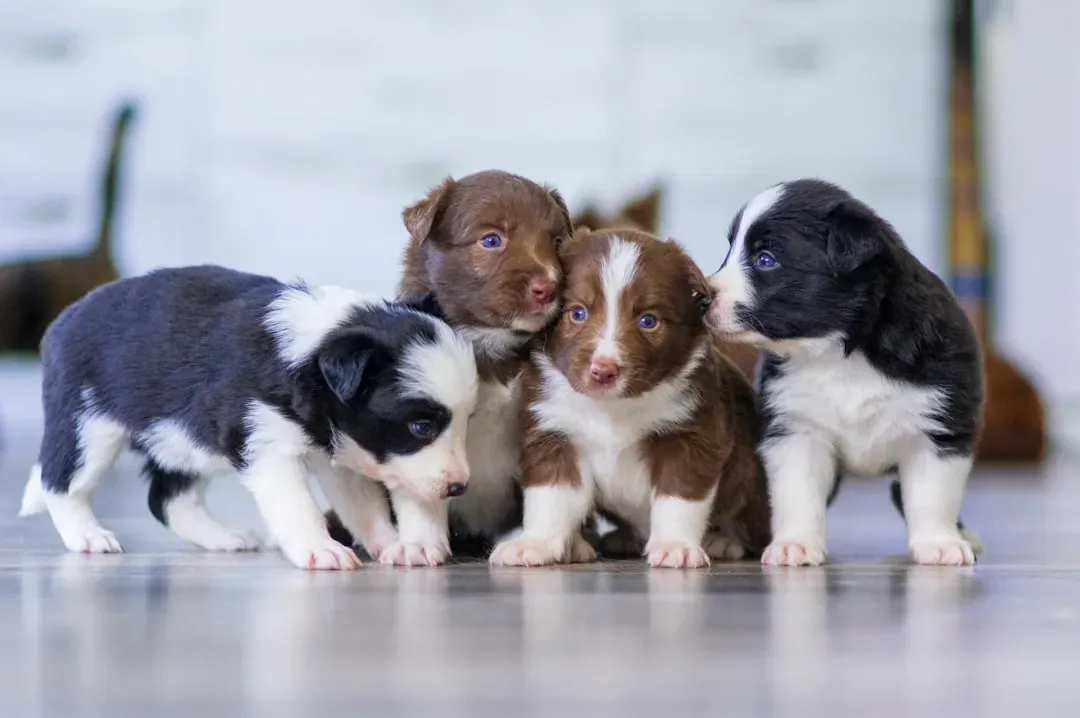
Puppy owners love the word “socialization,” but most get it backwards in that first month, assuming more exposure is always better – more dogs, more people, more noise, more chaos. In reality, your puppy is quietly building a comfort-zone blueprint: how close is too close, how fast is too fast, and how much is simply too much. Dragging a puppy into a crowded dog park or letting strange kids swarm them doesn’t socialize them. It teaches them the world is overwhelming and nobody’s watching their back.
Real socialization looks slower and far less dramatic: short, positive exposures from a distance, one calm dog at a time, and letting the puppy choose when to approach instead of forcing the interaction. That builds a genuinely useful habit – new things are okay, because my human is managing the situation. Dogs raised on that blueprint tend to handle travel, houseguests, and life’s curveballs far better later on, while the ones whose early experiences were chaotic are disproportionately the “reactive” dogs everyone struggles with.
At a Glance
- The primary socialization window most trainers reference falls roughly between 3 and 14 weeks of age
- Quality of exposure beats quantity – a handful of calm, positive encounters outweighs dozens of chaotic ones
- Puppies allowed to observe from a distance first tend to build lasting confidence faster than those pushed into direct contact
#14 – Whether Listening Is a Choice or a Reflex
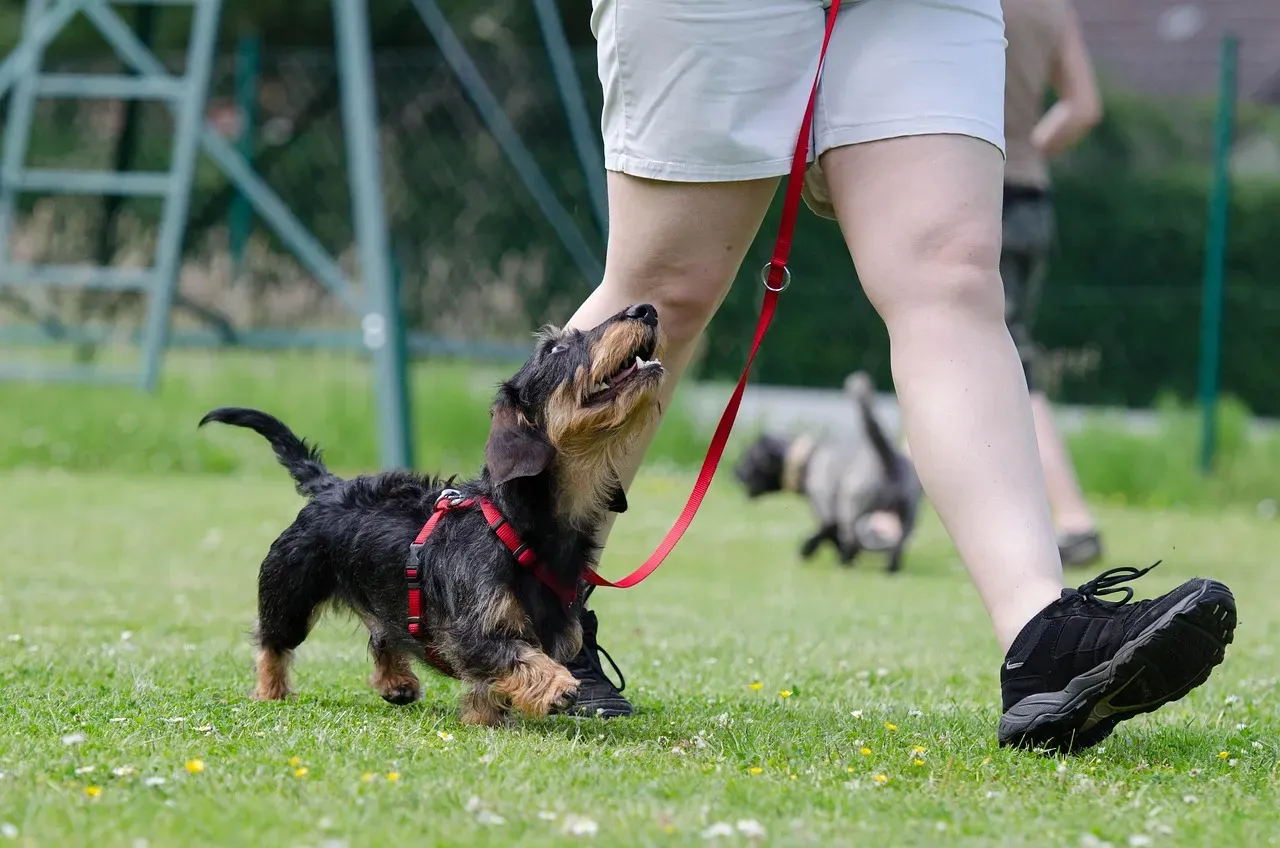
Of everything on this list, this is the habit that decides the most: does your dog believe listening to you is optional, or automatic? Most owners accidentally teach the “maybe” version without realizing it – repeating a cue five times, bribing after it gets ignored, or only enforcing a rule when it’s convenient. Puppies are pattern geniuses, and if a word only matters some of the time, they’ll quietly file it under background noise.
The owners who build a dog that actually listens do the opposite from week one: one cue, one response, heavy reinforcement, and only a handful of commands that truly matter – sit, come, name, leave it. Listening gets followed by something good every time. Ignoring gets calmly prevented rather than argued with. What that builds, over just thirty days, is a dog for whom responding isn’t a negotiation – it’s simply how they move through the world. Every trainer will tell you the same thing: fixing sloppy patterns later is always harder than building clean ones now.
The Bottom Line
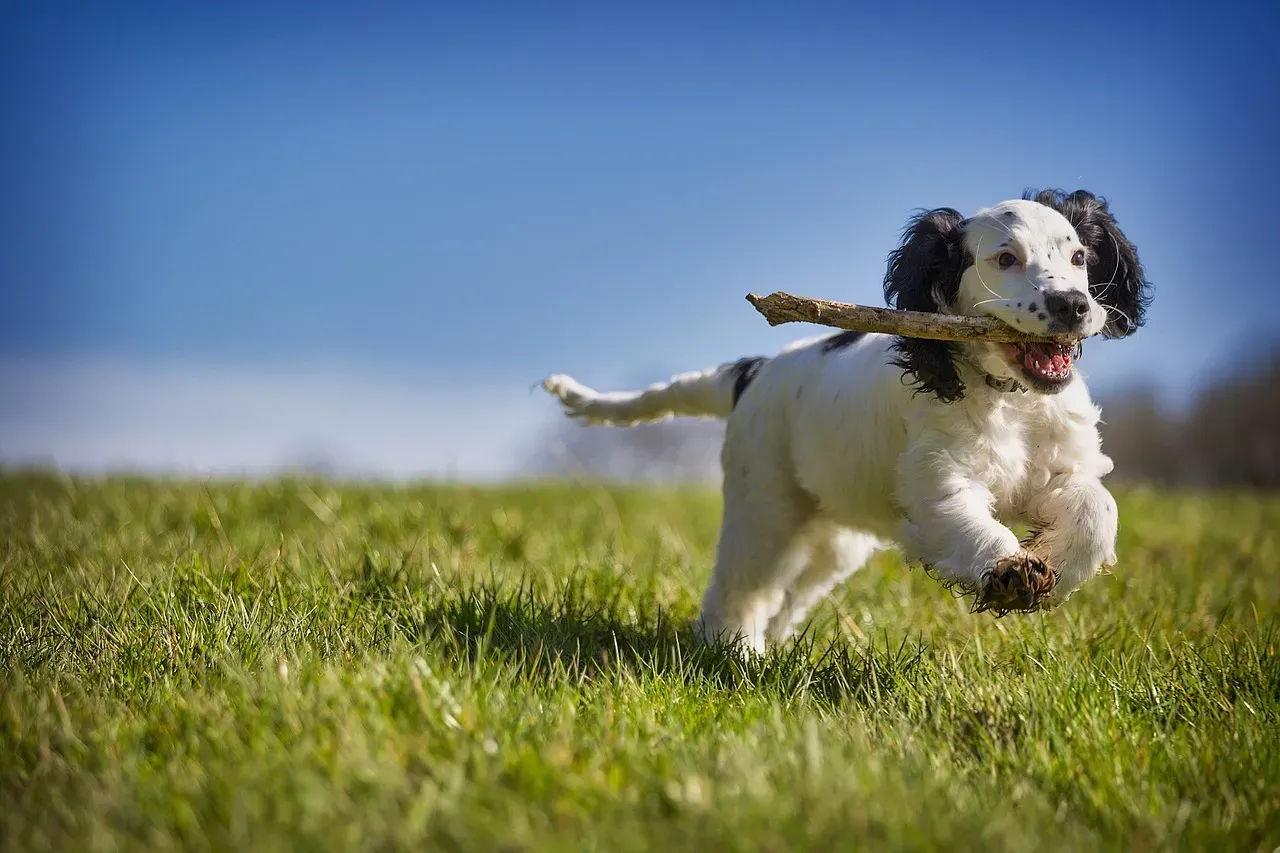
Here’s the uncomfortable part nobody likes admitting: the “quirky” adult dog you’re managing right now – the one who won’t settle, guards his bowl, or barks at every delivery truck – probably wasn’t born that way. That dog was built, one small unnoticed choice at a time, in a single month you thought didn’t matter yet.
I’ll say the part most trainers dance around: you don’t get a do-over on this window. You get to shape it once, and then you spend years either coasting on the habits you built or fighting the ones you didn’t mean to build. That’s not a guilt trip – it’s just how dogs learn. Alone time, noise, touch, frustration, movement, listening – none of it is complicated, but all of it is being decided right now, whether you’re paying attention or scrolling your phone on the couch.
Treat those first 30 days like a throwaway cute phase, and you’ll spend the next decade managing the fallout. Treat them like the blueprint they actually are, and you’ll end up with the dog everyone else swears is “just naturally good” – when really, you built that dog on purpose. Which of these fourteen habits do you recognize in your own dog, and which one do you wish someone had warned you about sooner?