
14 Things a Dog Learns Living in a House Where the Days Never Rush
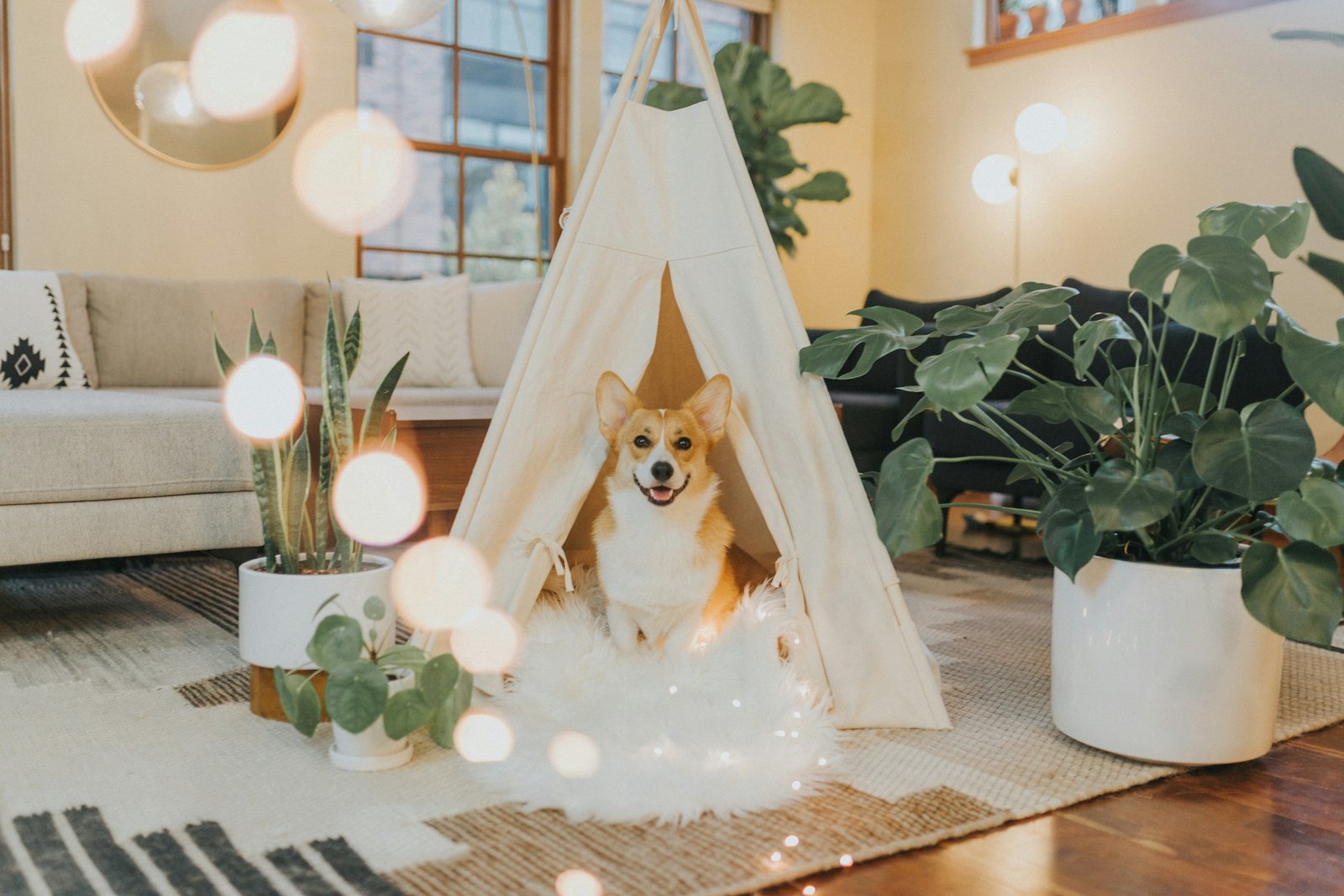
Everyone assumes dogs just roll with whatever chaos we hand them – frantic mornings, slammed doors, dinner scarfed down between errands. Turns out that’s backwards. Behavior researchers have found that rushed, unpredictable homes can keep a dog’s stress hormones elevated for hours, and a dog living in a house where nothing ever feels urgent actually grows a different kind of brain.
They learn timing, safety, even a rough sense of “when,” all without a single word from you. Some of what they pick up in a slow, steady household is almost embarrassingly revealing – not about the dog, but about us. Here’s what trainers, behaviorists, and longtime owners have noticed, one quiet day at a time.
#1 – Routine Becomes Their Secret Calendar
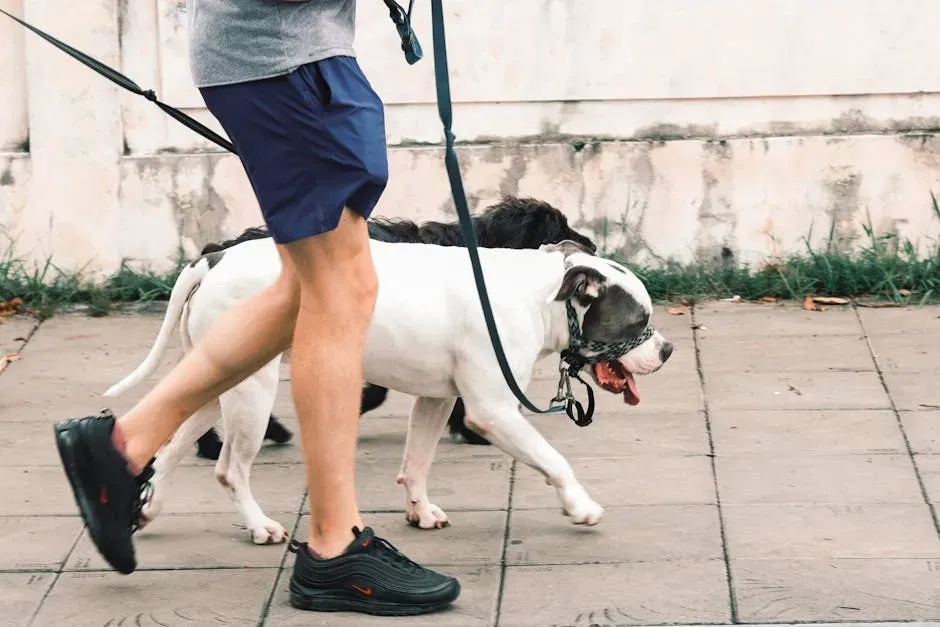
A dog in an unhurried home doesn’t need a wall calendar because the rhythm of the house becomes their internal clock. Breakfast shows up at roughly the same easy hour, walks aren’t squeezed between emails, and evenings unfold the same predictable way night after night. Behaviorists have long noted that dogs anticipate events through patterns, not numbers on a clock face.
So in a slow home, sunlight plus coffee smell plus your unhurried stretch quietly translates to “morning,” and the absence of frantic keys-jingling translates to “no one’s abandoning me today.” Over time, that kind of predictability lowers baseline anxiety, especially in sensitive dogs or rescues who’ve already lived through real chaos. They know when rest is coming and when connection is coming – and when a dog knows what’s coming, everything changes about how they handle the one time something doesn’t go as planned.
Fast Facts
- Dogs rely on environmental patterns, not clocks, to predict daily events.
- Consistent routines are linked to lower baseline stress in shelter and rescue dogs.
- Fading scent trails over the course of a day may help dogs sense time passing.
- Predictable households often reduce anxious behaviors like pacing or whining before expected events.
#2 – Human Emotions Turn into Background Weather
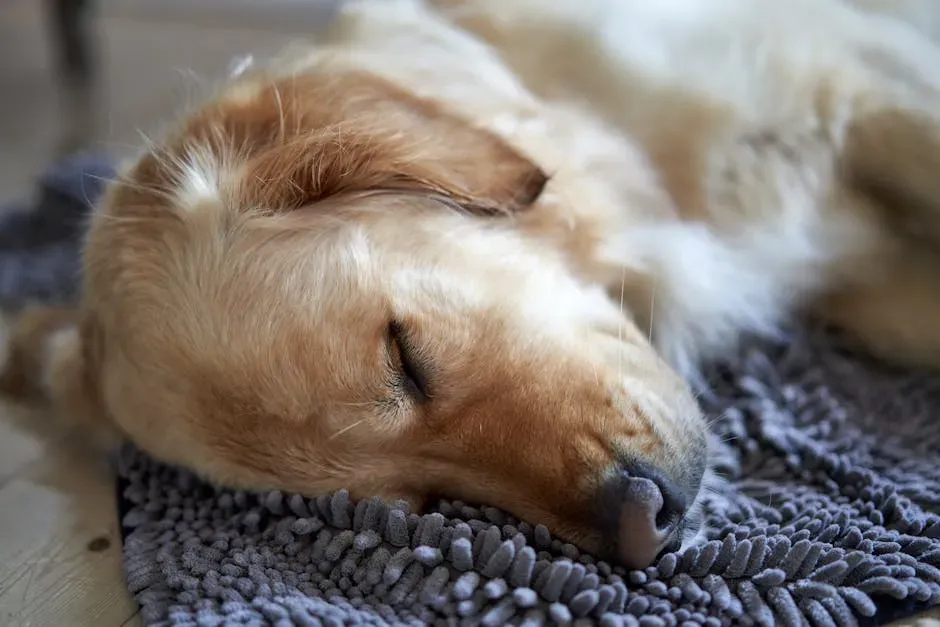
In a rushed house, your emotional storms feel like lightning strikes to your dog – sudden, sharp, and impossible to predict. In a slow house, your mood becomes more like ordinary weather: sometimes cloudy, rarely dangerous. Dogs are expert emotion-readers, and multiple studies show they pick up on tiny shifts in our tone, posture, even our scent when stress hits.
In an unhurried home, stress still happens, but it doesn’t explode suddenly between slammed doors and half-finished sentences. That slower pace teaches a dog something critical: tension doesn’t automatically mean danger. Over months you’ll often notice fewer flinches at raised voices, less pacing, more of that “I’ll just sleep through this” body language. A lot of what people call “good temperament” is really just a dog who’s learned that humans aren’t a constant emergency.
#3 – Alone Time Stops Feeling Like Abandonment

In a fast-paced home, departures are dramatic – shoes flying on, rushed goodbyes, doors slamming behind you. In a house where days never rush, leaving becomes boring, and dogs learn a genuinely priceless skill: being alone without falling apart. Because you’re not racing the clock, your exits can be slow and neutral, no nervous “I’ll be back!” speeches, just keys, maybe a sip of coffee, an ear scratch, and out the door like it’s nothing.
Repeated day after day, your dog’s brain links your absence with calm, familiar surroundings instead of panic. Many dogs in these households nap more deeply while you’re gone, pace and vocalize less at the door, and greet your return like something nice rather than something urgent. Separation anxiety is complicated and sometimes needs real professional help, but environment matters more than most owners realize – a slow house teaches the lesson that when you leave, the world doesn’t end.
#4 – Walks Turn Into Slow Conversations, Not Fast Laps
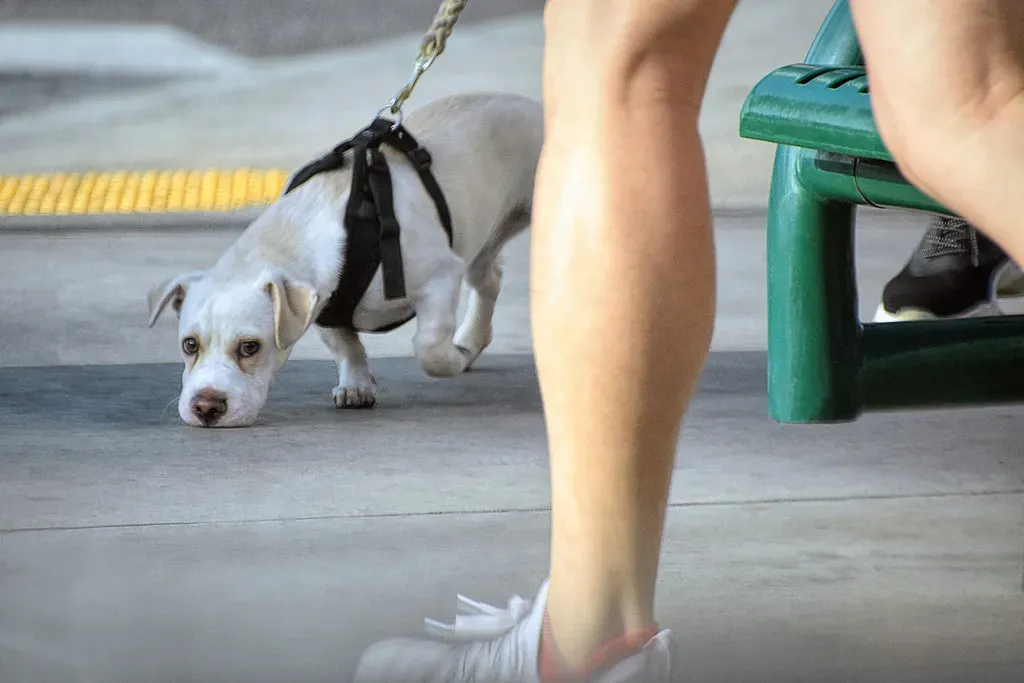
Most people march their dog down the sidewalk like it’s a chore to check off. In a house where days never rush, walks become something else entirely – slow, sniff-filled, two-way conversations that change what a dog actually learns outside. Instead of getting yanked past every interesting scent because “we’re late,” your dog gets time to actually investigate.
That sniffing isn’t random wandering; research shows scent work is mentally tiring and satisfying in a way that’s almost like reading a local newspaper. Dogs learn which smells are normal, which neighbors have passed through, what’s changed since yesterday. They build confidence exploring at their own pace and start following your subtle cues instead of just your leash pressure – and dogs who get this kind of unhurried, sniff-heavy walk often show fewer reactivity issues, simply because they aren’t constantly overstimulated and dragged along.
Worth Knowing
- A dog’s nose holds roughly 300 million scent receptors, compared to about 6 million in humans.
- Trainers sometimes call unhurried, sniff-led walks “sniffaris” because the nose sets the pace.
- Letting a dog sniff freely can be as mentally tiring as a longer, faster walk.
- Dogs who get unrushed walks often settle faster once they’re back home.
#5 – Food Becomes Comfort, Not Competition

In many busy homes, feeding time is a blur: scoop, drop, “eat fast so I can go,” maybe another pet muscling in for a bite. In a house where days never rush, a dog slowly learns something a lot deeper – that food is guaranteed, and scarcity stops living rent-free in their brain. Meals show up consistently, often in a calm environment with no blaring TV or kids sprinting overhead.
You might add slow feeders, scattered training treats, or a quiet puzzle toy after dinner, and the message underneath all of it is simple: there’s enough, and it keeps coming. Dogs in this rhythm often guard their bowl less, eat at a more relaxed pace, and show fewer frantic begging behaviors. For a lot of former strays or shelter dogs, a peaceful, predictable dinner is the first moment they realize they’re actually safe now.
#6 – Rest Stops Being a Guilty Pleasure
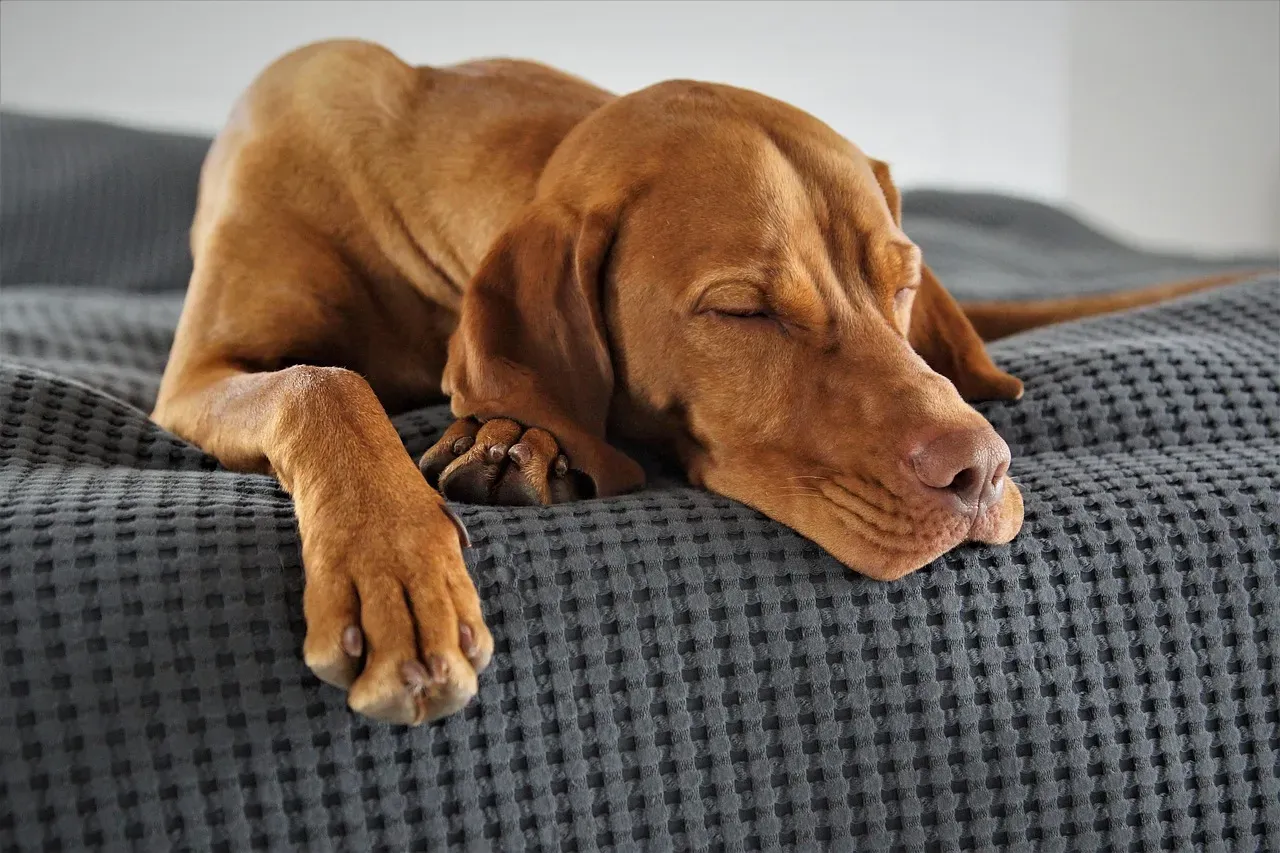
Most humans secretly feel bad about resting and call it lazy. Dogs, left to their own instincts, are naturals at rest – but only if the environment actually lets them settle into it deeply and without interruption. In a slow household, a dog learns that long naps aren’t just tolerated; they’re part of the day’s natural pulse.
No one is constantly rushing past their bed, vacuuming isn’t a daily panic event, and nobody’s yanking them out of sleep every half hour for “one more hug.” Instead there are long, quiet stretches where nothing happens at all, which sounds boring but is actually one of the most valuable gifts you can give a mammal’s nervous system. Over time you’ll see longer sleep cycles, more sprawled-out belly-up positions – a classic sign of safety – and far fewer of those restless “can’t settle” pacing loops at night.
#7 – Training Turns Into Shared Language, Not Drills
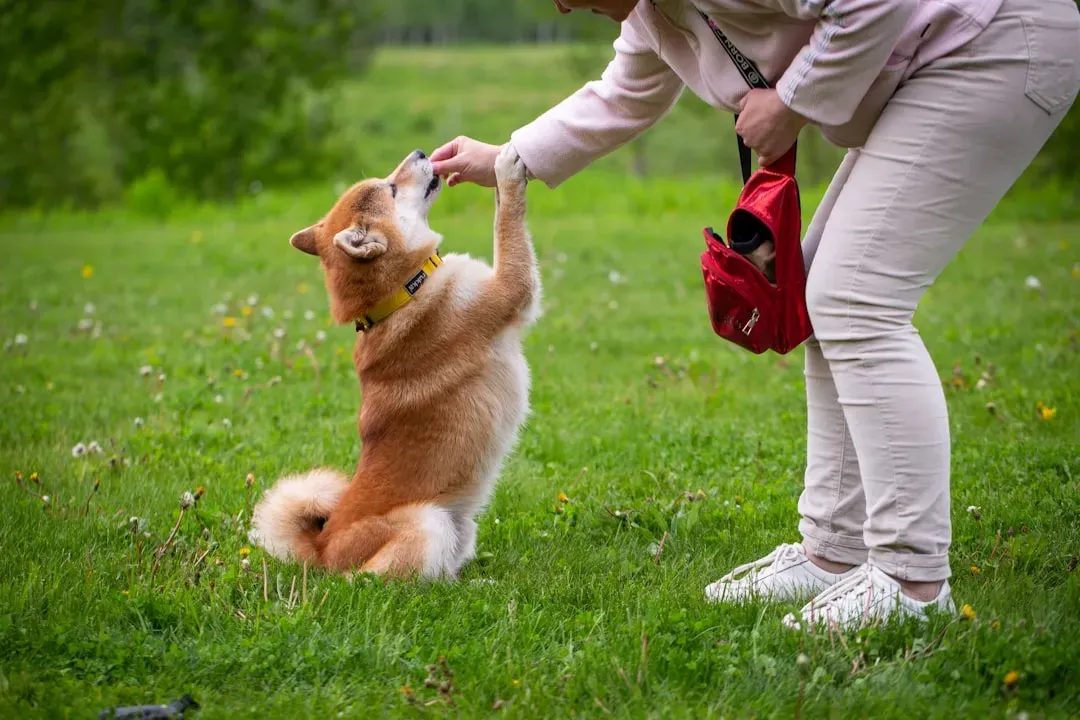
In a rushed life, training gets crammed into ten frantic minutes: “Sit, stay, heel – why won’t you listen?” In a house where time isn’t constantly slipping away, training quietly turns into everyday conversation instead of a chore. You’re not cramming in obedience; you’re layering little cues into the normal flow of the day – a “wait” before doors open, a “down” while you sip coffee, a reward for calm behavior during TV time instead of ignoring it.
Your dog learns that cues aren’t random noise; they always mean something specific and are followed by an outcome they can predict. The sessions stay short, low-pressure, and frequent, which happens to be exactly how animals learn best. Most people blame the dog for being “stubborn” when really it’s the rushed, inconsistent teaching that’s the problem – in a slow house, training feels less like school and more like learning shared slang between best friends.
#8 – The House Itself Becomes a Map of Safety
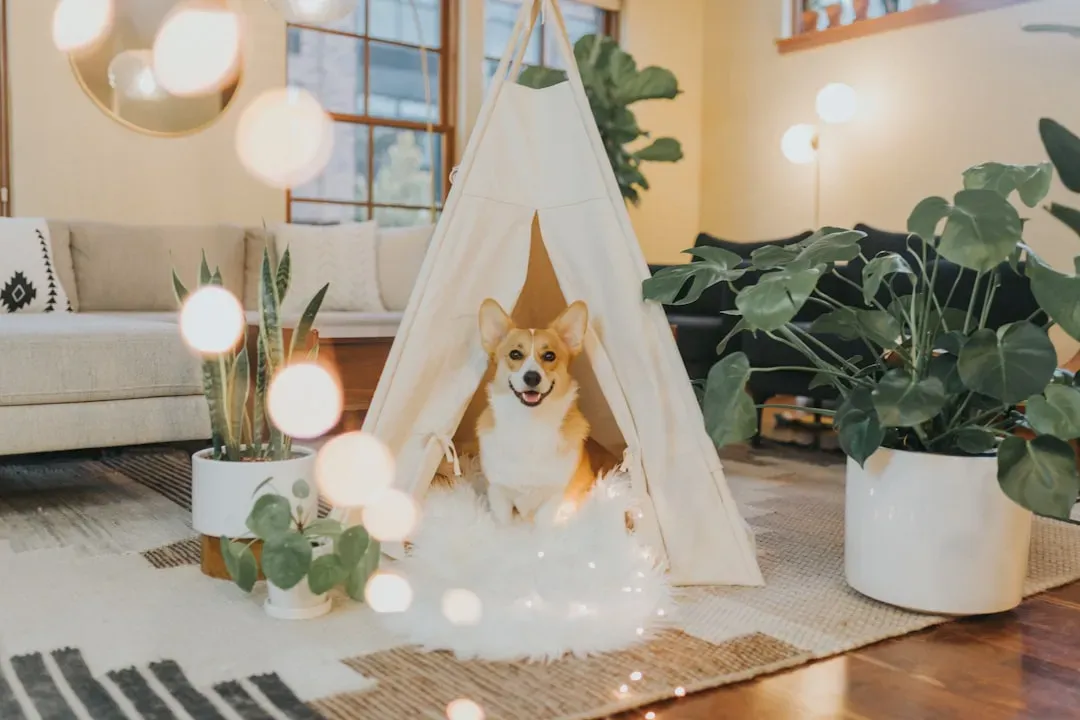
Dogs don’t just live in a house – they build a detailed mental map of it. In a home where days never rush, that map is precise and secure, and your dog knows exactly where safety is, where peace lives, and where the good things tend to happen. Because nothing gets constantly rearranged in a frantic cleaning spree, and foot traffic isn’t a blur of stomping, your dog picks up on the small stuff: this corner is for watching the street in afternoon sun, that rug means nighttime snuggles are coming, the bedroom during quiet hours is a guaranteed do-not-disturb zone.
Consistency in how you move through your space teaches your dog which zones are theirs to relax in and which ones stay busy. That clarity often cuts down on “annoying” habits like underfoot hovering or doorway blocking, simply because the dog isn’t guessing all the time. In fast homes, dogs often feel like permanent tourists; in slow homes, they become locals with favorite haunts and reliable escape routes.
#9 – Subtle Body Language Starts Working Both Ways
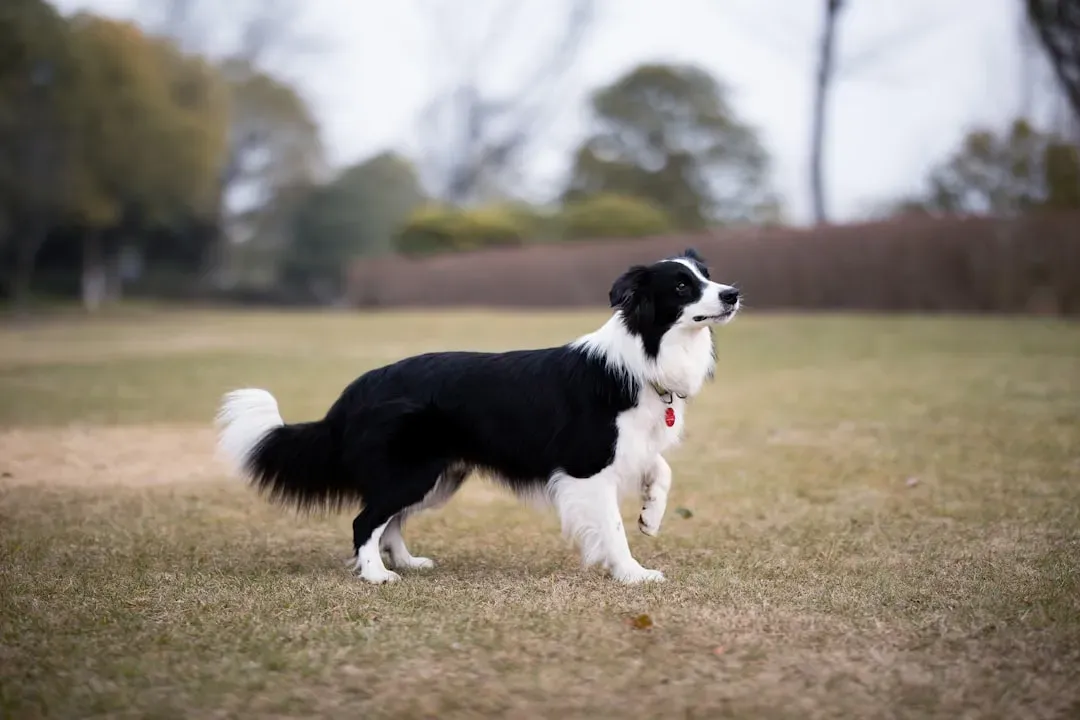
Most people miss ninety percent of what their dog is actually saying because they’re moving too fast to notice. In a house where days never rush, a dog learns that tiny signals get an actual response from you, and that changes how they choose to communicate. Because you’re not sprinting from task to task, you start catching the small stuff – the half-yawn that means “I’m nervous,” the sideways glance that says “that stranger is too close,” the slow blink and relaxed ears that whisper “I trust you.”
When you consistently respond – backing off when they show discomfort, praising the choice to stay calm, stepping in before tension builds – your dog realizes they don’t need to bark, snap, or melt down just to be heard. Plenty of trainers now argue that so-called “problem dogs” are often just dogs who learned that subtle language doesn’t work on rushed humans. In a slower house, communication gets refined on both ends, and the overall volume of conflict tends to drop.
Quick Compare
- Half-yawn: mild stress or uncertainty
- Slow blink, soft ears: trust and relaxation
- Sideways glance (“whale eye”): discomfort with something nearby
- Freeze or stiff stance: a warning worth immediate attention
#10 – Visitors Become Predictable, Not Invasions
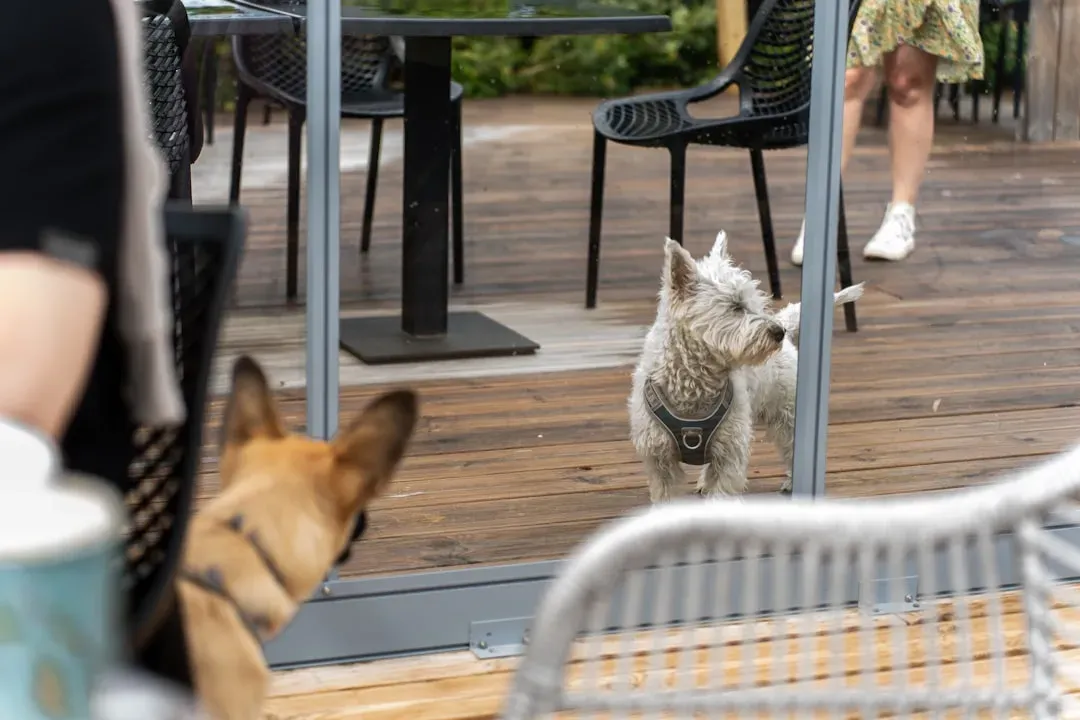
In a hectic life, guests blow through the door like a social explosion – loud greetings, shoes flying, bags dropping, everyone talking over each other. To a dog, that’s a lot to process all at once. In a slow house, visitors usually arrive more like a gentle ripple than a tidal wave, because you actually have time to prepare: a baby gate and a chew toy, a chance to watch the arrival from a safe distance, an introduction only once everyone’s settled instead of mid-chaos.
Over time, your dog learns the doorbell doesn’t automatically mean immediate physical contact or unpredictable touching. Sometimes it just means new smells now, meeting later, which teaches them to wait, observe, and engage only when it actually feels safe. A lot of dogs labeled “bad with visitors” were simply never given a calm, structured way to process new people – something an introverted human at a party would completely understand.
#11 – Play Evolves Into Emotional Check-Ins
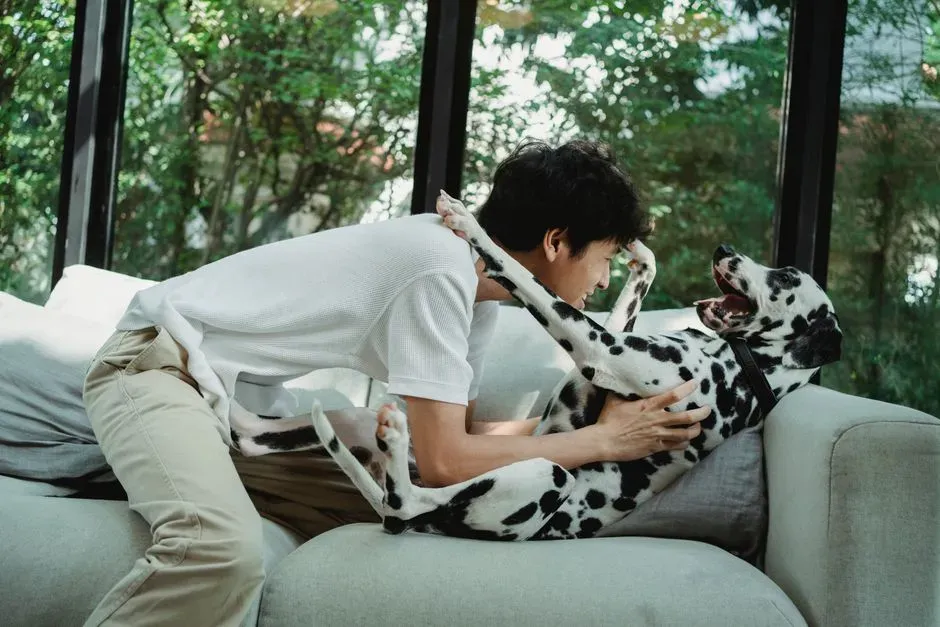
In fast homes, play is often a guilty afterthought: “Fine, five minutes of fetch, then I really have to go.” In a house where days never rush, play becomes something closer to a recurring emotional check-in between you and your dog, and they learn to use it exactly that way. Because you’re not sprinting out the door, you might toss a toy in the late afternoon just to see how they’re feeling, start a game of tug at night and notice whether they’re wild or gentle, or simply let them choose the game instead of always dictating it.
Your dog starts to understand that play isn’t only about burning energy – it’s a safe way to connect, vent, and be understood. On rough days they might bring you a toy more insistently, almost like they’re saying “I need a reset.” On calm days they may pick softer, slower games instead, and in a slower household you’re actually around enough to notice the difference.
#12 – Aging Feels Like Changing Gears, Not Losing

Most people don’t realize how jarring aging can be for a dog – less mobility, less vision, more aches, all while the household around them keeps sprinting like nothing changed. In a house where days never rush, a senior dog learns that slowing down isn’t a crime; it’s simply a new rhythm everyone respects. Because the humans already value slowness, they’re far more likely to shorten walks instead of insisting on the old route, add ramps and softer bedding without treating it like a tragedy, and build gentle new rituals – like scent games – instead of quietly mourning what used to be.
That kind of environment teaches older dogs that opting out isn’t failure. You’ll often see less agitation, fewer nighttime pacing episodes, and more contented dozing in favorite spots once an aging dog stops feeling pressured to keep up with a life stuck on fast-forward. Some vets argue that plenty of “behavior problems” in older dogs are really just the friction between an aging body and a still-rushed household – and a slow home won’t erase the hard parts of aging, but it does stop the daily fight against the clock.
At a Glance
- Shorter, gentler walks protect aging joints without cutting out exercise entirely.
- Ramps and orthopedic bedding reduce strain on hips and shoulders.
- Scent games and puzzle feeders keep senior dogs mentally engaged as mobility slows.
- Calm, unhurried households tend to see fewer nighttime restlessness episodes in older dogs.
#13 – Conflict Rarely Gets the Chance to Explode
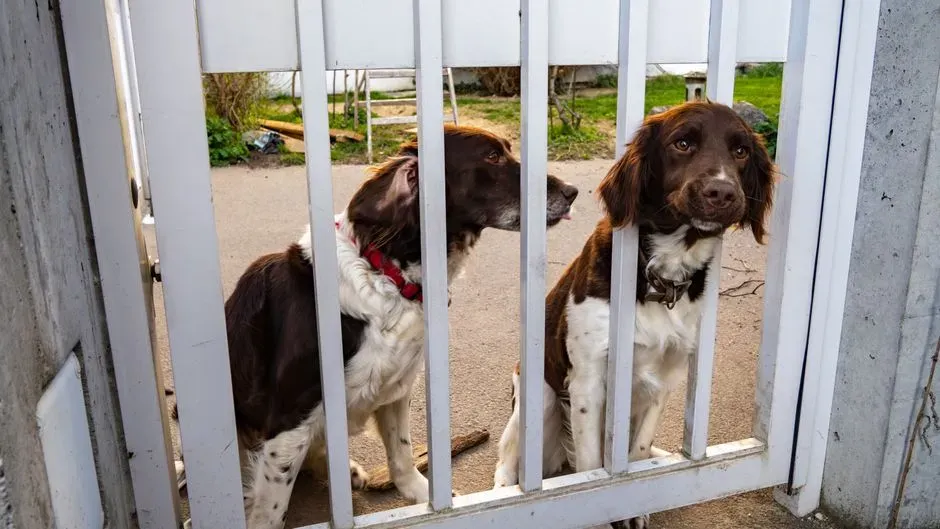
Two dogs in one house. A dog and kids. A dog and a cat with strong opinions. In a rushed home, minor tension often gets ignored until it erupts as a bite, a fight, or a “sudden” snap that wasn’t sudden at all. In a house where days never rush, your dog learns that conflict usually gets managed while it’s still tiny, because you’re not constantly late for something and you actually notice the stiff freeze near the food bowl, the hard stare when a toddler stumbles too close, the low grumble when the cat claims the favorite bed.
Instead of reacting after the fact, you have time to step in calmly – redirect, separate, add a baby gate, adjust the routine. Dogs raised this way are quietly taught that they don’t have to escalate to be heard, that adults will step in and keep everyone safe, and that boundaries actually mean something. It doesn’t make a “perfect” dog. It makes a dog who trusts that the household comes with a safety net, no matter what social media wants to call “dominant” behavior.
#14 – Love Becomes a Stable Background, Not a Fickle Reward
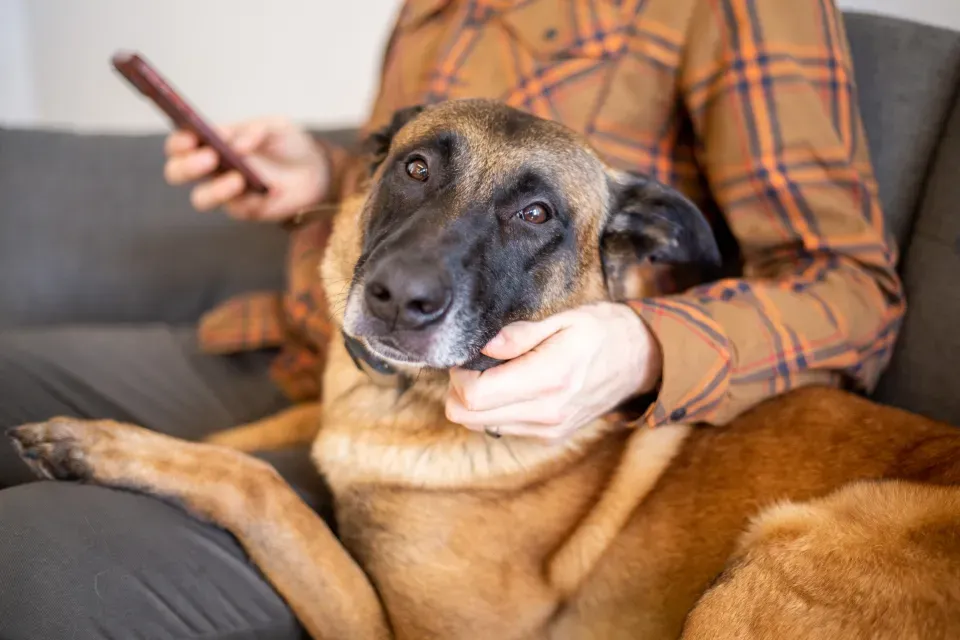
In many busy homes, affection accidentally becomes transactional – cuddles when you’re “good,” distance when the humans are stressed, attention only when you’re entertaining. In a house where days never rush, love feels less like a treat and more like weather: always there, sometimes soft, sometimes bright, but reliably present. Because time isn’t scarce, affection spreads out naturally – quiet head scratches while you read, lazy morning snuggles instead of quick pats on the way out, calm check-ins after small scoldings that repair the bond instead of leaving it hanging.
Your dog learns a subtle but genuinely life-changing truth: even after a mistake, they’re still safe here. That lesson builds what trainers call resilience, the ability to bounce back from scary or confusing moments without falling apart. Most people underestimate how much a stable emotional climate shapes a dog’s behavior – far more than any command ever could.
Dogs are not our whole life, but they make our lives whole.
Roger Caras
The Bottom Line
A dog doesn’t just get more naps and longer walks – they get an entirely different education about what life is. They learn that humans aren’t whirlwinds, that leaving doesn’t mean loss, that rest isn’t risky, and that their smallest signals can genuinely change what happens next. Their nervous system grows up on predictability instead of panic, on small rituals instead of constant alarms.
Some people will insist that “real life is busy” and dogs should just adapt to our pace. I think that’s a convenient story for humans, not a kind one for the animals who never chose it. Our dogs are quiet proof that a slower, steadier home doesn’t just feel better – it behaves better, day after unhurried day. Which lesson from your own dog’s slow moments has caught you off guard?