
14 Habits a Working Farm Dog Keeps That a House Dog Never Learns
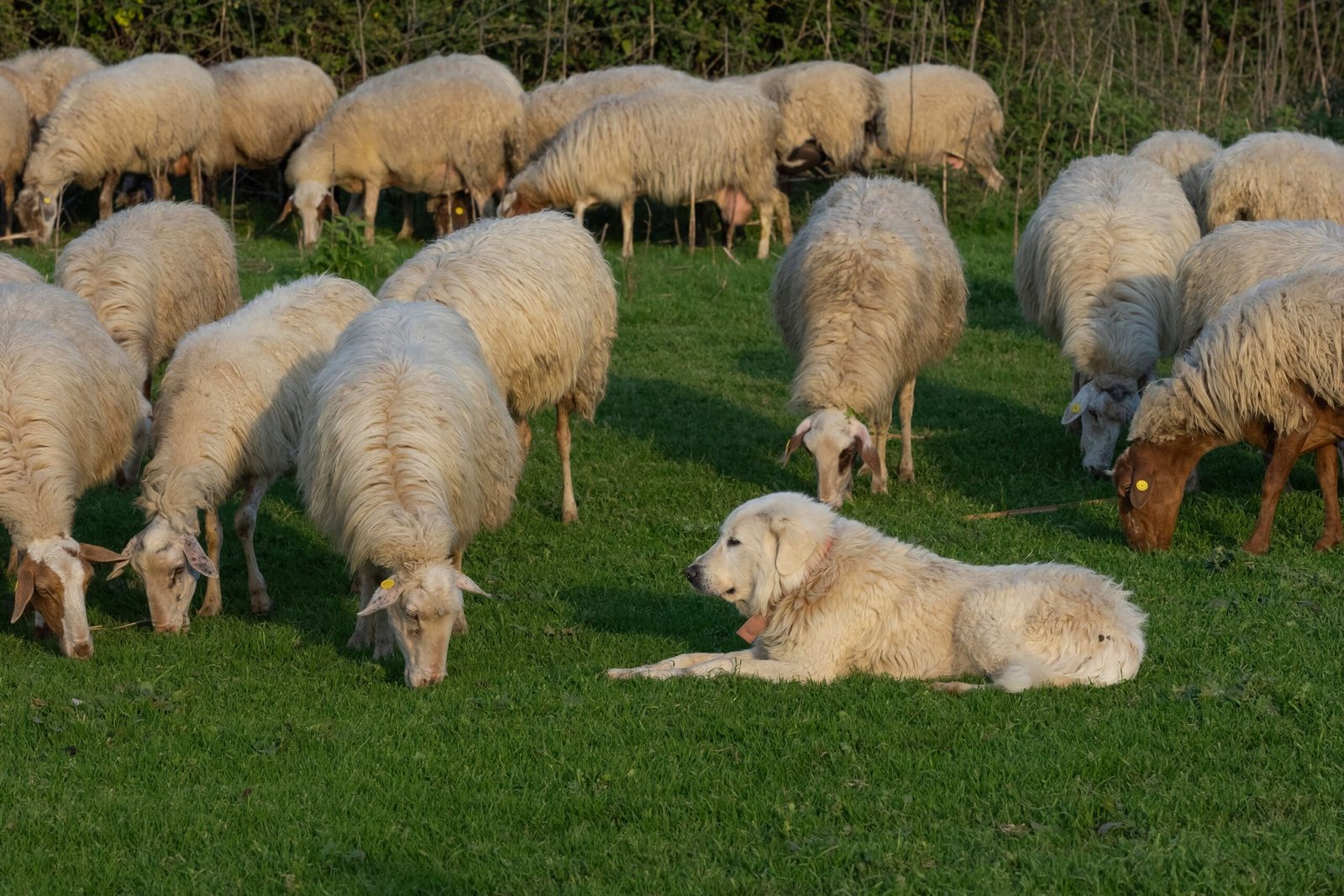
Most people insist their sweet, couch-loving dog would have made “an amazing farm dog” if life had gone a little differently. Working dog trainers hear this constantly – usually right before they gently disagree.
Because the truth is blunter than that: most house pets wouldn’t survive a single morning doing what a real farm dog handles before breakfast. Living in a warm home and living in the mud, noise, and split-second decisions of a working property don’t just create different lifestyles – they build two fundamentally different animals. One grows up as a companion. The other grows up as a partner with an actual job description.
Here’s what real handlers, generations of careful breeding, and hard-earned experience on working land actually reveal about the habits that quietly separate the two. By the end, you might look at your own dog a little differently.
#1 – Reading Livestock Like a Second Language
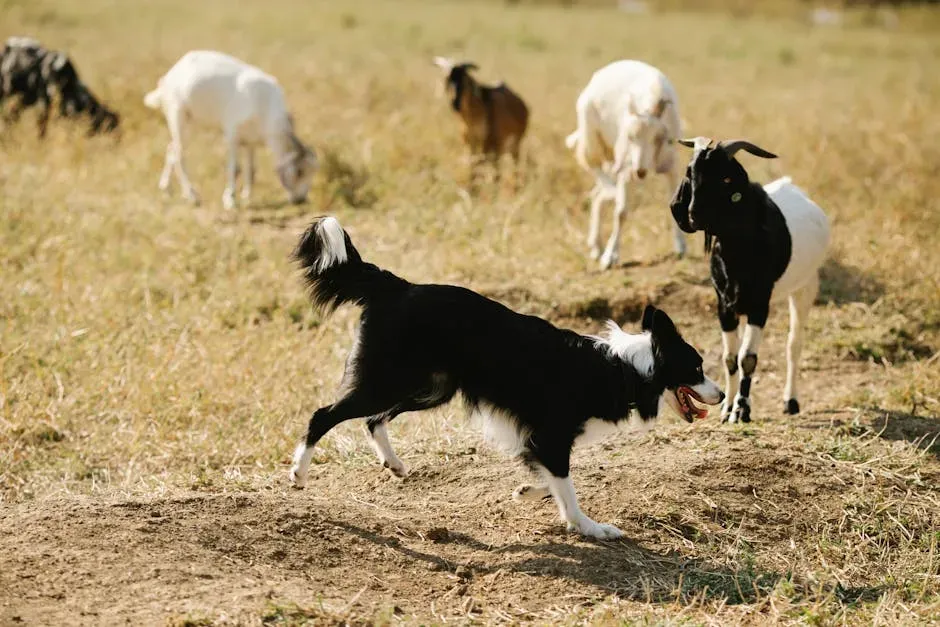
A house dog might read your mood. A farm dog reads an entire herd. Working dogs learn to interpret subtle shifts in body position, ear angle, and speed of movement in sheep, cattle, or goats long before a human notices anything is wrong.
A good stock dog can spot the one nervous ewe that’s about to bolt and quietly slide into position to block her without a single command. That’s not obedience – that’s literacy in another species’ body language, and it’s earned the hard way.
This habit forms because mistakes have real consequences out there: animals scatter, gates fail, people get hurt. Over time, farm dogs build an internal map of how prey animals think – which ones challenge, which panic, which freeze under pressure.
House dogs rarely need that level of nuance. They might bark at a squirrel or chase a ball, but nobody’s paying them in praise and freedom for correctly predicting which steer is about to test a fence. On a farm, reading livestock isn’t a party trick. It’s self-preservation.
Fast Facts
- Herding dogs often use “eye” – a low, intense stare – to freeze or redirect livestock without any physical contact.
- Ear position, tail carriage, and spacing within the group are among the first signals a stock dog learns to read.
- A nervous animal typically breaks from the edge of a herd, not the center, so dogs learn to watch the edges first.
- Breeds like Border Collies and Kelpies are specifically bred for this heightened livestock awareness.
#2 – Working Off Cues So Subtle They’re Almost Invisible
Most pet owners rely on big, obvious commands: “Sit,” “Stay,” “Come.” On a busy farm, yelling all day is inefficient and often outright dangerous. So working dogs learn to key off micro-cues instead – a handler’s shoulder turning ten degrees, a head tilt toward a gate, a change in walking speed.
Experienced stock dogs will change direction on a breath, a hand flick, or even the tension in the air. It looks like magic. It’s actually years of pattern recognition.
This develops because farm environments are loud and chaotic – tractors, wind, machinery, bawling animals. Voice commands get swallowed whole. So handlers deliberately train dogs to respond to whistles, gestures, and even the rhythm of movement instead of words.
Over time, the dog starts anticipating the “story” of the workday, sensing where the handler is likely to need them next based on patterns they’ve lived a thousand times. House dogs almost never have to work that far ahead. Farm dogs are practically reading your mind from across a muddy field.
#3 – True Directional and Distance Control, Not Just “Come Here”
A farm dog doesn’t just come when called. It understands distance as a tool. Stock handlers teach specific directional moves – wide outruns, flanks, step-ins, step-backs – often hundreds of yards away from the handler’s own feet.
A good working dog can be sent out of sight, sweep in a huge arc behind livestock, and push them straight back to you with almost no correction. That’s closer to a search-and-rescue pattern than a backyard recall.
This habit is forged in big spaces. On a real property, you can’t physically be everywhere at once, so the dog becomes your long arm. They learn that five meters too close can panic a herd, while five meters too far means nothing moves at all.
House dogs may learn “heel” and “fetch,” but they almost never grasp that their exact position in a giant field can calm or explode two hundred animals at once. That’s a different level of spatial responsibility entirely.
#4 – Staying Calm Under Chaos Instead of Feeding Off It
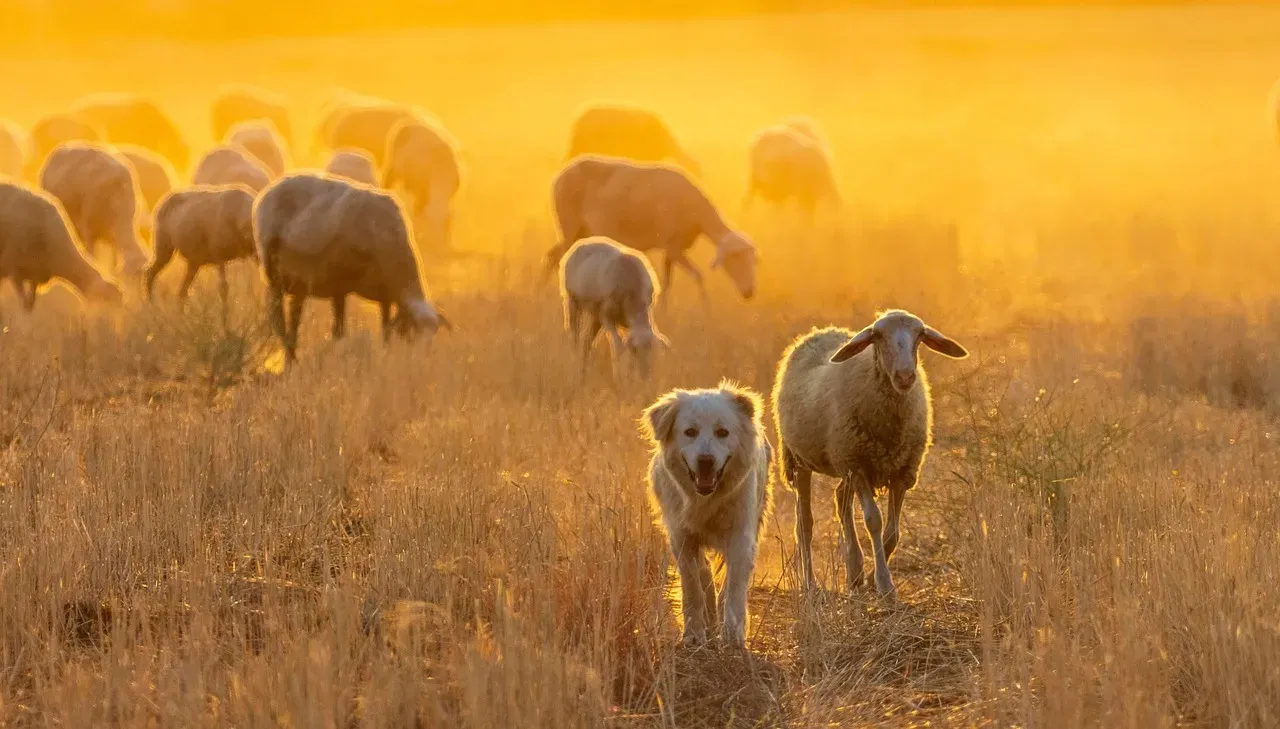
Most house dogs get amped up when things get loud: doorbells, kids running, visitors talking over each other. On a farm, that kind of reactivity is a liability, not a personality quirk.
A working dog has to stay laser-focused when everything goes sideways – calves bawling, gates clanging, ATVs revving, three people yelling three different things. Well-bred farm dogs learn to dial their arousal down, not up, exactly when stress spikes.
This comes from repetition in real-pressure scenarios. Young dogs might chase the nearest movement or bark at everything at first, but the ones that stick around learn fast that only calm, purposeful movement gets rewarded.
Many house dogs are unintentionally rewarded for amping up – “Isn’t he cute when he barks at the vacuum?” Farm dogs are rewarded only for being the eye of the storm. They learn that control, not excitement, is the real thrill.
#5 – Managing Their Own Energy Like an Athlete
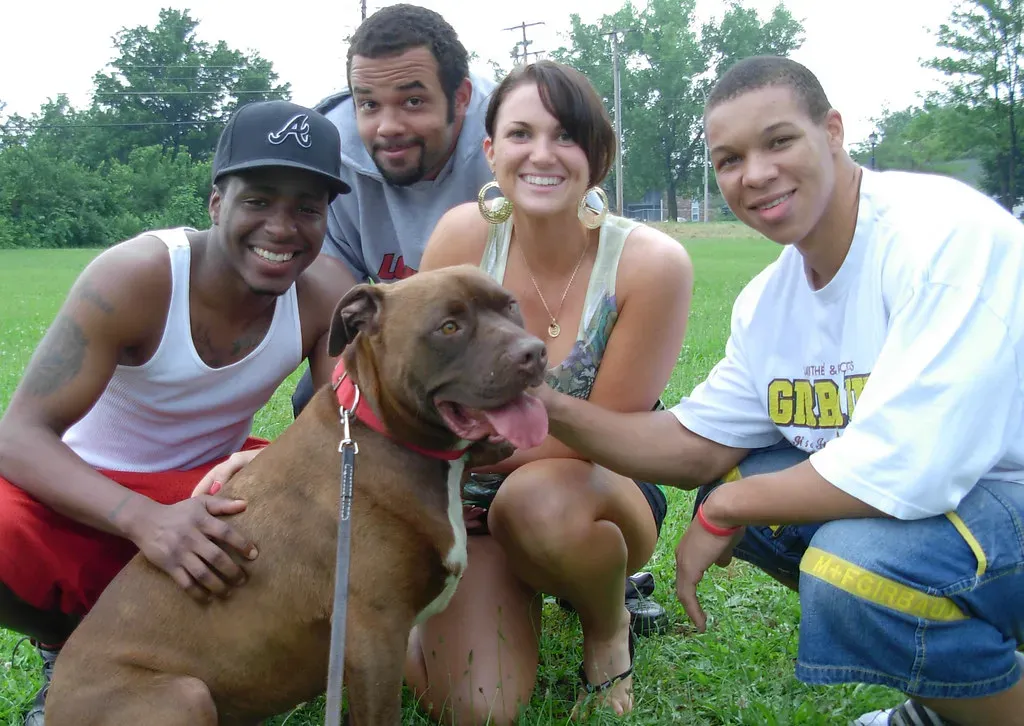
House dogs are usually either “on” or “off” – zoomies or couch potato. Working farm dogs live on a completely different energy schedule, one that would exhaust most pets in an afternoon.
They might sprint hard for forty minutes during a gather, then flop in the shade and drop into deep, efficient rest the moment the job’s done. They treat their bodies like limited resources, not endless batteries.
This is part genetic, part learned. Farm dogs who burn hot all day develop injuries or simply run themselves stupid, and farmers don’t have patience for that. The dogs that stay are the ones who can surge on command, then instantly shut down and conserve.
House dogs rarely face that demand; their exercise is scheduled around humans, not weather or harvest windows. A serious farm dog moves like a marathoner who also happens to sprint when the whistle blows.
#6 – Making Independent Decisions When No One’s Watching
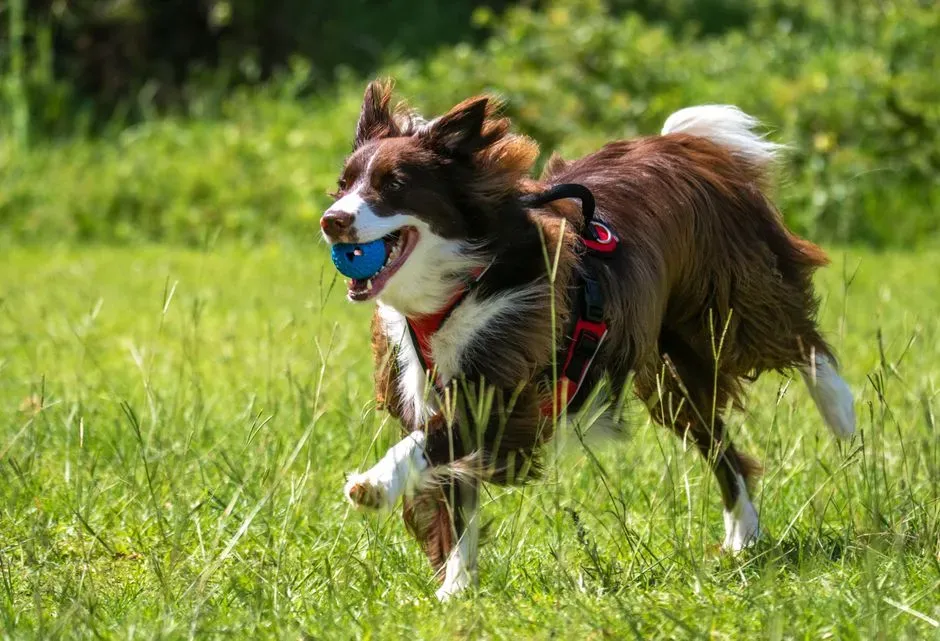
House dogs are praised for listening. Farm dogs are praised for something harder to teach: doing the right thing when nobody is looking at all.
If a gate swings open in a windstorm and cattle start drifting, a seasoned working dog may instinctively move to hold them, bark for attention, or block a driveway without a single cue. That’s not obedience. That’s judgment, and it’s rare.
This forms because farm life constantly throws curveballs – a panicked lamb, a busted fence, a rogue bull – and handlers simply can’t supervise every second. Over years, a working dog learns which groups of animals must never mix, which road is dangerous, which corner animals try to escape through.
Many pet owners would actually call that level of autonomy “disobedient” in a city apartment. On a farm, it’s the gold standard. The best stock dogs are trusted to make executive decisions, not just follow orders.
Worth Knowing
- Farm dogs often patrol fence lines and gates on their own, without ever being told to do so.
- Experienced handlers say the best stock dogs can problem-solve a scattering herd before help even arrives.
- Independent judgment is usually what separates a dependable working dog from one that’s merely obedient.
- This autonomy tends to develop over years on the same property, not weeks of training.
#7 – Reading Rough Terrain Like a Four-Legged Tractor
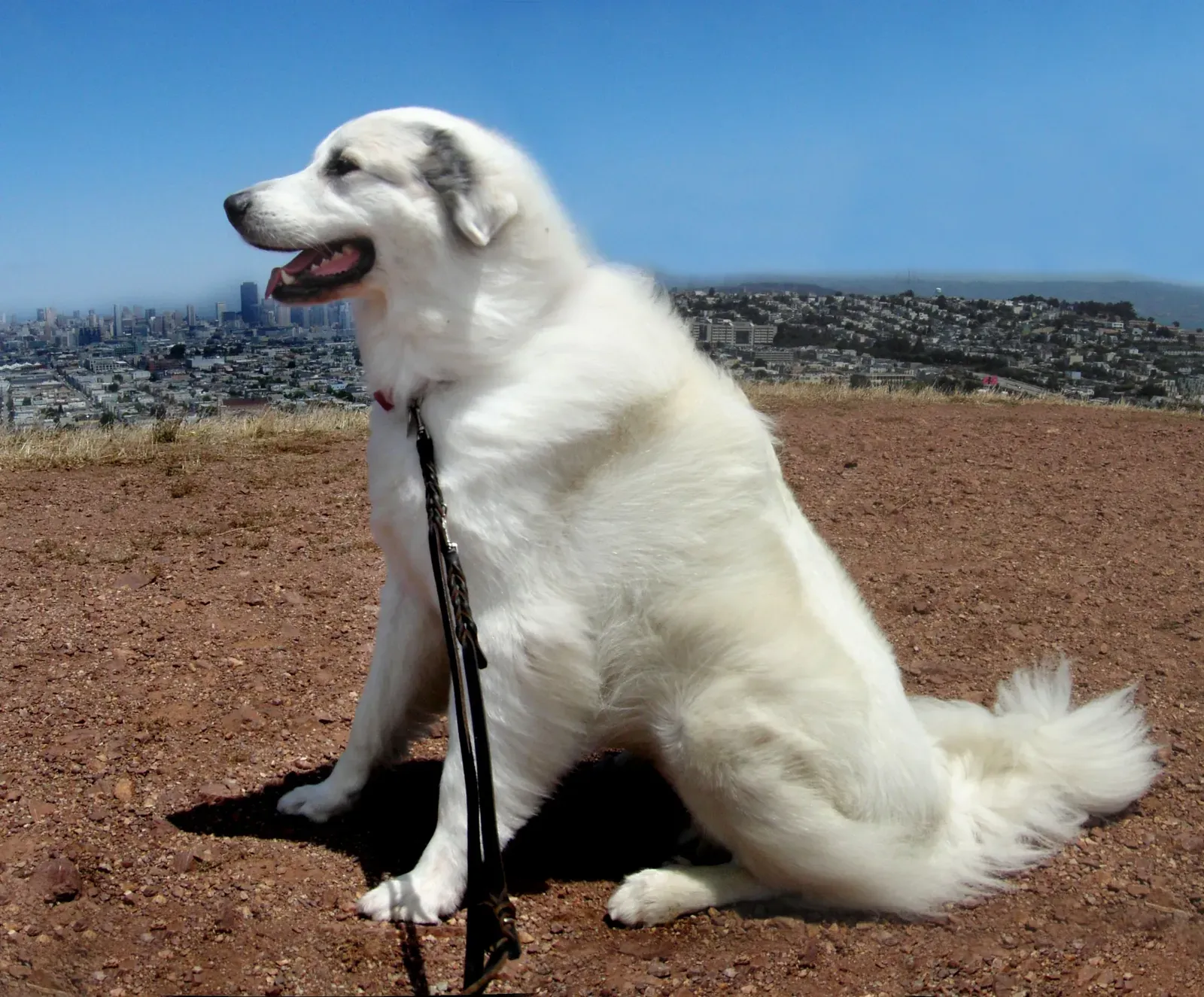
Urban and suburban dogs move on flat, predictable surfaces – carpets, sidewalks, mowed lawns. Farm dogs grow up on slopes, rocks, mud, barbed wire, irrigation ditches, and machinery ruts, and it shows in how they move.
Over time, they develop an almost unconscious map of safe footing versus dangerous angles. They’ll instinctively choose a safer line over a shorter one, even mid-chase after a runaway animal.
This isn’t just athleticism, it’s strategy. A farm dog that repeatedly crashes through barbed wire or ditches won’t last long, so they learn to scan terrain, adjust speed before corners, and judge whether a jump or a detour is smarter.
House dogs may be agile on an engineered agility course, but real property is messy and unforgiving. Farm dogs learn to move like off-road vehicles that know every bump, rut, and hazard by feel.
#8 – Living on a Clock Set by Chores, Not Convenience
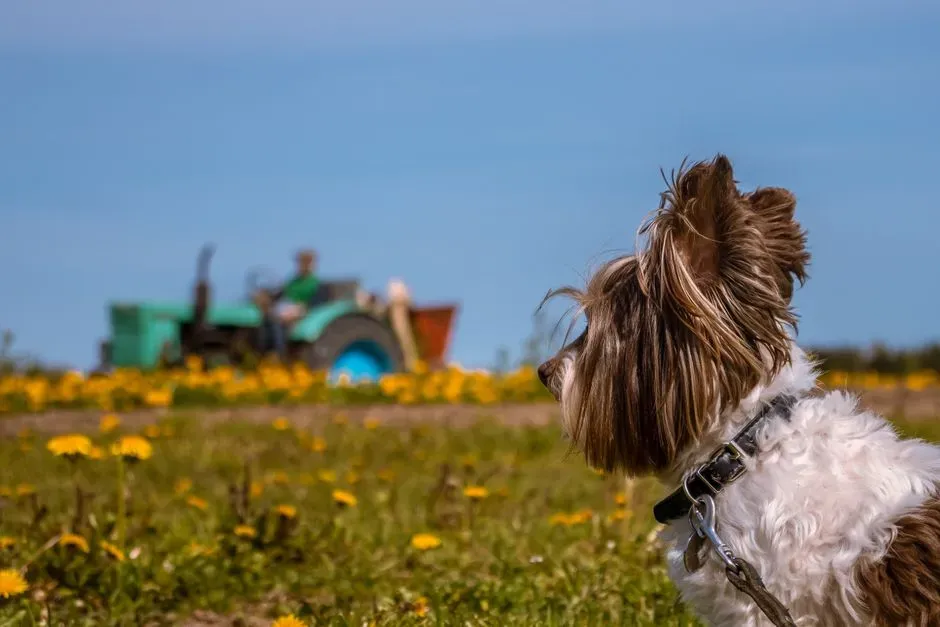
Most house dogs know “walk time” or “dinner time” because humans keep a schedule. A working farm dog’s internal clock is synced to chores instead, and it runs with eerie precision.
They get twitchy right before the afternoon feed, wait by the truck when it’s time to check fences, or head toward the lambing barn at dusk without being called. They learn the rhythm of the land, not just the noise of an alarm.
This comes from repetitive, seasonal work – calving, lambing, milking, irrigation – cycles that repeat daily and yearly while the dog watches and participates from puppyhood. Eventually they form real expectations: morning means moving this herd, evenings mean bringing stock in.
Many pet owners pride themselves on their dog “knowing when it’s five o’clock,” but that’s tied to a human commute. Farm dogs are synchronized to biology and weather, not a wall clock.
#9 – Ignoring “Fun” Distractions the Moment the Job Is On
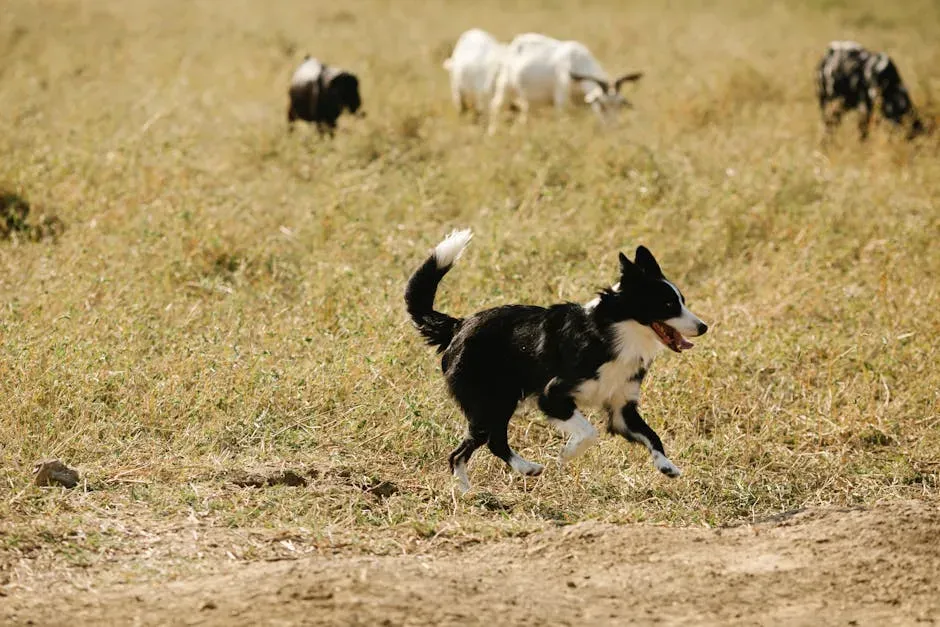
For a house dog, a running rabbit, a jogger, or a new visitor is the headline event of the day. For a working farm dog mid-gather, those things barely register at all.
Properly trained stock dogs will blow past wildlife, cats, and even food on the ground if it isn’t part of the job in front of them. It’s not that they don’t want to chase – it’s that the job pays better.
This is intentionally built. Handlers constantly correct pups who break focus for birds or smells, and over time only stock work delivers the real payoff: movement and control. Their brains rewire so a moving flock becomes more exciting than a fleeing rabbit ever was.
A lot of pet culture excuses distraction instead of training through it – “he just loves squirrels!” Farm dogs quietly prove that a drivey dog can be laser-focused instead of scattered.
#10 – Fine-Tuned Bite Control Around Half-Ton Animals
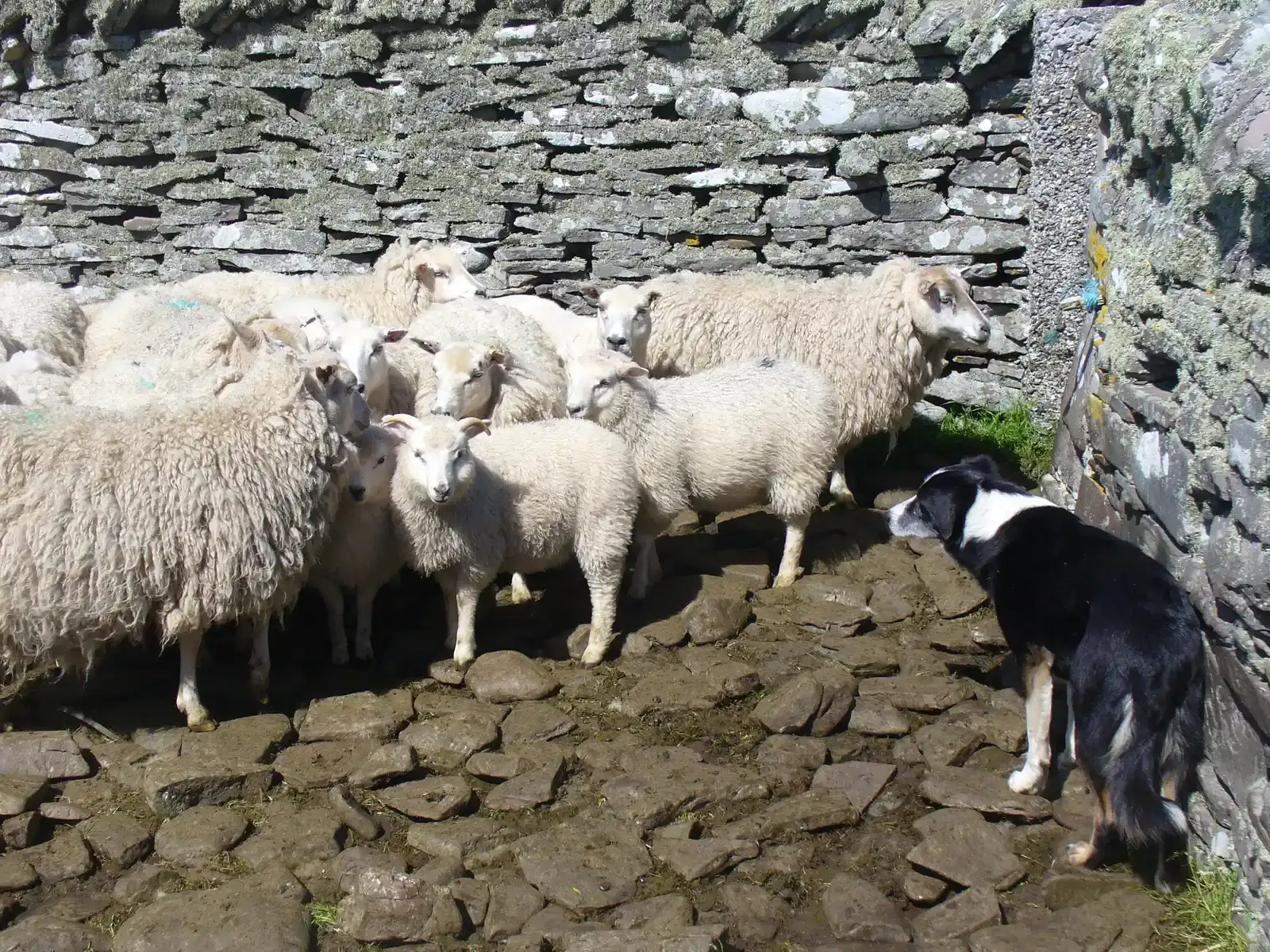
We talk about “soft mouths” in retrievers, but working farm dogs practice an even more nuanced art: controlled contact with very large, very dangerous animals. Some stock dogs are allowed to grip – nip at heels or noses – to move stubborn cattle.
The impressive part isn’t that they bite. It’s that they know exactly how hard and where to bite to move a 1,200-pound animal without causing real injury.
This is the result of careful breeding and relentless correction. A dog that bites too hard, too high, or at the wrong moment can cause panic or broken legs, so good handlers teach “that’ll do” and “no grip” with near-religious intensity until the dog treats its own teeth as a precision instrument.
House dogs, by contrast, usually use their mouths for play, toys, or the occasional poorly-managed reaction. Farm dogs understand that one bad bite can undo years of calm handling in a herd.
Quick Compare
- House dog mouth use: tugging toys, occasional play-nipping, corrected mainly for safety.
- Farm dog mouth use: targeted heel or nose grips, trained to move livestock without injury.
- House dog training goal: “no biting, ever, on anyone.”
- Farm dog training goal: precise force and placement, applied only when the job truly calls for it.
#11 – Working With Other Dogs Instead of Competing With Them
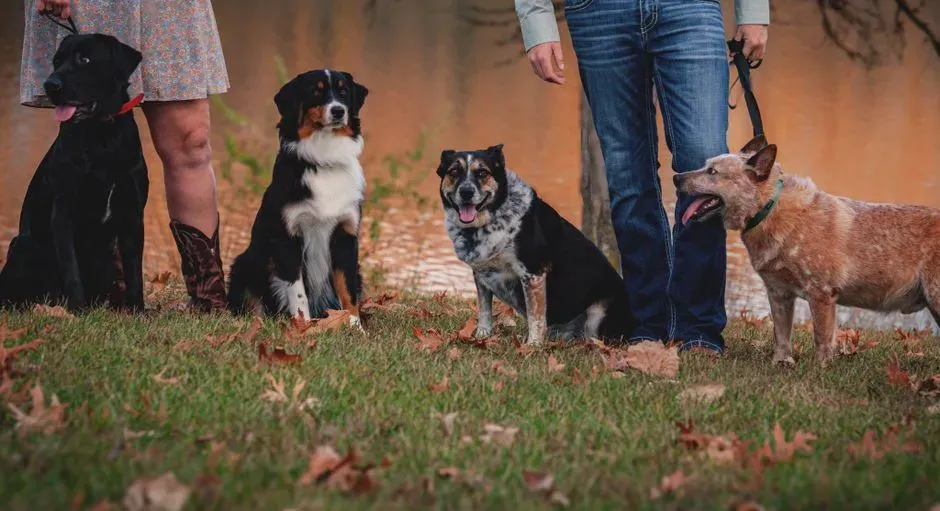
In most households, two dogs either become best buddies or constant rivals fighting over toys and attention. On a working property, multiple dogs are expected to function like an actual team.
One dog pushes from behind, another blocks at the front, a third holds the gate. They learn to read not only livestock and humans, but each other’s roles and strengths.
This cooperation doesn’t appear magically – humans shape it deliberately, pairing experienced dogs with youngsters and shutting down squabbling fast. Dogs that can’t work alongside others without resource-guarding don’t get the big jobs, and the ones that remain shift from “me versus you” to “our job versus the problem.”
Most house dogs never need to coordinate like that; the closest they get is sharing a couch. Farm dogs learn that another dog on the job isn’t a rival – it’s backup.
A good sheepdog is worth two men and a boy.
Traditional shepherding saying
#12 – Pushing Through Discomfort Without Melting Down
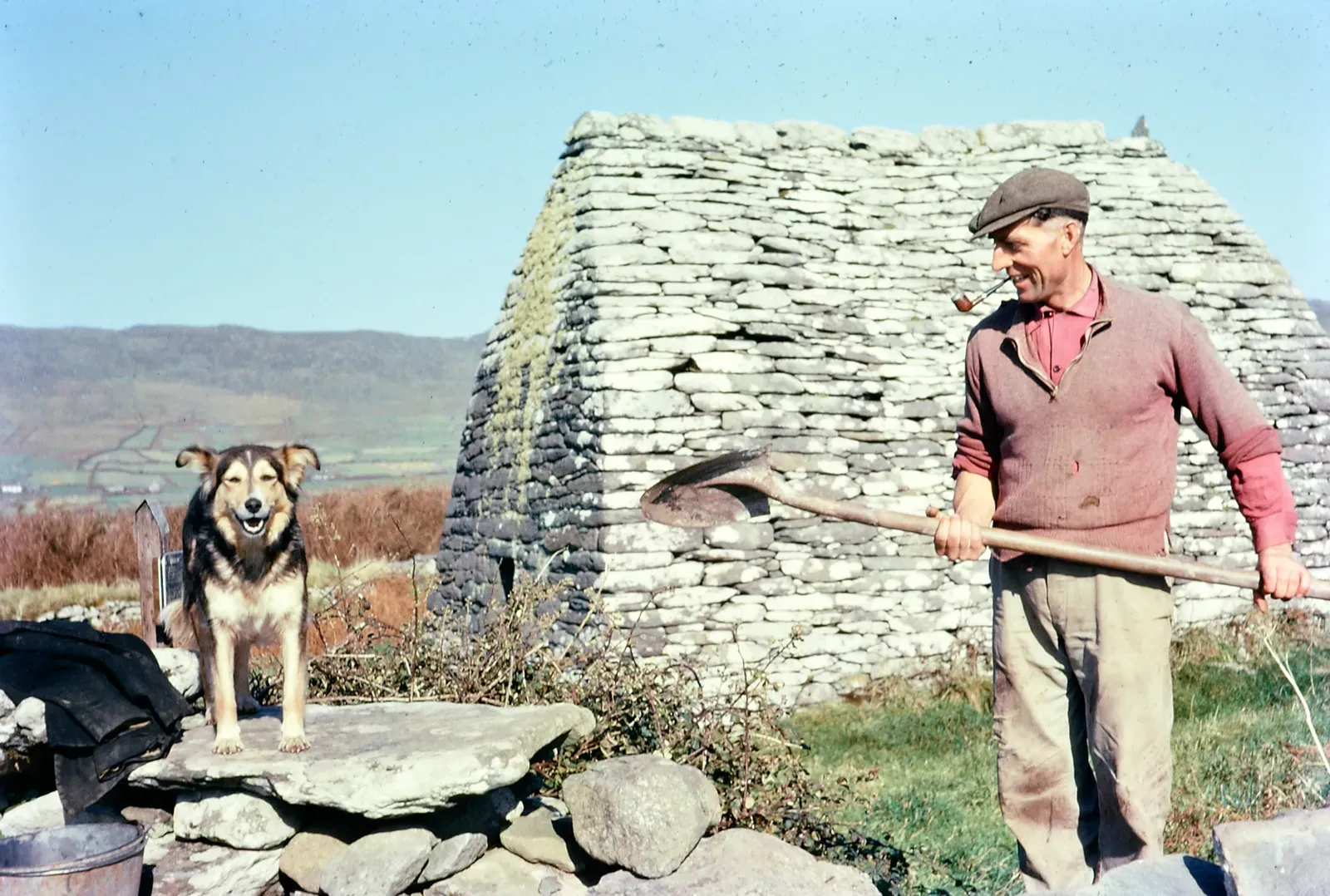
A lot of modern pet culture treats dogs like fragile roommates. Slight rain? Cancel the walk. A bit of mud? Straight to the groomer. Working farm dogs don’t get that luxury, and they don’t seem to want it either.
They operate in rain, wind, heat, freezing mud, and dust without a second thought. They normalize “a bit uncomfortable” as standard operating conditions, not an emergency.
That doesn’t mean they’re neglected – good farmers care deeply about their dogs’ health, and there’s a clear line between harm and ordinary discomfort. Dogs work wet, then rest by the fire. They get burrs in their fur, then get brushed out later. They stand in the back of a cold truck because that’s how you reach the far pasture.
House dogs often react dramatically to a wet sidewalk, not because they’re weak, but because they’ve simply never had to push through it for a reason. Farm dogs end up more mentally resilient because real work doesn’t stop for drizzle or dirty paws.
#13 – Taking Personal Responsibility for Boundaries
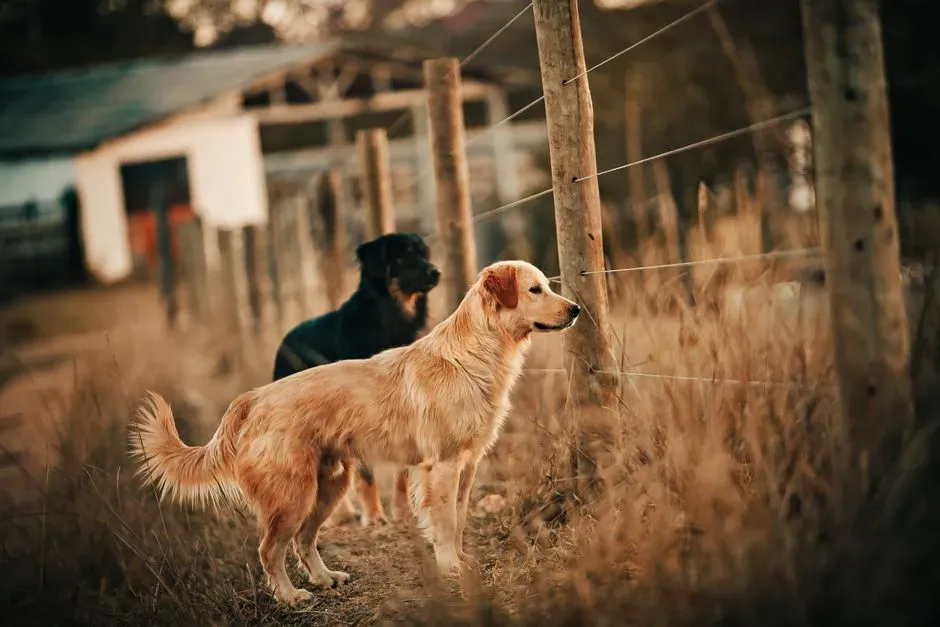
Guarding a city apartment door is one thing. Guarding a property is another animal entirely. Many farm dogs, even ones that aren’t formally “livestock guardian” breeds, quietly adopt responsibility for driveways, barn doors, fencelines, and specific pens.
They know who belongs where, and they will challenge or escort anything that violates that mental map – no permission needed.
This grows from daily exposure to patterns: which trucks are “ours,” which delivery people are harmless, which predators lurk at dusk. A dog learns the driveway must stay clear of livestock, or that strangers shouldn’t approach the lambing barn alone, and reacts to breaches on their own – sometimes with a bark, sometimes just by physically blocking the way.
House dogs, in contrast, often see “new person at the door” as either threat or excitement, nothing in between. Farm dogs treat space like a living blueprint they’ve been hired to enforce.
At a Glance
- Farm dogs often “claim” specific zones – driveways, barns, pens – without ever being formally trained to.
- They learn to tell routine visitors, like mail carriers or familiar trucks, apart from genuine threats.
- Boundary-patrol behavior shows up even in breeds never classified as livestock guardians.
- This territorial sense tends to sharpen with age and years spent on the same ground.
#14 – Seeing Themselves as Workers First, Pets Second
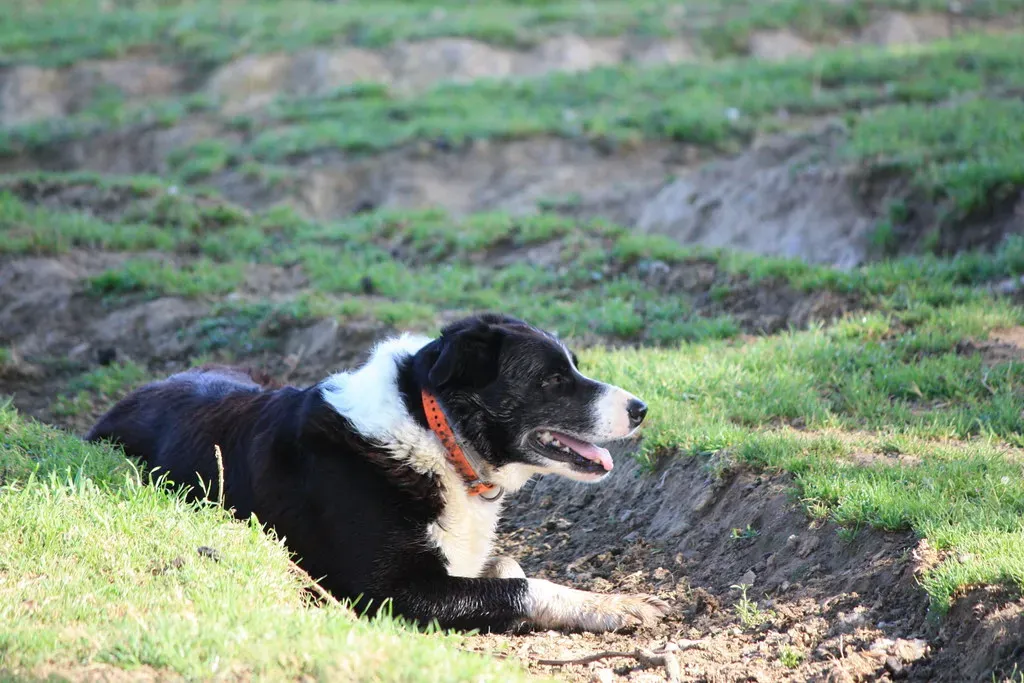
This is the habit that makes even devoted pet owners a little uncomfortable: a true working farm dog doesn’t center its identity around cuddles, toys, or treats. Its primary relationship with humans runs through work.
Affection is there, often deeply, but it’s layered on top of partnership, not instead of it. These dogs measure their days by what got done – which herd moved, what predator was deterred, which fence line got checked.
When the workday ends, they can absolutely be affectionate, goofy, and deeply bonded to their people. But watch closely, and you’ll notice something: the second the boots go on or the truck starts, their entire body says, “back to the real point of my life.”
Many house dogs are trapped in boredom, over-loved and under-used. Farm dogs, for all their mud and danger, often get what most pet dogs secretly crave: a job that actually matters.
The Bottom Line
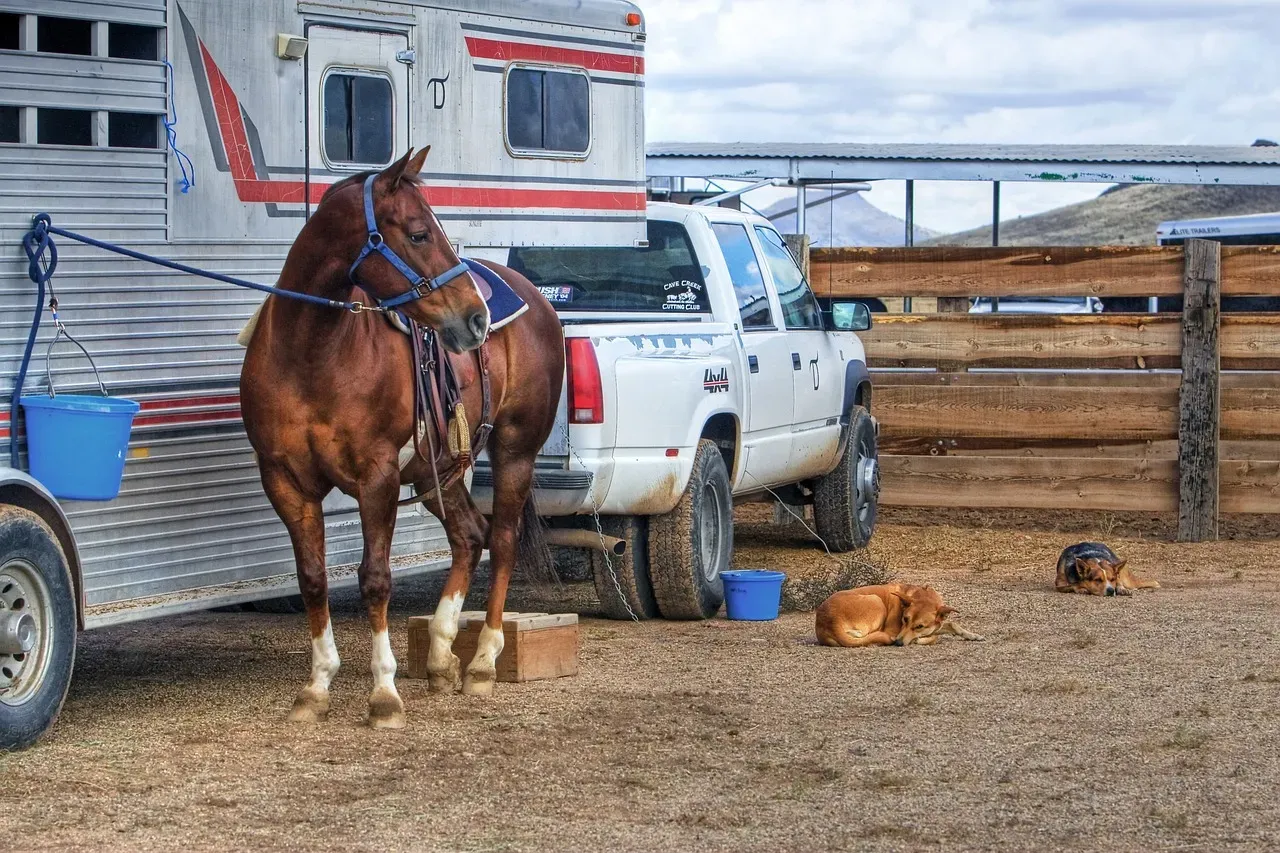
The internet loves to romanticize “farm life with dogs,” but the unfiltered truth is sharper than that. A real working farm dog isn’t just a pet in a rustic setting – it’s a specialist shaped by pressure, pattern, and purpose that most household dogs will never come close to experiencing.
They read livestock better than most beginners ever could. They work in sync off a signal you’d barely notice. They ignore distractions that would send a city dog into orbit, and they quietly police boundaries we don’t even register exist.
None of this makes house dogs “lesser.” It just means we should stop pretending they’re the same animal wearing a different collar in a different ZIP code. If anything, these fourteen habits should needle us a little: are we giving our own dogs even a fraction of that mental work, responsibility, and clarity – or are we smothering them with love while quietly starving them of purpose?
If you’ve lived alongside both a true farm dog and a house dog, be honest with yourself for a second: which one actually seemed more fulfilled? And which one, deep down, do you think got the better deal?