
12 Ways a Dog Shows It Has Stopped Worrying About Being Left Again
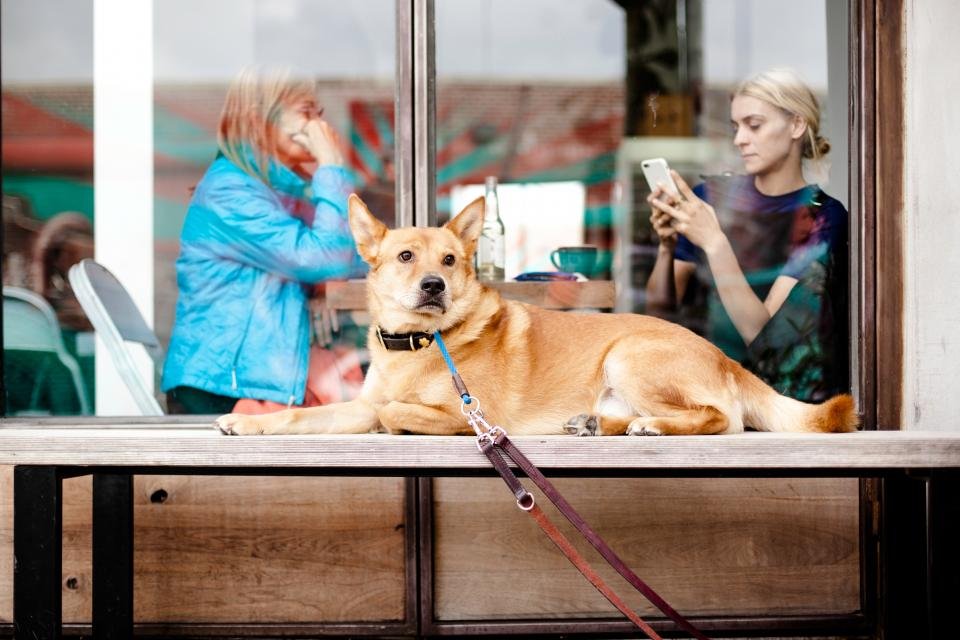
Most people think a dog “gets over” separation anxiety the moment it stops crying at the door. That’s actually the moment behaviorists get suspicious – because silence can just mean the anxiety went underground instead of away.
The real proof isn’t quiet. It’s a whole set of tiny, easy-to-miss body signals that most owners write off as “laziness” or “moodiness” instead of what they actually are: a dog whose brain has finally decided you always come back. Here’s what that looks like, sign by sign.
#12 – They Don’t Follow You From Room to Room Anymore
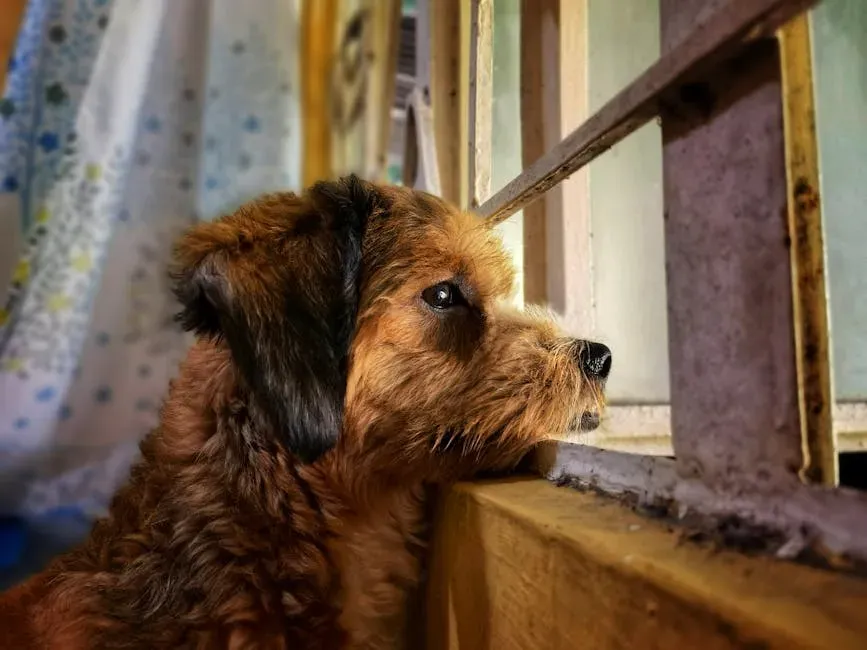
When a dog finally relaxes about being left, the first quiet change is this: they stop acting like your furry shadow. Dogs with separation anxiety often “velcro” themselves to one person, tracking every step from couch to bathroom. That’s not devotion – that’s low-key panic wearing a cute disguise.
When the worry fades, they’ll choose to stay put when you walk away, maybe lifting their head but not feeling the need to tail you. You might catch them finishing a nap instead of springing up, or picking a spot that isn’t directly under your feet for once. Some owners misread this as “he doesn’t love me like he used to,” but a dog who can let you move through the house without shadowing you has finally stopped rehearsing your disappearance in its head.
#11 – They Stop Panicking When You Touch Your Keys, Shoes, or Bag
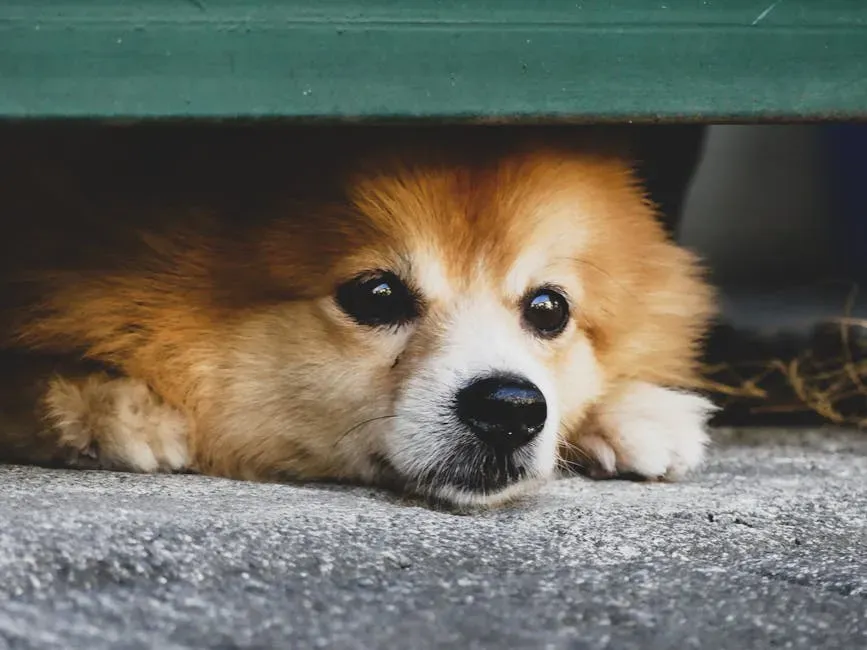
For anxious dogs, your “leaving cues” are like horror movie trailers – keys jingling, shoes going on, a bag hitting your shoulder. Once the worry lifts, those same sounds lose their teeth. A dog who used to pace, whine, or sprint to the door might now barely flick an ear when you grab your bag, glance over, then go right back to whatever they were doing.
That shift from trigger to background noise is huge – it means their brain has re-filed those cues from “danger of abandonment” to “just Tuesday.” You’ll notice less pre-departure clinging, too. Instead of blocking the doorway, some dogs actually trot toward their favorite chew spot the second they see the signs of you leaving, because they’ve learned what comes next isn’t a crisis – it’s a Kong.
Fast Facts
- Common “leaving cues” dogs learn to fear include keys, shoes, coats, bags, and even a garage door opening.
- Dogs can start associating specific sounds with your departure within just days of a repeated routine.
- A relaxed dog treats these cues as neutral background noise instead of a warning sign.
- Redirecting attention to a treat or chew right before you leave can help reshape that association over time.
#10 – They Actually Eat and Drink While You’re Gone
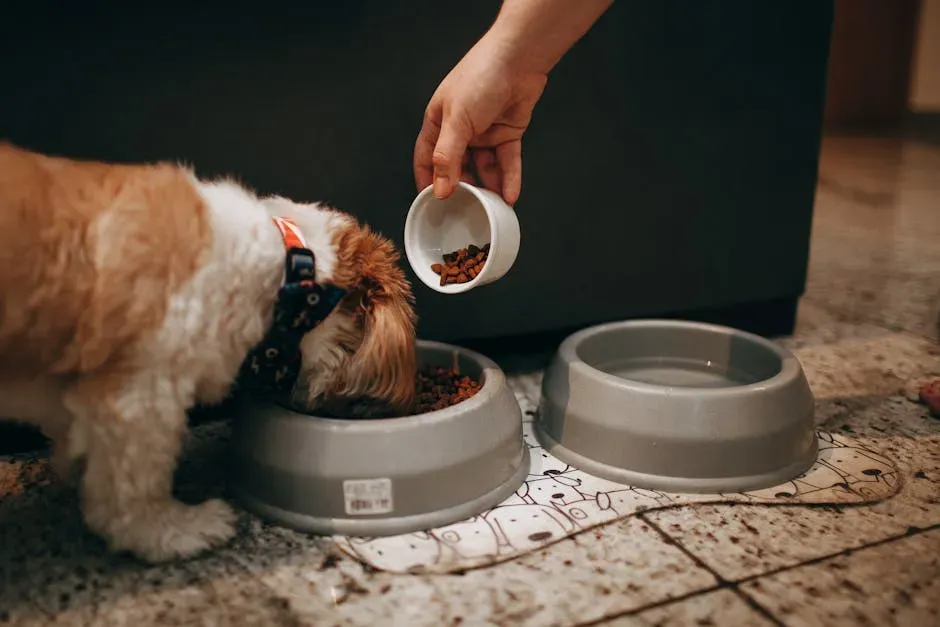
Here’s something most people don’t realize: a truly stressed dog often won’t touch food or water, even with a full bowl sitting right there. So when your dog’s appetite returns during alone time, that’s not a small thing – it’s a sign their nervous system has finally cooled off.
If a Kong used to come back untouched and now comes back licked clean, that’s not greed, that’s confidence. Eating is a vulnerable behavior, and dogs don’t relax into food if they think something scary is coming. Some owners get suspicious – “he can’t be that anxious if he’s snacking” – but the pattern usually runs the other way: as anxiety drops, food motivation while alone goes up. Bonus tell: a chew that’s been worked on in slow stages, not shredded in a frenzy, points to calm engagement instead of panic.
#9 – They Choose a Cozy “Alone Spot” and Settle There Fast
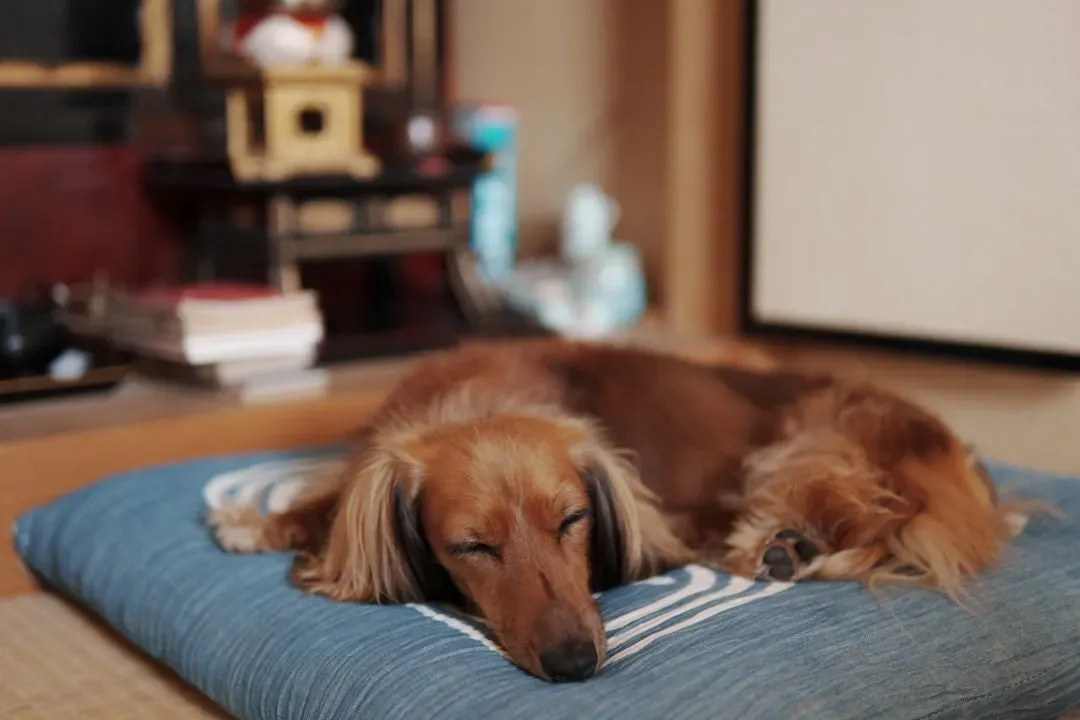
Anxious dogs hover at doors, pace by windows, or stay glued to the last spot they saw you. A dog who’s genuinely at peace does something far more boring – and far healthier: they pick a preferred alone spot and head straight for it, like it’s their personal studio apartment.
Maybe it’s the corner of the couch, the crate with the door left open, or your unmade bed. The tell is speed and comfort – they lie down quickly and stay there, body loose, hips to the side, sometimes even snoring within minutes. Watch for soft, half-closed eyes instead of wide, scanning ones, and a loose jaw instead of a tight mouth or heavy panting. That fast, easy settle is your dog saying, “I know this script. You leave, I nap. No big deal.”
#8 – Their Greeting When You Return Is Happy, Not Hysterical
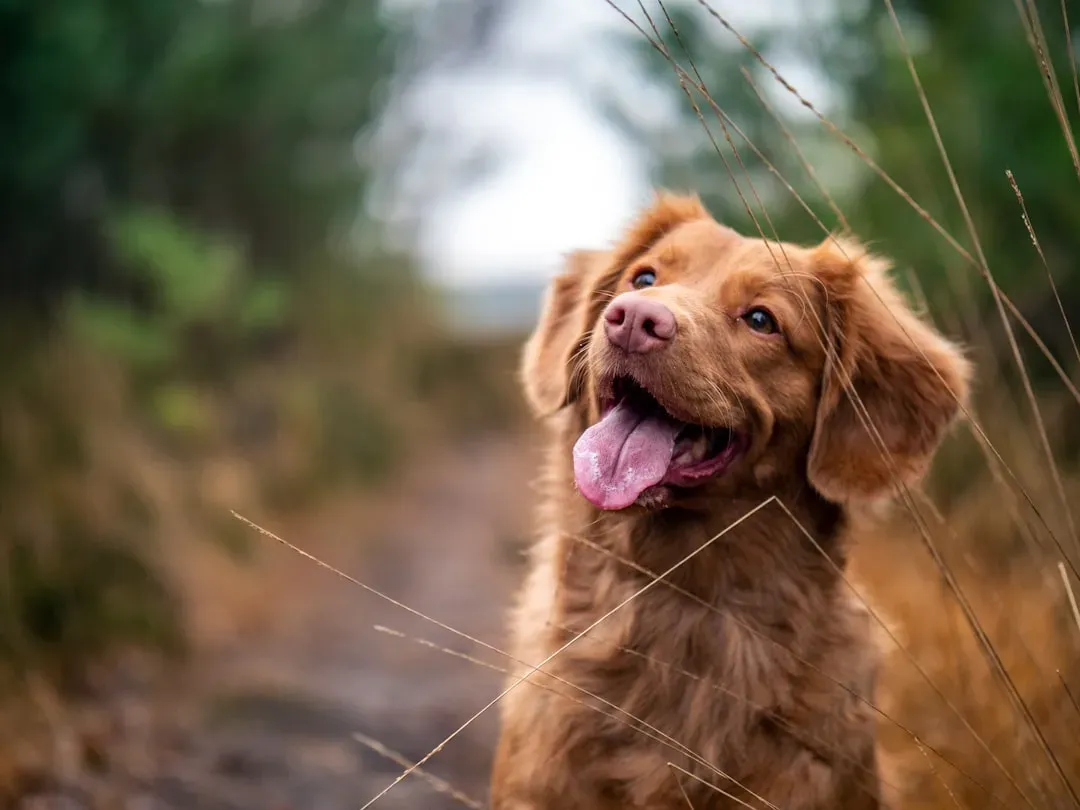
Most people assume the wilder the welcome, the more their dog missed them. Behavior experts push back hard on that idea. Over-the-top greetings – jumping, shrieking, body-slamming, even submissive peeing – often signal relief from real distress, not simple joy.
When a dog has genuinely stopped worrying, the welcome usually gets surprisingly chill. They might trot over with a wagging tail, grab a toy, do a little wiggle, then wander off again. Some owners actually feel a bit hurt by this – “he didn’t seem that excited” – but in emotional terms, that’s the win. A stable dog treats your return as predictable, not a miracle, and calm hellos usually mean calm goodbyes, too.
#7 – The House Stays Intact (And Not Just Because You Crated Them)
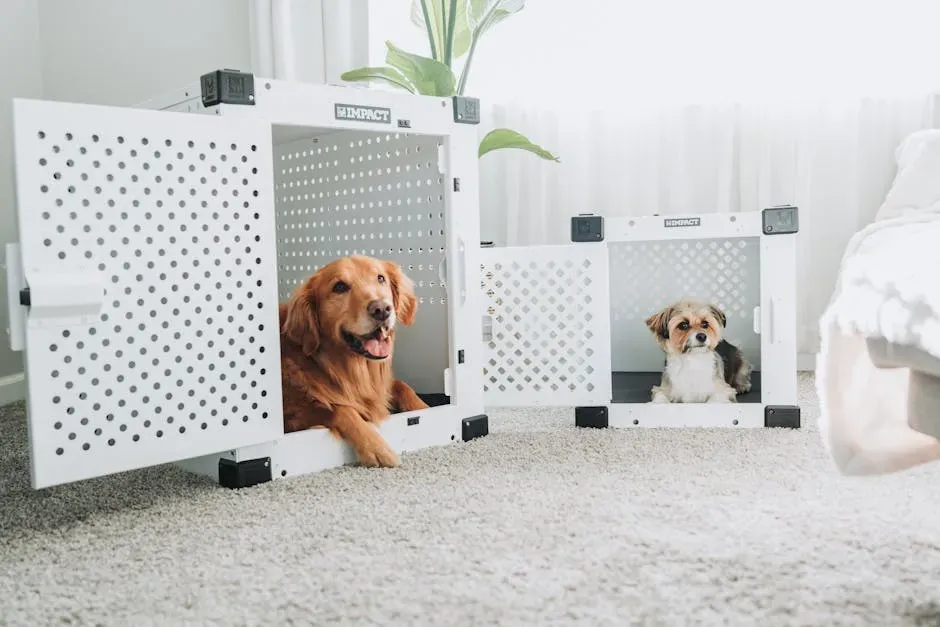
Chewed door frames, shredded blinds, scratched floors near the exit – these were never “bad behavior.” They’re classic signs of a dog in full panic, trying to escape or self-soothe. The day you come home and realize nothing’s been destroyed is a day worth noticing.
Here’s the nuance that matters: this sign only counts if the confinement is the same as before. If your dog used to wreck the crate and now rests quietly in that exact same crate, that’s real change, not luck. What usually drops off first is the targeted destruction at exits and windows – occasional toy-chewing or blanket-rearranging is totally normal. People love to say “he just grew out of it,” but age alone rarely fixes severe separation anxiety. What you’re seeing is the payoff of consistent departure routines, gradual alone-time training, and sometimes a vet-guided plan finally working.
Worth Knowing
- Doors, window sills, and crate edges are the most common targets for anxiety-driven destruction.
- Normal boredom chewing usually goes after toys, socks, or blankets – not exits.
- Scratched paint or bent blinds near a door are classic panic-escape markers, not mischief.
- Consistent departure routines and gradual training, not age, are usually what fixes this for good.
#6 – They Can Relax Even If the Environment Isn’t Perfectly Quiet
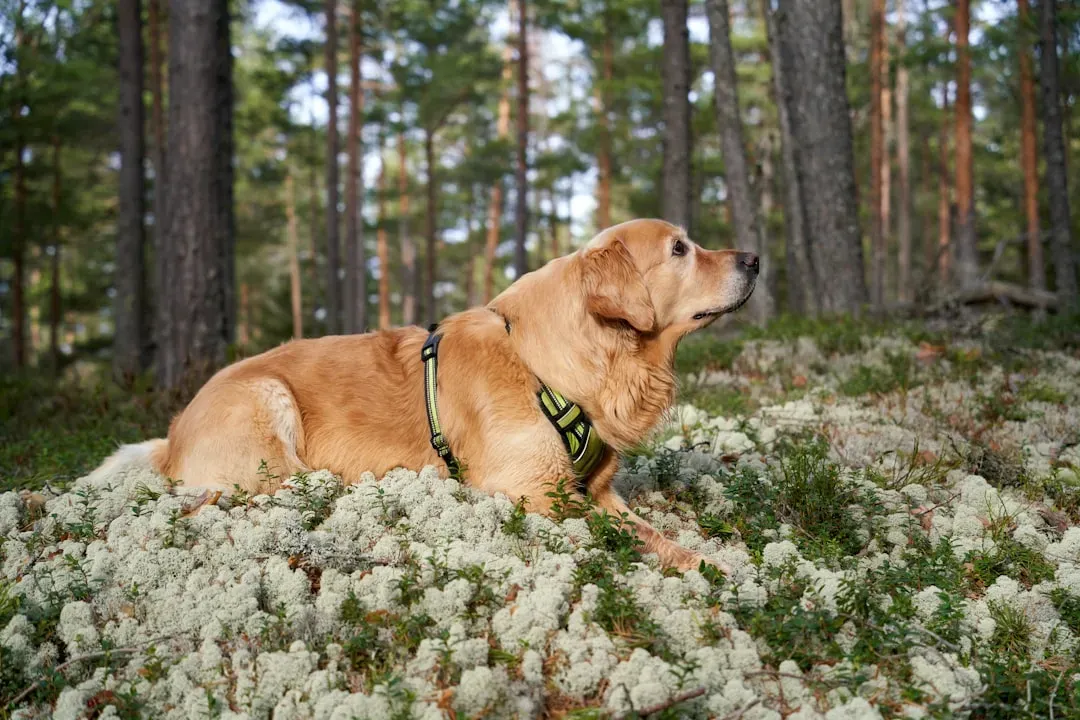
At the height of worry, many dogs only cope if everything stays dead silent. A delivery truck outside, a neighbor’s door slamming, footsteps in the hallway – any of it could flip them into high alert. A dog who’s truly settled can absorb those sounds without falling apart.
Check your pet cam and you might see them lift their head at a noise, then settle right back down without vocalizing. That “notice, then ignore” pattern is gold – it means their default state at home alone is calm, not hyper-vigilant. Before, a noise stacked on top of you leaving might have triggered barking, pacing, and whining all at once. Now the same noise might earn a single glance, because their emotional cup simply isn’t overflowing anymore.
#5 – They Stop Needing a Huge Ritual Before You Leave
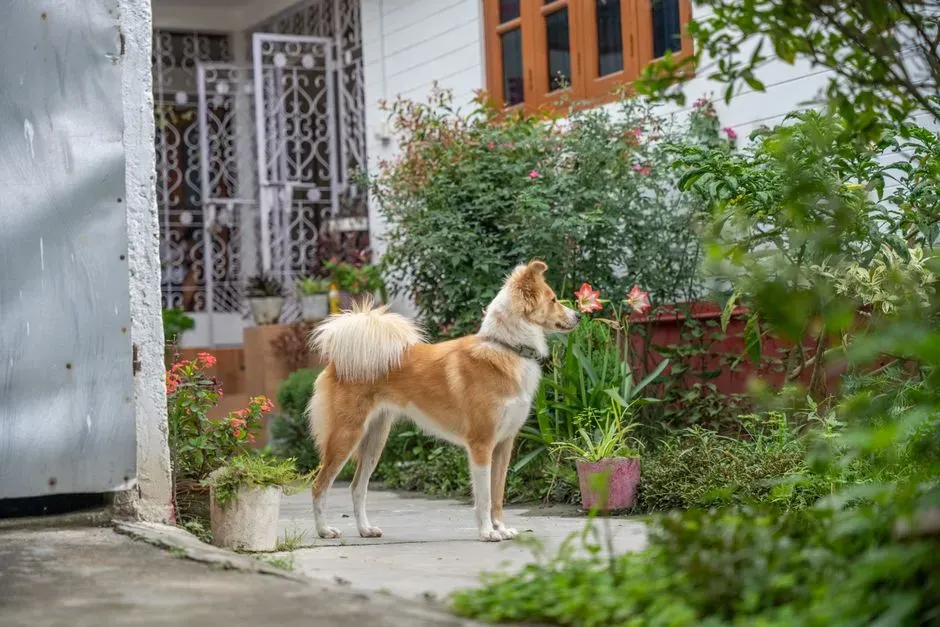
Remember sneaking out like a ninja, or performing a five-minute treat-stuffed farewell just to dodge a meltdown? As the anxiety fades, those rituals stop being critical – and eventually stop being necessary at all.
Structured routines are genuinely helpful early on. But a dog who’s truly past their fear doesn’t need every exit choreographed. You can pick up your keys, toss out a casual “be right back,” and walk out, trusting they’ll handle it – and they don’t spin into a frenzy if one step of the routine changes. If skipping a step occasionally doesn’t spike the pacing or whining, your dog is coping from the inside out, not just hanging on because of a script. When the safety net becomes optional instead of mandatory, their confidence is finally doing the heavy lifting.
#4 – They Show “Boredom Behaviors,” Not Anxiety Behaviors, on Camera
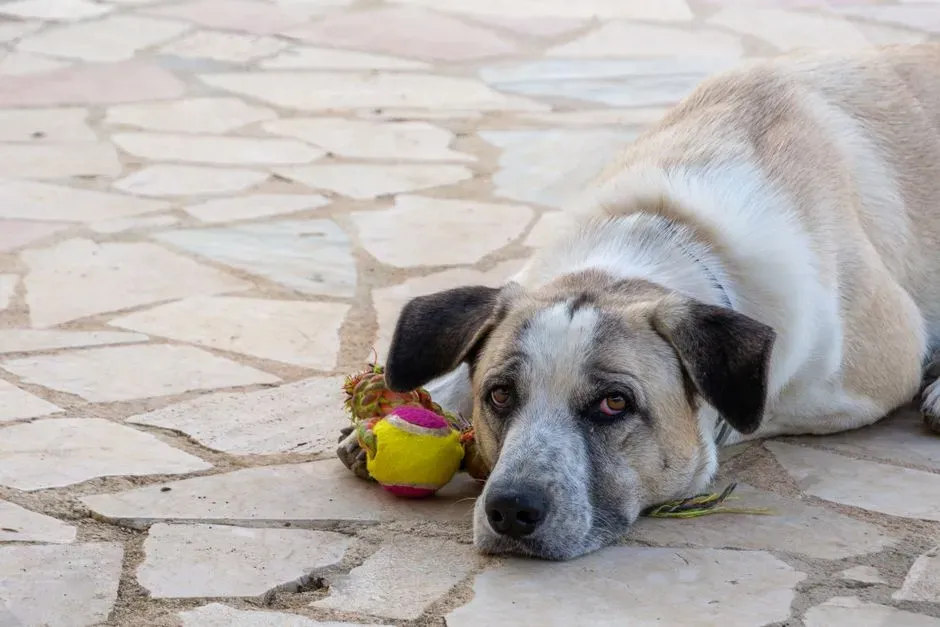
Boredom and anxiety can look confusingly similar at a glance, but they’re not the same animal at all. Once your dog stops worrying about you leaving, the alone-time footage starts looking a lot more like someone stuck in a dull meeting than someone mid-panic-attack.
Anxious dogs on camera tend to pace in repetitive loops, vocalize for long stretches, and fixate on doors or windows. A dog who’s genuinely relaxed might wander a bit, sniff around, rearrange a blanket, then flop down with a sigh – short bursts of activity followed by long, loose pauses. If the “worst” thing your dog does alone now is steal a sock and nap on it, that’s boredom, not distress. Here’s the part some people don’t want to hear: a totally motionless dog isn’t a realistic or fair goal. Normal dogs do *something* while you’re gone – the win is when that something comes from curiosity, not terror.
#3 – Their Body Language at the Door Is Chill, Not Charged
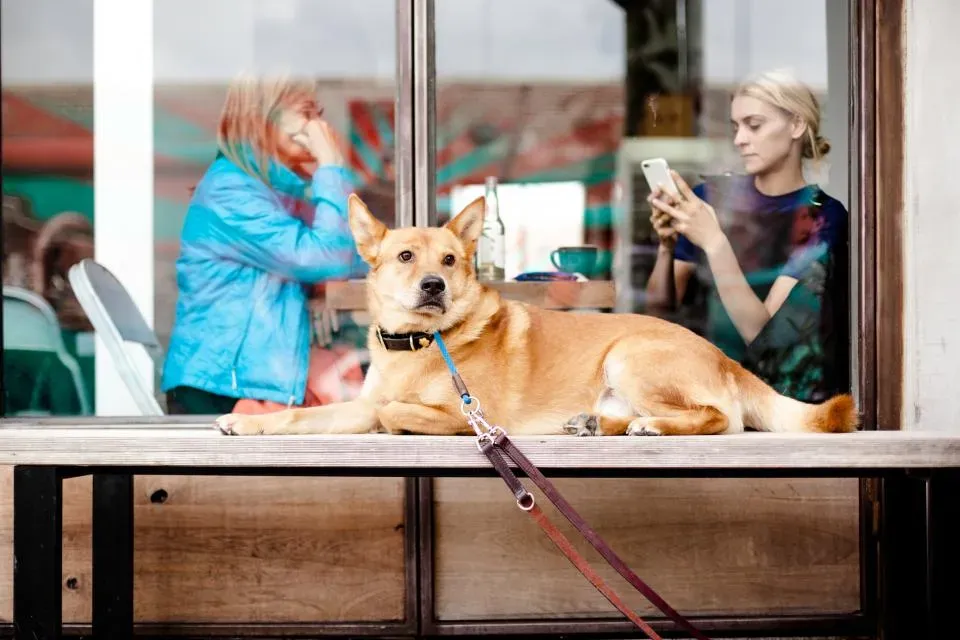
One of the clearest tells is what your dog does right at the threshold. Watch their body the next time you leave and come back – it says far more than the noise level ever will.
An anxious dog at the door leans forward like they’re about to follow, holds a tight mouth or “whale eye,” and might pant even in a cool room. A relaxed dog looks like the opposite – soft tail carriage, a loosely open or gently closed mouth, fluid rather than jerky movement. Some don’t even walk you to the door anymore; they hang back, glance over, then turn away to lie down on their own as you grab the handle. That turning away is a genuinely voluntary choice to disengage – and it’s one of the clearest signs the doorway no longer represents loss.
Quick Compare
- Anxious dog: leans forward, tight mouth, “whale eye,” panting even when cool.
- Relaxed dog: soft tail carriage, loose mouth, fluid rather than jerky movement.
- Anxious dog: blocks the doorway or paces beside it.
- Relaxed dog: turns away and settles on their own, unprompted.
#2 – They Can Handle Longer Absences Without a Meltdown
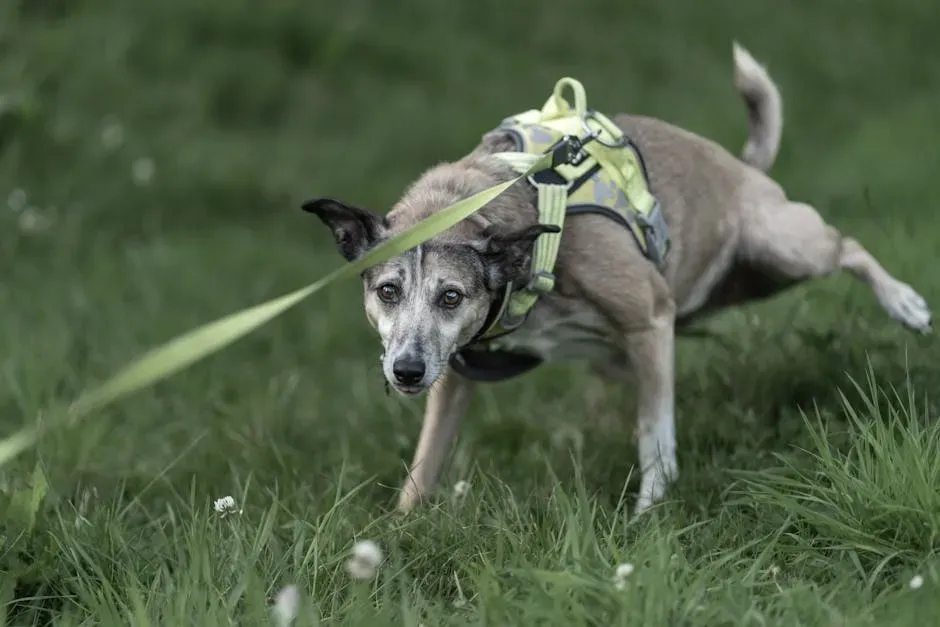
Plenty of anxious dogs can fake calm for ten or twenty minutes before falling apart. The real test of whether the worry is actually gone is whether that calm holds up across a realistic workday.
Through gradual training, progress might first show up at thirty minutes with no pacing spikes. Then an hour. Then several hours. When you consistently come home to a dog who’s in the same relaxed state at hour four as they were at minute ten, that’s a strong sign the fear has actually lifted, not just been delayed. This isn’t permission to push limits recklessly – dogs still need breaks and enrichment – but emotionally, they’re no longer white-knuckling it through the day.
At a Glance
- Minute 10: no pacing or whining spikes in a truly calm dog.
- Minute 30: stress signals stay flat if training is working.
- Hour 1: settled behavior looks the same as the first ten minutes.
- Hour 4+: a fully recovered dog is just as relaxed as at the start.
#1 – Their World Doesn’t Revolve Around You Walking In or Out Anymore
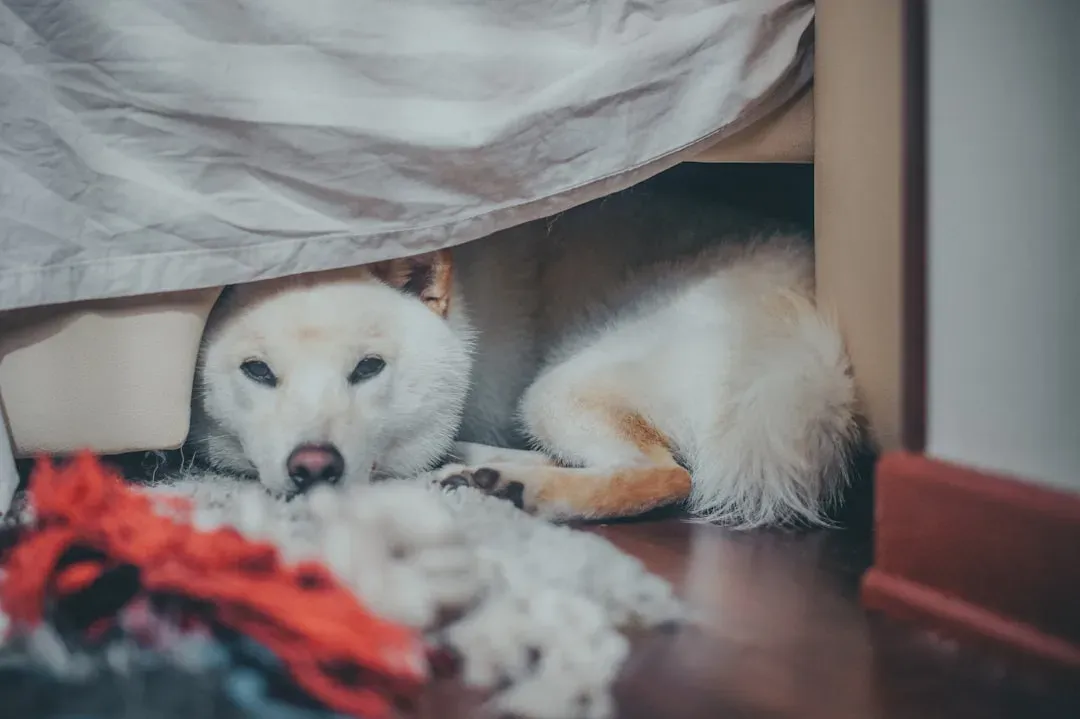
The most powerful sign – one that almost feels emotional to witness – is when your dog’s entire day stops orbiting your entrances and exits. Life still includes you. It just isn’t controlled by you anymore.
You’ll see it in small, almost mundane details: you get up, move around, step out, and your dog doesn’t spike each time. Maybe they lift their head, yawn, and roll onto their back. Maybe you come home and get a warm but quick hello before they return to the sunny spot they already claimed. Their hobbies – chewing, napping, watching the street – keep going whether or not you’re in the frame, because the story in their head has quietly changed from “if you leave, I might not survive” to “you always come back, and I know how to be okay in the meantime.”
The Bottom Line
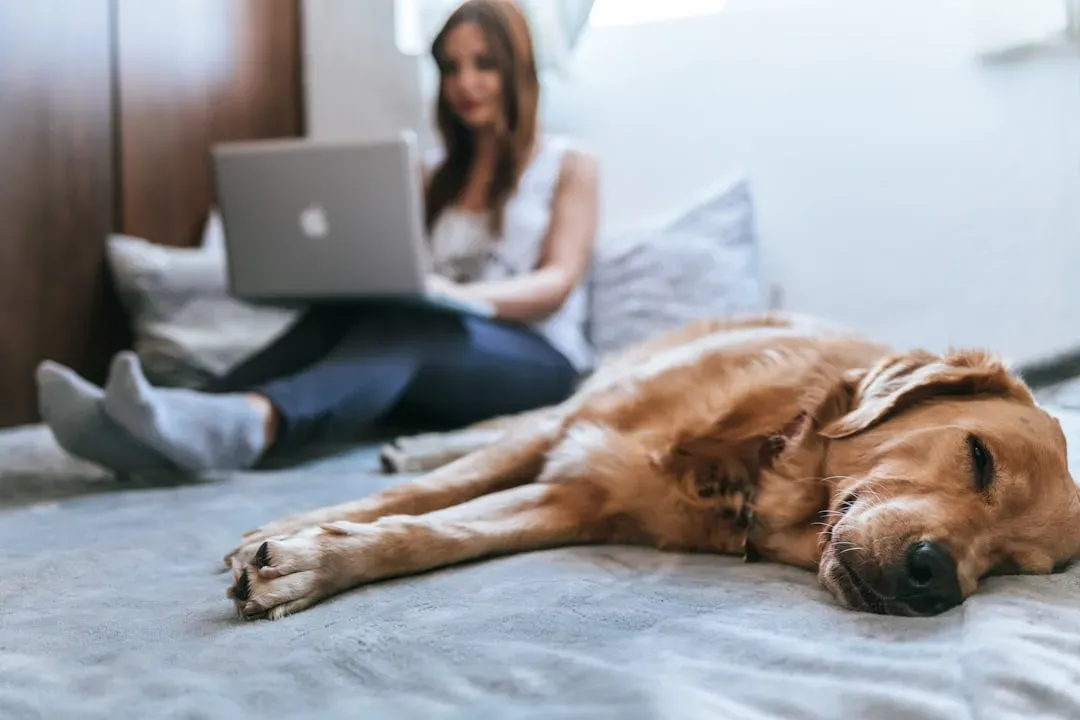
We glorify the dog who collapses at the door the second keys jingle, or explodes with joy the moment we walk in, as if that drama equals love. It doesn’t. In a lot of cases, it equals stress in a costume.
The quiet, unglamorous behaviors – eating while you’re gone, choosing a nap spot, greeting you calmly, ignoring your shoes and keys – are the real wins. They’re proof your dog no longer lives braced for your absence, because they’ve finally built the internal tools to cope with it.
Some people will insist you’re overthinking it, that dogs just “get over it” on their own. That’s a comforting story for humans, but it doesn’t match what actually shows up in dog behavior. Helping a dog stop worrying takes training, patience, sometimes medication, and always empathy – and it’s worth every bit of it. A dog who can nap through your commute isn’t less attached to you. They’re more secure in you, which is a far better kind of love.