
14 Ways a Rescue Dog Tests a New Home Before It Commits to Staying

Most people assume a rescue dog just needs a warm bed and a full bowl to instantly know it’s home. That’s the fantasy. The reality is messier, and honestly more fascinating: your new dog is quietly running you through a background check.
It’s studying your voice, your hands, your patience, even your silence, long before it decides you’re safe enough to love. Miss the signs and you’ll write it off as “stubborn” or “broken.” Catch them, and something in the relationship shifts completely. Here are the 14 tests rescuers and behaviorists say your dog is quietly running on you right now.
#1 – The Shadow Test: Do You Notice When I Follow You Everywhere?
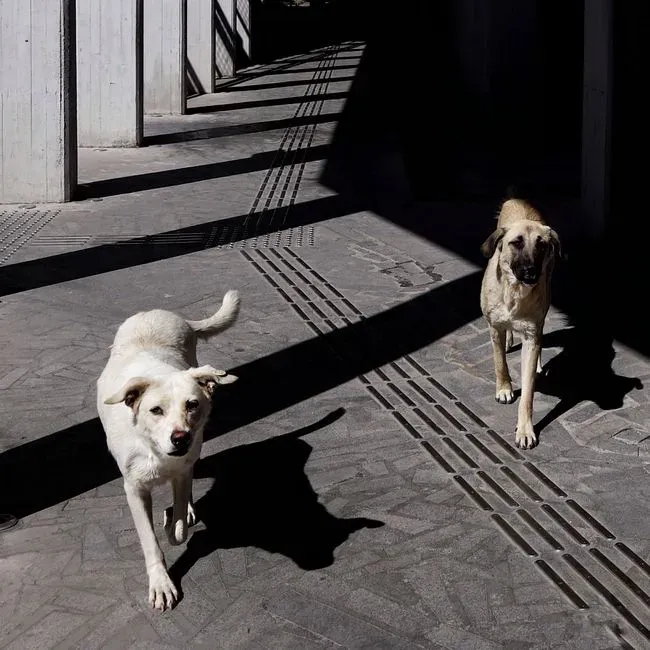
Your dog’s first test is usually simple: it becomes your shadow. This isn’t just clinginess, it’s data collection. A rescue that tracks you from room to room is studying how fast you move, how loud you are, and how you react when it gets underfoot.
Dogs from chaotic homes learned that humans can be unpredictable, so trailing you is how they map your patterns. Do you trip and yell, or step carefully around them? In week one, people often mislabel this as separation anxiety, but it’s frequently surveillance. A dog that keeps shadowing you but slowly relaxes its body over time is deciding you’re predictable enough to trust.
Fast Facts
- Many shelters point new adopters to the “3-3-3” rule: roughly 3 days to decompress, 3 weeks to learn the routine, and 3 months to truly settle in.
- Shadowing behavior typically peaks during those first one to two weeks in a new home.
- A loose, relaxed follow is a healthier sign than a stiff, hyper-vigilant one, both are shadowing, but they mean very different things.
#2 – The Food Bowl Test: Will You Take My Food Away?
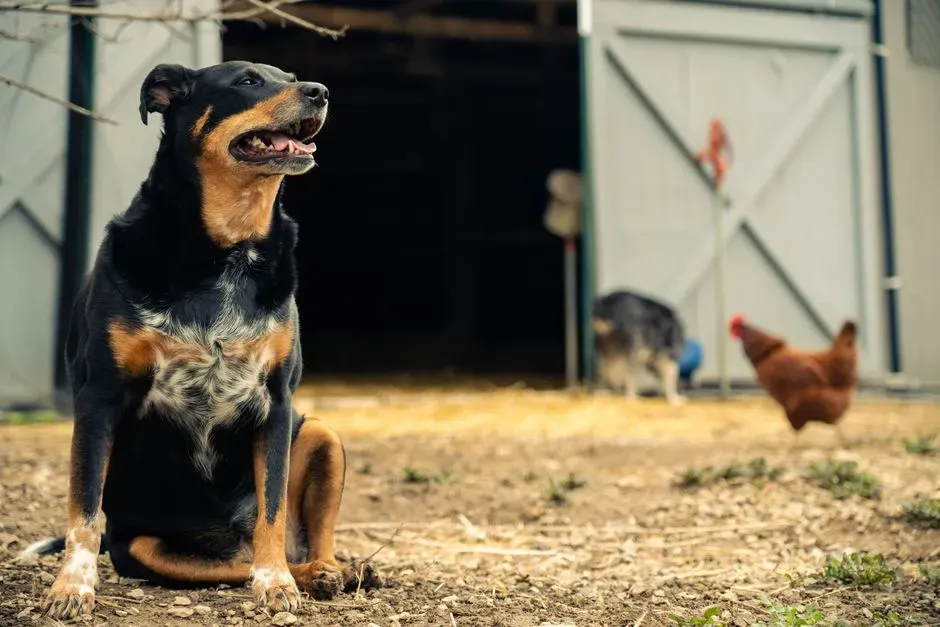
The fastest way to a dog’s heart isn’t the bowl, it’s what you do around the bowl. Many rescues have lived with scarcity, competition, or outright food theft, and some were even punished for eating too slowly.
So mealtimes become a quiet experiment. You might see a dog freeze standing over the bowl, wolf down food then guard the empty dish, or carry kibble off to a corner to eat alone.
- Standing over the bowl, frozen
- Eating too fast, then guarding the empty dish
- Carrying food away to a corner to eat
This isn’t bad manners, it’s a background check. Keep feeding times and locations consistent, don’t hover or reach into the bowl, and toss a treat in as you pass so your presence predicts “bonus,” not “threat.” When a rescue starts eating at a normal pace with a loose body, it has quietly decided you won’t take things away.
#3 – The Doorway Test: What Happens When I Bolt, Freeze, or Refuse to Move?

Rescue dogs are obsessed with thresholds, and not by accident. Doors and gates are where a lot of their life changed: shelter intake, transport, the moment they were surrendered.
So many rescues run a doorway test, and each version asks the same question a different way.
- Bolting through every open door
- Slamming on the brakes and refusing to cross
- Lingering in the frame, scanning like a security guard
A dog that hesitates at your front door isn’t being dramatic, it’s replaying every bad door memory it owns. If you treat doorways as calm, predictable moments, sits before going out, no yanking, no yelling, you’re quietly rewriting that script until doors stop meaning panic.
#4 – The Noise Test: How Do You React When I’m Scared?
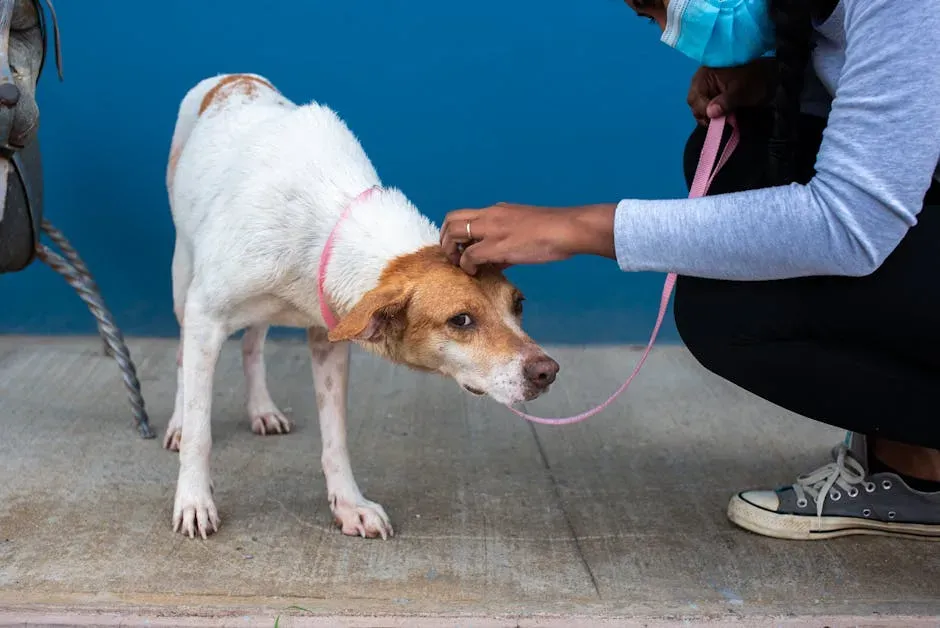
Most people obsess over how their dog handles noise. Fewer realize their dog is also watching how they respond. Thunder, fireworks, a pan dropped in the kitchen, these are all built-in experiments for a dog that came from a loud, chaotic environment.
You might notice them startling and then staring straight at you, running to another room but peeking back to check your face, or climbing onto you when the noise hits. If you react with frustration, they log the moment as unsafe. If you quietly move, sit near them, or offer a gentle touch, they log something entirely different. Dogs are masters at linking fear with faces, and they remember exactly who helped and who made it worse.
#5 – The Furniture Test: Are the Rules Fair, or Do They Change Randomly?
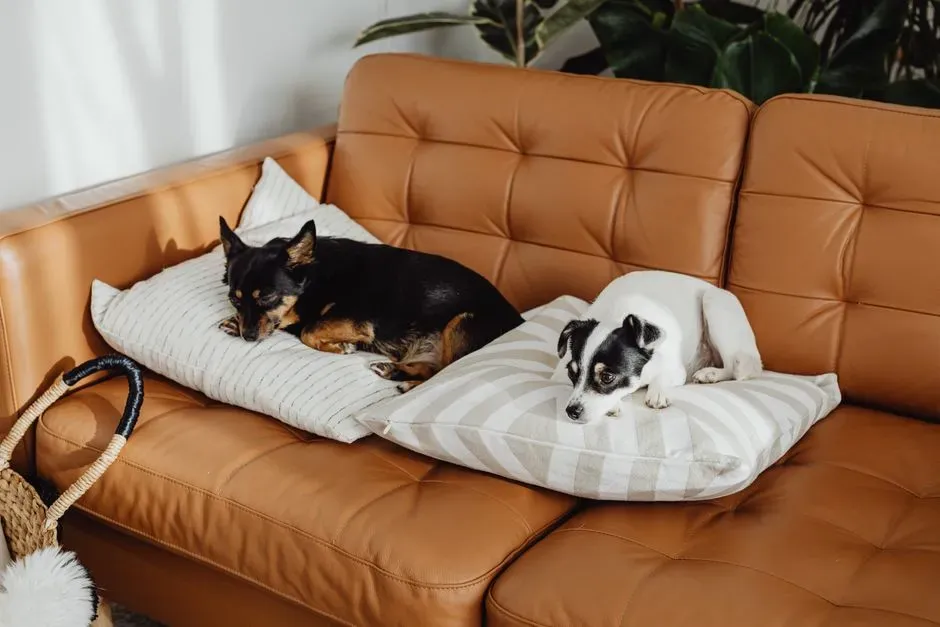
One of the most misunderstood tests a rescue runs is about furniture. The couch, the bed, the armchair, it isn’t just about comfort, it’s about consistency. Some dogs were allowed everywhere until the day they suddenly weren’t, and others were punished for guessing wrong.
So when your rescue hops onto the sofa, it’s really asking where exactly it belongs in this space. Here’s the uncomfortable truth: inconsistent rules feel more dangerous to a rescue than strict ones ever could.
If sometimes you laugh and cuddle, and other times you yell and shove them off, they learn the world is random again. That’s how insecurity sticks.
Pick one rule and defend it calmly, every single time. When a rescue learns you’re the same person on Monday as you are on Friday, it often relaxes dramatically almost overnight.
#6 – The Alone-Time Test: What Happens When I Finally Can’t See You?

The ultimate trust test isn’t cuddling, it’s what happens when you shut the door. Many rescues have been left behind, crated too long, or never taught how to be alone without panicking.
So the first few times you leave, even just to the bathroom, your dog is running a serious experiment. You might see pacing, howling, or destructive chewing, heavy panting right before you leave, or over-the-top greetings that feel more like relief than excitement. Your dog is quietly comparing you to every human who never came back. If you leave calmly, keep arrivals low-key, and never punish what happened while you were gone, absence stops meaning abandonment, and panic slowly turns into a nap.
#7 – The Sleep Test: Is It Really Safe to Let My Guard Down?
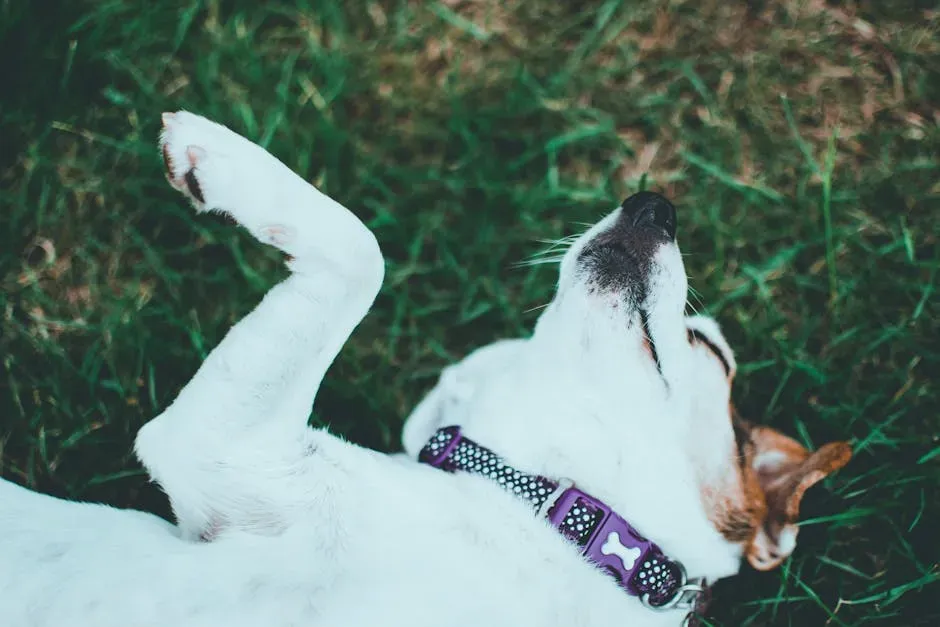
Where and how a rescue sleeps is practically a lie detector for how secure it actually feels. At first, many rescues sleep half-awake, eyes half-open, quick to startle, positioned between you and the door just in case.
You might see them refuse a bed that looks perfect, switch sleeping spots every night, or only truly relax once you’ve fallen asleep first. Here’s the part most people miss: deep, floppy, belly-up sleeping is a privilege in a dog’s mind, not a default setting. A rescue only surrenders like that in an environment it has personally judged as safe, which is exactly why the first time it happens feels like such a milestone.
Worth Knowing
- A dog sleeping belly-up with paws loose is exposing its most vulnerable area, a posture wild canines almost never risk.
- Positioning between you and the door isn’t cozy cuddling, it’s a self-assigned guard duty post.
- Hyper-alert rescues often avoid deep sleep stages entirely for the first several weeks in a new home.
#8 – The Boundary-Pushing Test: What Happens If I “Break” a Rule?
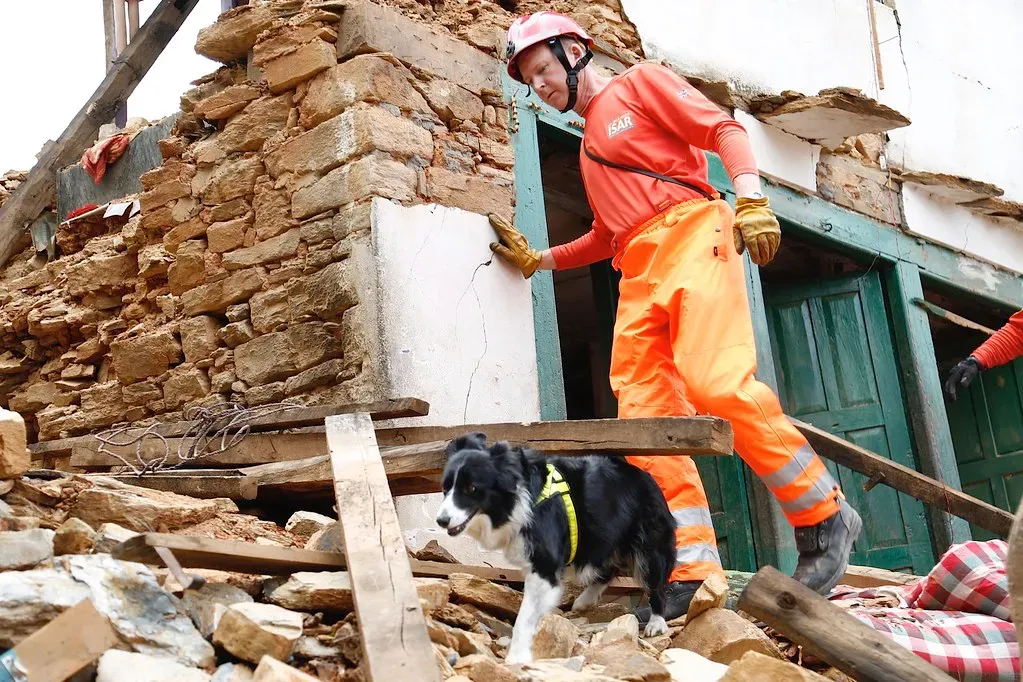
Here’s the part most owners take personally: at some point, nearly every rescue “acts out.” It steals food off the counter, chews a shoe, or bolts after a squirrel. It looks like rebellion, but it’s often a deliberate test of exactly how you handle failure.
Dogs from harsh homes expect an explosion. Dogs from neglectful homes expect nothing at all. So when yours knocks over the trash and watches your face like a hawk, that’s not guilt, it’s data gathering. The owners who pass this test don’t pretend nothing happened, they just stay boring and predictable: remove access, redirect, use a calm correction, and move on. A rescue that learns mistakes don’t cost it the relationship becomes braver, more affectionate, and often more obedient over time.
#9 – The Play Test: Can I Be Silly Without Getting in Trouble?
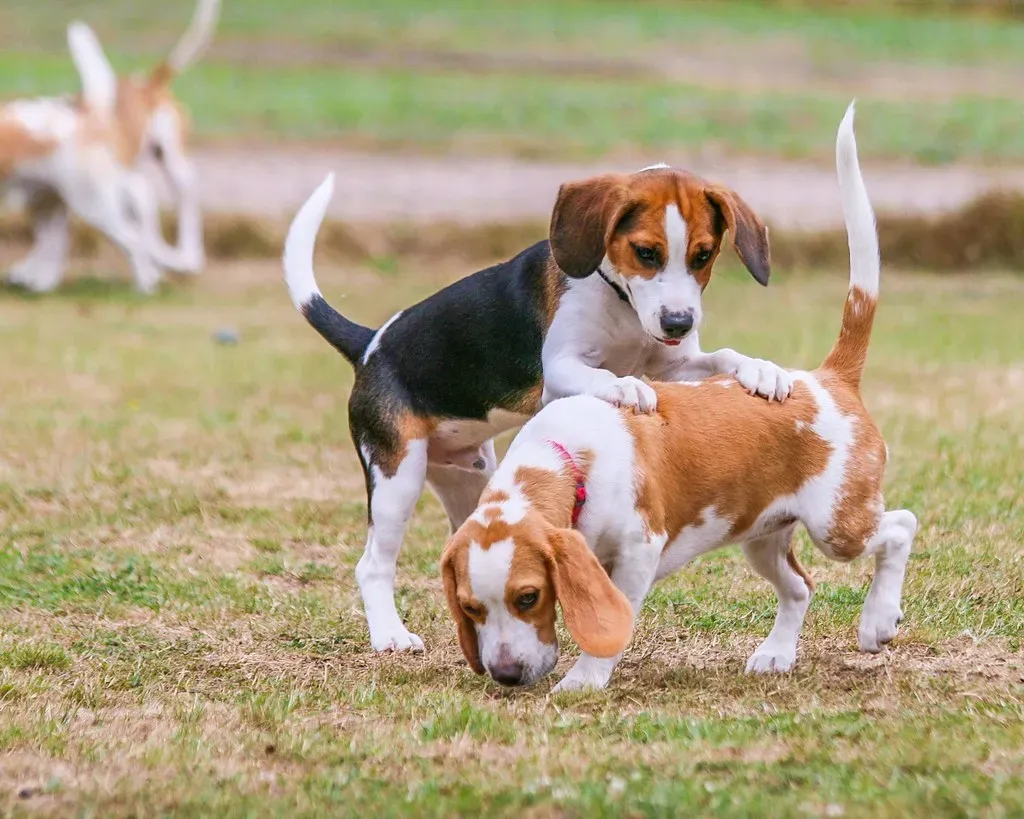
Play isn’t just fun, it’s emotional risk. Many rescues were never really allowed to play, or were punished for getting too excited, so a sudden living-room zoomie session is actually a high-stakes question in disguise.
Some dogs stare blankly at toys because no one ever taught them how. Others play too rough because no one ever taught them the rules either. If your only response to excitement is “stop, calm down,” you quietly confirm that joy is dangerous. Structure it instead with short sessions and clear “all done” cues, and a rescue that eventually brings you a toy on its own isn’t just settling in, it’s choosing to trust that its own happiness won’t get it hurt.
#10 – The Affection Test: What Happens When I Ask for Too Much, or Too Little?
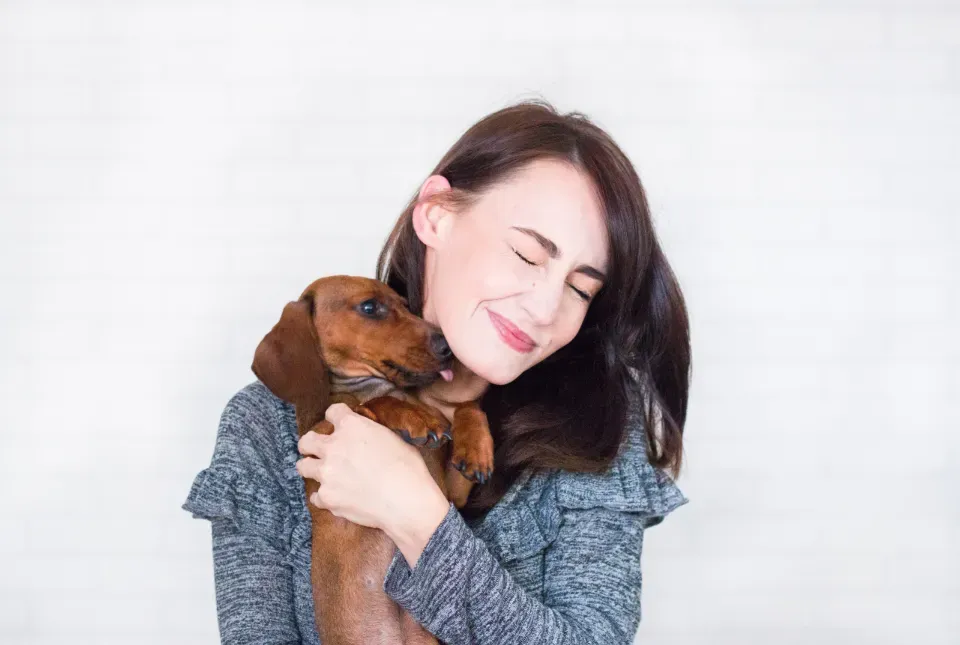
Most rescue owners obsess over giving love. Fewer notice how carefully their dog asks for it. Some fling themselves into your lap, others freeze at a touch or lean in for a second before darting away, and none of it is random.
Each reaction is a calibrated test of whether closeness happens on the dog’s terms or yours. Ignoring a subtle “no thanks” signal, a turned head, a shift a few inches away, can break trust faster than any single mistake. Mirror their choices instead: pet when asked, pause when they pull back. Do that consistently, and the dog that once flinched at a hand can become the one that melts into you on contact.
Quick Compare
- Clingy dog: Leans in, follows for touch, softens under your hand, testing if affection is safe to seek out.
- Avoidant dog: Freezes or turns away, testing whether you’ll respect a quiet “not right now.”
- In-between dog: Leans in briefly, then retreats, testing whether closeness starts to feel like pressure.
#11 – The Stranger Test: Are Your Friends as Safe as You Are?
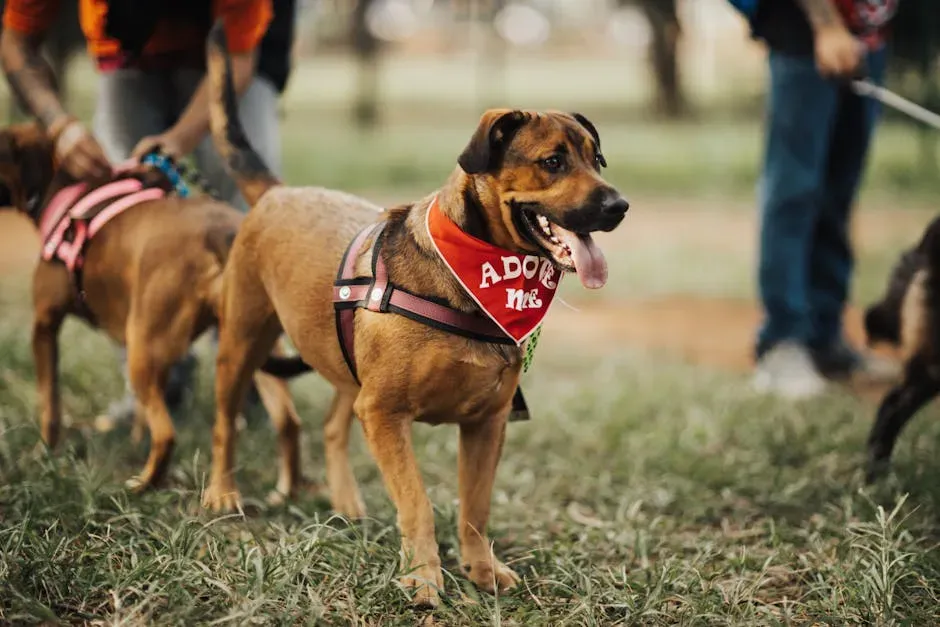
Your rescue isn’t just adopting you, it’s quietly evaluating your entire world. When new people come over, it’s studying what kind of humans you keep around, because rough kids, grabby adults, or people who ignore obvious stress signals are often part of its history.
You’ll see it hide behind you but peek out, bark at the door, or approach and then retreat the moment someone leans in. This is where your leadership matters most. Let a stranger loom or force an interaction, and your dog learns you won’t protect its boundaries.
She’s nervous, let her come to you.
Say something like that out loud, and you prove you’re on its side. The day a rescue calmly greets your guests and lies down nearby is the day it decided your social circle is safe enough to join too.
#12 – The Routine Test: Are You Chaos or Clockwork?
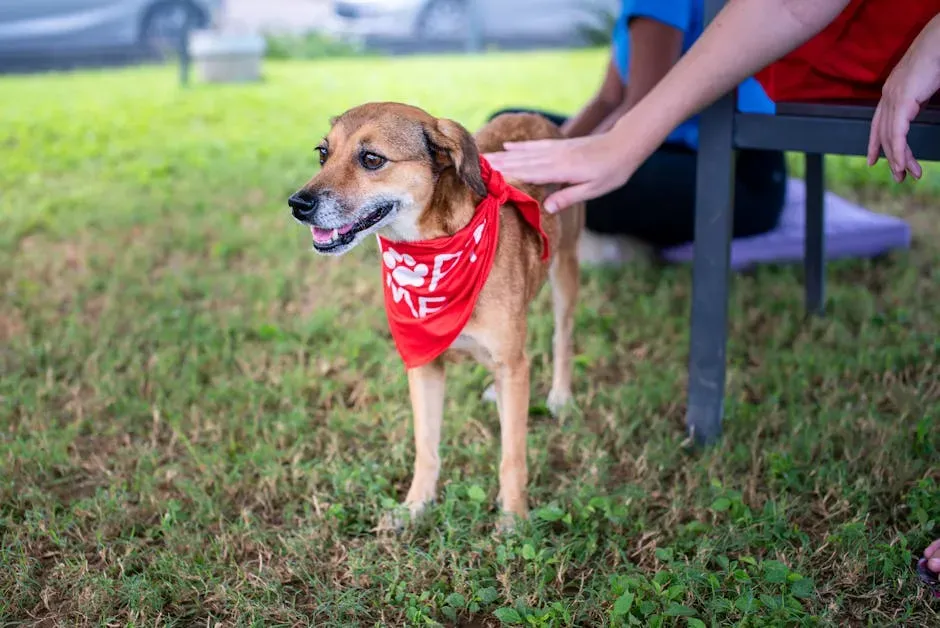
One of the most underrated tests a rescue runs is on your daily rhythm. Dogs are pattern-obsessed, and for one that’s bounced between homes, shelters, and cars, “what happens next” has rarely been good news.
So it starts charting your every move: when you wake, when you leave, when you feed it, whether life is the same or a constant surprise. At first this looks like clinginess or anxiety. But a rescue that starts waiting by the door at the exact same time every day isn’t just excited, it’s declaring your life finally makes sense. You don’t need a military schedule, just rough consistency, because for a rescue dog, boredom is priceless.
#13 – The Regression Test: If I Fall Apart, Will You Give Up on Me?

Just when you think you’ve “made it,” the dog is relaxed, eating well, learning cues, many rescues throw the most brutal test of all: regression. A new fear, a sudden accident in the house, a random snap, a full shutdown that seems to come from nowhere.
People panic and wonder what they did wrong, but behaviorists see this constantly. When a rescue finally feels safe enough to process old trauma, it can temporarily get worse before it gets better. This is where many adoptions sadly fail, because people expect a straight line of improvement instead of a winding one.
Owners who pass this test don’t excuse dangerous behavior, but they respond with curiosity instead of betrayal. They call a trainer, adjust the environment, and refuse to label the dog broken. When a rescue goes through a rough patch and you calmly stay anyway, it learns, often for the first time in its life, that love here isn’t conditional on being perfect.
#14 – The Eye Contact Test: Can I Look Into Your Face Without Fear?
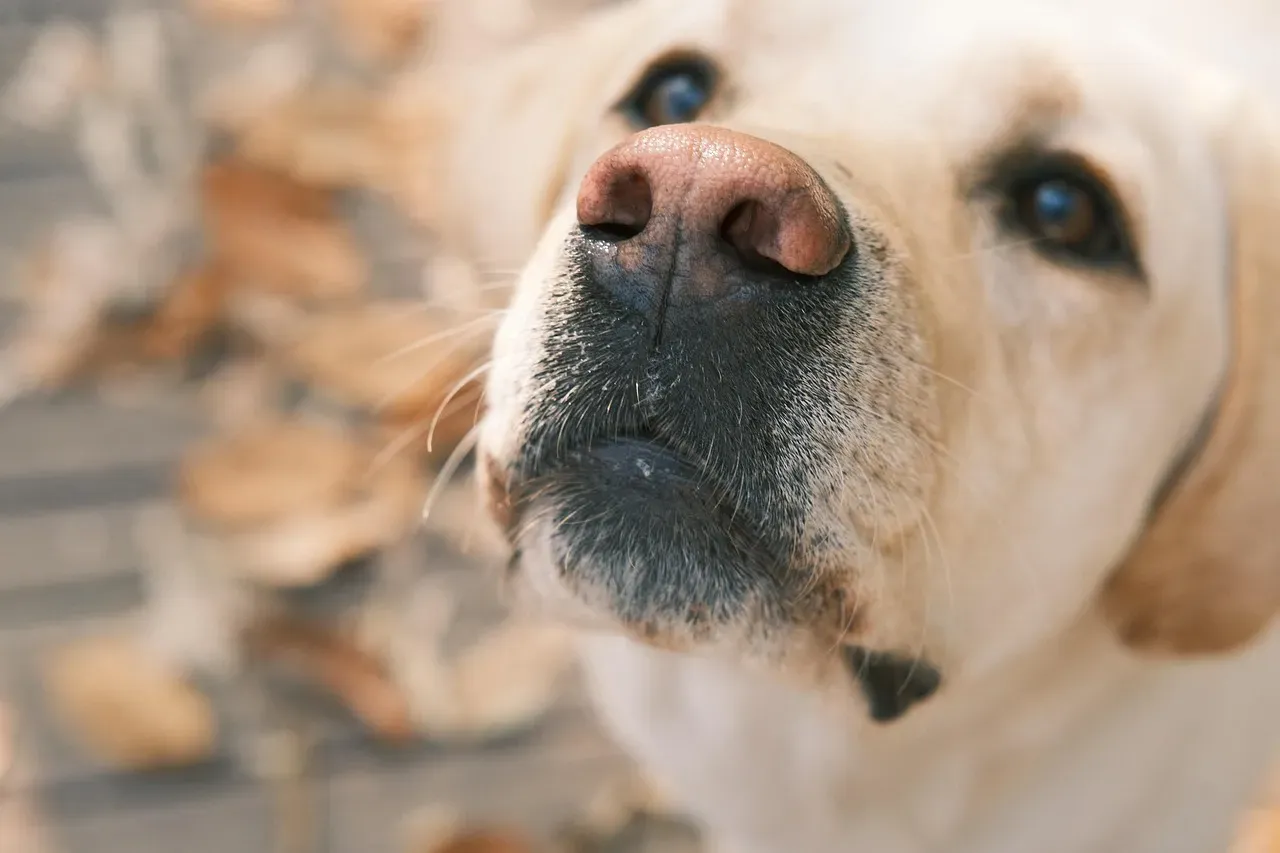
The most subtle and powerful test a rescue runs is often the one people miss completely: sustained, soft eye contact. Not the hard stare of a frightened dog, but those quiet moments when it lifts its head from your lap and simply searches your face.
For a dog that’s been yelled at, hit, or constantly misread, looking directly into a human’s eyes can feel dangerous. In the early days, many rescues avert their gaze or keep their head down entirely. But over weeks and months, if you’ve passed every other test on this list, something shifts.
One day you’ll notice your dog gazing at you with a loose body, slow blinks, a soft face, not asking for food or play, but asking something much deeper: is it really you, are you my person. Science backs up what dog people have always known, mutual relaxed eye contact triggers oxytocin, the same bonding hormone, in both dogs and humans. When your rescue finally holds your gaze and then sighs and settles beside you, that’s not just trust. That’s the commitment you’ve been waiting for.
Why It Stands Out
- Wolves and fearful dogs treat direct eye contact as a threat display, which makes a rescue’s willingness to hold your gaze a real behavioral milestone.
- A soft, slow blink during eye contact is often described by trainers as the closest thing a dog has to a smile.
- This shift usually shows up only after every earlier test on the list has already been passed, making it the quiet finale of the whole process.
The Verdict: Passing the Test Isn’t About Being Perfect
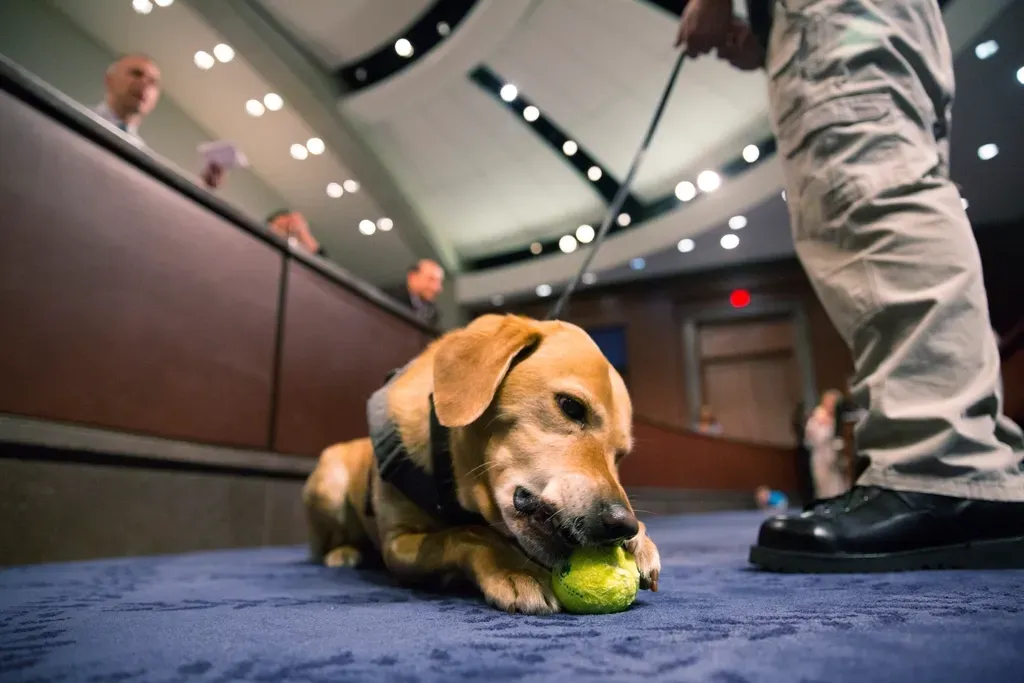
Rescue dogs don’t magically know they’re home because you signed adoption papers and bought a cute bed. They run tests, quiet, relentless, emotionally expensive tests, on your patience, your predictability, your friends, your temper, and your ability to handle their worst days without becoming their past.
Shadowing you, guarding food, panicking at doors, refusing to sleep deeply, suddenly regressing, none of it is random. It’s a survival system deciding whether you’re actually different from everyone who came before you.
Here’s my honest take: the people who fail these tests almost always blame the dog. The ones who pass never do it with perfection, they do it with consistency, boundaries, and a stubborn refusal to give up when things get messy. If your rescue is still testing you, that’s not disrespect, that’s hope trying one more time. So ask yourself honestly, which of these 14 tests are you in the middle of right now, and are you actually passing, or just assuming you are?