
12 Things a Groomer Notices About an Old Dog That Nobody at Home Has
You think you know your dog better than anyone on earth. Then a groomer you’ve known for fifteen minutes says something like, “Has he always leaned like that?” and your stomach drops a little. Suddenly you’re wondering what else you’ve missed while living inside the day-to-day blur of your own dog.
Here’s the uncomfortable part: groomers often catch the first physical whispers of aging weeks or months before owners do, simply because they touch, lift, and examine dogs in ways daily life never requires. Stick around, because some of what they quietly notice will make you look at your own senior dog differently by the end of this list.
#1 – That “Just a Little Stiff” Walk Isn’t Normal Aging
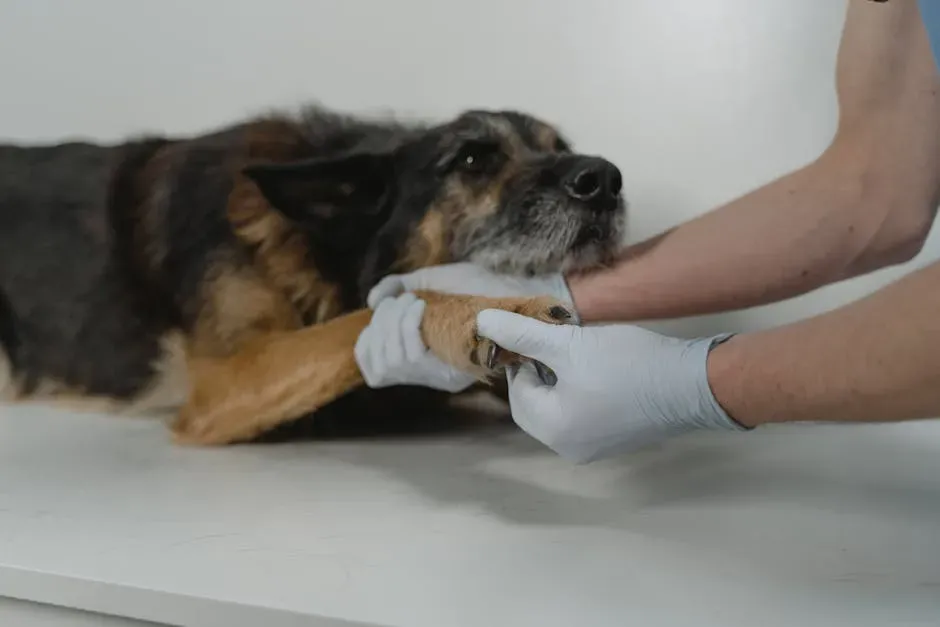
Owners love to say, “He’s just slowing down,” but groomers see something very different on the table. The way an older dog steps onto a non-slip surface, shifts weight, or hesitates before a lift into the tub can scream early arthritis far more clearly than a stroll around the block ever would. At home you’re used to your dog’s rhythm, so the change creeps in invisibly. On a grooming table, a back leg that doesn’t quite track right, or a dog who braces every time they’re lifted, stands out immediately.
This matters because pain shows up as behavior long before it shows up as a limp. The dog who “hates nail trims” might actually have hips that ache when the leg bends. The one who “suddenly doesn’t like baths” might be guarding sore shoulders. Groomers watch for the stiff turn in a small tub, the freeze when a dog is asked to stand still for more than a minute. Most owners write these off as personality quirks. Groomers know better – it’s usually pain wearing a disguise.
#2 – Tiny Lumps and Bumps You Never Knew Existed
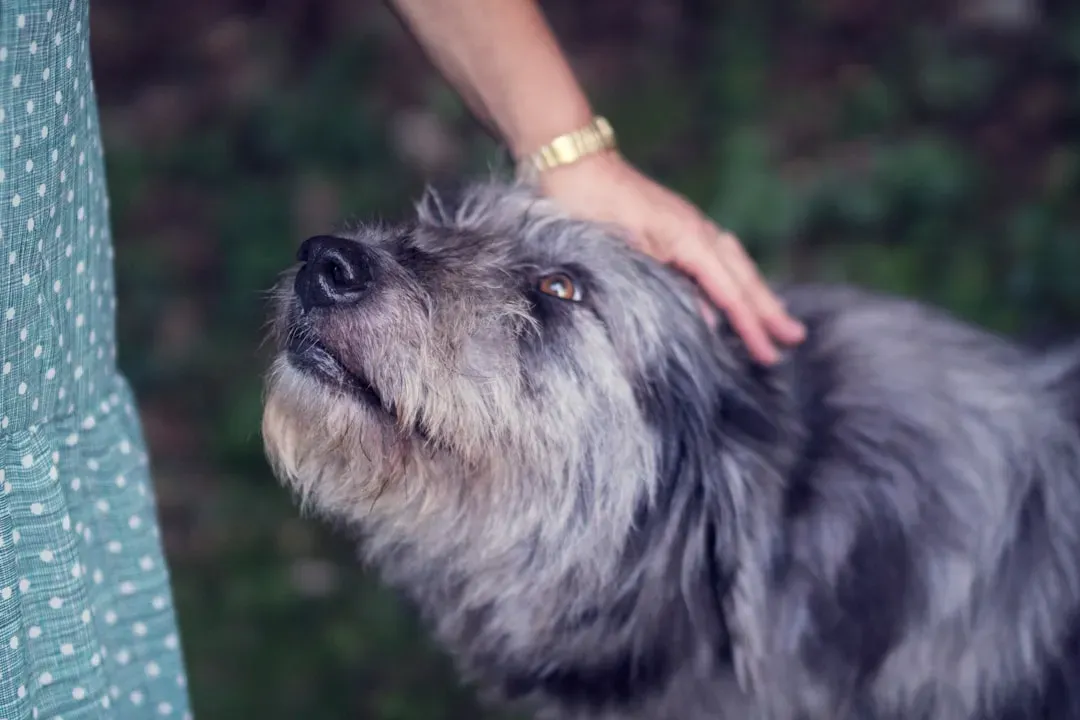
Most people only notice a lump once it’s big enough to catch a comb – or cause a panic. Groomers run their hands over every inch of a dog’s body every four to eight weeks, which means they’re often the first to feel a pea-sized bump on the chest, a raised patch in the groin, or a firm little node behind the knee that simply wasn’t there last visit. You might call it “just a skin tag.” A professional knows that on a senior dog, nothing new is truly nothing until a vet says so.
What makes this sneaky is location. Owners pet heads, backs, maybe bellies. Groomers work the armpits, inner thighs, ear bases, and the spaces between toes – exactly where early mast cell tumors, lipomas, or suspicious nodules like to hide. Not every lump is dangerous, but every unexpected mass on an older dog deserves a real look, especially if it changes shape or firmness between appointments. A good groomer can usually tell you which lumps felt “different” from last time – and that memory has caught real problems early.
Fast Facts
- Fatty lumps (lipomas) are among the most common bumps found on senior dogs, often soft and slow-growing
- Mast cell tumors can look harmless yet change size or texture within days
- Prime hiding spots include armpits, groin, ear bases, and between the toes
- Any new lump on an older dog is worth a vet check, even if it feels “probably fine”
#3 – The Silent Panic of a Dog Who Can’t Hear or See Like Before
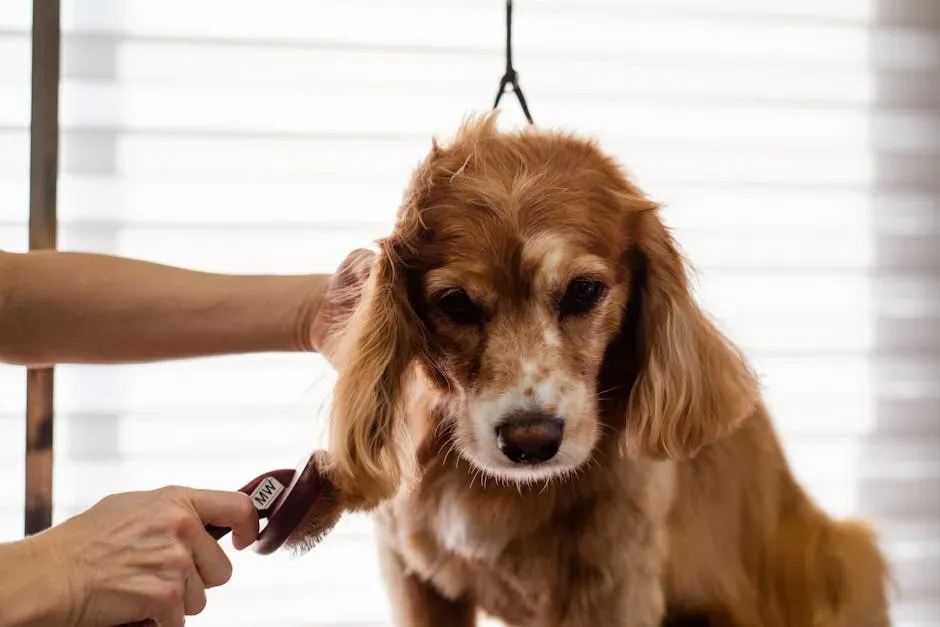
At home, you blame it on stubbornness: “She ignores me now,” or “He’s gotten weird about the stairs.” In a grooming salon, sensory decline is nearly impossible to hide. A dog who used to track every movement suddenly startles at a simple touch. A dog who always watched the blow dryer now flinches when air hits from a side they never saw coming.
Groomers work in bright light, near mirrors and shiny tables, with constant noise, so they notice fast when a dog doesn’t perk at scissors snipping near an ear or doesn’t react when the clippers switch on. Vision loss shows up too – a pause at the table’s edge, trouble placing feet through a doorway, leaning hard into the groomer’s hand like a makeshift guide dog. Owners often think their senior is “being dramatic.” In reality, that confusion under bright lights is often the first visible sign of fading senses, months before anyone notices it on the living room couch.
#4 – Skin That’s Quietly Telling a Story About Organs, Diet, and Stress
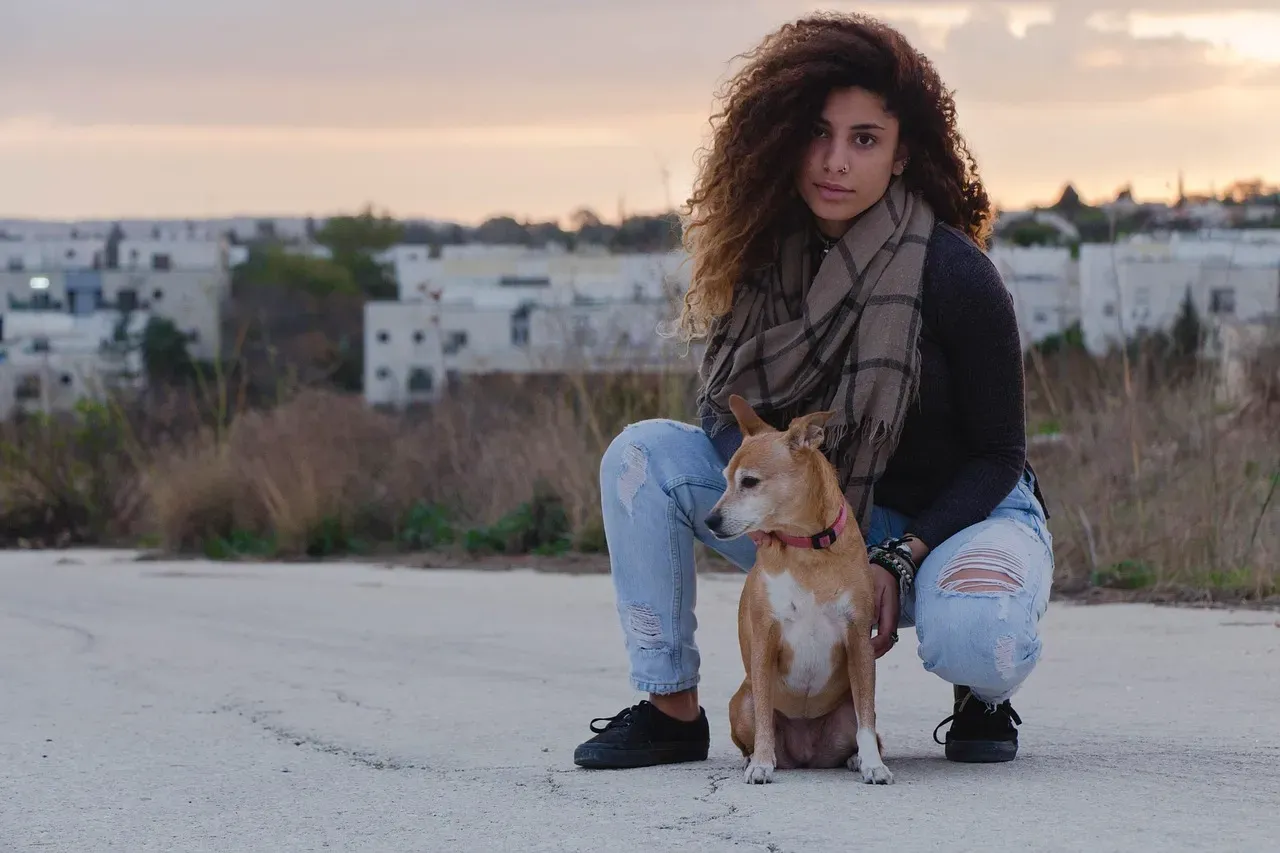
Most owners see “dry patches” or “a bit of dandruff.” A seasoned groomer sees a timeline. Thinning hair along the flanks, greasy buildup down the spine, or a sudden explosion of dandruff when water hits the coat can all hint at thyroid trouble, chronic inflammation, allergies, or long-term nutritional gaps. At home you chalk it up to “winter skin.” In the tub, there’s nowhere for the truth to hide.
Groomers notice when a senior’s hair stops growing back the way it used to, or when a once-glossy coat turns dull and sticky no matter how often the dog is bathed. They see skin that tears too easily, or belly skin that’s gone darker and thicker than it should. These aren’t just cosmetic quirks – they can reflect hormonal shifts, organ strain, or a slow-burning infection nobody’s caught yet. Groomers can’t diagnose anything, but they absolutely know when a coat has crossed the line from “normal older dog” to “this needs a vet’s eyes.”
#5 – Nails That Quietly Reveal Years of Undetected Pain
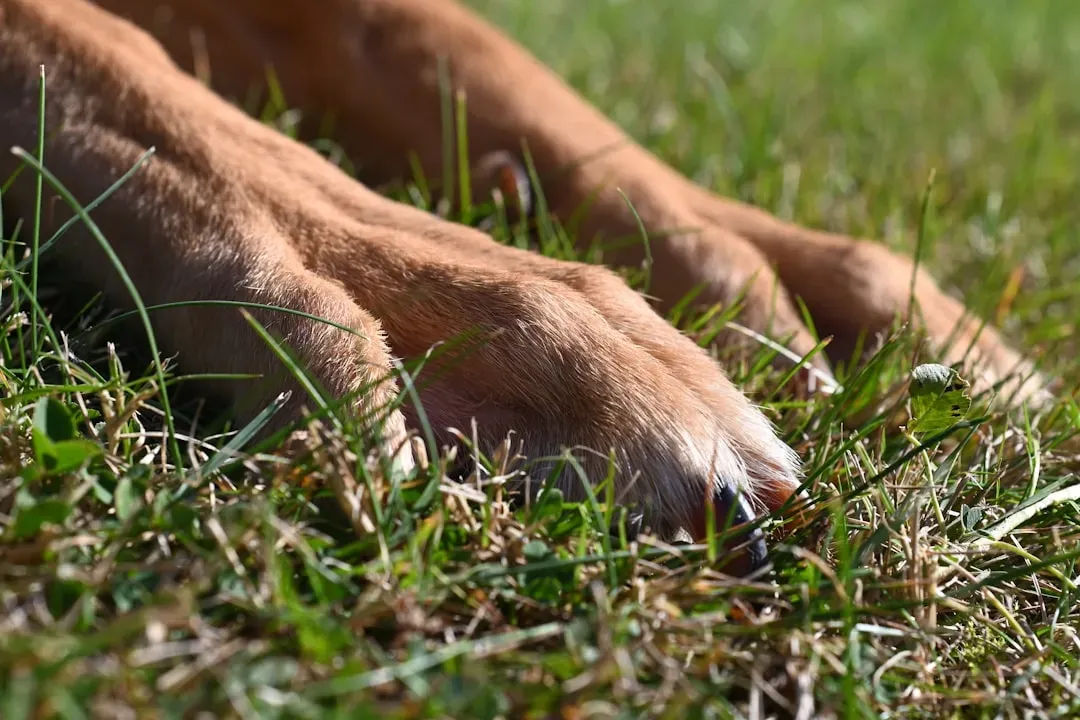
You probably think of nails as a grooming chore. Groomers and vets think of them as a pain report. Overgrown, twisted, or unevenly worn nails tell a story about how a dog has actually been walking – and hurting – for a long time. A groomer notices when a senior’s front nails are far longer than the back, or when one nail is worn strangely from the dog compensating for an injured leg.
Here’s what most owners miss: nails that are too long change the angle of every joint above them, driving pressure up into toes, wrists, and shoulders with each step. For an arthritic senior, that’s brutal. Groomers also spot ingrown dewclaws buried in fur, cracked nails that sting with every stride, and quicks so overgrown that trims cause bleeding. Many “slippery floor” problems are actually overgrown-nail problems in disguise. When a groomer struggles to trim nails without a dog yanking away, they’re not seeing bad behavior – they’re seeing feet that have hurt for months.
Quick Compare
- Healthy nails: short, evenly worn, don’t touch the floor when standing
- Aging nails: curl downward, click loudly on hard floors, wear unevenly side to side
- Pain-flag nails: one paw longer than the rest, dewclaws grown into the pad, visibly elongated quicks
#6 – Subtle Breathing Changes That Don’t Happen Overnight
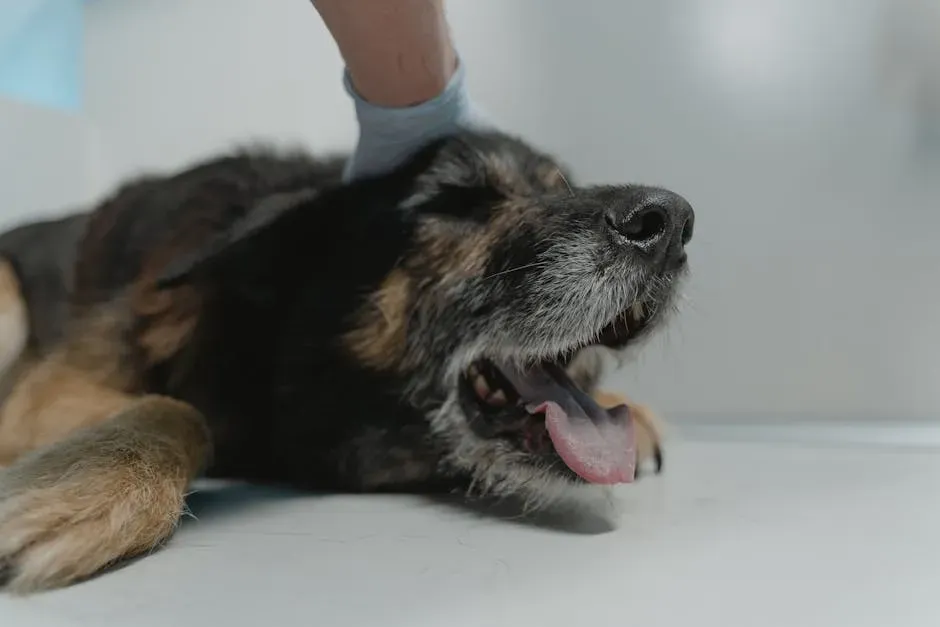
Most people only notice breathing when a dog pants hard on a hot day. Groomers notice the quieter, creepier stuff: a slight wheeze when a senior lies on their side, the effort it takes to stand back up, a soft throat-clearing sound when water hits the chest. Older dogs with heart or lung changes often reveal themselves under the mild stress of a bath or blow-dry, long before anyone at home connects the dots.
In a salon, there’s a real difference between normal grooming stress and a dog working way too hard just to breathe. Groomers feel a ribcage that balloons more on one side, notice gums that look paler than they should, or watch a tongue darken when the dryer runs near the face. A good groomer will shorten the session, add breaks, and gently suggest a vet visit – not out of drama, but because they’ve seen exactly where that subtle new sound tends to lead if it’s ignored.
#7 – The “Sudden” Fear That’s Actually Been Building for Months
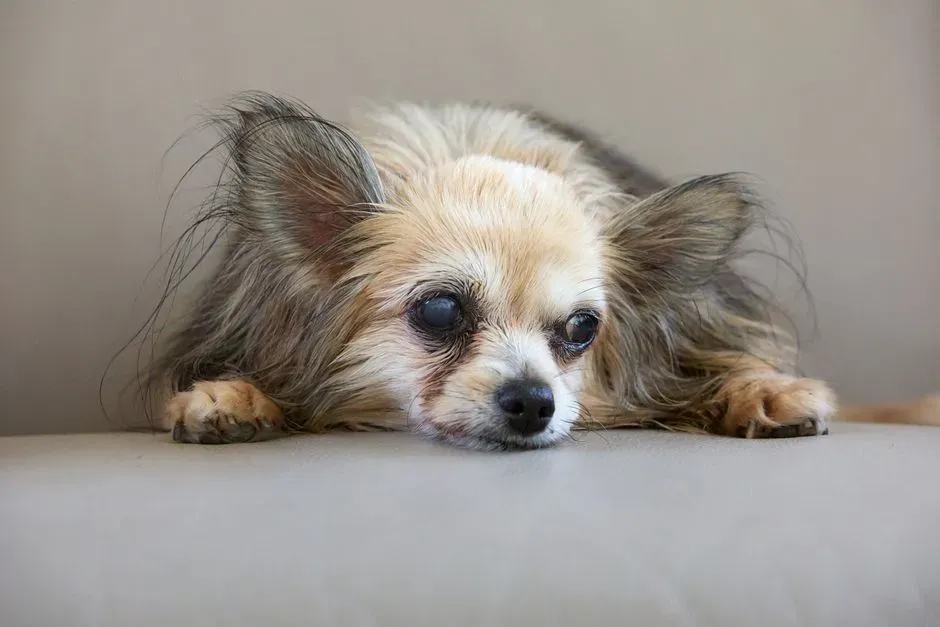
You bring your dog in and say, “He used to love grooming, now he suddenly hates it.” Groomers know it’s almost never sudden. In older dogs, a shift from easygoing to fearful usually tracks with pain, sensory loss, or cognitive decline – not bad behavior. The dog who starts snapping when brushed on the rump may have spinal pain. The one who panics in the tub may no longer see the edges clearly or trust the surface beneath their feet.
From the outside, it just looks like your sweet senior “turned grumpy.” Inside the grooming room, professionals watch the micro-reactions: flinches at specific spots, freezing when a leg lifts, tight pacing, staring at walls as if lost. Many of these are early markers of canine dementia or chronic discomfort, not stubbornness. Groomers also notice when owners unintentionally dismiss what their dog is showing them, insisting the dog is “fine” while it trembles and pants through the whole appointment. That mismatch is exactly why so many seniors get labeled difficult when they’re really just overwhelmed and hurting.
Worth Knowing
- Fear that seems to appear “overnight” usually reflects weeks of building pain or sensory loss
- Common flinch zones include the lower back, hips, and base of the tail
- Dogs with early cognitive decline may freeze or stare instead of reacting at all
- A vet visit, not a training fix, is usually the right first step for new fear in a senior dog
#8 – Weight Shifts That Reveal Pain Long Before a Limp
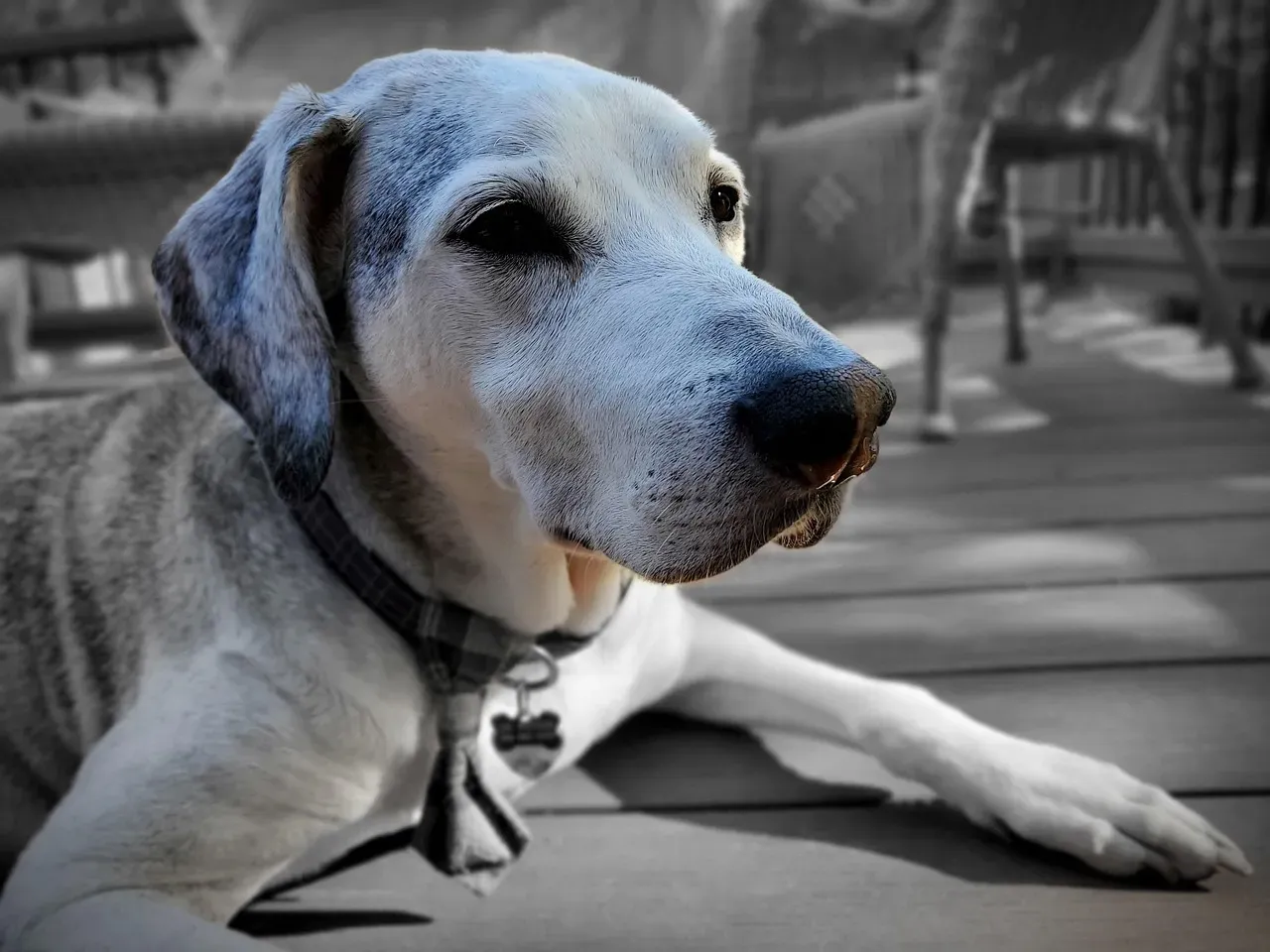
You might only think about weight when the vet mentions a number on the scale. Groomers notice how your dog carries that weight – which leg they lean on, which paw they tuck up, which side they avoid lying on during the blow-dry. When an old dog keeps shifting foot to foot on the table, or refuses to sit on one hip, that’s a real red flag.
Most older dogs don’t announce pain with a dramatic limp. Instead, they compensate – twisting the spine, pushing more weight onto the front legs, hunching the back to spare the hips. On a level surface, a groomer sees this clearly. They’ll notice:
- A dog whose back feet slide outward constantly
- A senior who plants front paws wide, like a tripod, just to stay stable
Over time these compensations snowball into bigger orthopedic problems, yet owners often insist, “He’s fine, he still chases the ball.” That’s a bit like saying a person is fine because they can still walk, even though their knees scream with every step. Groomers see the tiny, constant adjustments a body makes when something quietly hurts.
#9 – Eyes, Ears, and Mouth That Age Faster Than You Realize
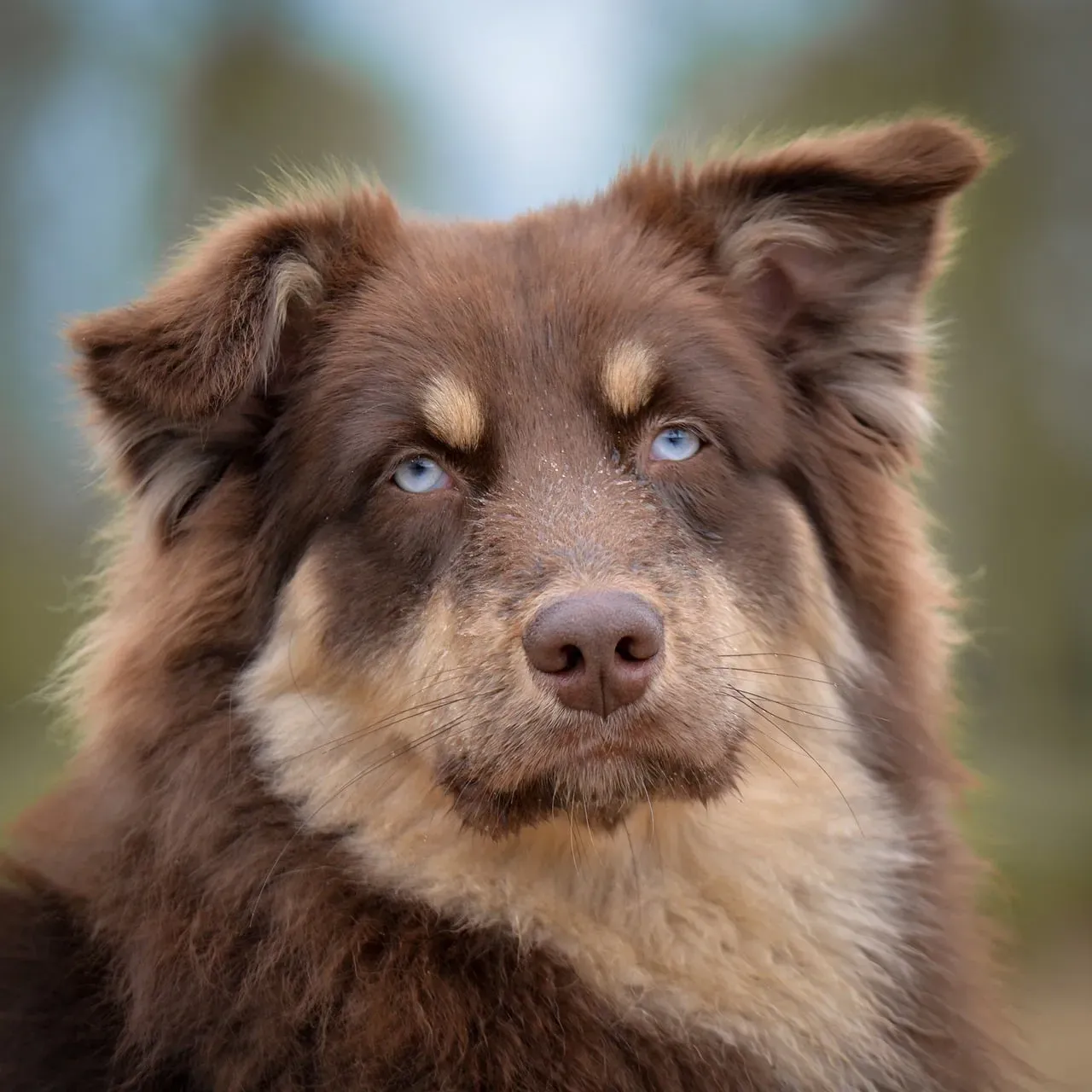
You look at your dog’s eyes every single day, and familiarity makes you blind to slow change. Groomers, washing faces under bright salon lights, notice the cloudy bluish haze of lenticular sclerosis creeping in, or redness that lingers in the whites of the eyes. They see crust in the corners that never fully clears, or tear staining that signals chronic irritation. At home, it just looks like “sleep in their eyes.”
Then there are ears and mouths. Groomers don’t do dental work, but they can’t miss thick tartar, inflamed gums, or breath that smells like infection from across the room. They also see ears that stay damp, red, or yeasty no matter how often they’re “cleaned at home.” In seniors, these aren’t minor hygiene issues – they’re often chronic pain and low-grade infection quietly shaping how a dog eats, sleeps, and behaves. Many “picky” seniors simply have sore mouths. Many “head shy” dogs simply have painful ears.
#10 – The Way an Old Dog Handles Touch Says Everything
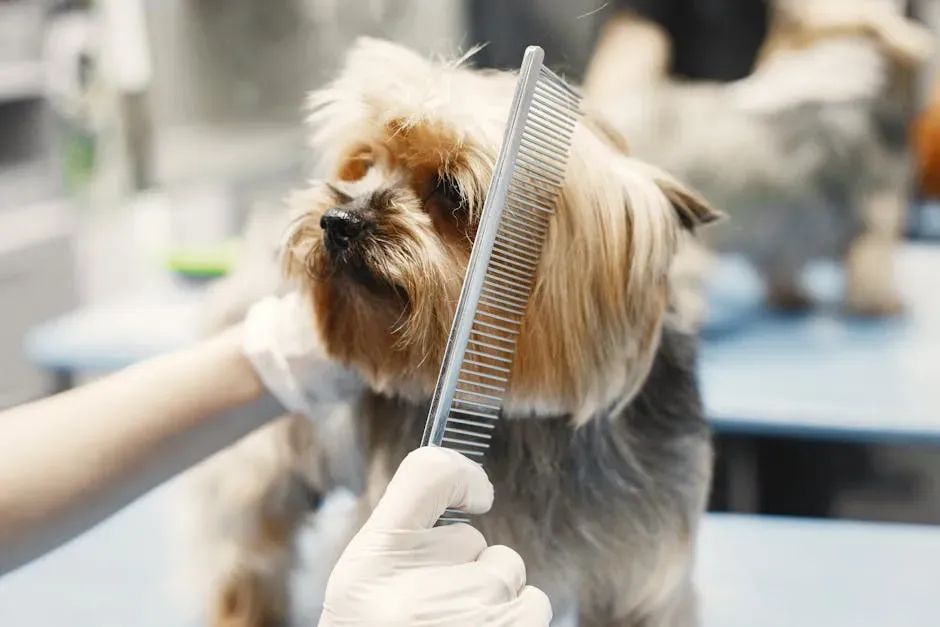
Here’s something almost nobody talks about: how a senior dog accepts touch at the groomer is often more honest than how they behave at home. With you, they mask discomfort to keep the peace. With a neutral person, that guard tends to drop. A dog who once loved belly rubs but now tightens every muscle when the abdomen is touched is telling the truth about possible internal discomfort.
A dog who leans hard into neck rubs but pulls away from lower-back brushing is essentially drawing a pain map. Groomers pay attention to details like these:
- A dog who now hates being dried along the lower spine
- A senior who flinches only when one specific leg is stretched
These aren’t preferences in an older dog – they’re pain-avoidance strategies. The problem is that owners often read this resistance as stubbornness or drama, when a groomer who sees the dog’s full before-and-after knows exactly when a personality has changed versus when a body has quietly started protesting.
#11 – Confusion, Pacing, and “Spacing Out” in the Salon
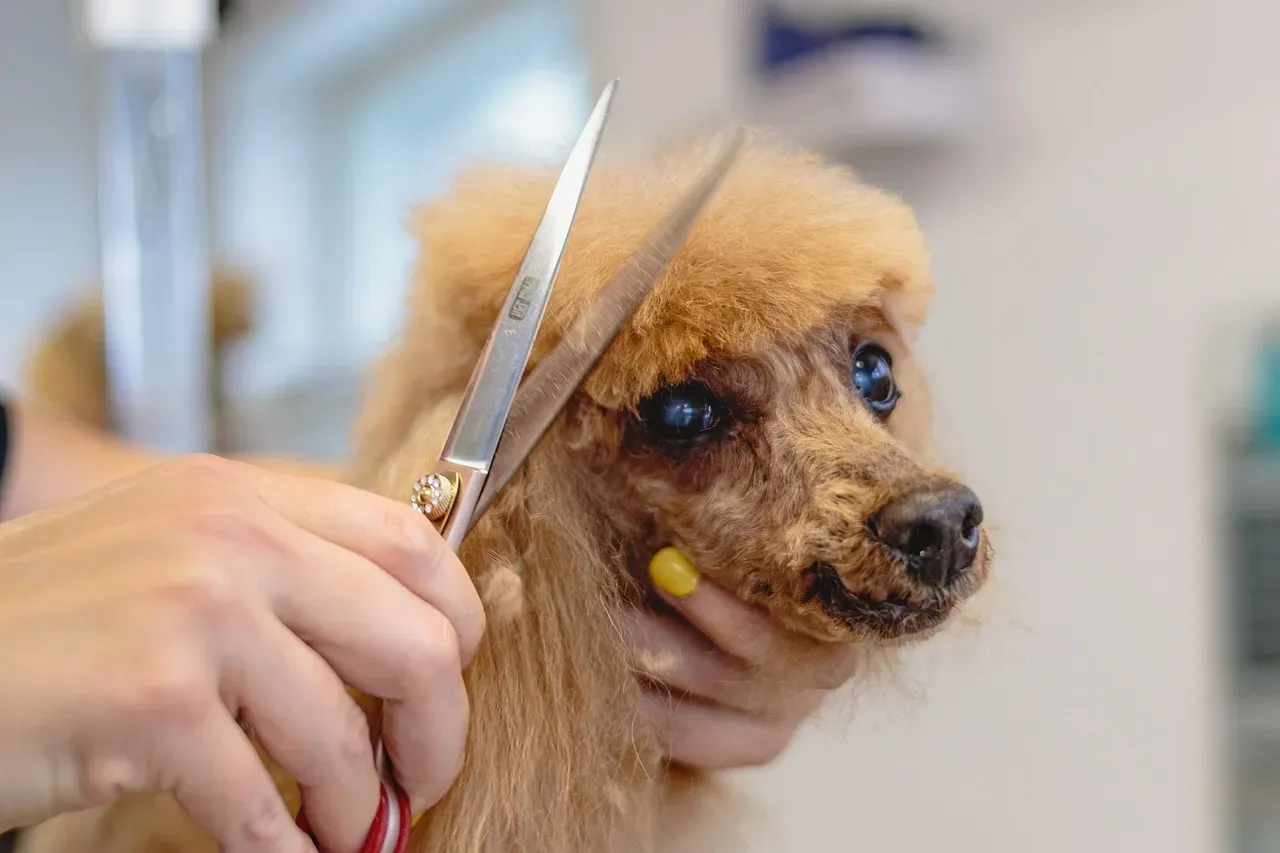
Canine cognitive dysfunction rarely announces itself with dramatic symptoms at home. It starts small – staring at walls, getting stuck behind furniture, forgetting familiar routines. In a grooming salon, where everything is louder and more intense, these early cognitive cracks show up fast under pressure. A dog who once stood calmly on the table now paces constantly, as if they can’t remember why they’re there.
Another freezes mid-groom, staring into space, unresponsive to name or touch for a few unsettling seconds. Owners often chalk this up to “getting weird in old age,” but groomers see a pattern. They notice seniors who:
- Walk to the table’s edge and seem genuinely baffled by how to turn around
- Repeatedly try to sit during routines they used to tolerate standing through
This isn’t stubbornness – it’s brain fog, anxiety, or real disorientation. Add bright lights and strange sounds, and you get a brain that’s working far harder than it used to just to get through the appointment. A groomer who sees the same dog every six to eight weeks can often clock when these episodes start and escalate, long before a family is ready to say the word “dementia.”
#12 – The Overall Energy Shift No One Wants to Admit
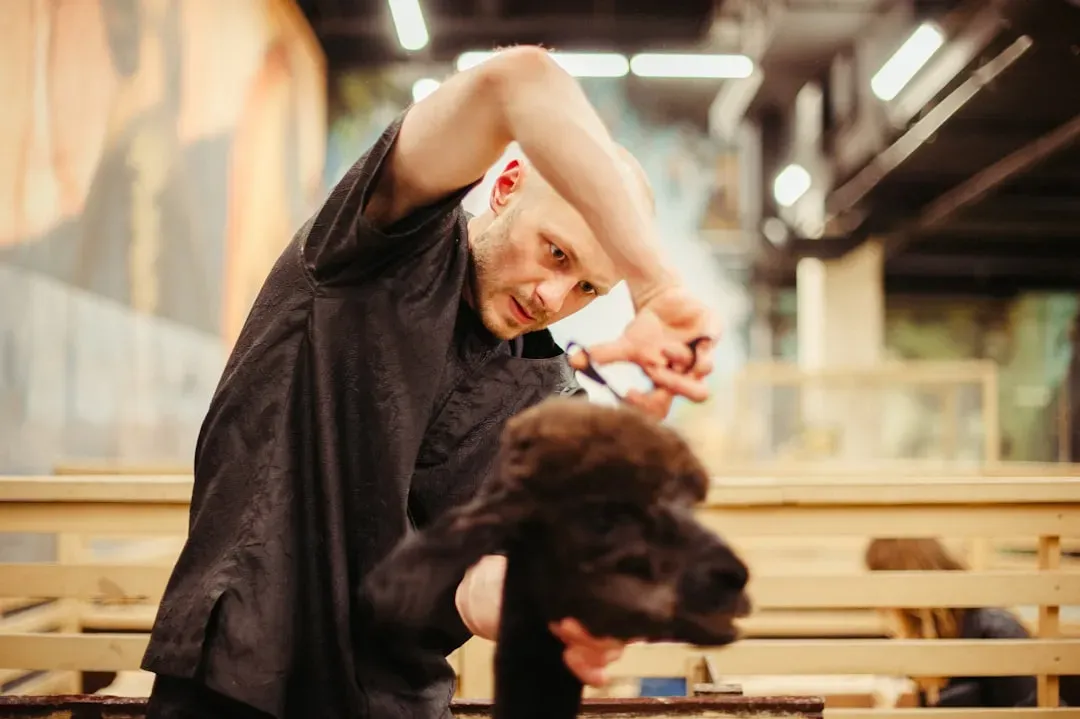
Every experienced groomer will tell you there’s a moment when a dog crosses an invisible line from “getting older” to truly being a senior. It’s not just gray hair or a slower gait. It’s how quickly they tire halfway through a groom, how long they need to rest after a bath, how they stop doing the little happy tail thump they used to give when the dryer hit their chest. That drop in resilience is subtle, and it’s exactly the thing most owners emotionally refuse to see.
At home, you adjust the routine without even noticing – fewer long walks, more couch time, more carrying them up the stairs. In the salon, the contrast between how a dog moved at five, eight, and twelve years old is impossible to soften. Groomers remember the wiggly puppy who had to be convinced to stand still. Now that same dog wobbles, trembles, and checks out halfway through the appointment. When a groomer says, “He seemed extra tired today,” they’re not making small talk – they’re gently telling you your dog has entered a new chapter, whether you’re ready or not.
At a Glance
- Needs more recovery time after baths or short walks
- Naps mid-groom instead of staying alert
- Shows less tail wagging or excitement during routines they once enjoyed
- Leans or trembles for support more than in past visits
The Bottom Line
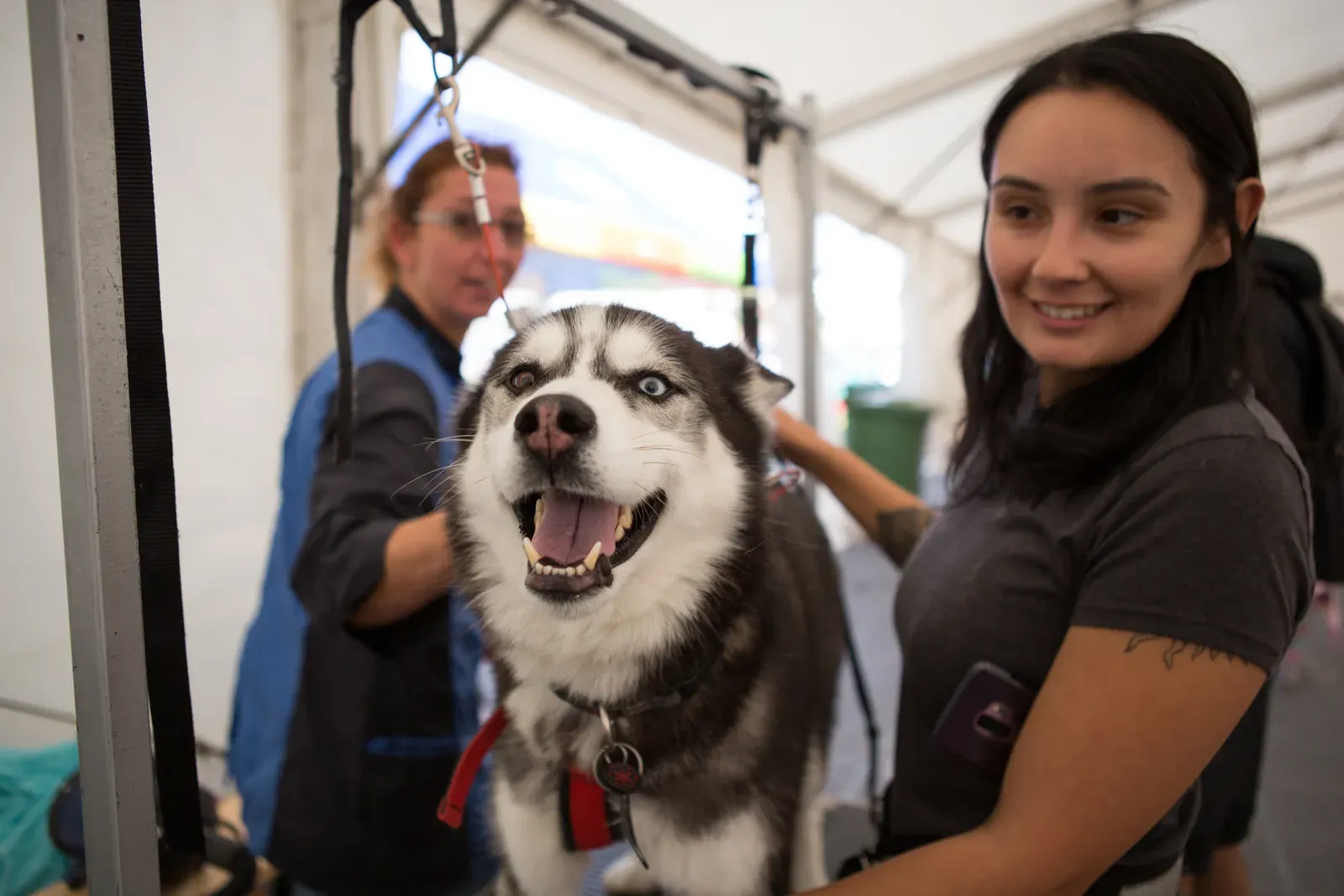
Here’s the uncomfortable truth: a good groomer often knows your old dog’s body better than anyone else in their life, including you. Not because they love your dog more, but because grooming forces an unfiltered, hands-on reality check on joints, skin, nails, breathing, senses, behavior, and brain, over and over, every few weeks.
Too many people still treat grooming as “just a bath and a haircut,” brushing off a groomer’s concerns as overreacting. That’s a mistake. When a professional quietly says, “This lump feels new,” or “She’s really struggling to stand today,” that’s an early-warning system talking, not idle chatter.
In my opinion, the smartest dog owners stop treating their groomer like a fur stylist and start treating them like a front-line health scout – because by the time you notice the limp yourself, your groomer probably clocked it three appointments ago.