
13 Things a Dog Does at the Same Minute of the Day Without Fail
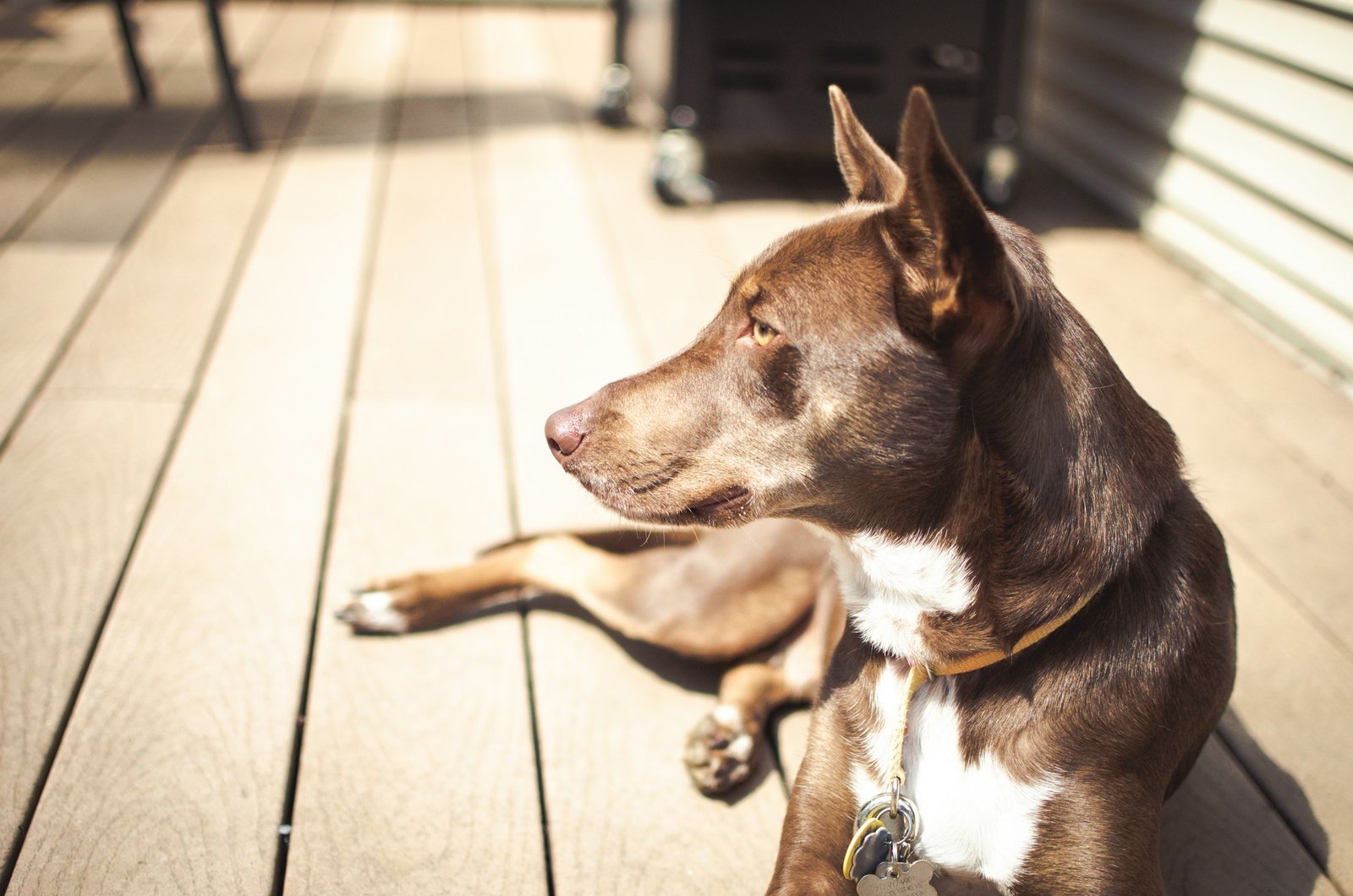
Most people assume their dog is just vibing through the day, reacting randomly to whatever happens around the house. You feed them when you feel like it, you walk them when you get around to it, and you figure the dog just… follows along.
Here’s the uncomfortable part: your dog is quietly running on a tighter internal schedule than most adults with a synced Google Calendar. Dog behaviorists have noticed something almost eerie – many dogs repeat the exact same tiny rituals within the same couple of minutes, every single day, whether you’re watching or not. It’s not magic. It’s biology, habit, and a strange kind of emotional obsession with you, and once you see the pattern, you won’t be able to un-see it.
#1 – The Exact-Minute Morning Stretch-and-Sigh Ritual
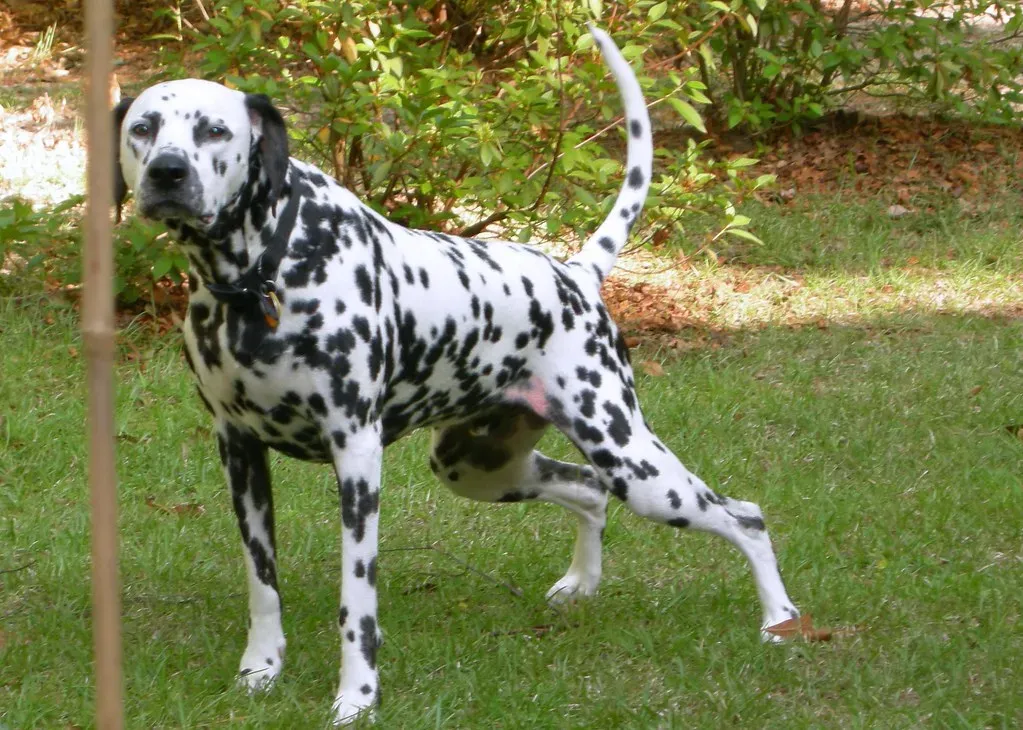
Almost every dog has a signature “first move of the day,” and it happens at nearly the same minute, down to a tiny window. This isn’t just a cute yoga pose. It’s their body rebooting on a schedule you never actually set.
When your alarm rings at 6:30 a.m. and, like clockwork, your dog stands, arches their spine, stretches their front legs, and lets out that dramatic sigh, you’re watching a deeply wired routine fire on cue. Give it a few months and the timing gets scary-precise – some dogs start pre-stretching at 6:28, before the alarm even goes off, locked onto light through the curtains or the sound of your breathing changing. Sleep in one Saturday and you’ll catch them just… staring at you, visibly confused that stretch-o’clock never happened.
#2 – The Same-Minute “Breakfast Lobbying” Stare
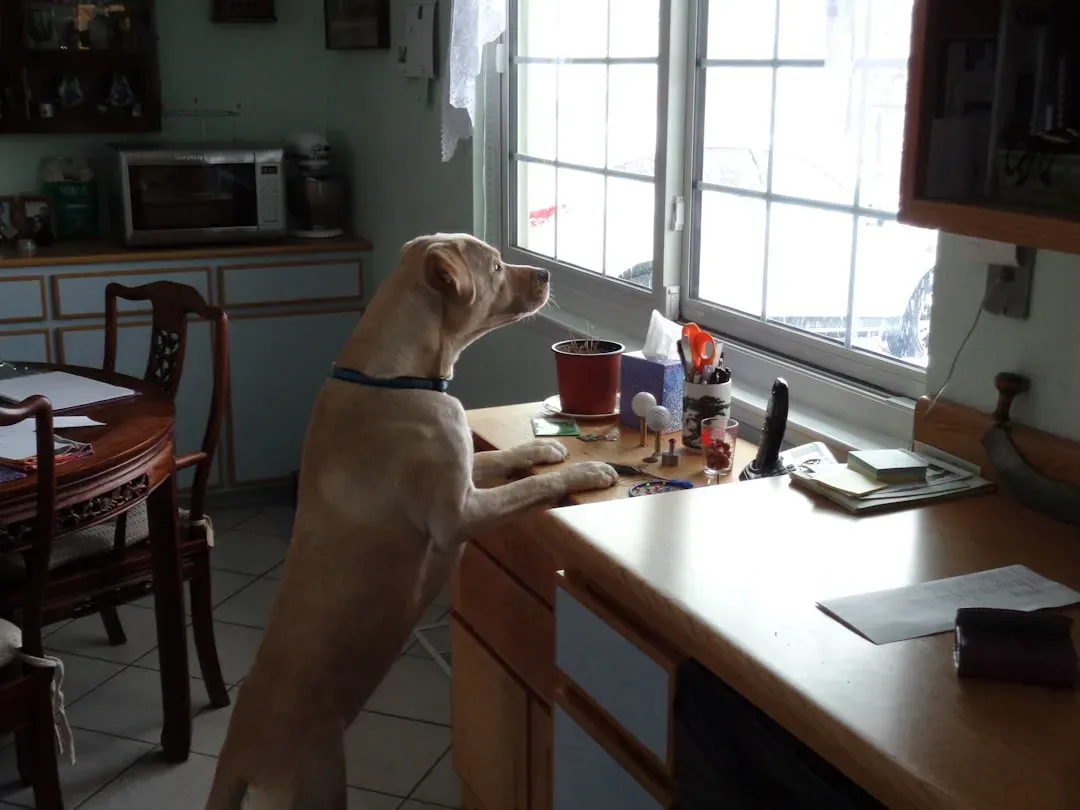
One minute your house is calm. The next, there are eyes boring into your soul from three feet away. This isn’t random begging – it’s scheduled lobbying, and your dog has clearly done the math.
Feed your dog at roughly the same time daily and their brain starts flagging that exact minute as “meal now,” using light, footsteps, and repetition to build the association. Some dogs nudge your hand, tap the cabinet, or spin in the same spot like it’s a rehearsed show. Push breakfast back by even 20 minutes and watch them pace like they’re checking if you’re late for your own job.
Fast Facts
- Dogs run on an internal circadian rhythm shaped mainly by light and routine, much like humans.
- This biological clock influences hunger cues, energy dips, and even hormone release throughout the day.
- Puppies and senior dogs tend to have looser, less predictable timing than dogs in their middle years.
- Sticking to consistent daily routines is one of the simplest ways to lower anxiety-driven behaviors in dogs.
#3 – The Predictable Daily Potty Dash
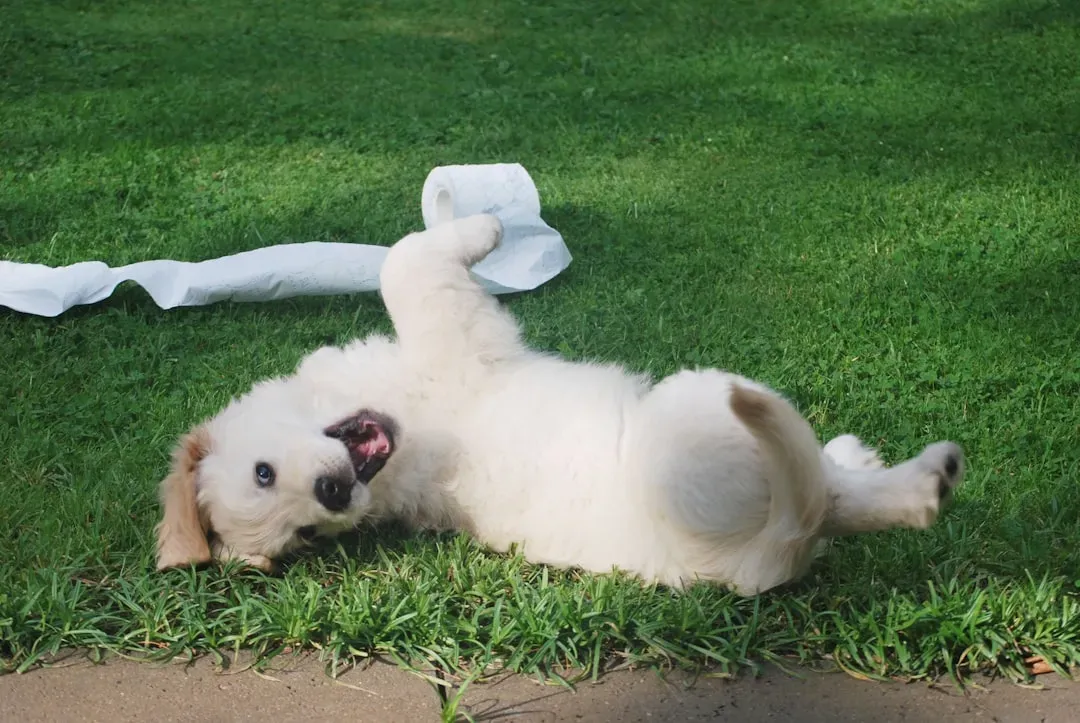
You could set a watch by some dogs’ bathroom schedule. Ask any walk-obsessed owner and they’ll tell you flatly: “If we don’t get outside by 7:20, there’s going to be a problem.” That’s not exaggeration – that’s physiology on a timer.
Consistent feeding and watering times train the digestive system to “aim” for the exact windows a dog has learned mean walk time. Owners often mistake the sudden whining or door-scratching for impatience, but the harsher truth is that your dog has been quietly waiting for that precise minute for a while. Ignore the schedule long enough and you’ll find out exactly how non-negotiable their internal plumbing really is.
#4 – The Minute-Perfect Mailman Alarm
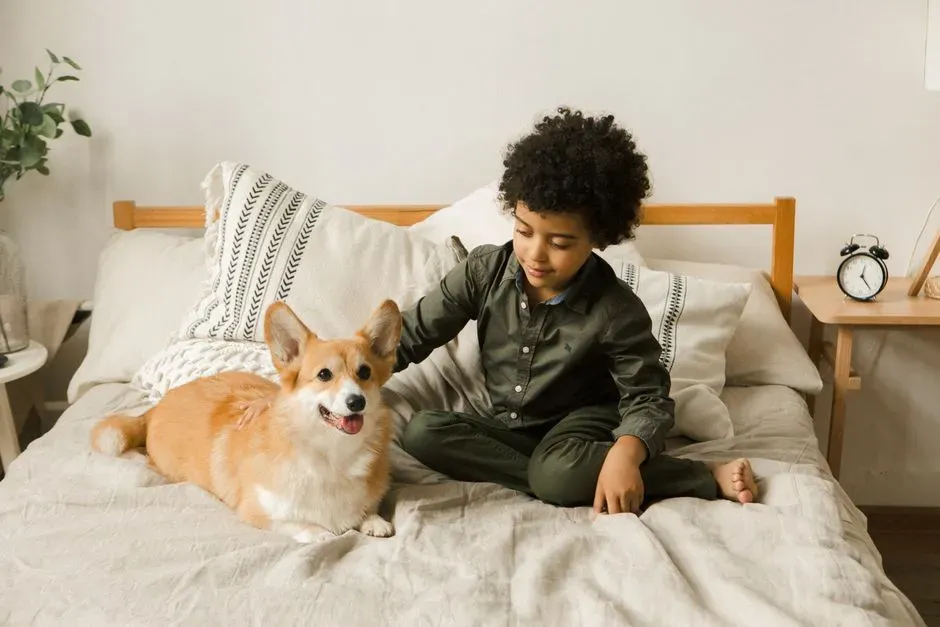
If your dog “loses their mind” at the mailman every day, go check a clock. The barking almost certainly starts within the same one to three minutes, like an alarm you never set but somehow can’t turn off.
The truck sound, the footsteps, even the clink of the mailbox all land around the same minute daily, wiring a precise internal alert into your dog’s brain. Here’s the twist: even when a delivery runs late, dogs often pre-activate anyway, hovering by the window at the usual minute, scanning for a threat that isn’t really a threat. It’s not hatred – it’s a role they’ve rehearsed so many times it now owns that slice of the day.
#5 – The Sun-Spot Migration at the Same Time Every Day
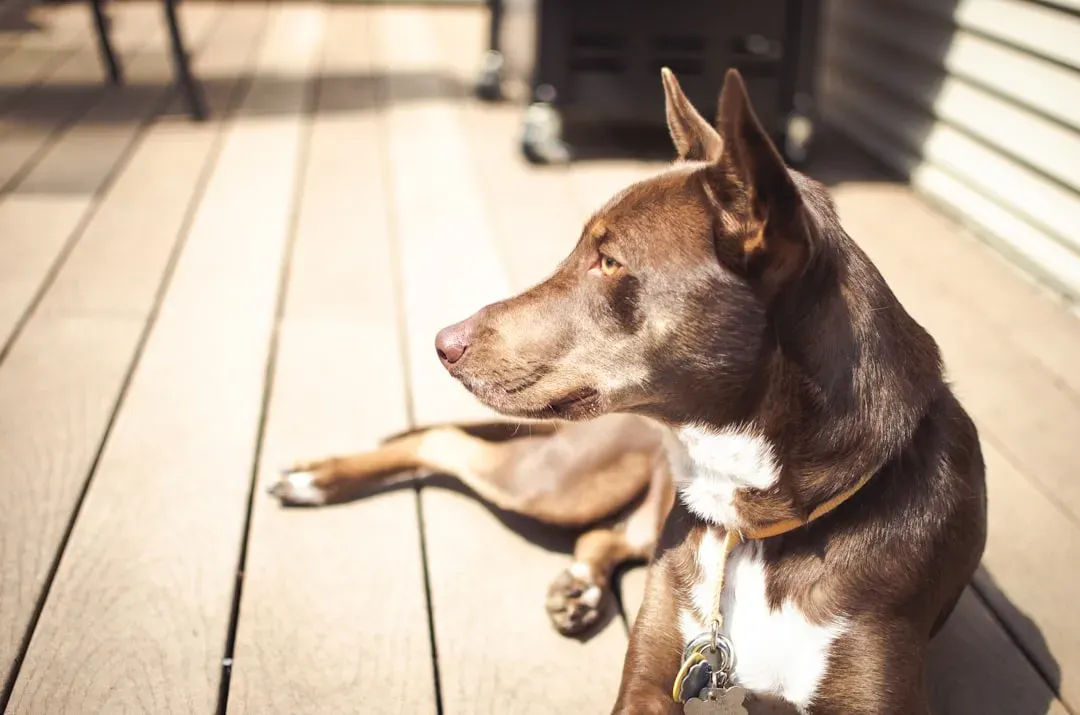
If your dog vanishes and reappears in the exact same warm square of sunlight at the exact same time, that’s not an accident. That’s a standing spa appointment they booked with the sky.
Many dogs track the sun’s movement across a room so consistently that their “sun bath” happens at nearly the same minute daily, and over time they even start pre-positioning themselves before the light fully arrives. Some guard that patch like prime real estate, growling if another pet tries to share the minute. Close the curtains or move the couch and they’ll still show up at that time, looking genuinely betrayed.
#6 – The Same-Minute “Check on the Humans” Patrol
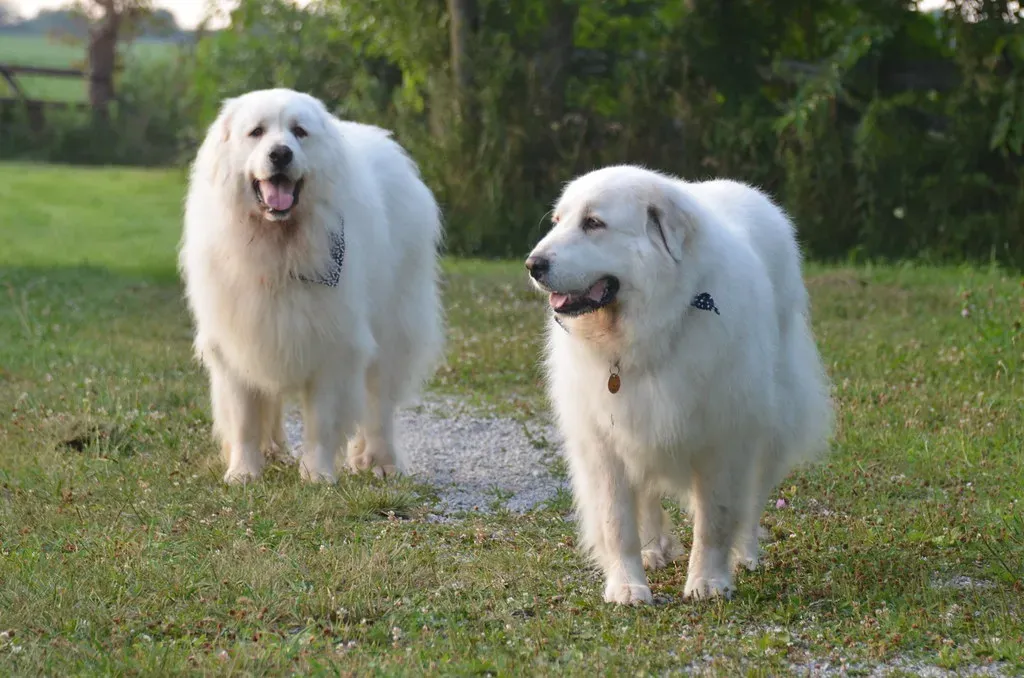
Every household has invisible rhythms – kids home from school, a partner’s lunch break, someone finally emerging from a home office cave. Plenty of dogs sync a full patrol to these moments, walking the same route in the same order at nearly the same minute daily.
You might notice your dog trot upstairs around 3:28 p.m., nose open a bedroom door, glance at someone on a Zoom call, then head back down like security finishing a round. In multi-person homes, some dogs even split patrol duty by person and location. It looks like wandering, but behavior consultants call it emotional clockwork – and if someone isn’t where they’re supposed to be at their usual minute, the dog’s anxiety spikes noticeably.
#7 – The Afternoon Zoomies on Schedule
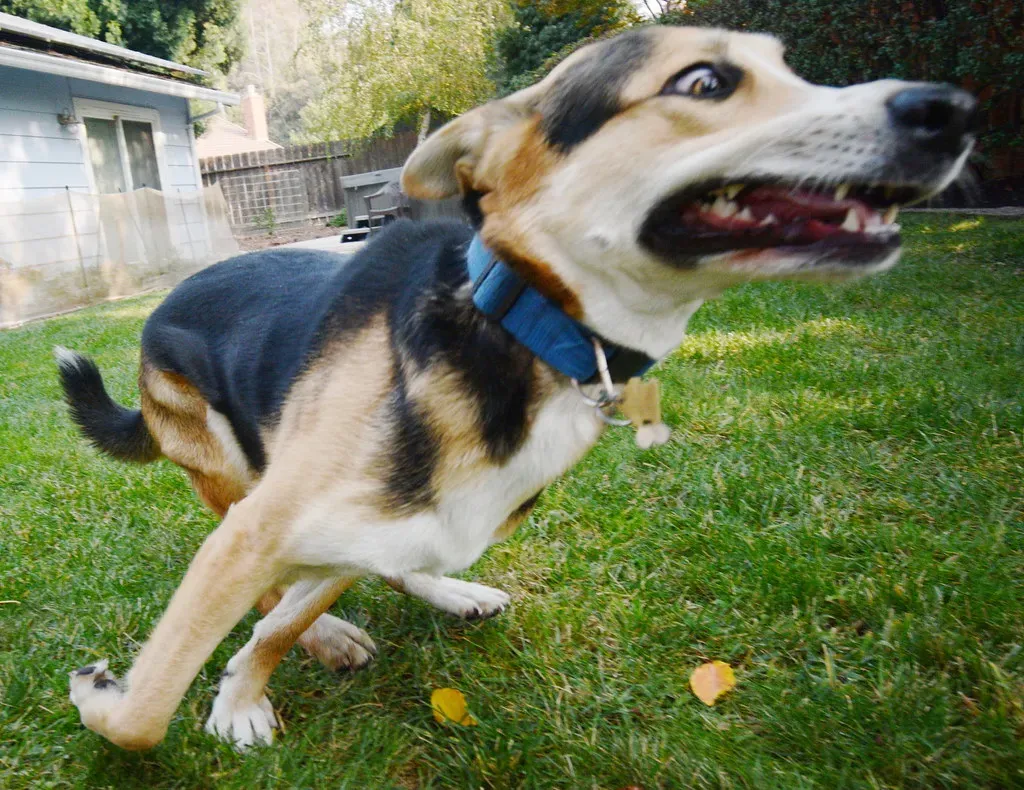
Zoomies look chaotic, but the timing usually isn’t. “Every night at exactly 8:00, she goes insane,” isn’t drama – it’s a documented pattern with a start time you could bet money on.
A lot of dogs develop a predictable energy-spike window, often the same 10 to 15 minutes daily, where stored-up stress and excitement finally get permission to explode. Some sprint laps, others grab a specific toy, some do wild play bows in the exact same corner of the room. Many trainers now quietly schedule structured play right before that usual zoomie minute, redirecting a predictable blast into something safer instead of getting “surprised” by it every single night.
At a Glance
- Vets and trainers call these bursts “FRAPs” – short for Frenetic Random Activity Periods.
- FRAPs often strike right after a nap, a bath, or during the early evening wind-down window.
- Puppies and younger dogs typically zoomie far more often than seniors.
- A safe, open space is the easiest way to let a zoomie episode burn itself out safely.
#8 – The Window Watch at the Same Minute Every Evening
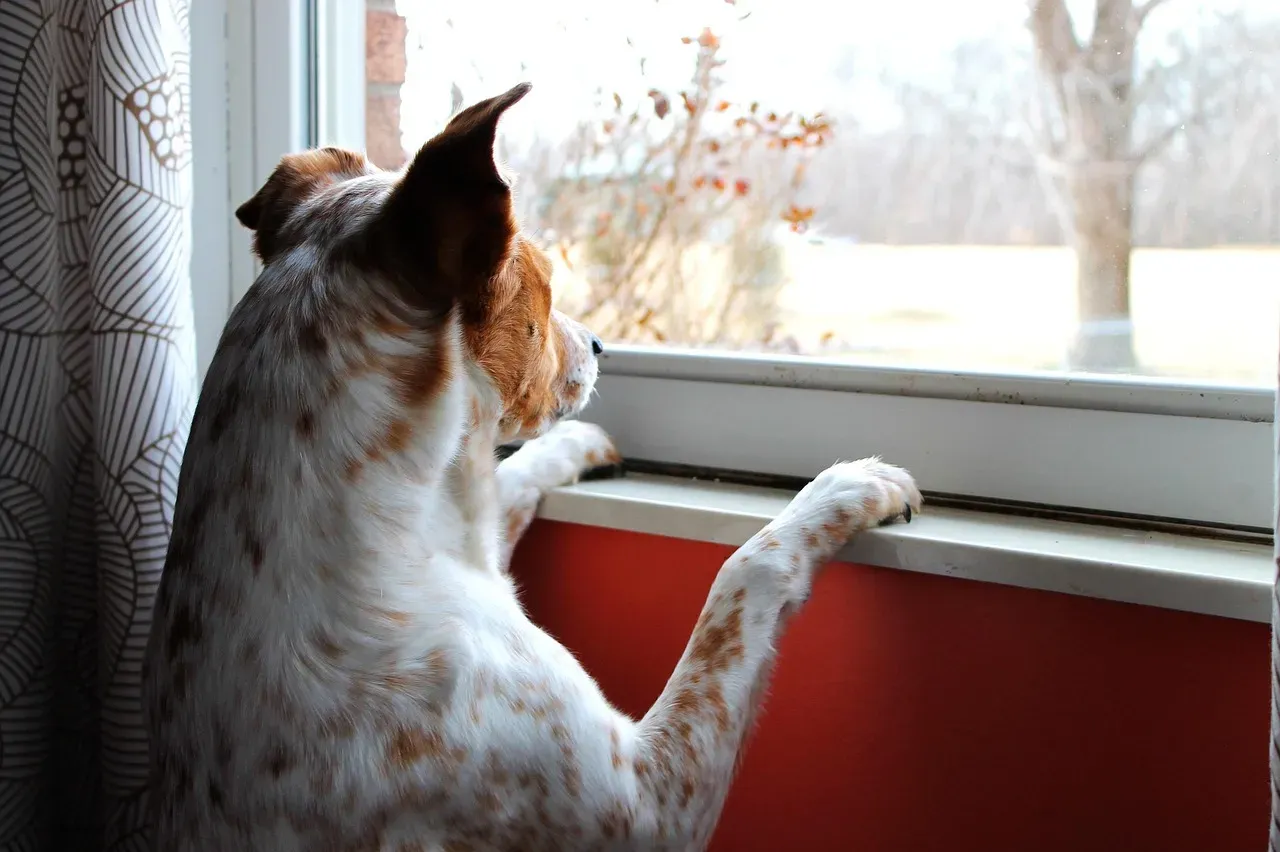
There’s a moment in many homes when the dog just relocates to a window and stares out like they’ve clocked in for the night shift. It might be dusk, right after dinner, or just before you usually head out for an evening walk.
Dogs time this “watch duty” to recurring outside events – neighbors walking by, kids on bikes, streetlights flicking on – reading light and sound changes instead of a clock. Many even choose the same spot on the couch or sill, like it’s a reserved seat with their name on it. Shift dinner by a full hour and you’ll likely still catch them drifting to that window at the old time, out of pure habit.
#9 – The Same-Minute “Water Break” at the Bowl
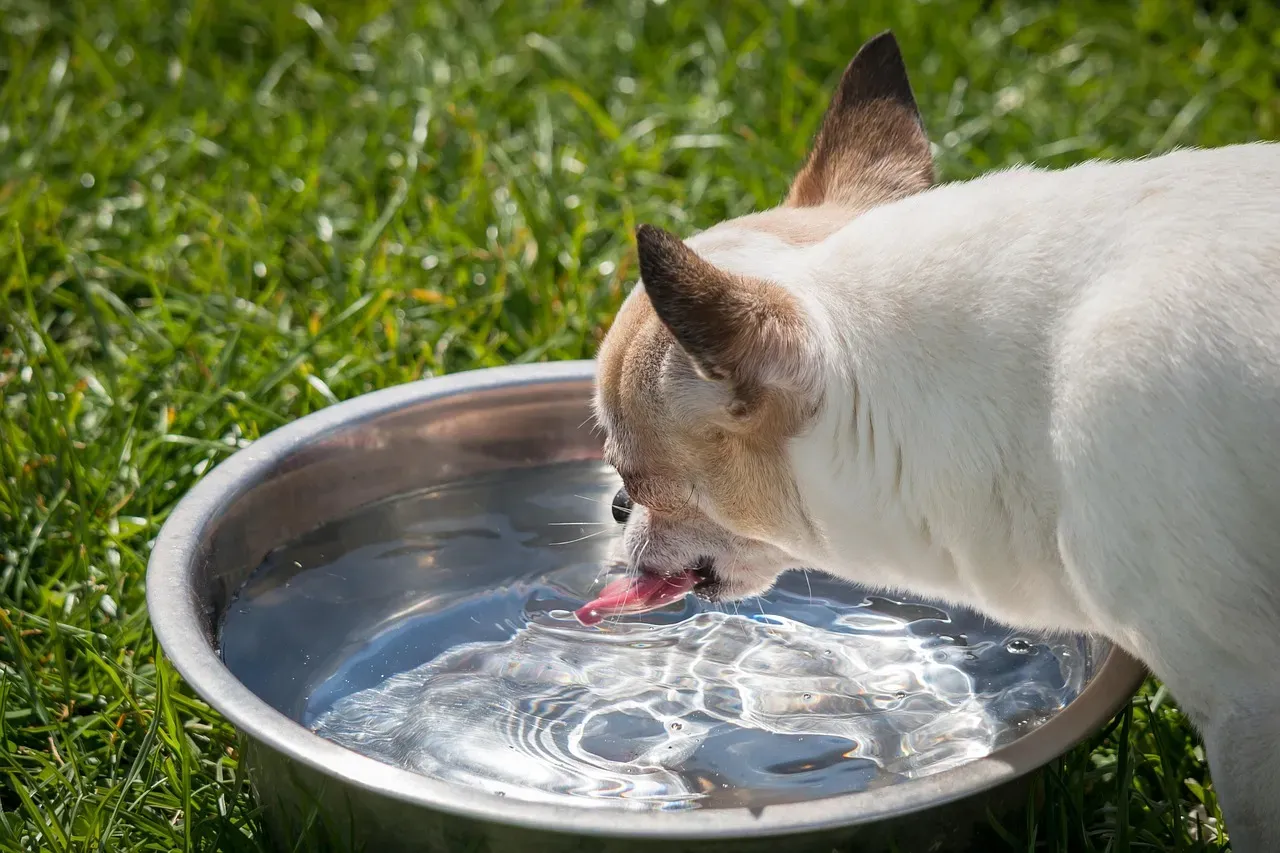
One of the sneakiest timed behaviors is the daily water ritual. Pay attention for a week and you’ll notice your dog approaching the bowl with almost eerie consistency, around the same narrow window every single day.
Hydration patterns are tied to eating, napping, and excitement, so the “big drink” of the day often lands on a predictable schedule – say, fifteen minutes after a walk, or right after the kids go to bed. Some dogs even pair it with a cue like you closing your laptop or turning off the TV. Vets actually watch for this: a dog suddenly breaking their usual water timing can be an early red flag worth mentioning at the next checkup.
Worth Knowing
- Vets generally recommend around one ounce of water per pound of body weight each day for most healthy dogs.
- A sudden increase or decrease in thirst can be one of the earliest signs of an underlying health issue.
- Hot weather, exercise, and dry kibble diets all raise a dog’s daily water needs.
- Refreshing the water bowl at least once a day encourages more consistent drinking habits.
#10 – The End-of-Workday “Welcome Home” Countdown
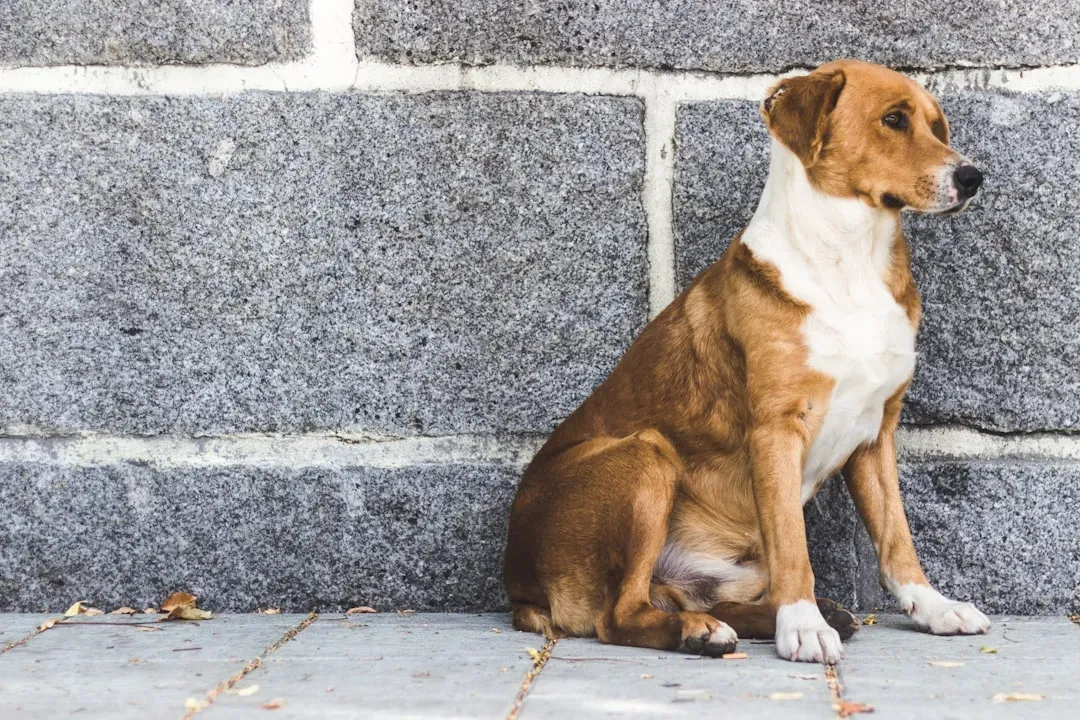
If you work relatively fixed hours, you already know this one. Your dog is at the door, window, or gate at almost the exact minute you usually arrive – and you probably assumed they “heard your car.” Often, they were already posted up before you even turned onto the street.
Dogs sync to your work schedule with startling precision by reading light angles, neighborhood traffic, and the timing of distant buses or trains. Combine that with the emotional payoff of you walking through the door, and you get a ritual locked to a specific minute – some dogs even grab a “greeting toy” or do hallway circles right on cue. Miss that window by an hour, and plenty of dogs slip into visible worry mode, pacing at the door like someone stood them up.
#11 – The Nightly “Guard the Bedroom” Transition
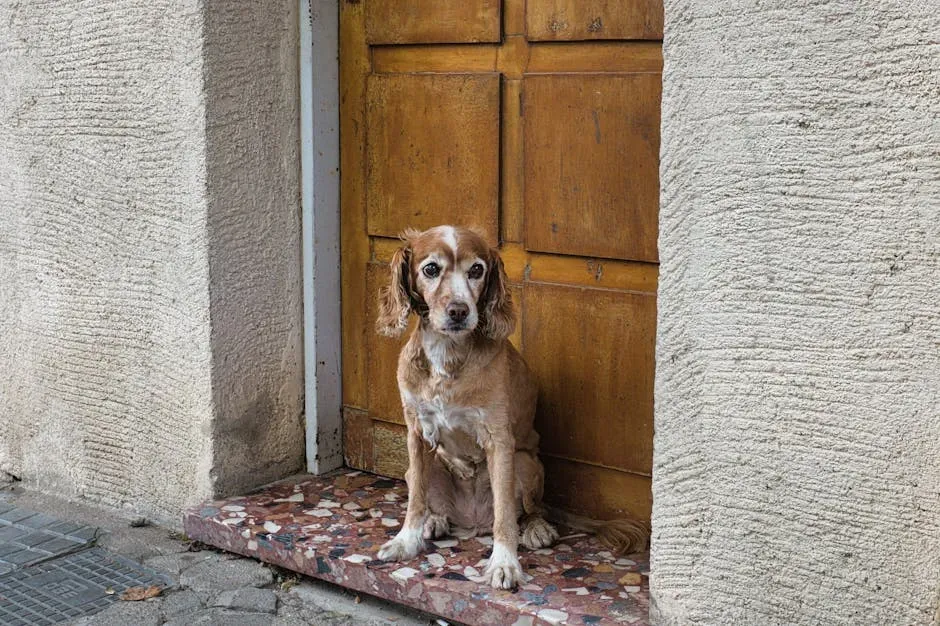
There’s a minute, usually in the evening, when your dog silently decides operations are moving to the bedroom. You might still be watching TV, but suddenly they’re gone, curled up on their bedroom spot at nearly the exact same minute every night.
This is their way of syncing to your long-term pattern – if you typically head upstairs around 10:45 p.m., by 10:40 they’re already stationed at the doorway, waiting. Change your schedule for a month and you’ll literally watch them recalibrate that minute, like a living clock adjusting to daylight savings.
#12 – The Late-Night Yard Check at the Same Minute
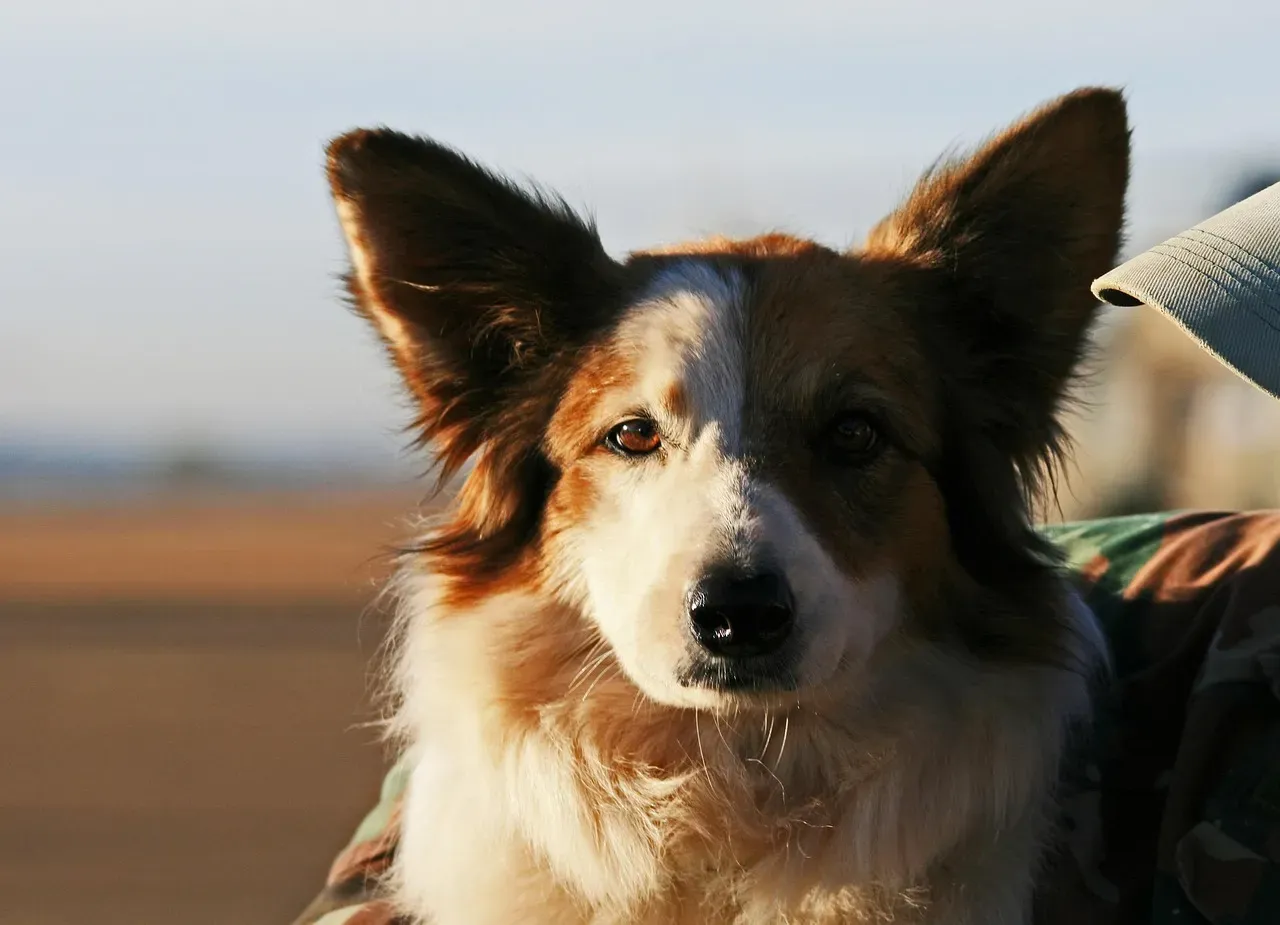
For dogs with yard access, there’s often a strangely predictable “last patrol” – stepping outside to sniff the air, scan the fence line, and squeeze in a final pee before lights out.
This nighttime check tends to land at the same minute window daily because it’s chained to your last human rituals – pajamas, lights off, doors locked. Watch closely and you’ll notice a lot of dogs spend more time looking and listening than actually eliminating, updating their mental “night map” of what’s moved or changed outside. Do this for weeks at 11:02 p.m. and good luck convincing them to skip it later – they’ll bump you with their nose to remind you a piece of the schedule is missing.
#13 – The Exact-Minute Morning or Nighttime Cuddle Demand
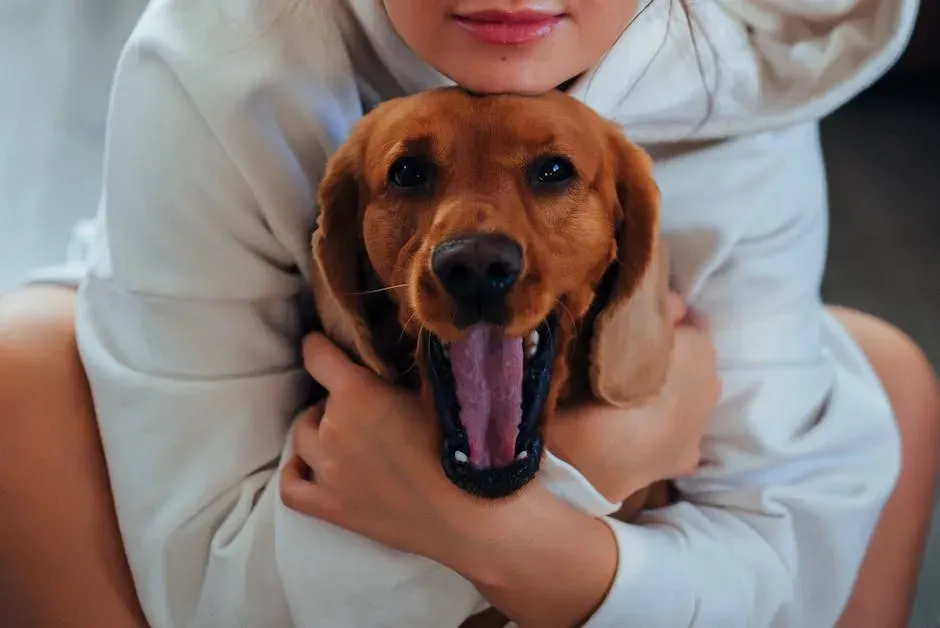
Here’s the one that quietly breaks people’s hearts: the scheduled affection request. Many dogs pick a specific window – often the same couple of minutes every day – where they come to you for deliberate, targeted contact.
Whether it’s morning chest snuggles at 6:45 a.m. or the nightly head-on-lap moment at 9:17 p.m., this is a time-anchored emotional habit built entirely around you. They’ve watched your routine long enough to know exactly when your tone softens or your phone finally goes down, and they attach affection to that predictable slice of time. Skip it or get distracted, and some dogs escalate – paw taps, gentle whines, physically repositioning themselves between you and your screen, fighting to protect a minute of connection they’ve come to depend on.
The Bottom Line
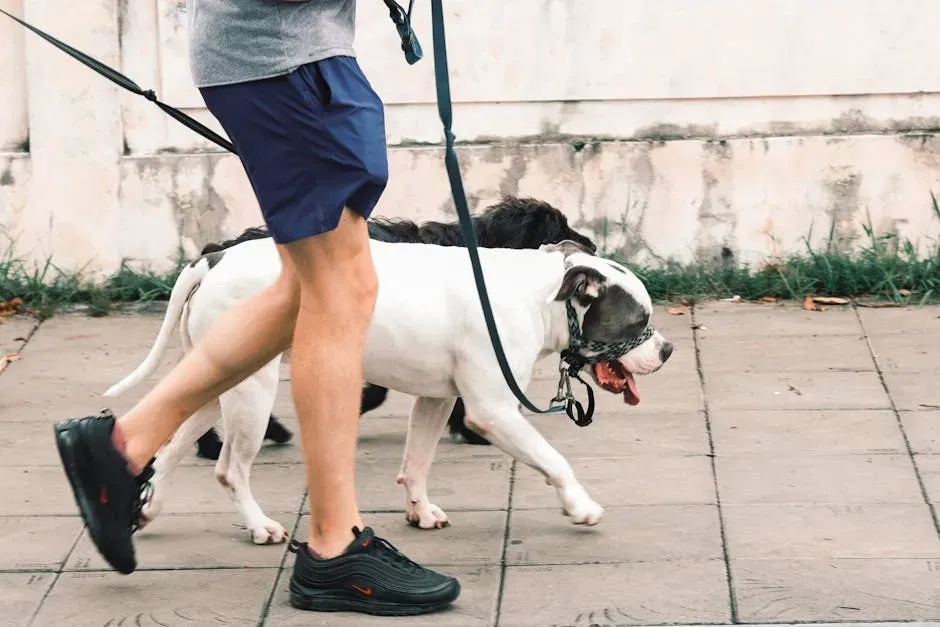
The uncomfortable truth is that your dog is probably more consistent than you are. From the minute-perfect breakfast stare to the precise nightly cuddle demand, dogs build their entire emotional world around repeating the same rituals at nearly the same time every day.
We call it “quirky” or “cute,” but it’s really evidence of a brain tracking light, sound, and human habit with ruthless accuracy. Here’s the opinion most people won’t love: when a dog “acts out,” it’s often because we’re the ones who broke the schedule they were quietly holding together. Start paying attention to the minutes instead of just the hours, and you’ll uncover a whole secret timetable your dog has been running without ever asking your permission – the only question left is how long you’ve been ignoring it.
Why It Stands Out
- Routine-driven behavior is one of the clearest signs of a securely bonded, emotionally settled dog.
- Sudden schedule disruptions are a common trigger behind stress behaviors like accidents or destructive chewing.
- Tracking your dog’s personal “clock” can help you catch subtle health changes earlier than you’d expect.
- Keeping a predictable daily rhythm remains one of the simplest, cheapest tools for easing separation anxiety.