
15 Things a Behaviourist Can Tell About a Household From Watching One Dog
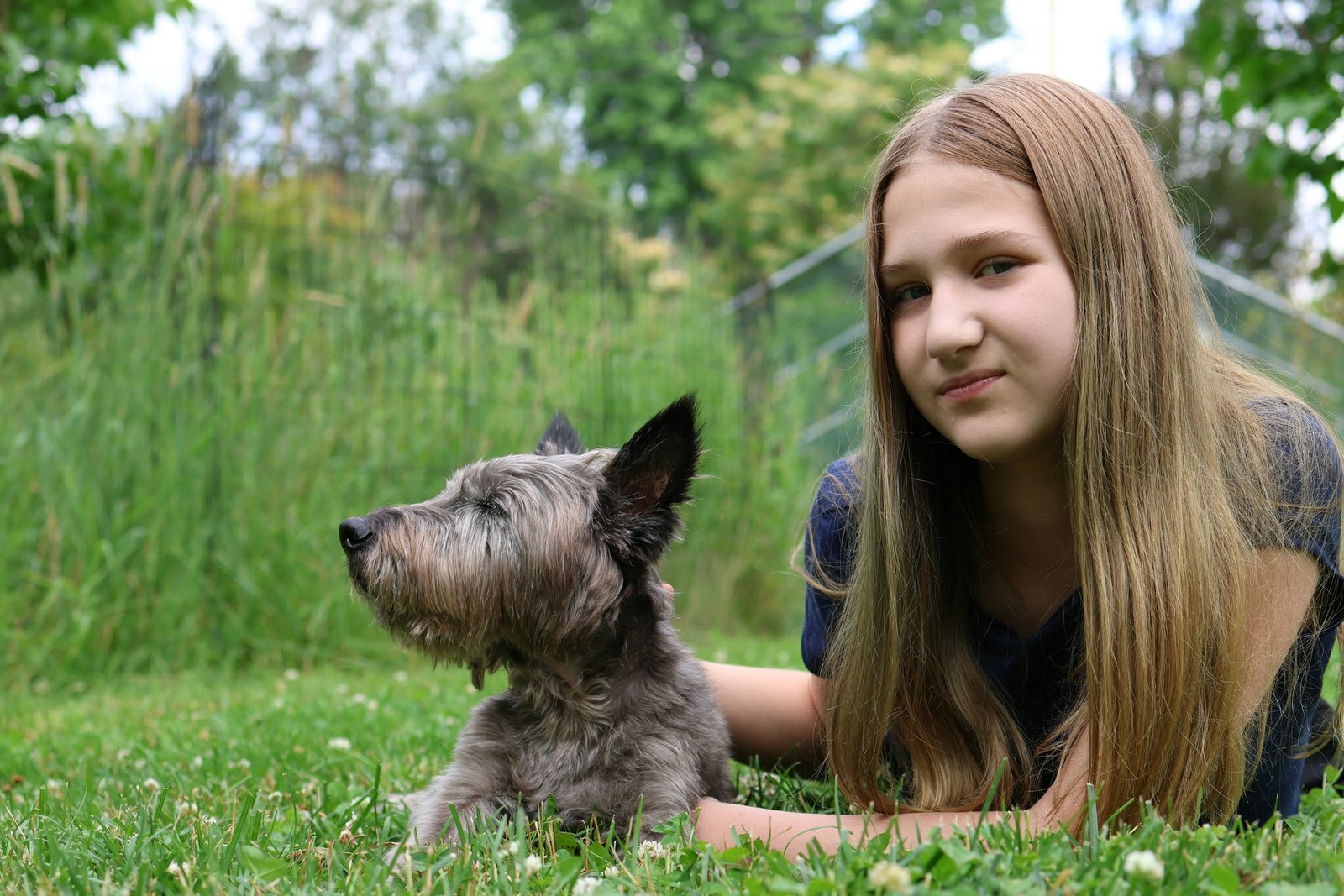
Most people assume a dog trainer is just watching the dog. Sit, stay, heel, done. But hand that same dog to a real behaviourist for ten minutes, and something unsettling happens: they start describing your marriage, your parenting, your bank account, and your worst 3 a.m. arguments without you saying a single word.
Owners usually laugh it off at first, then go quiet. Because the dog isn’t lying, exaggerating, or covering for anyone. It’s just showing its whole life, on autopilot, in front of a stranger who knows exactly how to read it. Here’s what a behaviourist actually sees when they watch your dog move through your home – and why it might reveal more about you than your dog.
#1 – How Structured (or Chaotic) Your Daily Routine Really Is

A behaviourist doesn’t just see a happy dog trotting around. They see a living timetable. A dog that checks the door at certain times, paces before meals, or stares at you like clockwork around 5 p.m. is basically saying, “this house runs on a schedule.” A dog that seems unsure when food, walks, or sleep are coming is usually living inside scattered, shifting habits.
That unpredictability doesn’t make a dog more “flexible.” It usually ramps up anxiety, barking, and clinginess. Behaviourists also watch how fast a dog settles after excitement. A dog that lies down and relaxes minutes after a visitor leaves is used to rhythm: walk, rest, play, rest. A dog that stays wired for an hour is telling on a household full of inconsistent cues.
Fast Facts
- Dogs pick up on daily patterns quickly and often anticipate meals, walks, and departures before they happen.
- Sudden schedule changes are one of the most common triggers for pacing, whining, or clinginess.
- A predictable routine is one of the simplest, most effective tools for lowering everyday anxiety in dogs.
- How fast a dog settles after excitement is often a better clue to home structure than anything an owner says.
#2 – Who Actually Runs the House (Hint: It’s Not Who Pays the Bills)
Most families assume the “leader” is whoever buys the dog food or yells the loudest. Behaviourists watch who the dog orbits instead. The real decision-maker is usually the person the dog checks in with the most, not the one who claims to be in charge.
In plenty of households, that’s a teenager, or the quiet parent nobody thinks of as “the boss.” Behaviourists also track who the dog obeys without bribery. If the dog blows off Dad’s “sit” but instantly sits for a ten-year-old’s calm voice, that’s not cute – that’s a map of whose boundaries actually hold weight in that house, and whose don’t.
#3 – How Much Tension and Conflict Lives Between Your Walls

You can hide arguments from guests. You can’t hide them from your dog. Behaviourists watch for what they call conflict residue: a flinch when voices rise, a freeze when someone walks into the room, a dog quietly wedging itself between two people on the couch. Dogs that do that aren’t being affectionate. They’re trying to referee.
They’ve learned certain human combinations mean trouble is coming. Behaviourists also notice startle reflexes at sudden gestures, rooms the dog avoids, or people whose presence is the only thing that makes the dog relax. Pacing, yawning, lip-licking, sudden “random” sniffing during a tense conversation – all of it is a dog’s nervous system quietly contradicting the family line of “we don’t really fight that much.”
#4 – Your Real Parenting Style (Not the One You Post Online)
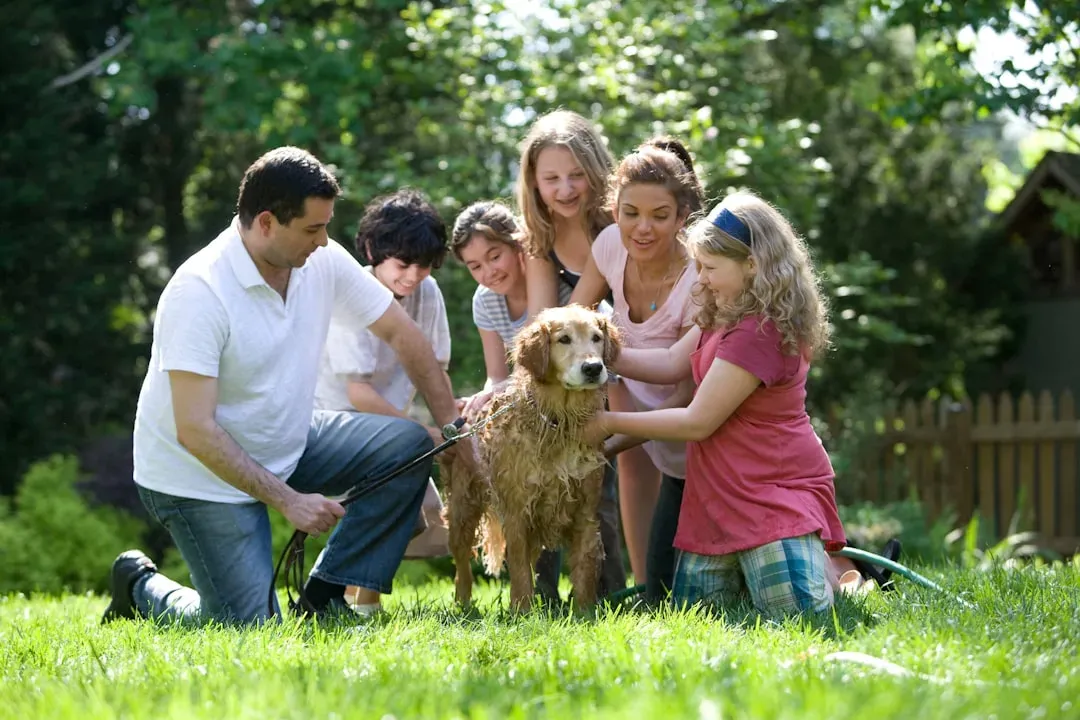
Watch a family dog around the kids for five minutes, and you’ll see the home’s actual rulebook, not the one anyone would admit to out loud. A dog that gleefully body-slams kids, steals toys, and mouths hands with zero pushback is living in a house where “they’ll grow out of it” passes for a parenting philosophy.
A dog that shrinks from children, flinches at touch, or freezes when a kid approaches is often living with rough handling or boundaries that shift depending on who’s watching. Behaviourists also clock whether adults step in – calmly redirecting an overwhelmed dog, or laughing it off as “just playing.” A dog that keeps quietly leaving the room when the kids show up isn’t antisocial. It’s a walking red flag about supervision nobody wants to talk about at dinner.
#5 – The Household’s Overall Emotional Temperature

Some homes feel like a spa. Some feel like a pressure cooker. The dog gives it away in seconds. In warm, regulated households, dogs tend to have loose bodies, soft eyes, and slow, goofy movement even when they’re excited. They explore, check in, then flop down like nothing in the world is wrong.
In chronically stressed homes, dogs move like they’re walking on eggshells – stiff, scanning doorways, reacting to a dropped glass like it’s a gunshot. Behaviourists watch these micro-reactions closely, because a dog whose default setting is “alert and braced” is almost always mirroring humans who live in constant low-grade stress, whether or not anyone in the house would ever say it out loud.
Dogs don’t tell us what to do. They show us who we are.
Cesar Millan
#6 – Who’s Lonely, Who’s Avoidant, and Who’s Over-Attached

A behaviourist doesn’t just see friendliness. They see attachment maps. A dog that shadows one person from room to room, panics when they stand up, or can’t rest unless it’s touching them is broadcasting intense co-dependency, and often that need runs both directions. A dog that can’t tolerate a closed bathroom door usually belongs to someone quietly wrestling with anxiety or isolation.
On the other end, a dog that never seeks contact, never checks in when startled, and always picks the farthest bed in the room is signaling emotional distance in the home. It’s rarely just “personality.” Dogs model whatever connection pattern they’ve been handed, which means watching who the dog comforts, avoids, and ignores is watching a private map of a household’s hidden loneliness.
#7 – How Much Actual Time You Spend Engaging (Not Just Existing Together)

Plenty of owners swear their dog gets “tons of attention.” The dog’s body usually disagrees. Behaviourists look at muscle tone, stamina, and the quality of rest. A dog that can’t settle without pacing, pestering, or dropping toys into your lap over and over isn’t just “high energy.” It’s under-fulfilled, mentally or physically, and it’s been that way for a while.
Bored dogs look restless. Fulfilled dogs look peacefully, deeply tired. That contrast alone tells an expert how much real interaction actually happens in that house versus how much is claimed. Give the dog a simple puzzle, like a snuffle mat, and watch what happens – a dog that stares helplessly at its owner instead of trying has likely never been handed a real challenge, which usually points to a home where the TV runs constantly but actual engagement doesn’t.
Quick Compare
- Bored dog: restless pacing, constant toy-dropping, can’t settle even right after a walk.
- Fulfilled dog: deep, loose-limbed naps and calm curiosity once the excitement fades.
- Bored dog: freezes or stares blankly at a new puzzle toy, waiting to be shown what to do.
- Fulfilled dog: investigates anything new on its own, nose and paws working without prompting.
#8 – Whether Your Household Is Impulsive or Consistent With Boundaries
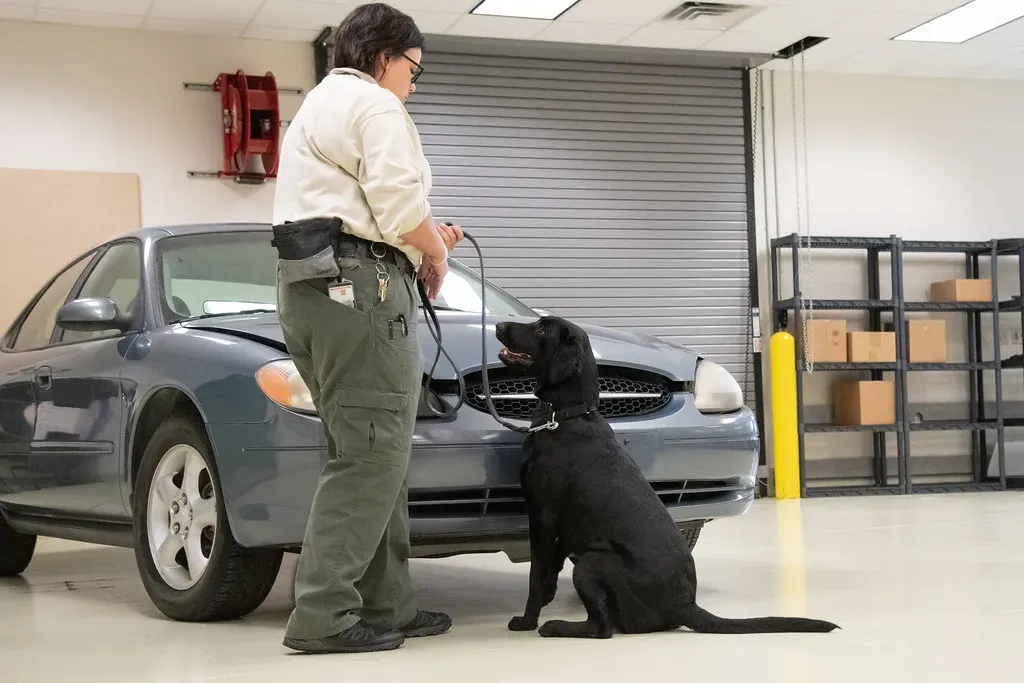
A dog’s impulse control is basically a mirror held up to the household’s impulse control. Behaviourists watch how a dog handles doors, food, and excitement. Does it blast through doorways, jump on counters, snatch food from hands? That kind of chaos rarely exists in a vacuum – it usually means “no” changes meaning depending on who’s tired and what mood the house is in that day.
A dog that automatically waits at the door, pauses before eating, and can disengage from distractions is showing that someone in that home enforces boundaries the same way, every single time. It’s not strict. It’s just predictable. Even something as small as a dog dragging someone down the stairs versus checking back calmly is a tell for whether this household follows through, or only follows through when it’s convenient.
#9 – How Clean, Cluttered, or Overwhelmed Your Space Really Is
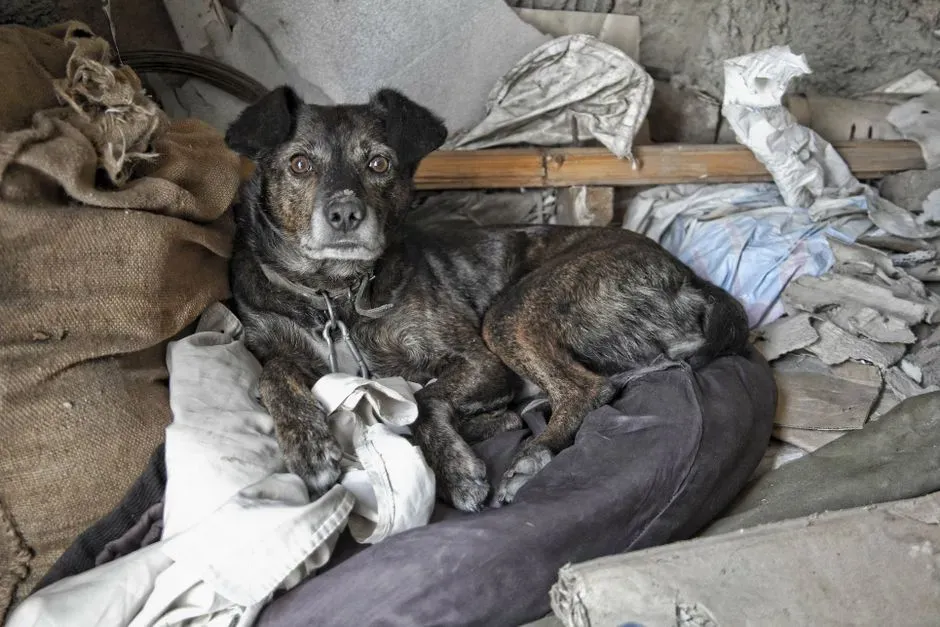
Before a behaviourist ever glances at your countertops, they’ve already read your housekeeping off your dog. Matted fur behind the ears, overgrown nails, a grimy collar – none of it is about vanity. It usually signals a household that’s drowning in tasks, mentally checked out, or quietly overwhelmed in ways nobody’s admitting.
Clutter shows up in behaviour too. Dogs that weave around piles, hesitate on certain floors, or flat-out avoid specific rooms have learned, over time, that those spaces are unsafe or confusing. Many behaviourists also check whether the dog even has a clean, undisturbed resting spot. A dog bed buried under laundry or wedged into a busy hallway says everything about how that household treats rest – for the dog, and honestly, for everyone else living there too.
Worth Knowing
- Overgrown nails often point to infrequent walks on hard ground, not just neglect at home.
- A matted coat behind the ears or under the collar is one of the first physical signs a behaviourist checks.
- Dogs that avoid specific rooms are usually reacting to noise, clutter, or a past bad experience there.
- Where a dog is allowed to sleep – buried in laundry versus a clear, quiet spot – reflects how much priority “rest” gets for everyone in that home.
#10 – How Safe and Predictable the Environment Feels to Live In

How freely a dog explores a home is a direct readout on how safe that home actually feels. In secure households, dogs wander, sniff, hop on furniture, or stay off it, all without a hint of suspicion. In unpredictable homes, dogs creep. They pause at doorways, avoid certain chairs, and freeze at a cupboard slam or a specific ringtone that means nothing to a stranger but everything to them.
Dogs build a private danger map of a house, and a trained eye can watch them navigate it in real time. Watch how a dog reacts to a leash coming off the hook – cowering instead of excitement is not “quirky,” it’s dread tied to something that happened on a past walk. You can insist “we never hit the dog” all you want. A reflexive flinch at a raised hand tells a far more honest story than you do.
#11 – How Social (or Isolated) Your Household Really Is

Your dog knows exactly how often people come through that front door, and so does anyone trained to watch it react. A dog that greets a stranger with relaxed curiosity, then settles down quickly, has almost certainly seen a steady trickle of visitors over the years. A dog that explodes at every knock, or swings between frantic excitement and outright panic, is usually living in a home that’s either socially very quiet or socially very chaotic.
Behaviourists also watch how a dog handles the outside world – strollers, bikes, other dogs on the sidewalk. If everything registers as a threat, that points to a narrow, sheltered routine, sometimes from neglect, sometimes just from overworked, introverted owners. Either way, the dog absorbs it. A dog that treats a delivery driver like a home invasion is telling you this house doesn’t just need more training – it needs more regular, calm contact with the outside world.
#12 – Your Financial Priorities and Where the Dog Really Ranks

A behaviourist can’t see your bank statement, but they can see how the dog is outfitted and cared for. A harness digging into raw skin, a snapped leash held together with a knot, cheap food, zero enrichment toys – all of it points to either genuinely tight money, or a dog quietly sitting at the very bottom of the household’s priority list.
A dog with chronic, visible skin issues and no vet record on file isn’t just about a tight budget. It’s usually a sign of avoidance, of decisions that keep getting pushed to “later.” On the flip side, a dog dripping in expensive gear with zero actual training reveals a very modern habit: buying a solution instead of doing the boring daily work. Either way, what gets funded and what gets ignored says more about a household’s real priorities than any conversation ever could.
#13 – How You Handle Mistakes, Frustration, and “Bad Days”
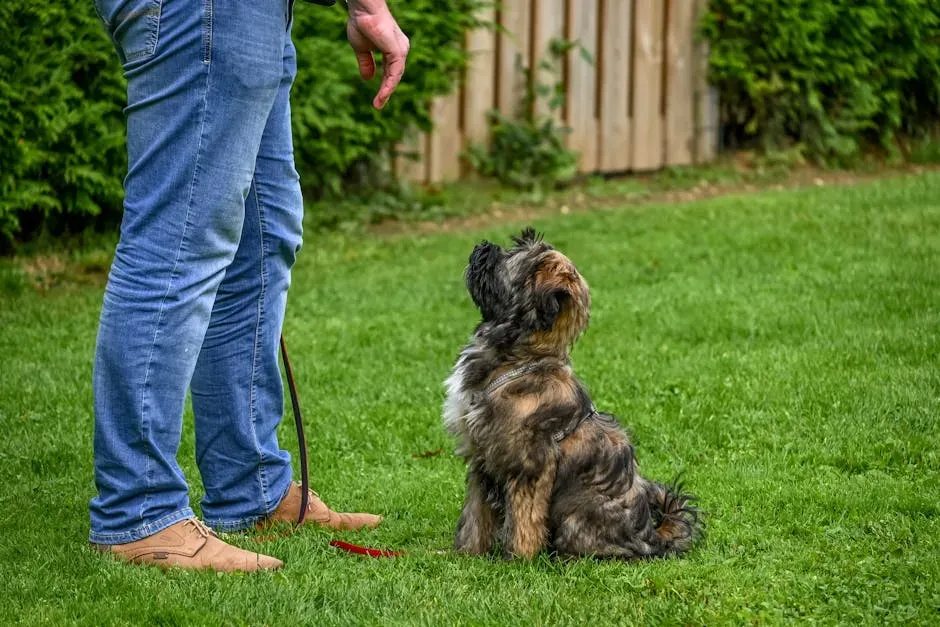
Dogs make mistakes. So does everyone else in the house. Behaviourists pay close attention to what happens in the ten seconds right after something goes wrong – the dog pees on the floor, and someone either explodes, shames, laughs, ignores it, or quietly cleans up and adjusts. A dog that bolts for its crate at the smallest mishap isn’t feeling “guilty.” It’s bracing for impact, because it’s learned that mistakes get met with outbursts, not problem-solving.
The same pattern shows up in training. When a dog doesn’t “get it” fast enough, does someone sigh and repeat the command louder, or lower the difficulty and reward the small wins? That response almost never stays isolated to the dog. It tends to be the exact same way that household handles homework, chores, work stress, and each other – either with patience, or with blame.
#14 – Whether Your House Runs on “Hope” or on Habits
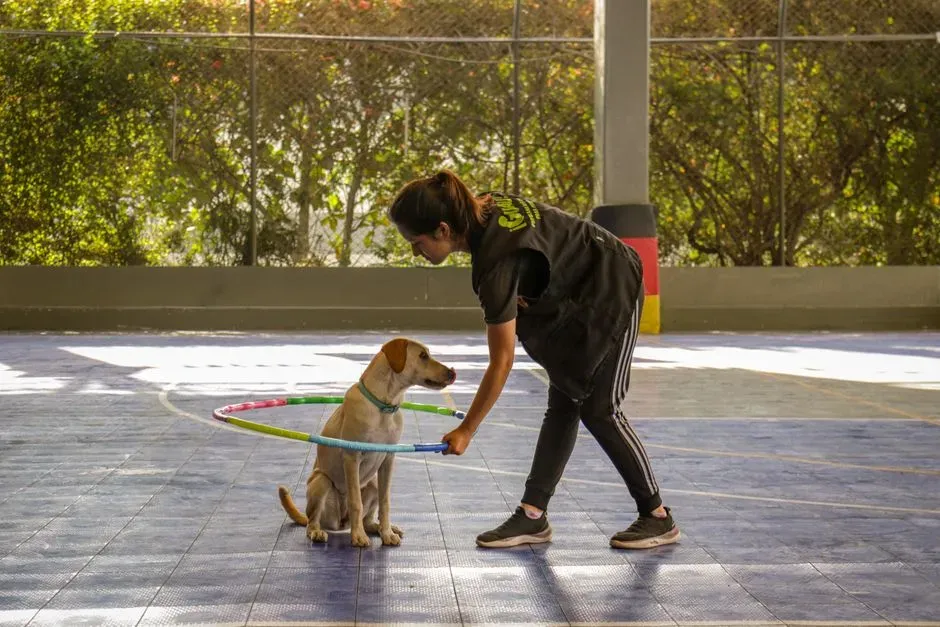
Plenty of owners will insist, “we’re working on that.” Behaviourists listen to the dog instead of the promise. If a behaviour has clearly been rehearsed for months – relentless counter-surfing, door-dashing, hours of barking at the window – that’s not a training gap. That’s a house running on wishful thinking instead of systems.
Ask a few simple questions: when is the dog walked, who feeds it, who actually trains it and when? A vague “it depends” paired with scattered, inconsistent behaviour tells the whole story – good intentions, last-minute reactions, no real structure underneath. A dog that automatically checks a mat when guests arrive, or heads to its bed during meals without being told, is proof of the opposite: a home that runs on routines, not lectures.
At a Glance
- Habit-driven home: the dog checks a mat or bed automatically at mealtimes or when guests arrive.
- Hope-driven home: the same problem behavior – counter-surfing, door-dashing – persists for months, unchanged.
- Habit-driven home: feeding, walking, and training times are answered instantly and consistently.
- Hope-driven home: routines get described as “it depends” or “we’re working on it.”
#15 – How Much You Truly Respect Your Dog as a Member of the Household
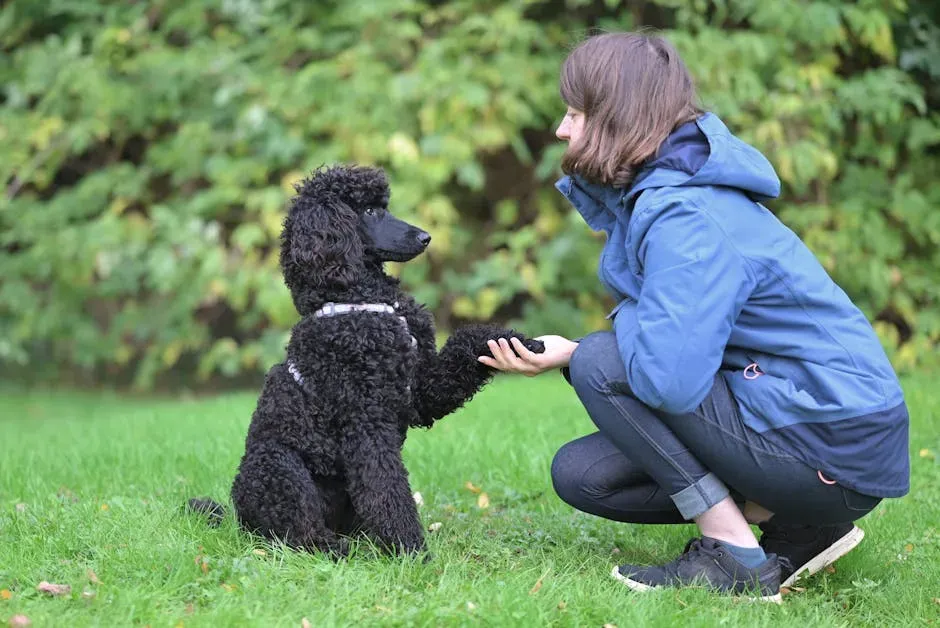
This is the part most people don’t want to hear. Within a single visit, a behaviourist can usually tell whether a dog is a respected individual in that home, or just an accessory. Dogs whose signals get honored – whose “I’m scared,” “I’m tired,” and “I need space” actually get listened to – move through a house with quiet confidence. They approach, retreat, rest, and play without constantly being overridden.
Dogs whose warnings, growls, and stiffness have been punished or ignored tend to look shut down, or unpredictable in a different way. They’ve stopped communicating clearly, because clear communication never worked for them before. A behaviourist doesn’t see “stubborn” or “aggressive” in that dog. They see a history of being dismissed – and that, more than anything else on this list, is where the real judgment quietly happens.
The Bottom Line
Walk a behaviourist into your home, and your dog hands them a living, breathing family report card without meaning to. From one animal’s body language, they can infer your routines, your stress levels, your parenting style, your emotional regulation, your social life, even how you handle money and conflict. That’s not mystical. It’s years of watching dogs absorb and mirror the people around them.
Here’s the uncomfortable part: if you don’t like what your dog’s behaviour says about your household, the fix was never a “better dog.” It’s a better system – clearer boundaries, calmer reactions, more honest priorities. In my opinion, the fairest question isn’t “is my dog well-behaved?” It’s “would I actually want to live in the emotional world I’ve built for this animal?” So go ahead, watch your dog for one honest day. What would a stranger see?