
14 Moments a Dog Keeps From a Holiday the Family Has Already Forgotten
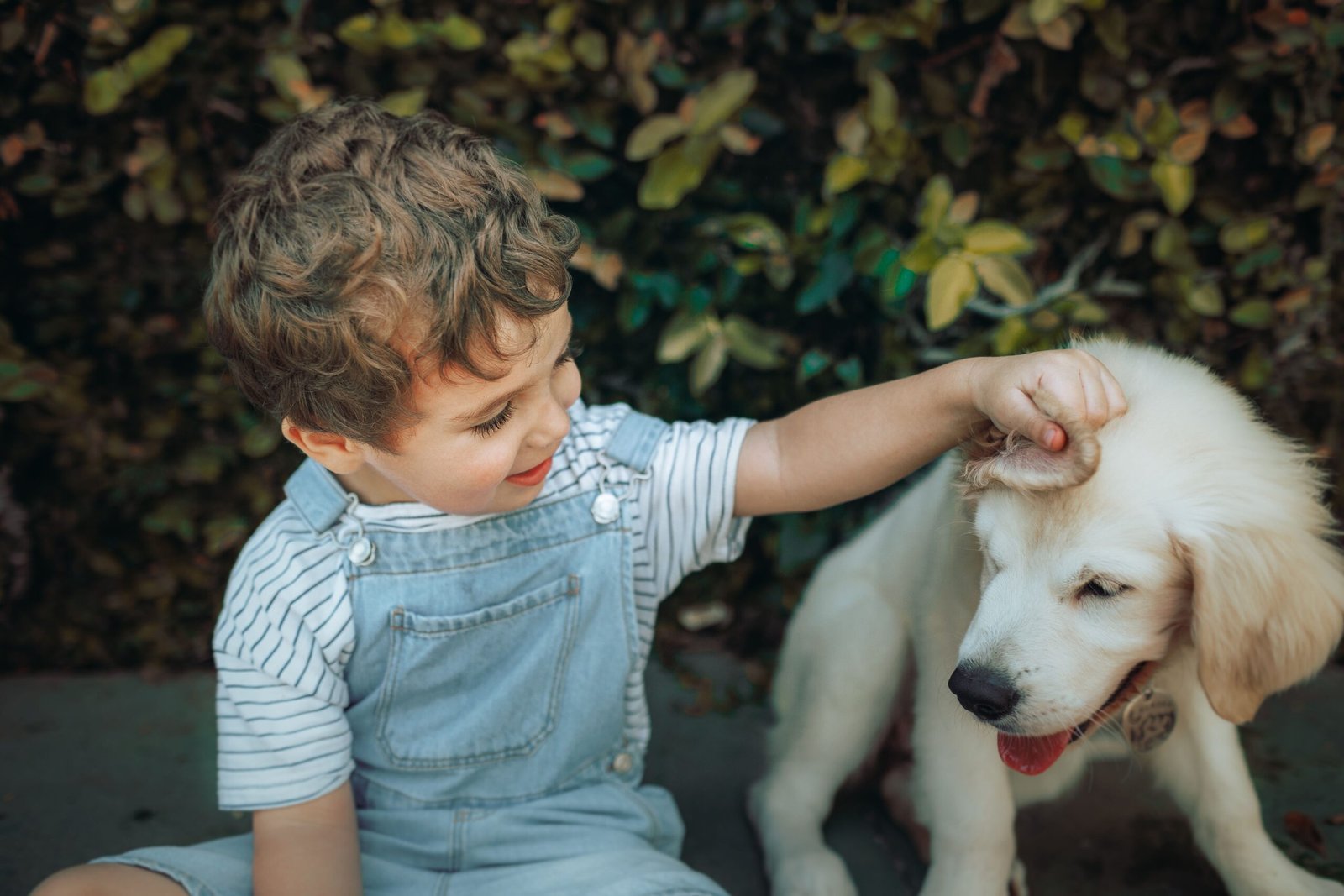
Your family already boxed up the decorations, deleted the blurry photos, and started arguing about where to go next year. Your dog hasn’t moved on at all. While you were laughing at dinner or fighting over parking, your dog’s brain was quietly filming a completely different version of that holiday – one built from smell, sound, and the small emotional cracks nobody else noticed.
That’s not sentimental exaggeration. Behavioral research shows dogs form vivid emotional snapshots around disruptions to routine, and holidays are basically an avalanche of disruption – strange smells, broken schedules, too many voices, too much silence. Here are the 14 moments still living rent-free in your dog’s memory, long after your family stopped talking about that trip.
#14 – The Suitcase Panic Before You Even Leave
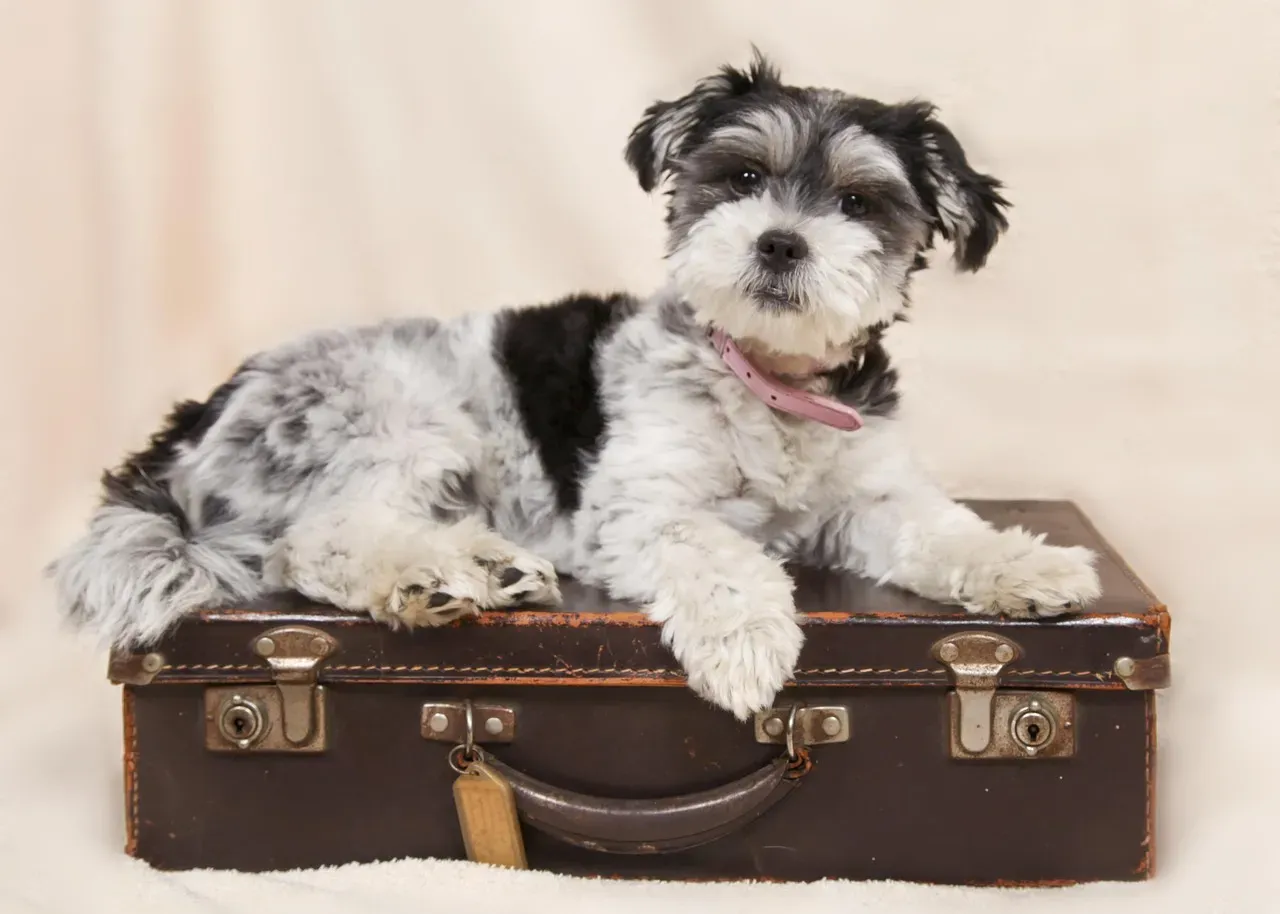
Your family remembers “that trip” by the airport drama or the hotel pool. Your dog remembers the first zip of the suitcase. To a dog, luggage isn’t just a bag – it’s a pattern: suitcase out equals routine broken equals someone about to disappear. Even if you swear you’ll be right back, your body language changes, you move faster, and the house fills with that charged, leaving-energy hum.
Most families forget how agitated the dog got that morning – the whining, the shadowing from room to room, the refusal to eat breakfast like normal. Your dog doesn’t forget. The next time a suitcase appears, you’ll see it again: lip licking, pacing, those worried eyes. That’s not drama. That’s memory, and it can stick for years.
#13 – The Car Ride That Felt Wrong From The First Turn
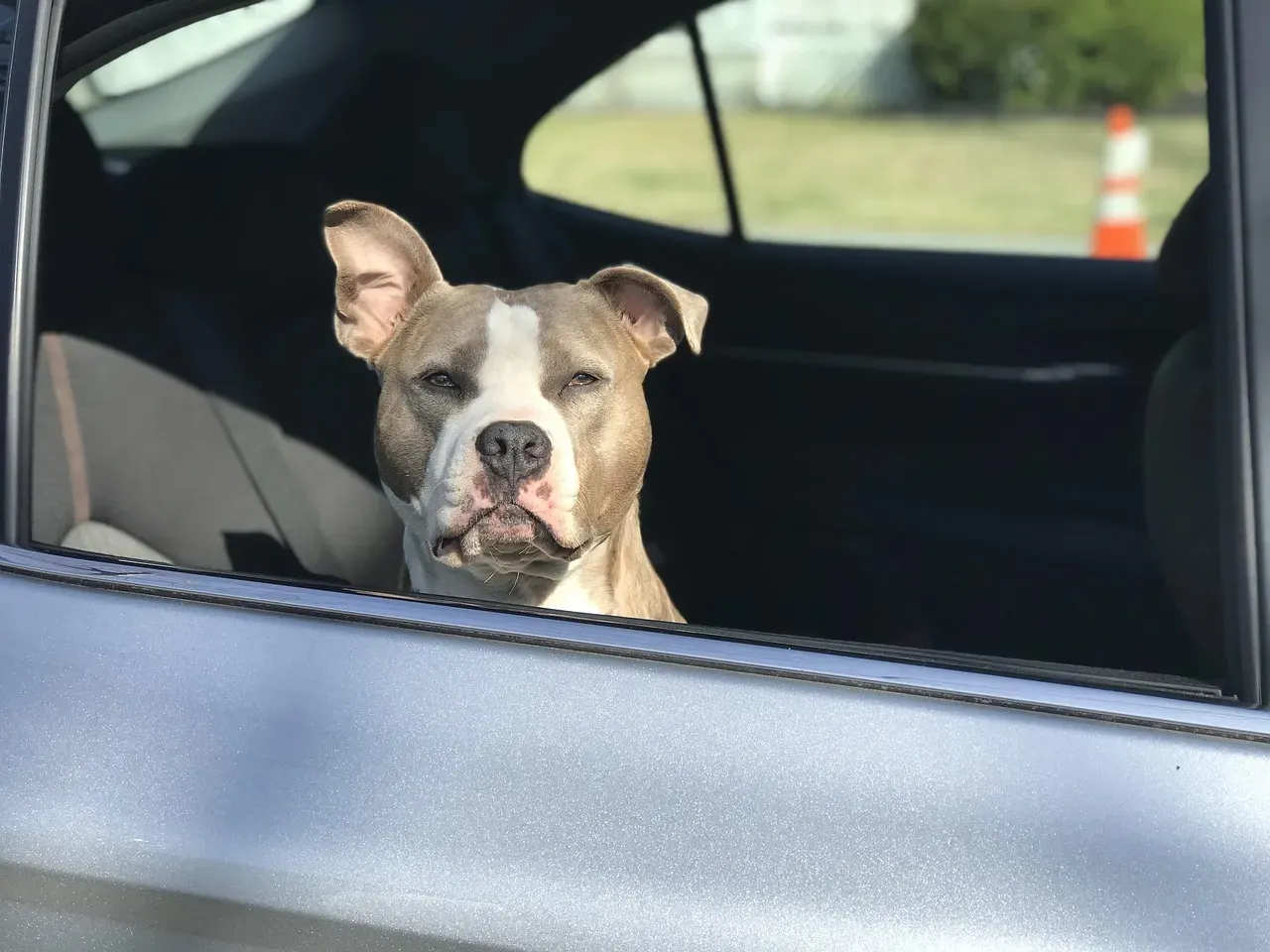
Humans remember the destination. Dogs remember the route. You might barely recall the drive to the cabin or the trip to Grandma’s, but your dog remembers that this ride didn’t go to the park, the vet, or anywhere familiar – it bent the rules of its internal map. Dogs build mental maps from smell, turns, speed, and the emotional tone of the humans up front, and a tense “we’re late” drive stamps harder than any selfie ever could.
Maybe you argued, maybe traffic was brutal, maybe your dog slid around in the backseat because the luggage stole its usual spot. Those details fade for you but become a sensory file for your dog: the rattling suitcase, the cold AC, the oddly long stretch between familiar smells outside. Next time you make that same exit, watch for it – ears perk, tail shifts, pupils widen. That’s the stored holiday ride coming back online.
#12 – The First Step Into A House That Smelled “Wrong”
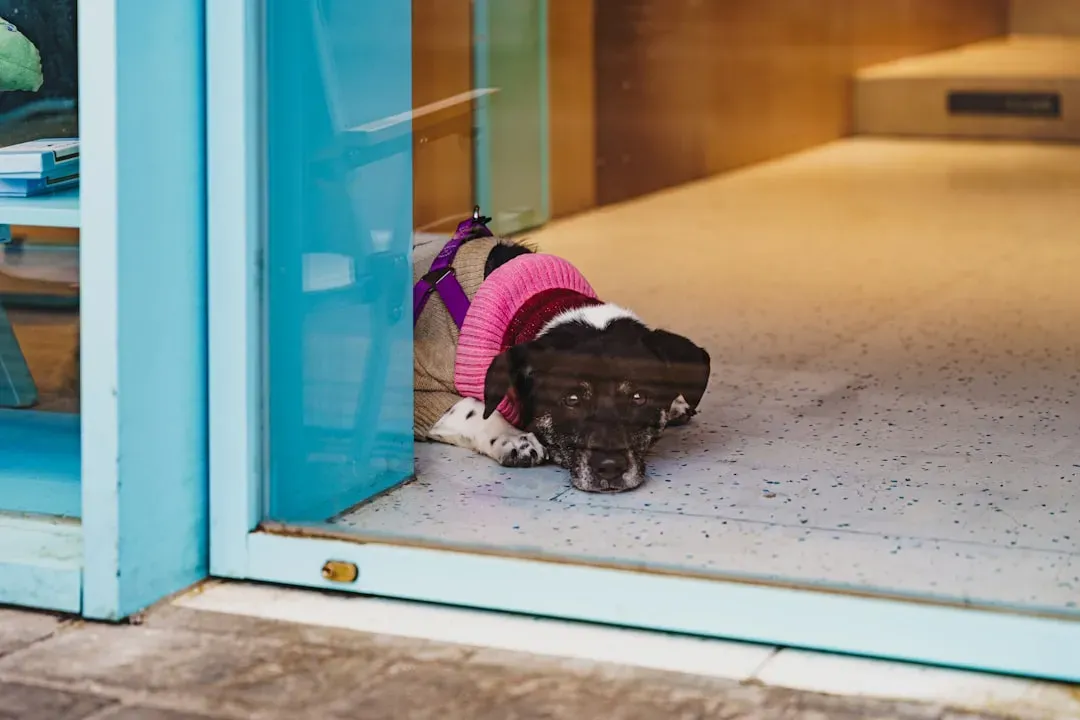
Your family saw décor. Your dog saw data. Walking into Grandma’s house, a rented cabin, or a friend’s place at Christmas is a full-body download for a dog – new floor textures, echoing rooms, food smells baked into furniture, traces of other animals. Your dog’s nose absorbs more information in seconds than your eyes take in all day. You remember the tree in the corner; your dog remembers exactly where the neighbor’s cat once marked the rug beneath it.
Most people forget how nervously their dog paced that first day, or how they sniffed the same doorway ten times in a row. That wasn’t random holiday jitters – it was serious mapping, your dog deciding what’s safe and where you tend to disappear. Weeks later, a single whiff of that same doormat or cleaning product can pull the entire “holiday house” file right back to the surface.
Fast Facts
- Dogs have roughly 300 million scent receptors, compared to about 6 million in humans.
- The brain region dogs use to analyze smell is proportionally far larger than the same region in the human brain.
- Every dog’s nose print is unique, similar to a human fingerprint.
- Dogs can detect certain scents diluted to parts per trillion – which is why one “wrong” smell can flood their whole system.
#11 – The Room They Claimed As Their Safe Zone
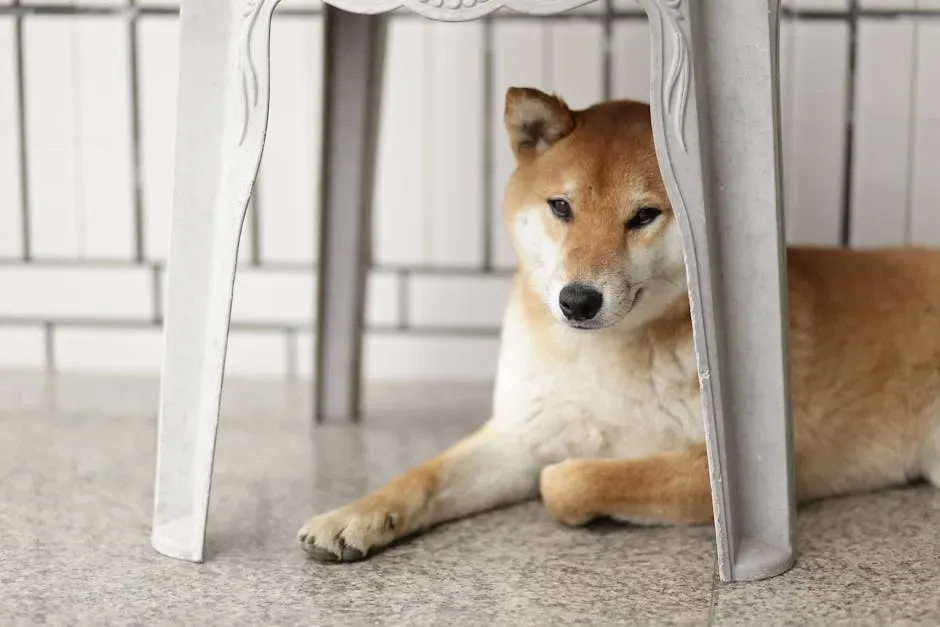
While your family argued over who got the good bedroom, your dog quietly picked a bunker – under the kitchen table, behind the couch, on a rug near the back door. That spot becomes their emotional anchor, the one place that stayed the same while everything else spiked with noise. They’re not being antisocial. They’re managing overwhelm the only way they know how.
You probably don’t remember exactly where they curled up that week, or how often they slipped away there between the chaos. Your dog does – that corner gets fused to the safety of the entire trip, the same way you might remember a childhood reading nook. Some dogs will march straight to the same type of hiding spot in future unfamiliar places, still scanning for that same sliver of comfort.
#10 – The One Relative They Never Fully Trusted
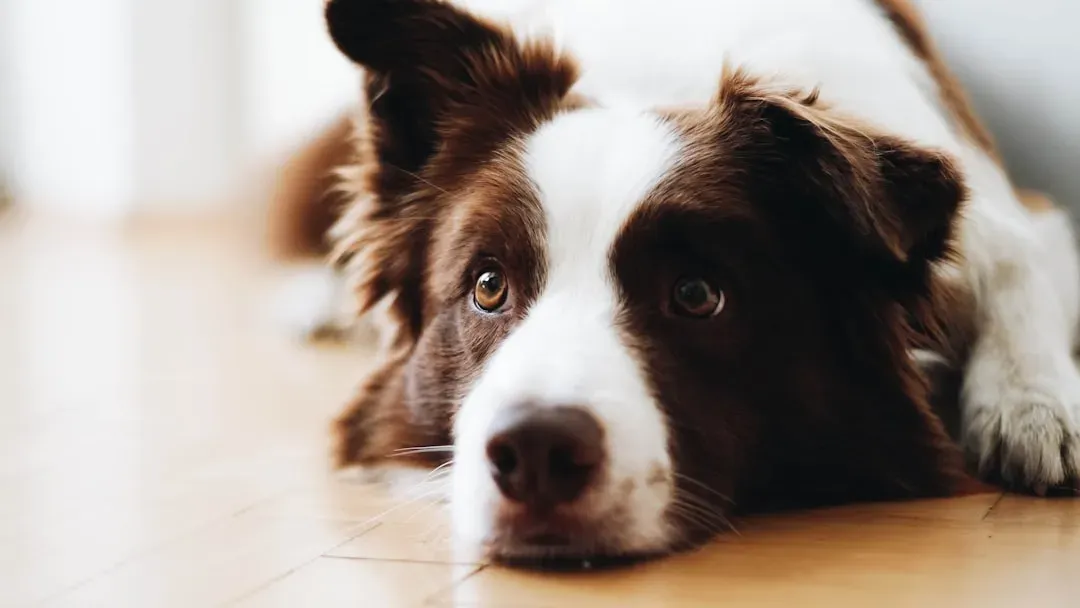
Every family has that one person. You remember them by their jokes or their politics; your dog remembers their energy. The uncle who insists on roughhousing, the cousin who reeks of three other dogs, the friend who grabs at your dog’s head for a selfie – dogs notice inconsistent behavior faster than humans do, and they rarely forget who ignored their boundaries.
You might insist, “Oh, he always loved Aunt Karen,” because you remember a cute photo. Your dog remembers whether Aunt Karen respected space, how she moved after a drink, how fast she reached in. If your dog hid behind you every time she walked in, that’s the memory that sticks – a walking stress trigger wrapped in perfume. Months later, a stranger with a similar scent or gait can trip the exact same wary reaction.
#9 – The Kid Who Actually Played On The Dog’s Terms
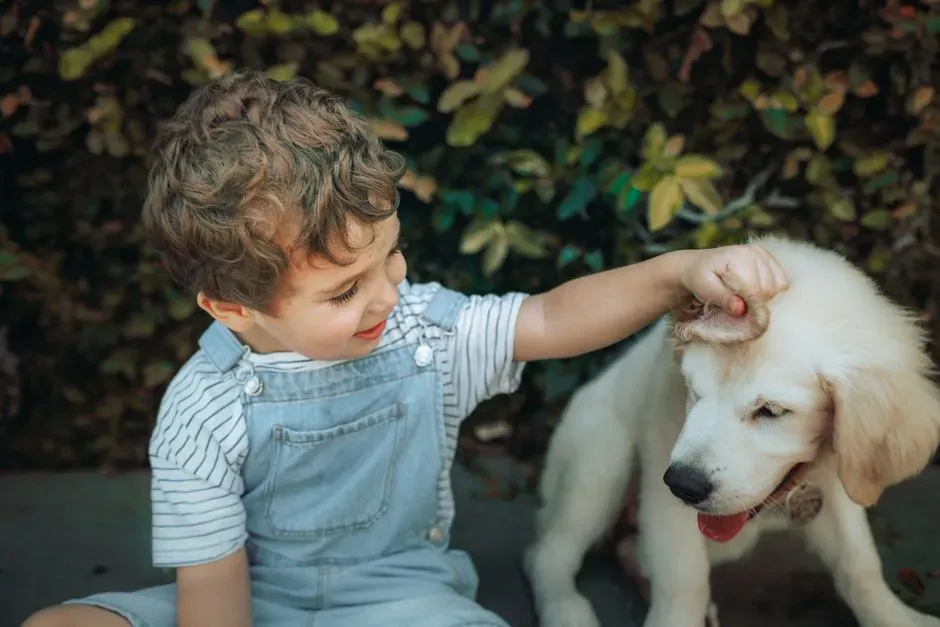
Here’s the twist: it isn’t always the adult who leaves a mark. Most kids grab, chase, and squeal. One kid sits on the floor, waits, and lets the dog come to them instead. Dogs remember the rare humans who speak “dog etiquette” without ever being taught. That quiet niece who tossed the ball gently and never pulled an ear becomes a small, glowing memory anchor.
Your family may barely remember that pairing – cute for five minutes, then forgotten. Your dog doesn’t. The soft tail-wag, the loose body language, the way they lit up whenever that child walked in the room – those emotions get filed away and reused. Long after everyone else forgets that visit, a similarly sized child moving the same slow, respectful way can trigger what looks like instant trust. It isn’t random. It’s a callback to one overlooked holiday friendship.
#8 – The Walk Through A Landscape That Wasn’t Home
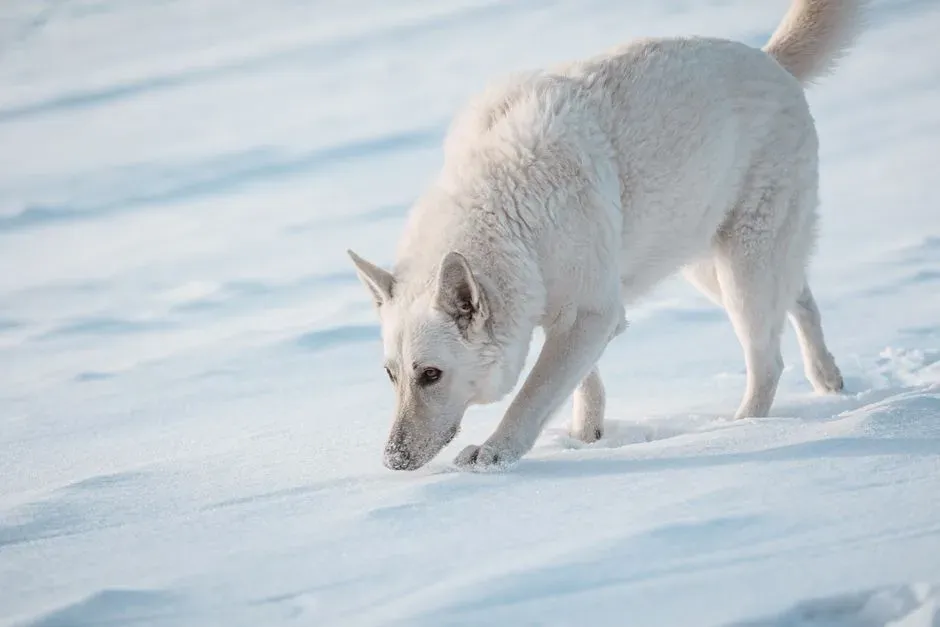
Your family remembers “that hike” in a vague, filtered way. Your dog remembers the ground, the air, and the way your gait changed on unfamiliar trail. A walk somewhere completely different – beach instead of suburb, snow instead of sidewalk – is a full-sensory event, and dogs store “scent pictures” of environments that can sit in memory for years.
You probably forgot the exact spot your dog froze at a strange rustle, or how they squinted against glare off the water. Those micro-moments are exactly what your dog kept. Smell seawater miles from any coast, or catch that same pine-heavy winter air, and their body may react with sudden excitement or caution before you even notice the trigger. To you it was nice exercise. To them, it was proof the world is bigger and stranger than the usual block.
#7 – The Night Everything Got Too Loud
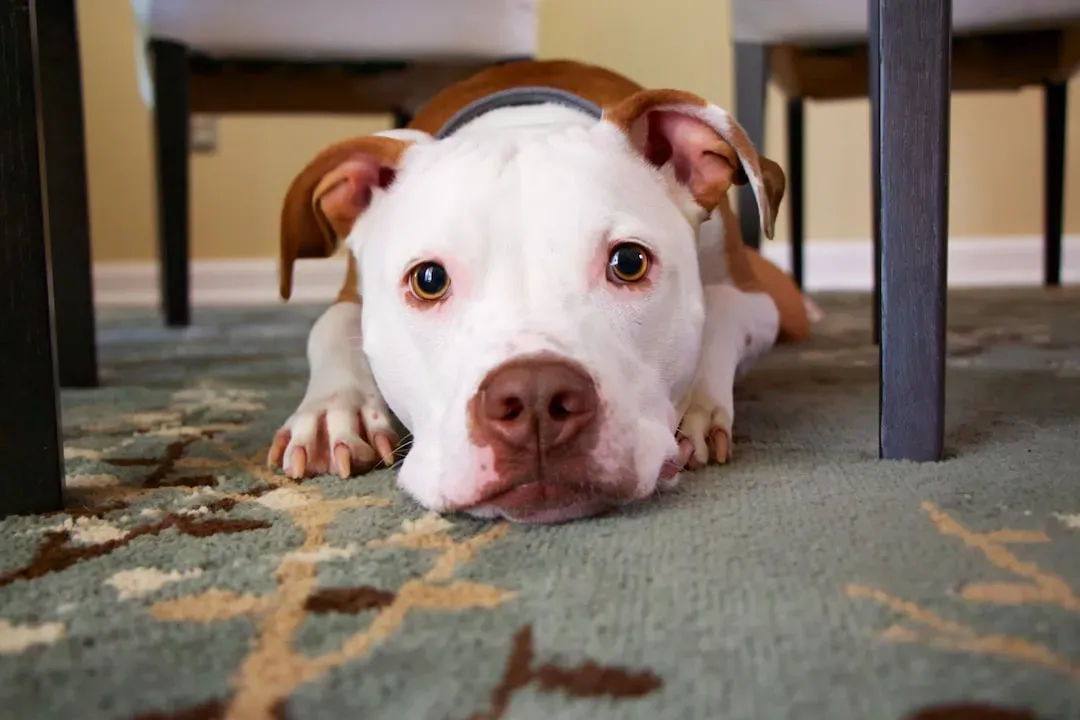
Every holiday has That Night – fireworks, blaring music, too many voices, maybe a thunderstorm stacked on top. Humans remember the playlist and the jokes. The dog remembers the feeling that the walls were shaking and there was nowhere left to escape. Noise isn’t just sound to a dog; it’s vibration and pressure against ears far more sensitive than ours.
You might dimly recall your dog “being kind of clingy” or hiding under the bed. For them, that night filed “booms outside plus flashing lights plus distracted humans” as a trauma combo. That’s why, years later, something as small as a dropped pan or a neighbor’s fireworks can trigger what looks like an overreaction. It isn’t. It’s a replay of one night nobody else remembers clearly.
Quick Compare
- Human hearing range: roughly 20 Hz to 20,000 Hz
- Dog hearing range: roughly 40 Hz up to 45,000 Hz, tuned for sharp, high-pitched sound
- Detection distance: dogs can often pick up sounds from about four times farther away than people can
#6 – The Strange Bedtime When No One Followed The Rules
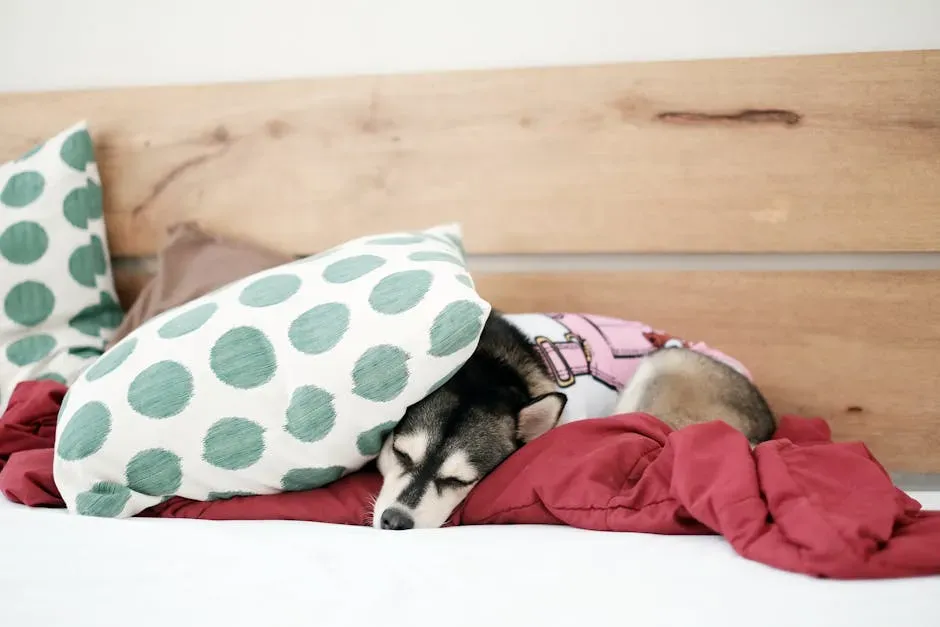
On holidays, bedtime dissolves. Kids stay up late, adults crash on the couch, lights stay on for hours too long. To a routine-driven dog, that’s unforgettable chaos. Dogs use your nightly patterns as their primary clock, and a holiday can smash that clock to pieces overnight.
You probably remember being tired the next day and nothing else. Your dog remembers padding around confused, checking rooms, whining softly because nobody went to bed where or when they were supposed to. That’s why some dogs seem unsettled for days after getting home, pacing at night or waking you early – they’re quietly trying to reassemble rules they watched get broken.
#5 – The Forbidden Food That Slipped Through
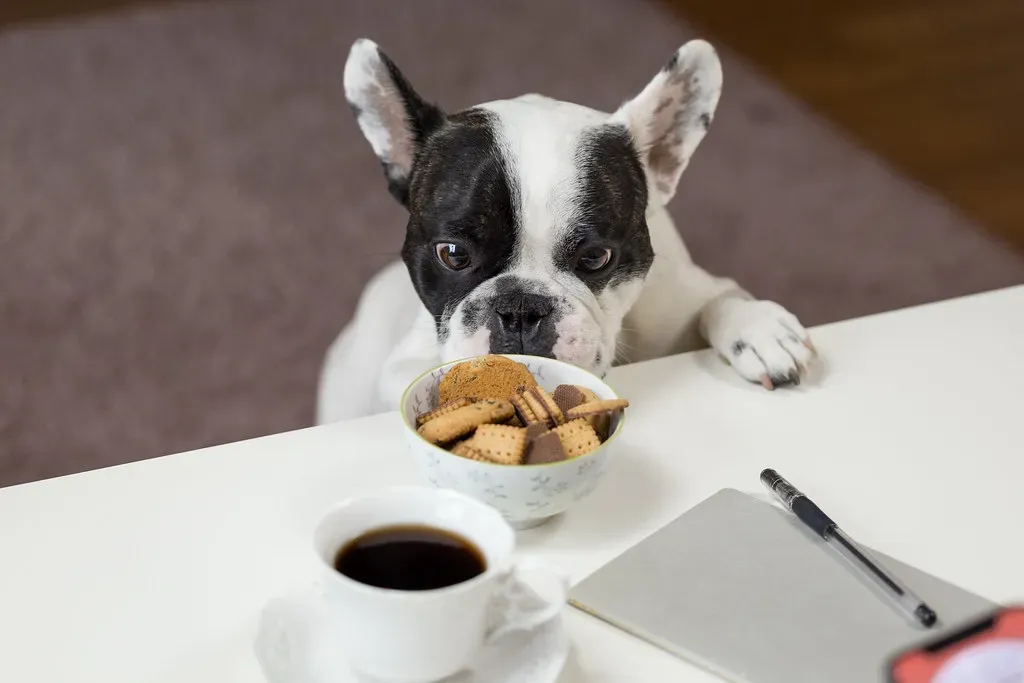
You forgot the dropped turkey skin. Your dog absolutely did not. Holiday tables are a minefield of new smells and potential jackpots, and it only takes one plate left too low, or one relative who thinks it’s “mean” not to share. A single stolen sausage or gravy-soaked plate is enough to rewire your dog’s expectations around every gathering that follows.
You remember the food coma. You don’t remember that your dog hovered under one specific chair because “that’s where the magic happened.” Dogs build powerful reward memories around taste, which is why they bee-line for that same spot at every future dinner, eyes locked on the same soft-touch relative. As far as your dog is concerned, that one holiday proved the rules can break, and meat really can fall from the sky.
#4 – The Long, Lonely Hours Everyone Assumed They’d Be Fine
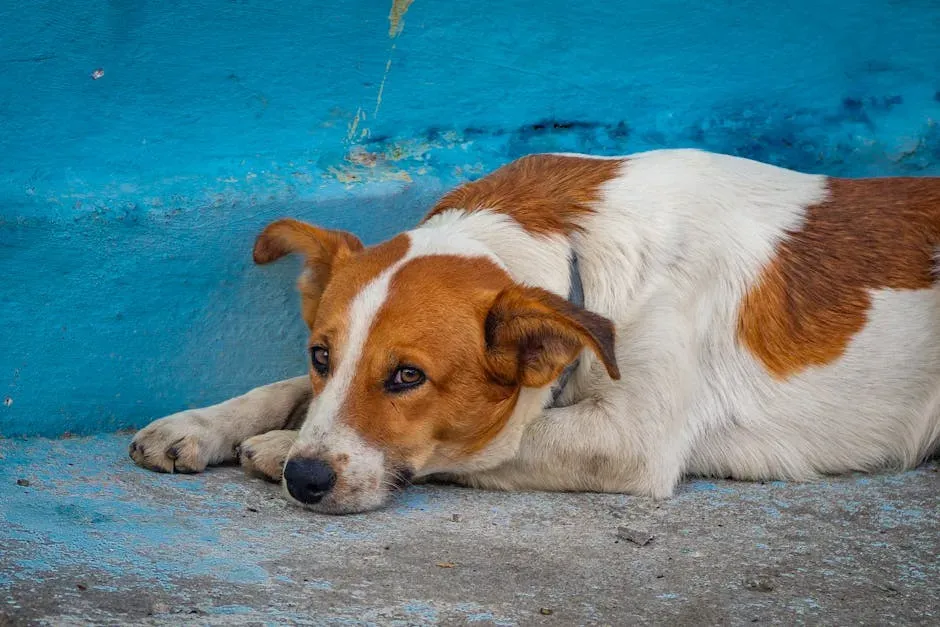
Here’s the part families don’t like admitting. Holidays often mean leaving the dog alone longer than usual – church, events, day trips where “no pets allowed.” You saw it as a few rushed hours. For a dog used to constant company, that stretch in an unfamiliar house can feel like an abandonment experiment they never agreed to.
You remember rushing out the door. Your dog remembers the click of an unfamiliar lock, the house settling into silence, cars passing outside that never matched yours. That’s when the shredding, barking, or stress accidents happen – behaviors that get blamed on the dog instead of the situation that caused them. When you finally came back relieved nothing was destroyed, your dog was busy memorizing the exact pattern of your return, desperate to know if it would happen again.
Worth Knowing
- Excessive drooling, pacing, or whining shortly after you leave
- Destructive chewing focused on doors, windows, or exit points
- House-soiling despite being fully house-trained
- Frantic greeting behavior on your return, followed by unusual clinginess
#3 – The Quiet Moment When Someone Finally Noticed Them
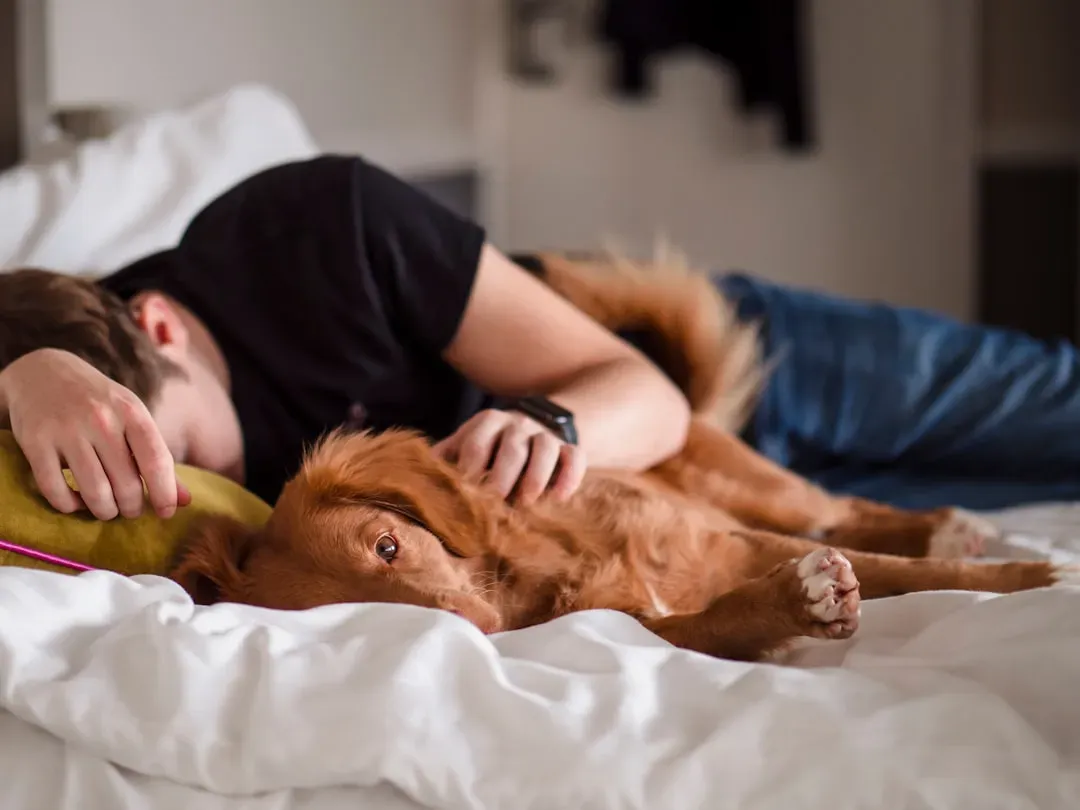
Every chaotic holiday hides one tiny, sacred moment – someone steps out of the noise, sits on the floor, and just breathes with the dog. Maybe it was after the dishes, maybe late at night on a cold porch while everyone else scrolled their phones. For a dog who spent the day overstimulated or ignored, ten minutes of undivided, calm touch can outweigh twelve hours of stress.
You might barely remember that moment – a lazy ear scratch, a sleepy cuddle, a few words mumbled into fur. Your dog remembers all of it. The sigh they gave as they finally relaxed, the shift from hypervigilant to heavy-eyed, gets encoded as strongly as any fear ever does. Months later, sit on the floor in that same posture and watch what happens – the immediate, hopeful approach. That holiday wasn’t saved by dessert or presents. It was redeemed by one person who chose the dog over the noise.
#2 – The Journey Home That Felt Like A Reset
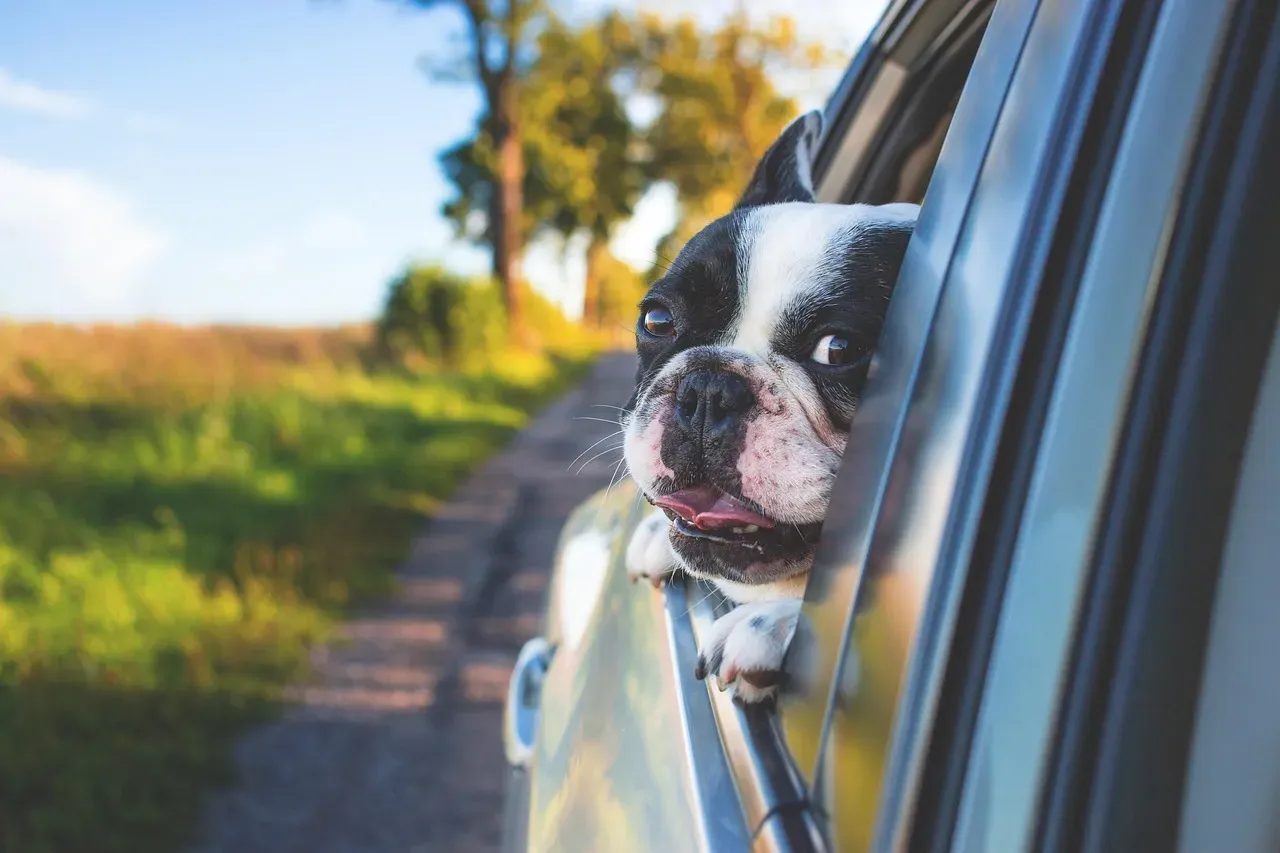
For humans, the drive home is the boring part. For dogs, it’s the emotional exhale. The car starts to smell like “you” again instead of everyone else. Voices get quieter, suitcases load in reverse. Many dogs visibly relax on the way back, filing the whole holiday into a “we survived, the pack is intact” folder.
You likely remember being exhausted, maybe already arguing about next year. Your dog remembers the scenery shifting back toward familiar roads, the gas station you always stop at, the exact curve where you usually start humming along to the radio. Watch closely and you’ll notice they lift their head earlier coming home than they did leaving – they smell the hometown air before you ever see a sign for it.
#1 – The First Step Back Onto Normal Flooring
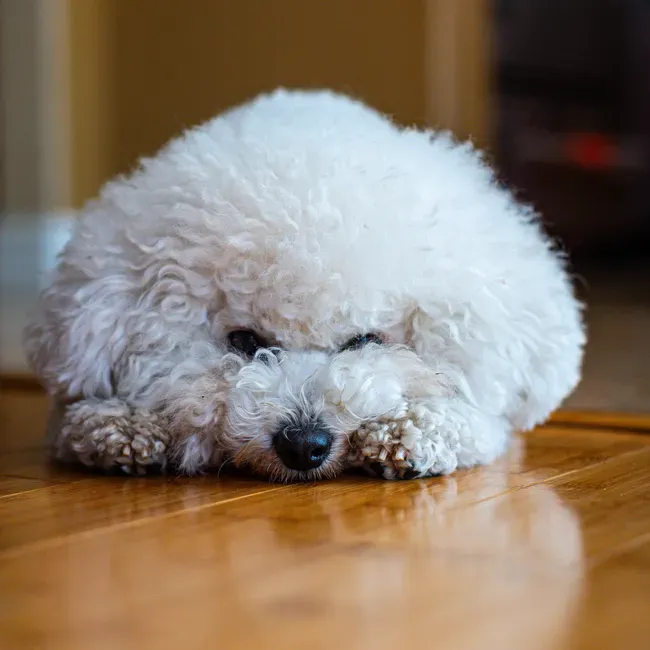
Here’s the part nobody talks about: the moment you walk back through your own front door is the scene your dog keeps forever. Not the tree, not the beach, not Grandma’s crowded living room. The first paw on their usual floor – carpet, wood, tile – is when their nervous system finally believes, “We made it back.”
You probably only remember tossing your keys in the bowl and groaning about unpacking. Your dog remembers rocketing through every room, re-checking every corner, re-validating every smell before finally doing a deep, satisfied stretch in their favorite spot. For you, the holiday blurs into a few photos and a date on a calendar. For your dog, it becomes a tightly bound chapter – anticipation, confusion, overwhelm, connection, and finally, the sweet relief of normal floors under tired paws.
At a Glance: Signs Your Dog Feels “Home” Again
- A loose, low, relaxed wag instead of a stiff or high one
- A full-body stretch or roll on the floor
- Soft eyes and relaxed ears, no longer scanning every sound
- A long exhale or sigh while settling into their favorite spot
The Bottom Line
We like to believe we’re the storytellers of the family, but dogs are archiving a completely different version of every holiday – one built from shattered routines, cataloged smells, and feelings we barely notice ourselves having. You move on from that “small” trip; your dog quietly carries its ripples into every future car ride, thunderstorm, dinner party, and bedtime.
The uncomfortable truth is that what feels forgettable to us can be foundational to them, for better or worse. Good – it should feel a little uncomfortable. Once you realize how much they’re actually keeping, you can choose better: calmer exits, safer spaces, quieter nights, and more of those quiet floor-sit moments that redeem the whole mess. So which holiday do you suspect your dog remembers more vividly than you do – and are you ready to admit why?