
12 Things a Dog Stops Doing Once It Trusts a Household Completely
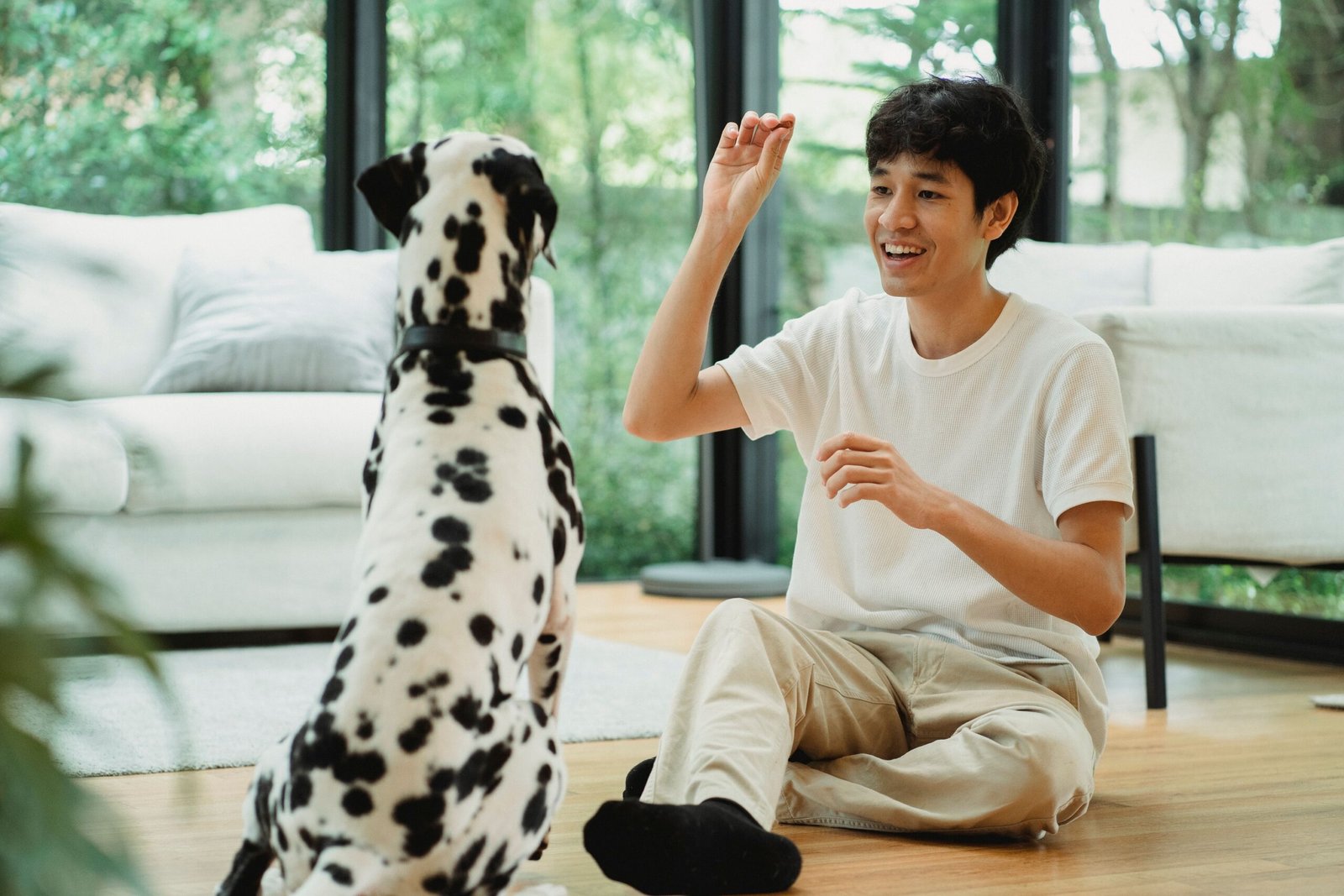
Most people think a “happy dog” is the one spinning in circles, barking at every sound, and losing its mind with joy every time you walk in the door. That’s the myth. The reality trainers see behind closed doors is almost the opposite – a truly secure dog gets quieter, calmer, and strangely predictable. The chaos you’ve been praising as “love” is often just anxiety wearing a wagging tail.
As trust in a household deepens, a dog quietly retires a whole list of survival habits most owners never even notice disappearing. These aren’t the dramatic, viral-worthy transformations you see in rescue videos. They’re small, almost boring shifts – and they’re exactly what behaviorists look for to judge whether a dog actually feels safe. Here’s what really happens, one habit at a time.
#1 – It Stops Shadowing You Like a Security Detail
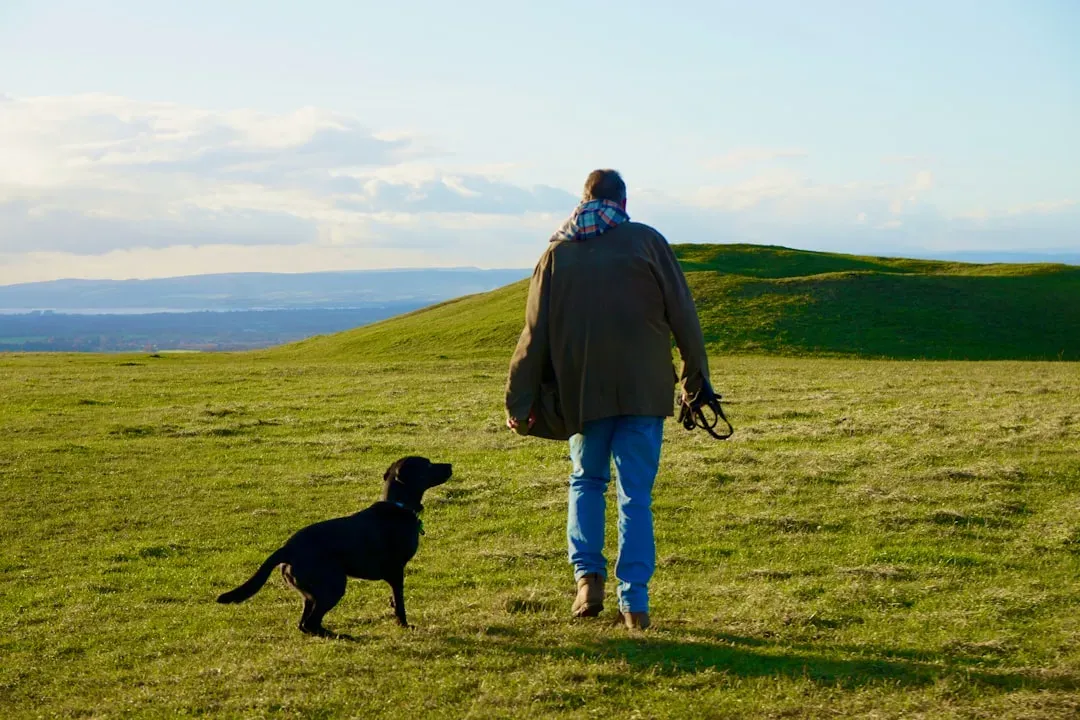
At first, many dogs follow their humans from room to room like unpaid bodyguards. It feels flattering, but it’s usually not just affection – it’s hypervigilance. A dog that hasn’t fully settled doesn’t dare lose track of the only safe thing it knows: you. It’s scanning, checking, monitoring exits, part love and part “I can’t relax because I might miss a threat… or the next meal.”
Once a dog fully trusts the household, it quietly stops acting like your shadow. It stays lounging on the couch when you move to the kitchen, or keeps napping in the bedroom while you shower. The real sign of trust isn’t that your dog is glued to you – it’s that it’s comfortable not knowing exactly where you are every second. The environment itself has finally become safe, even when you’re out of sight.
#2 – It Stops Startling at Every Noise
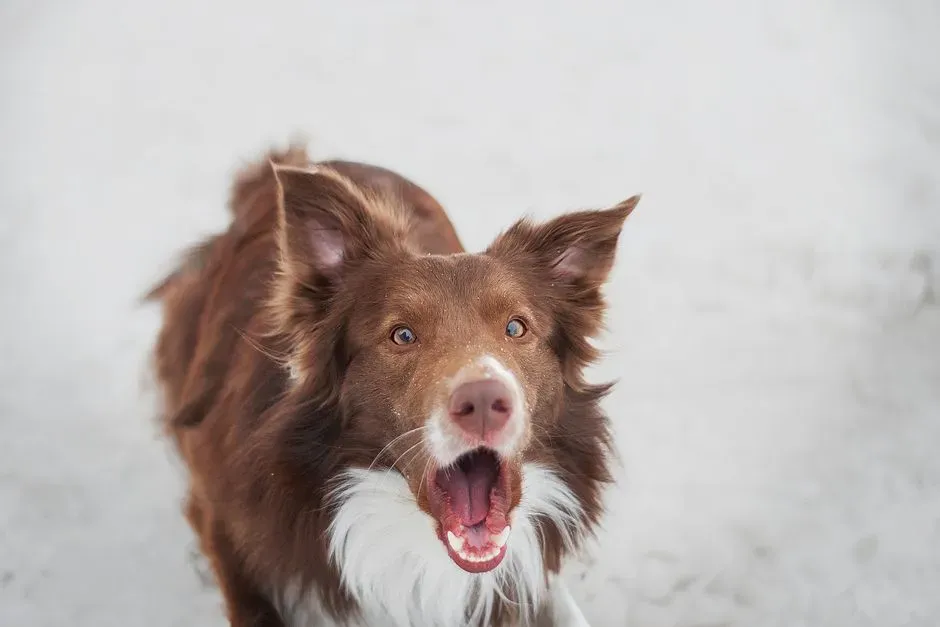
In a new or uncertain home, even the most “chill” dog can turn into a jumpy mess. Slamming doors, ice makers, the washing machine spin cycle – suddenly every sound is a potential threat. A dog that doesn’t yet trust its environment acts like it’s living in a war zone: flinching, frozen postures, rapid head turns, barking at things you barely register.
As trust builds, that constant scanning fades. A dog that truly trusts the household starts to filter out normal life noise as harmless background static. Instead of leaping up at the sound of keys or a neighbor’s footsteps, it might flick an ear and go right back to sleep. Behaviorists quietly see chronic startle as a stress flag, not the “good little watchdog” badge many owners think it is.
Fast Facts
- Dogs hear a far wider frequency range than humans, which means everyday household sounds can register as more intense to them.
- Common insecurity cues include pinned-back ears, a tucked tail, or a frozen, stiff posture.
- A relaxed dog’s ears stay loose and mobile instead of clamped flat against the head.
- As routines become predictable, startle reactions typically ease on their own without extra training.
#3 – It Stops Guarding Food, Toys, and Personal Space

Resource guarding is one of the clearest “I don’t feel safe yet” signals. In an uncertain household, some dogs hover over their bowl, stiffen if you pass, grab a toy and run, or growl if another pet gets close. This isn’t “dominance” – a word most trainers now consider outdated. It’s the dog saying, I’m not convinced there will always be enough, or that you won’t take it from me.
When a dog fully trusts its household, that edge often melts away. You may notice it walk away from a half-finished bowl without a second thought, leave toys scattered without panic, or share space with another pet more easily. Ironically, some owners misread this shift and start poking at the bowl “to show who’s boss,” which can actually bring the guarding right back. In a truly trusted home, there’s no need for power games, because the dog no longer feels like it’s living in competition.
#4 – It Stops Panic-Chewing and Destroying the House
A lot of people complain their dog “destroys everything when I leave” and chalk it up to boredom or a bad attitude. But shredded shoes, ripped pillows, and chewed door frames are often signs of anxiety and insecurity, not misbehavior. The dog is literally trying to discharge stress in a space it hasn’t fully accepted as safe.
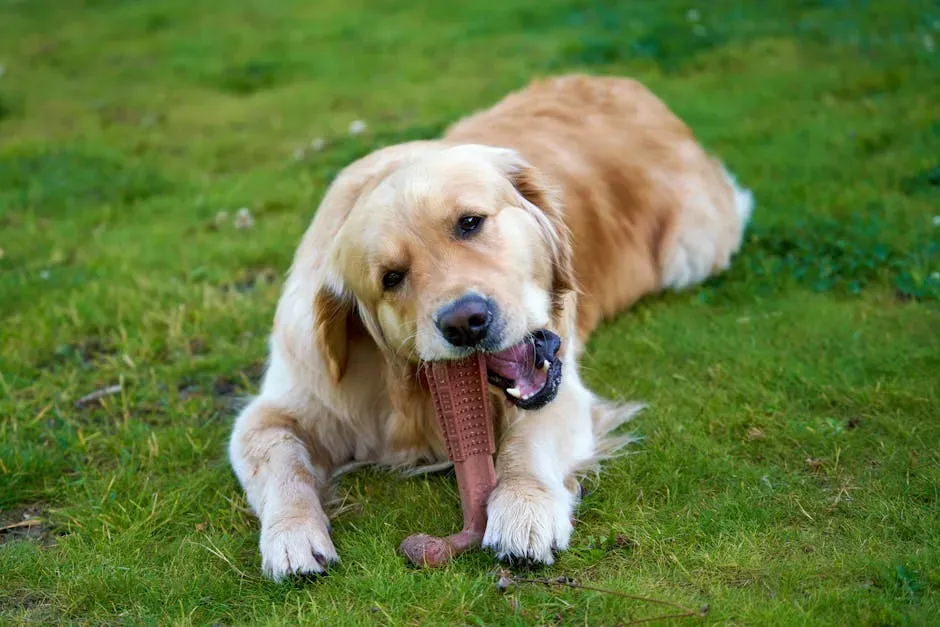
Once a dog truly trusts the household – and learns that people reliably return and nothing terrible happens while it’s alone – those frantic destruction sessions usually taper off. Chewing doesn’t disappear, but it changes in tone. You start seeing calmer, focused chewing on appropriate items like a favorite bone or a stuffed Kong. The house stops looking like a crime scene every time you step out the door.
#5 – It Stops Overreacting to Every Visitor
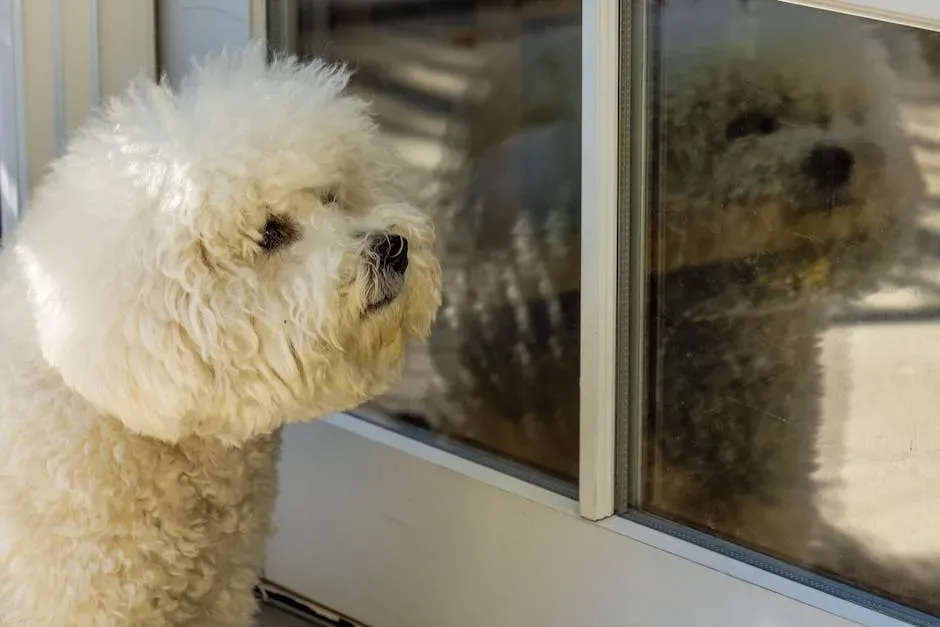
Dogs who don’t fully trust their home often turn into doorbell disasters – explosive barking, lunging, pacing, or hiding when someone visits. It’s not just “protectiveness.” It’s often the dog assuming that anything unfamiliar automatically means danger, chaos, or rough handling.
As the household becomes a secure home base, a trusted dog relaxes its stance on strangers. It may still alert-bark – plenty of well-adjusted dogs do – but the edge fades from frantic to controlled. Instead of spiraling for thirty minutes, it gives a few barks, checks in with you, and settles. A controversial but honest truth: the loudest, most “protective” dogs are frequently the most insecure ones in the room.
Quick Compare
- Insecure dog: barks non-stop, lunges at the door, struggles to settle for the whole visit.
- Trusted dog: gives a few alert barks, glances at you for reassurance, then lies back down.
- Insecure dog: hides, paces, or trembles until the guest leaves.
- Trusted dog: greets calmly or simply observes from a comfortable distance.
#6 – It Stops Hiding Its Real Needs and Discomfort
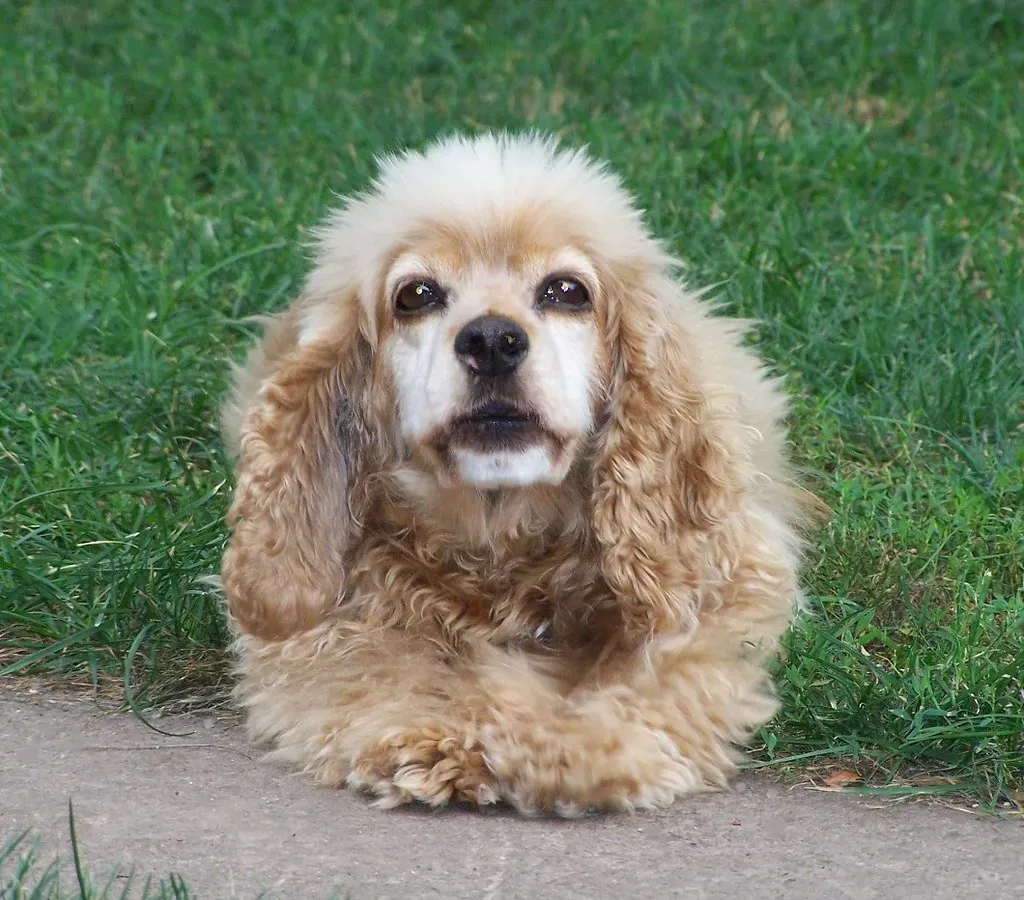
Dogs that aren’t fully secure are weirdly polite. They hide pain, suppress fear, and try not to “bother” anyone. Think of the dog that never asks to go outside until it’s an emergency, or the one that quietly tolerates a too-small bed because it doesn’t trust its signals will be heard.
In a deeply trusted household, dogs become shockingly honest. They nudge you when they need the door open, paw you when the water bowl is empty, or whine gently if something hurts. Many owners misread this as “getting spoiled,” but it’s really the dog finally believing that expressing needs won’t lead to punishment, rejection, or chaos.
Dogs are not our whole life, but they make our lives whole.
Roger Caras
#7 – It Stops Freezing or Submitting When Touched
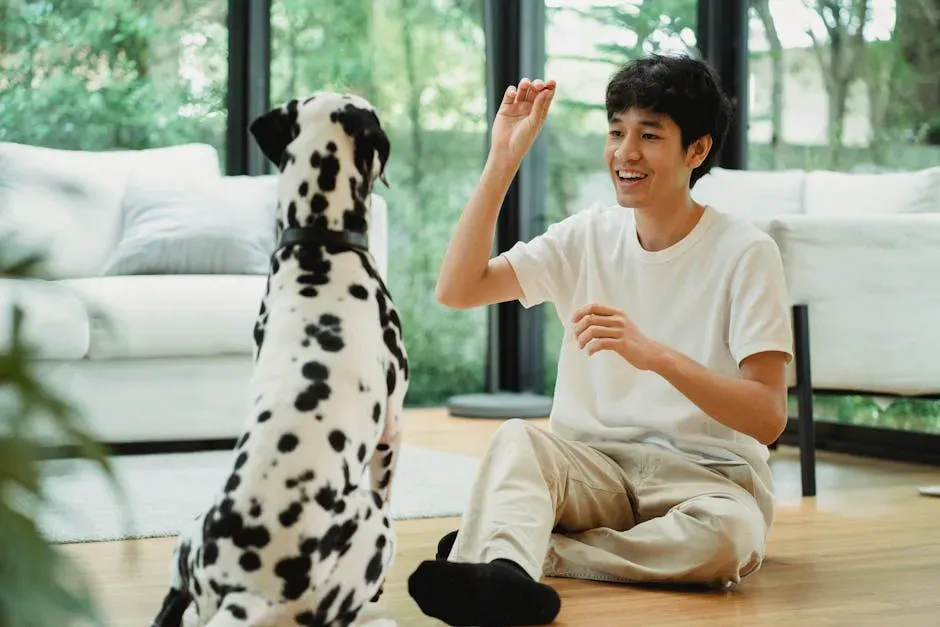
In shaky households, or with dogs who’ve had a rough history, touch can feel like a minefield. You see the dog that stiffens when you reach over its head, flinches when you move quickly, or rolls onto its back in a tense, bracing posture. This isn’t the cute belly-rub request people imagine – it’s often a submissive gesture rooted in fear.
When a dog fully trusts its people, its body tells the whole story. Handling becomes fluid. The dog leans into your hand, melts under a scratch, or sleep-breathes through a nail trim it used to dread. The freezing and shrinking away stop, replaced by soft eyes, loose muscles, and genuine enjoyment. It knows you’re not going to misuse your physical power.
#8 – It Stops Watching Other Pets Like Rivals
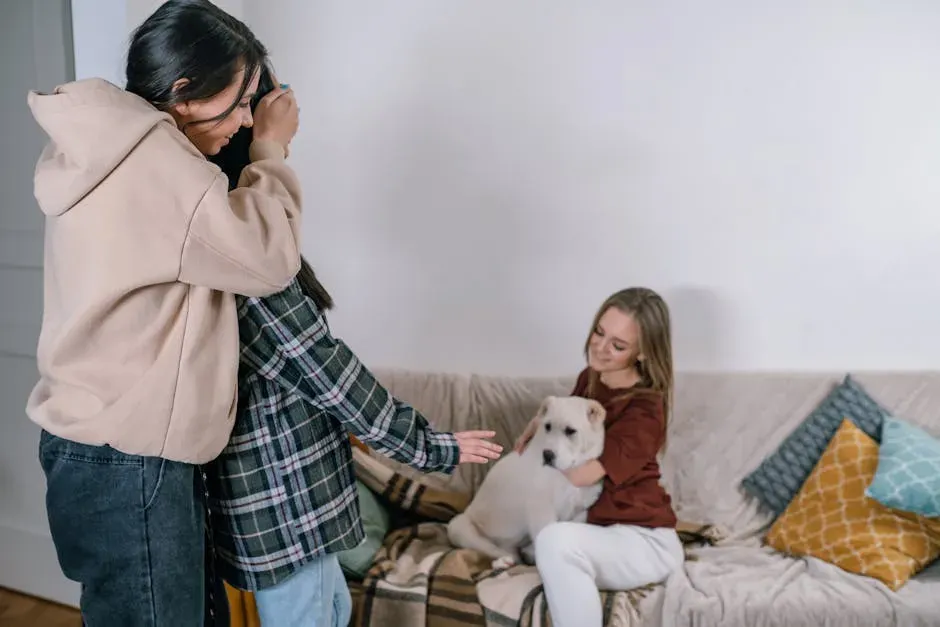
In multi-pet homes, a dog that doesn’t yet trust the “system” keeps one eye on every other animal at all times. Who’s closer to the human? Who’s nearer the food bowl? You’ll see stiff bodies on the couch, blocking behavior, or tense stares when another pet approaches. It’s less jealousy and more insecurity about their own place in the social puzzle.
Once a dog trusts that its role in the household is stable, that edgy competition dissolves. You’ll see more parallel relaxation – dogs snoozing in the same space without micromanaging each other’s every move. Not every dog becomes best friends with its housemates, and that’s fine. The real shift is that it stops treating every interaction like a ranking battle it might lose.
#9 – It Stops Testing Every Boundary Over and Over
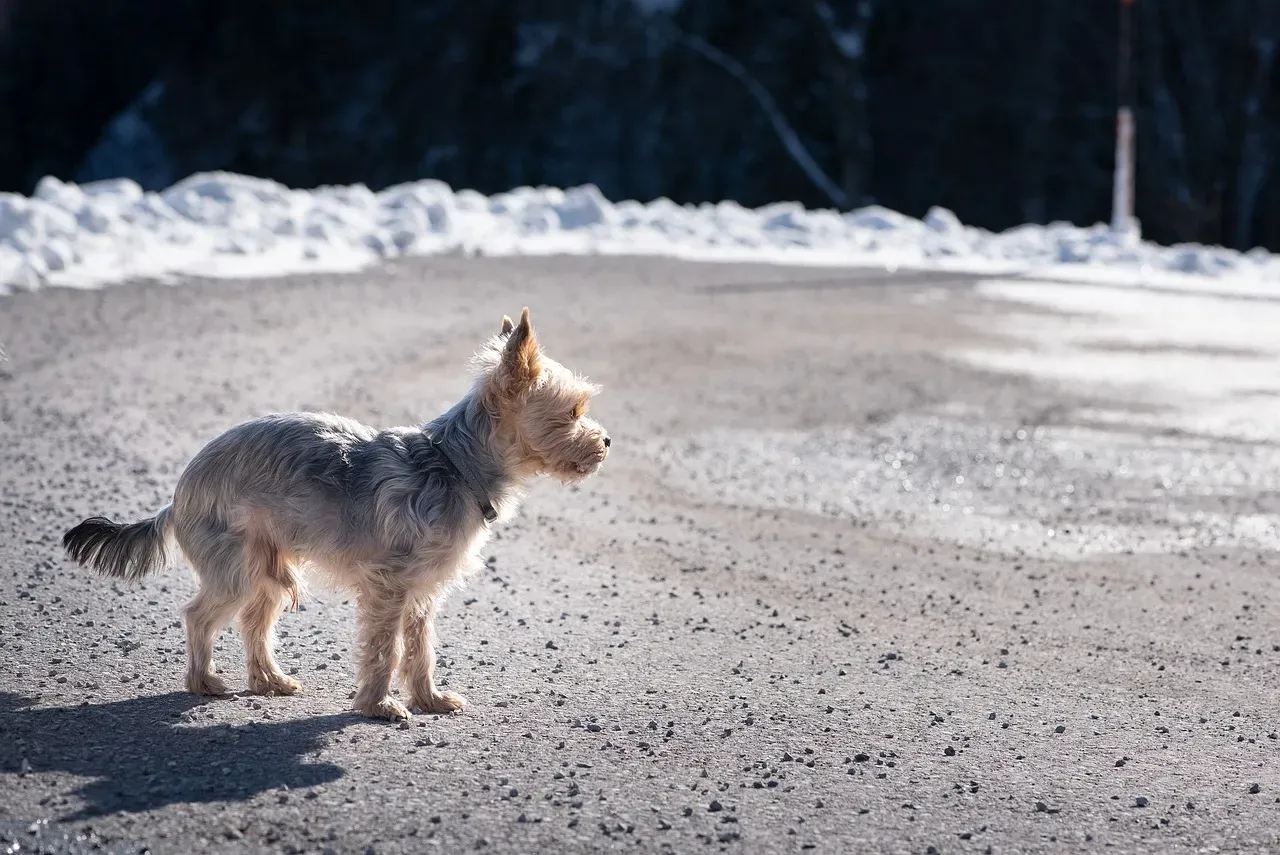
A dog that doesn’t yet trust the household rules will keep pushing them, not out of defiance, but because it’s trying to find out if anything is actually stable. One day the couch is allowed, the next day someone yells. In that kind of inconsistency, the dog keeps testing, because nothing feels predictable enough to relax into.
In a trusted home with clear, fair boundaries, the frantic rule-checking fades. You’ll see a dog that chooses the known safe behavior more easily – sitting to greet, waiting at doors, settling on a mat – because those patterns have become reliable, not random. Some owners even complain the dog has “lost its spark,” when really it has just stopped living in constant low-grade confusion.
Worth Knowing
- Consistency matters more than strictness – dogs settle faster with predictable rules than with harsh ones.
- Mixed signals, like allowing something one day and scolding it the next, can drag boundary-testing out much longer.
- Calm, clear redirection tends to build trust faster than yelling or physical correction.
- A dog that stops testing limits isn’t losing personality – it’s settling into security.
#10 – It Stops Falling Apart When You Leave

Separation anxiety is one of the clearest trust problems people gloss over. A dog that howls, drools, scratches doors, or has accidents when left alone isn’t being dramatic – it genuinely doesn’t trust that being left equals being safe. It may have been abandoned before, or the environment still feels unstable enough that your absence flips every alarm switch.
When a dog truly trusts its humans and its home, the tone of alone-time changes completely. You’ll catch it calmly chewing a toy, watching out the window, or napping while you’re gone. The emotional leap from “they left, I might die” to “they left, I’ll nap” is one of the biggest trust milestones there is – and it’s a far cry from the owners who brag their dog “screams because it loves me so much.”
#11 – It Stops Wearing a “Happy Mask” in Public
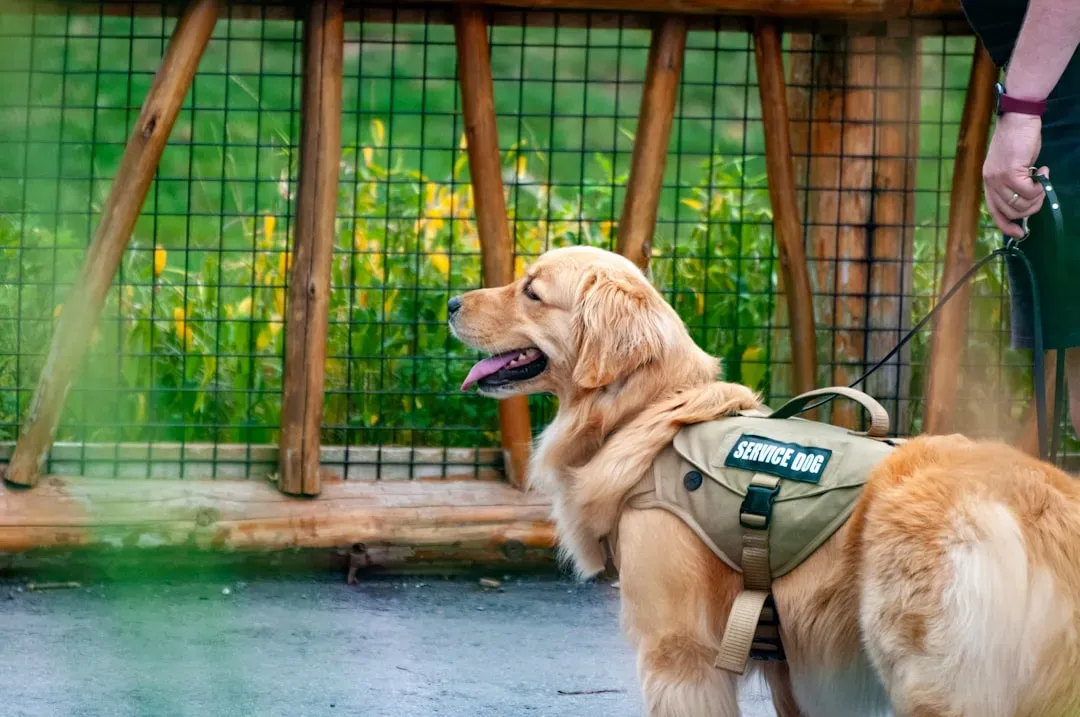
Some of the most insecure dogs are the ones that look the friendliest in public – wagging like crazy, jumping on everyone, rolling over constantly. A lot of that is appeasement, not pure joy. The dog has learned that acting over-the-top sweet makes humans less likely to scare it, grab it, or punish it – like a nervous person cracking jokes so no one notices they’re panicking inside.
When a dog truly trusts its people, it doesn’t need that mask anymore. It might calmly ignore strangers, lean into you for reassurance instead of flinging itself at new people, or sit quietly under the table instead of working the room. Some owners misread this as the dog “becoming antisocial,” but it’s often the opposite: real trust looks like honest, relaxed neutrality – not fake friendliness.
#12 – It Stops Sleeping Like a Guard and Starts Sleeping Like a Pet
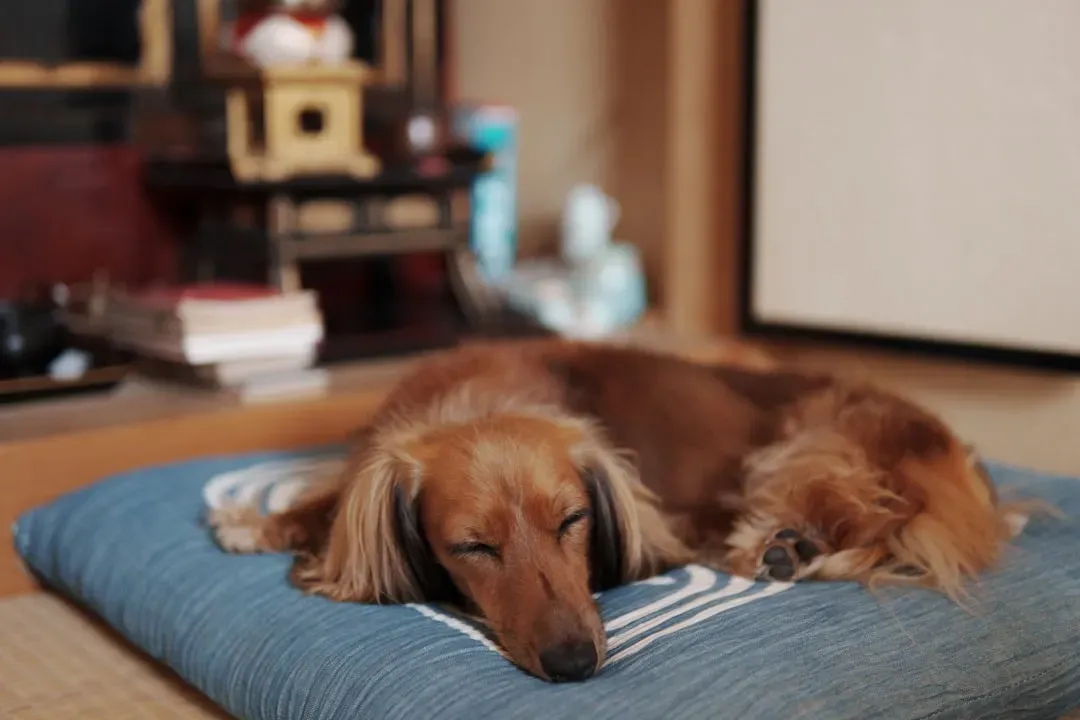
Sleep is where the truth leaks out. A dog that doesn’t yet fully trust a household sleeps light and strategic – curled tightly, facing doors, waking at every creak, choosing hard floors it can spring up from fast. This isn’t random; it’s survival programming. If you don’t fully trust your environment, your body never lets itself completely power down.
A dog that finally trusts its household stops sleeping like a guard and starts sleeping like it owns the place. You’ll see it sprawled on its back, legs splayed, snoring, belly exposed, feet twitching in dreamland. Heavy, unbothered sleep is one of the most powerful indicators of true safety – the dog isn’t posting itself on night watch anymore, because it finally believes the house will carry on fine without its constant vigilance.
At a Glance
- Curled tight, nose tucked: often a self-protective, ready-to-move position.
- Sprawled on the side or back: a classic sign of full-body relaxation.
- Facing the door: can indicate a dog still monitoring entry points.
- Deep sleep with twitching paws: suggests the dog feels safe enough to dream.
The Bottom Line

The internet loves dramatic dog stories – rescue transformations, viral “protective” clips, over-the-top greetings at the door. But the real proof that a dog trusts its household completely isn’t cinematic. It’s almost boring.
Less clinging, less guarding, less startling, fewer tests, calmer alone-time, and deep, reckless sleep are the real gold-standard behaviors. Ironically, plenty of owners mislabel these shifts as their dog “getting lazy” or “losing its spark,” when it’s actually the nervous system finally standing down. If your dog has stopped doing the anxious, over-alert, overly polite things on this list, that’s not a loss of love – that’s proof you built something solid.
And if it hasn’t happened yet, the fix was never harsher rules. It’s more consistency, more predictability, and more respect for what the dog is quietly trying to tell you. Which of these changes have you actually seen in your own dog – and which one do you think most owners still get completely backwards?