
12 Things a Search Dog Handler Can Tell About a Dog in Ten Minutes
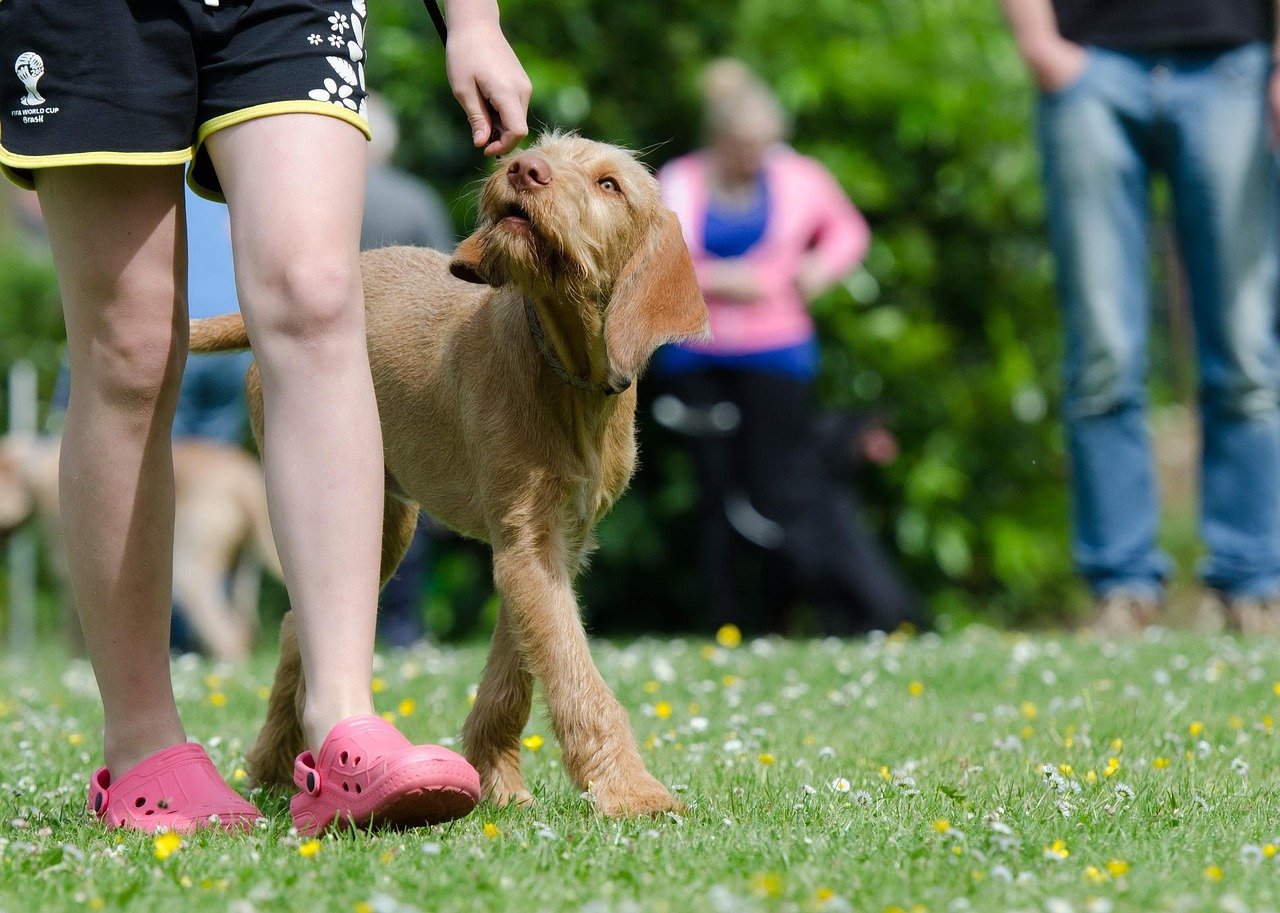
You’ve had your dog for years. You think you know every mood, every quirk, every little tell. Then a search dog handler walks in, spends ten minutes with your dog, and calmly tells you things about its personality that took you a decade to notice – if you ever noticed them at all.
It’s not a party trick. These handlers train professionally to read nervous systems, motivation, and hidden fear in dogs they’ve never met before, because in real search-and-rescue work, guessing wrong costs time nobody has. Here’s exactly what they clock in that first ten minutes – and by the end, you might start wondering what your own dog has been quietly telling you all along.
#1 – Whether the Dog Actually Wants to Work, Not Just Play
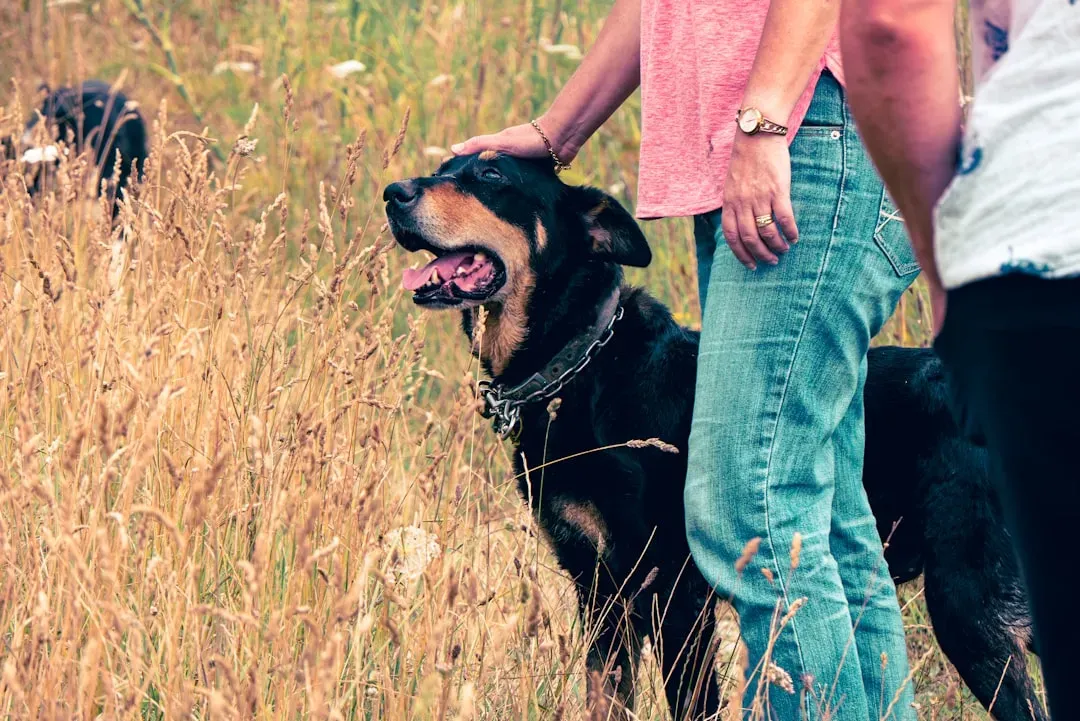
The first thing a real search handler clocks is brutally simple: does this dog genuinely want a job, or only a game? That difference shapes everything that follows. In the first few minutes, they’ll watch how the dog responds to a simple search-style setup – tossing a toy into light cover, or hiding a treat behind an object.
A true worker dog doesn’t chase once and wander off. It comes back, eyes locked in, clearly asking “what’s next?” Most family dogs will happily chase a ball, but the moment it disappears, they shrug and disengage. A potential search dog keeps its nose down, checks the same spot twice, and problem-solves instead of giving up – and that tiny window already separates a casual player from an animal with real mental grit.
#2 – The Dog’s Baseline Confidence, Whether It Knows It or Not
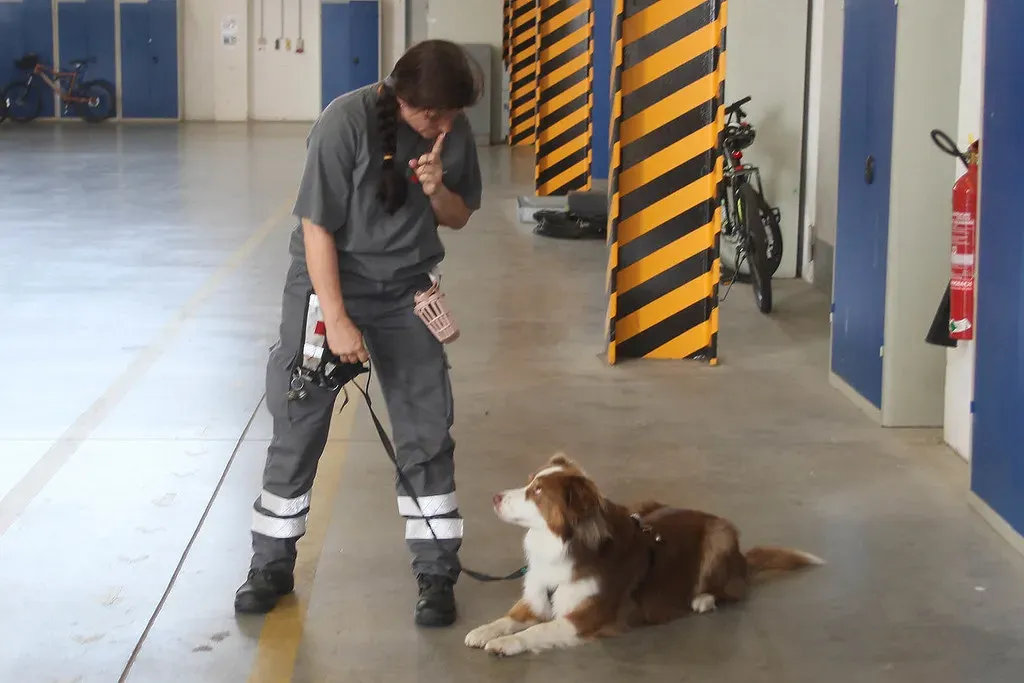
In the first ten minutes, a skilled handler can get a surprisingly accurate read on how naturally confident or insecure a dog is. They’ll introduce mild, controlled “weird” things – a metal surface underfoot, a slammed door, a flapping tarp, a stranger’s approach. They’re not trying to scare the dog; they’re watching how fast it recovers.
A confident dog might startle, then instantly reset and move in to investigate. A fragile dog freezes, clings to its handler, or refuses to go near it again. This matters far beyond search work – it predicts how a dog handles vet visits, crowded sidewalks, or fireworks season. The uncomfortable part is how often owners mislabel a scared dog as “stubborn” or “aloof.” A handler knows the difference in minutes, and quietly starts calculating how much careful exposure that dog actually needs.
Fast Facts
- Recovery speed matters more than the startle itself – fast reset means solid confidence.
- Fear is often mislabeled by owners as “stubbornness” or being “aloof.”
- A single stranger approach can reveal more than months of casual observation at home.
- The same baseline confidence shows up later at the vet, on busy sidewalks, and during fireworks.
#3 – True Nerve Strength Under Sudden Stress
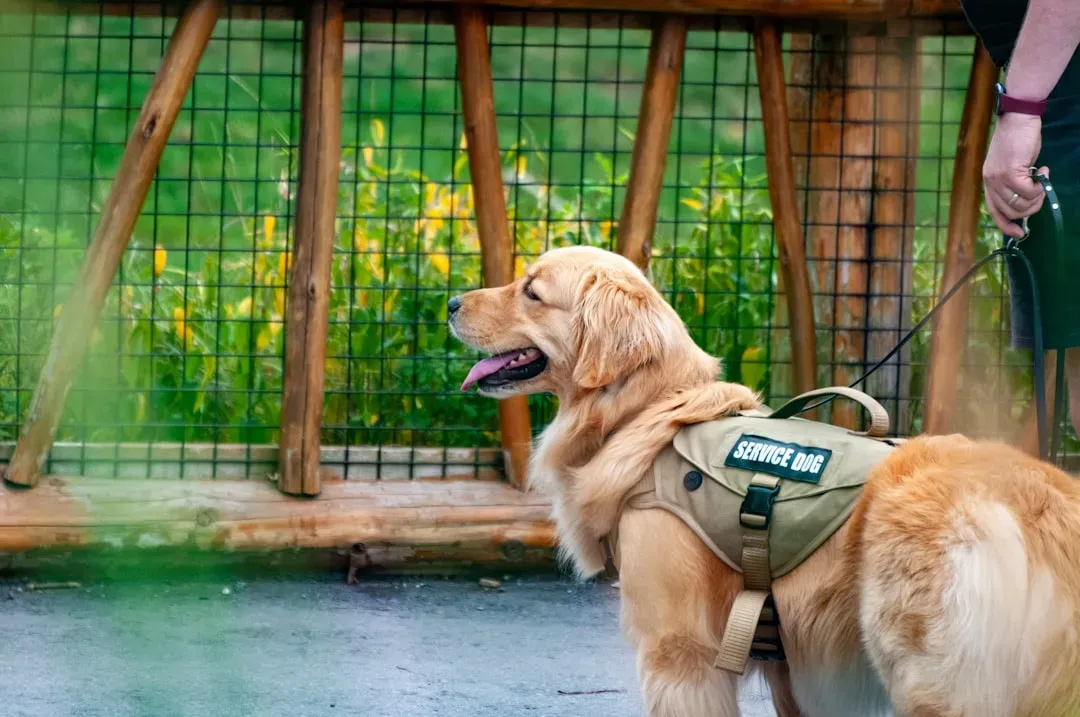
Most people think their dog is “bombproof” because it ignores the vacuum. A search dog handler tests that story fast – dropping a harmless object, making a sharp noise, moving suddenly and unpredictably. What they’re really measuring is nerve strength: how the dog’s nervous system handles a genuine surprise.
A dog with solid nerves startles, assesses, and calmly gets back to business. A weaker-nerved dog spirals – pacing, panting, refusing to re-engage. In a real emergency there are sirens, unstable footing, shouting, strange smells all at once, and a dog that unravels over a dropped clipboard in a quiet training field has no business in that chaos. Handlers watch one small detail closely: can the dog still eat, still take a toy, right after the scare? If yes, the stress is manageable. If it shuts down completely, that’s the red flag they remember.
#4 – How the Dog Handles Unfamiliar Ground
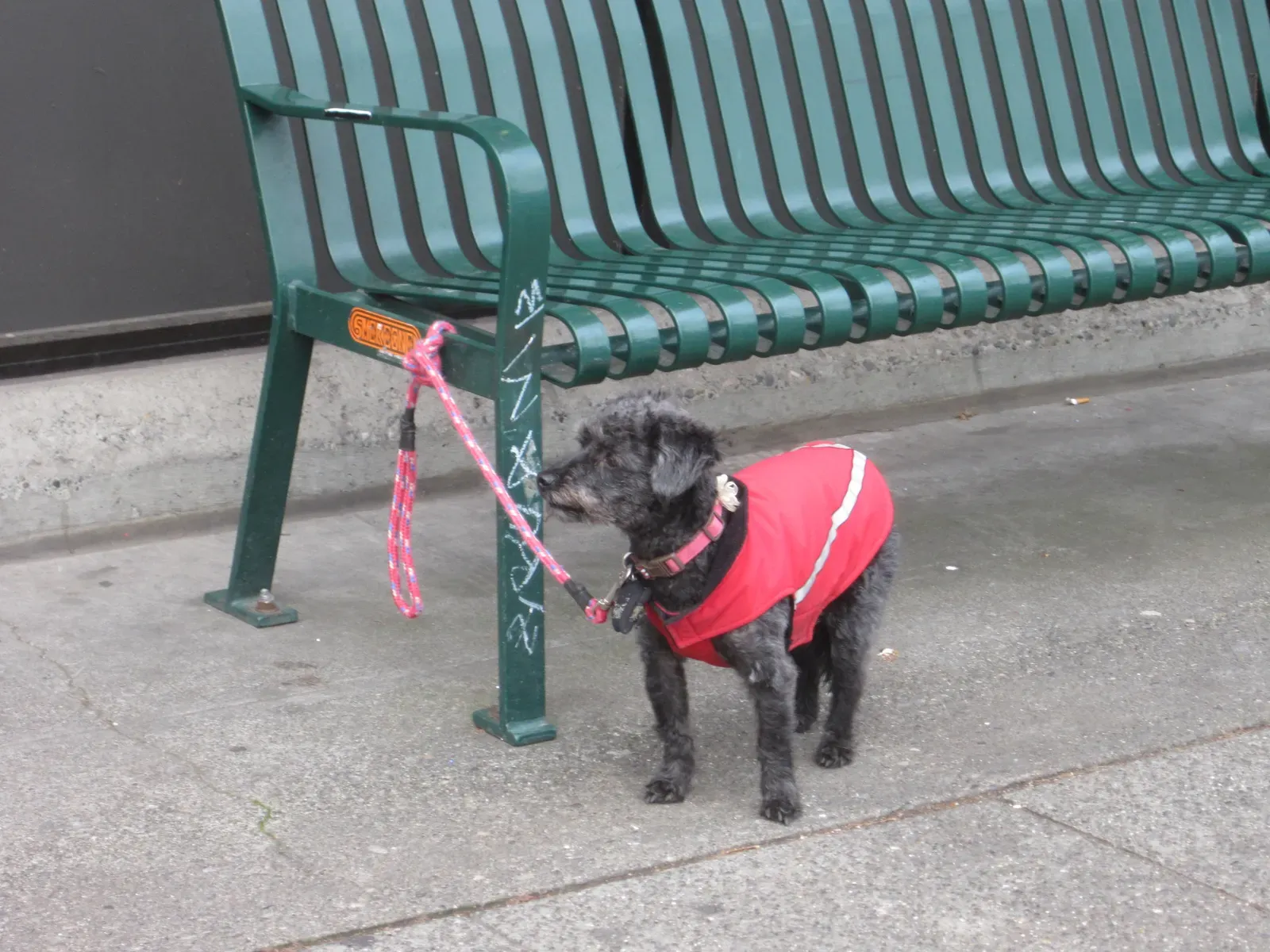
One of the fastest tells in the first ten minutes is how a dog moves across unfamiliar surfaces. Handlers love this test because it reveals so much, so quickly. They’ll guide the dog over smooth, slippery floors, metal grates or grids, and slightly wobbly, noisy platforms.
A dog comfortable with novelty pauses, adjusts, and walks on. A dog that plants its feet and refuses – or tiptoes across with claws splayed wide – is showing deep environmental sensitivity. That’s not a moral failing, but it’s a massive factor for any job that means entering attics, rubble, stairwells, boats, or elevators. Most pet owners never even think about “surface confidence,” yet a handler can tell in minutes whether a dog will fight the world with its feet or flow straight through it.
#5 – What Actually Turns This Dog On: Food, Toy, or Praise
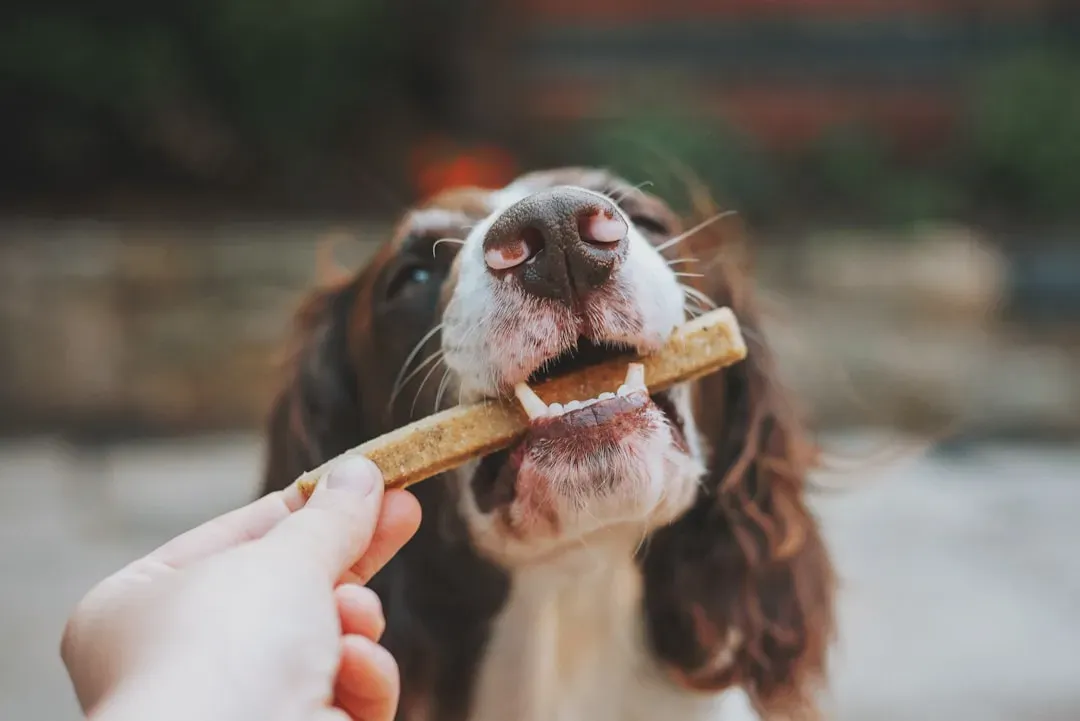
In ten minutes, a search handler will know exactly what truly motivates a dog – and it’s rarely what the owner assumes. Some dogs will sell their soul for a scrap of hot dog. Others will blow straight past steak to chase a beat-up tennis ball. And some, surprisingly, care most about a warm voice and a hand on their chest.
Handlers test all three systematically – treat, toy, animated affection – and watch which one the dog lights up for and works hardest to re-earn. That’s the real currency. A dog that’s only mildly into food won’t search hard for a biscuit; a dog that lives for its ball will drag itself over rough ground for one more throw. Handlers even notice shifting hierarchies, like food winning indoors but the toy taking over outside – a flexible read that shapes training that actually sticks.
#6 – The Difference Between “High Drive” and Just Plain Anxious

Here’s an uncomfortable truth: many dogs people proudly call “high drive” are actually anxious wrecks. A search dog handler can usually tell within ten minutes, because they watch the difference between purposeful energy and scattered stress. A working-minded dog might be intense, but it’s directed – fixated on the task, offering behaviors, locked onto the game.
An anxious dog spins, vocalizes, and ping-pongs between distractions without ever settling, even for a reward. If the dog can’t think, can’t eat, and can’t focus, that’s not drive – that’s distress, and it burns dogs out fast. Handlers watch what happens when the game pauses: does the dog take a breath and decompress, or escalate into whining and pacing? Dogs stuck in that “red-lined” state need help, not harder work, even though most owners are busy bragging about how “crazy energetic” their dog is.
Quick Compare
- High Drive: Fixated on the task, takes food or toys easily even when excited.
- Anxious: Attention scatters between distractions, food gets refused under stress.
- High Drive: Breathes, settles, and refocuses the moment the game pauses.
- Anxious: Escalates into whining, pacing, or spinning when the action stops.
#7 – What the Dog’s Body Language Reveals About Its Owner
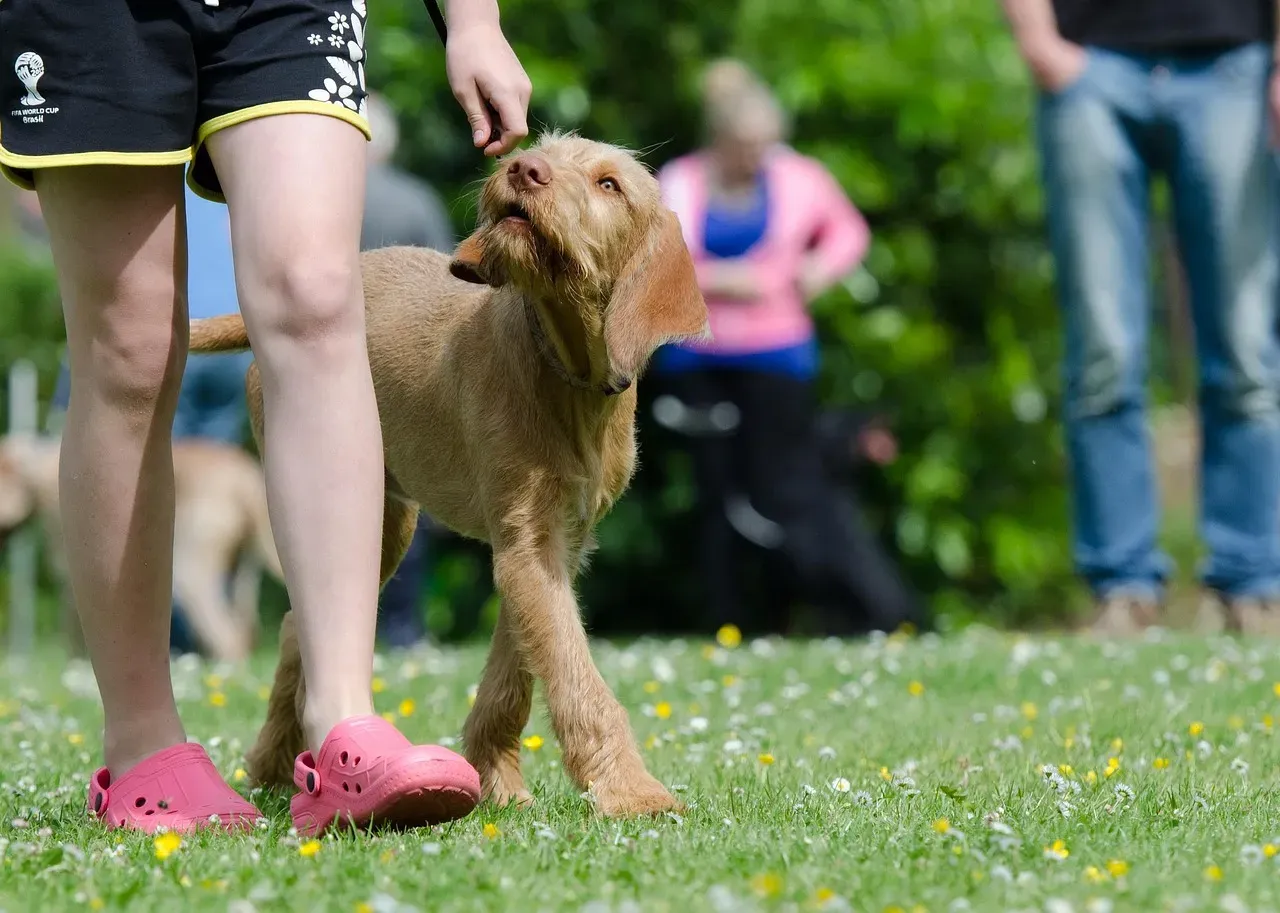
In ten minutes, a search handler can usually read the entire human-dog dynamic like a book. They watch who is tuning into whom. When the handler speaks, does the dog glance at its owner for guidance, or ignore them completely? Does the owner repeat cues constantly, yank the leash, or over-soothe every flinch?
A dog constantly scanning its person’s mood is often compensating for inconsistent leadership. A dog that barely acknowledges its human might be under-bonded, used to being on its own. Handlers also test what happens when the owner steps away – does the dog calmly accept a stranger, or panic and scream? Owners often read that clinginess as pure love; a handler may see a fragile attachment that could crumble the moment real-world pressure shows up.
#8 – How the Dog Actually Thinks Through a Problem

Search work is basically a puzzle hunt, so handlers immediately test how a dog approaches a problem. In the first few minutes, they’ll set something simple – a treat under a small object, a toy behind a chair – and then just watch. Some dogs experiment calmly, using nose, paws, and body to test solutions. Others get frustrated fast and either quit or explode into random chaos.
This isn’t about raw intelligence, it’s about how the dog thinks. A dog that methodically searches, re-checks a space, and keeps trying after an initial failure has exactly the persistence real search scenarios demand. A dog that gives up the second the easy option fails will need far more careful shaping. Handlers even watch for creativity – does it try going around, under, or over, or just repeat the same failing move over and over? That short window is a surprisingly accurate preview of future training potential.
#9 – The Micro-Fears Owners Never Even Notice
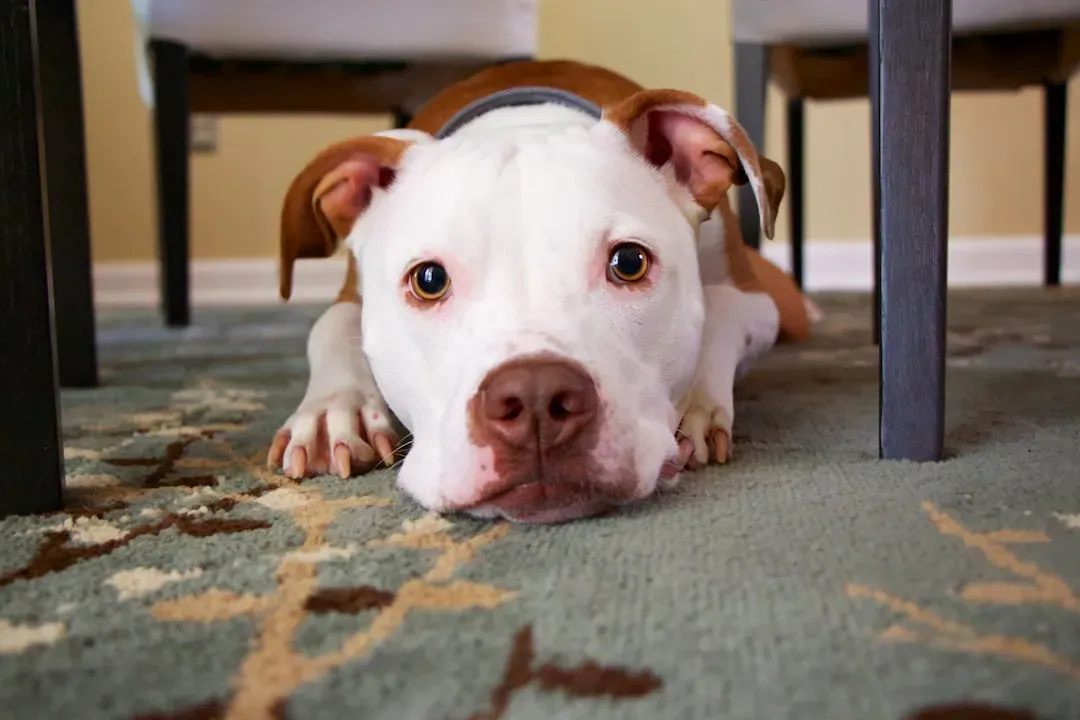
Most owners only notice fear when it’s big and obvious, like fireworks terror. Handlers spot micro-fears in minutes – a quick flinch when someone raises an arm, uneasy glances at a broom, hesitation around hats or reaching hands. A dog can look completely “fine” overall while showing tiny, consistent stress signals in one very specific context.
These hidden sensitivities explain a lot of the “mystery behaviors” owners complain about at home – sudden barking at guests, snapping at a certain kind of touch, random “disobedience” in crowded places. A handler won’t just notice the dog is worried; they’ll start sorting the fear by type, because noise sensitivity and body-handling sensitivity need completely different fixes. Many owners get defensive here – “he’s not scared, he just doesn’t like strangers” – but a handler quietly logs the truth anyway.
At a Glance
- Flinching at a raised arm or a hand reaching overhead
- Uneasy glances at brooms, mops, or other long objects
- Hesitation or freezing around hats, hoods, or sunglasses
- Sudden barking at guests with no obvious trigger
#10 – Whether the Dog Is Actually Social, or Just Coping

Contrary to popular belief, not every good dog wants to be a social butterfly. A handler can usually tell in ten minutes whether a dog is genuinely dog-social, dog-neutral, or dog-selective, and how it really feels about strangers. They watch closely:
- Does the dog rush toward every other dog, or ignore them entirely?
- Does it greet politely, or crash straight into personal space?
- Does it lean into a stranger’s touch, or stiffen and look away?
A dog that tolerates touch while showing tight lips, whale eye, or a stiff spine isn’t “friendly” – it’s coping, and handlers clock that instantly. For search work, true dog-neutral dogs are often the gold standard: they don’t pick fights, but they’re not distracted by every tail in sight either. Owners insist their dog “loves everyone” constantly, even while the body language is screaming otherwise, and a handler will hand back a far more honest verdict within minutes.
#11 – The Dog You’d Get With Two Years of the Right Training
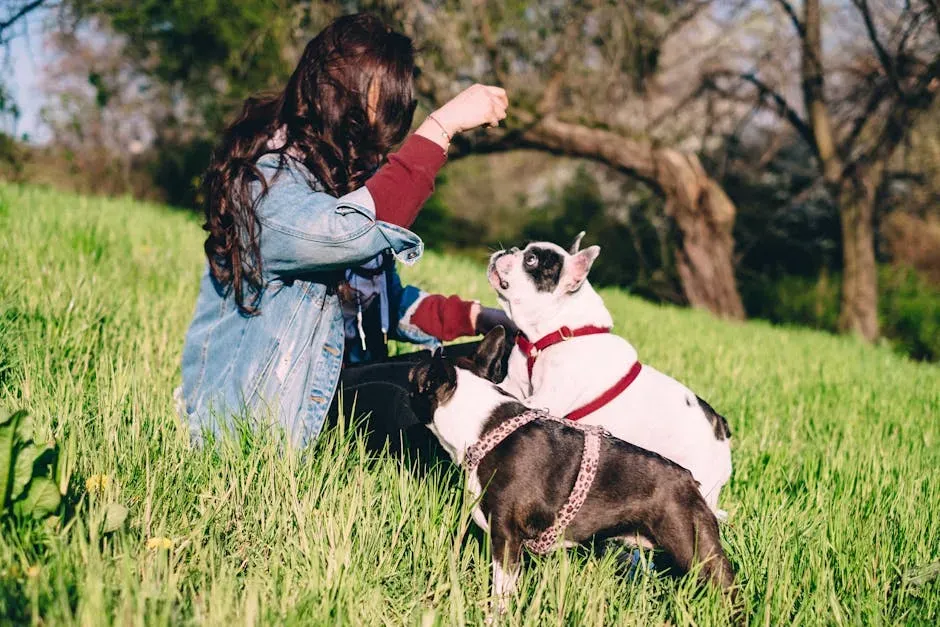
Here’s where the experience really shows. In ten minutes, a good handler doesn’t just see the dog standing in front of them – they see a version of that dog two years from now, shaped by the right training. They mentally sort traits into “fixed,” like genetic nerve strength, and “moldable,” like confidence and skill.
A dog with only moderate natural ability but real resilience and eagerness can eventually outshine a flashier dog with fragile nerves. Handlers watch how fast the dog picks up a simple search game, how willing it is to repeat a task, and how it bounces back from a small correction. A dog that shakes off a mistake and tries again is a strong prospect even if it’s clumsy right now. A dog that emotionally crumples the moment it “gets it wrong” needs a slower, gentler path – and that quiet future-casting is often more accurate than any owner’s wishful thinking.
#12 – Whether the Dog Is Actually Living the Right Life for Its Mind
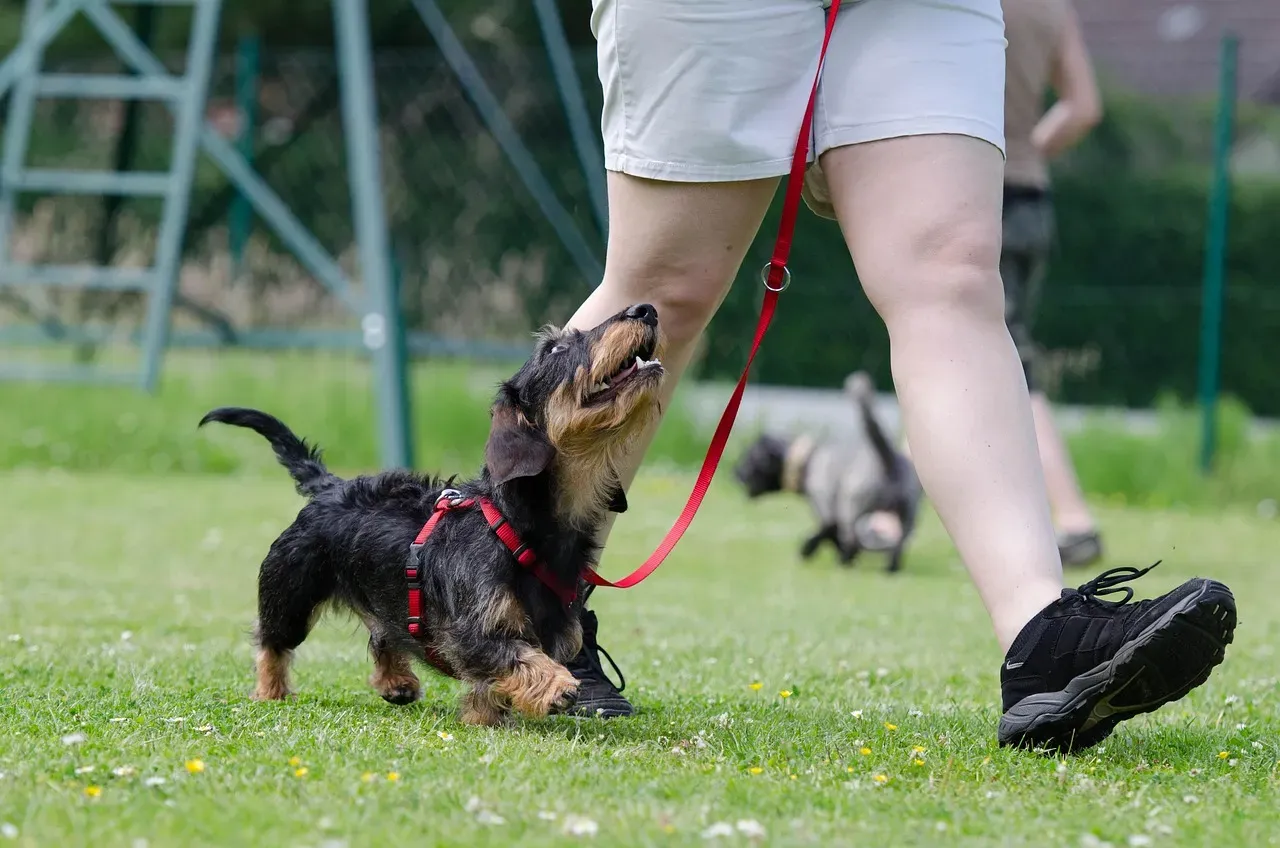
The harshest, most honest thing a search dog handler can see in ten minutes is this: does this dog’s current lifestyle actually match its brain? They meet frantic, brilliant dogs trapped in tiny apartments with zero outlet, and mellow, sensitive dogs being pushed into extreme sports they were never built for. Within minutes, a handler can tell when a dog is wildly under-challenged or chronically overwhelmed – it shows up in the pace, the focus, the reactivity, even the way the dog takes food.
This isn’t about shaming anyone. That “difficult” dog at home might be a phenomenal working candidate in the right context. That “future search star” might, in truth, be a homebody who’d be happiest as someone’s quiet shadow. Experienced handlers walk away from these ten-minute evaluations thinking less about talent and more about fairness – because the real question isn’t whether the dog has potential, it’s whether the humans are willing to build the life that dog actually needs, instead of the one they imagined for it.
Worth Knowing
- High-energy dogs stuck in small spaces often get labeled “hyper” or “disobedient” instead of under-stimulated.
- Sensitive dogs pushed into intense sports may shut down, freeze, or lose interest entirely.
- Pace, focus, and even appetite shift the moment a dog’s environment stops fitting its mind.
- The fix is rarely more training – it’s usually the right kind of daily life.
The bottom line: in just ten focused minutes, a skilled search dog handler can read things most of us miss for years – who a dog really is, what it truly values, how strong its nerves are, and whether its life actually fits its mind. It’s not magic. It’s ruthless observation and a refusal to buy into comforting myths like “he’s just stubborn” or “she loves everyone.”
The uncomfortable truth is that plenty of “problem dogs” out there are simply mismatched, misunderstood workers, or sensitive companions pushed into roles that never suited them in the first place. If any of this stung a little, good – that’s the point. It’s a mirror, not a verdict. So be honest with yourself: based on everything here, is your dog in the right job with the right expectations, or would a search handler walk in and see a very different story?