
14 Things a Vet Can Tell About a Dog’s Daily Routine Without Asking Anything
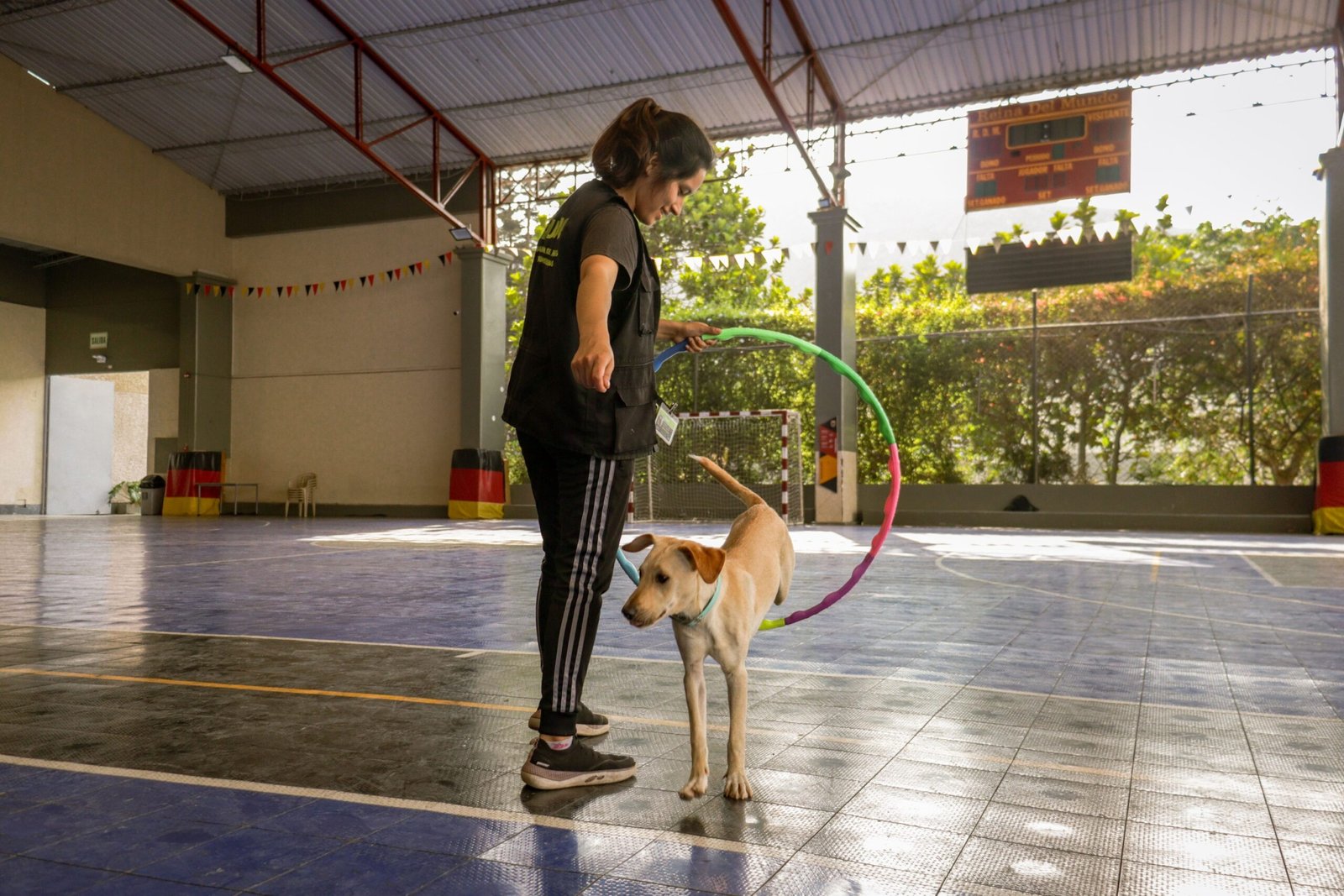
You haven’t said a word yet. Your dog hasn’t done anything more dramatic than trot across the exam room floor and sniff a chair leg. But your vet is already building a file in their head – not from the intake form you filled out in the waiting room, but from thirty seconds of watching your dog simply exist in that room.
That’s the uncomfortable part of a trained eye: nails, paw pads, posture, even the way your dog glances at you when nervous – it’s all a diary written on the body, and vets read it fluently. Here are the fourteen tells experienced vets pick up on before you’ve explained a single thing about your daily routine, and a few of them might hit closer to home than you’d like.
#1 – Nail Length That Snitches on Every Walk You Skipped
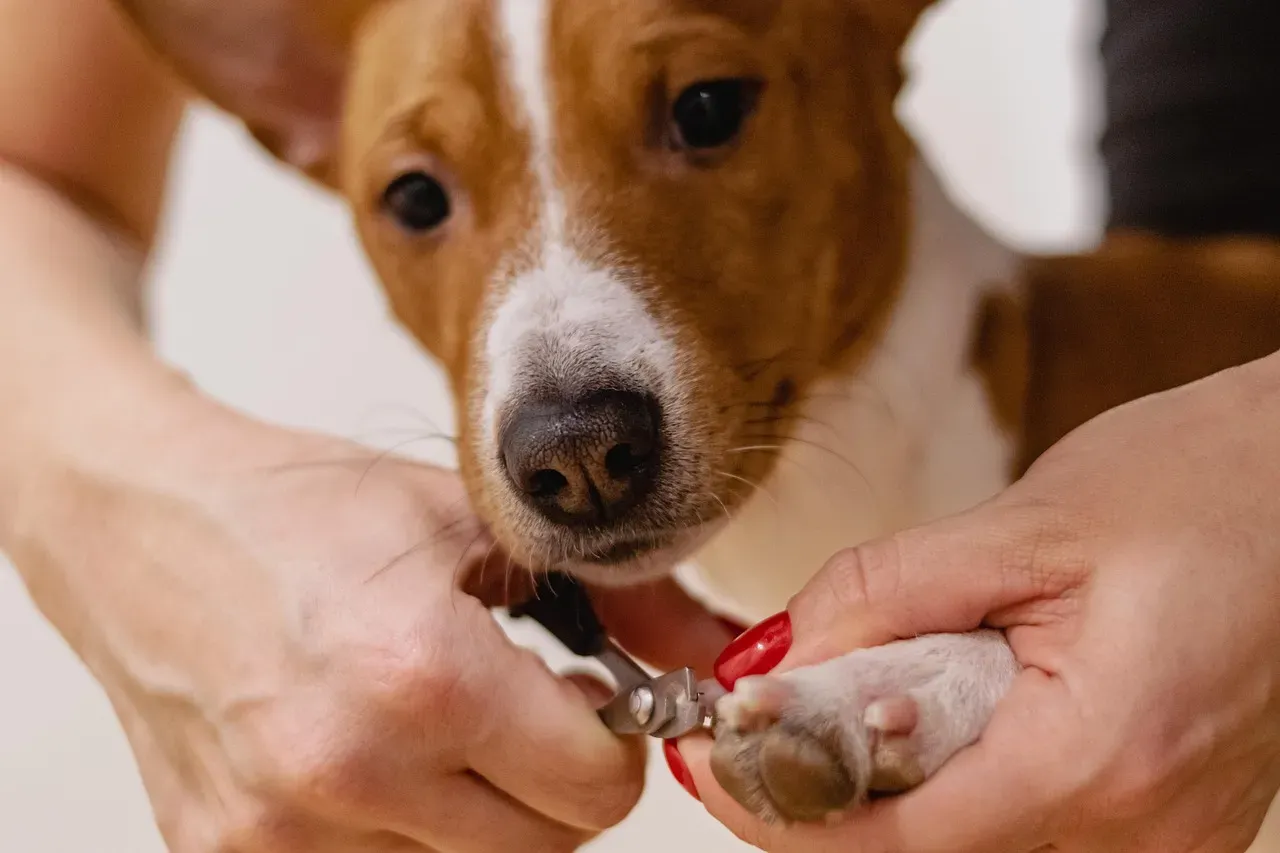
The second your dog’s nails hit the clinic floor – click, click, click – the vet already has a working theory. Nail length, shape, and wear pattern quietly reveal how often your dog actually gets walked, what kind of ground they cover, and whether “walk” in your house means a real trek or five minutes around the block. Overgrown, curved nails almost always mean short walks or a yard-only life, no matter what you tell the front desk.
Nails that are short but bluntly worn tell a different story – one of regular time on pavement or concrete, even if you never bring it up. Vets also check for asymmetry: uneven wear can hint at how your dog turns during play, how they stand, or a worn path they pace every day in the yard. Dogs who live mostly on grass or carpet tend to have long, glassy-smooth nails with almost no wear at all, a dead giveaway that this dog isn’t logging real miles outside.
#2 – Paw Pads That Reveal the Ground You Actually Walk On
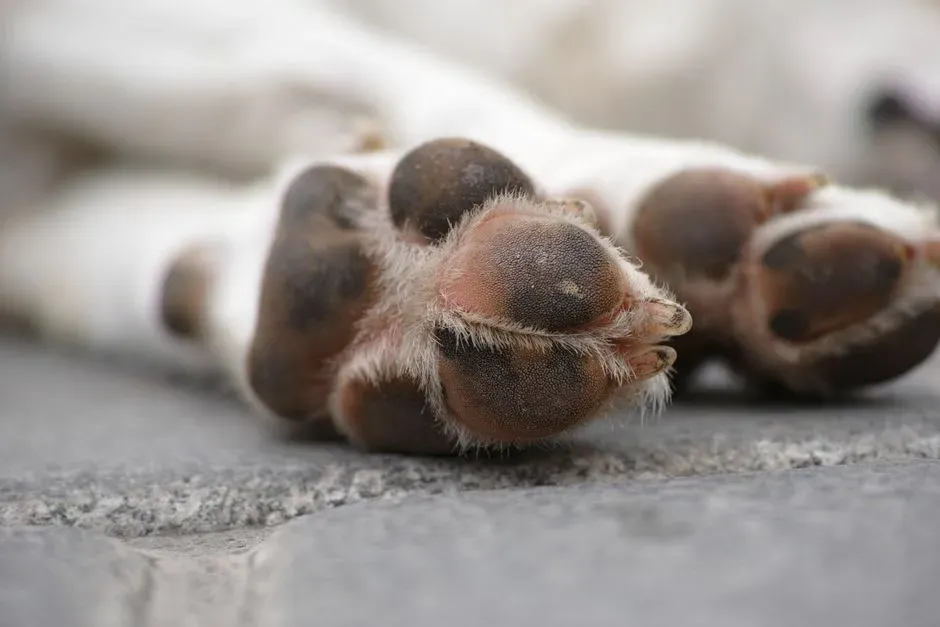
Vets don’t just glance at paws, they read them like a topographic map. Thick, slightly calloused pads with a few scuffs say this dog is out running or walking on rough ground daily. Baby-soft pads on a full-grown dog usually mean minimal outdoor exercise, or a life spent almost entirely on grass.
Tiny micro-cracks or subtle burns can point to walks on hot pavement or icy sidewalks, proof of weather exposure the owner never mentioned. Uneven wear matters too: front pads more worn than back often belong to a dog that pulls hard on leash, lunging and braking through one chaotic walk a day instead of several calm ones. One-sided wear can even mean a dog who circles the yard obsessively out of pure boredom.
Quick Compare
- Rough terrain paws: thick, calloused pads with light scuffing
- Grass-only paws: soft, smooth, almost no wear
- Front-heavy wear: often a hard leash-puller
- Cracks or burns: hint at hot pavement or icy sidewalks
#3 – Body Shape That Exposes the Truth About the Bowl
“He barely eats, I swear” is the most common thing vets hear, and the least useful. They don’t argue, they just look at the silhouette. A defined waist and ribs you can feel without pressing hard say this dog gets regular movement and a diet that’s genuinely controlled, whatever the story at home sounds like.
A barrel shape with no tuck behind the ribs, or a heavy pad of fat over them, means extra calories with nowhere to burn off – regardless of what the owner insists. Vets also spot the difference between “fit heavy” and “soft heavy”: a dog who hikes or plays hard daily often carries noticeable muscle even if they’re a pound over, while a dog that’s just soft and jiggly screams low activity, free-feeding, or one too many “just this once” treats a day.
#4 – Muscle Tone and Posture That Show How Your Dog Really Moves
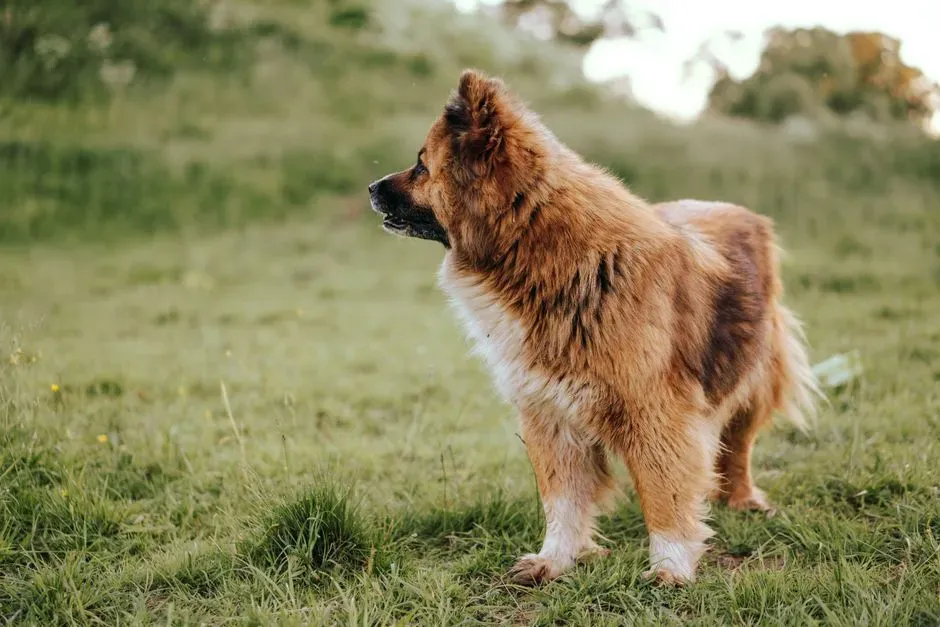
A hand run down your dog’s back and legs tells a vet more than a week of you describing “how active he is.” Firm thighs, tight hamstrings, and a solid lower back mean consistent, moderate exercise, not just one wild Saturday at the dog park. Flabby hindquarters and a weak core usually mean most of the day is spent lying down, no matter how convincing “he runs around the yard constantly” sounds.
Posture gives away even more. Dogs who pull constantly on leash often carry quiet strain through the neck and shoulders, while dogs who spend all day jumping on furniture and beds develop slightly overbuilt front ends compared to their back half. Even tiny, frequently-carried dogs show it – often surprisingly poor tone despite a healthy weight, simply because their body is never asked to move much.
#5 – Coat and Skin That Tell the Story of Home Life

You don’t need a lab test for this one, the coat talks on its own. Glossy, dense fur with barely any dandruff usually means a balanced diet, decent grooming, and a stable routine. Dry, flaky skin, dull or greasy fur, or clumps that never smooth out point to low-quality food, infrequent brushing, or plain stress.
Vets read where the damage sits, too. Red, licked-raw paws hint at time spent on chemically treated lawns, or a dog self-soothing out of boredom when left alone. Matted fur behind the ears or in the armpits means grooming gets skipped in a “too busy” household, and a faint trace of cigarette smoke in the coat quietly tells a vet this dog spends real time indoors with a smoker. No judgment, just data.
Fast Facts
- Glossy, dense coat: balanced diet and stable routine
- Dry, flaky skin: possible low-quality food or stress
- Red, licked paws: lawn chemicals or boredom self-soothing
- Matted patches behind ears: grooming skipped at home
#6 – Teeth and Breath That Snitch on Treats and Chewing Habits
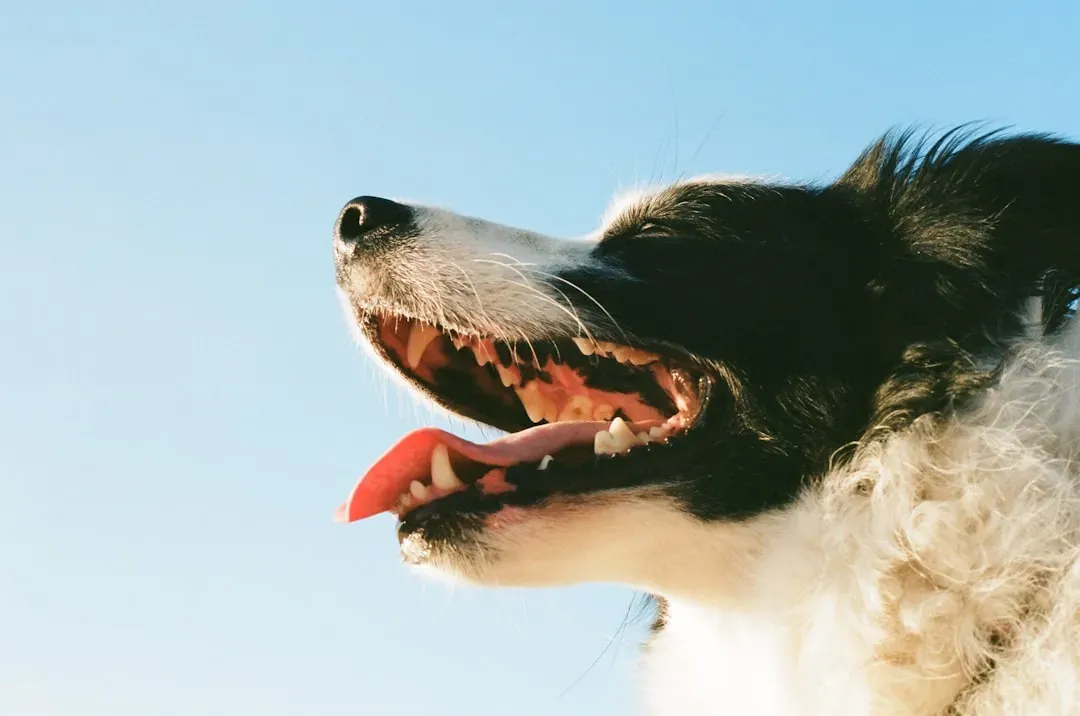
Open a dog’s mouth and you’re not looking at teeth, you’re looking at a diet history. Heavy tartar, inflamed gums, and rank breath on a young dog usually mean a diet heavy in soft, sticky food and table scraps, with zero real chewing or dental care. Cleaner teeth with light plaque, especially near the canines, suggest actual chews or occasional brushing at home.
Vets can even guess feeding rhythm from the mouth alone. Free-fed dogs often show a specific pattern of mild, constant tartar and a particular low-grade breath smell, while scheduled eaters on quality food tend to have more even wear. Worn-down or broken teeth point to a dog that gnaws hard toys, rocks, or bones obsessively, usually a sign of boredom or anxiety, not just “he loves to chew.”
#7 – Eye Contact That Exposes How Much Attention Your Dog Actually Gets
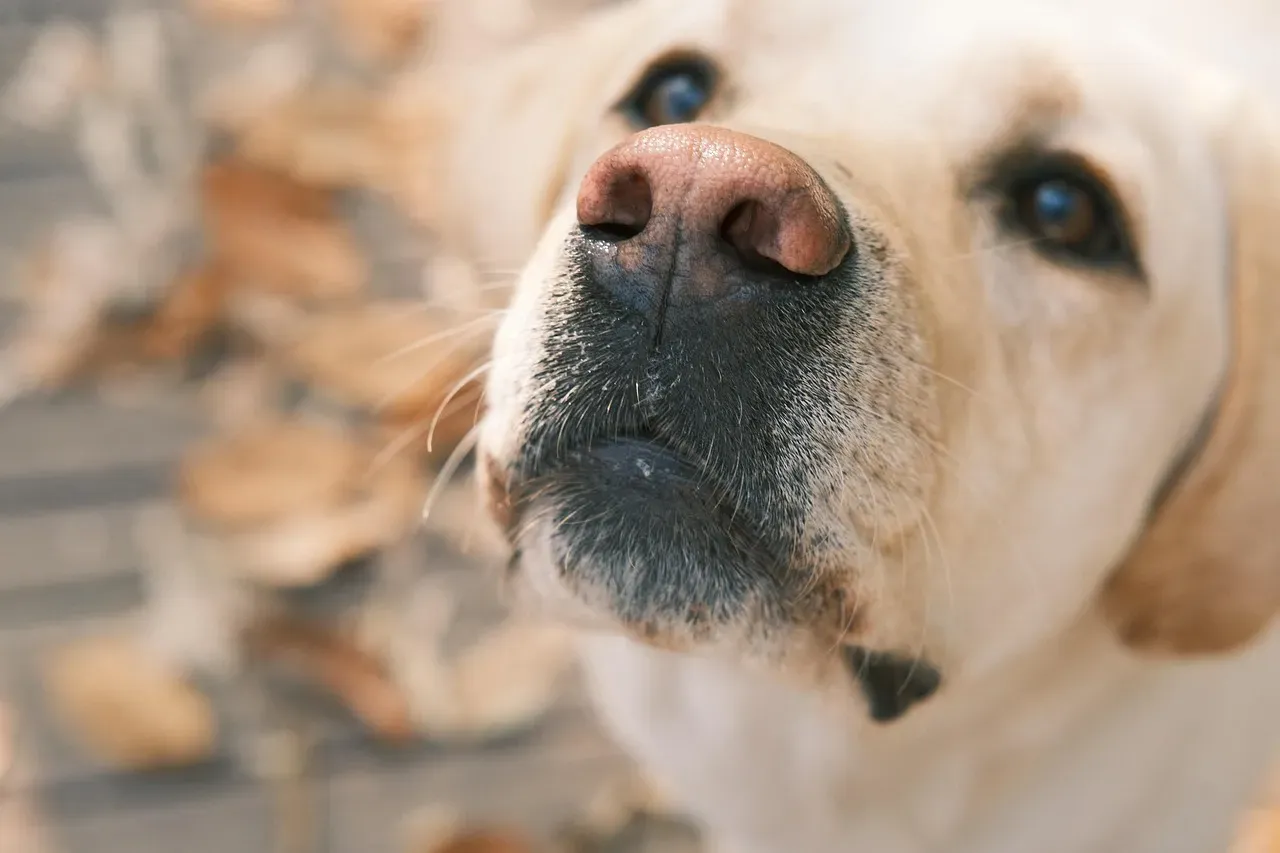
You might call it “shy” or “friendly,” but a vet sees structure, or the lack of it. A dog who checks in with quick glances at their owner, then calmly scans the room, usually comes from a home where someone actually communicates with them. A dog who ignores their owner completely but fixates on every door, window, and sound often lives a routine heavy on unpredictability and light on real interaction.
Some dogs can’t settle at all, a wired, over-alert gaze that never switches off, often traced back to a loud, chaotic household. Others stare at their owner with something close to desperation for the entire visit, a sign they’re under-exposed to the world and leaning on one person for all their security. A dog that explores calmly but still glances back for reassurance is usually living the healthiest version of this: enough outings, enough structure, enough attention.
#8 – Handling Tolerance That Shows How Often You Actually Touch Them
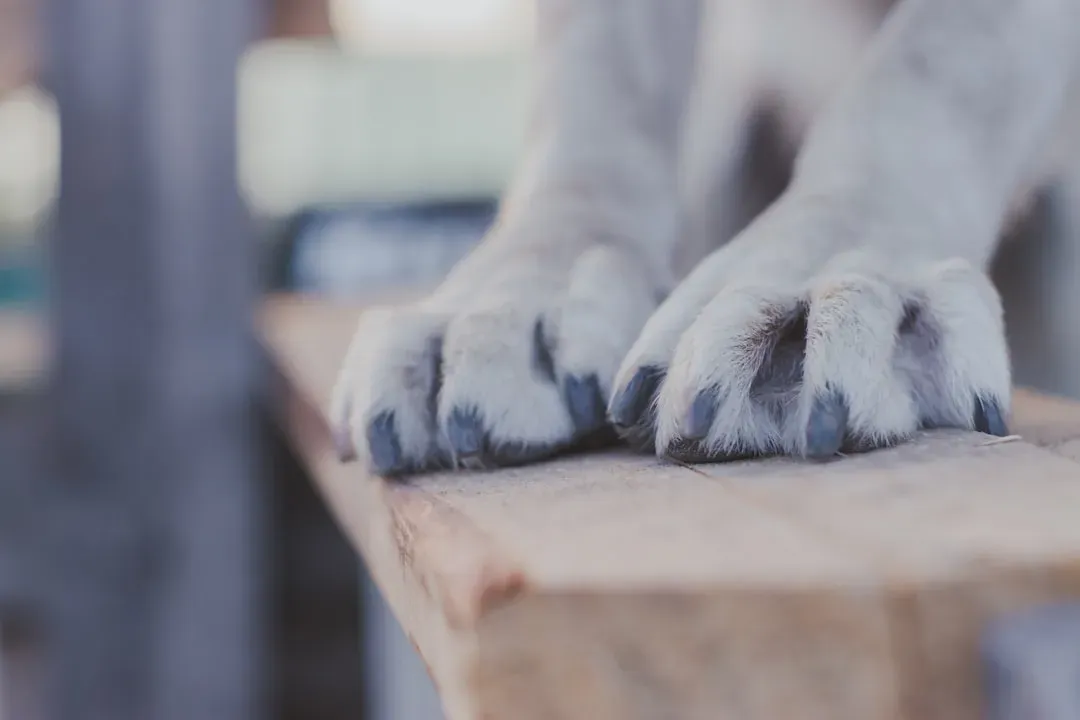
Vets know within seconds whether a dog is used to being handled beyond a quick pat on the head. A dog that calmly lets its paws, ears, and mouth be touched has almost certainly experienced regular, gentle handling – nail trims at home, ear checks, maybe practice “vet exams” with treats, details owners rarely mention but the dog’s body remembers anyway.
A dog who yanks their paw away, flinches at an ear touch, or stiffens when their tail is lifted usually lives a routine where those areas are only ever touched when something already hurts. Vets also watch recovery time: dogs with positive handling history bounce back from a startle fast, while dogs used to rougher treatment stay tense far longer. That single paw lift can quietly reveal how – or whether – you trim nails at home every month.
#9 – Exam Room Manners That Mirror Your House Rules
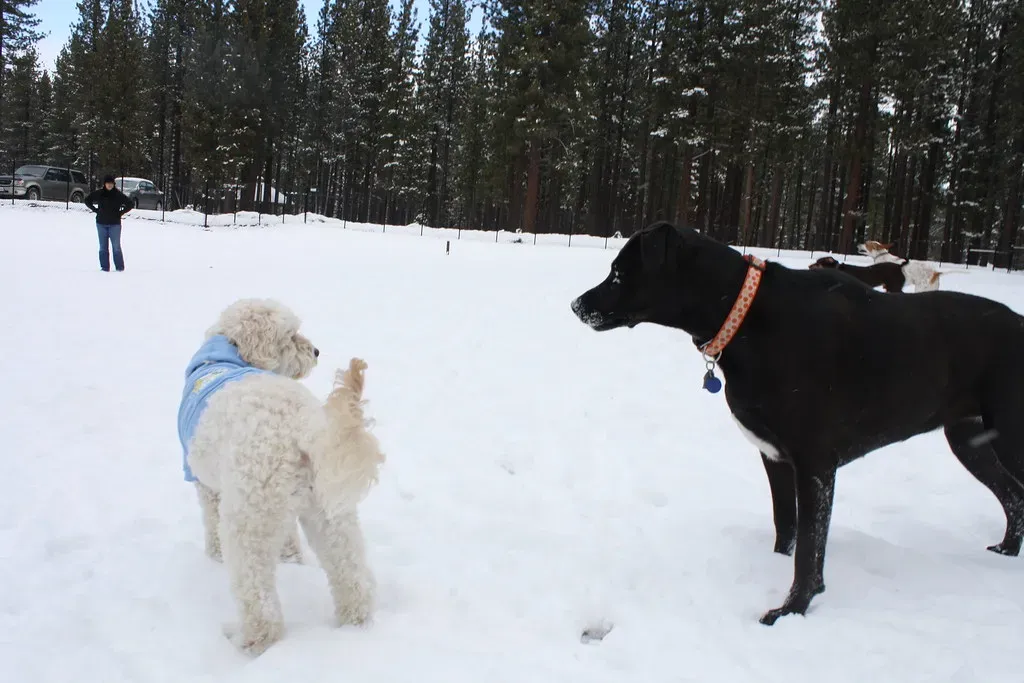
How a dog behaves the second they’re off leash in that small room is basically a home movie. A dog that jumps on counters, paws at bags, and explores every surface usually has few boundaries and full access to furniture at home. A dog that plants itself by the door, desperate to bolt, often lives a small world: house, yard, one short walk, almost no exposure to new spaces.
Dogs with even basic training at home often default to a sit or a glance at their owner when nervous, proof that structure exists even under stress. Dogs with none tend to ping-pong around the room or shut down entirely. A dog that instantly flips belly-up at the slightest pressure is often used to appeasing people fast to avoid correction, a pattern that usually traces back to a very specific style of discipline at home.
At a Glance
- Jumps on counters, explores everything: few boundaries at home
- Plants by the door, desperate to leave: small, low-exposure world
- Sits or checks in when nervous: basic training exists
- Flips belly-up instantly: learned fast appeasement from strict correction
#10 – Energy Patterns That Reveal Your Work Schedule
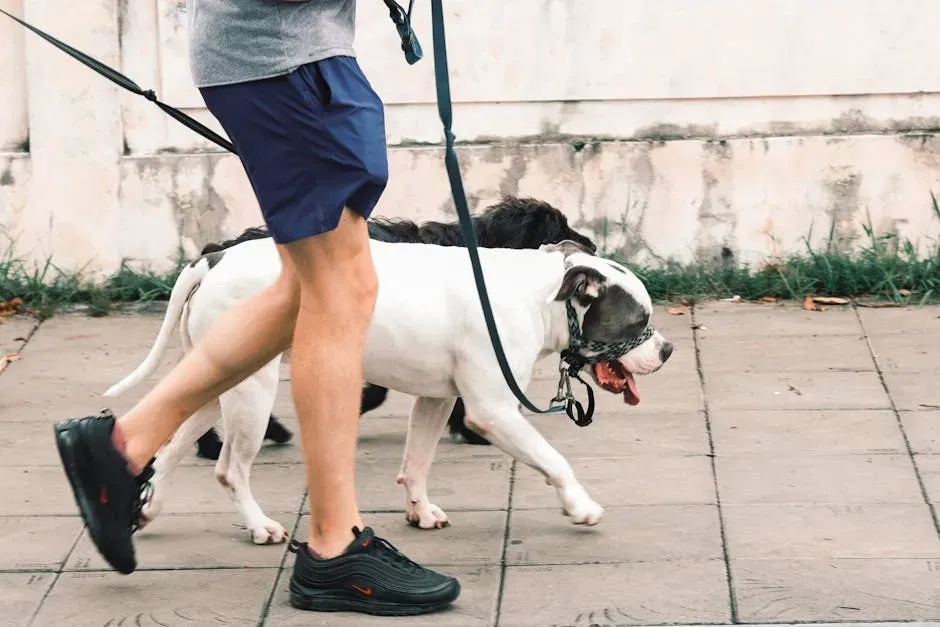
You don’t have to admit you work ten-hour days, your dog’s entrance does it for you. A dog that bursts in bouncing, whining, and unable to focus for a second usually lives a routine of long stretches alone followed by short, frantic bursts of attention once someone finally gets home. On the other end, a dog that walks in calm and curious, able to sniff without going nuclear, usually has steady daily outlets: real walks, real play, maybe some puzzle feeding.
Extremely flat, disengaged dogs who aren’t sick can be quietly under-stimulated, too much sleep, too little interaction, often in low-movement households. Some vets can even guess whether your dog gets morning or evening walks based on how wired or worn out they look at a given hour. The dog’s actual battery level, not the owner’s description of “we play all the time,” is what tells the truth.
#11 – Bathroom Habits That Map Your Yard Access and Timing
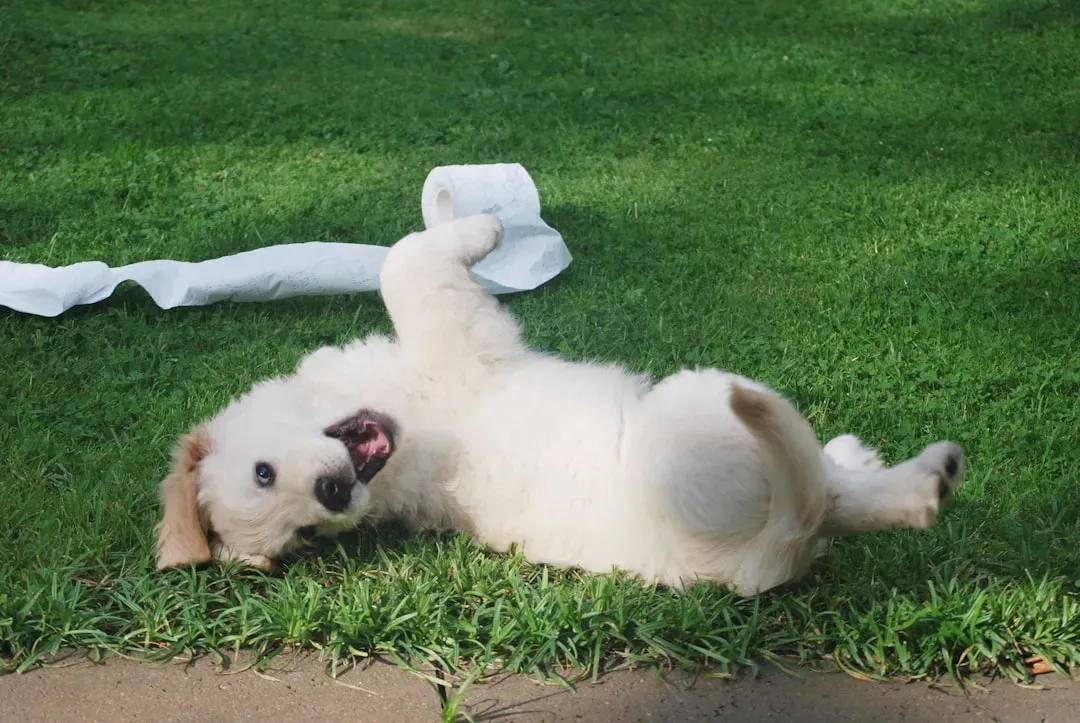
Poop isn’t just poop to a vet, it’s a schedule. Dogs who visibly hold it, straining or pacing until they’re let outside the clinic, usually belong to owners who take them out at very specific, limited times. A dog who has an accident the second they’re nervous, with loose stool to match, is often dealing with anxiety layered on top of a routine that rarely changes.
Chronic stool staining or a strong urine smell in the fur can mean accidents indoors go unnoticed for long, unsupervised stretches. Dogs who sniff and mark everything have usually got a real neighborhood walking routine, marking is basically their social media feed. Yard-only dogs, by contrast, tend to do their business fast with none of that marking obsession, because nothing about the yard is ever new.
#12 – Weight Trends That Track Your Life Changes, Not Just Theirs
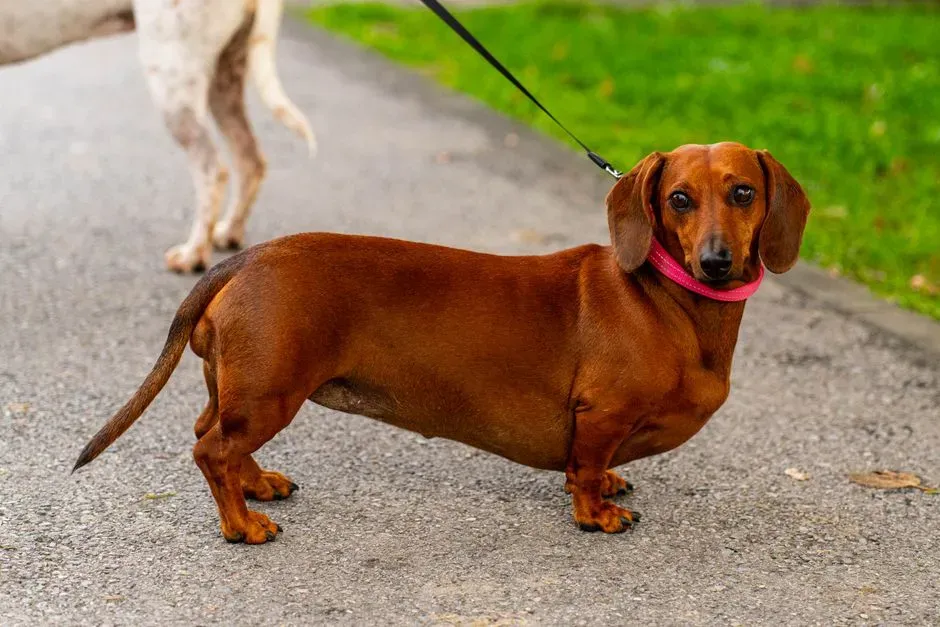
One weigh-in is a snapshot. A year of weigh-ins is a diary, and vets read it. They quietly connect the dots between a few extra pounds and whatever you mentioned in passing months ago: a new baby, a promotion with longer hours, an injury, a breakup. Even if you say nothing today, they can see that your dog gained three pounds during your “busy season” or dropped weight once you started running again.
Stable weight in an adult dog usually means a fairly predictable routine on both ends of the leash. A sudden gain in a previously lean dog often points to a new sedentary stretch, extra hands sneaking treats, or walks that quietly stopped happening as the schedule shifted. Weight gain paired with shrinking muscle tone tells a louder story than “his metabolism slowed down” ever could.
Worth Knowing
- Stable weight usually signals a predictable daily routine
- Sudden gain in a lean dog often means a new sedentary stretch
- Weight gain plus shrinking muscle tone points to a lifestyle shift, not just metabolism
- Vets often trace pounds gained or lost back to major life events months earlier
#13 – Anxiety Signals That Point to Loneliness or Chaos at Home
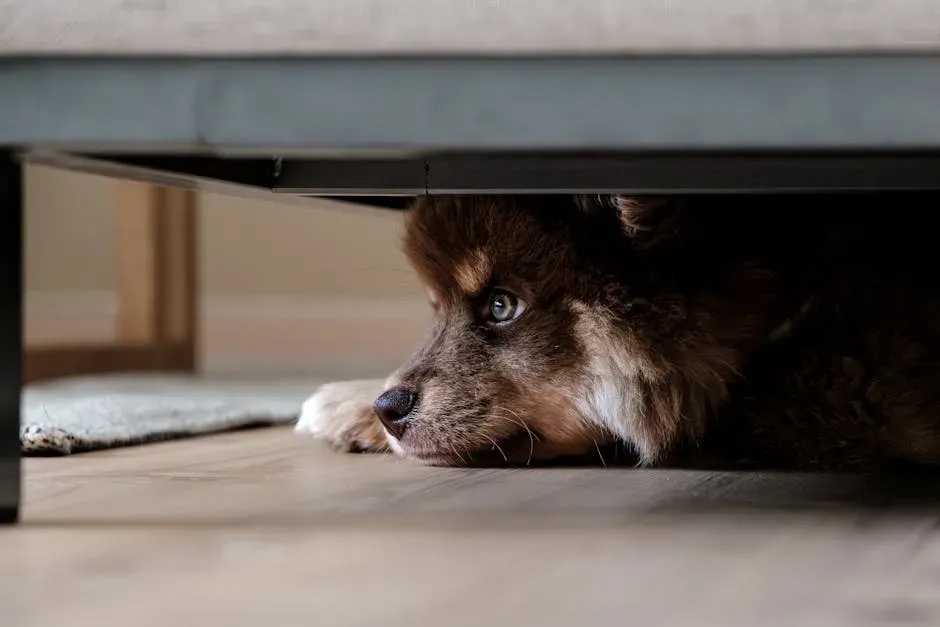
Panting, drooling, and pacing at the vet aren’t automatically “hates the vet.” Trained eyes tell the difference between ordinary nerves and a deeper, chronic anxiety that didn’t start in that room. Dogs who can’t stop pacing, won’t take a treat, and fixate on every exit usually come from routines full of unpredictability, tension, or long solo hours with no coping tools built in.
A dog who’s nervous but still able to sniff around, take a treat, and settle down has clearly had some exposure to new places and manageable stress before. Separation-anxiety dogs cling hard to one specific person; sound-sensitive dogs flinch at every rolling cart, often a sign of a loud, unpredictable household. Overgroomed patches, chewed flanks, or raw hot spots are classic signs of a dog self-soothing through long, lonely stretches alone.
#14 – Your Interaction Style That Exposes the Whole Daily Dynamic

Here’s the part nobody expects: vets aren’t just watching the dog, they’re watching you with the dog. How you talk to them, whether they respond, how the two of you move around each other in a five-by-eight room, that’s a live recording of your daily routine. A dog that glances at you when unsure, met by a calm cue or a little reassurance, usually comes from a home with real structure and communication.
A dog that tunes out its own name and leash cues while its owner repeats the command louder and louder usually lives somewhere words have become background noise: inconsistent commands, little follow-through, a routine that reacts instead of leads. A dog that flinches at a raised voice or a quick hand movement is often living with more correction than connection. In under five minutes, the way you two move together says more about your dog’s everyday life than any intake form ever could.
The Bottom Line
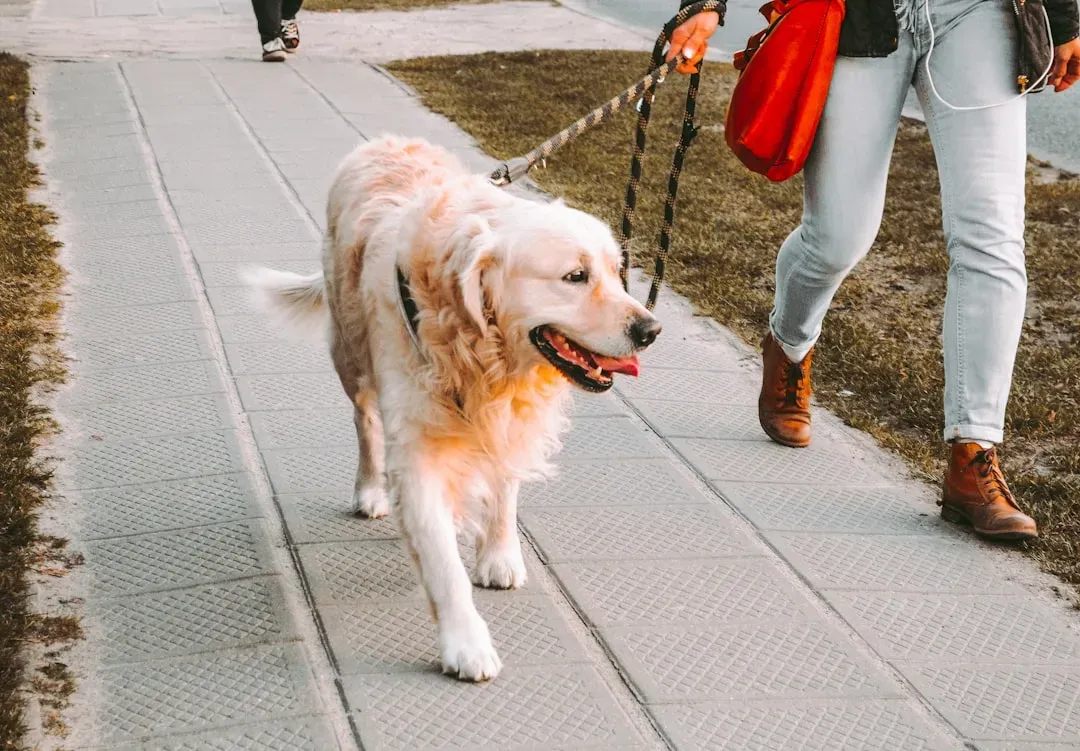
Here’s my honest take: nothing on this list is really about the dog. Nails, coat, muscle tone, that panicked stare at the door, none of it is biology acting alone. It’s a body quietly reporting back on the choices made by the person holding the leash.
That’s not an insult, it’s just how it works. Dogs can’t exaggerate their walk count or downplay how many hours they spent alone, so their bodies do the talking instead, whether we like what they say or not.
If a few of these hit uncomfortably close to home, good. Your vet already noticed and was too polite to say it outright. The difference between a dog who thrives and one who just survives usually isn’t genetics or luck, it’s fifteen extra minutes of walking, a little more handling practice, one less “just this once” treat. Every single tell on this list is fixable. The only real question is whether you’ll change the routine, or just get better at explaining it away in the exam room.