
12 Things a Dog Does at the Door That Mean Far More Than Excitement
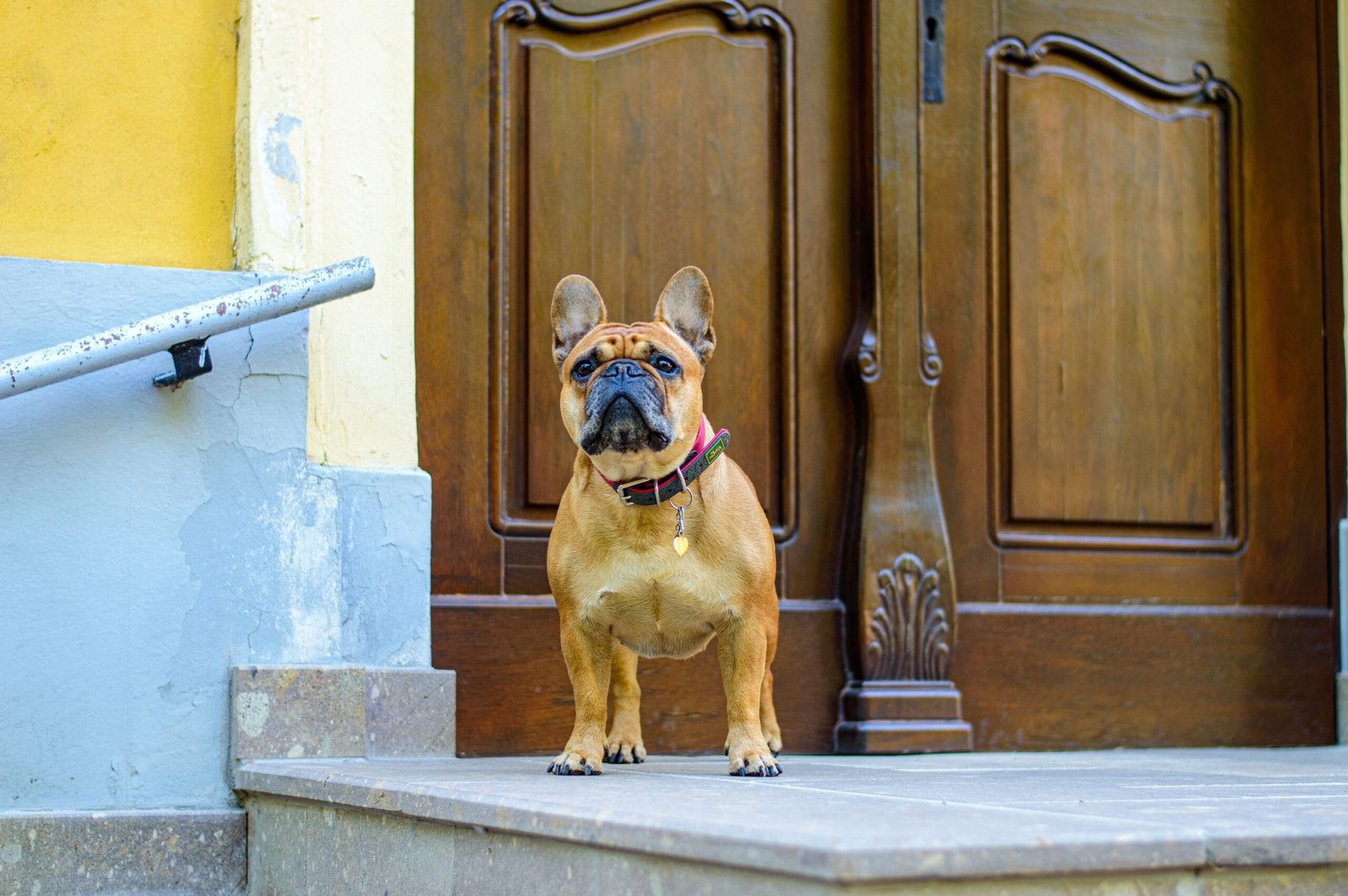
You probably think that frantic dash to the door is just pure joy – tail whipping, nails skidding on the floor, the whole “you’re home!” show. Most people do. But trainers and behaviorists have quietly known for years that the door is one of the most emotionally loaded three feet of real estate in your entire house.
At that threshold, your dog reveals things they can’t say out loud: fear, loyalty, control issues, even their private opinion of whether you’re actually running this household. Keep reading, because once you know what to look for, you’ll never watch your dog wait at the door the same way again.
#1 – Pacing and Whining: “I’m Not Just Excited, I’m Stressed”
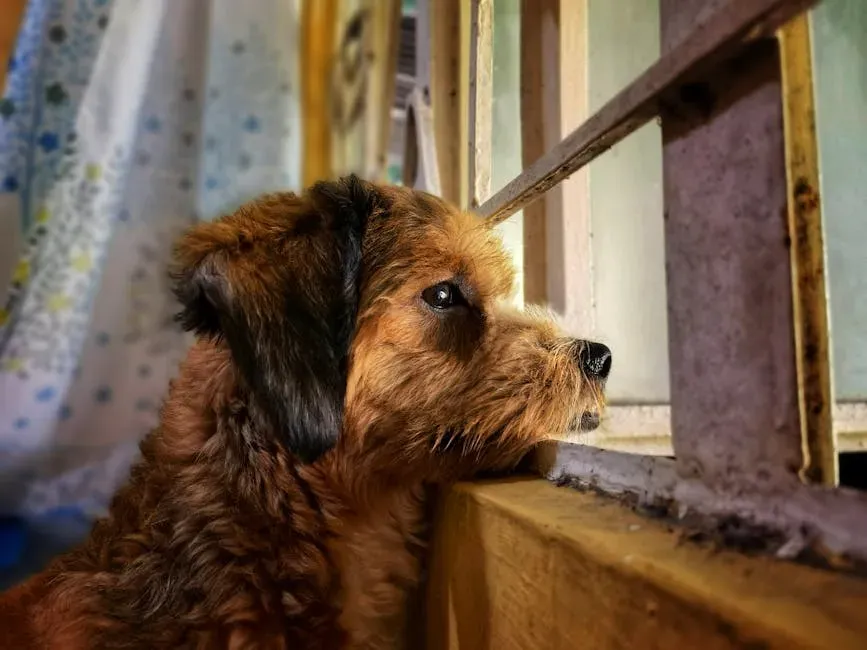
When your dog paces in tight circles at the door, whining nonstop, that’s rarely cute excitement. It’s often mild panic wearing a happy mask. The pacing, the high-pitched whine, the constant glancing between you and the doorknob – that’s anticipatory anxiety talking, not joy.
Your dog has learned the door predicts something big: your departure, a scary delivery driver, an overwhelming crowd of guests. Their brain is screaming “what’s about to happen?” – not “this is fun.” Owners make it worse without realizing it, using a high, excited voice or rushing to open the door faster, which teaches the dog that frantic behavior gets results. Left alone, this pattern can snowball into full-blown separation anxiety. The fix starts small: ask for a sit before you touch the handle, reward the quiet moments, and move slower than your dog wants you to.
#2 – Blocking the Doorway: “I’m on Security Duty Now”
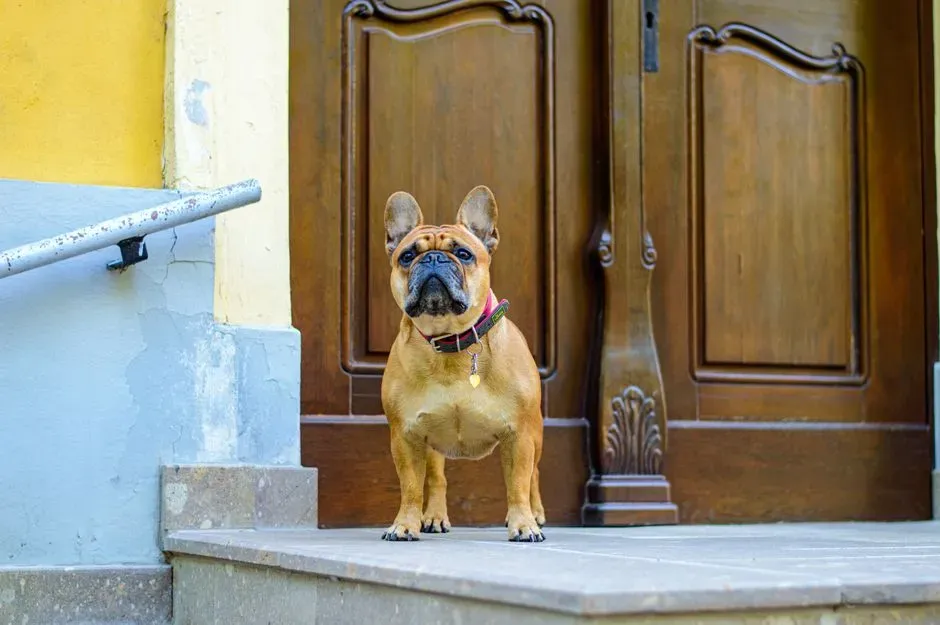
When a dog plants themselves directly in front of the door and refuses to budge, that’s not politeness – it’s a takeover. This dog has quietly decided it’s their job to control who comes and goes, and they’re not asking permission.
Watch for the tells: leaning their weight into the door or your legs, locking their stare on the handle, resisting when you try to nudge them aside. People love to call this “protective,” but behaviorists see it differently. A dog who feels personally responsible for guarding the perimeter is carrying constant low-grade tension, and that’s often the same dog who later lunges or snaps the moment a visitor crosses the line – because in their mind, you didn’t handle it, they did. Try this test: ask your dog to lie down several feet back while you open the door. If they argue with that boundary, they don’t fully trust that you’re the one in charge out there.
Fast Facts
- Doorway blocking is a form of resource guarding, just with the entryway itself as the “resource.”
- Common triggers include doorbells, delivery trucks, and unfamiliar footsteps outside.
- It’s often paired with a stiff tail, a low growl, or body-blocking rather than just standing nearby.
- A dog who won’t move on cue is showing control of the space, not simple protectiveness.
#3 – Scratching and Clawing: “I’m Desperate to Change What’s Happening”

Most people laugh off door scratching as “they really want to go out,” but frantic, repeated clawing is something rawer than a potty request. It’s frustration, sometimes panic, leaking out through their paws.
There’s a real difference between a calm paw-tap followed by a glance back at you, and a dog who rakes the door, jumps, and vocalizes without stopping. That second version can mean they’re desperate to escape something inside the house, overloaded by barrier frustration at something outside, or spiraling into separation distress as you leave. The biggest mistake owners make is yanking the door open the instant the scratching starts – which teaches your dog that shredding the door hard enough makes it open. Wait instead for one beat of stillness, then reward that calm with access.
#4 – Standing Frozen, Tail Low: “I’m Not Sure This Is Safe”
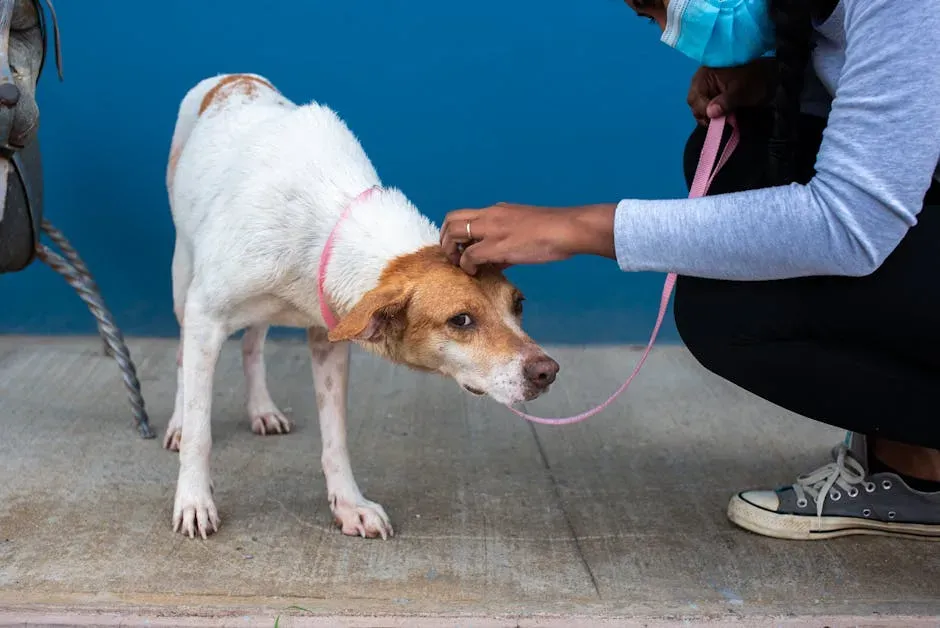
Everyone notices the dog having a joyful meltdown at the door. Almost nobody notices the quiet one frozen at the frame, tail low, ears pinned back. That dog isn’t shy – they’re running a risk assessment in real time.
A cautious dog often creeps forward one step and retreats, sniffs the air hard before committing to cross, and keeps their body stiff with their tail tucked low. Maybe they’ve had a rough experience out there – a scary stranger, a slammed door, a delivery truck that backfired. The threshold has become a question mark instead of a gateway. Dragging them across it only proves their fear was right to exist. Instead, toss high-value treats near, not on top of, the threshold, and let them choose to inch forward on their own clock.
#5 – Bringing Toys to the Door: “You Are the Event, Not the Outside”
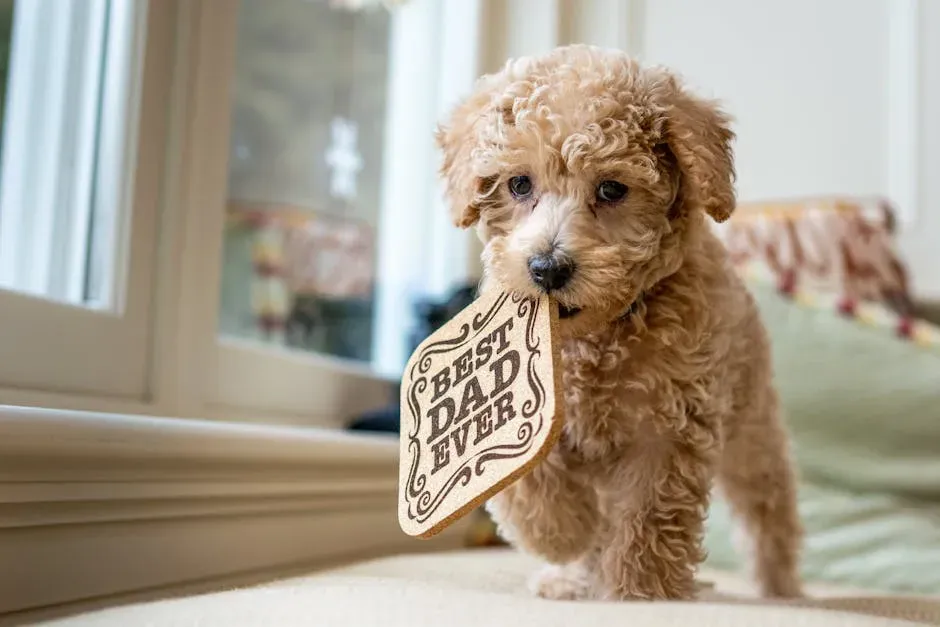
When your dog grabs a toy on the way to the door, drops it at your feet, or parades it around while someone knocks, that’s not random cuteness. Your dog has paired your arrival with connection and play, not conflict.
Behaviorists call this displacement play – the moment feels emotionally loaded, so the dog channels that charge into something familiar and safe, like their favorite squeaky toy. Here’s the part most people miss: dogs who bring toys to the door specifically when strangers arrive are often trying to defuse tension, offering a kind of peace treaty – “let’s interact over this object instead of clashing.” If you always brush the toy aside, you might be missing a real bonding opportunity. A quick tug or a nod to the toy reinforces the idea that people showing up leads to good things, not chaos.
#6 – Barking at Every Sound: “I’m Managing the Neighborhood, Apparently”
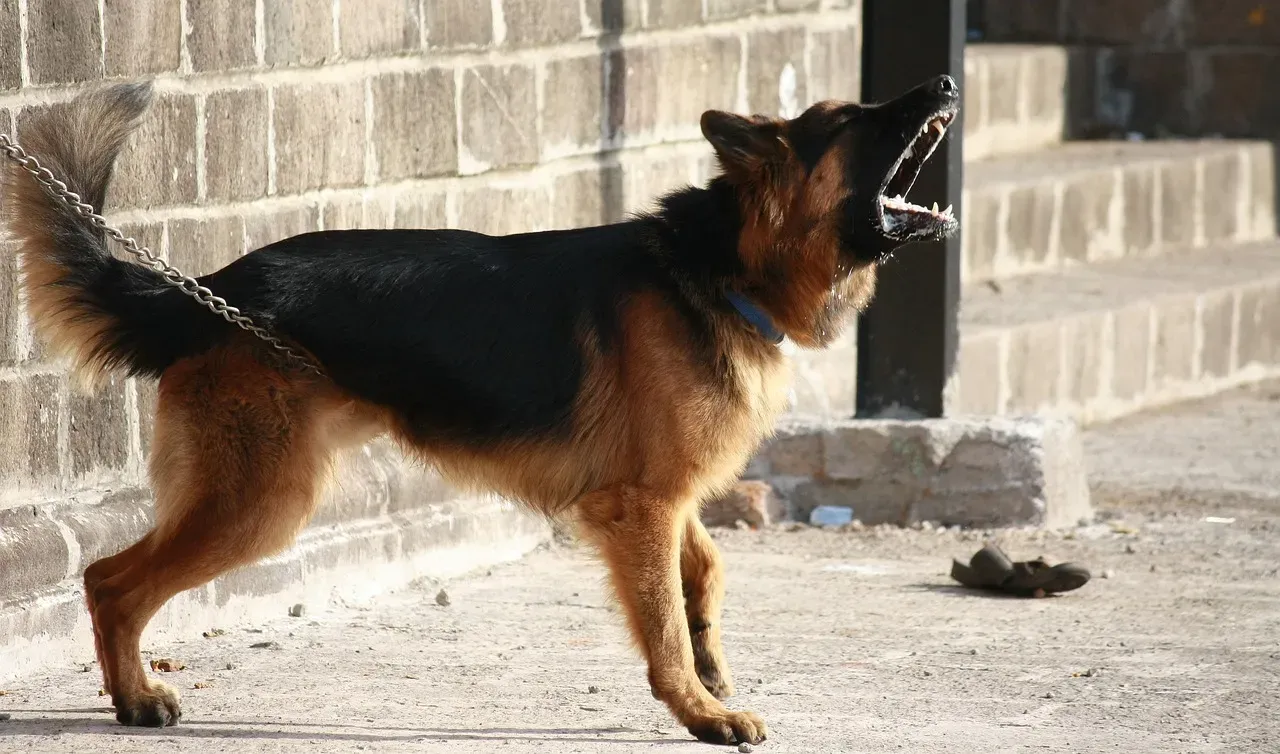
Nonstop barking at every footstep or car door isn’t your dog being annoying for sport. It’s your dog clocking in as the unpaid, unasked-for neighborhood security system.
There are two flavors here, and they look almost identical from the couch at first glance. Here’s the uncomfortable part: if you yell “quiet!” from the other room, your dog often hears that as you joining the barking, not stopping it. Try acknowledging it once, walking to the door, checking briefly, then calmly cueing them to their bed. You’re teaching them their job ends at the first bark – everything after that is yours.
Quick Compare
- Alert Barking: quick bursts, forward-leaning body, a glance back at you – “something changed, you should know.”
- Threat Barking: hard eyes, stiff tail, refusal to disengage – “stay away, this is mine.”
#7 – Jumping and Mouthing Guests: “I’m Overwhelmed, Not Just Rude”
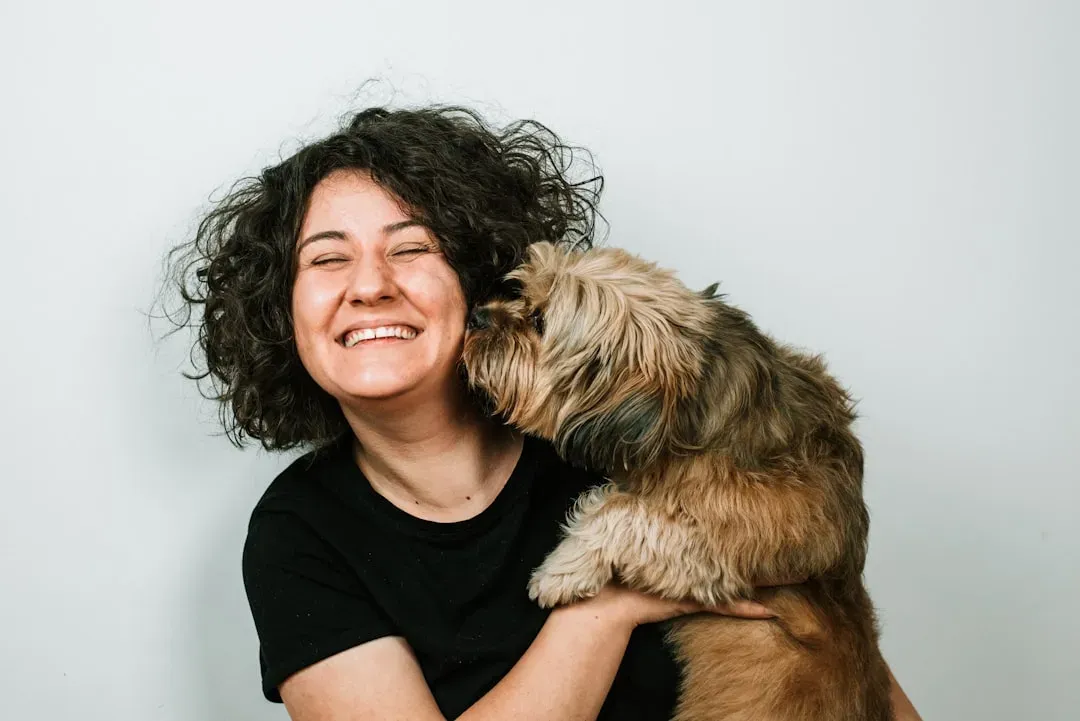
Most owners write off door-jumping as bad manners. But that wild launch at guests, the mouthing on sleeves, the total inability to keep four paws on the floor – that’s a nervous system flooded with adrenaline, not disobedience.
People love to say “he just loves people too much,” but a lot of these dogs are almost panicked with social overload: desperate for contact, terrified of missing out, and completely unequipped to cope with it. Correcting the jumping alone – kneeing them away, yelling, pushing them down – treats the symptom, not the cause. A better fix is a door routine built away from the actual moment: knock sound, dog goes to mat, sits, gets paid heavily for staying put through a boring greeting. The goal isn’t obedience for its own sake – it’s teaching their body that doors don’t equal chaos.
#8 – Sitting Perfectly Still, Eyes Locked on You: “I’m Waiting for Your Signal”
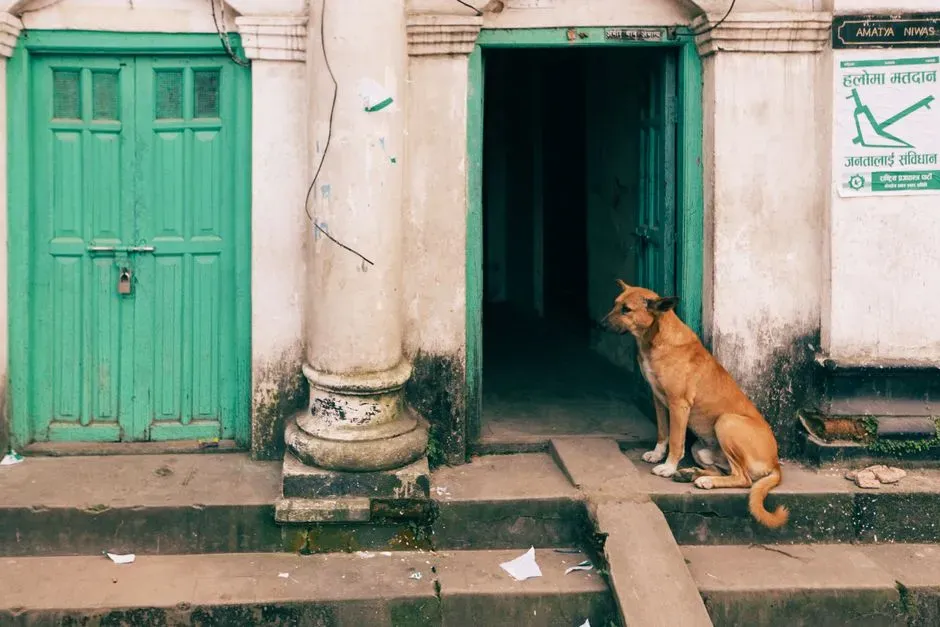
A dog who automatically plants their butt at the door and stares up at you like they’re waiting for orders isn’t just “well-trained.” That’s deeply rehearsed trust, built one repetition at a time.
These dogs have learned the door is a checkpoint where behavior matters, that access is earned through calm focus, and that you – not the chaos outside – decide what happens next. That kind of self-control doesn’t appear by accident; it comes from owners who quietly require a sit before the door opens, every single time, no exceptions. There’s a deeper layer here too: a dog who can hold that sit while a guest walks in or another dog passes outside isn’t just obeying. They’re relieved. “Good,” they’re thinking. “You’ve got this.”
#9 – Sniffing the Crack Obsessively: “I’m Reading the Whole Story Before It Starts”
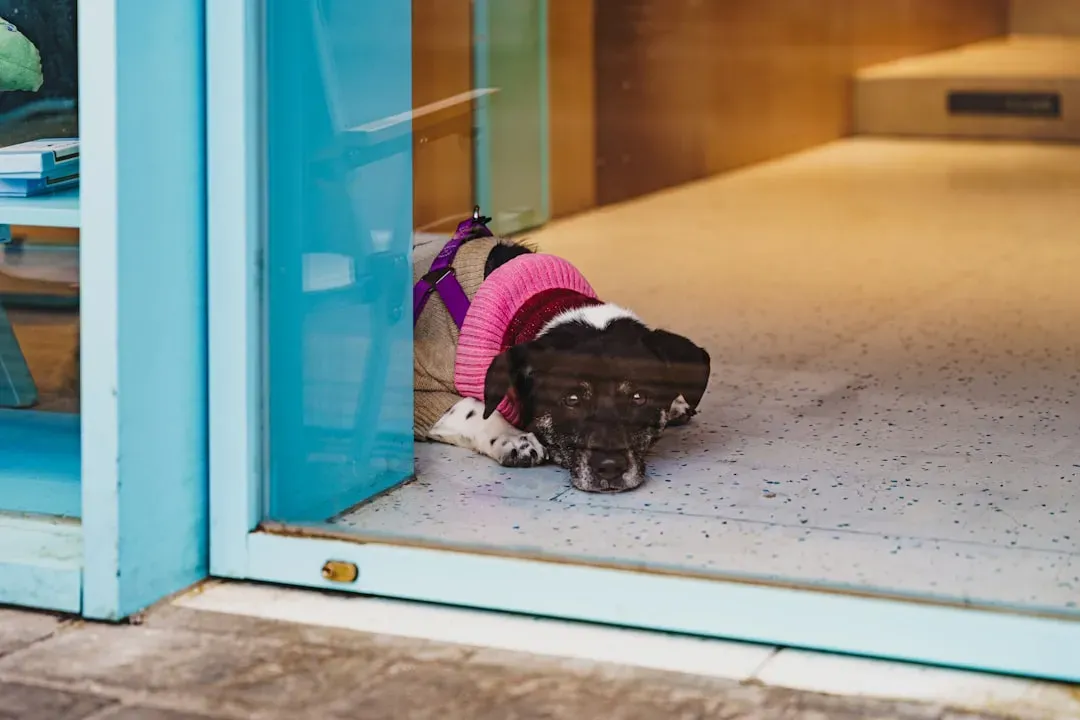
When your dog buries their nose along the bottom of the door and sniffs like it’s the last scent on Earth, they’re not stalling. They’re pulling an absurd amount of information out of the air before deciding what to do next.
Dogs can smell who passed by, how long ago, whether another dog was stressed or calm, even whether a familiar person came near recently. That obsessive sniffing might mean they’ve detected recent traffic, they’re confirming whether a known trigger is out there, or they’re simply checking if the coast is clear. Yanking them away mid-sniff forces them to walk into a situation blind, and dogs who never get to gather intel often become more reactive, because everything feels like a surprise attack. Give them a brief, structured sniff, then calmly cue “okay” – you’re telling them, “you read the room, then I lead.”
Worth Knowing
- Dogs have hundreds of millions of scent receptors, compared to only a few million in humans.
- The area of a dog’s brain devoted to analyzing smell is proportionally far larger than a human’s.
- A trained nose can pick up residual scent left behind hours earlier.
- Interrupting a sniff sequence too early can leave a dog feeling under-informed and more on edge.
#10 – Refusing to Cross the Threshold: “Something Out There Broke My Trust”
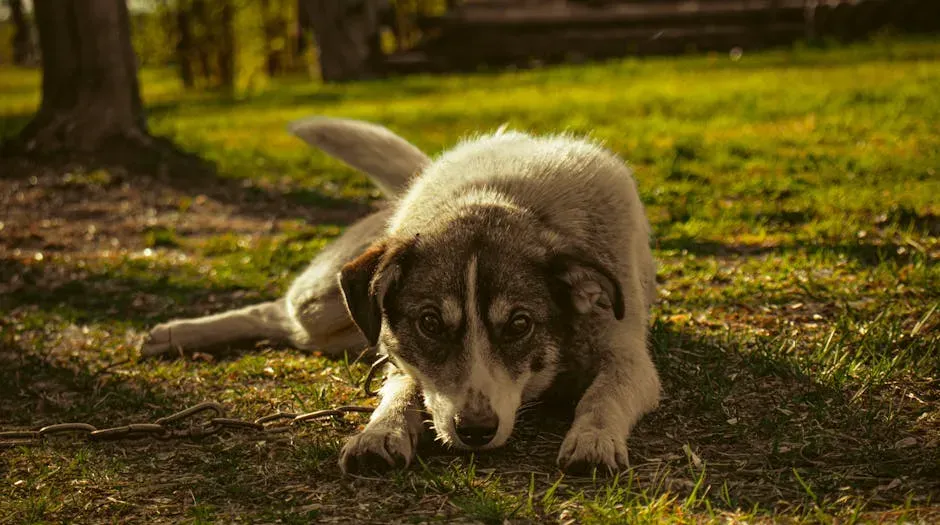
A dog who suddenly plants their feet and will not go out the door isn’t being stubborn. It’s usually a flashing sign that the outside world stopped feeling safe, at least right there, right now.
The roots are often specific: a loud or painful event near that door, a conflict with another dog or person just outside, or being forced out while already anxious during a storm or a chaotic moment. Dogs are contextual learners – enough bad experiences in one spot and that spot becomes contaminated in their mind. You might see them lean away from the open door, pant or drool despite normal temperatures, or try to bolt back inside. Forcing them out “to show them it’s fine” usually proves the opposite – that they have no choice when they feel unsafe. Shrink the world instead: open the door without requiring a crossing, reward them for looking out, then for one paw forward, then two.
#11 – Licking the Handle or Frame: “I’m So Anxious I Need to Self-Soothe”
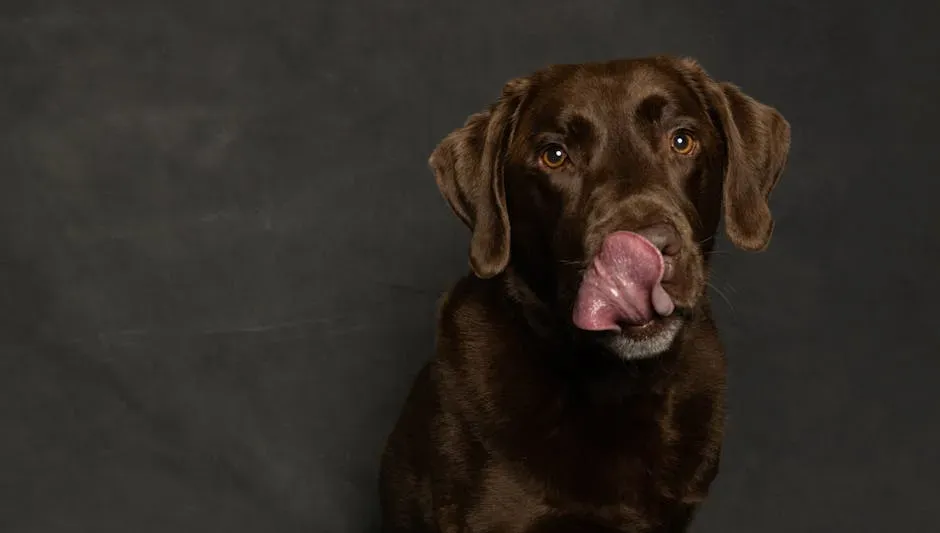
Door licking looks quirky, maybe even funny, but it’s often anxiety displacement tied directly to anticipation. Licking the knob when you grab your keys, licking the frame when someone’s standing right outside – it’s not random.
Licking releases endorphins in dogs. It’s a built-in calming mechanism, not unlike a person biting their nails before a job interview. When it consistently shows up around door moments, the message is clear: the door equals emotional overload, and licking is how they’re coping with it. Punishing that coping mechanism, especially over paint or wood damage, misses the point entirely. Zoom out instead – what’s happening around the door when the licking starts? – and redirect that energy to a lick mat or a stuffed Kong given before you ever touch the handle.
At a Glance
- Licking triggers a small endorphin release, acting like a built-in stress reliever.
- It’s usually tied to anticipation cues: keys jingling, footsteps, a knock.
- Dogs already prone to anxiety tend to show this behavior more often.
- Redirecting to a lick mat or stuffed toy works better than correcting the habit directly.
#12 – Watching You Leave Quietly, Then Walking Away: “I Trust You’ll Come Back”
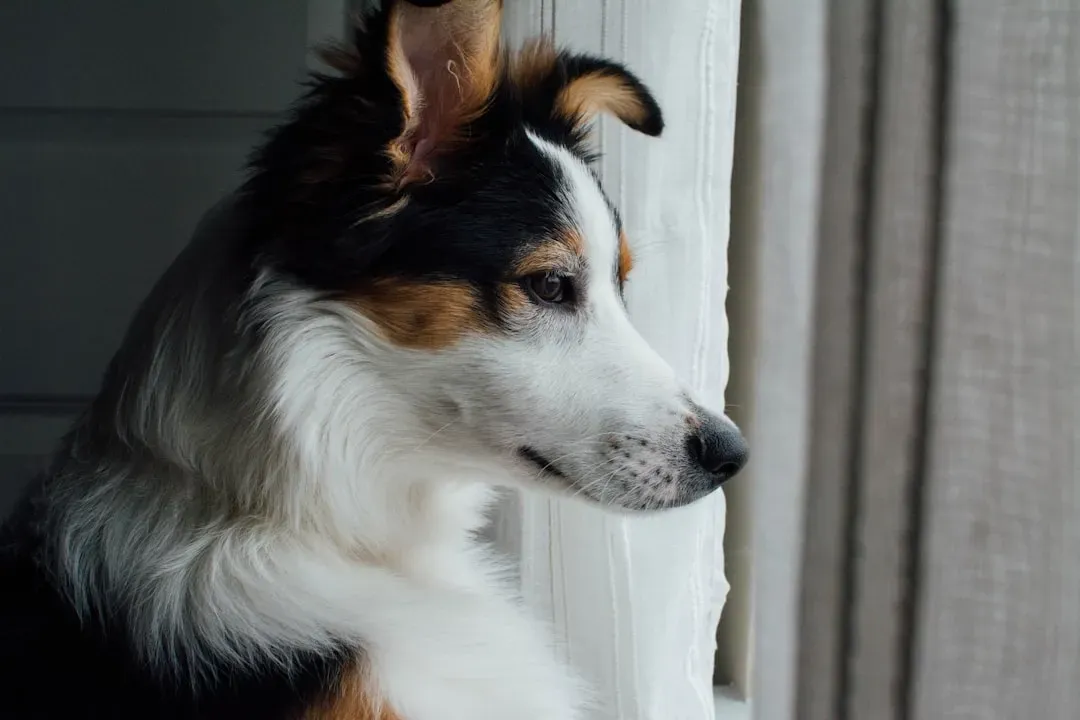
The behavior most owners completely overlook is the one that looks boring: your dog walks you to the door, gives a small tail wag, then calmly wanders off as you leave. Ironically, this quiet moment is often the healthiest emotional response on this entire list.
These dogs don’t throw their bodies at the door, don’t collapse into whining the second it shuts, and often settle into a bed or window spot within seconds. That’s not indifference – that’s security earned through hundreds of repetitions proving you leave, nothing catastrophic happens, and you come back. In a culture that romanticizes clinginess as “bonding,” this calm confidence gets misread as “he doesn’t care.” In reality, it usually means you’ve done one of the hardest things in dog ownership – raised an animal who can regulate themselves in your absence.
The Bottom Line
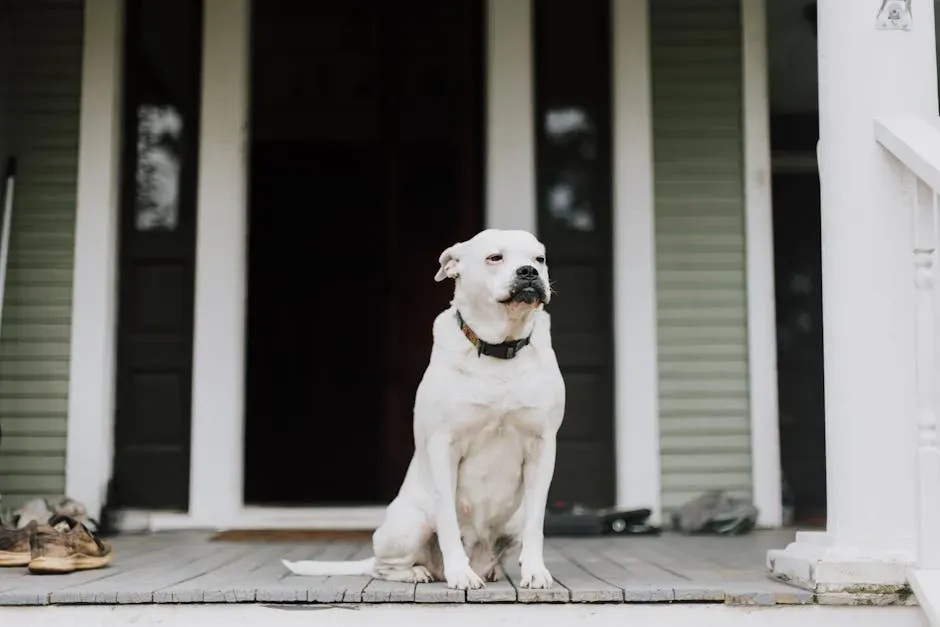
The door is not just a piece of wood on hinges. It’s the emotional border between your dog’s safest zone and everything unpredictable beyond it, and the way they act there is a live report on their stress level, their sense of duty, and their confidence in you.
Here’s my honest take: most people wave off these signals as “excited to go out” or “happy I’m home,” and then wonder why bigger problems – separation anxiety, reactivity, guarding – seem to appear out of nowhere. They didn’t appear out of nowhere. They were rehearsed at that exact spot, one unnoticed pace or whine or scratch at a time.
Every knock, every exit, every return is teaching your dog something, whether you mean it to or not: either the world is chaotic and they’d better handle it themselves, or you’ve got it covered and they can finally relax. Calm sits, brief sniff breaks, and predictable routines at the door aren’t small stuff – they’re the difference between a dog who screams their feelings through the walls and one who trusts you enough to just walk away. If your dog’s doorway behavior looks more like anxiety management than affection, that’s not a quirky habit. That’s a request for better leadership, and it’s one worth answering.