
17 Moments a Dog Stores From an Ordinary Day That Shape How It Greets the Person Coming Home
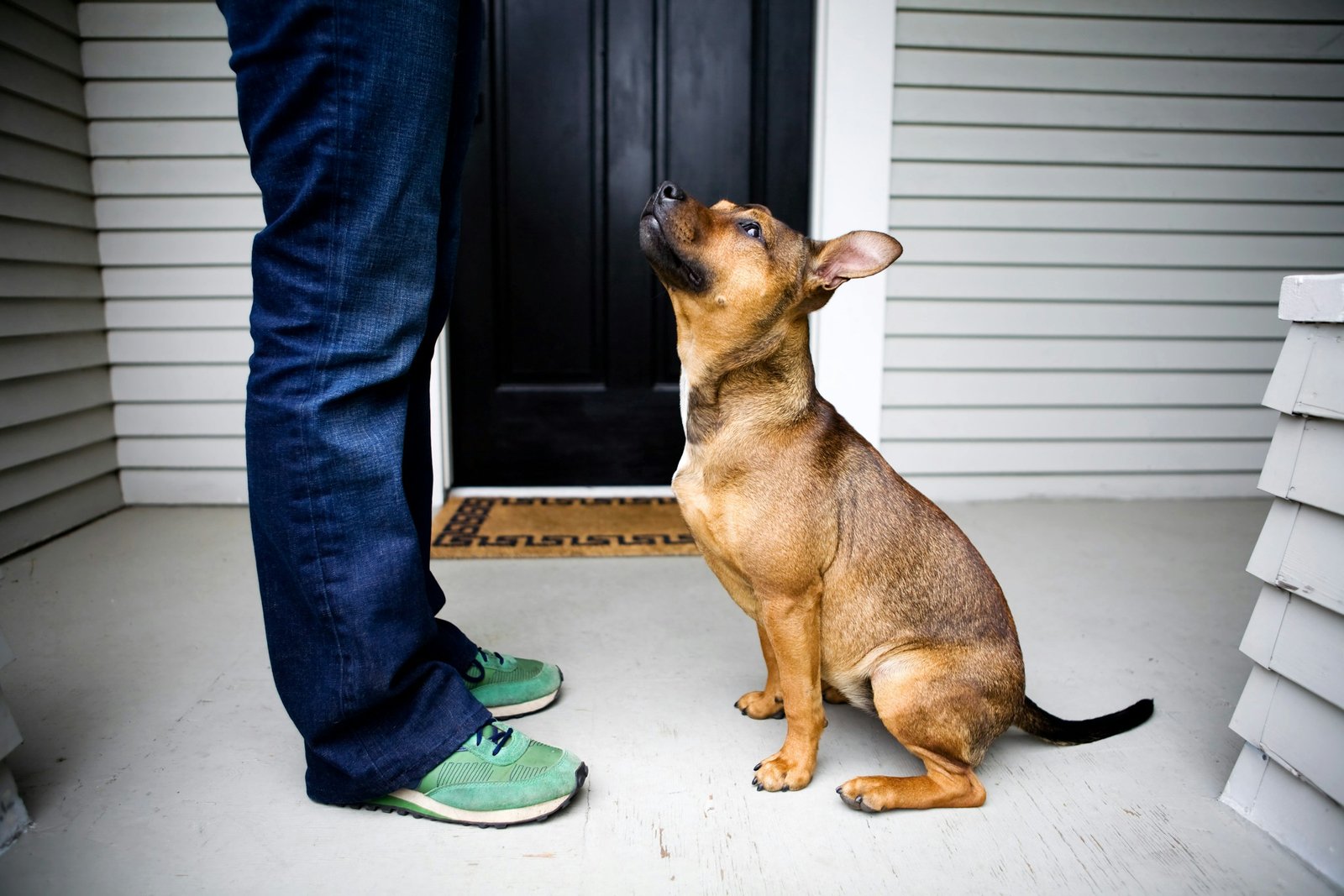
You’ve seen it a thousand times: the door opens, the tail goes wild, and you call it love. But dog behaviorists say that ten-second explosion at the door isn’t really about you, at least not directly. It’s a replay of everything your dog quietly logged since the moment you left, compressed into a burst of paws, whines, and wiggles you probably never stopped to decode.
Somewhere in that greeting is the memory of your rushed goodbye, the mail truck that rattled the windows at noon, an ache in an aging hip, even the lingering smell of a stranger who dropped a package by the door. Dogs aren’t living in some memory-free bubble between hellos – they’re quietly building a file on your entire day apart. Here’s what’s actually inside it.
#1 – How You Left Sets the Emotional Baseline
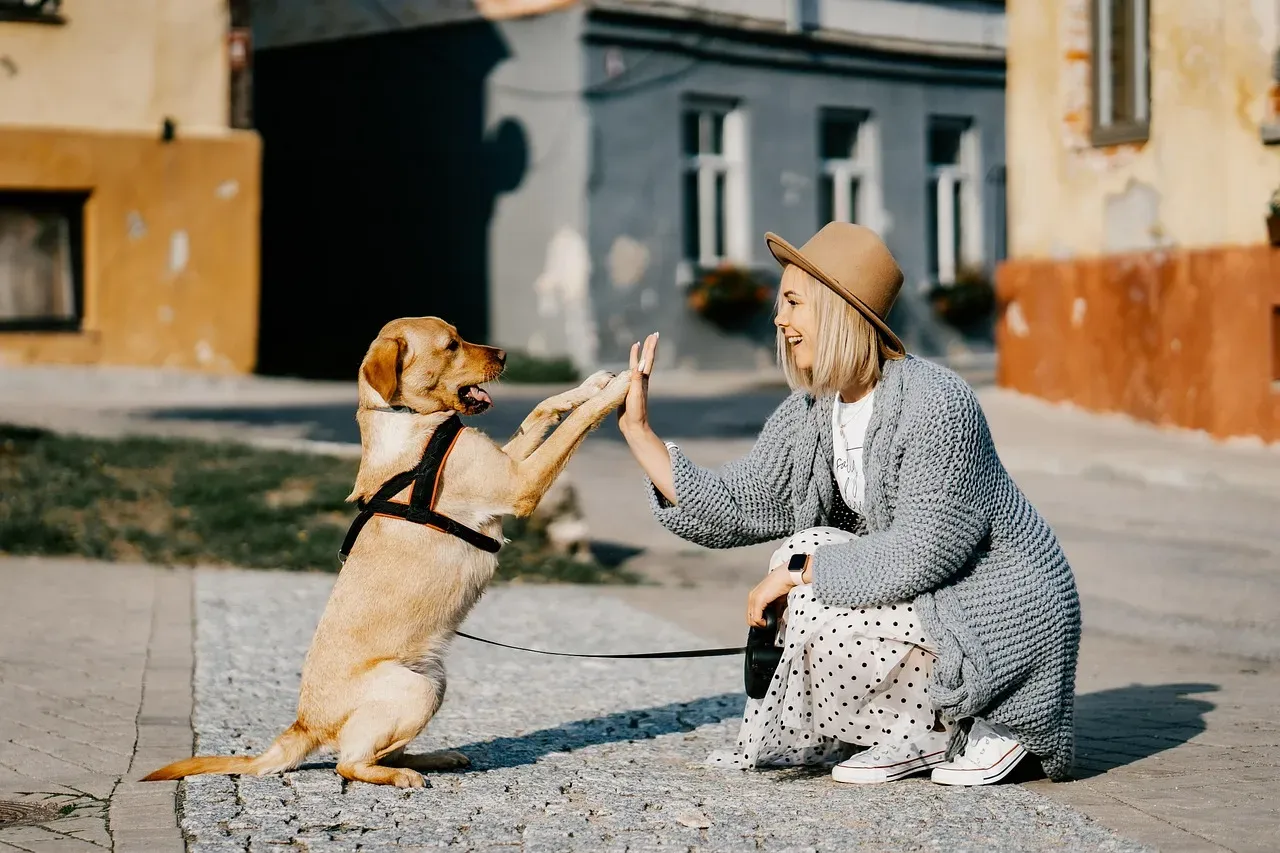
Your goodbye in the morning isn’t a throwaway moment. It’s the opening scene your dog replays all day. If you rush out stressed, ignoring them, many dogs file that away as unfinished emotional business – some stew in low-level anxiety, others just feel brushed off.
A calm, predictable exit teaches your dog that separations are normal, so the greeting later becomes less about relief and more about routine joy. Owners often misread a calmer welcome as less love, when really it’s a sign your dog feels safer than the one who greets you like you’ve returned from war.
#2 – The First Silence After the Door Closes
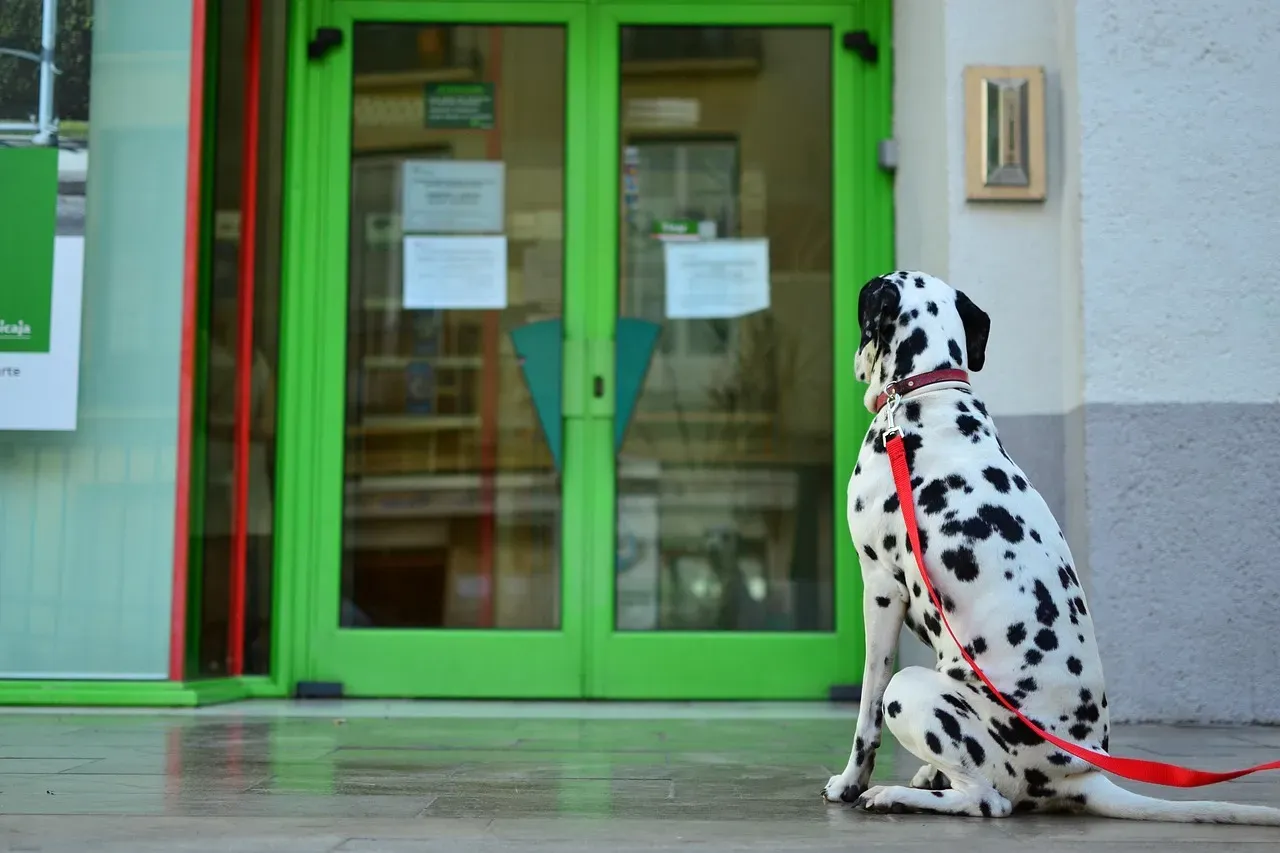
The second the door clicks shut, your dog’s brain takes a snapshot: alone, quiet, no footsteps. That first minute becomes the emotional reference point for the entire day ahead, and it quietly shapes how desperate or how calm the eventual reunion will be.
Dogs who settle fast tend to greet with enthusiasm that stays balanced. Dogs who stay agitated or vocal often deliver frantic, almost explosive reunions later – not extra love, just the release valve after hours of tension. Training a calmer goodbye isn’t about manners; it’s about rewriting that first silence.
#3 – The Duty Scan of an Empty House
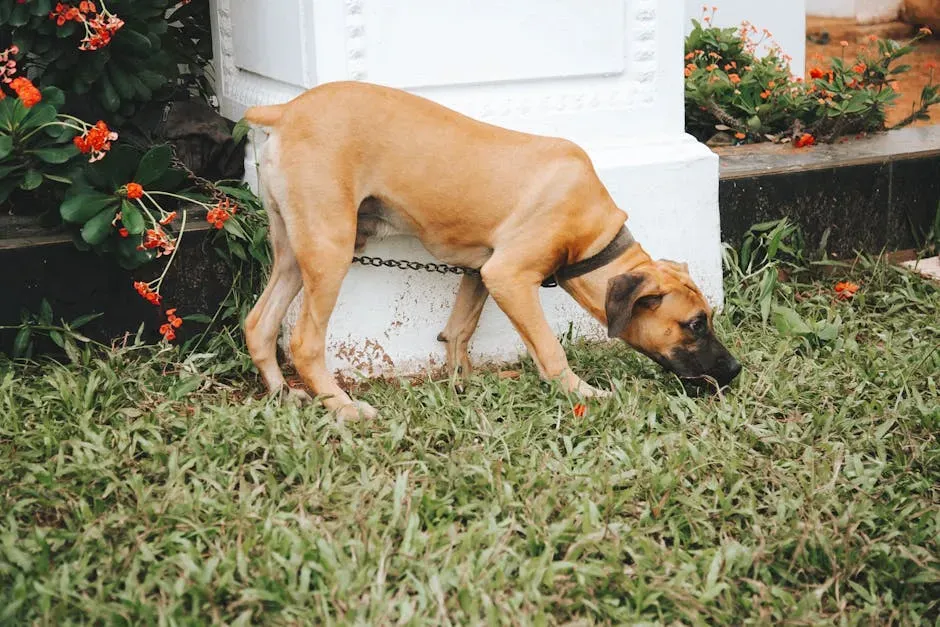
Once things go quiet, many dogs slide into what looks a lot like shift work. They patrol the perimeter, sniff corners, check windows and doorways, especially near where people usually sit or drop their bags. It’s not aimless wandering – it’s a security check that tells them what kind of day to expect.
If nothing smells or looks different, your dog logs a calm note: home is fine, and you’ll likely get a relaxed greeting. But if something’s off – a strange scent at the door, a delivery box, moved furniture – that early alert lingers, and you come home not just as their person, but as the one who has to explain the new box in the hallway.
Fast Facts
- Dogs have up to 300 million scent receptors, compared to roughly 6 million in humans, which is why their “patrol” is really a scent audit.
- Patrol routes usually center on doors, windows, and furniture soaked in the family’s scent.
- A single new object – a box, a bag, a pair of shoes – can hold a dog’s attention for hours.
- Separation-related restlessness is one of the most common behavior concerns vets hear about from dog owners.
#4 – The Noises From Outside You Never Notice
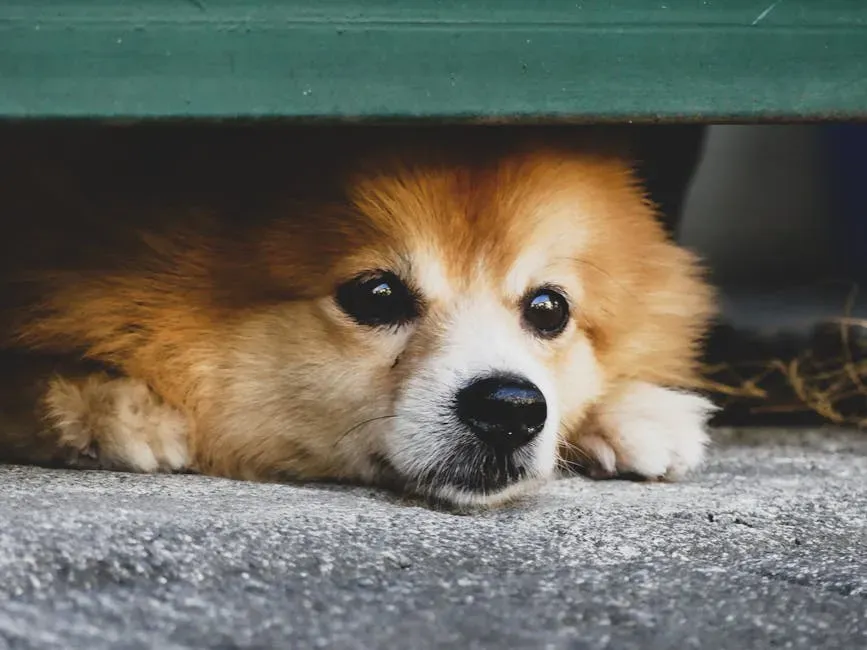
Your dog’s day runs on a soundtrack you’ve learned to ignore: the mail truck, screaming kids, a lawn mower, a distant siren. None of it is background to them – it’s logged as events. One aggressive bark from a neighbor’s dog can replay in their head for hours.
Loud deliveries, thunder, or construction can turn a boring afternoon into a stress marathon, and that pent-up static often shows up later as an over-the-top greeting – jumping, zoomies, even a nip – not extra affection, just relief that the noise finally stopped mattering. Quieter days almost always buy you a calmer, more affectionate hello.
#5 – The Sunbeams, Beds, and Comfort Spots They Chose
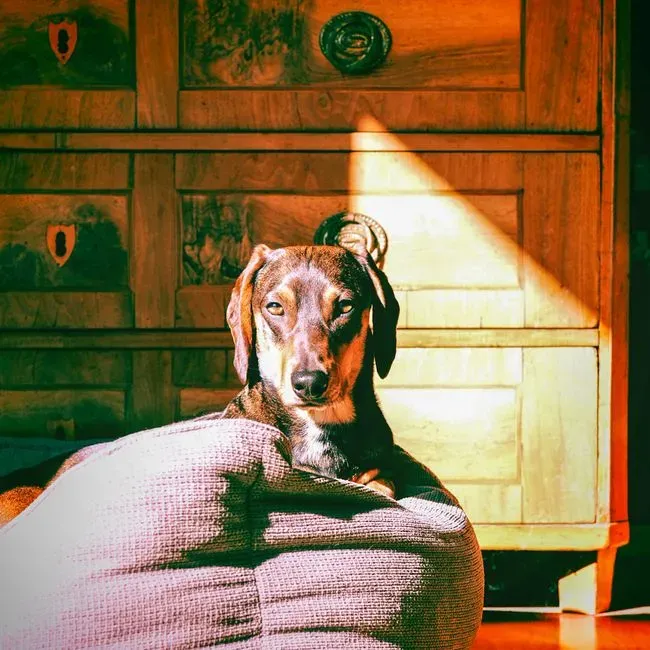
Where your dog rests during the day isn’t random flopping – it’s a choice between warmth, security, connection, or surveillance. A dog curled up on your unwashed T-shirt is literally buffering the separation with your smell, staying close to you in the only way it can.
Spend the day on your bed or couch, and the greeting later tends to run soft: leaning, slow tail wags, deep eye contact. Spend it on a window ledge watching the street, and you’ll likely get something sharper and more wired – because that dog wasn’t resting, it was on duty the whole time.
#6 – Any Scolding or Chaos Before You Left
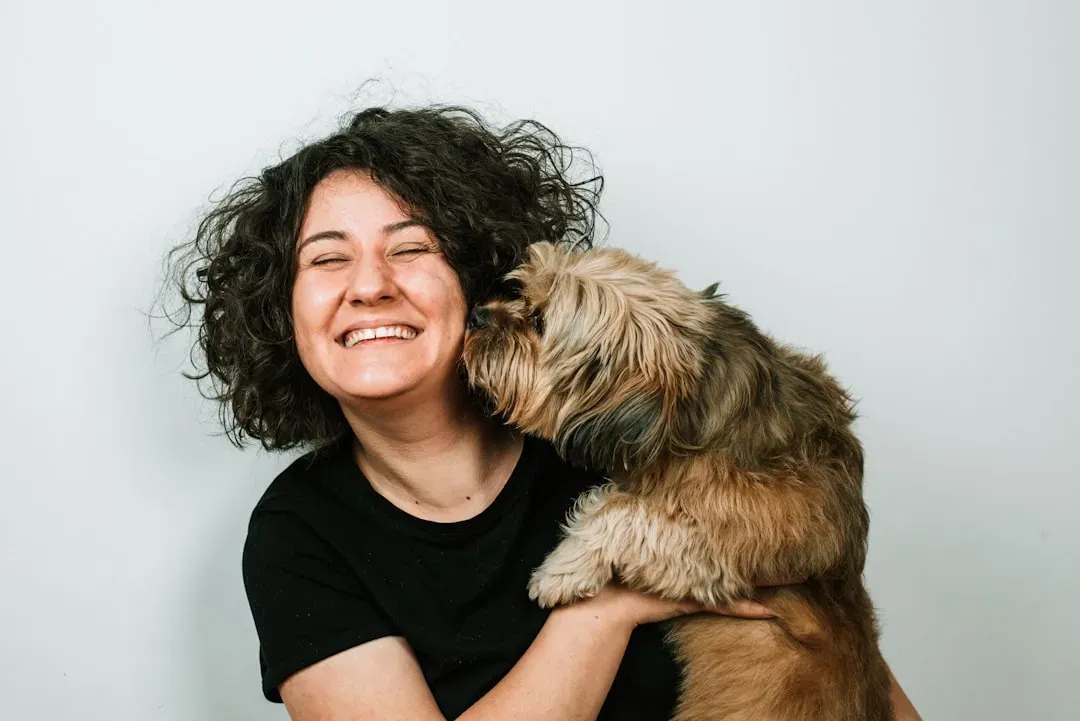
People love saying dogs live entirely in the moment, but anyone who’s snapped at their dog before rushing out the door and gotten a weird welcome home later knows better. Dogs read clenched jaws, sharp tones, and jerky movements, and that tension doesn’t just evaporate.
Come home after a chaotic send-off and some dogs greet you cautiously, ears back, tail low: are we okay now? Others overcompensate with wild, clownish affection to reset the mood. Either way, the greeting becomes half reunion, half emotional cleanup – proof that dogs remember far more than we give them credit for.
#7 – The Lonely Minutes Around Their Internal Clock
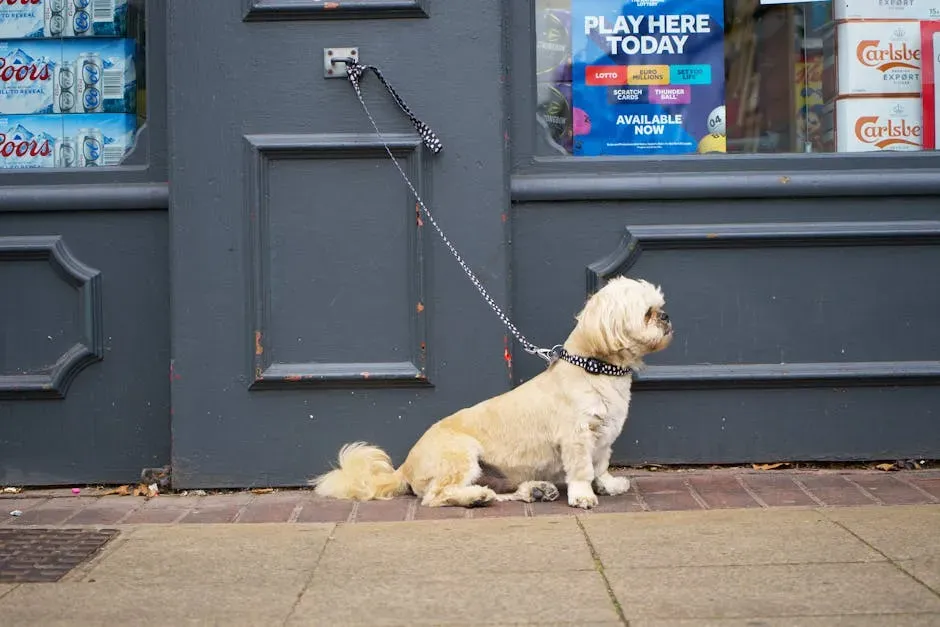
Dogs are eerily accurate timekeepers, tracking light, sound, and scent shifts that hint at when you should be home. That means there’s a predictable window right before your usual arrival where the day suddenly feels longer.
If you’re normally home by five, don’t be surprised if the pacing and door-staring starts around 4:30. Run late, and that anticipation curdles into real discomfort, which can flip into an almost desperate explosion of joy the second you walk in. Come home right on schedule, and the whole system never ramps up that high – so the greeting, while happy, stays more controlled.
At a Glance
- Dogs rely on circadian rhythm plus fading scent trails to sense the passage of time, not a literal clock.
- Anticipatory behavior – pacing, door-watching, ear perking – typically starts shortly before a consistent arrival time.
- Irregular schedules tend to produce more anxious waiting than a predictable, repeated routine.
- Consistent arrival times are linked to calmer, less explosive greetings over weeks of repetition.
#8 – Whether Anyone Came By While You Were Gone
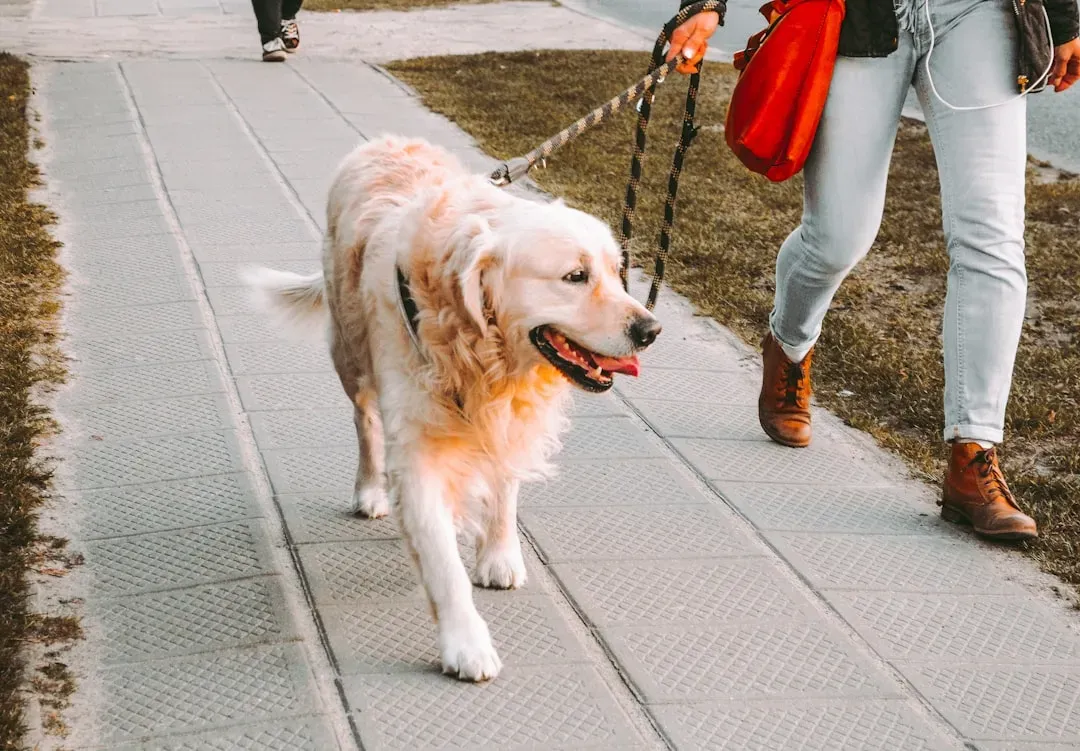
A dog walker, neighbor, or delivery person who actually steps inside becomes a major chapter in your dog’s day. Even a short visit breaks the isolation and rewrites the emotional arc, whether or not you ever hear about it.
If a friendly visitor played or walked your dog, the greeting you get may be calmer, even a little tired – not because your dog loves them more, but because the emotional tank isn’t running on empty. A visit that felt intrusive, like loud cleaners or a stranger shoving in a package, can imprint as a threat instead, which is why some dogs shadow you room to room the second you’re home, as if reporting: something happened here.
#9 – How Boredom Quietly Built Up
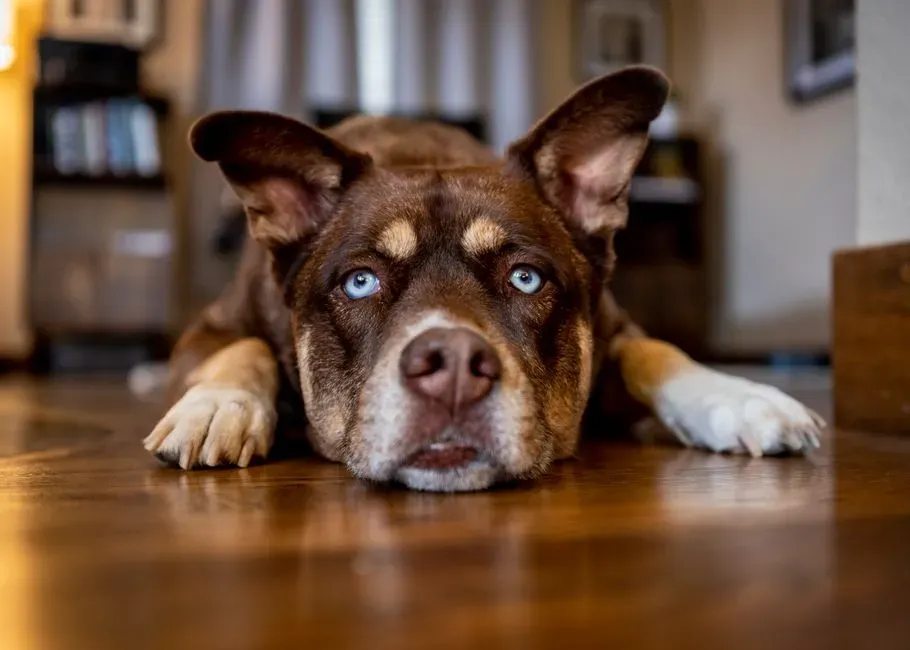
Boredom isn’t just nothing to do – it’s an uncomfortable, restless state that can tip into anxiety or mischief. A dog with no puzzle toy, no chew, no window view, and no background noise spends the day stewing in under-stimulation, primed to erupt at the first change: you.
Cue the tornado greeting – jumping, mouthing, zoomies – while the owner beams, wow, he really missed me, not realizing he actually missed mental stimulation. A dog who had a frozen Kong or a snuffle mat cycles through activity and rest all day, and greets you with real enthusiasm that comes with groundedness instead of chaos.
#10 – Any Physical Discomfort They Quietly Endured
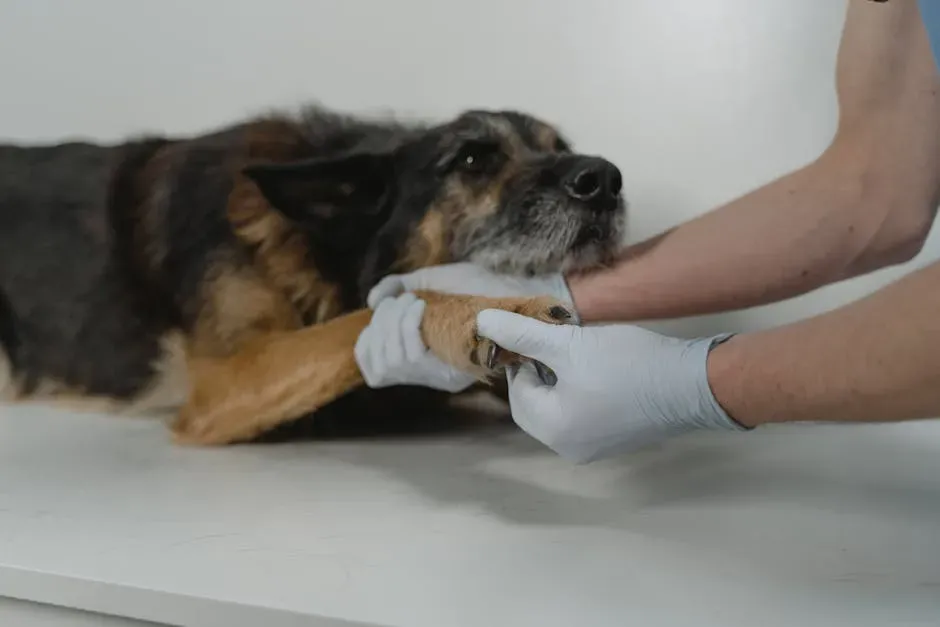
People dramatically underestimate how much small, nagging discomfort shapes a greeting. A dog with mild arthritis, an upset stomach, an itchy ear, or a bladder that’s been full for an hour has been storing that all day, and your arrival means one thing above all: the person who can fix this is finally here.
Some dogs greet you fast, then rush straight to the door or paw at the spot that hurts. Others give a muted hello, then collapse against you, seeking comfort rather than play. A senior dog’s slow, gentle lean into your legs isn’t less love – it’s more pain, and owners who compare an older dog to their younger self often miss that entirely.
Worth Knowing
- Adult dogs generally shouldn’t hold their bladder longer than 6 to 8 hours without a break.
- Joint stiffness and arthritis become significantly more common once dogs pass roughly seven years old.
- Subtle discomfort often shows up as excessive licking, a changed gait, or head-shaking rather than obvious limping.
- A muted, low-energy greeting can be an early physical cue worth mentioning at the next vet visit.
#11 – What They Smelled Long Before You Came Home
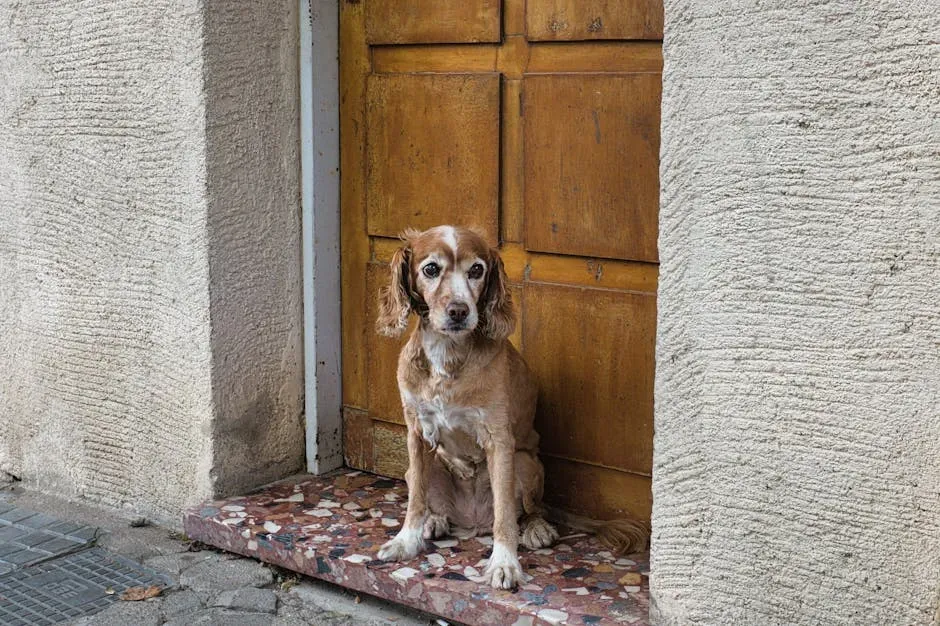
Your dog’s nose clocks your arrival long before your key hits the lock. The scent of your car, your footsteps, your usual route home all create a kind of scent countdown, drifting in through cracked windows or drafty doors minutes before you actually appear.
Some dogs start pacing or whining the instant that first wisp of scent hits. Others simply station themselves by the door, ears pricked, tail slowly wagging, already halfway through the reunion before you’ve turned the key. Change your route, your car, or the wind, and that pattern shifts too – your arrival suddenly feels more sudden, and the greeting can look startled instead of anticipatory.
#12 – The Last Thing They Were Doing Before You Walked In
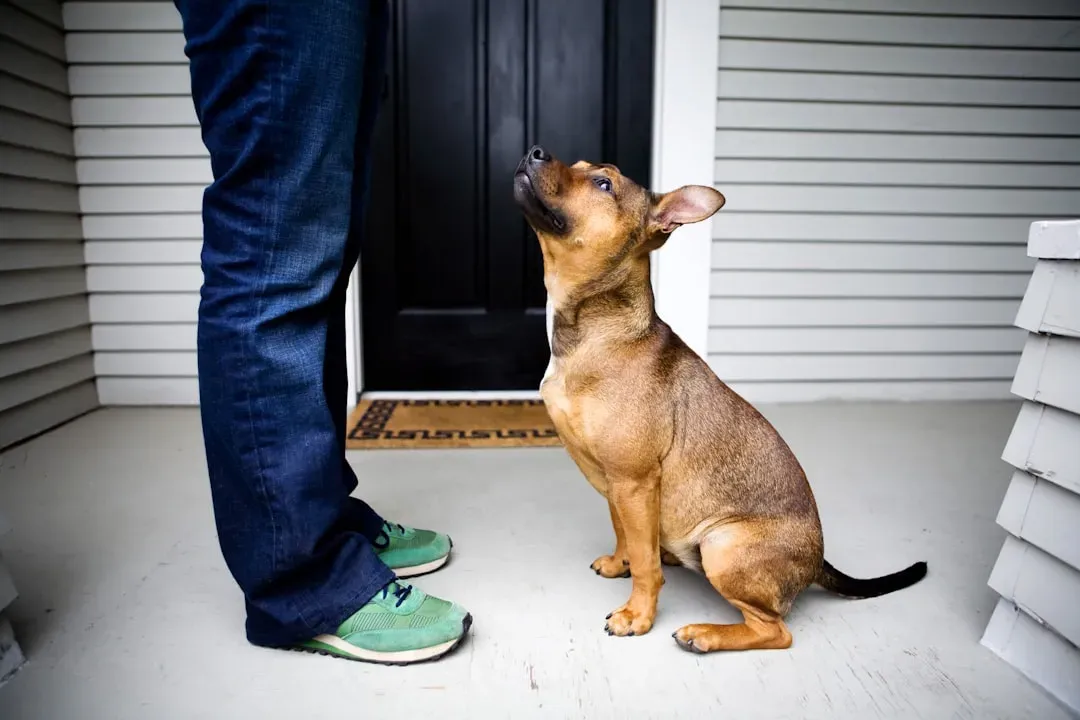
Whatever your dog was doing in the ten to thirty seconds before you opened the door bleeds straight into the greeting. Catch them dead asleep and you’ll likely get a slow, groggy, adorable stretch-and-wag – not less excitement, just a different gear.
Catch them mid-bark at a noise or charging the window, and that arousal slams right into the moment you step inside, creating a much more frantic hello. A dog interrupted mid-play might even bring you the toy as part of the greeting, as if saying, I was doing this, now we’re doing it together – proof that you’re not just seeing how they feel about you, you’re seeing whatever emotional residue was already running through their body.
#13 – Whether the House Still Smells Like You
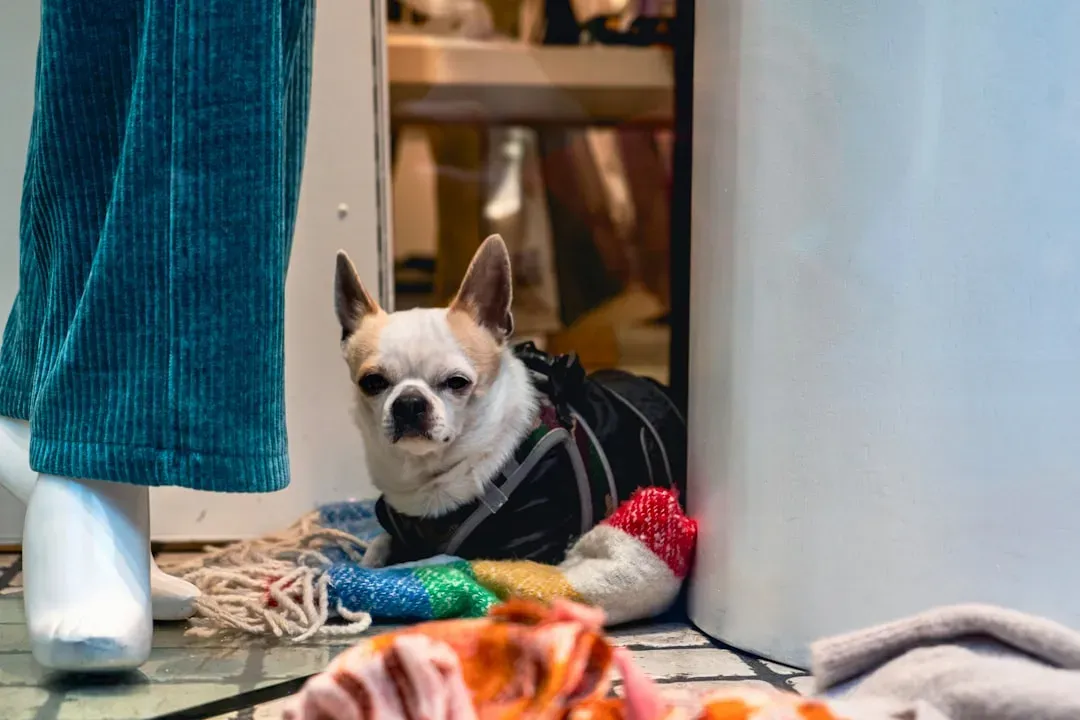
Dogs track the intensity and freshness of your scent around the house all day long. Leave a worn hoodie on the couch or let them nap where you slept, and your smell lingers in a way that softens the whole day – your return feels less like coming back from nothing and more like stepping back into a scent they never fully lost.
Wash everything, strip the bed, and leave in freshly laundered clothes, and the house can feel scent-poor to a sensitive dog, making the day feel starkly empty. Your arrival then hits like a flood of presence, which is why dogs who dig through your laundry pile aren’t being weird – they’re self-medicating with the one thing that reliably calms them down.
#14 – Interactions With Other Pets During the Day
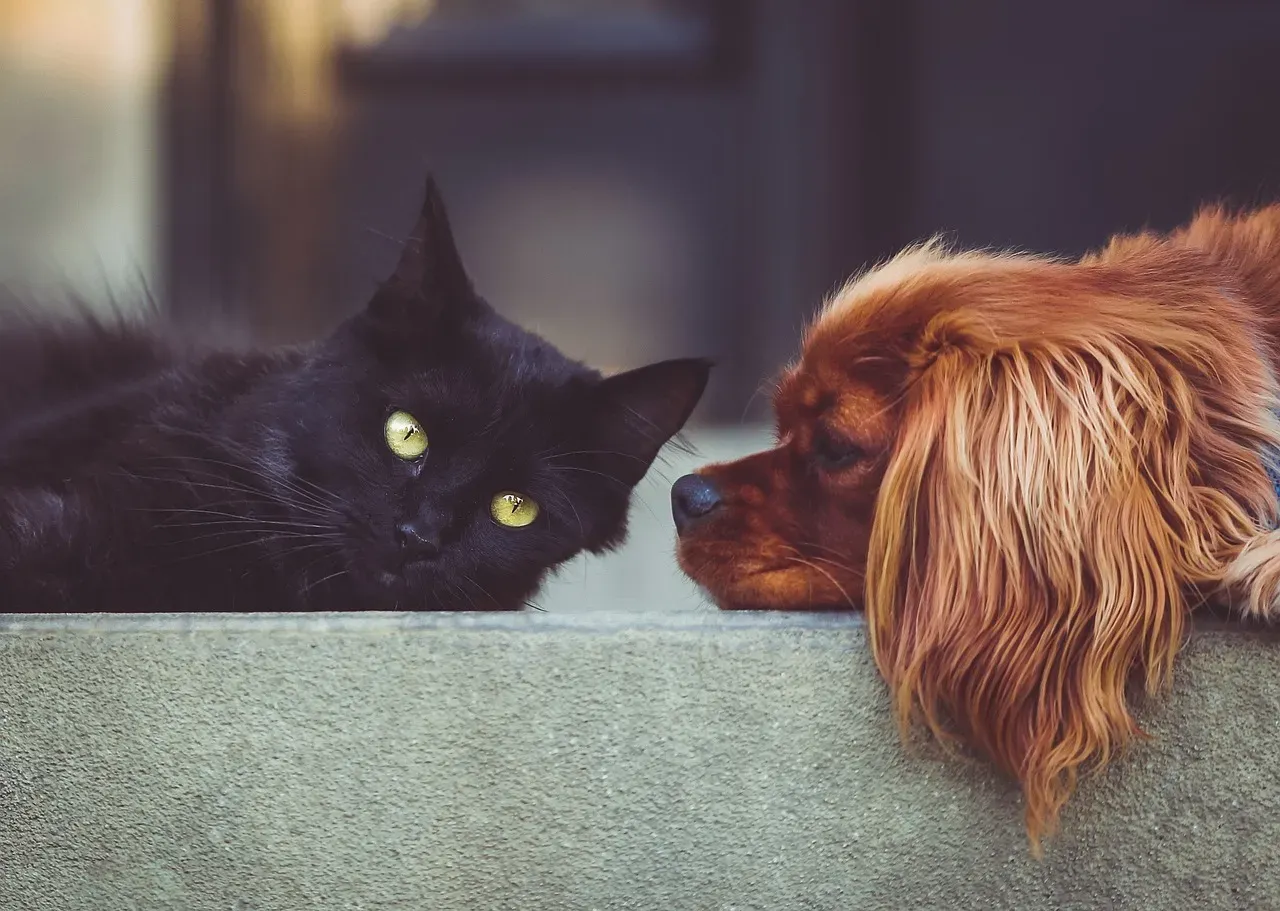
In multi-pet homes, your dog’s day isn’t just alone versus not alone – it’s a whole social ledger. A dog who spent the day peacefully co-napping with another animal usually greets you excited but not needy, because they haven’t been starved for company.
But if there was tension – a swat from the cat, a growl near the food bowl – that conflict sits in storage until you walk in as the social referee. Some dogs run to you and then glance nervously at the other pet, or wedge themselves between you and a housemate, which explains why a lukewarm greeting sometimes has nothing to do with you at all.
Quick Compare
- Peaceful day with a housemate pet: relaxed tail wag, waits its turn, less clinginess at the door.
- Tense day with a housemate pet: darts to you first, may wedge between you and the other animal.
- Peaceful day: greeting feels like routine joy, not urgent relief.
- Tense day: nervous glances back at the other pet while seeking your reassurance.
#15 – The Pattern You’ve Built With Your First Five Minutes Home
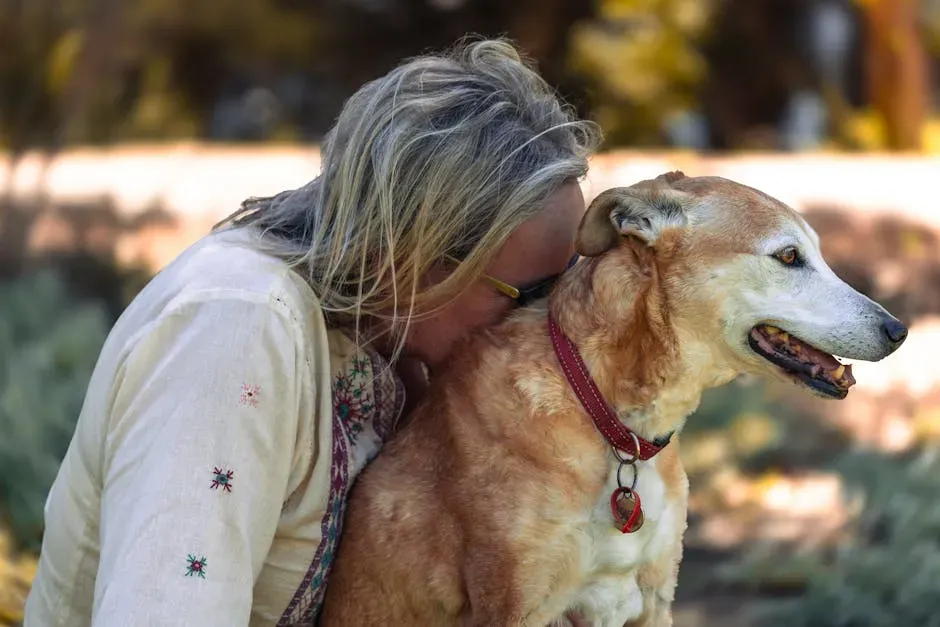
Dogs are brutally good pattern-readers. If your usual homecoming routine is dropping bags, ignoring them, and grumbling about the mail, they learn fast that your arrival is about your chaos, not their needs – and they’ll either escalate to cut through the noise or quietly withdraw over time.
Teach a predictable ritual instead – sitting for pets, heading straight outside, a few focused minutes of affection – and your dog files that as a safe, reliable script. Over months, this shapes the entire style of their welcome, which means the “too much” greeting owners complain about is usually just a mirror of what they’ve trained without realizing it.
#16 – Days When You Left in a Different Emotional State
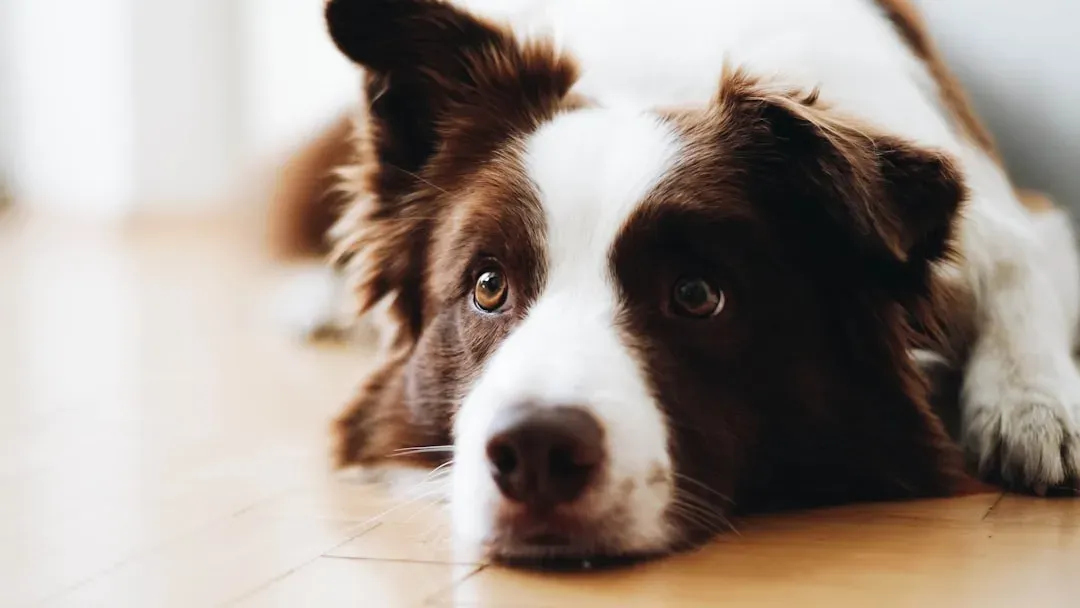
Here’s the part most people don’t want to hear: dogs notice when you’re falling apart. On days you leave sad, angry, sick, or anxious, your dog registers the shifts in your smell, posture, voice, and movement, and stores that version of you as the day’s departure.
Come home, and some dogs greet you more tentatively, watching your face closely, tail low, scanning for whether you’re okay now. Others smother you with paws and kisses, treating you less like the returning hero and more like the fragile creature they spent all day worrying about.
The bond between people and dogs is a mutual thing built on care, trust, and support, not competition.
Cesar Millan
#17 – The Cumulative Memory of Every Reunion You’ve Ever Had
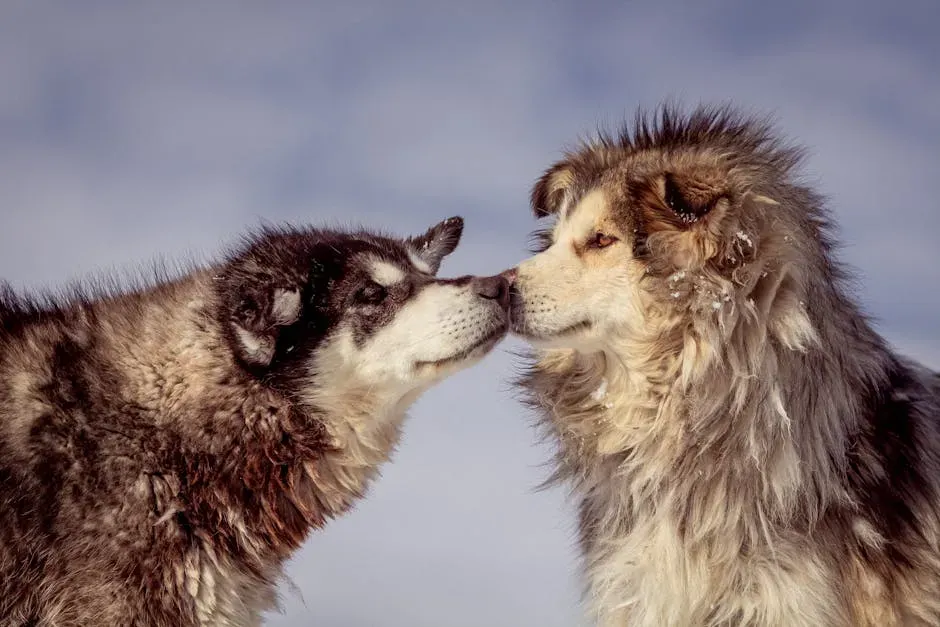
Here’s the part that quietly wrecks the myth that dogs live only in the moment. Every single coming-and-going you’ve ever had together forms a personal reunion history, and today’s greeting is really just the newest page in that long, co-written story.
Dogs who’ve lived through abandonment, rehoming, or long hospital stays often greet with an intensity that borders on desperation, because their emotional archive insists people disappear. Dogs with stable, reliable humans tend to show a confident, almost casual happiness instead – a wag, then a quick settle, because they’ve learned you always come back. Your dog isn’t just storing one day. It’s storing a lifetime of doors opening and closing, compressed into the ten seconds you barely notice.
The Bottom Line
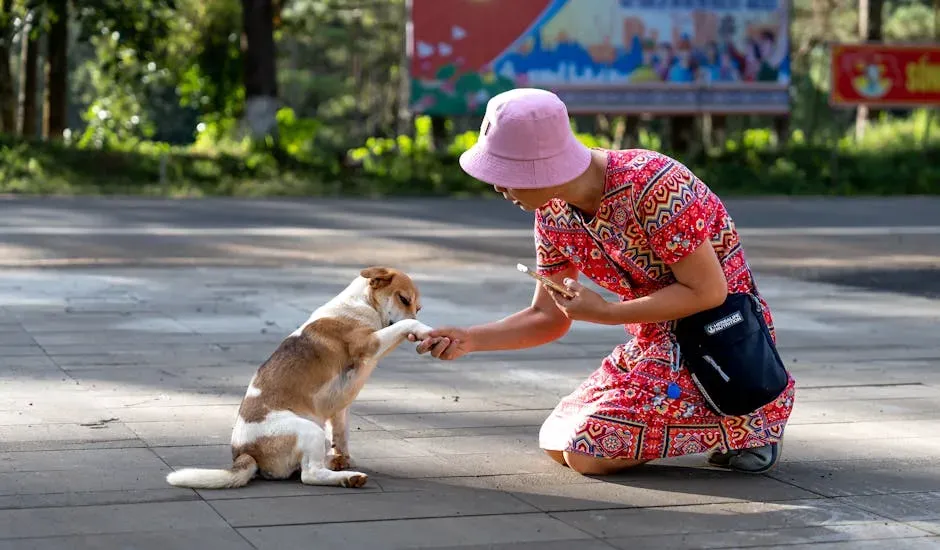
The way a dog greets you at the door was never a simple love meter. It’s a layered report of everything that happened in your absence, stacked on top of everything you’ve ever taught them about goodbyes and reunions – the rushed exit, the thunderclap outside, the ache in a stiff hip, the smell of you still on the pillow.
In my opinion, we romanticize “unconditional love” so much that we let ourselves off the hook. Your dog’s greeting isn’t magic. It’s the direct, honest output of your patterns, your home, and your consistency, whether that’s flattering or not. If you want a different reunion, skip the viral hack – go change the ordinary day that’s quietly writing it.
Did we miss a moment your dog clearly stores from your routine? Drop it in the comments.