
13 Things a Vet Notices About a Dog Owned by Someone Over 70
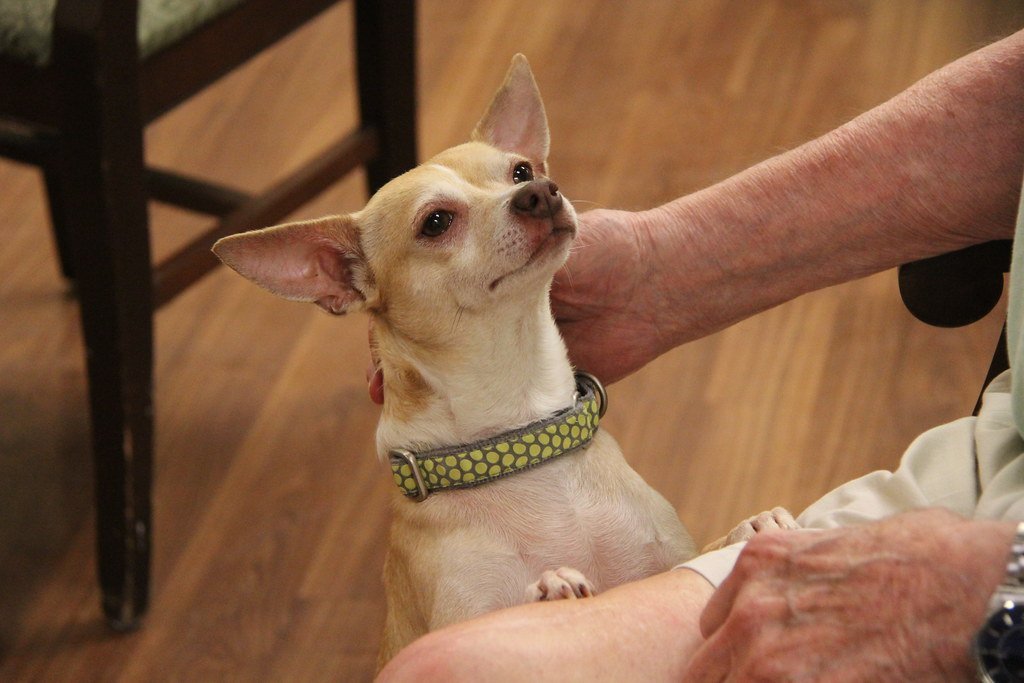
The internet has already made up its mind about senior citizens and dogs: either the pet is “spoiled rotten” or it’s “neglected because grandma can’t keep up.” Vets who actually work the exam table know both stories are usually wrong, and the truth is stranger and a lot more touching. Half the time, we can guess a dog’s owner is over 70 before the leash even hits the table.
It’s not the gray muzzle or the slow walk to the door that gives it away. It’s the nails, the teeth, the eyes, the tiny routines nobody thinks to mention at checkout. Some of what we notice will make you smile. A few things on this list might make you pick up the phone and check on your own parents tonight.
#1 – Extra Weight… But Also Extra Calm
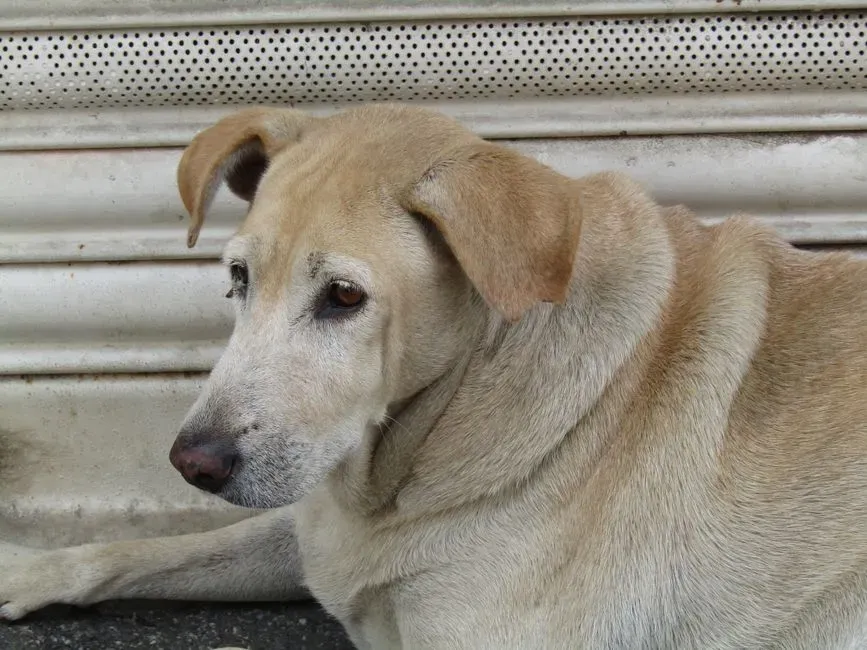
The first thing many vets notice in a dog owned by someone over 70 is the waistline. Older owners often show love with food, and that affection ends up on the scale. We see it constantly: a dog that’s technically “healthy” on paper but carrying 10-20% extra weight because walks got shorter as the owner’s stamina or balance declined.
The dog is usually mellow, gentle, and deeply bonded, but its joints and heart are working harder than they should. Senior owners are less likely to hit the dog park, so the pet’s main exercise becomes shuffling around the house and backyard. As vets, we walk a delicate line here: honor that loving bond, but gently say, “If you love him, we need to see more movement and fewer treats.”
#2 – Overgrown Nails That Tell a Story
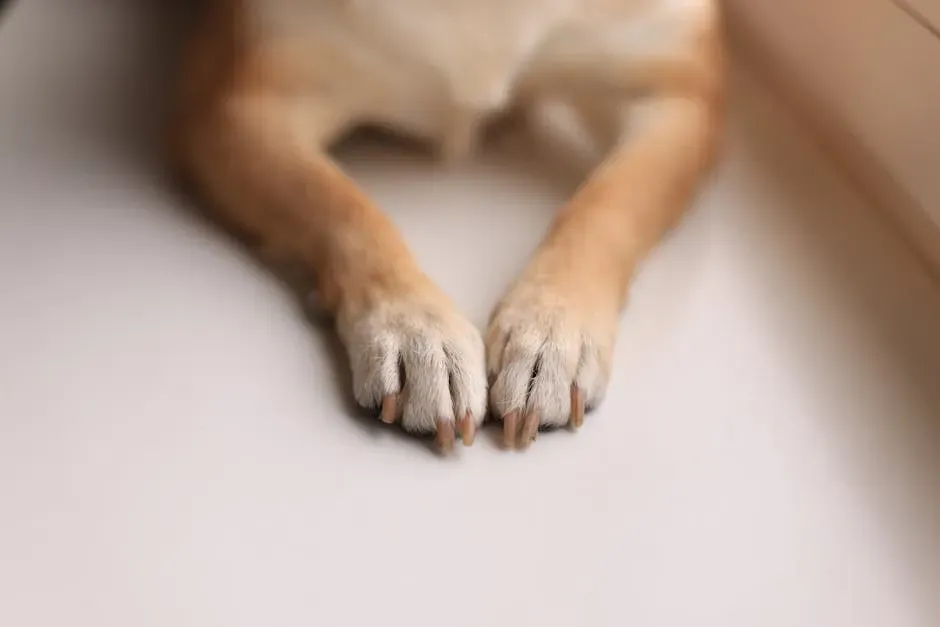
Vets can spot an older owner just by looking at the dog’s feet. Long, curling nails are often a silent clue that bending, gripping, or seeing well enough to trim them has become a struggle. A lot of over-70 owners are genuinely terrified of hurting their dog with clippers, and arthritis or poor vision only makes the job scarier.
We’ll see nails starting to curl sideways, changing how the dog stands and walks, sometimes making the gait look arthritic when the dog is really just avoiding pressure on painful feet. We also spot “DIY” trims gone wrong – uneven nails, a spot of blood, clear signs someone tried and panicked. It’s not neglect in the cruel sense. It’s fear mixed with love, and it’s usually an easy fix once a groomer or mobile nail service enters the picture.
#3 – A Mouth Full of Secrets (Good and Bad)
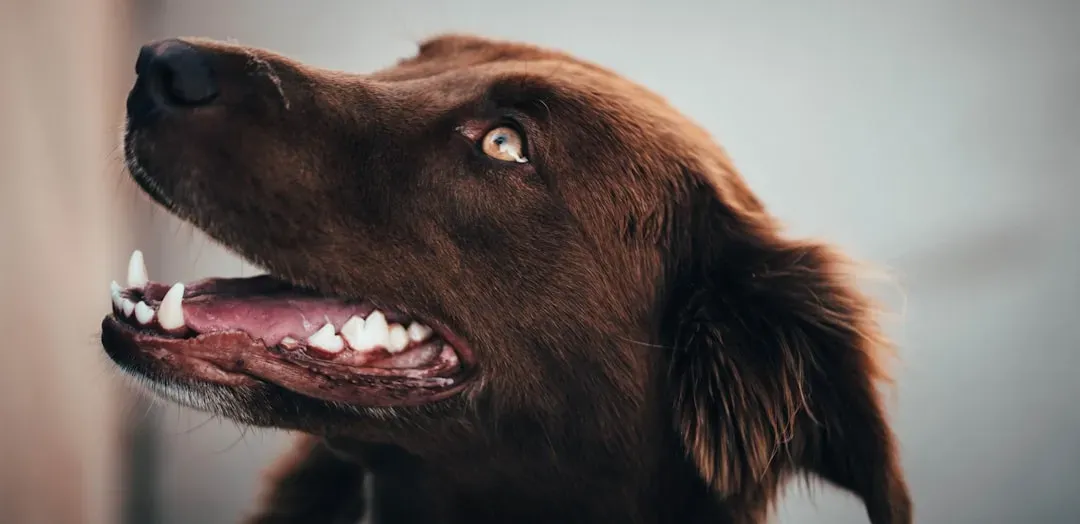
Dental health is one of the fastest ways a vet can guess an owner’s age bracket. Older owners tend to notice obvious pain but often underestimate slow, chronic dental disease. We see a pattern: the dog is adored, brushed, and cuddled, but its mouth smells like a sewer, with thick tartar, red gums, and loose teeth quietly building for years.
Many over-70 owners grew up in an era when “doggy breath” was just normal, and a $900 dental quote can feel impossible on a fixed income. But some seniors are the opposite – religious about dental chews and annual checkups, with teeth cleaner than pets half their dog’s age. When we lift the lips and show what’s really happening, the reaction is almost always the same shock: “But he still eats fine!” Dogs rarely stop eating until the pain is unbearable.
Fast Facts
- Most dogs show early signs of dental disease by around age 3 if teeth aren’t cleaned regularly.
- Persistent bad breath is rarely “normal” – it usually points to bacteria buildup or infection.
- Untreated dental disease can eventually affect the heart, kidneys, and liver.
- Annual dental exams catch problems long before a tooth needs to be pulled.
#4 – Eyes That Mirror Two Ages at Once

A vet doesn’t just see a dog’s age in its eyes – we often see the owner’s age too. Dogs owned by people over 70 frequently show subtle changes that have gone unnoticed for years: early cataracts, age-related cloudiness, or rising pressure in the eyes that everyone assumed was “just getting older.”
Seniors sometimes deal with their own vision changes, so slow shifts in the dog’s sight slide right past them. Meanwhile the dog might be bumping into furniture at night or hesitating at the stairs, and it gets written off as “slowing down.” More than once, a vet has watched a nearly blind dog navigate a house perfectly just by tracking the sound of its owner’s footsteps – proof of a bond, but also a warning sign for stairs, curbs, and traffic.
#5 – Suspiciously Good Manners… and a Seriously Bored Brain

One of the biggest tells? Manners. Dogs owned by someone over 70 are often surprisingly polite – and secretly understimulated. They’re often the best-behaved dogs in the entire waiting room, sitting quietly, waiting patiently, sticking close to their person instead of lunging at every stranger.
That’s the upside of a calm home: steady meals, no wild parties, no kids chasing them with toys. But behaviorally, there’s a flip side – no puzzle toys, few new walks, nothing beyond “sit” and “stay.” Their whole world can shrink to the living room, the yard, and the same sidewalk loop, and we’ll sometimes catch low-grade anxiety or quiet depression that owners miss because the dog “just lies around.” Dogs don’t retire from learning, and a five-minute training game can change everything.
#6 – A Dog Glued to One Person Like a Shadow

If there’s one thing vets almost expect in a dog owned by someone over 70, it’s intense attachment. Older adults are more likely to live alone or with a single partner, so the dog’s entire social universe narrows to one or two people. We see dogs that panic if the owner leaves the room, cry when separated at the clinic, or ignore everyone else in the building in favor of their person.
It’s heartbreaking and beautiful at once. The dog becomes an emotional lifeline – a reason to get up, a warm body in a quiet house – but that closeness can tip into real separation anxiety, complete with chewed door frames and pacing when the owner is at an appointment. We also notice something telling: many over-70 owners will ignore chest pain in themselves but rush in the moment their dog skips a single meal.
Worth Knowing
- Pacing, drooling, whining, and chewing near doors are classic signs of separation anxiety.
- Dogs with intense one-person attachment often struggle more when routines change.
- Short practice absences can help a dog build confidence being alone.
- A stuffed puzzle toy left behind can ease the transition when an owner steps out.
#7 – Medication Gaps, Confusion… and Surprising Consistency
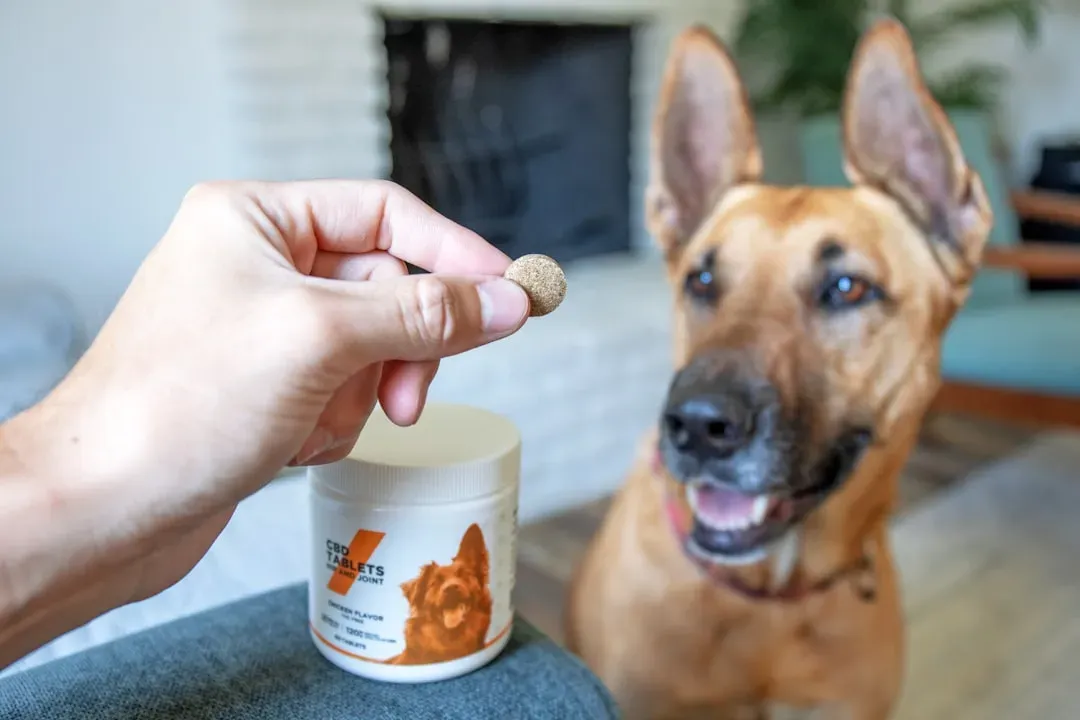
Medications tell a complicated story in senior-owned dogs. Some pets are on every appropriate drug; others are on none, and the gap is rarely about caring less. A lot of over-70 owners grew up when animals didn’t routinely get long-term arthritis meds or heart pills, so we still hear, “He’s old, what do you expect?” when a dog is limping or pacing all night in pain.
Fixed incomes and confusing pill schedules make some owners hesitant to “add another thing.” But then there’s the flip side: seniors who fold the dog’s medication into their own daily pill ritual and never miss a dose – more reliable than plenty of owners a third their age. The real work for us becomes education: figuring out what’s essential, what’s optional, and how to simplify without overwhelming anyone.
#8 – A Dog That Lives by the Clock, Not the Calendar
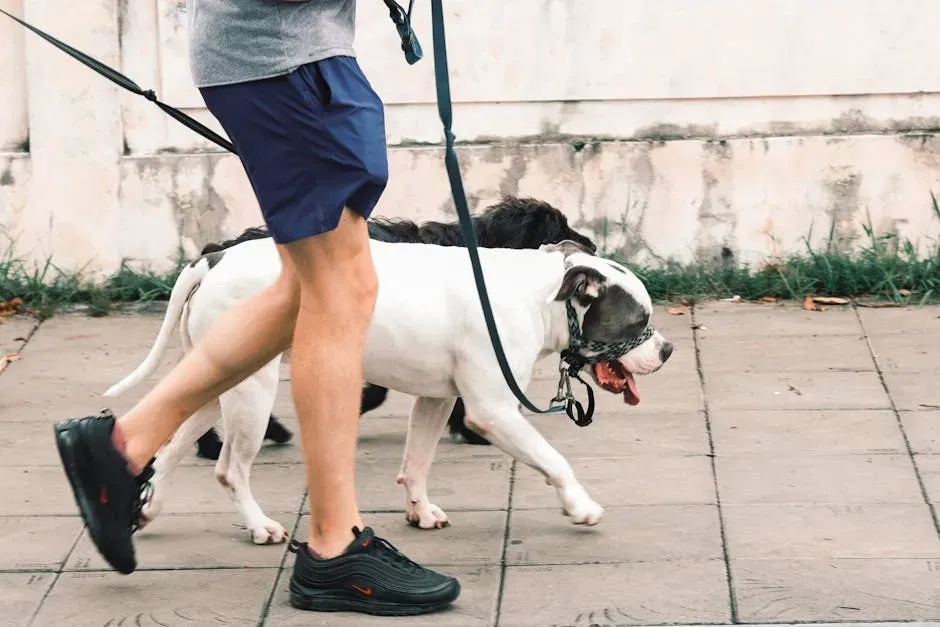
Dogs owned by people over 70 often run on a stricter schedule than dogs in young families, because retirement means the human is home – and that consistency reshapes the dog’s entire life. Meals at exactly 7:30 a.m. and 5:00 p.m., a walk at 9:00, medication at noon, bed at 10:00 sharp. We can often tell you it’s 5 p.m. purely based on the dog’s behavior.
That routine makes many dogs feel wonderfully secure, but it also makes them brittle. Break the pattern – a hospital visit, bad weather, travel – and the anxiety spikes fast, sometimes with pacing or refusal to settle. We’ll often coach owners to sneak in small doses of variety, like a shorter walk at a different hour, so the dog doesn’t fall apart the day life inevitably gets messy.
#9 – A Coat That Shows Exactly How Mobile the Owner Is

A vet can often read an owner’s mobility straight off the dog’s fur. Grooming isn’t just cosmetic – it’s practically an audit of how much bending, lifting, and grip strength is left in the household. We commonly see mats behind the ears, under the armpits, and near the tail, all in spots that require lifting a limb or getting down on the floor.
It’s not that the owner doesn’t care; grooming has simply become physically hard, sometimes painful. On the other hand, some seniors are grooming rock stars who can’t manage a long walk anymore but brush the dog every evening while watching TV, and it shows – fewer skin issues, a coat that shines. What worries vets is the opposite extreme: long nails plus matted fur, especially in poodles and doodles, meaning daily discomfort the dog can’t even complain about properly.
#10 – Small Injuries That Hint at Bigger Home Hazards

Some of the most telling signs aren’t dramatic – they’re tiny cuts, sprains, and strains. A nicked paw pad, a bruised rib, a sore back leg can all point to a home that’s quietly become risky for both dog and owner. We frequently see older owners living with stairs, slippery floors, or clutter, and the dog pays the price first.
They slip on tile, tumble off the bed, or get accidentally bumped by a walker. No one is being careless – it’s aging bodies colliding with an unchanged environment. We’ll suggest rugs for grip, ramps for the car or couch, baby gates for the stairs. Some seniors embrace the fix immediately; others resist because it feels like admitting something they’re not ready to admit.
At a Glance
- Non-slip rugs on tile or hardwood reduce slipping for dogs and owners alike.
- Pet ramps make it safer for dogs to reach a couch, bed, or car seat.
- Baby gates at stairways help prevent falls for aging dogs and aging owners.
- Nightlights help dogs with early vision loss navigate hallways after dark.
#11 – A Medical History Full of Hard Choices

Nothing reveals the reality of aging and money faster than a dog’s medical file. With owners over 70, those files often show a series of compromises, and they’re rarely the ones the internet assumes. People love to accuse seniors on fixed incomes of “not affording a dog,” but we see something different: older owners skipping meals out, new clothes, even cable TV so they can pay for meds, bloodwork, or surgery for their dog.
High-ticket items like advanced imaging sometimes get declined, not from apathy but because the numbers genuinely don’t work. Good clinics prioritize the must-haves and realistic alternatives so the dog still lives comfortably. What’s more unsettling is when the human’s own health is clearly worse than the dog’s – owners who skip their own prescriptions but never, ever miss the dog’s checkup.
#12 – Senior Dogs Matched with Senior Humans

Another pattern vets spot: older people often own older dogs, more often than younger families do, and it changes everything about the exam. We meet many “second-chance” dogs, adopted when both human and pet already had some gray on their faces. These are dogs whose previous owners died or moved into care, and a 70-something person decided, “You’re not spending your last years in a kennel.”
The connection between a senior human and a senior dog moves differently. They nap at the same pace, need the same number of bathroom breaks, and understand each other’s aches without a word. These owners know exactly what joint pain feels like, so they recognize it instantly in their dog – and they’re refreshingly unsentimental about talking through decline and quality of life. The catch is that when both ends of the leash are elderly, time feels shorter for everyone involved.
Why It Stands Out
- Senior-to-senior adoptions often skip the chaotic puppy phase entirely.
- Both dog and owner tend to move at a matching, gentler pace.
- These pairings frequently involve dogs who lost a previous owner to illness or a care placement.
- Vets say these owners are often the most realistic about quality-of-life conversations.
#13 – Quiet Plans (or No Plans) for When the Owner Is Gone
The single most emotional thing a vet notices in a dog owned by someone over 70 isn’t visible on the dog at all – it’s in the owner’s answer to one question: “If something happens to you, who takes the dog?” Too often there is no answer. No written plan, no designated person, no savings set aside for temporary care.
The dog is loved, sometimes more than any human in that person’s life, but the future is a blank page. We’ve watched wonderful dogs bounce through shelters or reluctant relatives’ homes after an emergency, simply because nobody wanted to have an uncomfortable conversation while there was still time. The most prepared seniors do the opposite: dog written into the will, a neighbor or rescue already lined up, notes left about food, fears, and vet preferences. That’s not morbid. It’s the last, quiet act of love.
The Bottom Line
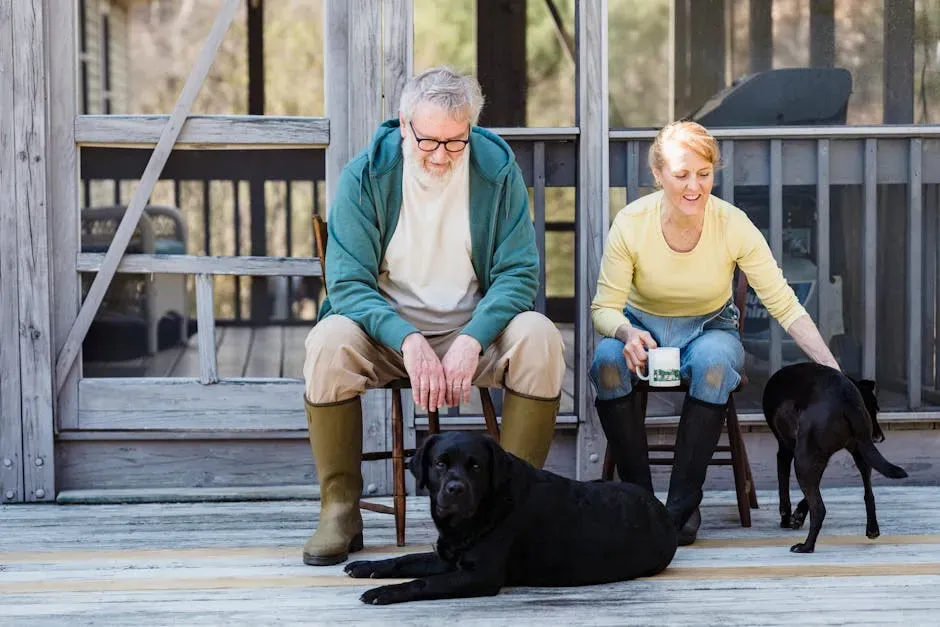
Dogs owned by people over 70 aren’t automatically “lucky” or “unlucky” – they’re complicated, just like their humans. Vets see the same patterns again and again: rock-solid routines, deep emotional bonds, surprisingly polite behavior, wrapped around extra weight, missed nail trims, dental disease, and homes that have quietly turned hazardous.
The internet loves to shout that seniors shouldn’t have pets, and honestly, that take is lazy. Some of the most devoted, sacrificial owners we see are in their seventies and eighties, skipping their own comforts to keep a dog fed, medicated, and loved. What actually matters isn’t age – it’s honesty. Are you willing to adjust the home, ask for grooming help, budget realistically, and write down a plan for the day you can’t be there? If the answer is yes, age was never the problem. The real mistake is pretending time isn’t moving for both of you.
Did we get it right – or dead wrong based on your experience? Tell us in the comments.