
17 Behaviours a Rescue Dog Saves for One Owner After Months of Trusting Absolutely Nobody at All
Most people think a rescue dog either falls in love with everyone on day one or stays “broken” forever. The truth is stranger, slower, and honestly a lot more moving than either of those stories.
Dogs who’ve survived neglect or chaos often go into a kind of emotional lockdown, treating every human the same: flat, cautious, unreadable. Then, without warning, they pick one person and start building a private language nobody else is allowed to see. It can take months of nothing at all, and then one tiny gesture that hits like a lightning bolt. Here are 17 behaviors a rescue dog quietly saves for the one person they finally, truly trust.
#1 – The First Voluntary Lean Against Your Leg
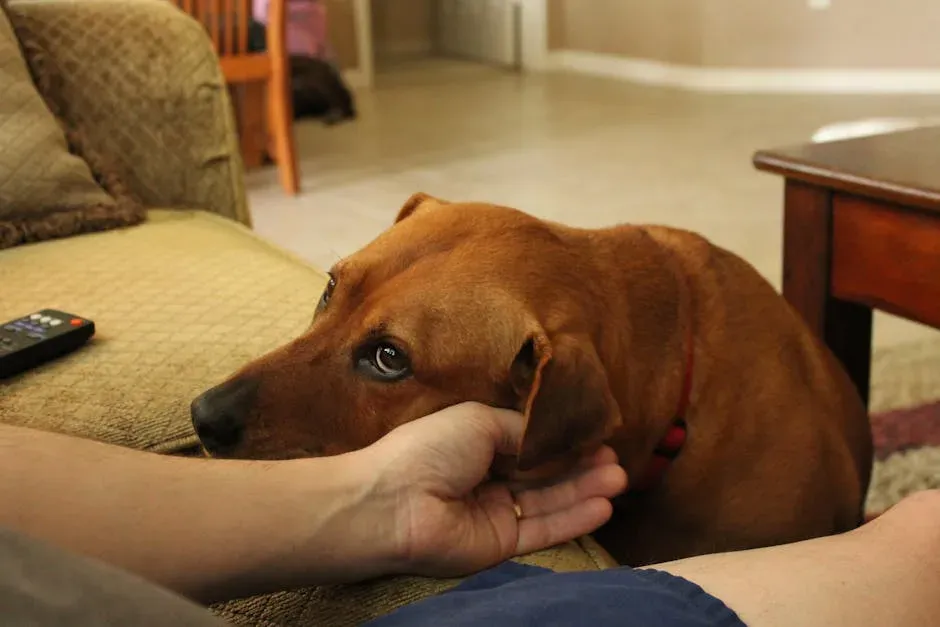
The moment a shut-down rescue dog chooses to touch you is never random. At first they sit close but not touching, hovering near the doorway so they can still bolt if they need to. Then one ordinary day, usually when you’re not trying too hard, they shift their weight and lean their full body into your leg.
That lean is canine for “you are my safe place now.” It’s subtle, and the dog might even look away while doing it, because eye contact still feels like too much. Some dogs save this move for stressful moments, like thunder or visitors. Others wait for sleepy evenings when their guard finally drops. Either way, it’s a milestone, and it feels small only until you realize they’ve never done it with anyone else.
#2 – The “Secret Smile” Only You Get
Some dogs have what owners swear is an actual smile: soft eyes, slightly pulled-back lips, a relaxed tongue. A shut-down rescue dog usually starts with neutral, guarded looks. Then one day, you catch a split-second flash of pure joy the moment you walk through the door.
Eventually you realize that goofy, full-face grin is reserved 100% for you. They rarely flash it on walks, at the vet, or with casual visitors. With strangers, their face stays serious, almost worried. With you, everything softens at once, and the tail starts that slow, wiggly helicopter spin. When a dog who once flinched at hands now lights up just because you exist in the room, that’s not cute. That’s earned.
Worth Knowing
- A relaxed dog face shows soft, blinking eyes rather than a fixed stare
- Ears sit in a neutral, loose position instead of pinned back or rigid
- The mouth stays slightly open with a loose, wiggly tongue
- A slow, low tail wag often signals comfort more than pure excitement
#3 – Choosing Your Lap Over Their “Safe Spot”
Most rescues build their own bunker: a crate, a corner, under a table, behind the couch. In the early months, they bolt back there at the smallest disruption. That’s normal.
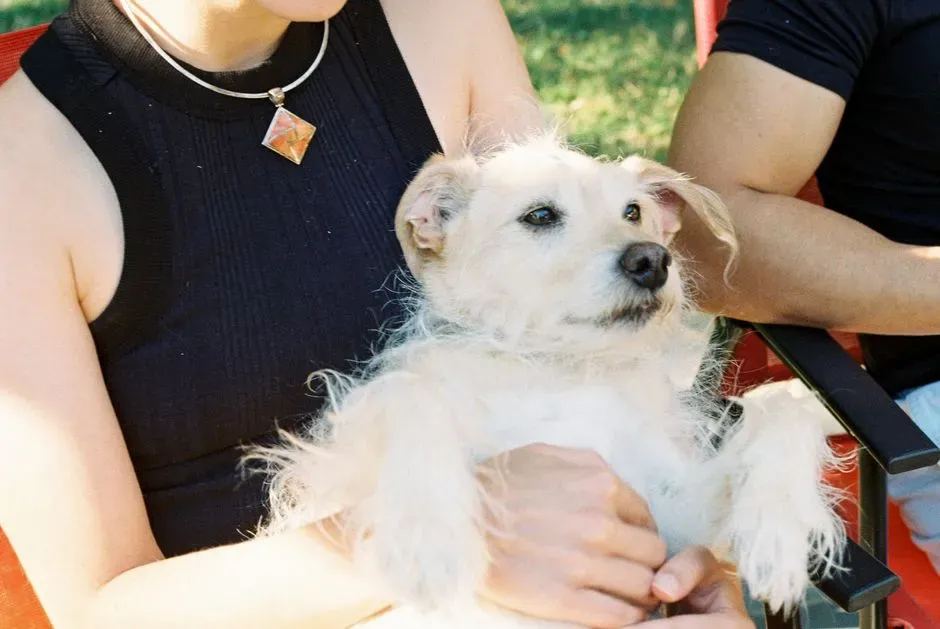
What’s not normal, and what feels like a quiet miracle, is the day they walk straight past their old hiding spot and crawl onto your lap instead. For a dog with a trauma history, that’s a full rewrite of their survival plan. You used to be a possible threat. Now you’re safer than the bunker they built to protect themselves from everyone, including you. Watch for it during fireworks or a house full of strangers. That’s not them being clingy. That’s them making a decision.
#4 – Bringing You Their Most Prized Toy (and No One Else)
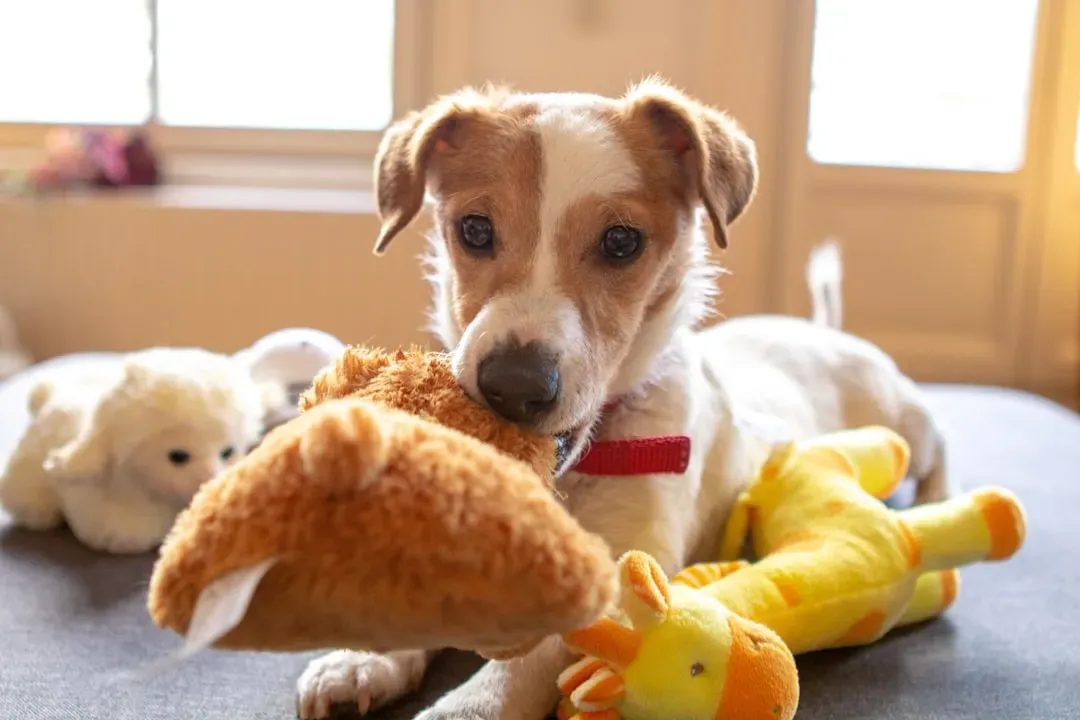
Not every dog loves fetch. Some traumatized dogs never learned how to play at all, and others guard objects because in their old life, anything they liked got taken away. So the first time a rescue dog trots over and drops their favorite toy directly into your lap, it’s a bigger deal than it looks.
Play is vulnerability. It means they’re no longer stuck in survival mode around the clock. You’ll notice the pattern: they ignore toys around guests, or snatch them back if someone else reaches. With you, they initiate the game, bow, nudge the toy closer, and dare you to chase them. Some will even take a toy from someone else’s hands and carry it straight back to you. That’s not politeness. That’s preference, on the record.
#5 – Sleeping with Their Back Turned to You
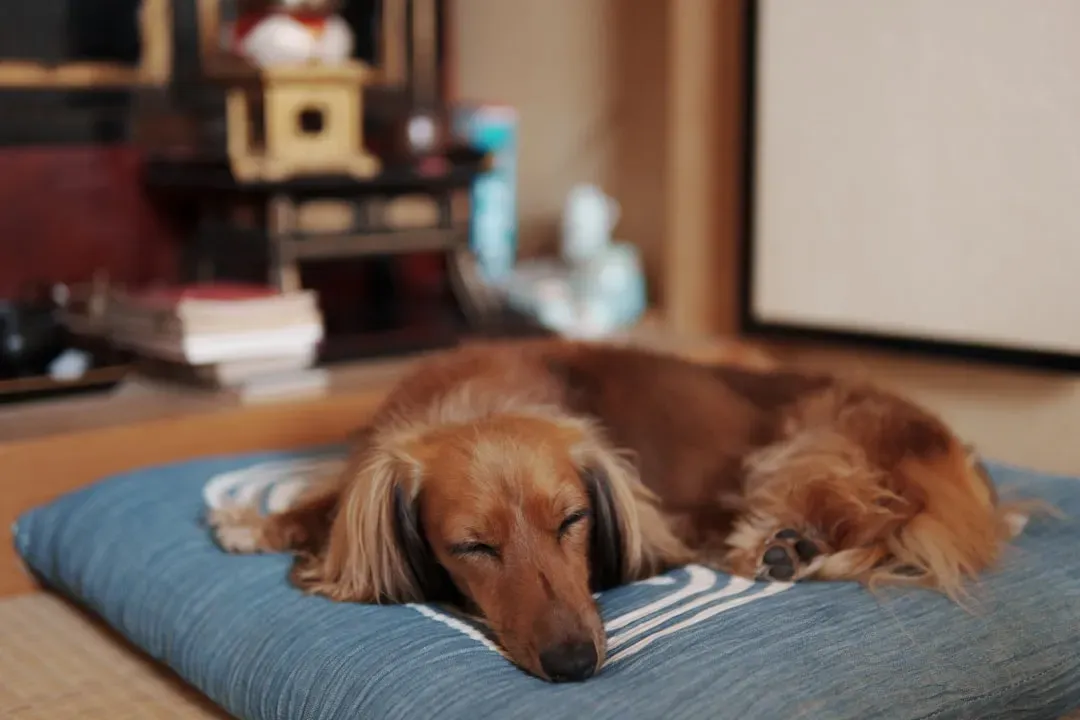
To a dog, sleeping position is blunt honesty. Nervous rescues sleep facing the room, near exits, ears twitching at every creak. They’re lying down, but they’re never truly off duty.
So when a dog who used to startle awake finally flops down with their back to you, spine pressed against your legs, that’s trust on full display. In free-roaming dog groups, backs and bellies are only exposed to whoever feels completely safe. Turning away means they’ve handed you the lookout job. Watch for the loose jaw, the little dream twitches, the soft sighs. Many rescues won’t do this in busy rooms or around strangers. They save it for the quiet nights, and for you.
#6 – Quietly Tracking You from Room to Room
Clinginess gets blamed on “overbonding,” but that’s too simple. There’s a real difference between panicked, destructive anxiety and the soft, constant shadow of a dog who’s simply decided you are their point of reference in the world.
Some rescues spend months pretending not to care where you go. Then one day you notice they’re quietly getting up and following, room to room, without a bark or a demand. They just appear, lying in the doorway while you shower, curling near your desk while you work. Some trainers argue you should discourage this to avoid dependence. Many behavior experts disagree, and say secure attachment like this actually lowers anxiety over time. The dog has learned you leave, and you come back, so they’ve chosen to calmly orbit you instead of shutting down.
#7 – Showing You Their Belly (and Actually Relaxing)
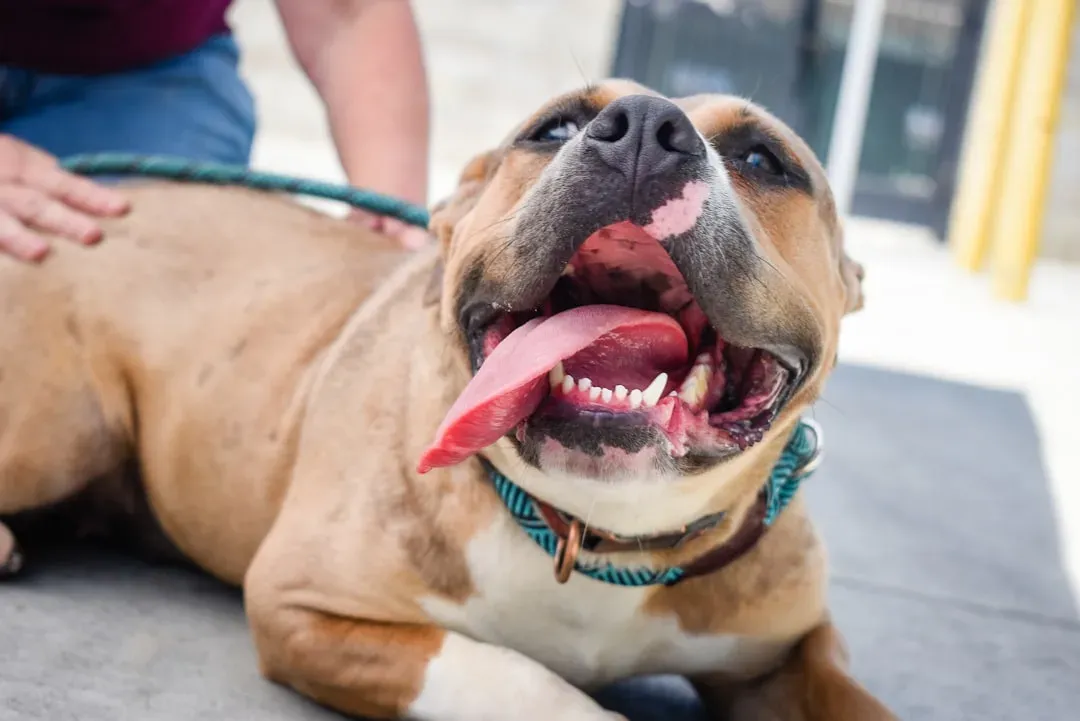
People call any rolled-over dog “submissive,” but a stiff, tense belly-up pose with wide eyes is often a stress response, not trust. The real shift with a rescue dog is when they roll over, let their muscles go fully soft, and invite slow belly rubs without freezing.
In the beginning, most rescues avoid touch near the stomach, paws, or tail, because those zones remember old rough handling. Over months, with gentle consistency, they twist onto their side, then fully sprawl, paws in the air, head lolling. The first time they do this and close their eyes, you’re watching a dog surrender tension they’ve carried for years. A guest might get a polite sniff. The full sprawl is for you alone.
#8 – Coming When You Call… Even When They’re Scared
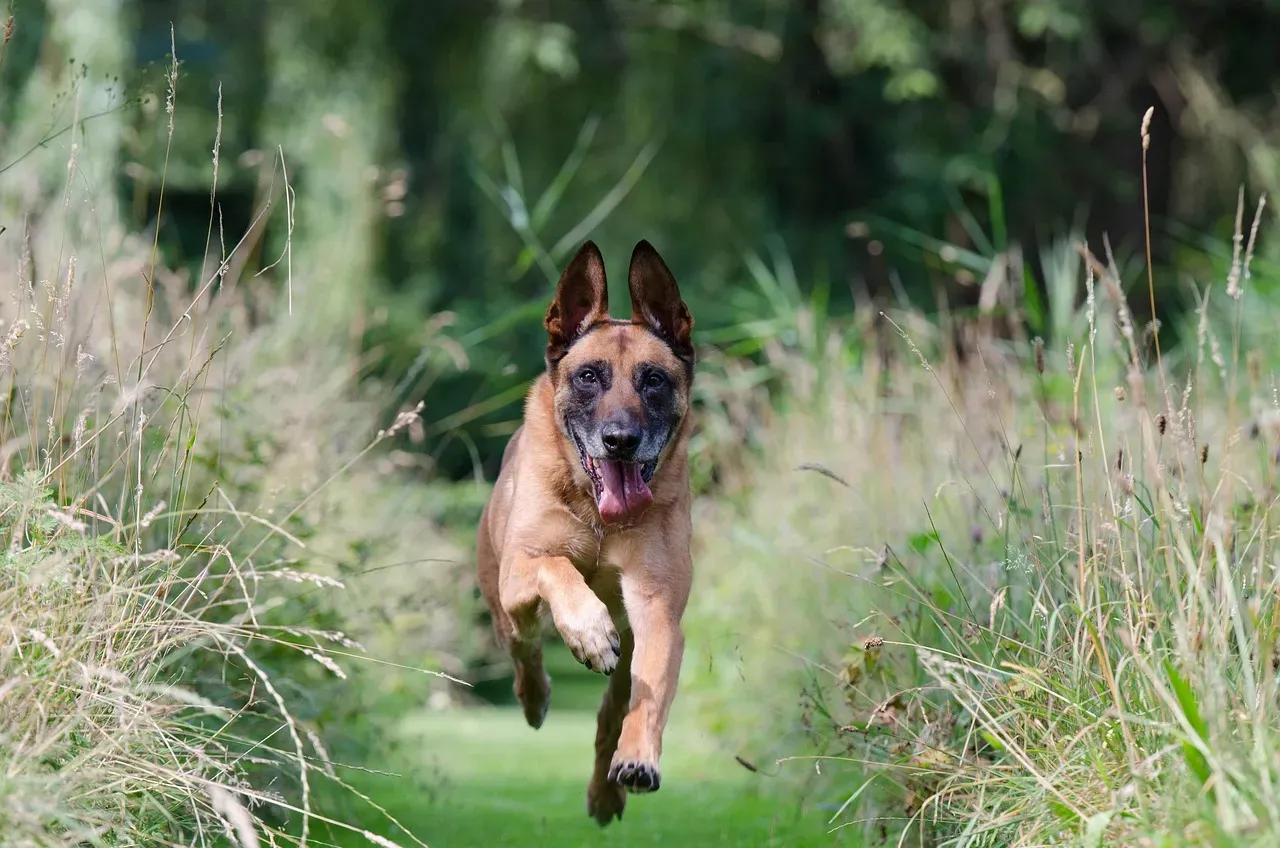
Recall isn’t just obedience, it’s a trust test. Many rescues bolt or freeze when startled, checking out completely, fear louder than any command. That’s why it’s so striking when a once-shut-down dog hears your voice mid-panic and chooses to run toward you instead of away.
Behavior experts sometimes call this a conditioned safety cue. Over time, your voice becomes a signal: come to me, and good things happen. You didn’t get there by yelling. You got there by pairing recall with treats, praise, and real security, over and over, until it stuck. The moment your rescue pivots mid-freak-out and barrels into your arms during fireworks or a sudden crash says more about your bond than any sit-stay ever will.
#9 – Offering Gentle Eye Contact Without Looking Away
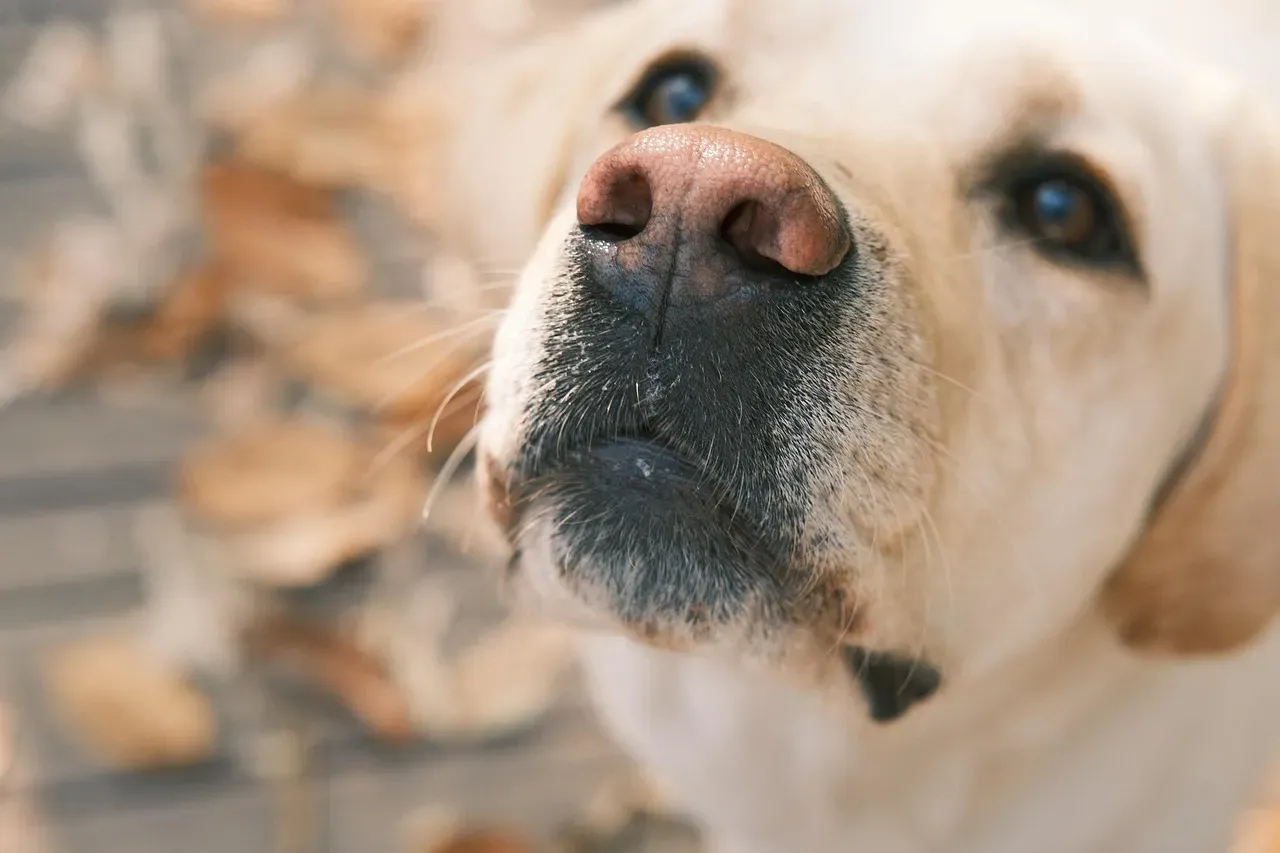
A hard stare can be a threat in dog language, but soft, sustained eye contact is deep connection. Fearful rescues avoid eyes entirely, scanning floors, walls, doors, anywhere but your face. The first time they hold your gaze for more than a second without flicking away, you’re watching a major emotional shift.
You might catch it during a quiet moment on the couch: you feel their eyes on you, and when you look back, instead of flinching, they keep that soft, blinking gaze. Ears relaxed, mouth slightly open, maybe a small tail thump. In that moment, they’re not scanning for danger, they’re studying you. Critics roll their eyes at the idea of “soulful dog eyes,” but many rescues reserve that particular look for exactly one person.
Quick Compare
- Stressed eye contact: darting glances, whale eye with whites showing, a stiff body
- Trusting eye contact: a soft, sustained gaze with relaxed muscles
- Stressed: a quick look-away followed by scanning nearby exits
- Trusting: holding your gaze, slow blinking, sometimes leaning in closer
#10 – Nudging or Pawing You for Comfort (Not Just Food)
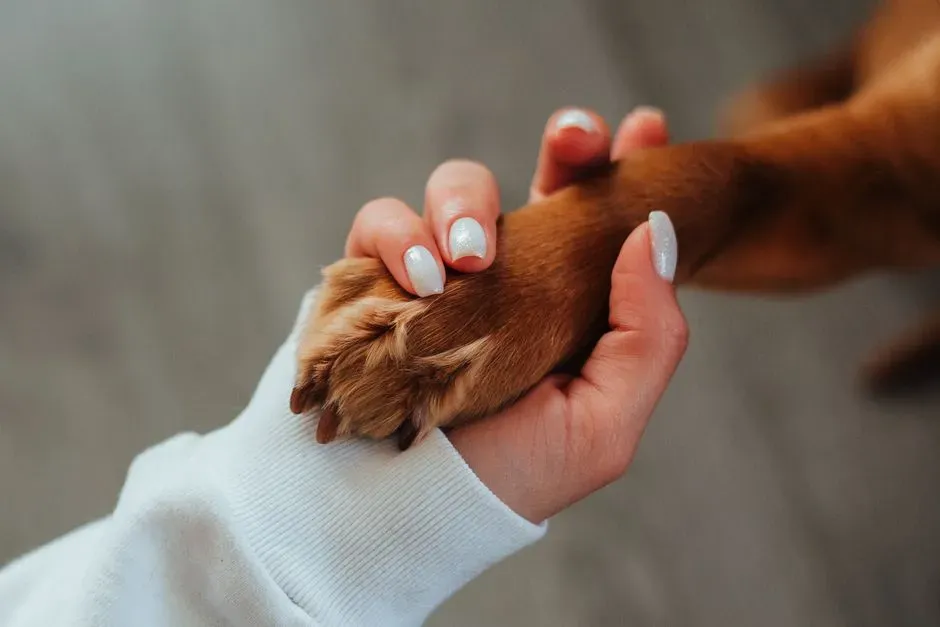
In the early months, a shut-down rescue barely interacts. Some won’t even take food from your hand. Over time they learn to nose your pocket for treats or paw at you during training. The real switch is when they seek out your touch specifically for comfort, not as a way to get rewarded.
Watch for it during confusing moments: a garbage truck roars by, a guest laughs too loudly, a storm rolls in. Instead of hiding alone, your dog comes over and gently nudges your arm or places a paw on your leg. They’re asking, can you help me feel okay about this. This kind of social referencing is typical in securely attached dogs, and it means you’ve become an actual partner in how they handle the world, not just the person who fills the bowl.
#11 – Guarding You Selectively, Not the Whole World
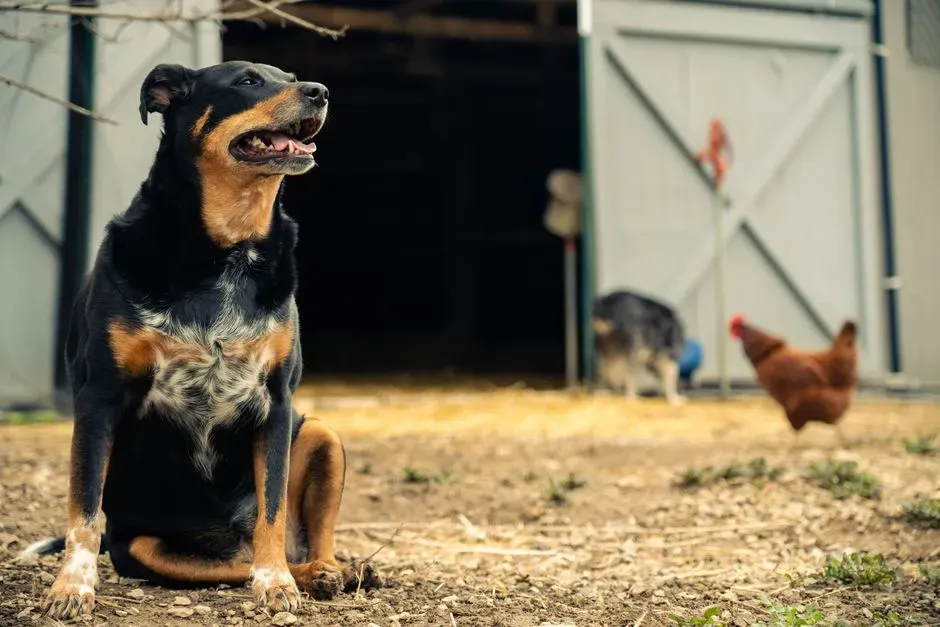
Not every rescue becomes protective, and not all protective behavior is healthy. But one subtle pattern many owners notice is selective guarding: a dog who never cared about anything suddenly planting themselves between you and a perceived threat. The key isn’t aggression, it’s alignment. They’re not guarding the house like a job. They’re guarding you, on purpose.
You might see it when a loud stranger approaches at night, or another dog barrels toward you on a trail. A dog who once cowered may step slightly in front of you, stiffen, and give a quiet warning growl, then relax the second the tension passes. That on-off switch, when it isn’t rooted in fear, signals that they now see your safety as tied to their own. Earning that kind of protective loyalty from a traumatized dog is never automatic.
#12 – Showing Their Goofy, Puppy-Like Side
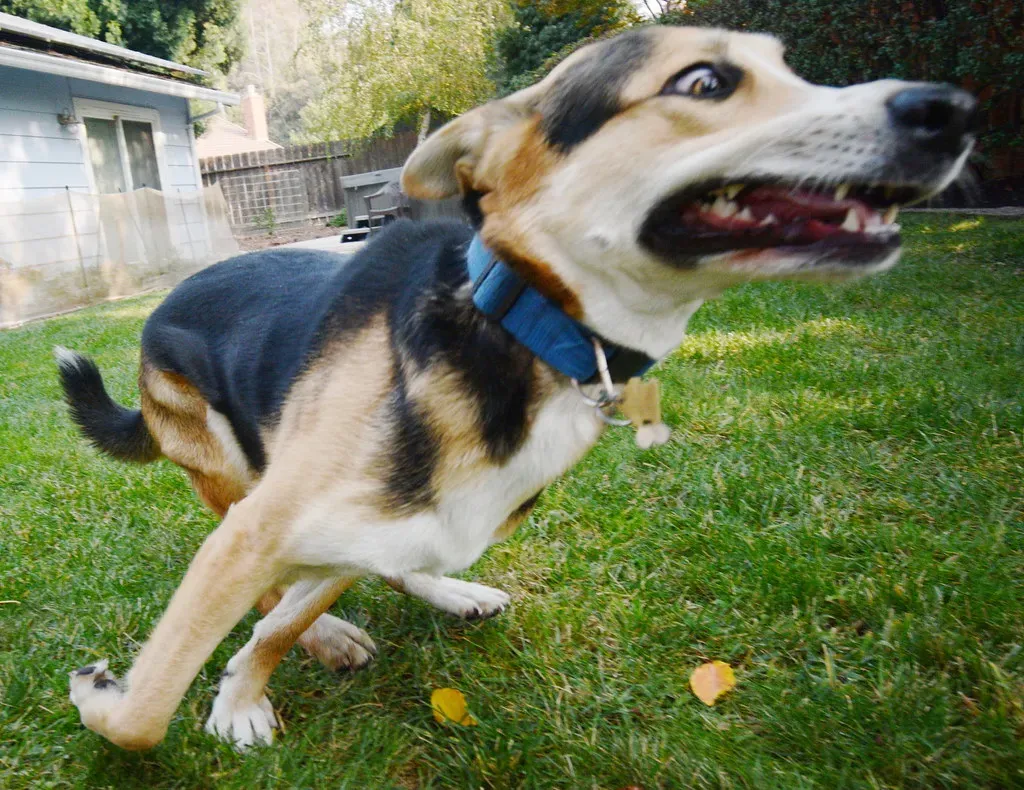
A lot of rescue dogs arrive looking older than their years, emotionally if not physically. They move carefully, play rarely, stay perpetually on edge. That’s why it can feel shocking when, months in, they suddenly explode into pure, ridiculous puppy energy, but only around you.
It might look like zoomies through the living room, exaggerated play bows, wild wiggly dances when you pick up the leash. Behaviorists sometimes call this decompression play, the moment a dog finally sheds the constant vigilance of survival mode. It’s not that you spoiled them. It’s that you helped them reclaim a stage of puppyhood they may have skipped entirely. This is your once-frozen dog finally thawing out, and choosing to do it in front of you.
#13 – Letting You Handle Their Paws, Ears, and Mouth
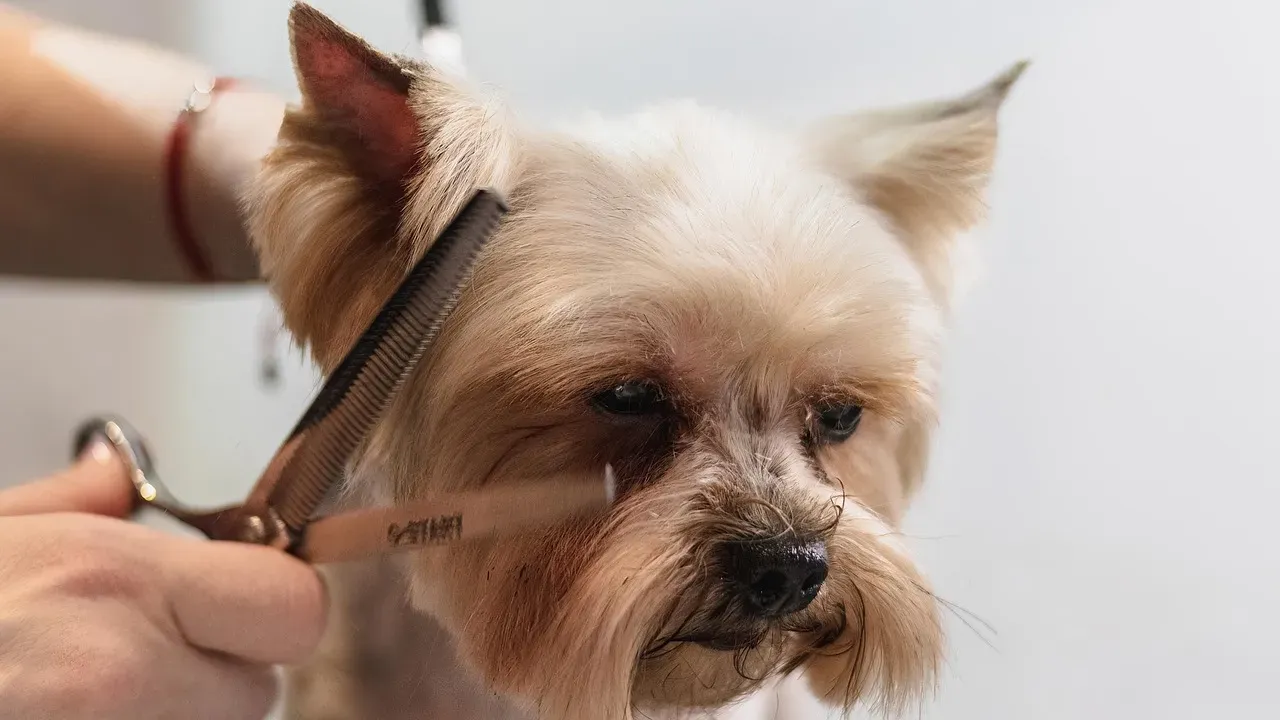
For many dogs, paw and ear handling is mildly annoying. For a rescue with a rough past, it can feel like a threat to their life. Nail trims, ear medicating, even simple grooming might trigger real panic at first. The turning point is when your dog lets you inspect their paws or gently open their mouth without a fight, and then actually relaxes into it.
This is built on dozens of ultra-short, positive sessions: touch, pair with a treat, back off, repeat. A dog that once yanked their paw away starts offering it instead. Some owners notice their dogs seeking out grooming as affection, pressing into the brush or sighing during ear rubs. They’re not suddenly enjoying the vet. They’re making a critical distinction between strangers doing scary things and you touching their most vulnerable spots. Handing over that control is not compliance. It’s a relationship.
#14 – Eating Comfortably Only When You’re Nearby
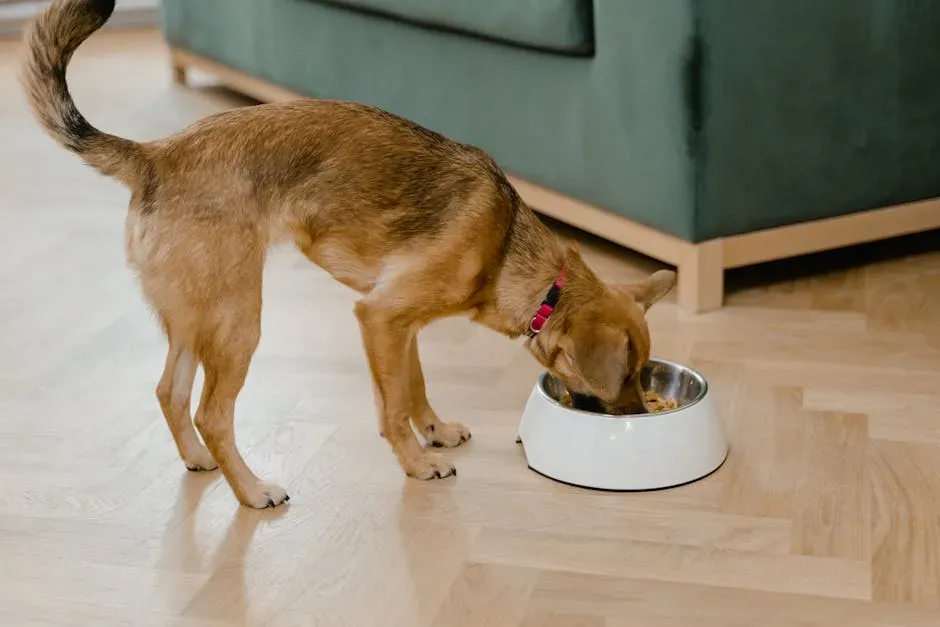
Some rescues inhale food like it might vanish. Others are too anxious to eat at all if anyone is close. Both patterns are about survival, not appetite. One of the quietest, clearest shifts is when your dog eats at a normal pace and actually seems more relaxed with you standing right there.
They may have once waited until you left the kitchen to approach the bowl, carrying kibble to a corner while watching the door. Slowly, they start eating in front of you, pausing to glance up with a soft expression instead of a hard, suspicious stare, as if to check, we’re good, right? In multi-person households, it’s especially telling when this relaxed eating only happens with you in the room. Mealtime stops being a risk assessment and becomes just lunch. That shift changes their whole world.
Fast Facts
- Resource guarding around food is common in dogs with a history of scarcity
- Eating in short, private bursts often signals ongoing anxiety, not pickiness
- A slower, calmer eating pace usually reflects a lower stress state
- Many trainers recommend feeding in the same quiet spot to build predictability
#15 – Checking on You When You’re the One Who’s Not Okay
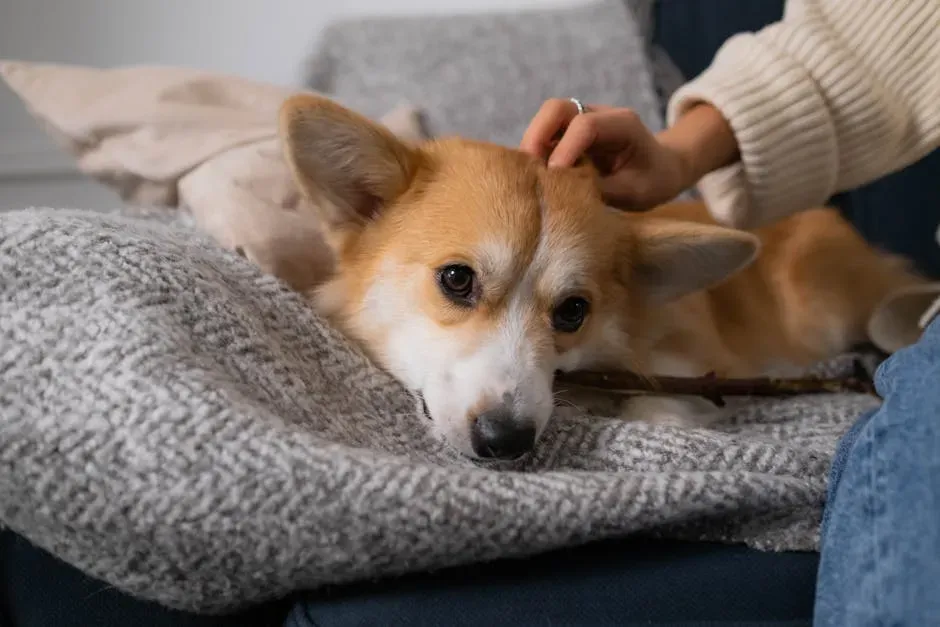
This is the behavior many owners never expect and never forget. One day you’re the one having a rough time, crying, sick in bed, anxious, and your once-distant rescue quietly comes over to check on you. No tricks, no cues, just a dog reading your state and deciding to respond.
They might rest their head on your knee or simply park themselves at your feet and stay there. Some owners notice their dog only does this with them, not with anyone else in the house, because their emotional radar is tuned to the one person they’re attached to. Science is still catching up to exactly how dogs read posture, scent, and sound this precisely, but the emotional meaning is clear enough: the dog who once trusted nobody now worries, a little, about you too.
#16 – Ignoring Other People’s Invitations, But Not Yours
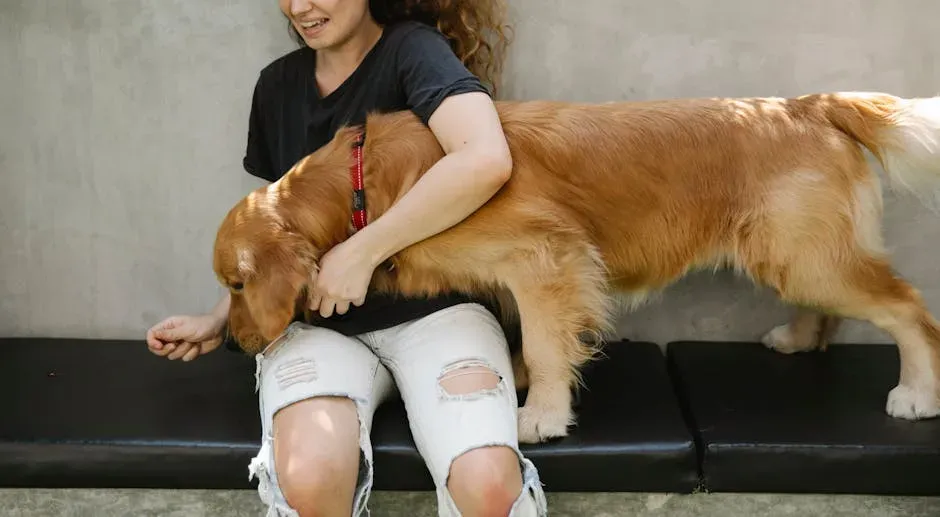
We’re told to socialize dogs so they “like everyone,” but that’s not how attachment actually works. An under-discussed rescue behavior is polite but firm disinterest in other people’s attention, paired with eager, instant responsiveness to you. Strangers clap, coo, pat their knees. Your dog flicks an ear, gives a sniff, and comes right back to you.
Some guests take this personally, assuming the dog is unfriendly. In reality it’s a very specific choice. Your dog knows other humans exist and can be neutral or fine around them, but they’ve decided not to emotionally invest. With you, it’s a different story entirely: you call their name, they light up.
A dog is the only thing on earth that loves you more than he loves himself.
Josh Billings
Some people argue dogs should be equally loyal to the whole family. Rescue owners know that isn’t how deep trauma works. Many of these dogs pick one human, full stop, and it’s inconvenient for everyone else but unmistakable proof that a dog who once trusted no one finally made their one big, risky choice.
#17 – Finally Relaxing in Completely New Places… As Long as You’re There
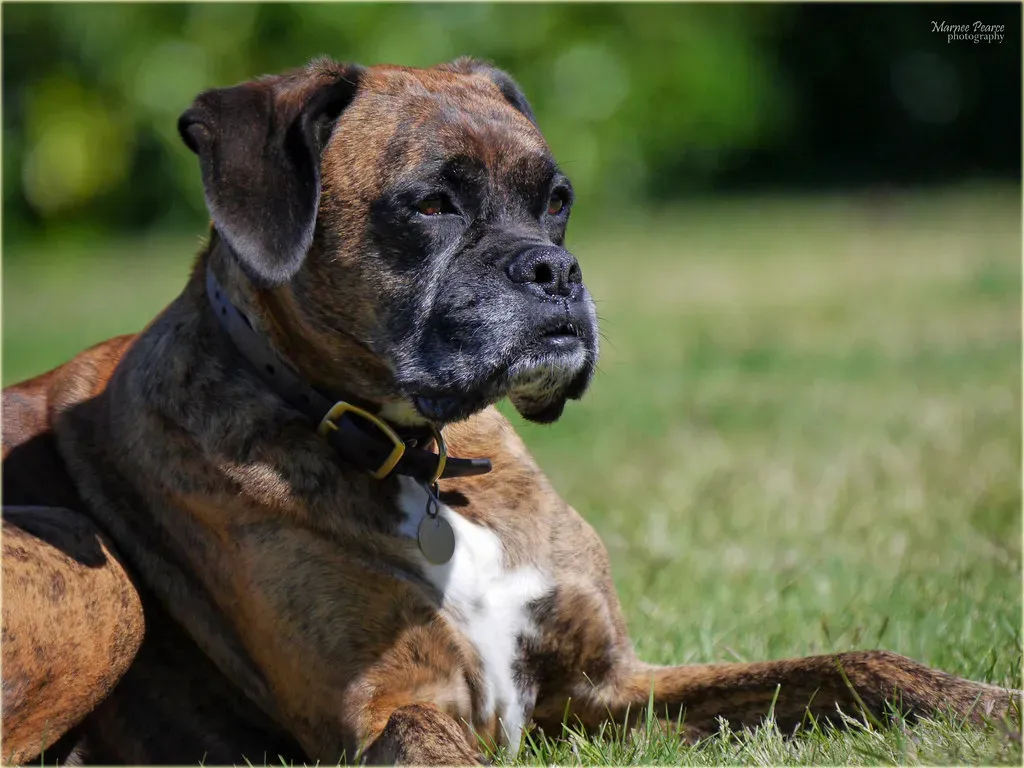
The ultimate test isn’t what your rescue does at home. It’s how they handle the unknown. In the beginning, a car ride or a new park sends them into overwhelm: panting, pacing, hypervigilant. Months or years later, you walk into a totally unfamiliar space, a friend’s house, a cabin, a quiet café patio, and something is different.
Your dog looks around, then settles near you like it’s no big deal, curling under your chair or lying at your feet with a sigh. The world hasn’t changed, it’s still unpredictable. What changed is their internal rule: if my person is here, I can handle this. You’ve become their portable safety zone. Strangers see a calm dog on a patio. You know the truth: this is the dog who used to shake at their own shadow, now napping at your feet in a brand-new world, simply because you showed up with them.
At a Glance
- Leaning into your leg instead of hovering by the door
- A full-body sprawl with belly exposed and eyes closed
- Running toward your voice during a scary moment
- Staying calm and curling up beside you in a brand-new place
Rescue culture loves before-and-after photos, but the real story is written in these tiny, private behaviors a dog saves for one person. The first lean. The lap chosen over the crate. The soft eyes, the ridiculous zoomies, the decision to run toward your voice instead of away from everything. None of that is “just how dogs are.” It’s what happens when a living being recalculates its odds and decides you, of all people, are finally worth the risk.
Here’s the uncomfortable part: not every rescue will open up this far, to anyone, and that’s not a failure on their part or yours. The internet loves to pretend every dog can be instantly fixed with enough love. In reality, these 17 behaviors are earned slowly, unevenly, and sometimes only ever handed to one human on earth. If that human is you, the real question isn’t whether your dog got lucky. It’s whether you understand exactly what you’ve been trusted with.