
17 Things a Dog Learns to Expect in a Household Within Days of Being Brought Home
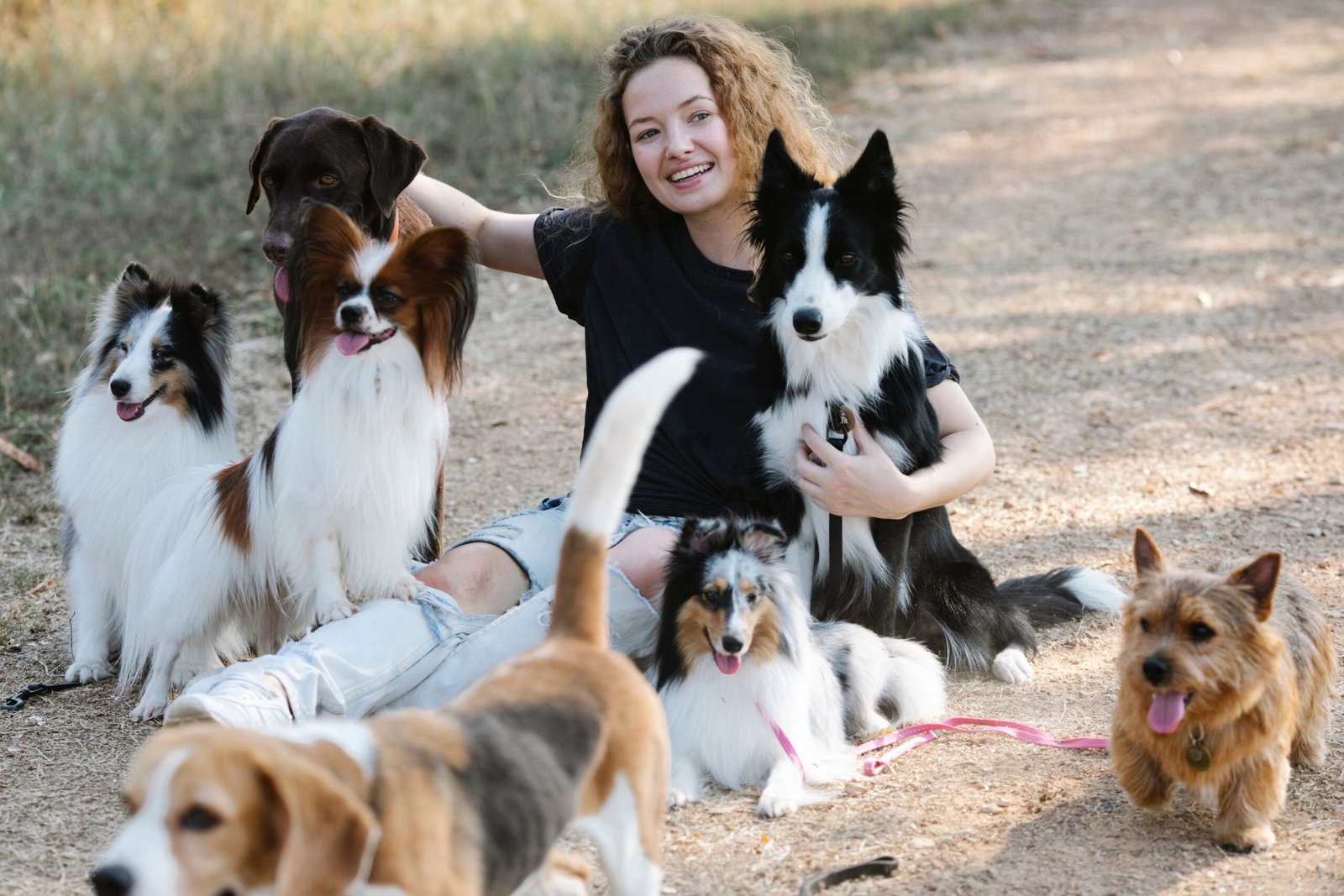
You’d think a dog yanked out of a shelter kennel and dropped into a stranger’s living room would spend weeks just figuring out where the bathroom is. That’s the story everyone repeats: give it three days to decompress, three weeks to settle, three months to feel at home. Slow and steady, they say.
Except that’s not really what happens. Dogs are pattern-recognition machines, and most of them start quietly auditing your household routines within the first 72 hours. By the end of week one, your new dog already knows more about your habits than you’d guess, and some of what they figure out first will genuinely surprise you.
#17 – The Sound of the Treat Jar or Fridge Door
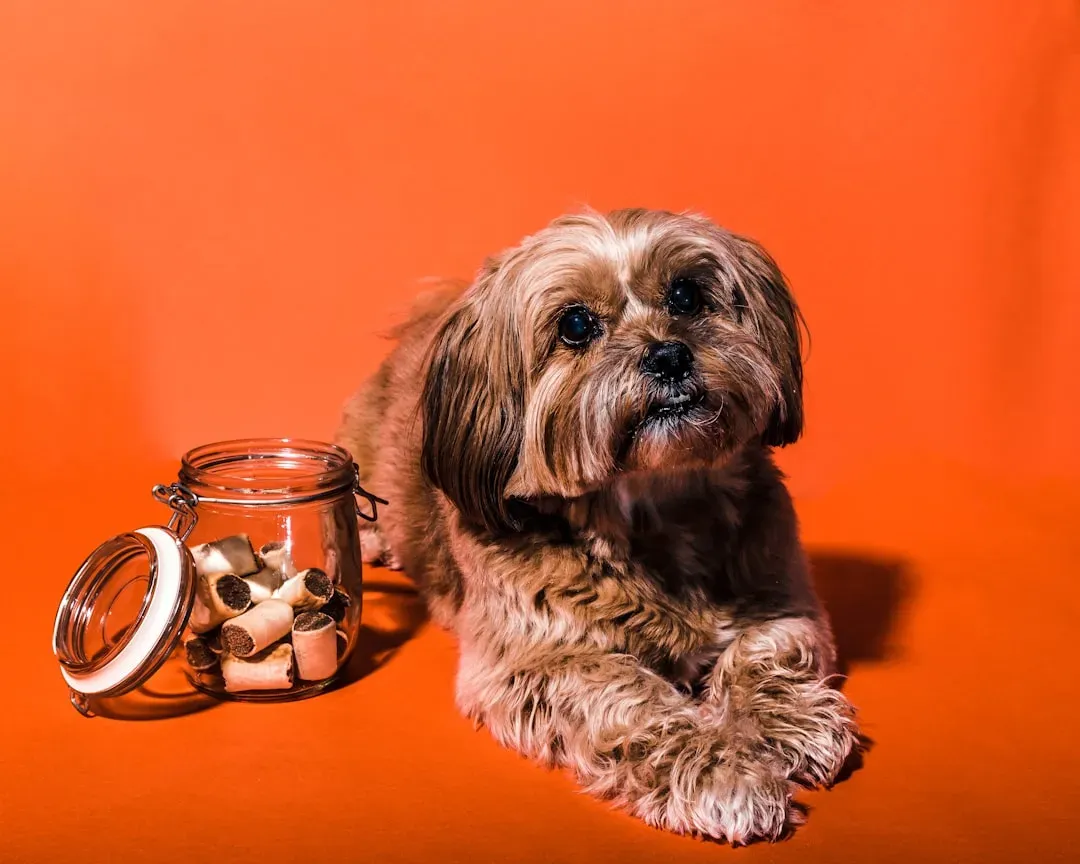
Dogs have hearing tuned to frequencies most humans tune out, so the click of a treat container or the suction-pop of a fridge door doesn’t take long to register as good news. Within 48 hours, plenty of dogs are already perking up or trotting into the kitchen the second they hear it, even in a house they barely know yet.
Shelter dogs in particular seem to calm down faster when food cues stay predictable, since it’s one of the first stable patterns they’ve had in a while. Owners who hand out treats at random moments slow this recognition down, while a consistent routine speeds it up fast enough to notice within days.
Fast Facts
- Dogs can hear frequencies up to roughly 45,000 Hz, well beyond the human ceiling of about 20,000 Hz
- A dog’s sense of smell is estimated to be thousands of times more sensitive than a human’s
- Many dogs start reacting to food-related sounds within 24 to 48 hours of arriving home
- Random treat timing tends to delay this recognition compared to a fixed schedule
#16 – Which Family Member Controls the Walks
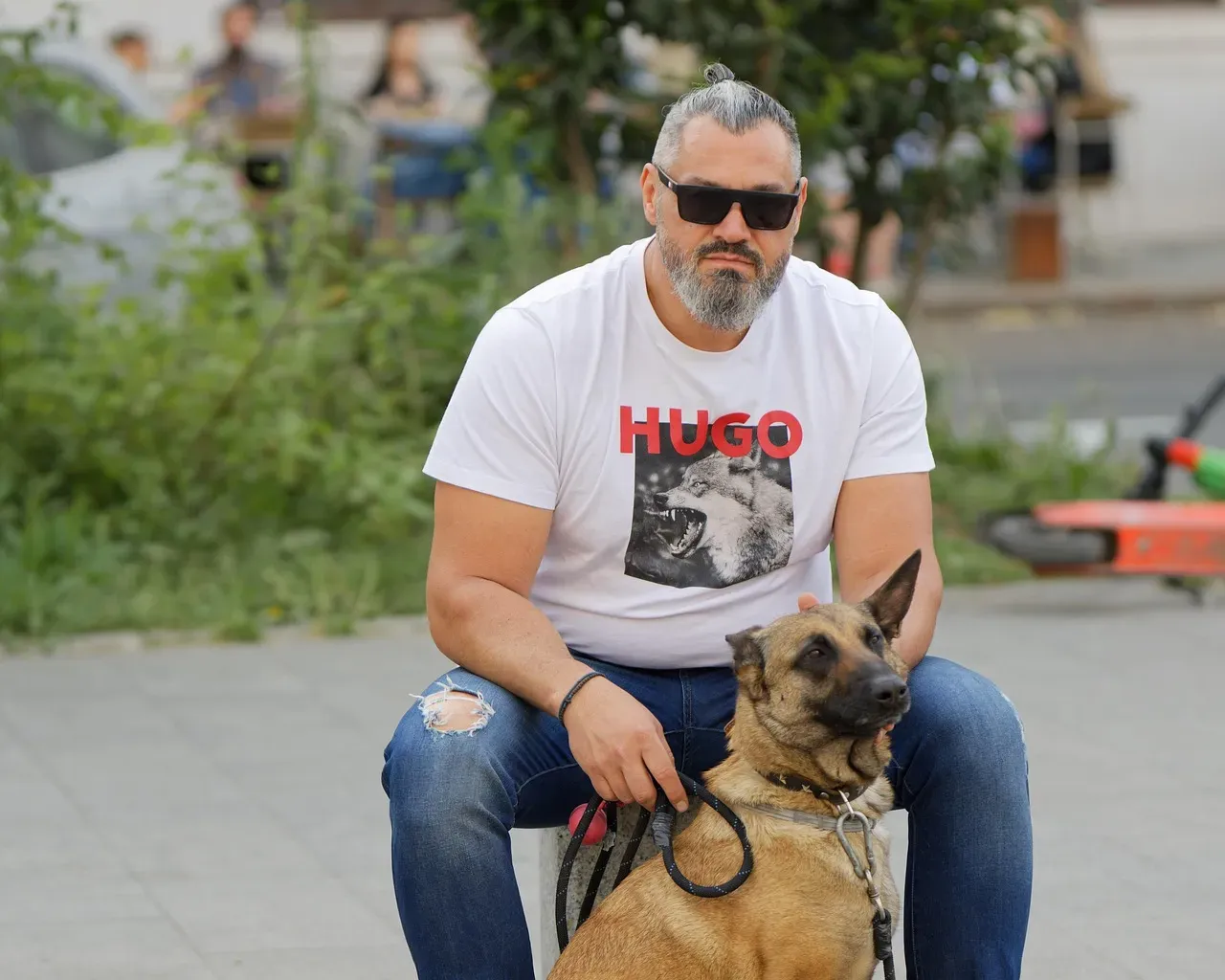
Dogs are shockingly good at spotting the one person in the house who actually takes them out, often within three days of arriving. They’ll start camping out by the leash hook or the door the moment that specific person reaches for their shoes, ignoring everyone else doing the same thing.
This isn’t loyalty showing off, it’s pattern recognition built on reading body language and routine. Bouncing the walking duties between five different family members can actually slow down bonding, no matter how well-meaning the rotation is. The dog just wants to know who to trust for this one, specific thing.
#15 – The Exact Potty Spot Outside
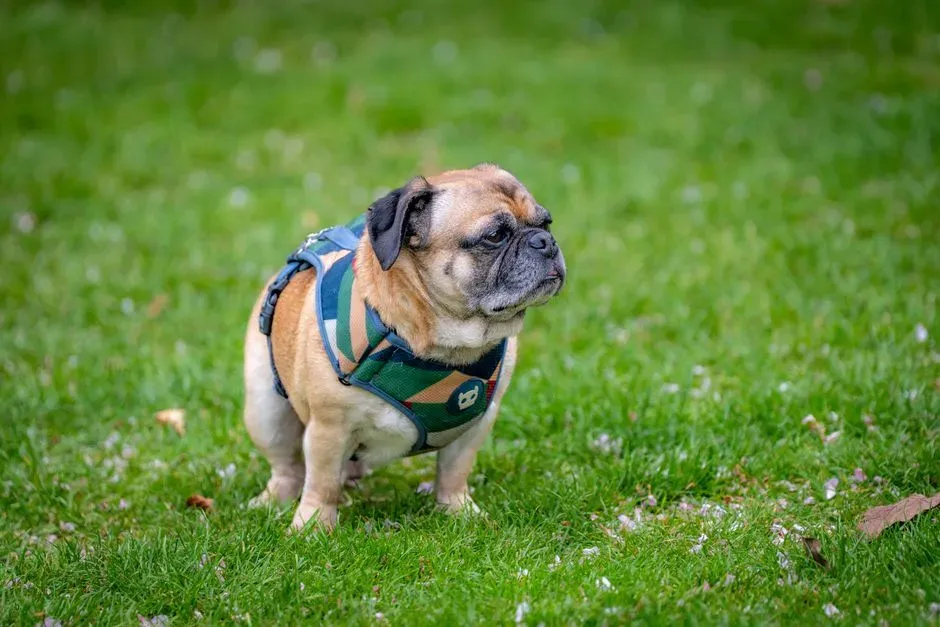
Give a new dog a consistent bathroom schedule and they’ll often lock onto one preferred patch of grass or curb within days, walking straight past a dozen other perfectly good spots to get there. It’s part scent-marking, part relief at finally having something predictable after the chaos of a shelter or rescue transition.
Here’s the part people miss: forcing a dog to hold it too long in those first few days, even a previously house-trained adult, can create accidents that linger for weeks. The expectation forms fast around a reliable door and a reliable timeline, and breaking that trust early costs more than it seems to at the time.
#14 – Bedtime and Crate or Bed Routines
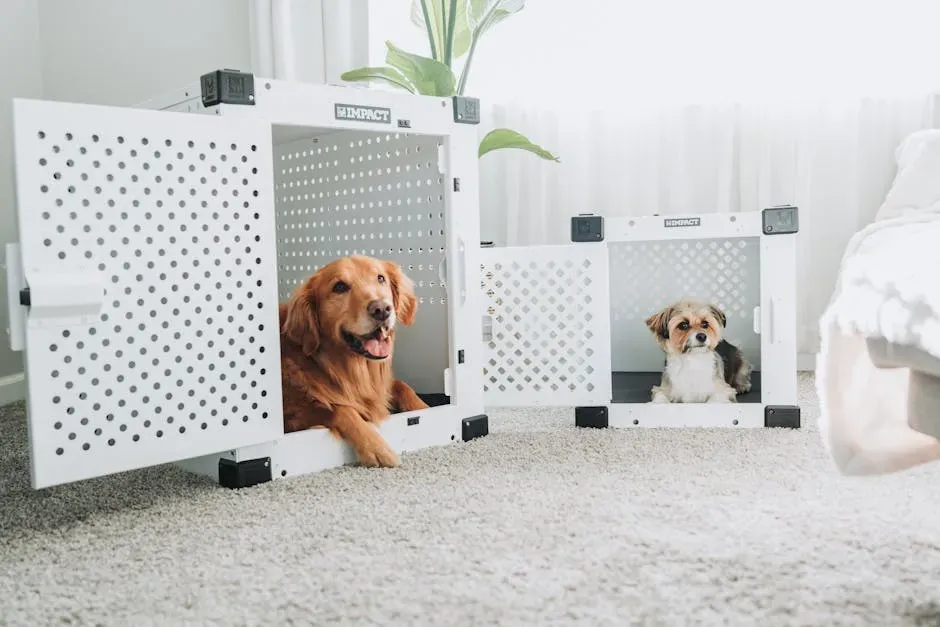
Dogs clue into the wind-down signals of a household surprisingly fast, whether that’s dimmed lights, the TV clicking off, or a specific phrase like “okay, bedtime.” Some start heading to their crate or bed on their own by day three or four, without anyone prompting them.
Trainers love to push immediate, structured crate training, but the real driver here is repetition, not force. A household with a shifting bedtime does more damage to this expectation than almost any training mistake could.
#13 – The Names of Other Household Pets
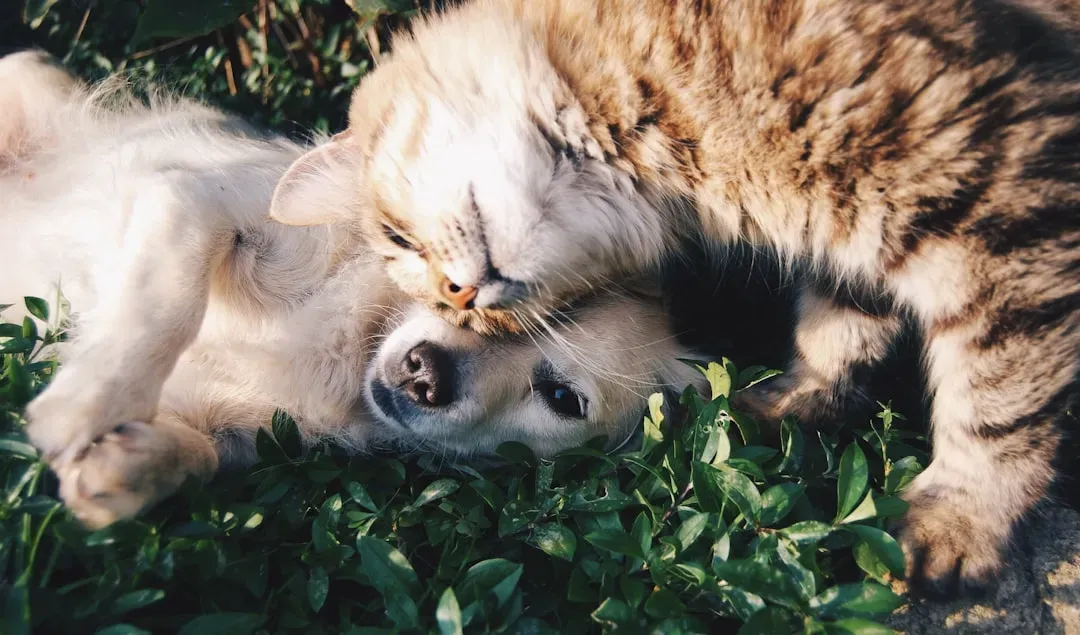
In multi-pet homes, a new dog usually starts telling the resident animals apart by name and voice within the first week. They’ll react differently the moment you call the cat versus when you call the other dog, which is more social intelligence than most owners give them credit for.
The mistake is rushing the introductions on day one because everyone’s excited, even though slower exposure almost always works better. The new dog is quietly building a map of who to approach, who to avoid, and who to just ignore, and that map starts forming faster than you’d think.
#12 – When Meals Are Served

Feeding time becomes an expected event almost immediately. The dog starts hovering near the bowl or staring at you around the usual hour, even when the clock shifts by twenty minutes here or there.
The biggest mistake new owners make is treating meal times as flexible “because life happens,” which teaches the dog to beg or spiral into anxious waiting instead of settling. Predictable meals calm a nervous dog faster than almost anything else in those early days, and the pattern locks in quickly.
#11 – Which Doors Lead Where
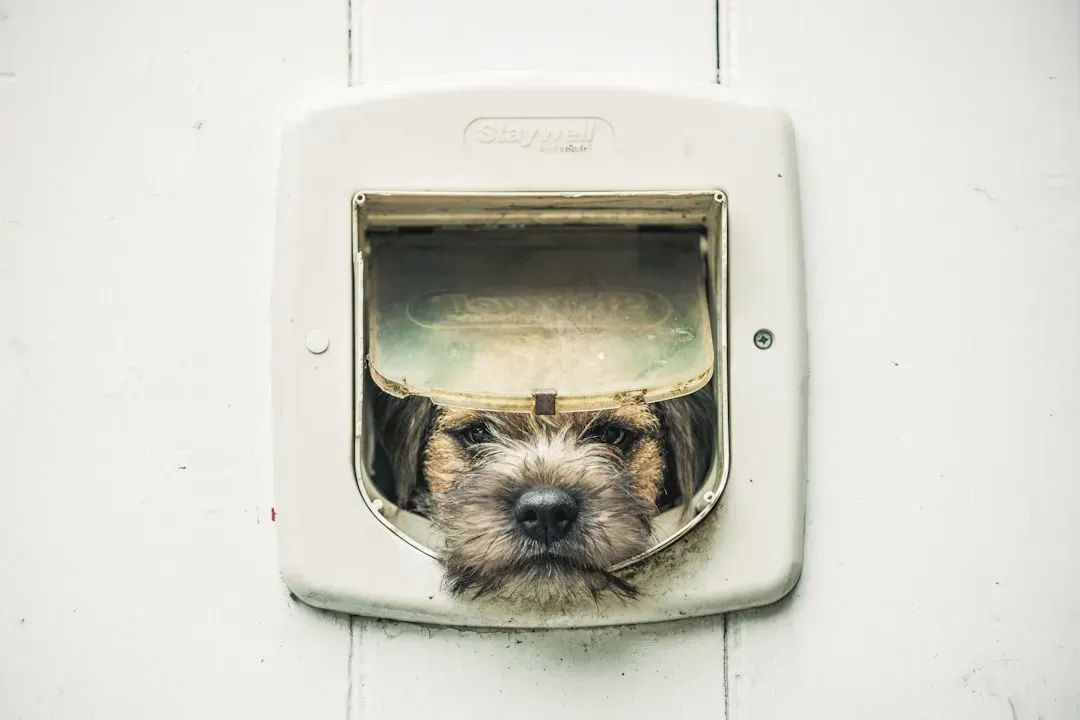
Dogs map out the layout of a house fast, including which door leads to the yard, which one means the front walk, and which one means the garage. Within days, they’re waiting at the correct one for the correct activity, guided by spatial memory and scent trails most humans never notice.
Most owners assume their dog needs a guided tour to figure this out, but repetition teaches it faster than any walkthrough. Switching up which door gets used for what just creates hesitation and confused pacing at the wrong exit.
#10 – The Tone That Means “No”
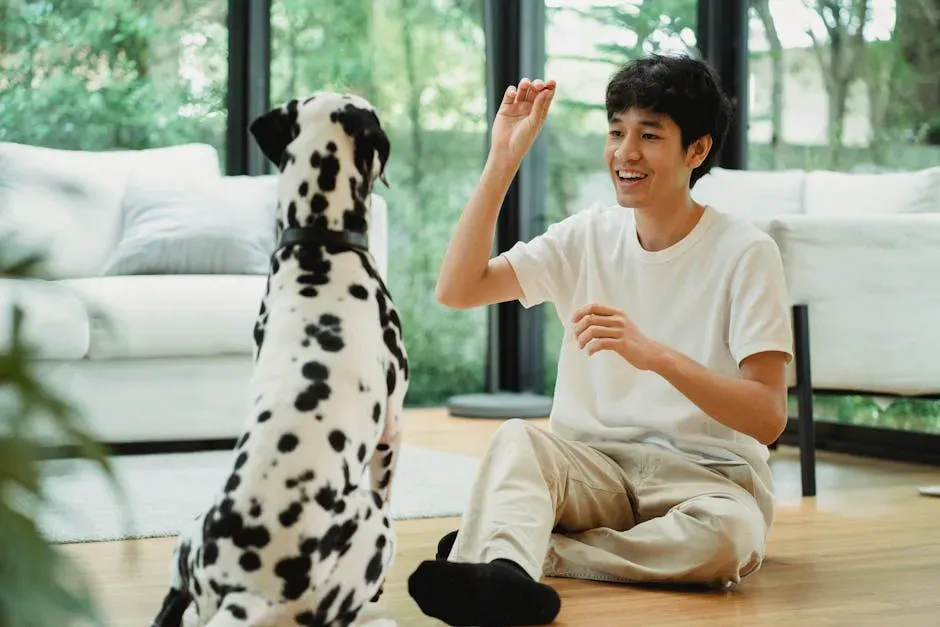
Long before formal training starts, dogs tune into the specific correction voice or phrase used in a household. A familiar inflection alone can make them pause or look away, even if the actual words mean nothing to them yet.
The real trick is consistency across every family member, not the tone itself. Mixed signals, one person barking “no” and another using a singsong voice for the same behavior, create the real confusion, and the dog’s sense of boundaries takes longer to settle because of it.
#9 – What the Car Ride Means
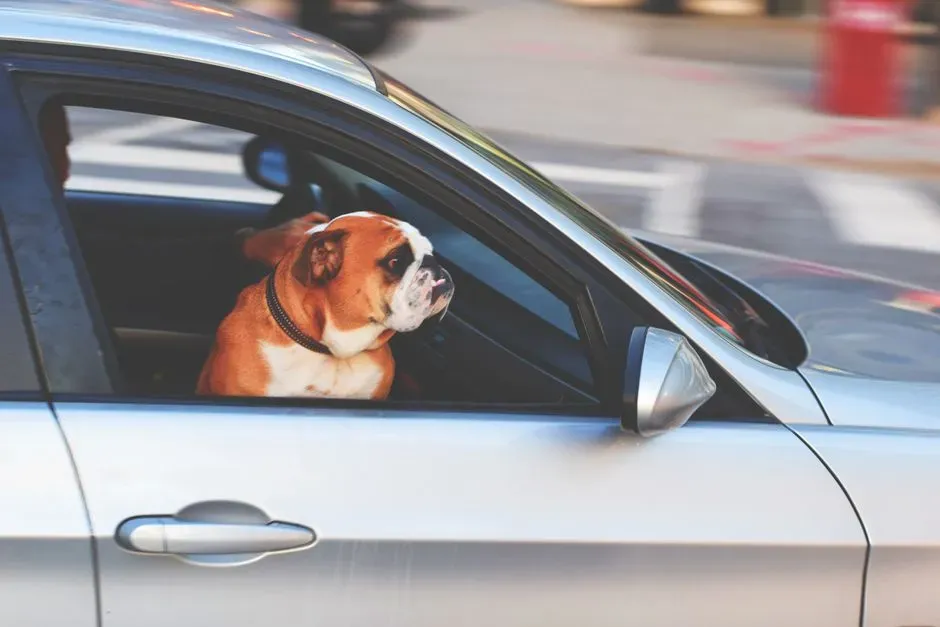
Dogs start forming strong associations with the car based on the very first few trips, whether that means the vet, the park, or a quick errand. Excitement or anxiety in the back seat often traces directly back to what happened on those earliest rides.
Few new owners realize that a rough first car experience after adoption can create a fear response that takes weeks of patient counter-conditioning to undo. Keeping those early destinations low-stress pays off far longer than it seems like it should.
Quick Compare
- Calm first rides: Faster comfort and fewer stress signals on future trips
- Stressful first rides: Can create lingering anxiety that takes weeks to reverse
- Short trial trips before long drives: Builds trust gradually and avoids overwhelm
#8 – Who Gives the Best Scratches
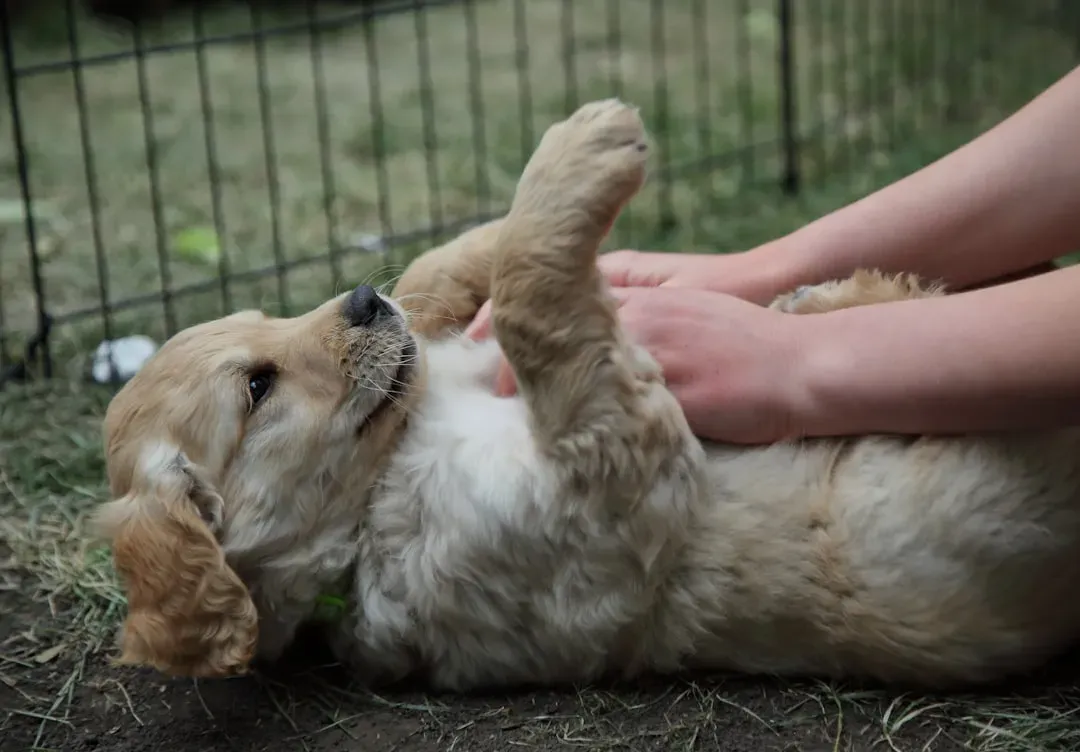
Dogs quickly figure out which family member is the soft touch for belly rubs and long ear scratches, and they’ll seek that person out at predictable moments during the day. They also learn the exact spot and duration that person tends to favor.
Well-meaning advice about spreading affection “evenly” among family members can actually water down the bond compared to letting natural preferences form on their own. The dog isn’t being unfair by playing favorites, it’s just responding to whoever consistently delivers.
#7 – The Sound of the Morning Routine
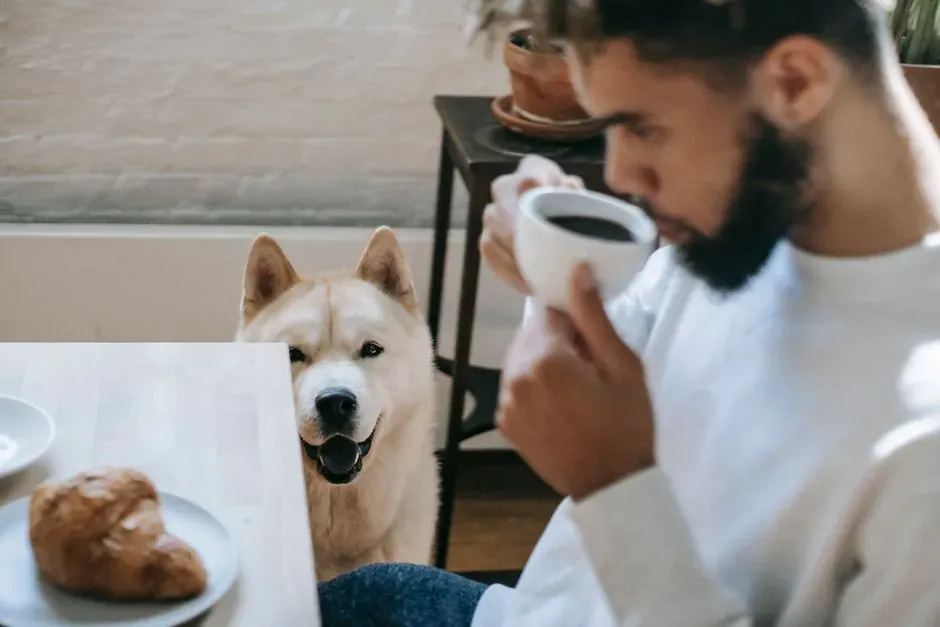
An alarm clock, a coffee maker gurgling, footsteps on the stairs, all of it becomes a cue for activity faster than most people expect. Dogs start stirring or heading toward the bedroom door in anticipation almost as soon as the pattern repeats a few times.
Decompression advice tells owners to keep things quiet and low-key early on, but the data on adaptation actually favors a stable, repeated morning routine from day one. A household that sleeps in on weekends and rushes on weekdays delays this recognition longer than expected.
#6 – Where the Water Bowl Lives
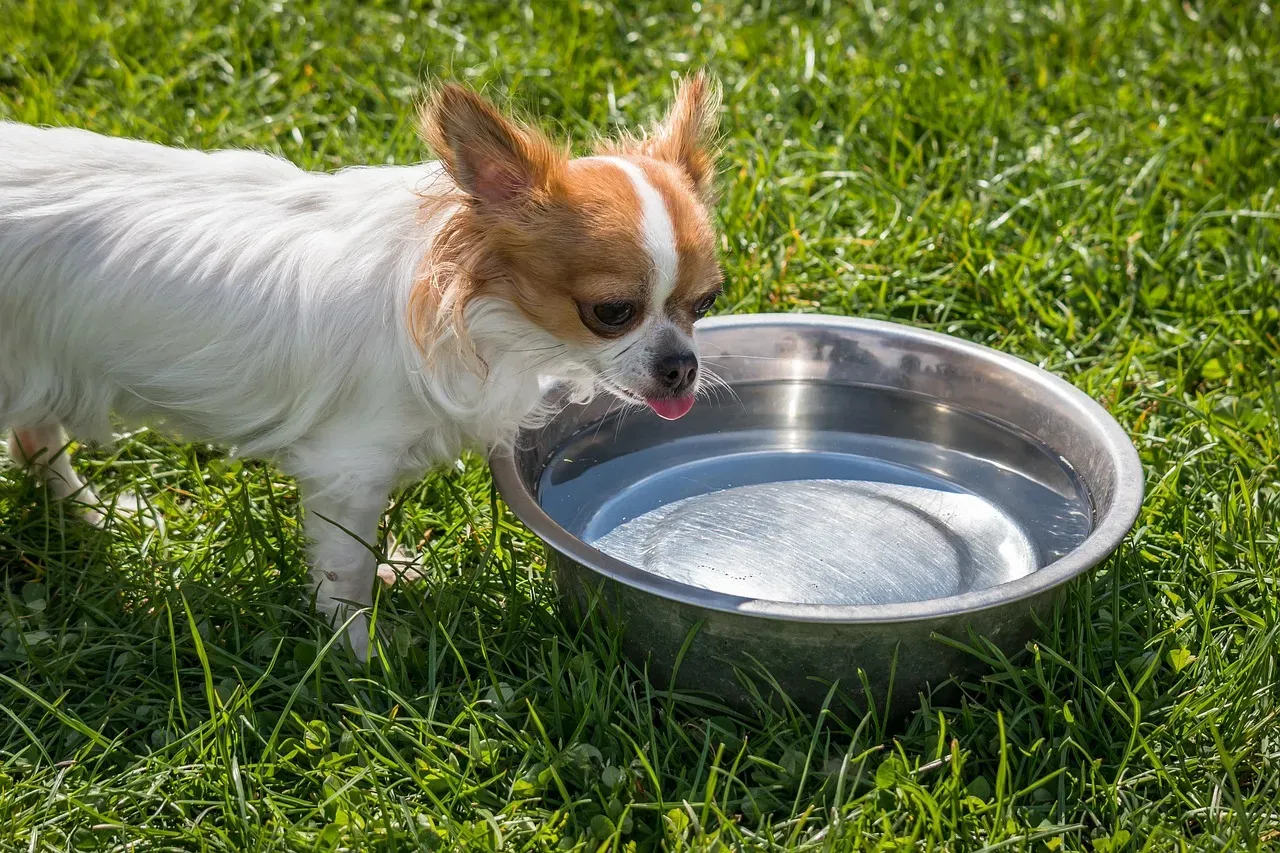
Within a couple of days, most dogs stop wandering the house looking for water and just return to the same familiar spot without being shown twice. Scent memory and simple repetition do most of the work here.
Moving the bowl around “for cleaning” or convenience undoes that progress fast, teaching the dog to search instead of settle. It’s a small detail, but predictability here matters more than most owners assume.
#5 – Visitor and Delivery Sounds
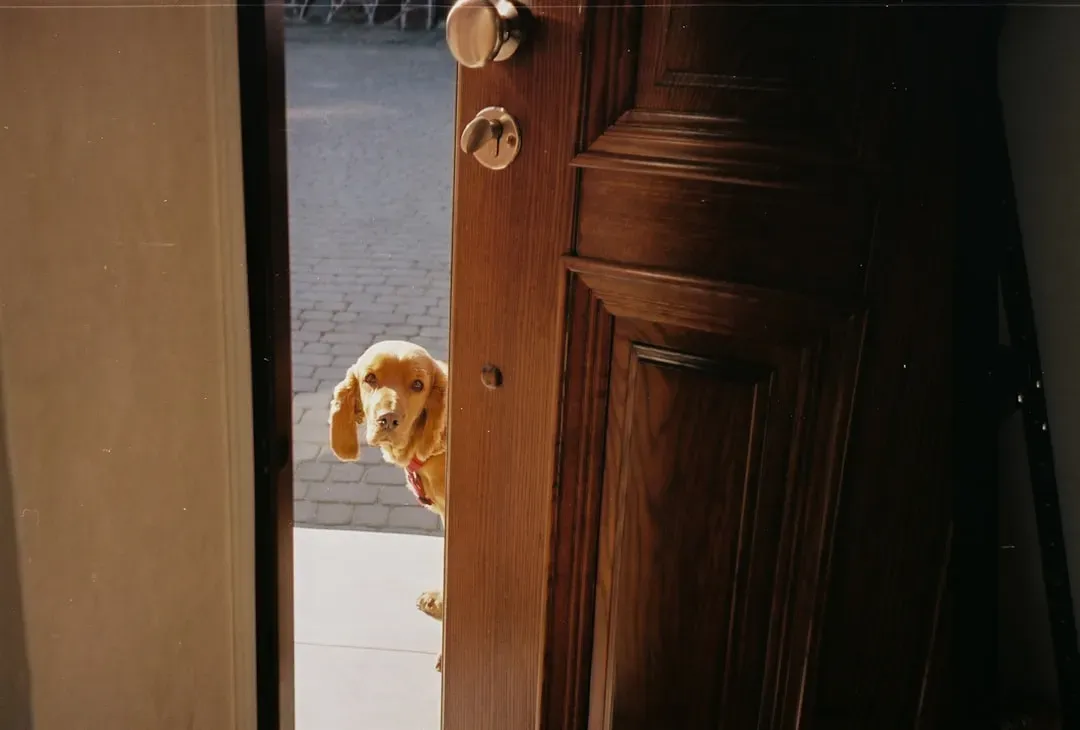
The doorbell, a knock, or the thud of a package hitting the porch becomes an expected event surprisingly fast, often triggering alert behavior or a rush to the door. This taps into territorial instincts that get sharper with every repetition.
Common advice pushes constant early socialization, but controlled exposure in those first days tends to work better than a revolving door of visitors. Either way, the pattern forms whether the household plans for it or not.
Worth Knowing
- Alert behavior at the door often intensifies briefly before it settles, which is a normal part of adjustment
- Calm, consistent owner responses help a dog calibrate when alert behavior is actually warranted
- Gradual, planned visitor exposure tends to settle a new dog faster than frequent, unplanned drop-ins
#4 – Where the Toys Live and When Play Happens
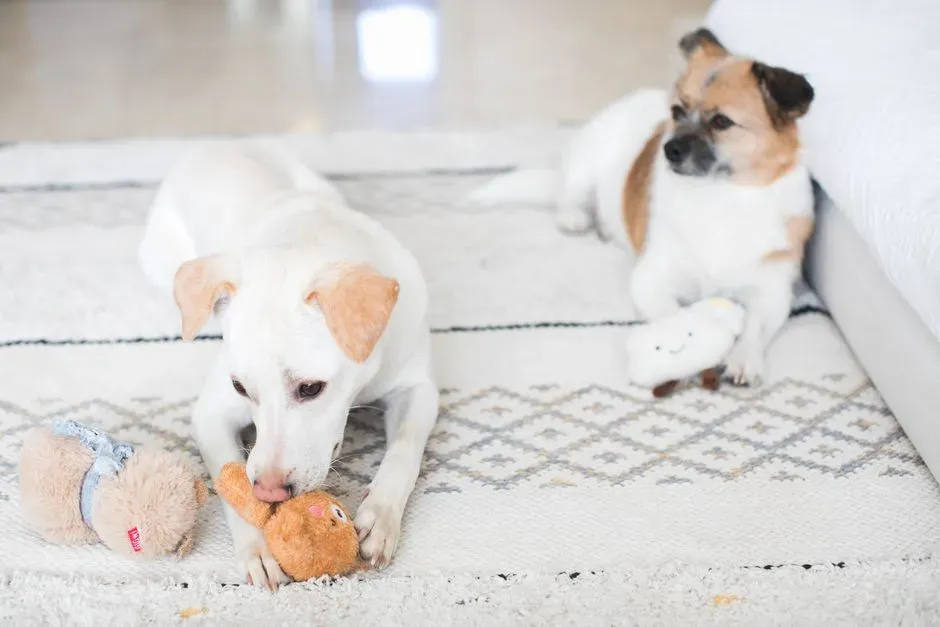
Dogs figure out where the toy bin lives and roughly when play tends to happen, sometimes bringing a toy over unprompted right around that usual time. Positive associations from even a few play sessions accelerate this recognition quickly.
Leaving every toy out and accessible all the time can actually lower the value of play compared to structured access at expected moments. The anticipation itself becomes part of what the dog looks forward to.
#3 – Who Handles Medication or Grooming

In homes with regular care routines, brushing, ear cleaning, medication, dogs identify the person who handles it fast, and they’ll show either anticipation or clear avoidance the moment that person approaches. Trust builds through repetition here more than through any single gentle session.
Most owners underestimate how quickly a dog assigns this role to one specific person, which is why a substitute handler often meets more resistance than expected. Once the pattern sets, switching hands mid-routine rarely goes smoothly.
#2 – The Overall Energy of the Home
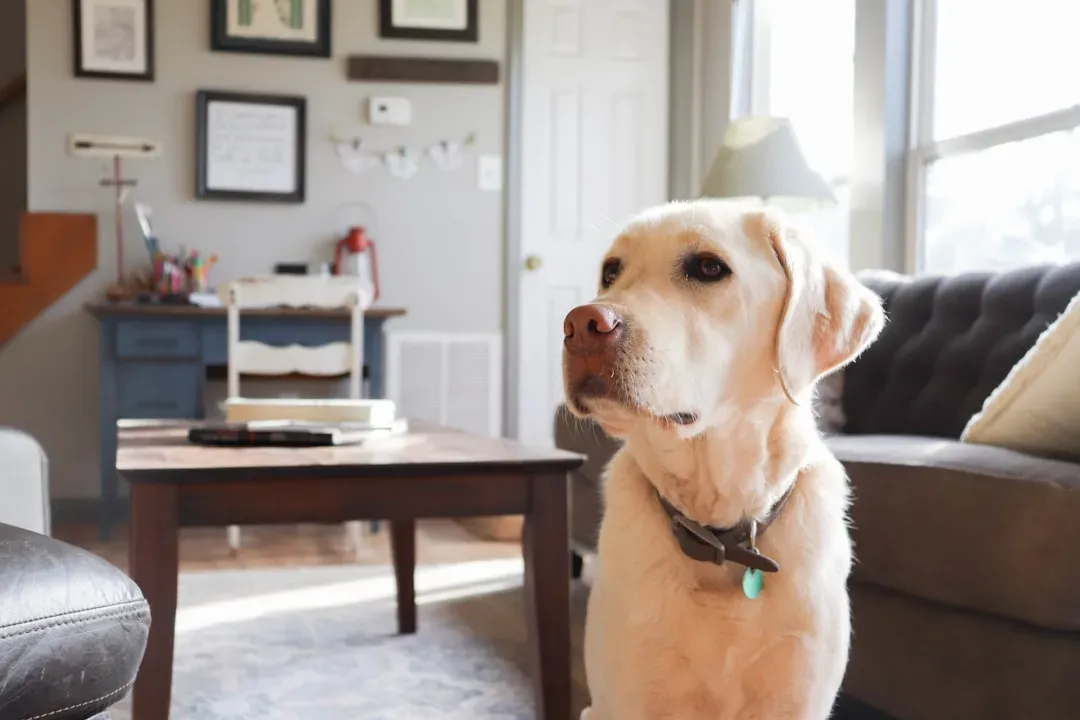
Dogs read the baseline vibe of a household, calm, chaotic, or somewhere in between, and start adjusting their own behavior to match it within days. This comes from their unusually sharp attunement to human emotion and rhythm.
The popular idea that dogs need constant stimulation to thrive doesn’t hold up as well as predictable, low-key stretches of downtime. A dog settles into whatever rhythm the house actually runs on, not the one owners think they’re running.
Why It Stands Out
- Dogs often mirror household energy faster than almost any other adjustment on this list
- A calm, predictable home tends to produce a calmer dog within the first week
- This shift usually happens passively, without any deliberate training
#1 – That You Are Their New Source of Safety
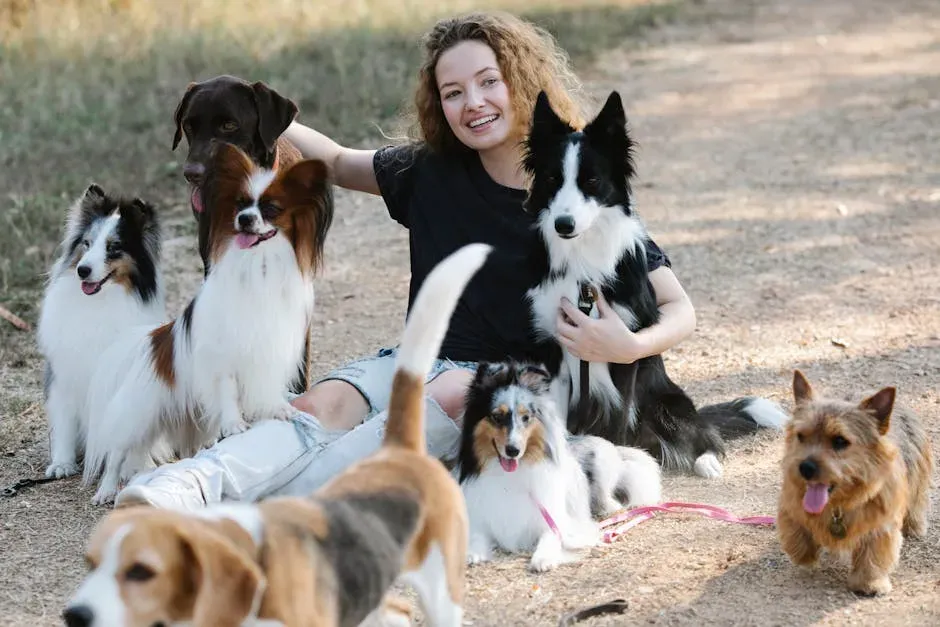
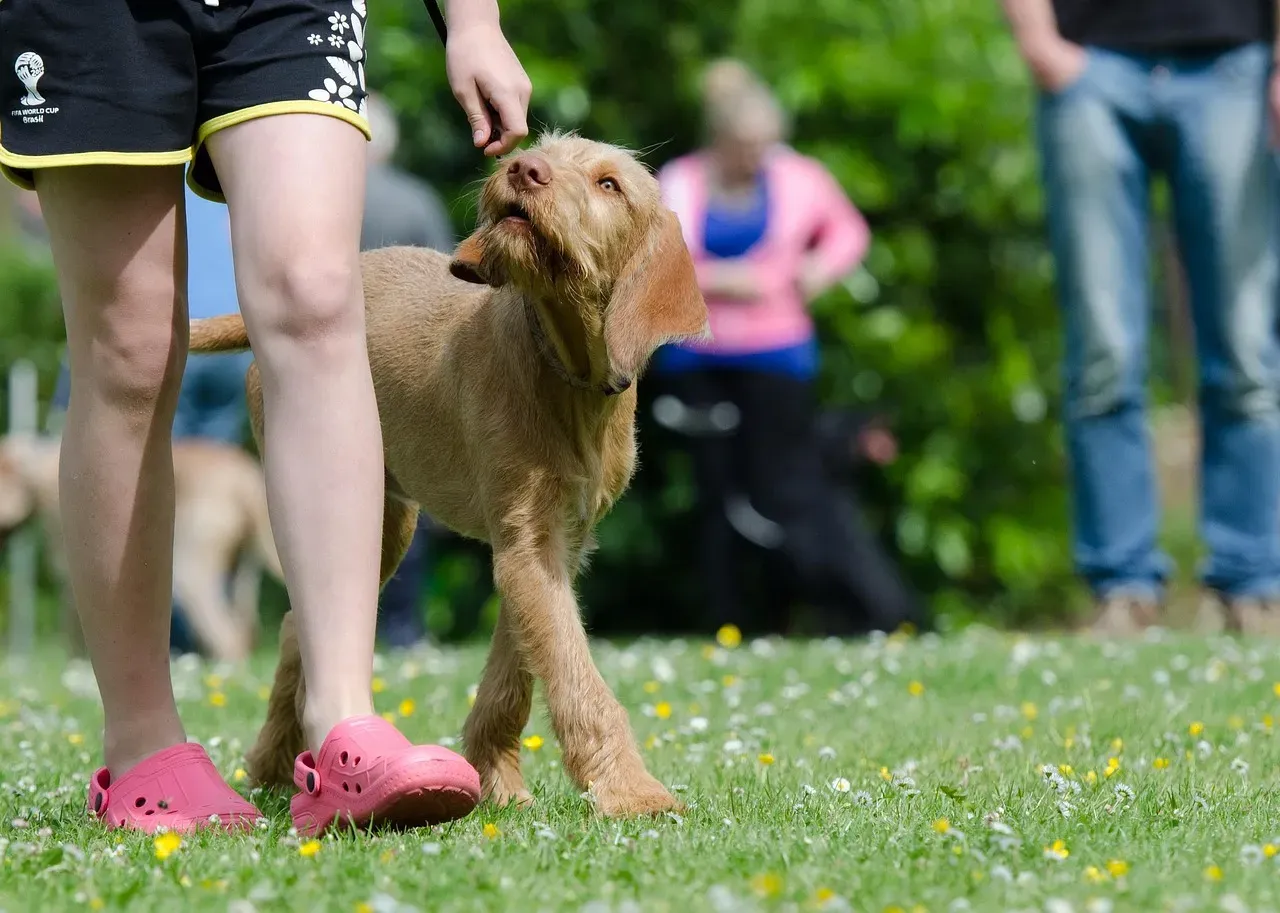
Above everything else on this list, a dog quickly comes to expect you as the reliable source of food, safety, and direction. They start orienting toward you for cues on what happens next, and that single expectation becomes the foundation everything else gets built on.
The biggest mistake new owners make isn’t too much discipline, it’s too much freedom and choice too soon, when what the dog actually craves is calm, clear leadership from day one. Security forms fastest when the routine around it stays steady.
Dogs are not our whole life, but they make our lives whole.
Roger Caras
The Bottom Line
Dogs absorb household expectations fast because survival once depended on reading patterns, first in the wild, then in ours. The first few days matter more than most people realize for locking in routines around food, doors, people, and safety.
Inconsistency from owners causes far more confusion than any so-called adjustment period ever does. The 3-3-3 rule offers comfort, but the real lesson is simpler and a little less forgiving: dogs aren’t waiting on your timeline, they’re already building theirs, starting the moment they walk through your door.