
19 Ordinary Things a Dog Reserves for Whoever Walks It Each Morning and Nobody Else at All
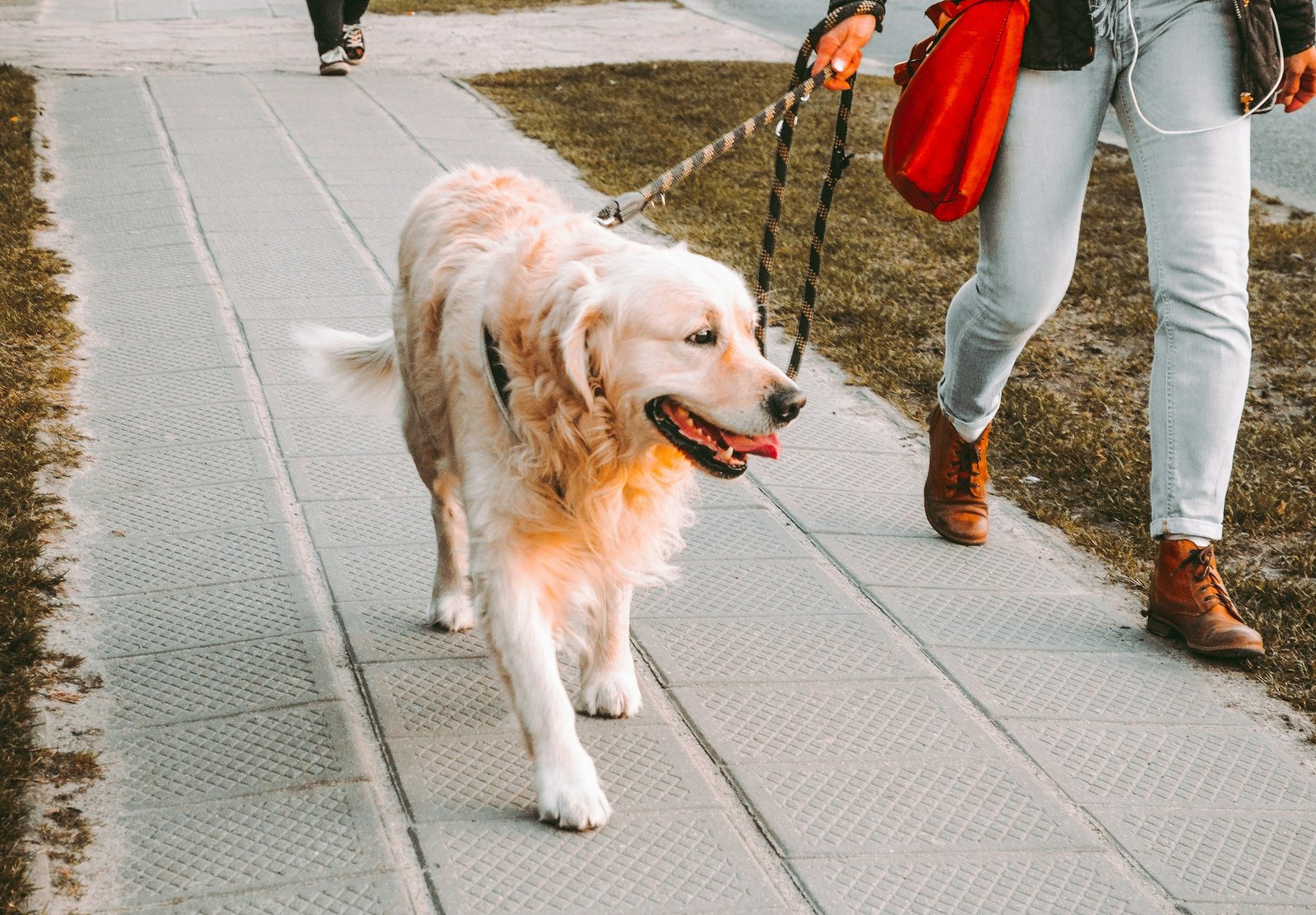
Most dog owners assume their pet loves the whole family the exact same amount. Same tail wag, same excited spin, same sloppy kisses no matter who’s holding the leash. That’s the story we tell ourselves at breakfast every morning.
But watch closely enough and a different picture shows up. Behaviorists have a name for what’s actually happening underneath all that generic affection: a “primary attachment” that quietly forms around one specific person – usually whoever laces up their shoes and takes the dog out first thing in the morning. It’s not about who buys the fancy treats or who’s home the most. It’s about who shows up at dawn, over and over, and earns something nobody else in the house even realizes is missing.
Over months and years, that daily ritual builds a private language between you and your dog. Some of it you’ve probably already noticed. Most of it, you haven’t – until now.
#1 – The “Only-For-You” Morning Greeting
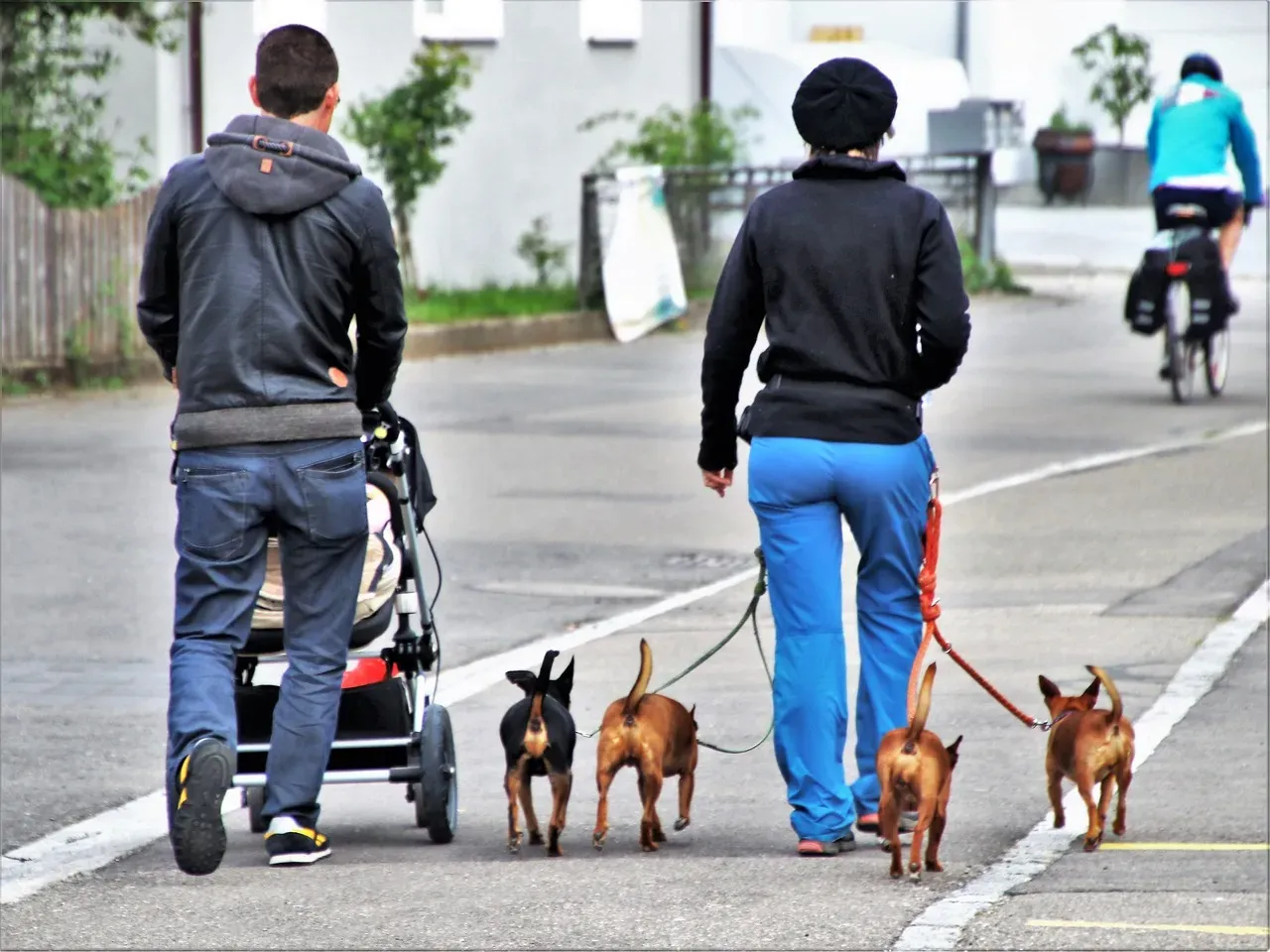
Your dog’s real favorite human isn’t the one who buys the fancy treats. It’s the person they sprint toward the second the alarm goes off. Morning-walker status often comes with a completely different greeting ritual than anyone else in the house ever gets.
That twisty, butt-wiggling, tail-trying-to-leave-the-body dance? That’s usually reserved for whoever clips on the leash at sunrise. Everyone else gets a casual hello. You get the full production – soft whines, paw taps, a nose-nudge under your hand like they’re checking, you’re up, right? It’s our time. They’ll scan the hallways and even peek at your bed, ignoring the rest of the family until they’ve confirmed their walker is awake.
#2 – The Private Route Check-In
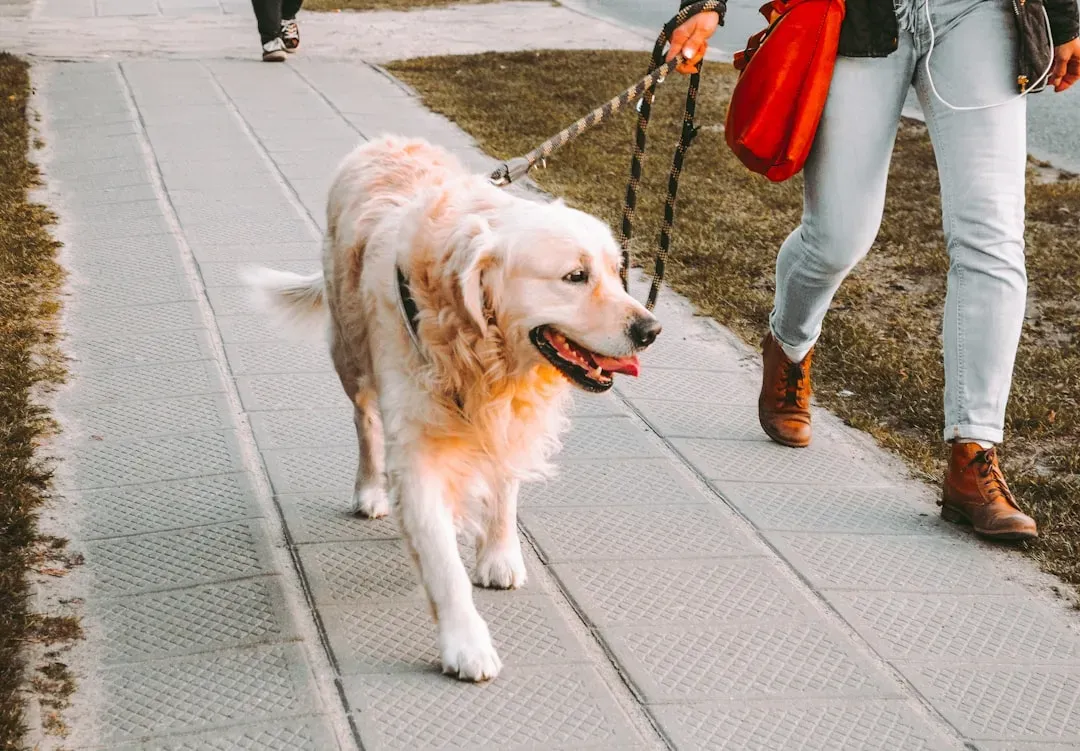
Most people assume dogs just want to sniff everything. But the morning-walker relationship usually includes a quiet, unspoken negotiation over the route that nobody else ever notices. Your dog pauses at certain corners, glances back at you, and waits for a decision that isn’t random – it’s trust.
Over time you build a shared map together: the tree with yesterday’s news, the driveway where the cat sits on the hood, the hedge that sometimes hides a squirrel. Hand the leash to someone else and the dog may drag or hesitate, because the internal script for “how mornings work” is missing its co-author. That searching, are-we-still-doing-our-usual eye contact belongs to the morning walker alone.
Fast Facts
- Dogs have roughly 300 million scent receptors, compared to about 6 million in humans.
- A dog’s nose is estimated to be tens of thousands of times more sensitive than ours.
- Familiar routes let dogs build a mental “scent map” of the neighborhood over time.
- Trainers often note that constantly changing the walking route can add unnecessary stress for anxious dogs.
#3 – The Weird Little Pre-Walk Ritual That’s Only Yours
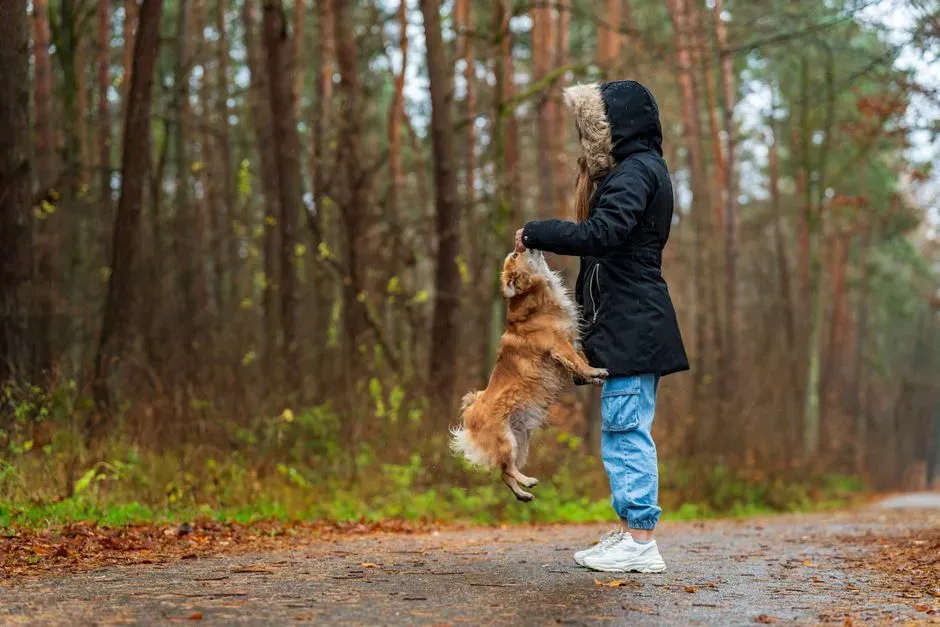
Anticipation is half the reward, and dogs know the walk is coming before you’ve even sat up. Around the morning person, that excitement usually turns into a strange little performance nobody else ever triggers – a specific toy carried to the door, a stretch in the exact same spot, one sharp bark that almost sounds like a question.
For everyone else, the dog might just wag calmly. With you, they spin in a pattern, tap their nails on the floor in that unmistakable hurry-up rhythm, or stare at your shoes until you grab the right pair. These are learned responses to your exact habits – your timing, your clothes, even the way you tie your laces. Shift your schedule and the dog may still perform the ritual at “your” time, waiting on you specifically, not the walk itself.
#4 – The Leash Trust Test
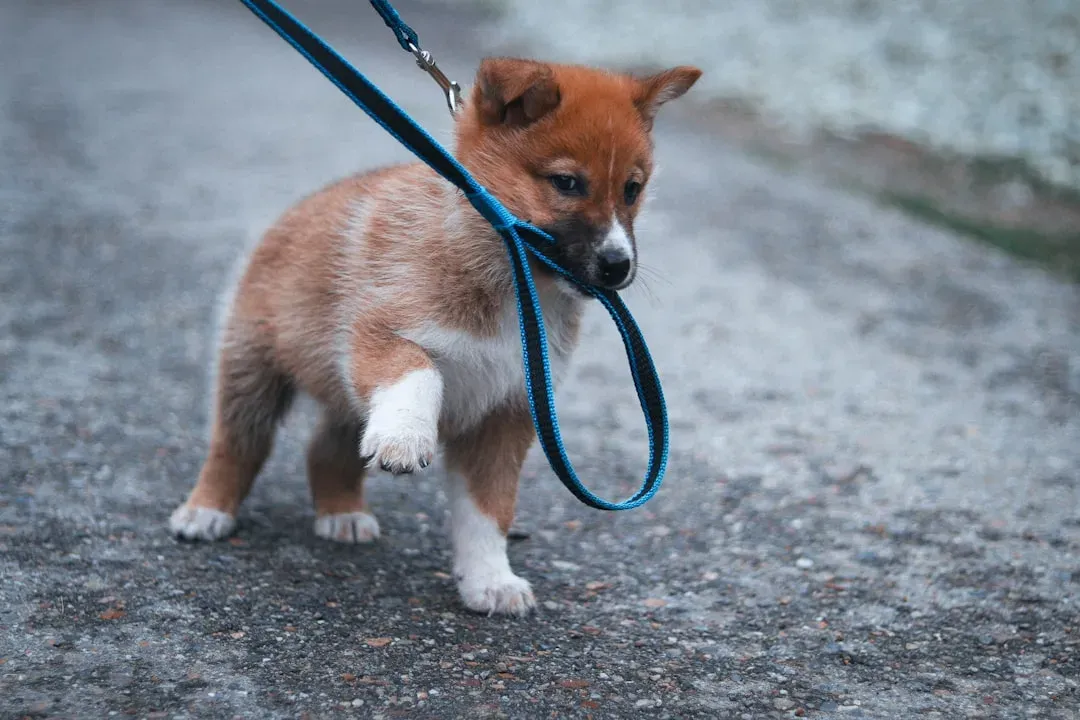
Leash manners aren’t just about training – they’re about who your dog has decided is worth following. The person who walks the dog every morning usually gets the best version of them: less pulling, more checking in, a rhythm that looks almost choreographed. That’s not luck. That’s attachment plus repetition.
Your dog has learned your pace, your usual stops, how you react to sudden noise, and most importantly, what happens when they actually listen to you. Good things happen when they stay close to you specifically. That’s why the same dog can turn into a chaotic mess the moment someone else takes the leash, surging ahead and weaving like they’ve never worn a collar in their life. It’s not bad training. It’s that their real walking relationship is with you.
#5 – The Secret Sidewalk Confidences
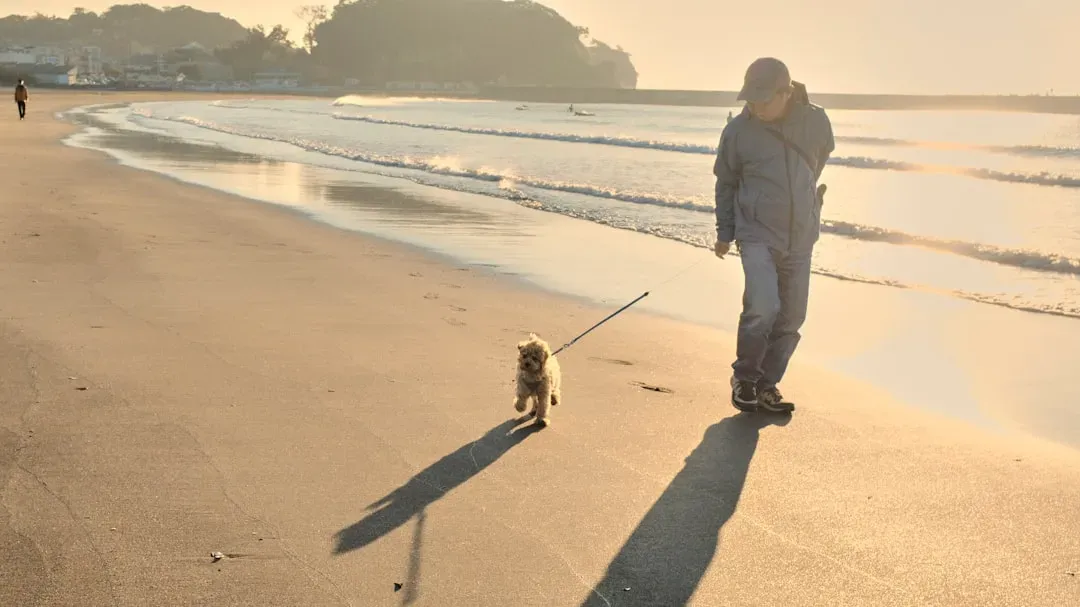
This one sounds sentimental, but owners swear it’s real. On quiet early walks, before the world has fully woken up, dogs become surprisingly tuned in – not just to other dogs, but to you. Most morning walkers, without even realizing it, talk more to their dog during that hour than at any other point in the day.
You vent about work. You think out loud. You mutter about the weather. Your dog doesn’t understand the words, but they absolutely understand the tone, the cadence, the mood underneath it, and they respond – staying closer, glancing up more, slowing down when your voice dips. If you talk to your dog more on morning walks than anywhere else, that walk has quietly become your shared therapy session, and nobody else gets that version of you.
#6 – The “You’re My Safety Zone” Street Reactions
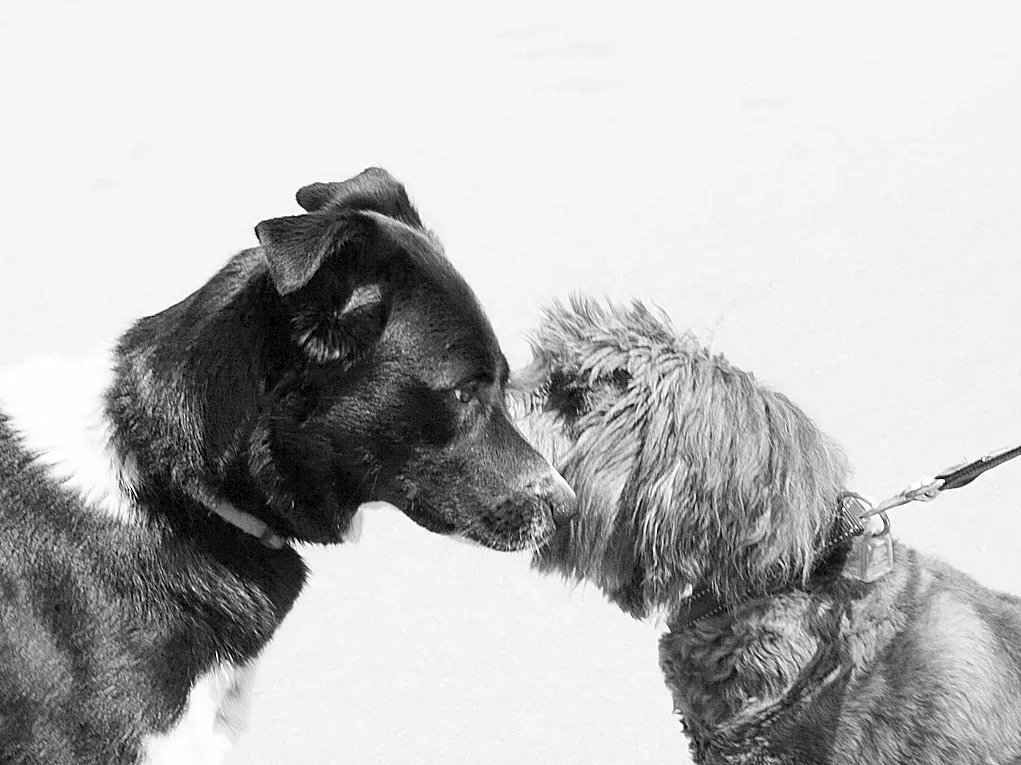
Most people think a dog tucking behind one person during a loud truck or a barking neighbor is just being shy. Behaviorists see it differently – as a clear sign of a chosen safety figure. Dogs press into or slightly behind whoever they trust most under stress, and that’s very often the morning walker.
- A trash truck clanks too loud.
- A skateboard whizzes past.
- Another dog lunges at a fence.
Does your dog shift toward your leg instead of anyone else’s, even with other people right there? That’s not random. You’re the one who has navigated hundreds of sidewalk surprises with them at dawn, so you get tagged as the anchor. It carries into the house too – thunderstorms, fireworks, strange noises at night – and your dog may head straight for your side of the bed first.
#7 – The Chosen Sniff Spots (Yes, Really)
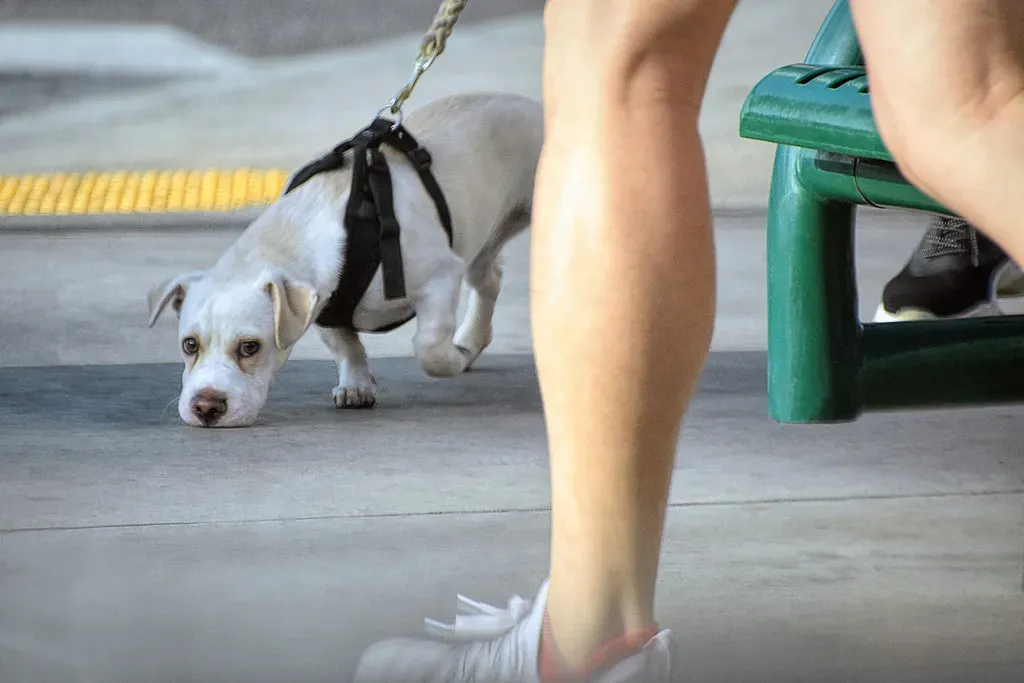
Here’s a slightly gross truth: not all sniffing is created equal. Dogs keep a mental map of priority sniff zones, and the ones they insist on visiting with you aren’t always the ones they bother with when someone else holds the leash. Fresh morning scent makes this their preferred time to “read the news.”
- They stop at their three favorite spots, every time.
- You roll your eyes but wait anyway.
- You both move on, satisfied.
Hand the leash to someone else and your dog might rush through or skip these spots entirely, because the ritual is tied to you, not the sidewalk itself. Scientists would call it reinforced behavior. Dog people just call it “our usual rounds” – a quiet preference the rest of the family doesn’t even know exists.
#8 – The “We Have Our Own Pace” Sync
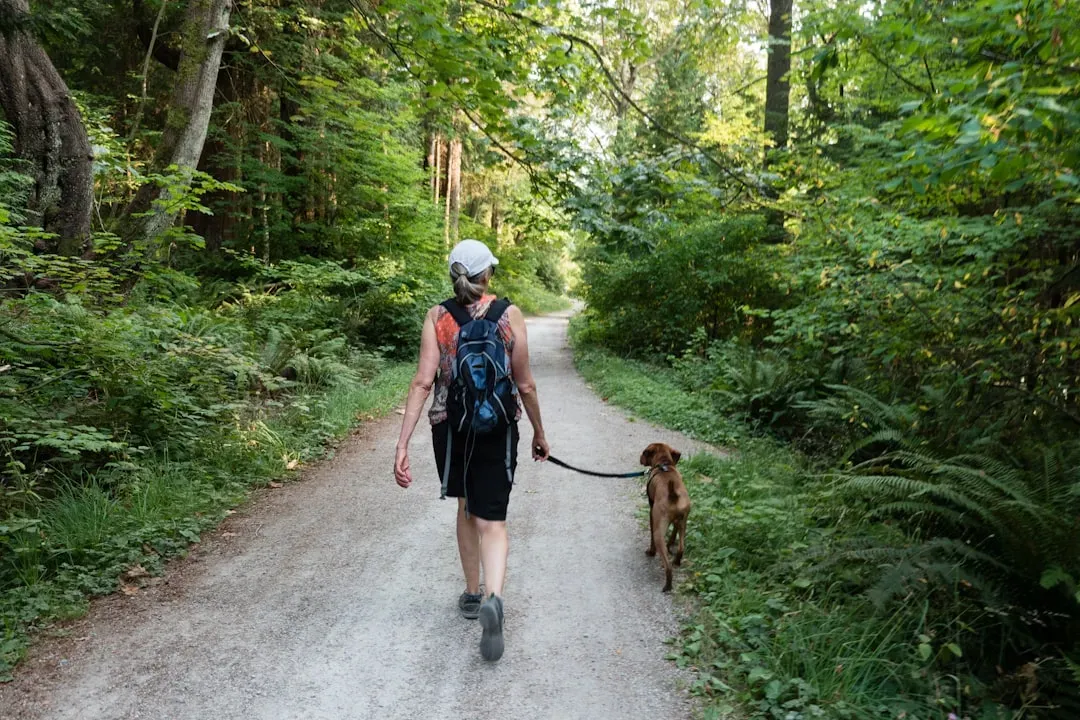
Watch closely – your dog doesn’t walk the same speed with everyone. They might zoom with the kids and drag with grandpa. But with the morning walker, something rarer shows up: a naturally synced pace, like you’re both tuned to the same metronome.
That’s not magic, it’s repetition plus relationship. Your dog has learned exactly how long you like to walk, where you tend to speed up, when you’re likely to stop and check your phone, and they adjust their energy to match. It cuts both ways – you shorten your stride for their sniffing, or lengthen it when they’re wound up. Hand the leash off, and that quiet daily compromise disappears instantly.
#9 – The “Only Your Voice” Recall
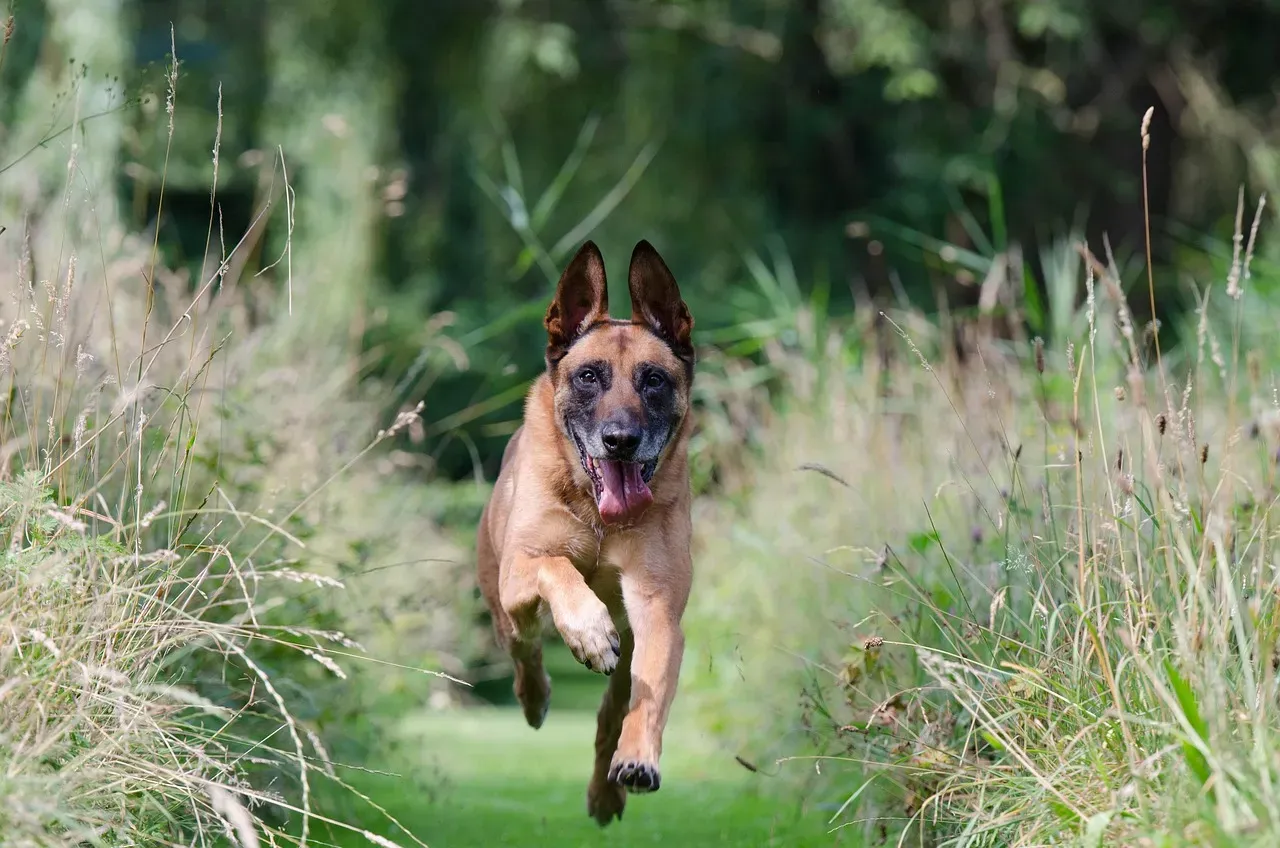
Here’s the one that starts arguments: in a lot of homes, only one person can reliably call the dog off a distraction outside, and it’s usually the morning walker. Everyone else assumes the dog is being stubborn. In reality, the dog has built a deeply reinforced recall bond to one specific tone, cadence, and phrase.
Who says their name the most on the street? Who corrects them before they bolt after a squirrel? Who praises them every single time they look back? Your voice becomes a shortcut wired straight into their brain – listen to this person, and the world makes sense. That’s why a partner can shout the exact same command and get half the response. It’s not training frequency. It’s trust layered on top of thousands of repeated mornings.
Worth Knowing
- Dogs respond more to tone and pitch than to the specific words being used.
- An upbeat, higher pitch usually signals praise; a flatter, firmer tone signals a command.
- Using the exact same word every time – not synonyms – speeds up reliable recall.
- Recall tends to sharpen fastest with whoever practices it most consistently, not necessarily the family favorite.
#10 – The Post-Walk Shadowing
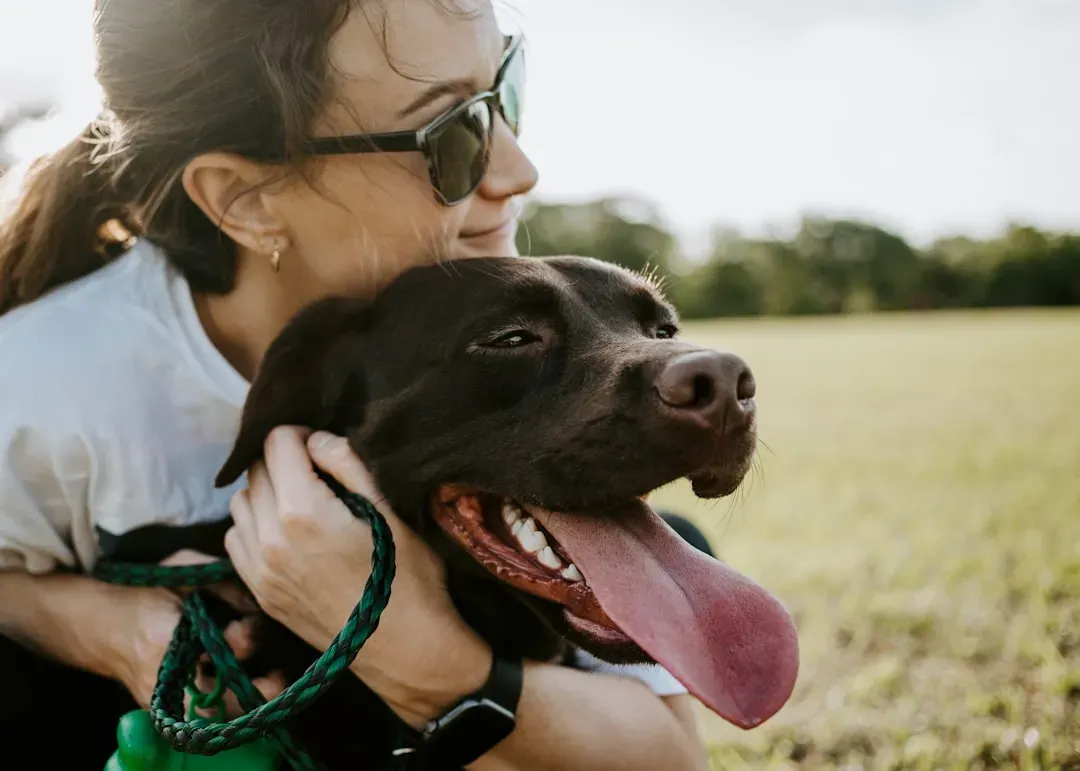
Ever notice your dog trailing you specifically around the house right after a walk? That’s not random clinginess – it’s a cool-down attachment phase. Having just navigated the outside world together, they’re still mentally linked to you, and that bond spills into the next hour of your day.
- Curling up near your feet while you make coffee.
- Following you from room to room, even past other family members who are already up.
- Watching you shower or sit at your desk like you’re technically still “on the walk.”
The outside world is stimulating. You are stabilizing. Someone else can pour the kibble, but they didn’t just help your dog conquer garbage trucks and joggers before sunrise – and that loyalty clings.
#11 – The Silent Breakfast Trigger
Here’s one most families completely miss: dogs quietly link the morning walker with food predictability, even when someone else fills the bowl. Why? Because the end of the walk usually lines up with breakfast, or that first treat of the day.
If you walk, then feed, your dog locks in an ironclad sequence – leash, walk, home, and life is good. Even when someone else feeds them, they may still hover near you right after the walk, because in their mind, you’re the one who unlocks the rest of the morning. Some dogs will straight-up ignore food until the morning walker gets home, then eat the second the pattern feels “right” again. It’s not appetite. It’s psychological completion of an expected script.
#12 – The Exclusive “We Made It” Look at the Door
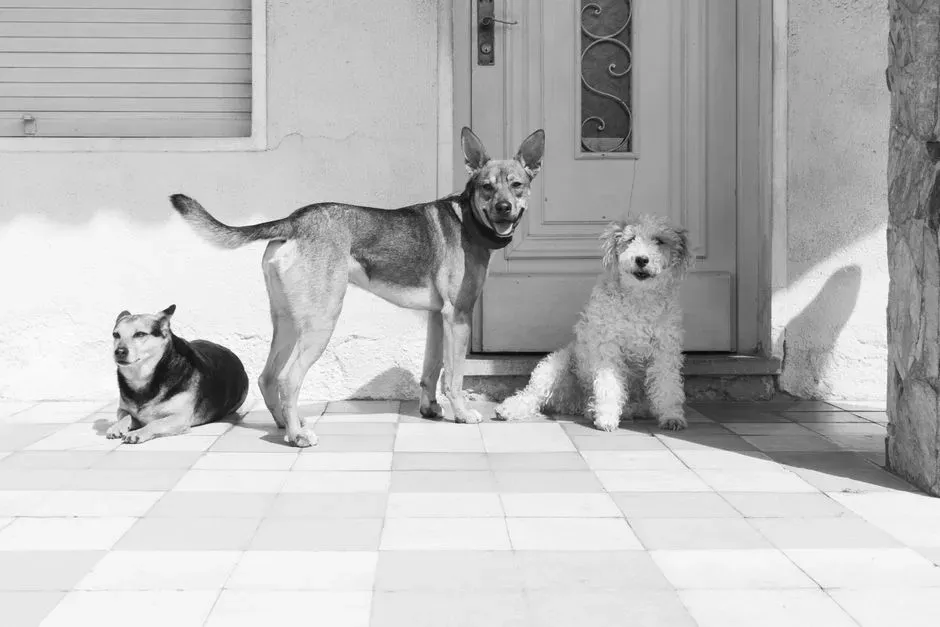
Watch the moment you both step back inside. Many dogs give their morning walker a small, almost human expression – a sigh, a head tilt, a brief, intense stare that seems to say, we did it, same time tomorrow? This isn’t the excited greeting energy. This is the quiet satisfaction cue.
- Standing still, just looking at you for a beat.
- Shaking out and glancing back at your face.
- Stretching right in front of you, like a private cool-down performance.
Is that anthropomorphizing a little? Sure. But dogs read human faces with real precision, and that doorway pause almost never shows up with other walkers – because the repetition, and the emotional weight of “we’re home, we’re safe,” hasn’t welded itself to that person yet.
#13 – The Morning-Only Cuddling Rules
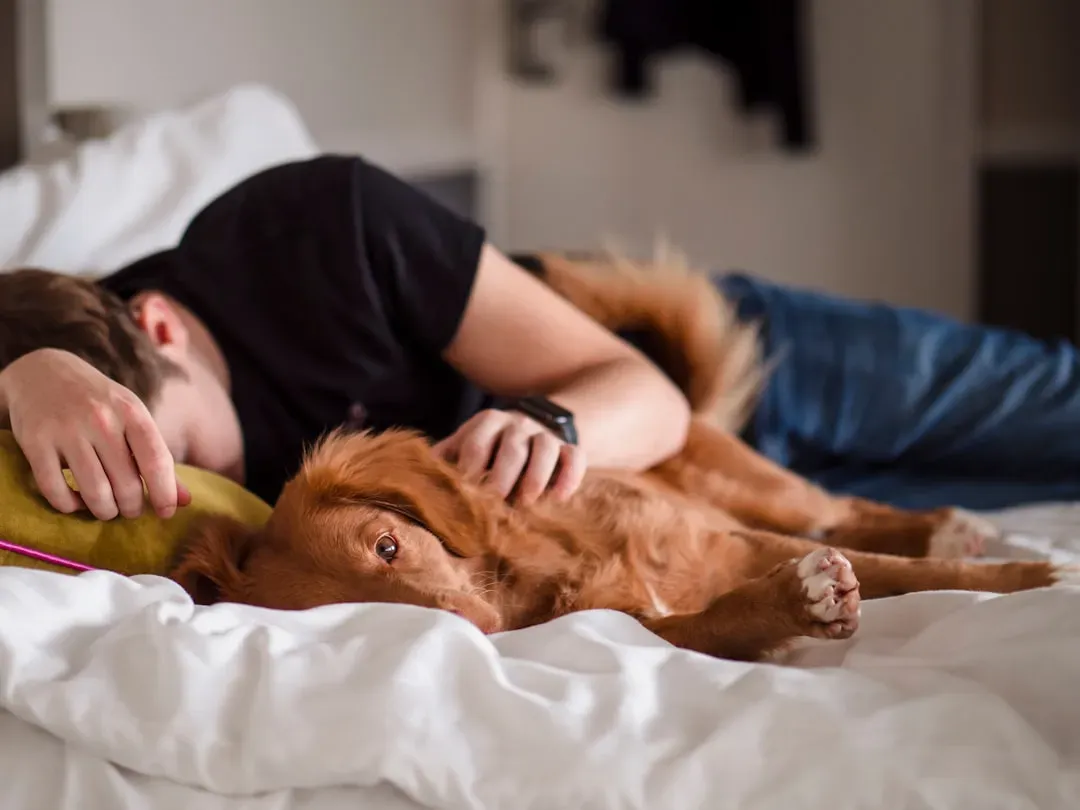
Some dogs get labeled “not big cuddlers” – until you notice they have one very specific affection pattern reserved for exactly one human, right after the morning walk. Leaning hard into your legs. Burying their face in your robe. Climbing halfway into your lap while you’re still in your jacket.
What’s happening is decompression. They’ve just navigated smells, sounds, and social decisions outside, and now they want physical contact with their secure base – but not from whoever’s around most. From whoever just walked the route with them.
Dogs are not our whole life, but they make our lives whole.
Roger Caras
It’s a post-game hug with a teammate, not a random cuddle. The person who feeds, grooms, or plays the most may still not get those particular nuzzles – not because the dog loves them less, but because this specific contact is tied to one shared experience: early, outside, together.
#14 – The Watchdog Window Posts
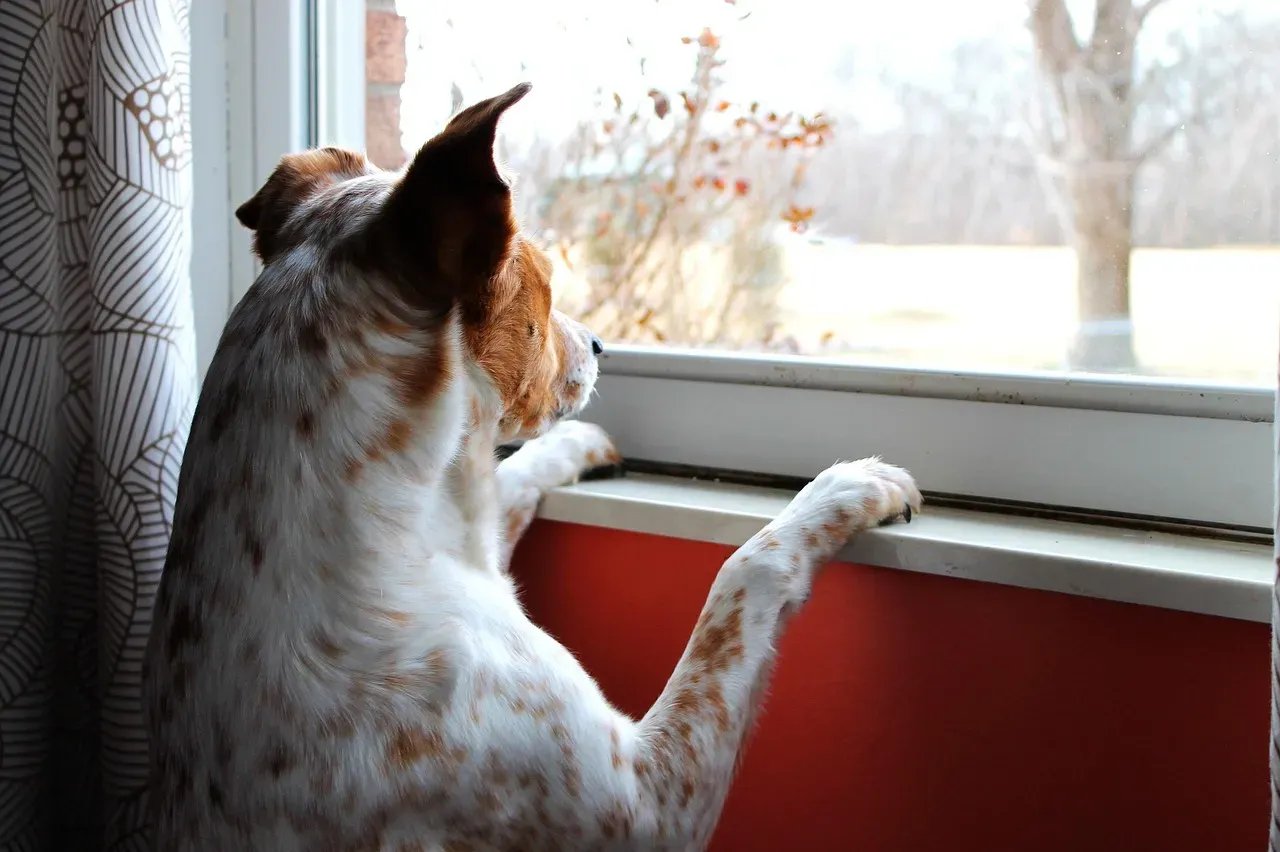
Here’s a slightly possessive behavior a lot of people misread. After the morning walk, some dogs pick one specific window, doorway, or corner to watch the world from – and part of what they’re doing is quietly keeping tabs on you, even from another room.
- They perk up at your footsteps specifically, not just anyone’s.
- They settle near the door you usually leave from, even with other people moving in and out.
- They react harder when you head toward the exit, like they’re bracing for “round two.”
You’ve become their outside access point – the portal to fresh air and adventure – so they position themselves to monitor it. It’s a quiet, territorial loyalty, not over the house, but over the daily routine they run with you.
#15 – The “Only You Get Away With That” Corrections
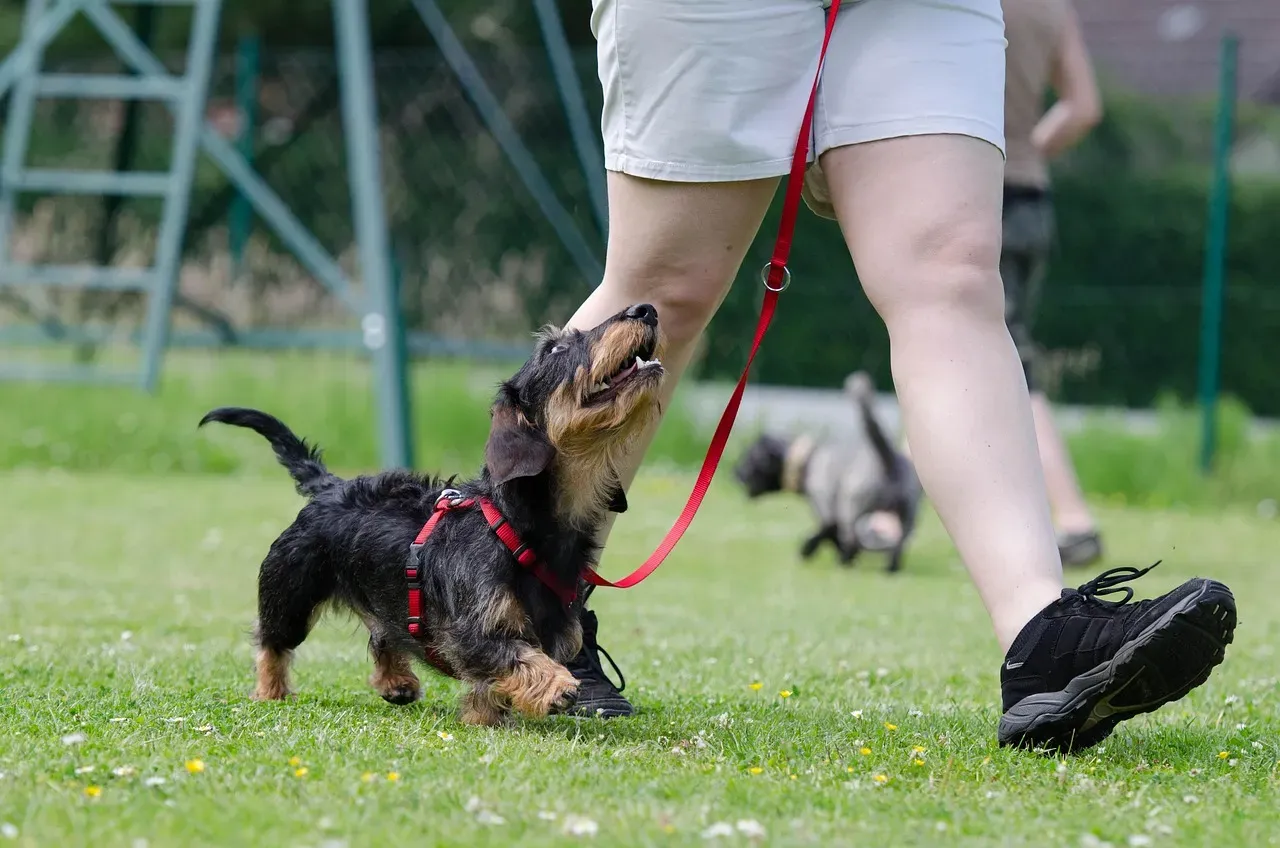
This is the one that sparks arguments at the dinner table: the dog “listens better” to one person, and it’s almost always the morning walker. But look closer – it’s not just that your commands work. You’ve earned the right to correct them more firmly without cracking the relationship.
The emotional bank account is overflowing with thousands of small, positive interactions – calm guidance, shared adventures, safe leadership. Say “leave it” in a sharper tone, and your dog pauses, thinks, complies, then trusts you exactly as much a second later. Try the same tone from someone who only shows up at feeding time, and it lands harsher, more confusing. That earned authority is its own quiet form of love.
#16 – The Mood-Matching on “Off” Mornings
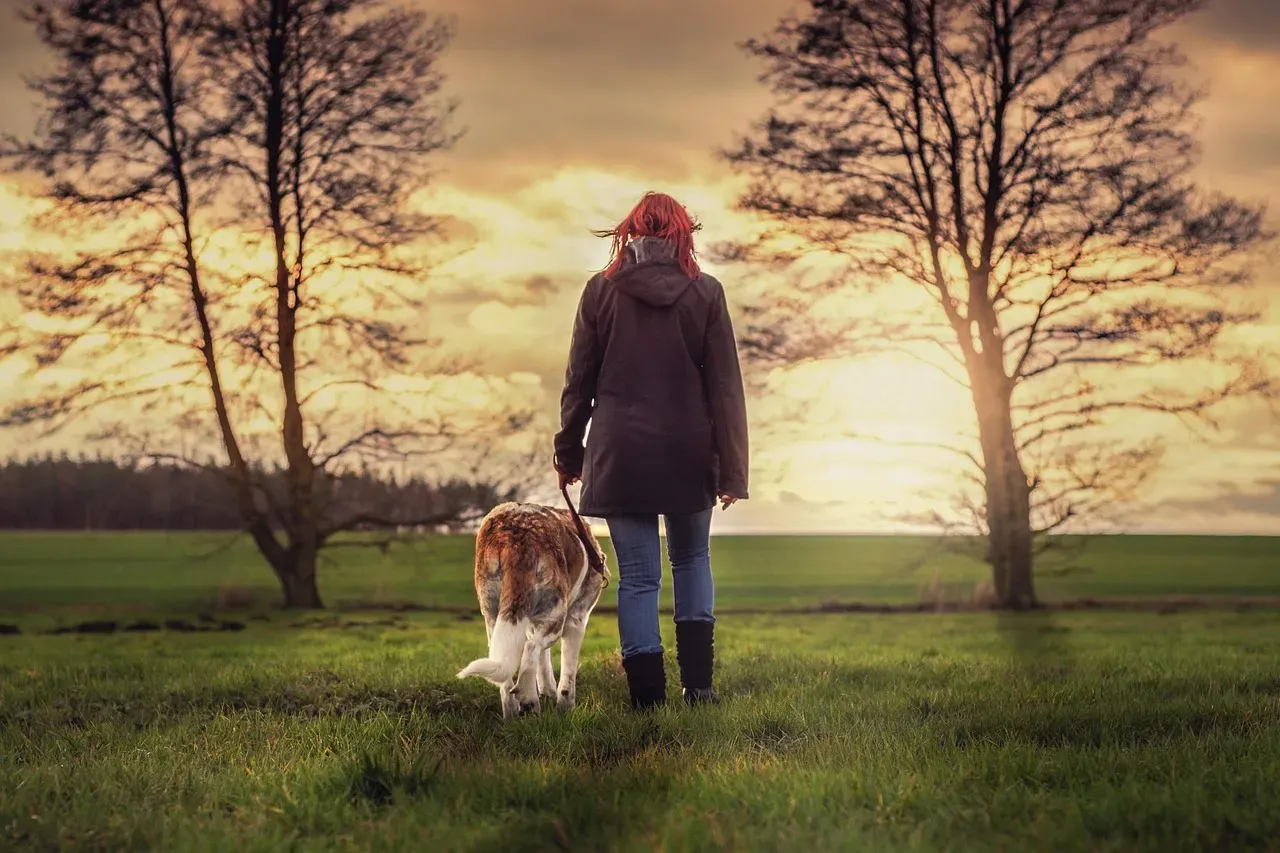
On days when you’re tired, sick, or clearly stressed, your dog’s behavior on the walk shifts – and usually only you notice it happening. They pull less, sniff less, stay closer, keep checking your face, even if you haven’t said a single word.
That’s not magic. It’s pattern recognition built from hundreds of normal mornings at your baseline. The moment your rhythm changes – slower footsteps, quieter voice, less eye contact – they adjust to match. This mood-mirroring rarely shows up with other walkers, because they don’t share your long-term data set. And it works in reverse too: on your extra chatty, upbeat mornings, your dog’s playfulness ramps right up with you.
Quick Compare
- Normal morning: steady pace, frequent sniffing, loose, relaxed tail.
- “Off” morning: shorter stride, less sniffing, tighter loop back to your side.
- Upbeat morning: bouncier gait, more play-bows, quicker check-ins with you.
#17 – The “You’re My Default Direction” Indoors
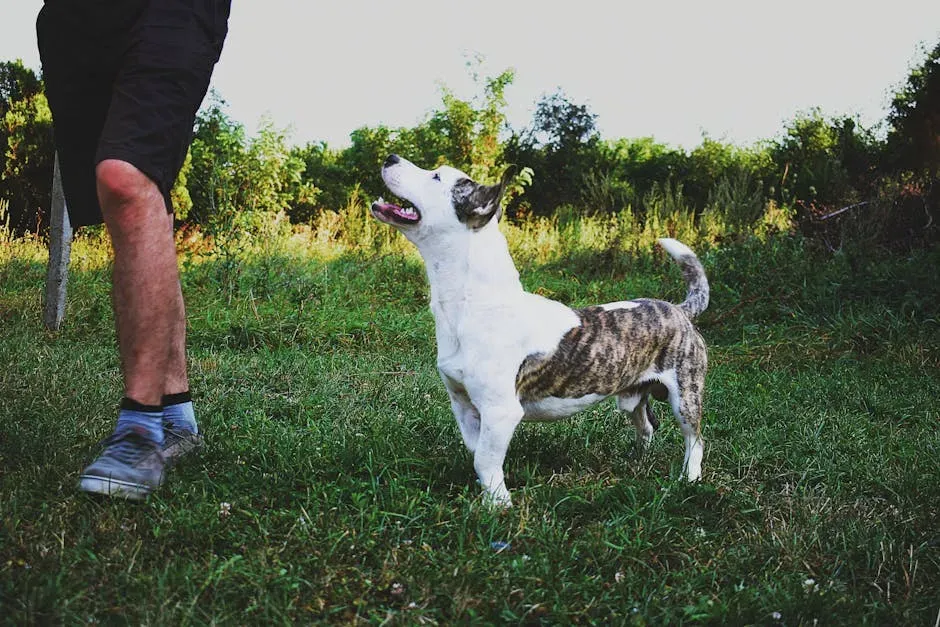
Here’s a subtle one: inside the house, your dog may still “walk with you” even when there’s nowhere to go. Stand up, and they stand up. Switch rooms, and they switch rooms. But pay attention to which person they actually mirror.
- You move through the kitchen – it’s a mini hallway walk.
- You circle back to the bedroom – short detour.
- You head toward the front door – full alert, just in case.
The dog has learned that when you start moving with purpose, interesting things happen: walks, car rides, new smells. So their indoor “route” aligns with yours more than with anyone else’s. Others can call them over all they want – their default compass needle still points to whoever they’ve practiced following every morning.
#18 – The Late-Day Check-Ins That Trace Back to Dawn
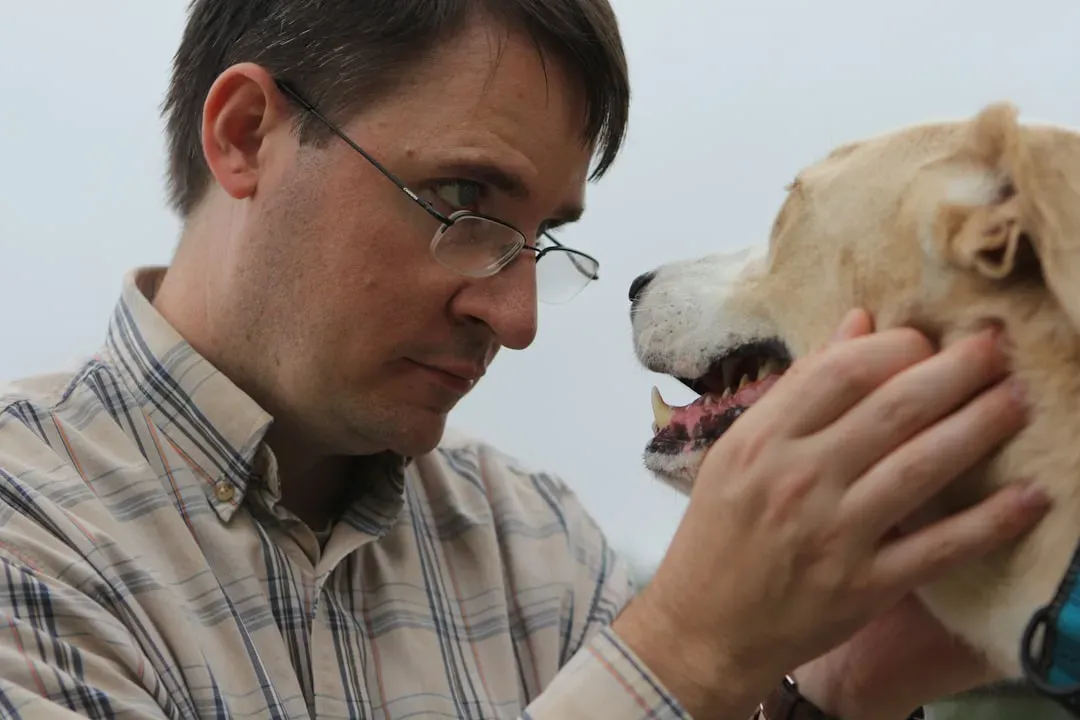
Long after the walk is over, your dog’s whole day still quietly revolves around that first outing – and by extension, around you. They’ll nap, play, hang out with everyone else, and then periodically wander over for a quick check-in: a nose bump, a brief lean, a soft stare. Then they wander off again.
They’re resetting their internal calendar with the person who started it. Dogs are creatures of routine, and many organize their whole sense of “how today is going” around whether the morning felt normal with you. Other family members see an “independent” dog most of the day. You see the ten-second knee visits nobody else gets – and that’s not boredom, that’s quiet loyalty shaped around one shared ritual.
#19 – The “You’re My Real Person” End-of-Day Preference
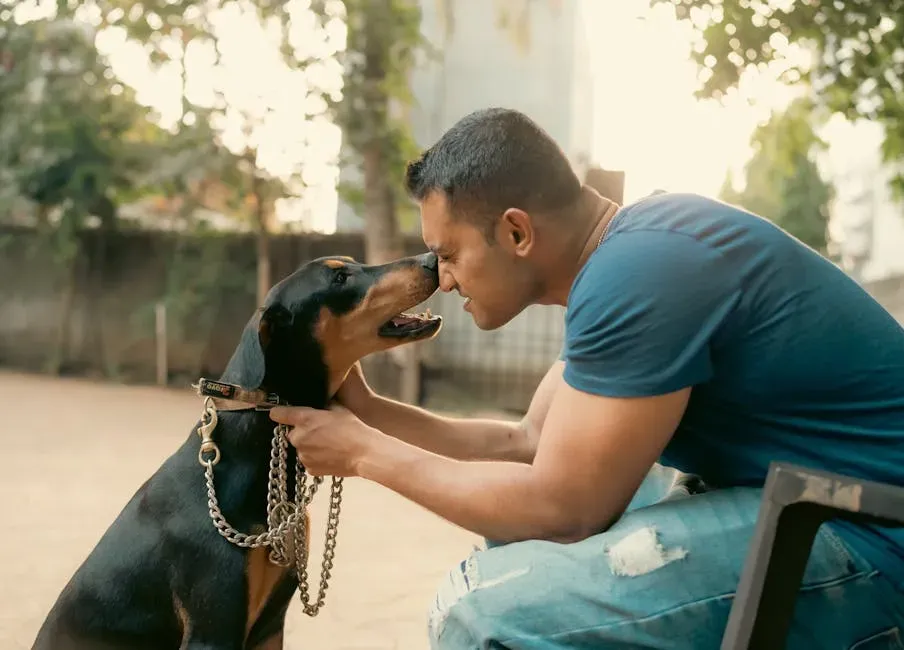
Here’s the part nobody likes to admit: at the end of the day, when the house settles and the dog actually has to choose, many quietly reveal who their real person is – and it’s often the one who walked them that morning. That’s who they curl beside on the couch, who they follow to bed, who they watch closest as the lights go out.
They’ll still greet everyone, take treats from everyone, play with whoever offers. But when it’s finally time to exhale, most dogs pick one human as their emotional home base. That’s not random – it’s the sum of every shared early hour, every tiny decision, every safe walk. Is it a little unfair to whoever buys the toys or pays the vet bills? Maybe. But dogs don’t care about job titles or budgets. They care about who laced up their shoes at 6 a.m. in the rain and said, come on, it’s you and me.
At a Glance
- Dogs typically form one “primary attachment” figure, even in busy, multi-person households.
- That bond is shaped by consistency and repetition, not by total hours spent nearby.
- Evening couch position, bedtime location, and comfort-seeking under stress are common tells.
- The attachment can shift over time if someone else takes over the morning routine long-term.
The Real Truth About Who Your Dog Loves Most
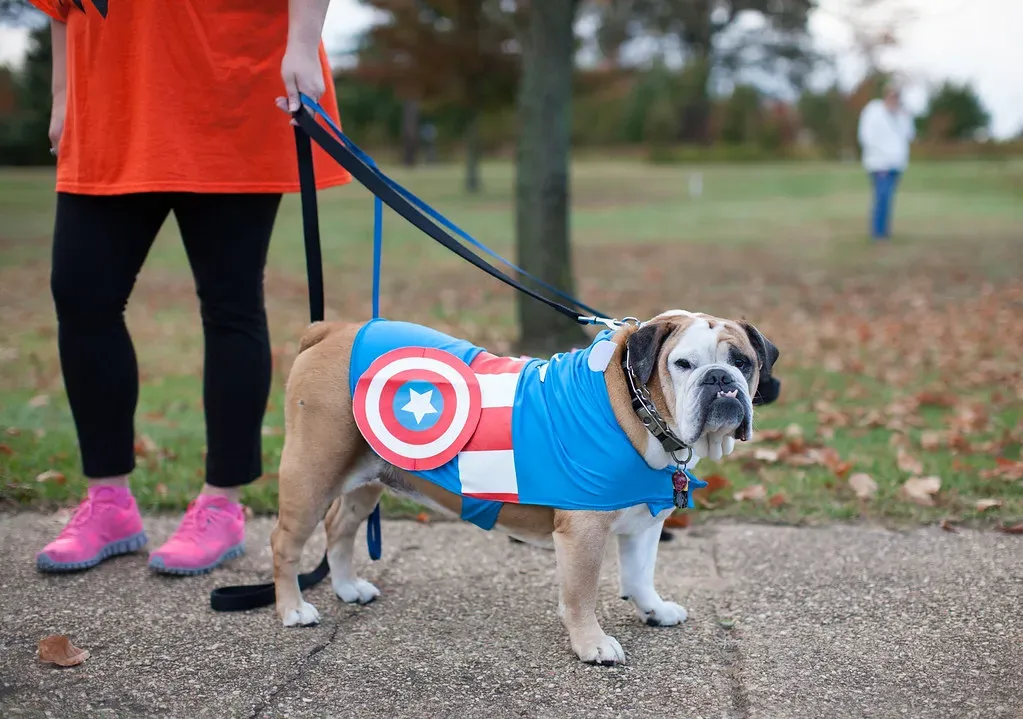
If you’re the one who walks the dog every morning, you’re not just knocking out a chore before coffee. You’re quietly becoming your dog’s primary attachment figure, whether the rest of the family likes it or not.
The special greeting, the better leash manners, the safety-seeking, the end-of-day cuddles – none of that is a coincidence or a personality quirk. It’s the downstream effect of hundreds of early mornings where your dog learned, over and over, that you’re the one who shows up, leads well, and brings them home safe.
People will keep arguing that the feeder, the groomer, or the main playmate is the “real” owner. Dogs disagree, and they vote with their paws every single day. They choose whoever actually walks beside them while the world is still waking up – and if that’s you, your dog has almost certainly built an entire secret language just for the two of you. So tell us: did we nail your dog’s quirkiest just-for-you habit, or is there one we completely missed?